Chamber filter press: the industrial master of filtration
Understanding the Chamber Filter Press – Operating Principles and Core Features
- Understanding the Chamber Filter Press – Operating Principles and Core Features
- Advantages and Industrial Applications of Pressure Filtration Technology
- Comparing Filtration Technologies – Making the Right Choice for Your Operation
- Procurement Insights: Sourcing and Selecting the Right Supplier
- Customization and Technical Specifications Tailored for Your Industrial Needs
- Conclusion
- Frequently Asked Questions
- Partner with Jingjin for Superior Filtration Solutions
- References
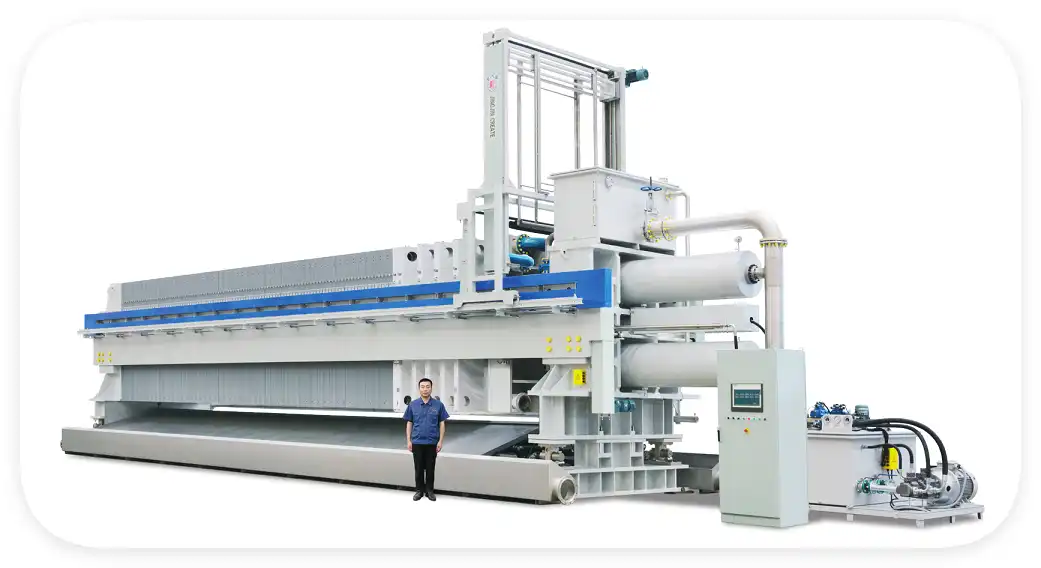
When your plant struggles with sludge disposal costs spiraling out of control, or environmental inspectors scrutinize your discharge compliance daily, you need equipment that doesn't just filter—it transforms operations. A chamber filter press is a specialized solid-liquid separation device that utilizes pressure filtration to dehydrate slurry efficiently. It consists of recessed filter plates arranged sequentially, which form sealed chambers when compressed by a hydraulic system. As slurry is pumped into these chambers under high pressure—typically ranging from 0.6 to 2.0 MPa—the liquid phase passes through filter cloth while solid particles remain trapped, forming a dry filter cake. This robust technology addresses critical operational challenges: reducing disposal costs, achieving strict environmental compliance, and recovering high-purity filtrate—all while occupying less floor space than vacuum or belt-driven alternatives.
Understanding the Chamber Filter Press – Operating Principles and Core Features
Precision and consistency are important in modern industrial filtering. An important part of a pressure filtration system is creating controlled environments where physics can do its job.
How Chamber Formation Creates Superior Dewatering
When slurry goes into the press, hydraulic rams push together recessed filter plates to make separate sections that are shut off. There is a filter cloth in each section that works as a wall, letting liquid through but keeping solids in. The recessed shape makes sure that the fluid is spread out evenly across the entire filter surface, which stops cake formation or channeling. This plate-and-frame setup makes many parallel filtering zones, which greatly increases throughput compared to systems with only one chamber. Different levels of pressure from the feed pumps (moderate to high depending on the sludge's properties) push liquid molecules through the media while a denser cake layer forms and acts as a second filter.
Core Components That Drive Reliability
High-performance systems are different from basic models in a number of technical ways. Plate sizes that can be changed, usually between 630mm and 2000mm, let workers match the filtration area to the amount of the process. Adjusting the chamber volume allows for different rates of solid loading, which stops blinding or incomplete filling before it's too late. Choosing the right filter cloth, like monofilament polypropylene for rough slurries or multifilament nylon for catching small particles, has a direct effect on how the cake comes out and how much wetness it has. Strong pressure rates make sure that the system can work safely in tough situations, and hydraulic closing systems make sure that the compression force stays the same every day, even after hundreds of rounds. New developments in automation include PLC-controlled sequencing, which automatically manages the feed time, pressure ramping, washing cycles, and plate moving for cake discharge. These features cut down on physical work, lower the chance of mistakes, and speed up run times.
When buying something, it's important to understand how to calculate capacity. The output is found by multiplying the filtration area (in square meters) by the maximum flow rate (in liters per square meter per hour). Cycle time, or the amount of time between starting the feed and releasing the cake, depends on the concentration of the slurry, the spread of particle sizes, and how dry you want the cake to be. If buyers accurately evaluate these factors, they can avoid buying equipment that is too small and slows down production or systems that are too big and waste money.
Advantages and Industrial Applications of Pressure Filtration Technology
This technology is used by many industries around the world because it has real practical and financial benefits that other methods find hard to match.
Performance Metrics That Matter to Your Bottom Line
Solid catch rates for a chamber filter press usually go above 99.5%, which means that almost no product is lost and the filtrate release has little effect on the environment. The cake's moisture level drops to levels that gravity thickeners or centrifuges can't reach. For example, 25–35% moisture is common in sewage sludge, and less than 15% moisture is common in mineral concentrates. Less water means less weight to move and less money spent on dumping fees. In many cases, it also means that dry solids can be used again in a useful way. The amount of energy used per ton of solids that have been dried out is still competitive, especially when compared to thermal drying methods. The closed-chamber design cuts down on the amount of chemicals needed for conditioning, which lowers costs and makes managing the waste stream easier. These benefits for the earth make the technology more appealing as rules get stricter around the world.
Real-World Applications Across Industries
These systems are used by municipal and industrial wastewater facilities to dewater primary and secondary sludge. This greatly reduces the amount of garbage that needs to be thrown away or burned. One medium-sized treatment plant in Ohio cut its yearly waste disposal costs by 40% when it replaced old belt presses with automated filter press technology. Strong filtration is needed to process mineral concentrates and handle tailings for dry stacking in mining operations, especially those that are located in rural or high-altitude areas. This is necessary to keep dams from breaking and recycle water in dry areas. Chemical and drug companies like the recessed plate design because it makes it easy to clean and recover products while also preventing cross-contamination. This makes it possible to switch between products quickly. Food and drink makers use these systems to meet strict cleanliness standards by clarifying process liquids and recovering valuable byproducts. Each use shows that the equipment can work in environments that are chemically or physically harsh, with constant high-pressure cycles.
Proven case studies show that ROI can be measured. Nevada's tailings management project paid for itself in 18 months by recovering water and reducing the need for pumping equipment. A New Jersey dye company increased the amount of dye they could make by 8% while lowering the cost of chemicals used to treat wastewater by half. These results show how valuable the solution is for business clients looking for flexible and low-cost separation technology. Best practices for regular upkeep, such as replacing filter cloth on a regular basis, keeping an eye on hydraulic fluid levels, and inspecting the surface of plates, keep efficiency high and lifecycle costs low.
Comparing Filtration Technologies – Making the Right Choice for Your Operation
Not every use case works with every tool. To find the best fit, decision-makers have to look at differences in structure and operations.
Chamber Plates Versus Membrane Plates
It can be hard to tell the difference between recessed chamber plates and membrane plates. Chamber filter presses have fixed recess volumes and only use feed pump pressure to remove water, making them durable and cost-effective for most uses. Membrane plates have a bendable side that gets inflated with air or water pressure after the feed cycle. This squeezes the cake even more, lowering the moisture content even more. Membrane systems work great in situations where maximum dryness is needed, but they are more complicated, cost more up front, and need to be maintained more often. Recessed chamber designs often offer better long-term value for buyers who deal with mild solids concentrations or less strict moisture goals.
Alternative Technologies and Their Trade-Offs
Screw presses can work continuously, but they have trouble with fine bits and don't always dry cakes evenly. Centrifuges are good at moving large amounts of liquid with little solid in them, but they use a lot of energy and need to be maintained by professionals. Vacuum filters work well for large-scale, low-pressure tasks, but they can't dry cakes as well as pressure filters can. Belt filters can run continuously and cost less to install, but they need constant attention from the operator and make cakes that are wetter. Recessed chamber systems are reliable, have maintenance plans that are easy to follow, and make good use of space. They do best in batch processing settings where the benefits of continuous discharge are outweighed by the benefits of cake quality and solid capture.
Selection Criteria for Wastewater and Industrial Slurries
Key factors for a chamber filter press include filtration capacity that matches peak flow rates, goal cake dryness levels based on whether the cake needs to be thrown away or used again, running costs that include energy and consumables, and the ability to adapt to feed sludge traits that change with the seasons or as the process changes. A full cost analysis that takes into account the initial investment, setup, training, spare parts, and the total cost of ownership over ten years shows the real economic picture. When buyers work with experienced sellers during the design phase, they avoid mistakes that cost a lot of money and make sure the business will be successful in the long run.
Procurement Insights: Sourcing and Selecting the Right Supplier
Comparing price quotes is only one part of a successful buying process. It requires checking the qualifications of the seller, evaluating after-sales support, and making plans for the whole operating life of the equipment.
Evaluating Manufacturers and Quality Standards
In heavy industrial settings, well-known global names like ANDRITZ, FLSmidth, and Metso have built reputations. Along with these, well-known Chinese brands, such as Jingjin Equipment Inc., offer a wide range of models designed for foreign markets at reasonable prices. These models have been tested and proven to work in 123 countries. Minimizing procurement risk means checking supplier certifications, such as ISO 9001 for quality management and CE marking for European compliance. The availability of technicians, reaction times, and regional service centers all have a direct effect on working continuity after a sale. Buyers should get recommendations from current clients in the same industry and, if possible, visit the site.
Cost Considerations and Spare Parts Strategy
When budgets are tight and performance needs to be met, buying things in stages, starting with core equipment and adding automation features as funds allow. It's important to have spare parts on hand because things like filter plates, cloths, and hydraulic seals wear out over time and need to be replaced. When suppliers keep inventory in the region, it cuts down on downtime caused by unexpected problems. Professionals in procurement should negotiate packages of spare parts when they buy something new. This will lock in prices and make sure that the parts will work with older equipment.
Rental options give projects with uncertain timelines or short-term capacity needs more freedom. Contractors in the building and tunneling industries often rent large systems to handle mud and slurry during busy stages. This way, they don't have to buy expensive equipment that sits empty after the project is finished. When project scale and timelines are taken into account, comparing buy vs. rent tactics is the best way to maximize both capital expenditure and operating resilience.
Customization and Technical Specifications Tailored for Your Industrial Needs
Off-the-shelf tools don't always work well in a wide range of workplace situations. Customization fills in the blanks between generic models and the exact needs of a process.
Configurable Design Parameters
Plate sizes ranging from small 630mm units for trial operations to large 2000mm models for high-volume plants make it possible to fit capacity perfectly. Changes in chamber volume can handle different rates of solid loading, so there is no partial filling that loses cycle time or overloading that blinds the cloth. You can choose from different types of filtration media, such as monofilament for easy cake release, multifilament for fine particle capture, or custom coatings for chemical protection. These media can be used to get the best performance for the sludge. Standard pressure rates of 1.0 MPa and high-pressure versions of 2.5 MPa make it possible to work with tough slurries that don't want to be dewatered.
Automation Options That Drive Efficiency
Batch handling can be turned into streamlined processes with the help of advanced technology. Real-time monitoring of pressure differences, flow rates, and cake thickness is possible thanks to sensor integration. This lets PLC computers make changes to cycles on the fly. Automated plate-moving mechanisms get rid of the need for hand cake release, which saves money on labor and makes the workplace safer in places that are toxic or corrosive. Remote monitoring lets you do predictive maintenance, which means that you can see wear patterns before they cause problems and plan repairs for when the system is scheduled to be down. These kinds of technical improvements lead to better consistency, less work that needs to be done by hand, and lower overall labor costs. Long-term value and best performance are guaranteed by matching technical specifications to process parameters like particle size distribution, solid concentration, desired cake dryness, and batch frequency.
Working with skilled manufacturers who can create custom engineering solutions makes things more reliable and scalable. If a supplier offers full system design, which includes upstream feed systems and downstream cake handling, they can make sure that your filtration system works well and is ready for the future, which will increase your return on investment.
Conclusion
To choose the best solid-liquid separation technology for a chamber filter press, you need to weigh the technical performance, working dependability, and total cost of ownership. Using recessed plates in pressure filter systems makes the cake drier, better at capturing solids, and more adaptable for use in city garbage, mining, chemical, and industrial settings. Procurement pros get equipment that lowers disposal costs, protects the environment, and boosts production efficiency by knowing how it works, checking the credentials of suppliers, and changing specs to fit the needs of the process. The master of filtration in industry is ready to change your operations—as long as you work with trusted manufacturers and buy custom solutions.
Frequently Asked Questions
1. What maintenance intervals ensure peak performance and longevity?
Depending on how rough the slurry is and how well it reacts with chemicals, filter cloth should be replaced every 6 to 18 months. Manufacturers recommend changing hydraulic fluid once a year, and plate surfaces should be inspected every three months to find cracks or seal wear before they cause breakdowns. Every six months, sensors in automated systems should be calibrated.
2. How do recessed chamber designs differ from membrane configurations?
Fixed-volume chambers are made up of recessed chamber plates, and draining is done only by feed pressure. This makes the system last longer and cost less. With membrane plates, an inflatable diaphragm squeezes the cakes after they've been fed. This lowers the moisture by 5–10%, but it requires more complicated maintenance and more money.
3. Can these systems handle high-solids industrial sludge effectively?
Of course. Models made for processing chemical slurries and mine waste regularly handle feeds with 15 to 30 percent solids, making cakes with 65 to 85 percent solids. Choosing the right cloth and pressure level is important for getting good results, even with rough or sticky materials.
Partner with Jingjin for Superior Filtration Solutions
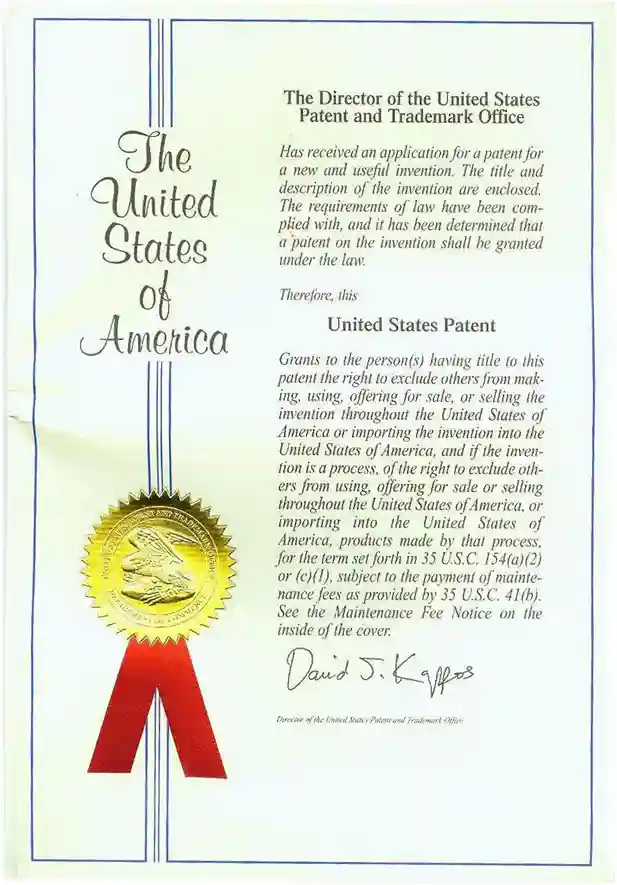
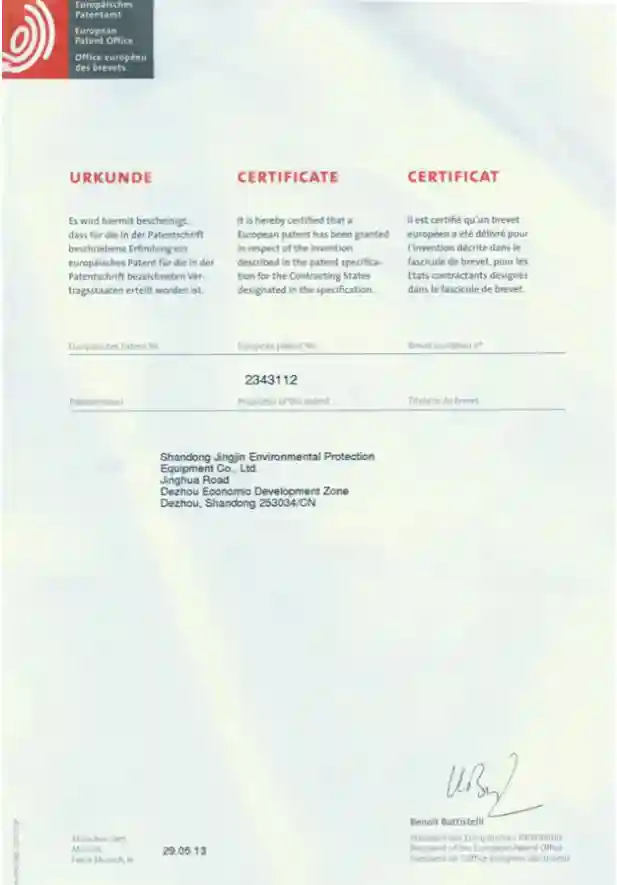
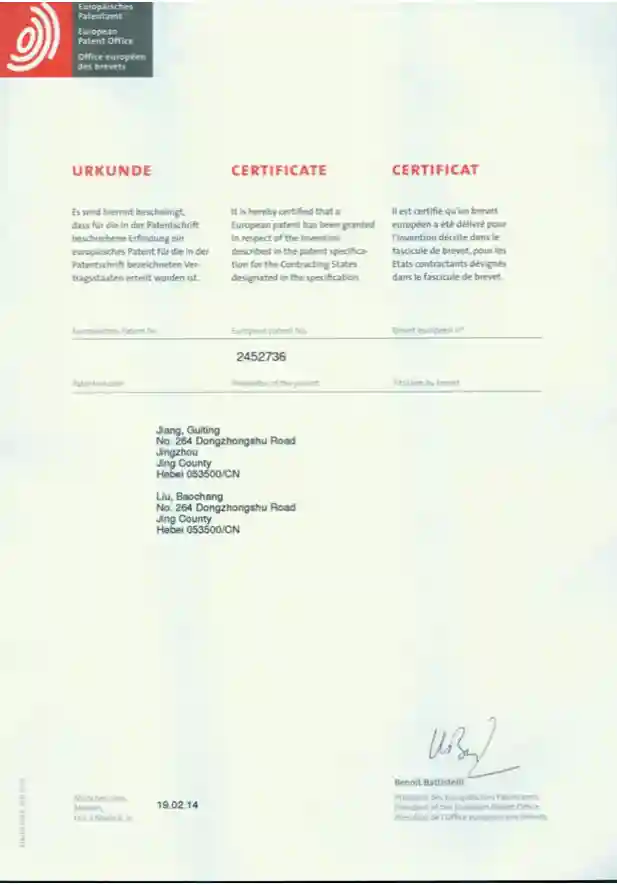
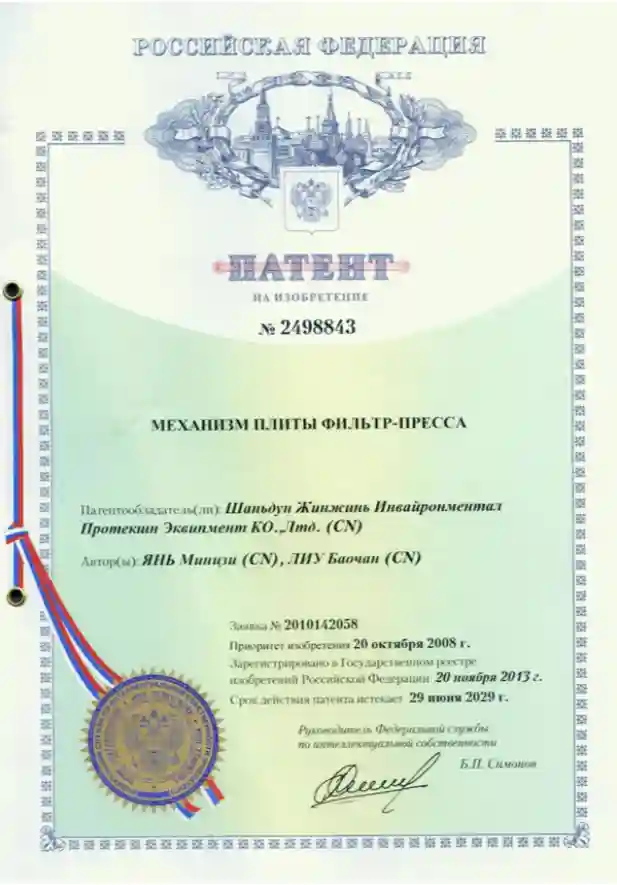
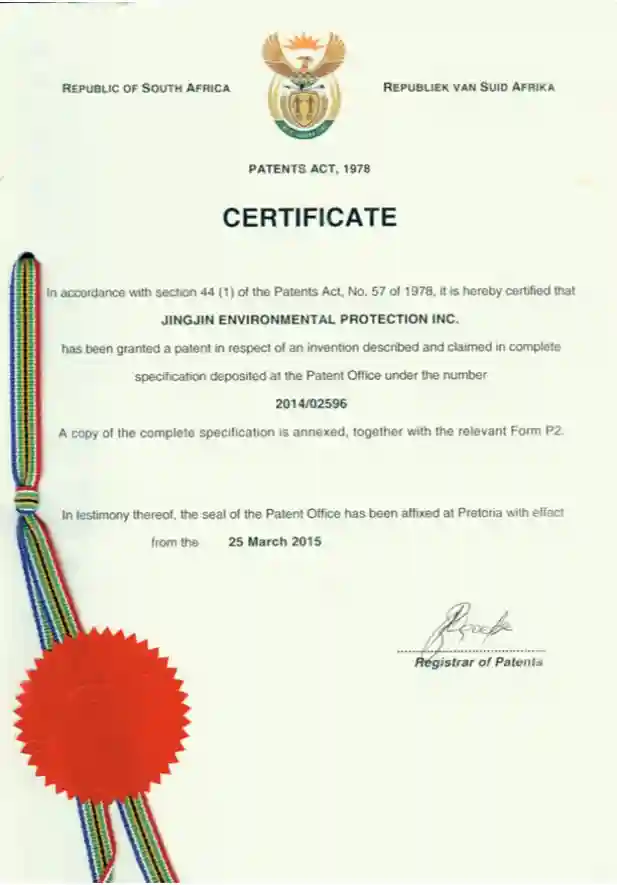
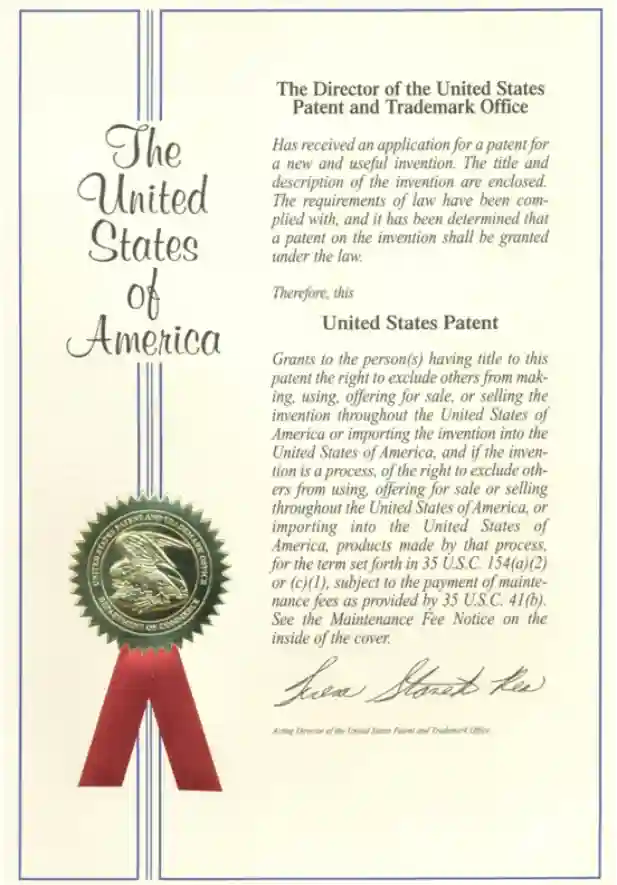
Since 1988, Jingjin Equipment Inc. has been a major maker of chamber filter presses with over 136 patents and service in 123 countries. They offer engineered solutions that are perfect for harsh industrial settings. Our full product environment, which includes filter plates, cloths, and automatic systems, makes sure that all of our products work well together and last a long time. Our technical team designs systems that make dewatering as efficient as possible while keeping operational costs as low as possible. This is true whether you are in charge of municipal wastewater, mining operations, or chemical processing. You can email us at [email protected] right now to talk about your unique needs and get a quote that will help you turn your problems with solid-liquid separation into competitive benefits.
References
1. Sutherland, K. (2019). Solid-Liquid Filtration: Practical Guides in Chemical Engineering. Butterworth-Heinemann.
2. Tiller, F.M., & Horng, C.D. (2018). Theory and Practice of Solid-Liquid Separation. University of Houston Press.
3. Wakeman, R.J., & Tarleton, E.S. (2020). Solid/Liquid Separation: Equipment Selection and Process Design. Elsevier Science.
4. American Water Works Association. (2021). Water Treatment Plant Design: Fifth Edition. McGraw-Hill Education.
5. Society for Mining, Metallurgy & Exploration. (2022). Mineral Processing and Extractive Metallurgy Handbook. SME Publications.
6. Purchas, D.B., & Sutherland, K. (2017). Handbook of Filter Media: Second Edition. Elsevier Advanced Technology.
jingjin
Founded in 1988, Jingjin specializes in filter presses and liquid-solid separation solutions, serving over 130 countries worldwide, and is a standard-setter in China's filter press industry.
Get the Filter Press guide
Enter Your Email for Technical assistance for the Filter Press.