Sludge Filter Press Machine for Industrial Wastewater
What Is a Sludge Filter Press, and How Does It Work?
- What Is a Sludge Filter Press, and How Does It Work?
- Advantages and Applications of Sludge Filter Press Machines
- How to Choose the Best Sludge Filter Press for Your Industrial Needs
- Maintenance, Troubleshooting, and Best Practices
- Procurement Insights: Buying Your Industrial Sludge Filter Press
- Conclusion
- FAQ
- Choose Jingjin for Advanced Sludge Filter Press Solutions
- References
Industrial wastewater sludge filter press machines effectively remove particles from liquids, lowering dumping costs and ensuring compliance. These devices pressure filter sludge to make filter cakes, which are concentrated and pure liquids that may be discarded or reused. Mines, chemical plants, and wastewater treatment employ these systems to manage massive volumes of rubbish.

What Is a Sludge Filter Press, and How Does It Work?
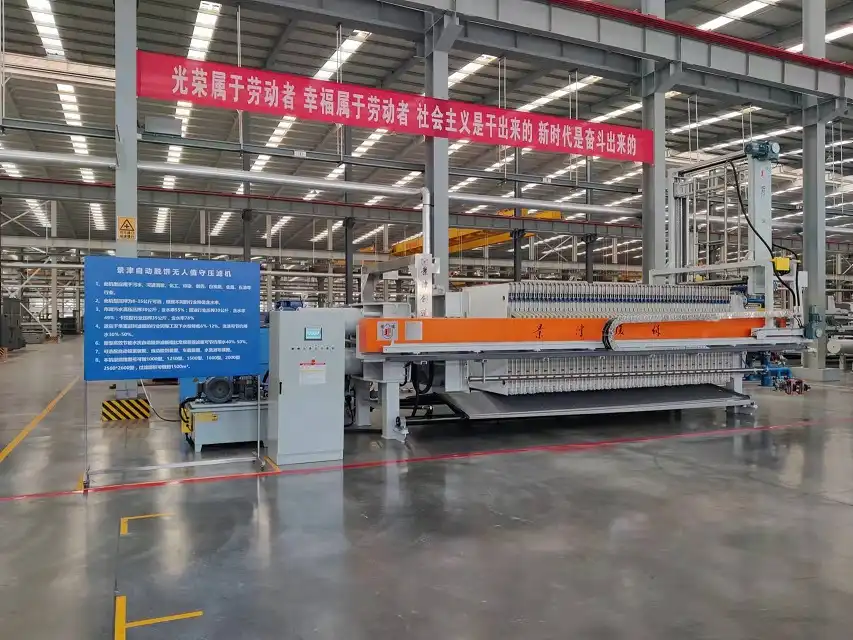
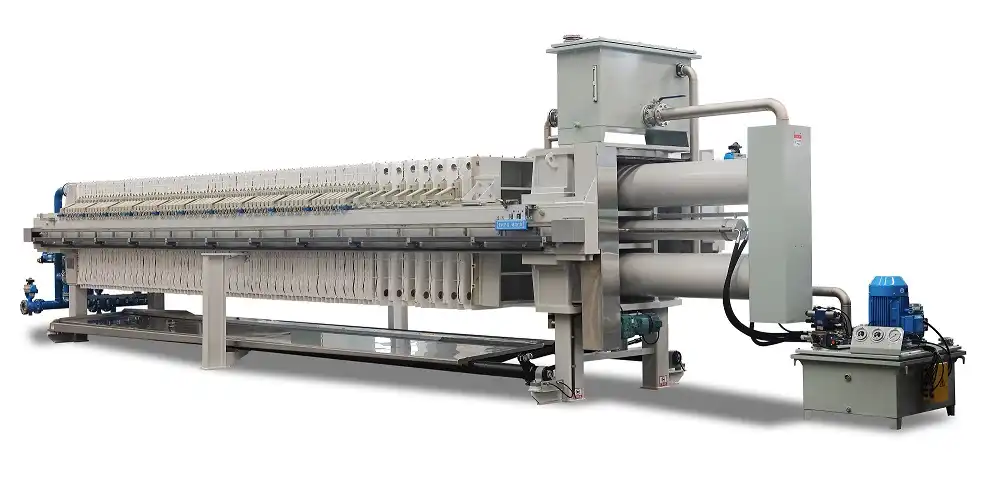
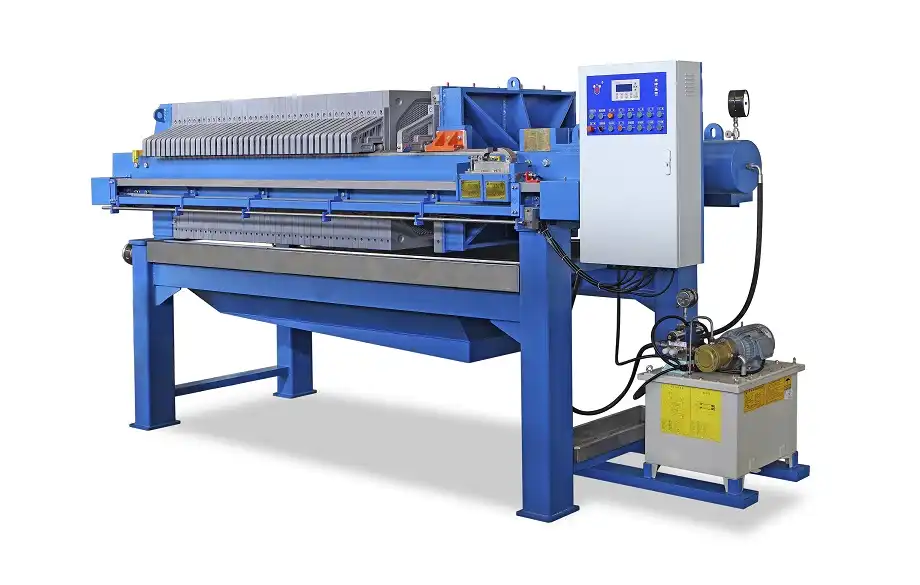
A sludge filter press separates particles from liquids using pressure filtration. The system has multiple filter plates in a specified sequence and filter cloths that create chambers when the device shuts under hydraulic pressure. This setup enables the press to handle lots of sludge while maintaining separation efficiency.
Core Components and Filtration Process
Filtering begins when sludge enters press chambers via plate feed holes. Liquid flows through clear filter cloths under pressure, while particles pile up on their surfaces, forming a thick filter cake. The hydraulic system maintains pressure throughout the cycle to maximize water extraction and cake formation.
Modern filter presses use polypropylene, stainless steel, and non-rusting metals for plates. These polymers prolong tool life and maintain filtration quality in many commercial situations.
Automation Levels and Plate Configurations
Industrial sludge drainage systems have varying technological levels to fulfill business and financial objectives. Manual presses are cost-effective for lesser jobs, whereas fully automated systems function without user intervention. Medium-sized plants choose semi-automatic systems for operational control and labor savings.
Plate designs affect filtering performance and maintenance. Chamber plates may be used to dewater simple filter chambers, whereas membrane plates contain flexible diaphragms that provide additional pressure. Recessed plates can handle more solids and improve cake formation in challenging settings.
Advantages and Applications of Sludge Filter Press Machines
The filter press technique produces high-solids filter cakes that decrease waste and expenses in industrial wastewater treatment. Unlike conventional dewatering technologies, these systems dry cakes over 20–30% solids, saving shipping and disposal expenses.
Performance Benefits and Energy Efficiency
Filter presses save companies money by using less energy than centrifuges or heat drying systems. Mechanical separation requires less heating or chemical additives, making drainage management more environmentally friendly and cost-effective.
The key commercial advantages of these strategies are
- Dehydration performance is superior to gravity thickening or belt filter systems, reaching cake solids of up to 45% in optimal circumstances.
- Flexible operation: tackles biological waste, chemical precipitates, and industrial slurries with consistent results.
- Lower disposal expenses: high-solids cakes minimize garbage movement and disposal costs by 60–80% compared to liquid waste removal.
- Water recovery: clean filtrate allows process water reuse, which improves the environment and reduces fresh water usage.
With these performance features, organizations may save a lot of money and fulfill severe environmental discharge criteria.
Industry Applications and Case Studies
Mining industries employ filter presses for waste dewatering, concentrate preparation, and process water recovery. These machines let chemical industries recover catalysts, separate pigments, and clean trash. Large presses extract water from biosolids at municipal treatment facilities. This allows cleansed sludge to be utilized as a soil amendment, which is desirable. Membrane squeeze filter presses are especially useful in industries that require higher levels of dewatering, such as the chemical and food processing sectors.
Pharmaceutical and food processing sectors benefit from sanitary filter press designs that handle organic waste streams. Construction and mining enterprises employ portable filter press machines to manage drilling mud and slurry in tough terrain.
How to Choose the Best Sludge Filter Press for Your Industrial Needs
To pick the correct sludge dewatering equipment, you must evaluate technical and practical elements that determine its performance and cost. Knowing how sludge is created helps you determine what equipment and size you need.
Sludge Characterization and Volume Assessment
Choosing the correct equipment starts with a complete sludge investigation that includes temperature, chemical composition, particle size distribution, and solids concentration. These parameters directly impact filtering performance, cycle time, and equipment size. Facilities that handle 10 to 50 cubic meters of sludge daily require different instruments than those that handle hundreds.
In enterprises with weather-dependent output goals or operations, seasonal sludge production affects equipment size decisions. Planning for peak capacity ensures ample cleaning capacity during high output, while typical operations prevent oversized equipment.
Material Selection and Configuration Options
The correct plate material influences equipment durability and chemical compatibility in several industries. Stainless steel can tolerate strong chemicals and high temperatures, whereas polypropylene plates can manage most city and food preparation activities. Specialized metals prevent corrosion in mining and industry.
Filter cloth choice affects the ability to filter and the maintenance frequency. Monofilament textiles release cakes, whereas multifilament fabrics retain particles. Matching fabric hole size to particle size distribution prevents blinding and improves solids capture.
Automation and Safety Considerations
Automation decisions balance labor expense with operation and equipment complexity. Fully automated systems are ideal for continuous tasks since they never require a human and always perform the same way. For batch operations or smaller facilities, manual techniques are versatile and cheaper to start.
Emergency brakes, pressure relief mechanisms, and user safety guards ensure the machine is safe and compliant. Modern systems include configurable settings to maximize cycle times and prevent equipment failure from pressure or operation.
Maintenance, Troubleshooting, and Best Practices
Effective maintenance programs maintain dewatering performance and prolong filter press life. Preventative maintenance schedules reduce unnecessary downtime and optimize filtration under various operating conditions.
Preventive Maintenance Protocols
Daily visual inspections should check hydraulic leaks, filter cloth, and plate position. Weekly maintenance includes filter cleaning, moving component lubrication, and pressure checks. Monthly checks include hydraulic system operation, electrical linkages, and worn parts.
Filter cloth replacement is the most common maintenance. Depending on the filth and usage, a cloth may last 3–18 months. Correct cloth tension and fitment maintain maximum filtering performance.
Troubleshooting Common Operational Issues
Lack of air, incorrect fabric, or feed pump issues might cause incomplete cake formation. Systematic troubleshooting includes checking pressure, cloth, and feed system parameters. Bad extract quality generally indicates broken fabric or improper particle size.
These methods are ideal for addressing typical functioning issues:
- Long cycle times: Check the feed pump, cloth blindness, and sludge conditioning to restore filter rates.
- Hydraulic system issues: check seals and valves, clean and level hydraulic fluid, and monitor the pressure accumulator.
- Uneven cake formation: Line up the plates, distribute the sludge, and install the cloth in all rooms.
- High maintenance costs: clean properly, use the necessary chemicals, and maintain a spare part list.
These systematic approaches maximize system performance across all tool life cycles and minimize downtime.
Cleaning and Hygiene Standards
Cleaning programs must fulfill regulatory requirements for industries that demand clean working environments. CIP systems automate cleaning and provide consistent results across filtering surfaces. Chemical cleansers must be constructed from the same materials as the equipment to prevent corrosion and remove grime.
Some businesses demand detailed maintenance records that include cleaning, performance monitoring, and part replacement tracking. These records assist in following regulations, improving repair plans, and predicting part replacements.
Procurement Insights: Buying Your Industrial Sludge Filter Press
Sludge dewatering equipment budgets should include capital expenditures and long-term operational costs, including electricity, maintenance, and consumables. Equipment may range from $50,000 for small manual systems to over $500,000 for big automated ones, depending on size, automation, and material.
Supplier Evaluation and Selection Criteria
Professional assistance includes tool selection, installation, and maintenance from reputable manufacturers. Andritz, Metso, and Jingjin Equipment provide proven technologies utilized in many sectors.
Service potential is vital when picking a supplier, particularly for organizations that require faster equipment repairs. Replacement parts, local service assistance, and technical expertise affect long-term running costs and equipment longevity. Most warranties are 12–24 months, although significant users may earn extended coverage.
Customization and Specification Development
Standard equipment sets serve for most purposes, while specialized designs may accommodate unique sludge conditions or restricted space. Custom plate materials, coatings, and hydraulic systems may suit specialized operating demands that ordinary tools can't.
Buying criteria should incorporate efficiency, materials, automation, and service. Clear specifications ensure accurate quotations, and vendor bids satisfy corporate requirements. Technical examination should concentrate on proven performance, dependability, and supplier capabilities, not simply starting pricing.
Conclusion
Sludge filter press machines separate particles and liquids for many industrial wastewater treatment purposes. The systems regularly extract water, reduce waste, and satisfy environmental compliance targets. To ensure long-term performance, consider the sludge's qualities, the operation's demands, and the supplier's expertise while choosing equipment.
FAQ
1. What maintenance frequency is required for sludge filter presses?
Maintenance frequency varies depending on the sludge type and system load. Daily eye exams, weekly cleanings, and monthly comprehensive maintenance are typical. In clean applications, filter fabric may be changed less regularly than in high-solids applications. Correct maintenance scheduling prevents expensive downtime and optimizes performance.
2. Can filter presses handle hazardous or toxic sludge safely?
Modern filter press systems can handle hazardous contaminants with the correct materials, control systems, and safety measures. The stainless steel structure, sealed operation, and enough ventilation keep users safe and in compliance with environmental regulations. For high-risk scenarios, specific designs incorporate explosion-proof electrical parts and emergency storage.
3. How does the automation level affect operational costs and efficiency?
Automation changes the amount of work that needs to be done and how consistently things run. Automated systems cut the time needed by operators by 70–80% while making the process repeatable and improving the quality of the cake. Manual systems need constant attention from the user, but can adapt to different sludge situations. For many uses, semi-automatic setups save time and effort while still allowing for operational control.
Choose Jingjin for Advanced Sludge Filter Press Solutions
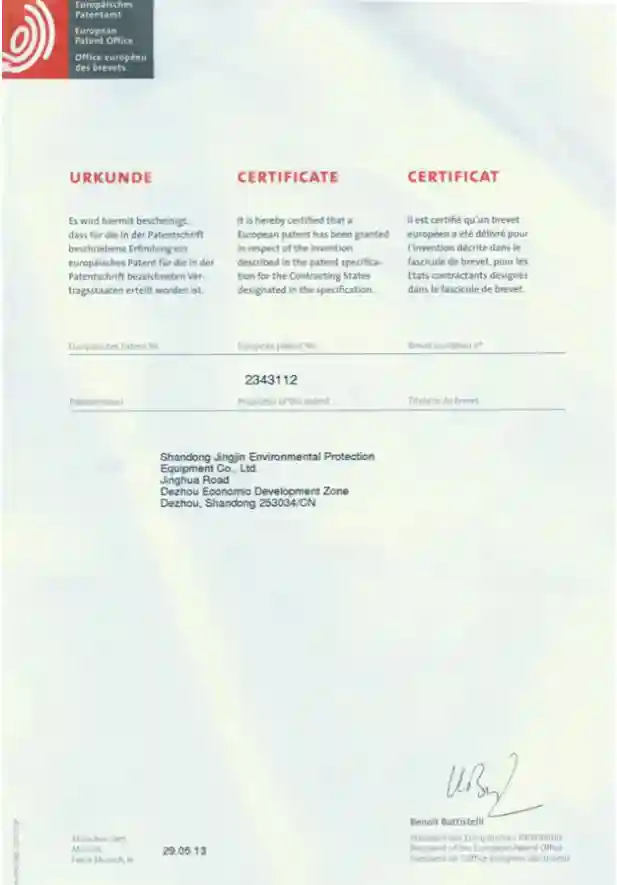
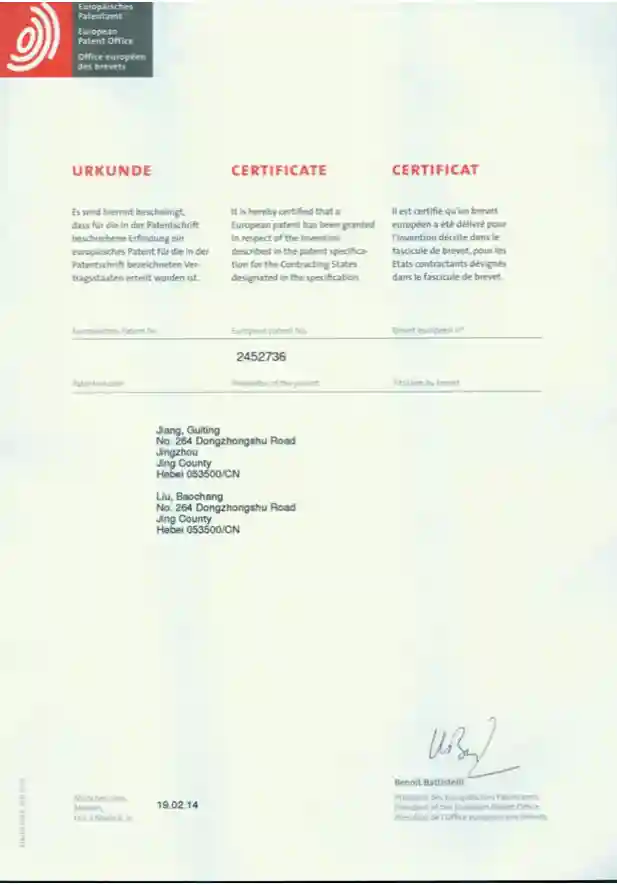
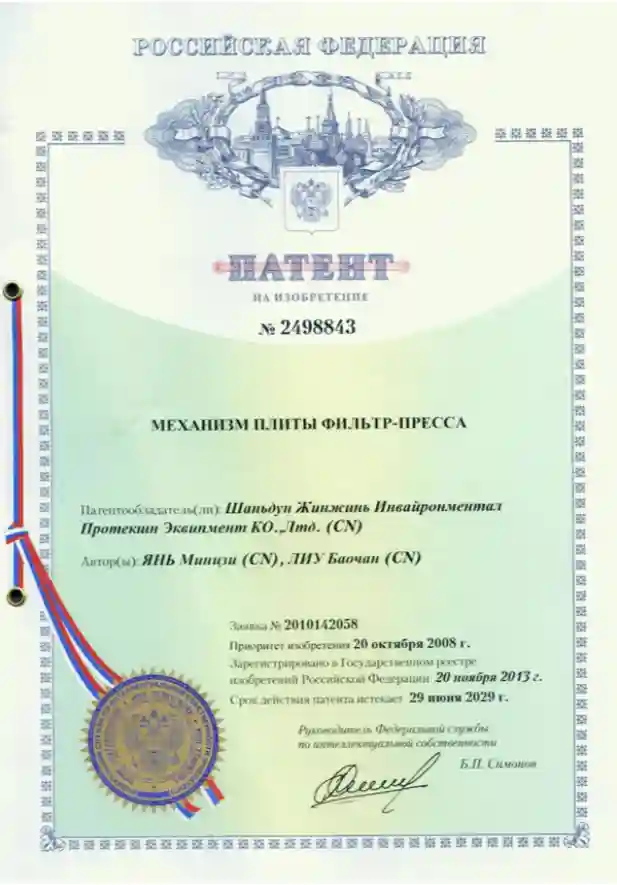
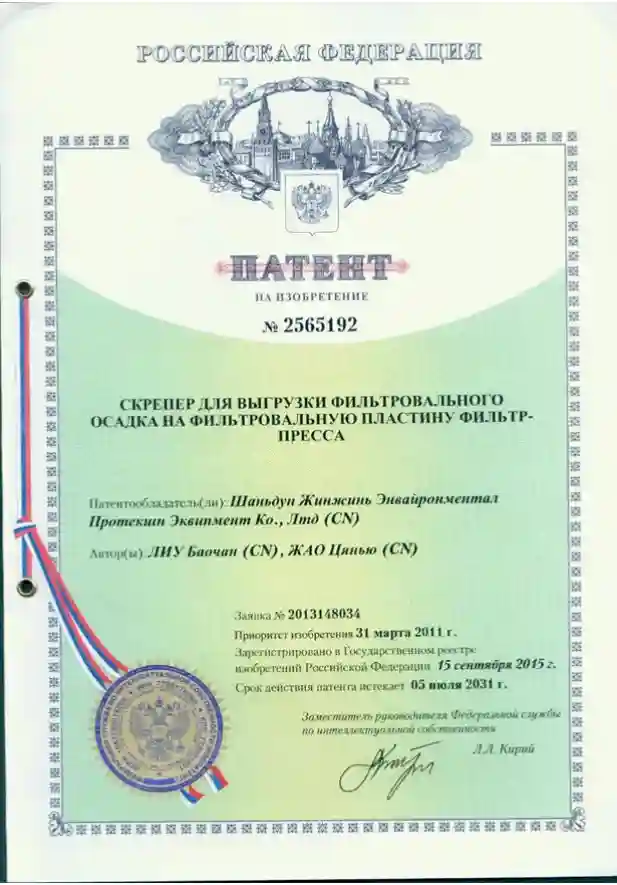
Over 35 years of solid-liquid separation patents and fresh concepts support Jingjin Equipment's modern sludge filtering technology. Our full filter press systems solve wastewater issues in mining, chemical processing, municipal treatment, and industry in 123 countries.
Our engineers design custom filter press configurations for optimal dewatering at a cheap cost. Talk to our technical specialists at [email protected] about your specific demands and obtain competitive estimates from a leading filter press manufacturer. Jingjin's worldwide service network ensures fast equipment support throughout its lifespan. This improves productivity and keeps your vital activities operating smoothly.
References
1. Water Environment Federation. "Residuals and Biosolids Management: Principles of Design and Operations. "McGraw-Hill Education, 2018.
2. American Water Works Association. "Industrial Water Treatment: A Comprehensive Guide to Sludge Management and Dewatering Technologies." AWWA Press, 2019.
3. International Water Association. "Handbook of Industrial Wastewater Treatment: Advanced Solid-Liquid Separation Technologies." IWA Publishing, 2020.
4. Society of Mining Engineers. "Mineral Processing and Extractive Metallurgy: Modern Dewatering and Filtration Practices. " SME Publications, 2017.
5. Environmental Protection Agency. "Industrial Waste Management Guidelines: Best Practices for Sludge Treatment and Disposal." EPA Technical Manual, 2021.
6. Chemical Engineering Magazine. "Equipment Design and Selection for Industrial Filtration Systems: A Comprehensive Analysis. "Chemical Engineering Progress," 2022.
jingjin
Founded in 1988, Jingjin specializes in filter presses and liquid-solid separation solutions, serving over 130 countries worldwide, and is a standard-setter in China's filter press industry.
Get the Filter Press guide
Enter Your Email for Technical assistance for the Filter Press.
Recommended Blog
China Filter Press Procurement Strategy for International Buyers
Customized Multi Disk Screw Press Solutions for Specific Sludge Processing Needs

What Is a Filter Press Feed Pump Used For? Understanding Its Essential Role
Why African Municipalities Choose China Dewatering Press Machines?
China Multi Disk Screw Press vs India: Cost & Performance 2026
Common Problems with Filter Press Plates and How to Prevent Them
How to Choose the Right Screw Dewatering Equipment for Your Paper Mill Sludge