Asia Buyers Guide to Importing Filter Press Machines from China
Understanding Filter Press Machines—Types, Functions, and Benefits
- Understanding Filter Press Machines—Types, Functions, and Benefits
- Key Considerations for Importing Filter Press Machines from China
- Operation, Maintenance, and Troubleshooting Tips for Imported Filter Press Machines
- Comparative Insights: Filter Press Machines vs Alternative Filtration Technologies
- How to Finalize Your Purchase and Build a Long-Term Partnership with Chinese Suppliers
- Conclusion
- FAQ
- Contact Jingjin for Your Filter Press Solution
- References
Global industrial filtering depends on China's filter press machine business. Asian business-to-business buyers get inexpensive tools. Since China produces 60% of industrial filtering equipment, Asian procurement managers, engineers, distributors, and OEMs rely on it for solid-liquid separation technology. To find economical filtering solutions that meet strict operational requirements, regulatory compliance, and long-term performance dependability, buyers must grasp machine specs, seller evaluation criteria, and procurement best practices.
Understanding Filter Press Machines—Types, Functions, and Benefits
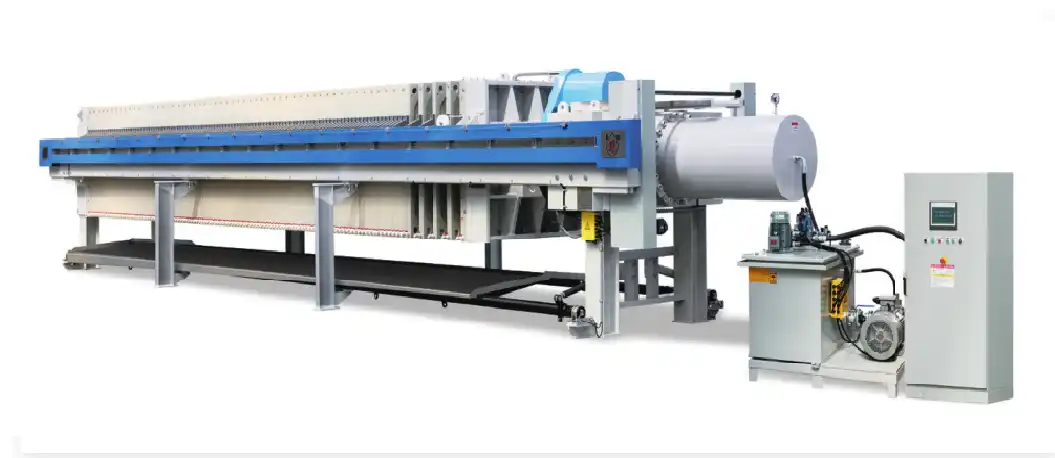
In filter presses, hydraulic pressure dewaters liquids. Filter plates are ordered. These plates press the slurry through the filter fabric while retaining solid particles as the cake forms.
Core Components and Operational Mechanics
Many factors affect modern filtering systems' performance. The hydraulic system creates 16–25 bar pressures, and plastic, cast iron, or stainless steel filter plates withstand tough industrial settings. Your filter cloth impacts cake moisture and cycle performance. Polyester or PTFE filter cloths withstand harsh chemicals.
The chamber configuration determines cake processing capacity. Recess plates may hold more cake. Automatic plate changes save time, while membrane squeezers compress further to decrease moisture.
Machine Classifications and Industry Applications
For flexibility and low cost, small chemical processing and specialized manufacturing enterprises employ manual filter presses. For high-volume processes where staff costs and cycle consistency are important to efficiency, automatic solutions perform.
Specific versions address business challenges. Mining requires strong frames and parts to withstand sharp particles and slurries. Food processing designs must be FDA-compliant and clean. Validation papers and in-place cleaning are required for pharmaceutical designs.
Operational Advantages in Industrial Settings
Increasing dewatering efficiency influences disposal price and environmental compliance in numerous areas. A filter press may minimize sludge by 85–90%, saving money on transportation and disposal, according to studies. Cycle automation preserves cake quality and moisture while reducing labor.
Modern designs with pressure relief, emergency stops, and automatic plate opening mechanisms make daily duties safer. Energy-saving hydraulic system optimization and variable frequency motors reduce running costs and enhance filtration.
Key Considerations for Importing Filter Press Machines from China
To buy a filter press machine successfully, verify technical details and application requirements. Customizable materials, automation levels, and features are available from Chinese producers.
Industry-Specific Requirements and Performance Analysis
Mining requires durable materials that can withstand high pressure, abrasive slurries, sharp tools, and different solid amounts. Equipment should have sturdy frames, plate materials, and massive hydraulic systems for harsh circumstances.
Programmed logic controllers and remote monitoring can operate municipal wastewater treatment plants without staff. Chemically treated municipal sewage and harsh industrial waste streams need corrosion resistance.
For hazardous settings, the chemical industry demands explosion-proof electrical components and materials. When handling corrosive chemicals or high-temperature slurries, the stainless steel frame and sealing materials increase equipment life.
Supplier Evaluation and Credibility Assessment
Choose a reliable provider by checking manufacturing credentials, quality control, and international compliance. ISO 9001 and CE represent organized quality and European safety. Many Chinese pressure tank component manufacturers are ASME-certified.
Most 12- to 24-month warranties cover hydraulic, electrical, and construction parts. Foreign buyers prefer after-sales assistance, so sellers need local service networks or regional distributor partnerships.
Long-term operation requires spare parts. Thus, seller inventory management and logistics are essential. Top manufacturers stock and dispatch replacement parts quickly to prevent machine downtime.
Pricing Models and Commercial Considerations
The cost research should include instrument setup, personnel training, and long-term operating expenses. Manual systems are 30–40% cheaper than automated ones but need more manpower and may function poorly.
Sellers have several payment methods. Famous companies provide letters of credit, advance payments, and payment plans. Many bulk purchases save money and guarantee all installations use the same equipment. Shipping goods requires consideration of the port's size, weight, and power. Chinese suppliers provide export papers, customs clearance, and installation support.
Operation, Maintenance, and Troubleshooting Tips for Imported Filter Press Machines
Imported filtration equipment works best with proper installation, maintenance, and early problem resolution. Knowledge of operations management helps boost performance, tool life, and save downtime.
Operational Guidelines and Safety Protocols
System startup requires a thorough inspection of hydraulic fluid, filter cloth, and plate alignment. Gentle feed pressure rise prevents cloth degradation and cake formation, which reduces filter efficiency.
Cycle time optimization balances cake quality and output. More food is processed in shorter rounds, making cakes moister and more unstable. Longer filters remove more water but lower system capacity.
Operating parameters must be checked and adjusted based on feed quality and performance goals. Feed pressure, cycle time, wash water volume, and air blow time affect membrane plates.
Preventive Maintenance and Performance Optimization
Systematic maintenance minimizes expensive filter press machine mishaps. Daily inspections should clean the hydraulic system, filter cloth, and plates to avoid buildup that might affect draining or sealing.
Weekly maintenance comprises hydraulic oil analysis, pump function testing, and electrical system checks. Gaskets, pressure sensors, timing controls, and filter cloths are checked monthly.
The choice of filter fabric influences filtering performance and maintenance. Textile design should address particle size dispersion, chemical compatibility, and cake release. Regular rotation and cleaning prolong the fabric's life and enhance airflow.
Address typical practical issues using structured diagnostics. Poor cake formation may result from feed pressure, filter fabric age, or plate alignment. Uneven closing pressure, long cycle durations, and pressure changes during operation indicate hydraulic system issues.
Comparative Insights: Filter Press Machines vs Alternative Filtration Technologies
Knowing the many types of technology enables buyers to pick based on needs, pricing, and practicality. Each separation technique has benefits based on material, processing, and product parameters.
Performance Comparison with Alternative Technologies
Centrifuge systems work best in continuous operations where high throughput and automation justify the higher initial cost. The filter press technique is excellent for water removal, especially for microscopic bits and materials that spinning cannot separate.
Belt filter presses make wetter cakes than chamber presses, but run constantly and need fewer workers. Technology selection depends on space, volume, and moisture tolerance.
Vacuum filtration works for drainable materials but not for sludges or pressed-together microscopic particles. Here, pressure filtration shines. Most industrial applications that need less moisture prefer pressure filtration because it uses less energy.
Manual versus Automatic System Selection
Although manual techniques are cheaper and more flexible, they need educated management and personnel. Labor prices make physical labor affordable in many Asian markets, especially for smaller facilities or shifting production plans.
Automatic systems are easier, more reliable, and safer, justifying greater capital costs. Technology needs, human expenses, production volume stability, and commercial complexity should be considered while calculating ROI. Autocycle control and manual plate management make hybrid systems a compromise. They provide flexible, cost-effective automation for changing production needs.
Material Selection and Total Cost of Ownership
Stainless steel costs more but is more durable and rust-resistant than coated carbon steel or plastic. Life cycle cost assessments should include replacement frequency, maintenance, and dependability. Polypropylene is inexpensive and chemical-resistant, but its temperature limits its use. Cast iron can withstand heavy use and is affordable for many industries.
Secondary compression helps membrane plate systems drain, although they need additional maintenance and parts. Better performance often enables more work when end moisture influences processing or disposal costs.
How to Finalize Your Purchase and Build a Long-Term Partnership with Chinese Suppliers
Effective equipment procurement extends beyond purchase. Operator training, installation help, and technical partnership development are covered. Long-term supplier connections provide replacement parts, technology improvements, and corporate flexibility.
Due Diligence and Contract Finalization
Contract reviews should include technical specifications, performance assurances, delivery timelines, and payment terms. Performance guarantees typically include throughput, end moisture content, cycle length, and product testing and acceptance.
Import limits vary by country but usually entail safety, environmental, and customs bureaucracy. Chinese filter press machine merchants provide export support, including documentation and compliance.
Warranty terms should clarify what is covered, how long help is available, and whether replacement parts are available. Critical places where downtime might interrupt operations may benefit from longer warranties.
Shipping Terms and Installation Services
Delivery arrangements affect buyer-seller cost and risk sharing. FOB clauses enhance buyers' foreign shipping responsibilities but save money and give them control. CIF contracts are convenient since the provider manages operations, although shipping may be limited.
Installation services put up equipment and train staff. Companies provide complete installation packages that include mechanical assembly, electrical connection, and system testing to verify readiness. Training should include operations, maintenance, and basic troubleshooting. Full training streamlines setup and enhances tool management.
Building Sustainable Supplier Relationships
Longer collaborations make professional assistance, equipment use, and growth planning easier. Informing everyone on operational progress prevents problems and meets new needs.
Spare part agreements enable bulk procurement and assure continual availability, saving money. Merchants can optimize spare parts investments and run smoothly with inventory management services.
Tech updates improve tools as technology or operational needs evolve. A strong vendor relationship may provide you with early access to new products and retrofit choices that improve equipment without purchasing new ones.
Conclusion
Asian buyers may get filter press equipment from China with cutting-edge technology, low prices, and full support for a range of business purposes. Long-term operational performance requires regular examination of technological standards, suppliers, and strategic connections. The key is to balance the initial investment and total cost of ownership with supplier capabilities that meet operational and growth needs.
FAQ
1. What capacity range should I consider for my application?
Chamber area, cycle time, and feed variables determine filter press capacity. Small installations need 10–50 cubic meters per day systems, while large corporate or municipal locations need 500–2000. Calculating capacity should include peak flow and potential growth.
2. How can I find trustworthy sellers among all the Chinese manufacturers?
Physical or virtual audits of manufacturing certificates, customer references, and facility expertise can help you choose a trusted source. ISO 9001-certified, export-savvy, and international alliance sellers are reliable. Request technical documentation and performance guarantees to evaluate product quality.
3. What are typical lead times for custom filter press systems?
After purchase confirmation, standard equipment arrives in 6–12 weeks. Complex specs may take 12–20 weeks for custom systems. Products are manufactured, tested, and shipped with lead times. Lack of complex equipment or materials may delay shipping.
4. How do I ensure compatibility with existing plant infrastructure?
For infrastructure compatibility, utility studies must determine electricity, compressed air, and space. Give vendors site details like electricity, foundation, and entrance limitations to help design and finish the job.
Contact Jingjin for Your Filter Press Solution
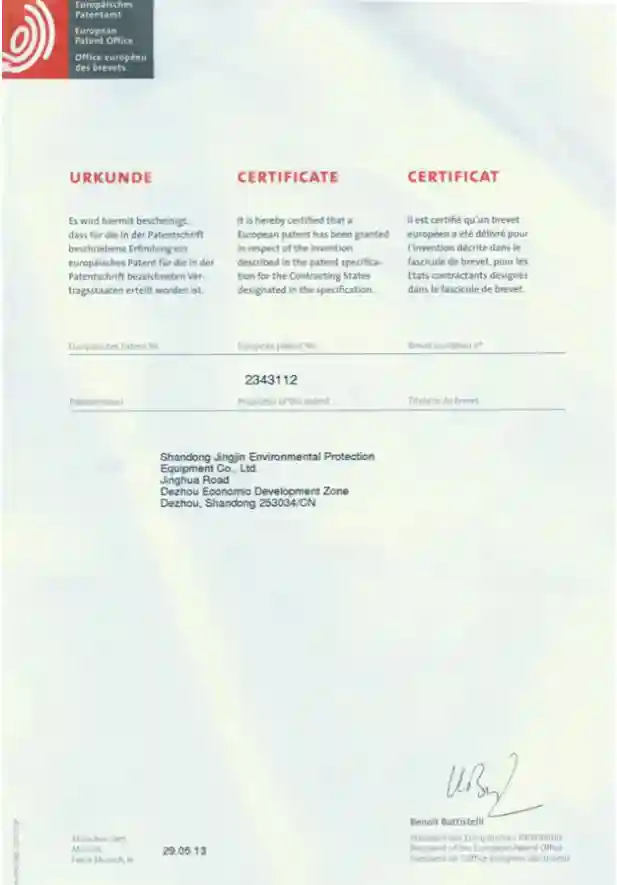
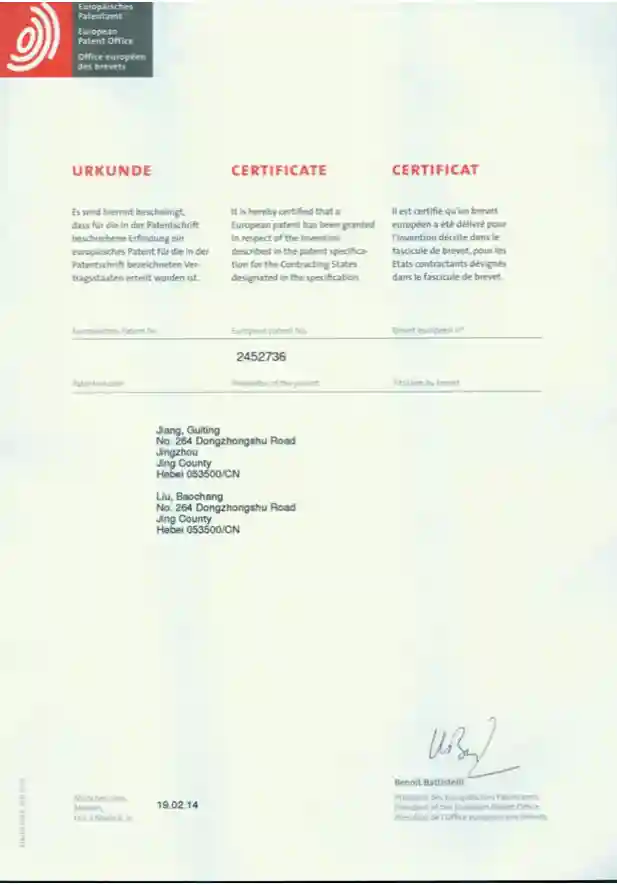
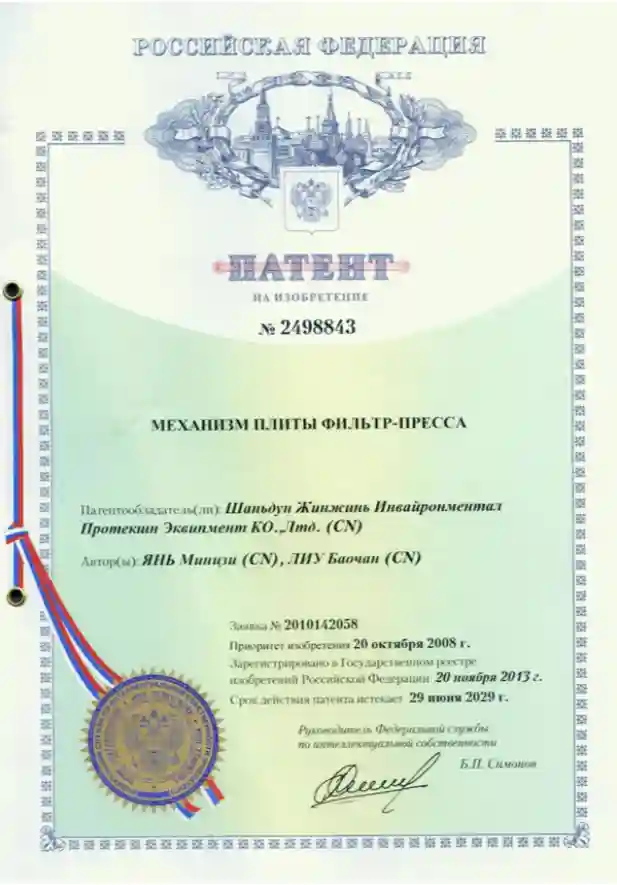
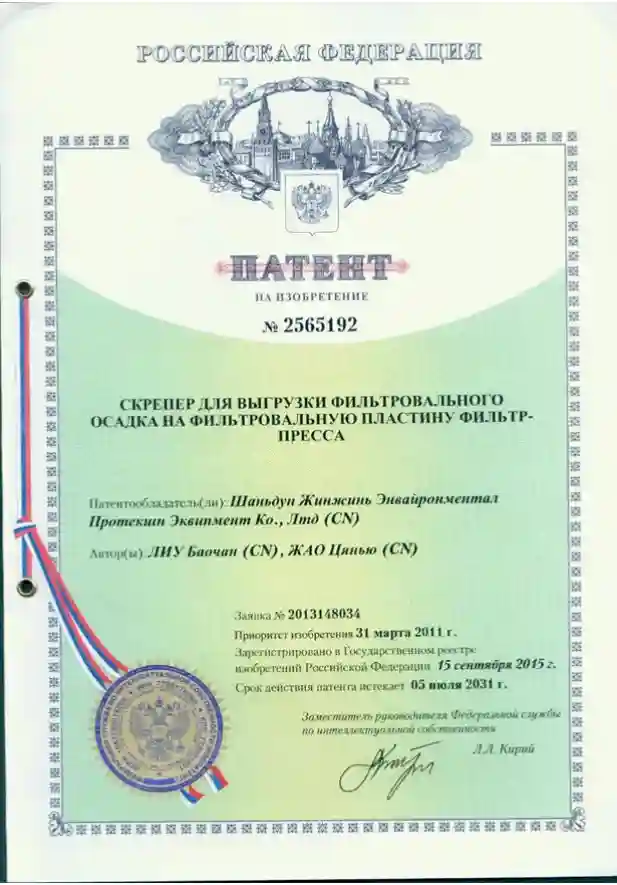
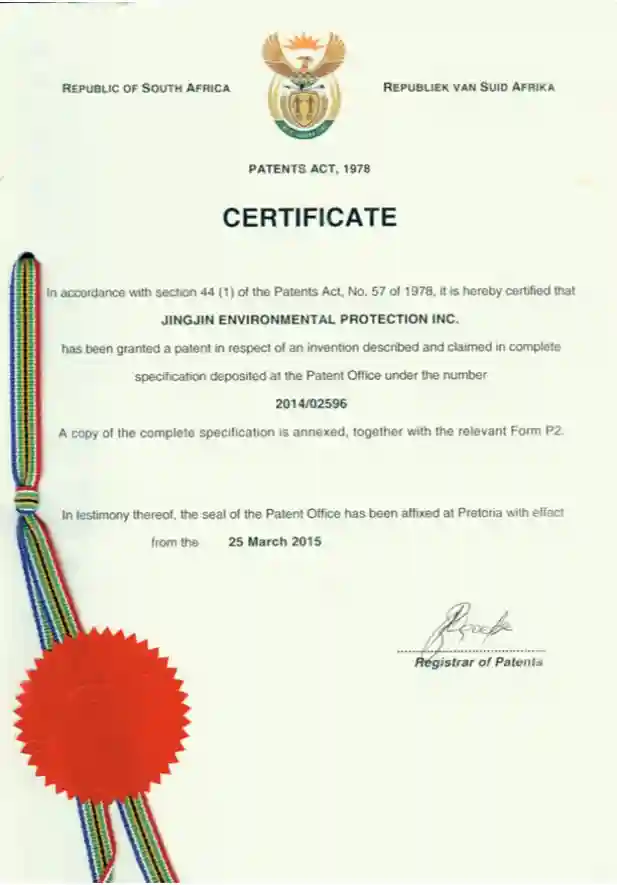
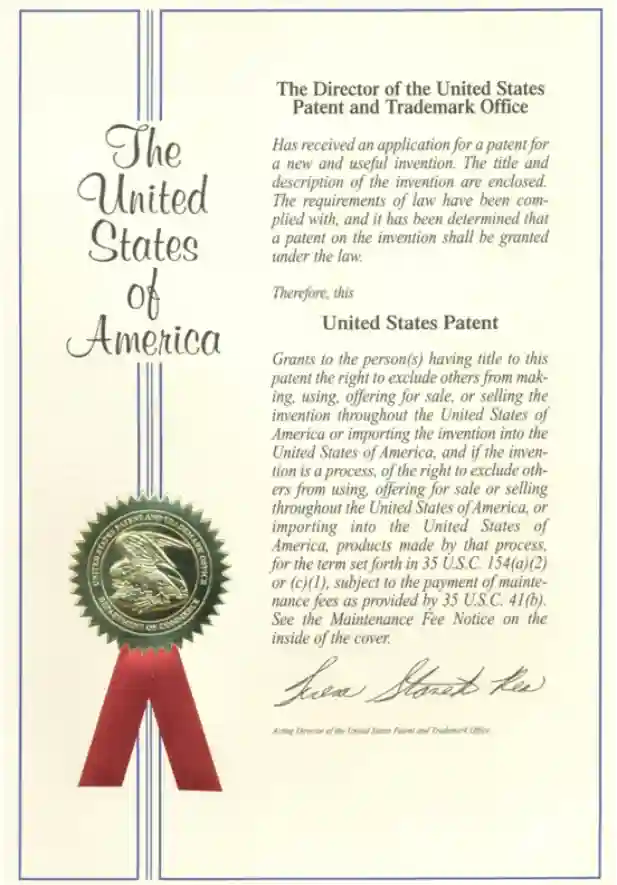
Jingjin Equipment Inc. has filtration capabilities. They have made successful, high-quality products in 123 countries for 35 years. As filter press machine manufacturers, we design custom systems, integrate modern automation, and provide full aftermarket support to maximize efficiency. Our solutions serve mining, wastewater treatment, chemical processing, and other industries. Patents and technology number over 136. Email our experts at [email protected] to discuss your needs and see how our proven technology can improve your solid-liquid separation operations while cutting costs and following the law.
References
1. Industrial Filtration Equipment Market Analysis and Growth Projections, Asian Manufacturing Research Institute, 2023.
2. Comparative Study of Solid-Liquid Separation Technologies in Mining Applications, International Journal of Mineral Processing, 2022.
3. Best Practices for Filter Press Operation in Municipal Wastewater Treatment, Water Technology Association, 2023.
4. Economic Analysis of Dewatering Technologies for Industrial Applications, Chemical Engineering Progress, 2022.
5. Quality Standards and Certification Requirements for Imported Industrial Equipment in Asia, Trade Compliance Quarterly, 2023.
6. Maintenance Strategies for Optimizing Filter Press Performance in Harsh Industrial Environments, Process Equipment Reliability Journal, 2022.
jingjin
Founded in 1988, Jingjin specializes in filter presses and liquid-solid separation solutions, serving over 130 countries worldwide, and is a standard-setter in China's filter press industry.
Get the Filter Press guide
Enter Your Email for Technical assistance for the Filter Press.
Recommended Blog
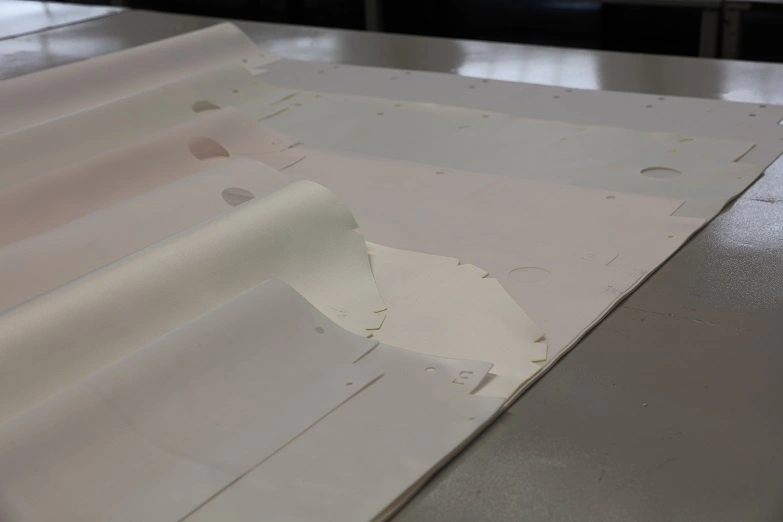
Where to Buy Industrial Filter Press Cloth: Top Suppliers and Tips
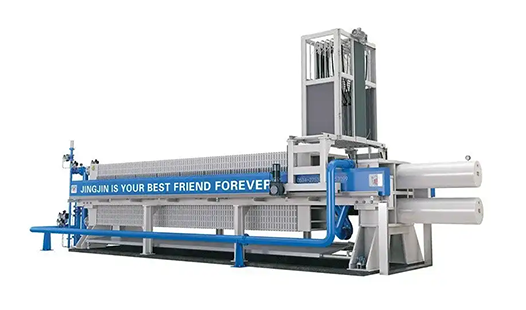
High Efficiency Jingjin Filter Press Applications in Chemical Manufacturing

Top Benefits of Using a Filter Press in Industrial Wastewater Filtration
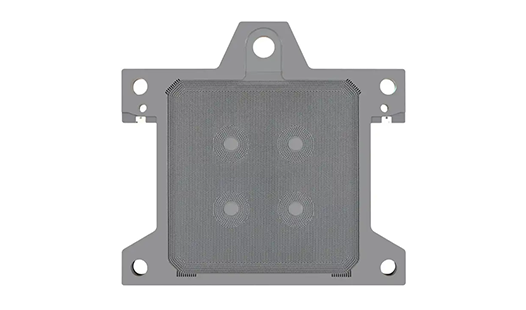
Common Problems with Filter Press Plates and How to Prevent Them
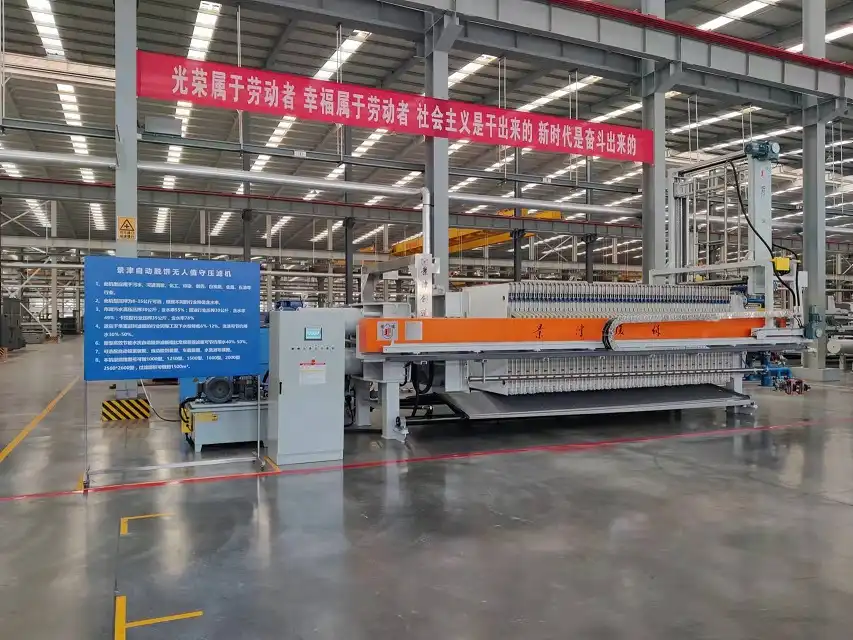
Where to Buy Filter Press Plates: Trusted Manufacturers and Suppliers Reviewed
Best Press Filter Models for Pharmaceutical Filtration Needs