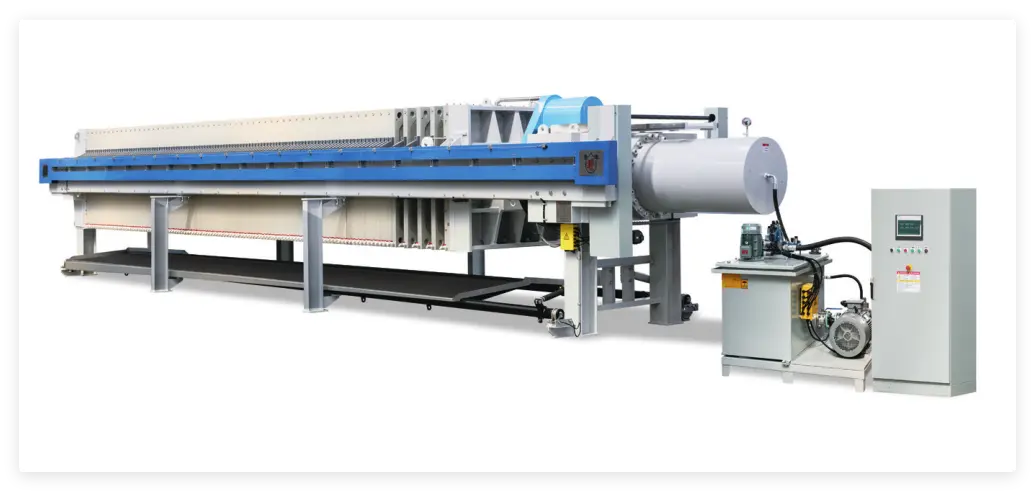
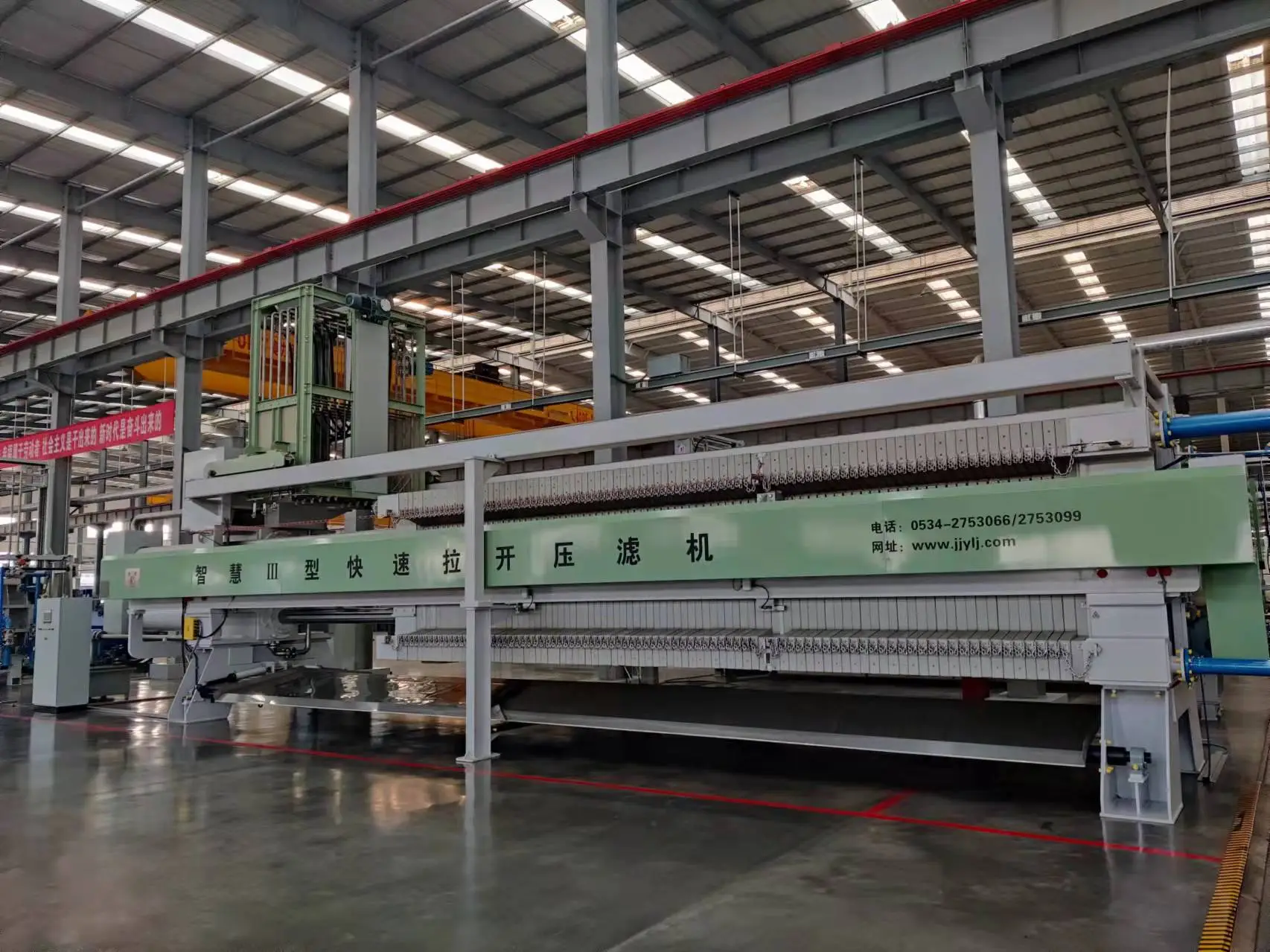
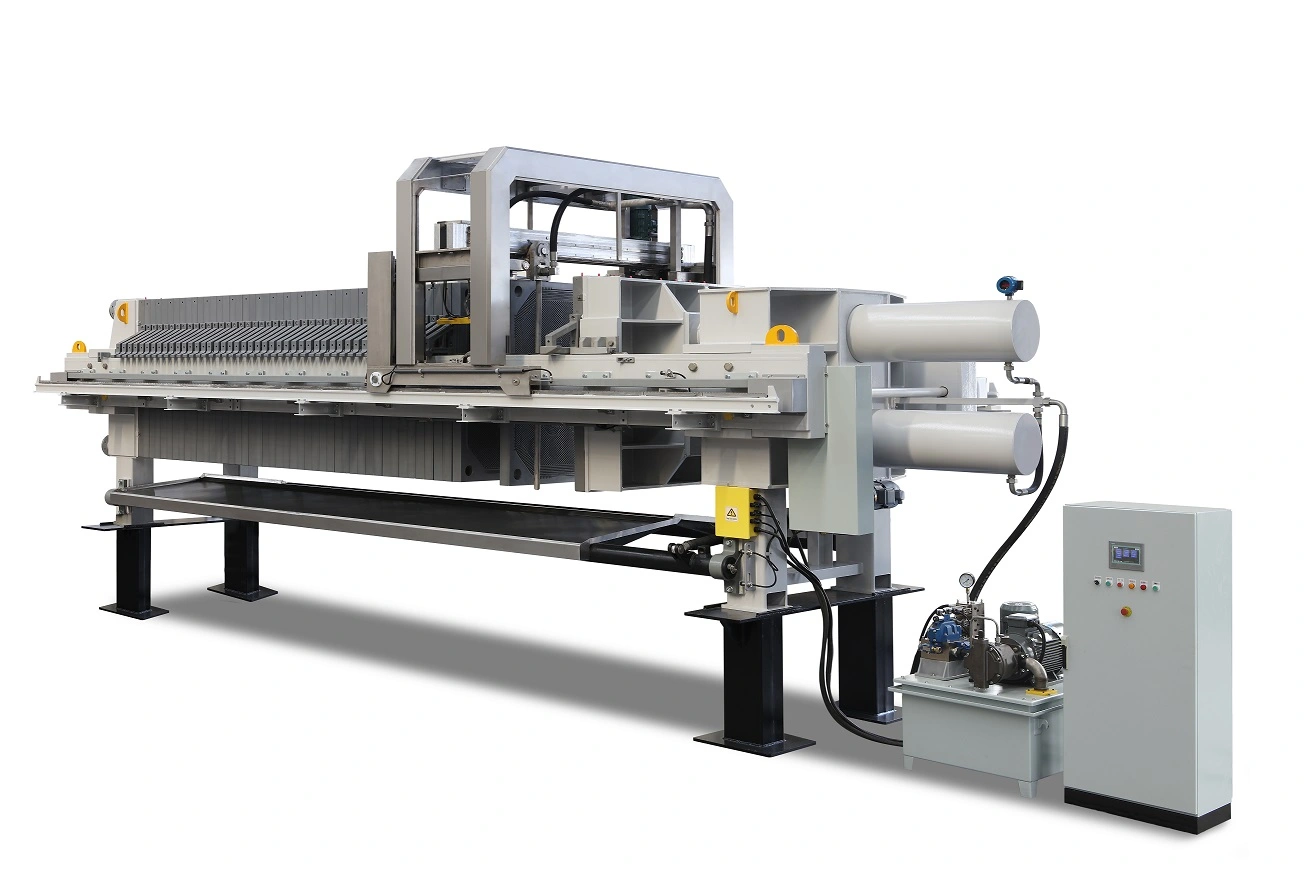
Mining operations worldwide face mounting pressure to manage waste streams efficiently while reducing environmental impact and operational costs. A screw dewatering machine represents a critical solution for separating liquids from mining sludge, tailings, and concentrate materials. These robust systems deliver exceptional performance in harsh mining environments, achieving moisture reduction rates that significantly lower disposal volumes and transportation expenses. The selection of appropriate dewatering equipment directly impacts operational efficiency, regulatory compliance, and long-term profitability. Understanding the essential features and capabilities of modern screw dewatering technology empowers mining professionals to make informed procurement decisions that enhance their waste management strategies.

Understanding Screw Dewatering Machines in Mining
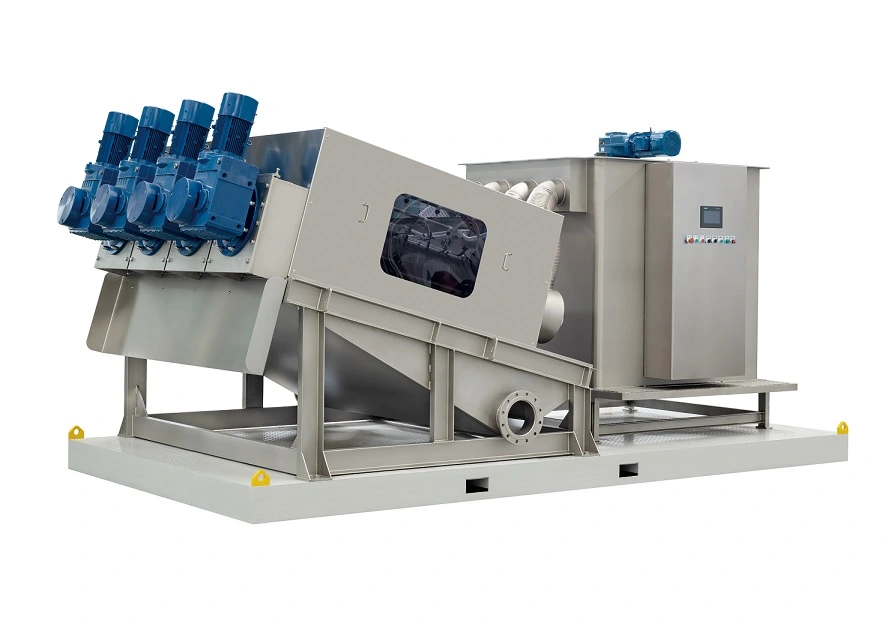
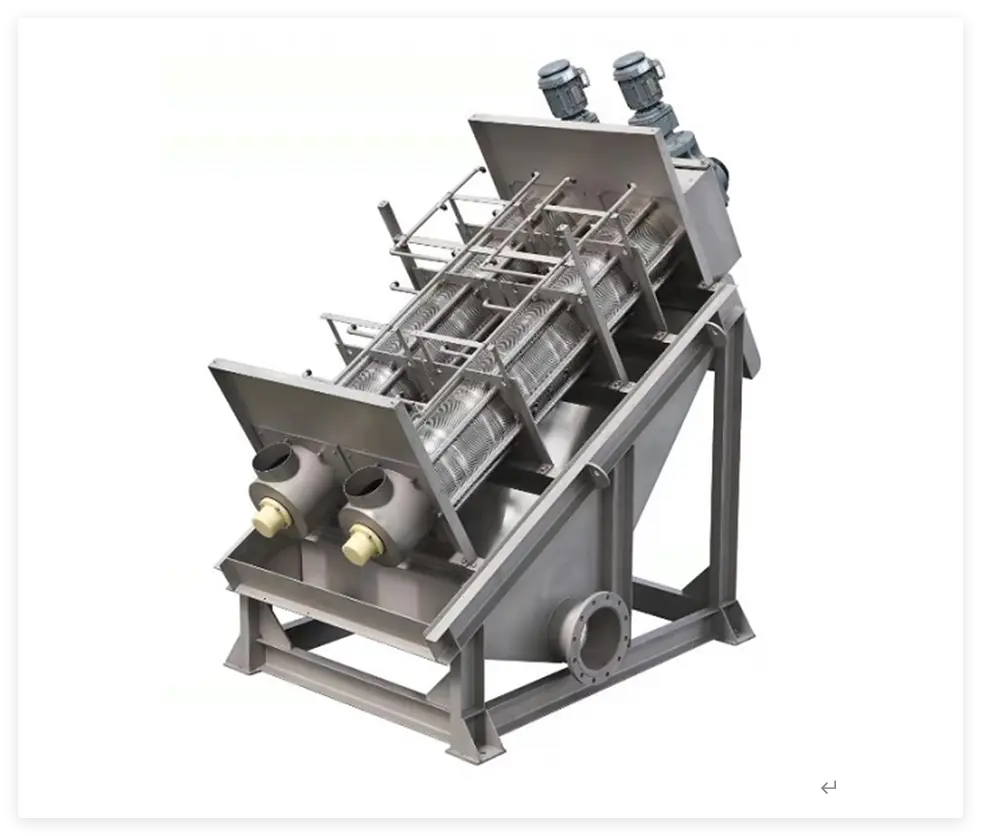
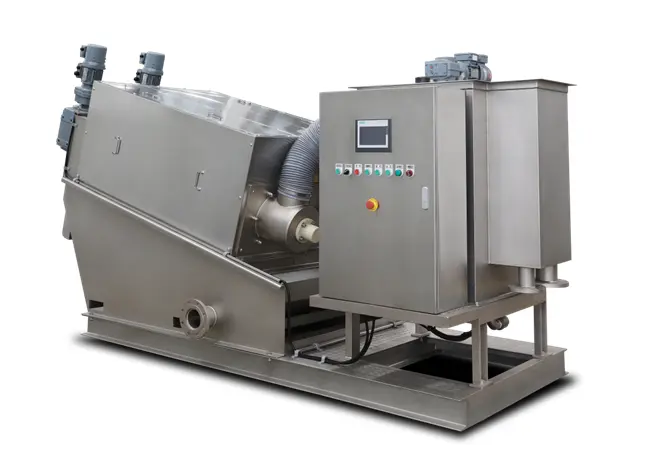
The operation of screw dewatering systems is accomplished by the use of a complex mechanical mechanism that continually separates water from mining slurries and tailings. In order to remove moisture content, the core mechanism consists of a spinning screw conveyor that moves material through chambers that are gradually narrower. These chambers are subjected to increasing pressure. This technology is especially useful for mining applications since it is able to handle abrasive materials and different feed consistencies without affecting performance. This makes it highly beneficial for mining applications.
Operating Principles and Design Fundamentals
The core design comprises elements that are resistant to corrosion, such as components made of stainless steel, as well as specific coatings that are able to endure the severe chemical conditions that are characteristic of mining operations. When processing heavy and abrasive materials such as iron ore concentrates, coal slurry, and mineral tailings, it is essential to have structural parts that are robust in order to guarantee dependable operation. A regulated compression zone is created by the revolving screw mechanism, which progressively reduces the amount of moisture content while maintaining constant throughput rates.
Benefits of Mining Waste Management
There is a considerable increase in profitability for mining enterprises that employ sophisticated dewatering applications. It is possible to achieve moisture reduction levels that are in accordance with disposal criteria while maintaining a much reduced energy consumption in comparison to heat drying techniques. The capacity of continuous operation guarantees that the processing of variable sludge quantities will be accomplished in a consistent manner throughout the various mining processes. The ability to adapt to a wide variety of mining waste streams minimizes the need for several specialized systems, which in turn reduces the amount of capital investment and the complexity of maintenance.
Essential Features to Look for in Durable Screw Dewatering Machines
In order to choose suitable dewatering equipment, it is necessary to carefully evaluate the aspects that guarantee long-term dependability and excellent performance in demanding mining situations that are demanding. The most important qualities have a direct influence on the operating efficiency, the amount of maintenance that is required, and the overall ownership needs.
Robust Construction and Material Selection
In order to resist the torsional stresses that are created during the processing of thick and abrasive mining slurries, heavy-duty shaft assemblies are used in screw dewatering machines. The application of wear-resistant coatings to contact surfaces improves the longevity of components and ensures that their performance remains constant over lengthy periods of operation. When components approach the end of their useful lives, having access to replaceable wear parts makes it possible to do maintenance in a cost-effective manner without having to replace the whole system.
Advanced Automation and Control Systems
Numerous sensors are included in contemporary control systems in order to monitor essential operational characteristics. These parameters include torque, flow rate, and moisture content. In order to maximize energy usage while maintaining the desired level of dewatering performance throughout a wide range of feed conditions, automated modifications are used. Through the identification of abnormal operating circumstances and the implementation of precautionary shutdowns when they are required, intelligent control algorithms have the ability to prevent harm to equipment.
Energy Efficiency and Environmental Performance
Variable frequency drives provide accurate speed control that is tailored to the needs of the processor while also reducing the amount of power that is used. When compared to other technologies, the self-cleaning ring system lowers the amount of wash water that is used to less than one percent. Increasing environmental laws are addressed by these water conservation capabilities, which also help to decrease the operating expenses connected with water treatment and disposal.
Capacity Planning and Scalability Considerations
In order to support future capacity additions, modular designs may be used without necessitating the replacement of the whole system. Components that are standardized make it easier to keep track of spare parts inventories and allow more effective maintenance planning. The operational flexibility that may be achieved across a variety of mining applications is provided by the capability to process sludge concentrations varying from 0.2 percent to 2 percent while still obtaining end concentrations of above five percent.
Procurement Guide for Mining Companies: Choosing the Right Screw Dewatering Machine
In order to make strategic procurement choices, it is necessary to do a thorough analysis of the capabilities of the suppliers, the specifications of the equipment, and the overall ownership costs. Companies in the mining industry have to strike a balance between early investments and long-term operating advantages, all while ensuring that their equipment receives dependable service over the entire system lifespan.
Supplier Evaluation and Credibility Assessment
Established manufacturers that have shown expertise in the mining sector provide a higher level of confidence about the dependability of their equipment and continuous assistance. In order to show their dedication to innovation and technical leadership, companies with vast patent portfolios are sought after. The availability of parts and the capacity to respond quickly to maintenance requirements are both guaranteed by global service networks, regardless of the location of the site.
Cost Analysis and Investment Planning
When calculating total ownership costs, it is necessary to take into account not only the original screw dewatering machine price but also the costs of installation, operator training, and continuing maintenance needs. For the purpose of providing realistic estimates of operational costs, energy consumption estimations that are based on actual operating circumstances are used. The cash flow planning and risk mitigation tactics are impacted by the financing alternatives and warranty coverage that are available.
Customization and Application-Specific Requirements
When it comes to mining applications, bespoke configurations are often required in order to manage the specific sludge properties and processing intensities. It is the responsibility of suppliers who provide technical consulting and customization skills to guarantee that the equipment is performing at its best for the applications in question. In the process of selecting equipment and designing the project, site-specific installation needs and integration with pre-existing systems are taken into consideration.
Jingjin Equipment: Your Trusted Screw Dewatering Machine Supplier
Jingjin Equipment Inc. is a seasoned worldwide manufacturer that specializes in developing cutting-edge solid-liquid separation systems that are tailored for extraction applications in the mining industry. Since 1988, we have established deep knowledge in the design and production of resilient dewatering systems that are able to perform exceptionally well in mining conditions that are very demanding. We place a strong emphasis on tough durability, exact customization, and complete after-sales service in our product line, which guarantees the highest possible return on investment with our products.
Industry-Leading Technology and Innovation
Through the use of our Multi Disk Screw Press technology, we are able to achieve remarkable separation efficiency and throughput by combining revolving screws with stationary disks. A wide variety of feed ingredients with a wide range of consistencies may be handled by the one-of-a-kind design, which also allows for exact regulation of moisture. The integration of advanced automation systems into preexisting production lines is made possible by their ability to provide real-time monitoring capabilities, which guarantee that the quality of the product remains constant.
Global Manufacturing Capability and Support
In addition to having a large-scale production capability and more than 136 patents, Jingjin provides services to mining operations in 123 countries across the globe. Expert technical advice, on-site installation help, and a readily accessible inventory of replacement parts are among the services that are provided by our extensive service network. Our solutions, which are certified to meet international standards, provide assistance for complicated mining applications by using dependable supply chains and trustworthy relationships that enhance operational uptime.
Conclusion
For the purpose of selecting screw dewatering machines that are long-lasting, it is necessary to give careful attention to the construction quality, automation features, energy efficiency, and capabilities of the provider. Systems that are modern are able to give great performance by using materials that are durable, controls that are clever, and water usage that is minimal in order to comply with environmental requirements. The partnership between mining firms and skilled manufacturers that provide complete assistance throughout the equipment's lifespan is beneficial to the operations of mining companies. An investment in high-quality dewatering equipment yields returns in the form of decreased costs associated with disposal, increased operational efficiency, and greater regulatory compliance, all of which contribute to the maintenance of environmentally responsible mining operations.
Frequently Asked Questions
Q1: What maintenance intervals are recommended for screw dewatering machines in mining applications?
A: Routine maintenance schedules typically involve daily visual inspections, weekly lubrication checks, and monthly comprehensive examinations of wear components. The robust design allows for 24-hour continuous operation with quarterly major maintenance intervals. Automated monitoring systems provide early warning indicators that optimize maintenance timing based on actual operating conditions rather than fixed schedules.
Q2: How do sludge characteristics affect energy consumption in screw dewatering systems?
A: Sludge concentration, particle size distribution, and chemical composition directly influence power requirements. Higher viscosity materials require increased torque, while abrasive particles accelerate wear rates. Modern systems incorporate variable frequency drives that adjust operating parameters automatically to maintain optimal energy efficiency across varying feed conditions.
Q3: Can screw dewatering machines handle different types of mining tailings effectively?
A: Advanced screw dewatering technology demonstrates excellent versatility across diverse mining waste streams, including coal washery sludge, mineral concentrates, and metal processing tailings. Adjustable compression zones and customizable configurations accommodate specific material characteristics while maintaining consistent dewatering performance.
Partner with Jingjin for Superior Mining Dewatering Solutions
Business experts in the mining business who are looking for dependable screw dewatering machine manufacturers may take advantage of Jingjin's decades of experience in the field and their established track record. Our engineering team offers individualized consultations in order to determine the most effective solutions that are adapted to the particular mining needs and circumstances of the excavation site. In order to guarantee the highest possible level of equipment performance and operational efficiency, we provide complete services that begin with the original design of the system and continue through installation and continuous maintenance. To discuss the issues you are facing with dewatering and to investigate the ways in which our cutting-edge technology might improve your mining waste management operations, please get in touch with us at [email protected].
References
1. Smith, J.A., and Chen, L. "Advanced Solid-Liquid Separation Technologies in Mining Applications." Journal of Mining Engineering, Vol. 45, No. 3, 2023, pp. 234-251.
2. Thompson, R.K. "Energy Efficiency in Mining Waste Management: Comparative Analysis of Dewatering Technologies." International Mining Review, Vol. 38, No. 7, 2022, pp. 89-104.
3. Williams, M.P., et al. "Durability Assessment of Mechanical Dewatering Equipment in Harsh Mining Environments." Mining Equipment Technology Quarterly, Vol. 29, No. 2, 2023, pp. 156-172.
4. Rodriguez, C.A. "Cost-Benefit Analysis of Continuous vs. Batch Dewatering Systems in Large-Scale Mining Operations." Mining Economics Journal, Vol. 51, No. 4, 2022, pp. 78-95.
5. Anderson, K.L., and Park, S.H. "Environmental Impact Reduction Through Advanced Mining Waste Dewatering Technologies." Environmental Mining Practices, Vol. 33, No. 1, 2023, pp. 45-62.
6. Johnson, D.R. "Maintenance Optimization Strategies for Heavy-Duty Mining Dewatering Equipment." Industrial Maintenance Engineering, Vol. 42, No. 6, 2022, pp. 123-140.