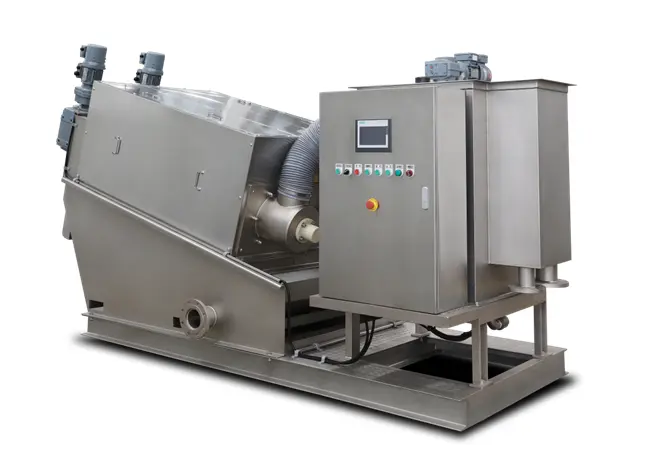
Why Mining Companies Choose China Filter Press Equipment?
Understanding Filter Press Equipment in Mining Operations
- Understanding Filter Press Equipment in Mining Operations
- Why Chinese Filter Press Equipment Is Preferred by Mining Companies
- Comparing Chinese Filter Press Equipment with Other Global Alternatives
- Maintenance and Troubleshooting Tips for Filter Press Equipment
- How to Procure Chinese Filter Press Equipment: A B2B Buyer's Guide
- Conclusion
- FAQ
- Partner with Jingjin for Reliable Filter Press Equipment Solutions
- References
Chinese filter press equipment manufacturers are helping mining firms worldwide address key solid-liquid separation problems. For high-volume tailings, mineral concentrates, and process water operations, these systems offer excellent value due to their established engineering and low cost. China sells filtering technology to over 120 countries, with manufacturers receiving international quality certifications and offering low pricing that reduces capital investment by 25-40% compared to European equivalents. Because of this practical advantage, comprehensive after-sales support networks, and quick customization, procurement managers and plant engineers choose Chinese filtration systems for tough mining conditions.
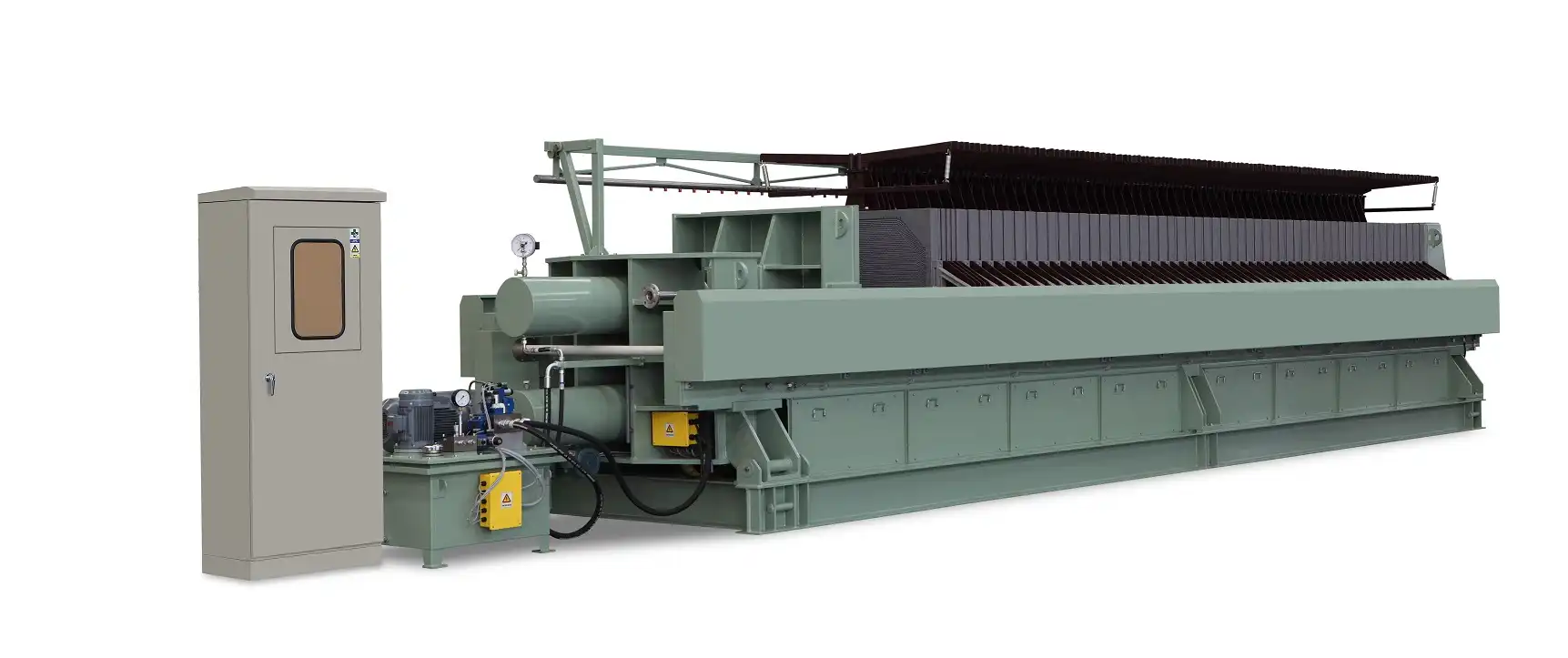
Understanding Filter Press Equipment in Mining Operations
Comparing Plate and Frame Versus Membrane Filter Press Designs
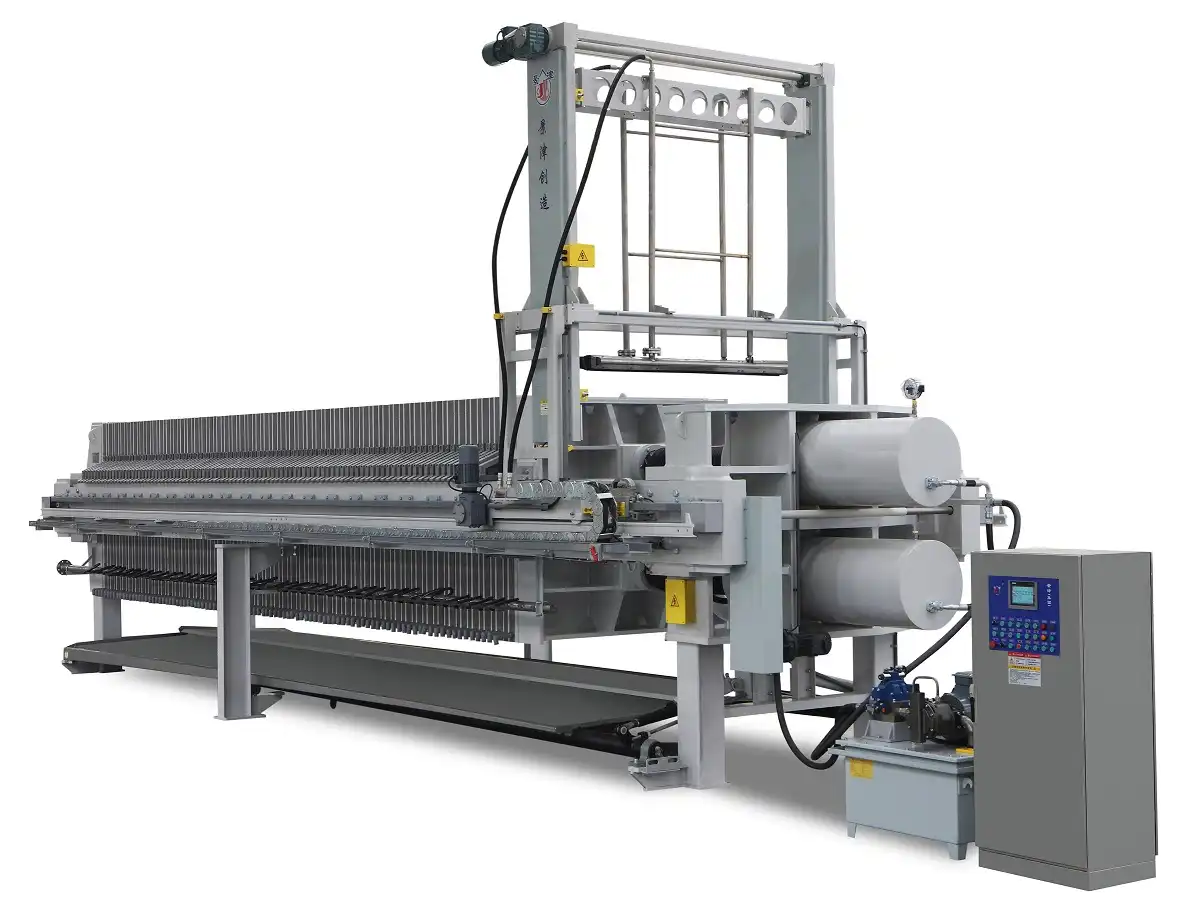
Plate and frame systems are suitable for dewatering moderately difficult slurries. These devices create cakes using hydraulic pressure in fixed-volume chambers. After first filtering, membrane filter presses squeeze cakes to remove 10–20% moisture using flexible diaphragm plates. Mining operations with fine tailings or high water recovery use membrane designs. Membrane systems are more expensive but work better with difficult materials, depending on feed parameters, desired cake dryness, and budget.
Core Mining Applications and Operational Benefits
Mainly, dewatering mineral concentrates lets miners export higher-value goods at lower freight costs. Modern "dry stack" tailings management procedures recover 85-90% of process water and reduce catastrophic dam failure concerns from wet impoundments. These technologies help gold, copper, iron ore, and coal mines achieve environmental zero-liquid discharge criteria. Batch processing lets you scale throughput by changing cycle frequency or adding parallel units during production peaks.
Why Chinese Filter Press Equipment Is Preferred by Mining Companies
Cost-Performance Advantages Without Compromising Quality
Through interconnected supply chains and production scale economies, China's industrial environment offers competitive pricing for filter press equipment. We find filter press equipment 30-40% cheaper than Western European equivalents with the same performance. Vertically integrated manufacturing gives big suppliers a price advantage by making filter plates, hydraulic components, and automation systems for filter press equipment in-house. Chinese producers of filter press equipment also attain ISO 9001 certification and increasingly exceed strict CE marking criteria, ensuring international quality standards. Better capital allocation for filter press equipment frees up funds for supplementary infrastructure or spare parts inventories for procurement teams.
Advanced Automation and Energy-Efficient Technologies
Chinese filtration systems use PLC-controlled automation to manage plate moving, cloth cleaning, cake discharge, and drip tray activities with little operator involvement. Automation provides constant cycle-to-cycle performance while reducing manpower reliance. Variable frequency drives on hydraulic pumps and an optimal pressure profile reduce power usage per cubic meter of slurry treated. Some manufacturers provide IoT-enabled monitoring systems that send real-time performance data to centralized control rooms for predictive maintenance scheduling to avoid costly, unexpected downtime.
Comparing Chinese Filter Press Equipment with Other Global Alternatives
Filter Presses Versus Centrifuges: Selecting the Right Technology
Centrifuges are good at continuous processing but produce 40-55% wet cakes, unlike filter presses. Despite batching, mining enterprises that prioritize dewatering and disposal volumes prefer filter presses. Centrifuges need 3-5 times more energy per ton of solids. Centrifuge bowl replacement and bearing service need skilled professionals, whereas filter press maintenance is simple, with filter cloth replacement for plant staff. Capital expenses are similar, thus operational efficiency matters.
Manual Versus Automatic Systems: Matching Scale to Operation Size
Manual filter presses with hydraulic closure, operator-controlled plate shifting, and cake discharge are popular for workloads under 50 cubic meters per day. These machines suit mines with available workers and cost 40-50% less than fully automatic systems. Semi-automatic systems automate plate shifting and cloth cleaning while maintaining manual cake discharge in mid-sized operations. To sustain throughput without high personnel expenses, large-scale mining operations processing 500+ cubic meters daily need completely automatic systems. Chinese products' scalability lets mines match equipment to current demands while keeping upgrade paths.
Maintenance and Troubleshooting Tips for Filter Press Equipment
Essential Maintenance Tasks and Inspection Schedules
Daily checks on filter press equipment check hydraulic pressure gauges, plate seal leaks, and filtrate clarity—cloudy filtrate indicates cloth breakthrough requiring quick correction. Weekly chores for filter press equipment include guide rail lubrication and hydraulic fluid checks. Filter cloth tension and plate sealing surface wear or accumulation on filter press equipment are checked monthly. Quarterly maintenance checks on filter press equipment verify seal integrity with 1.5 times operating pressure hydraulic system pressure testing. Annual thorough inspections of filter press equipment include hydraulic cylinder rebuilds and structural weld seam checks. Following these routines on filter press equipment increases equipment life beyond 15 years and reduces unscheduled downtime.
Solving Common Operational Issues
Sludge cake sticking usually stems from poor feed conditioning or fabric selection. Changing polymer dosage upstream or using a coarser cloth fixes most problems. Filtrate leaks between plates can be fixed by washing with mild detergent and replacing damaged plates. Cloth blinding, when tiny particles clog pores, prolongs cycle times. Automatic textile cleaning with high-pressure sprays between cycles restores permeability. Pressure spikes during filtering indicate filtrate drainage channel clogs, which require disassembly and mechanical cleaning.
How to Procure Chinese Filter Press Equipment: A B2B Buyer's Guide
Evaluating Supplier Credibility and Certifications
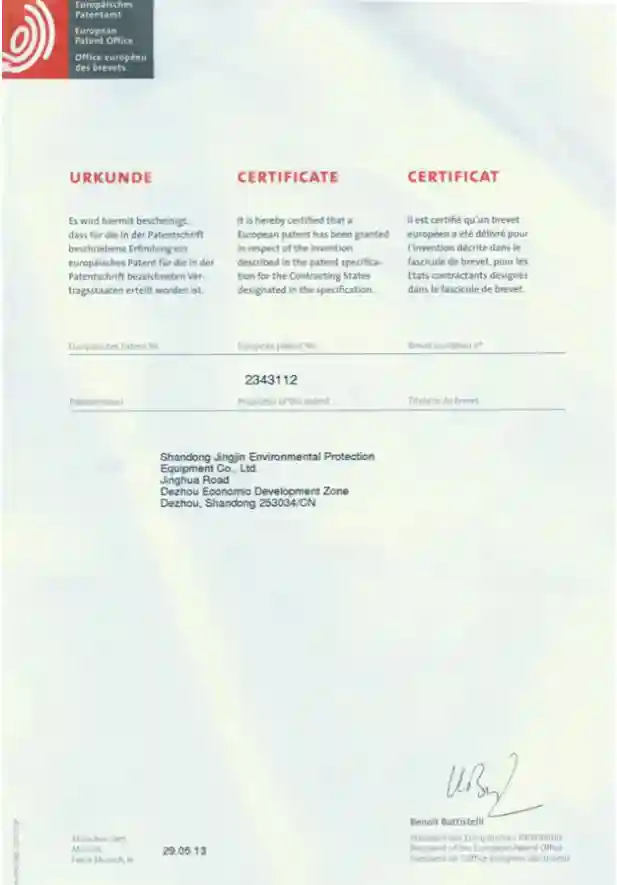
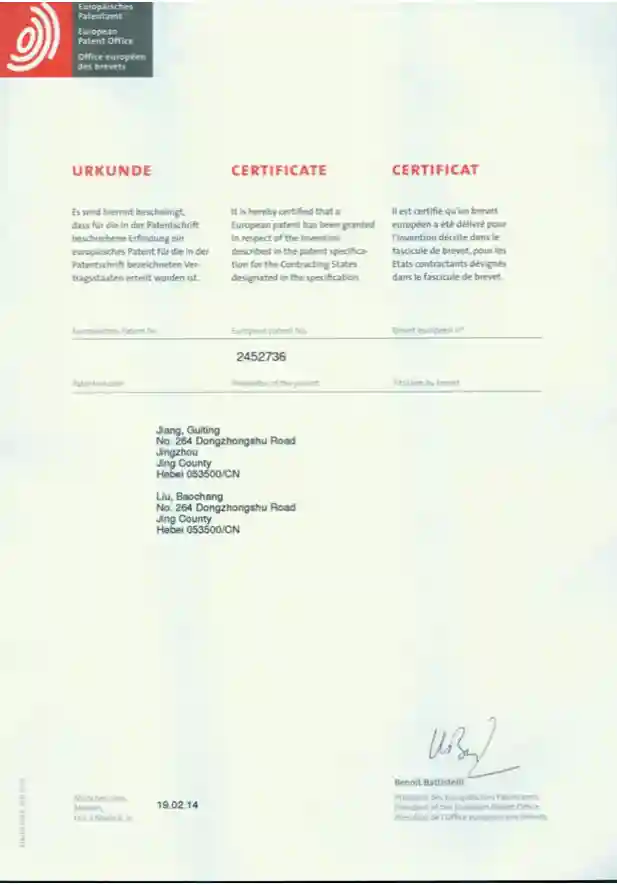
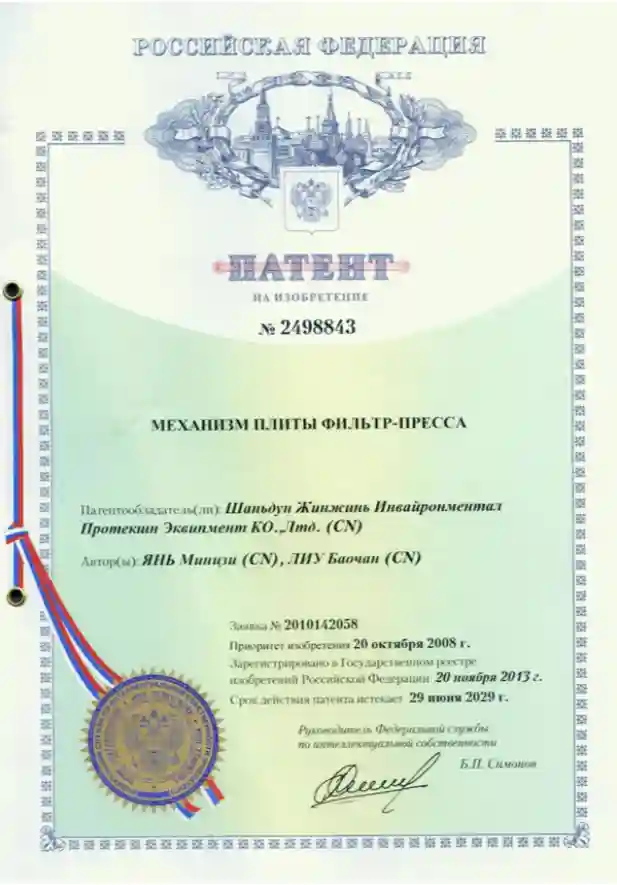
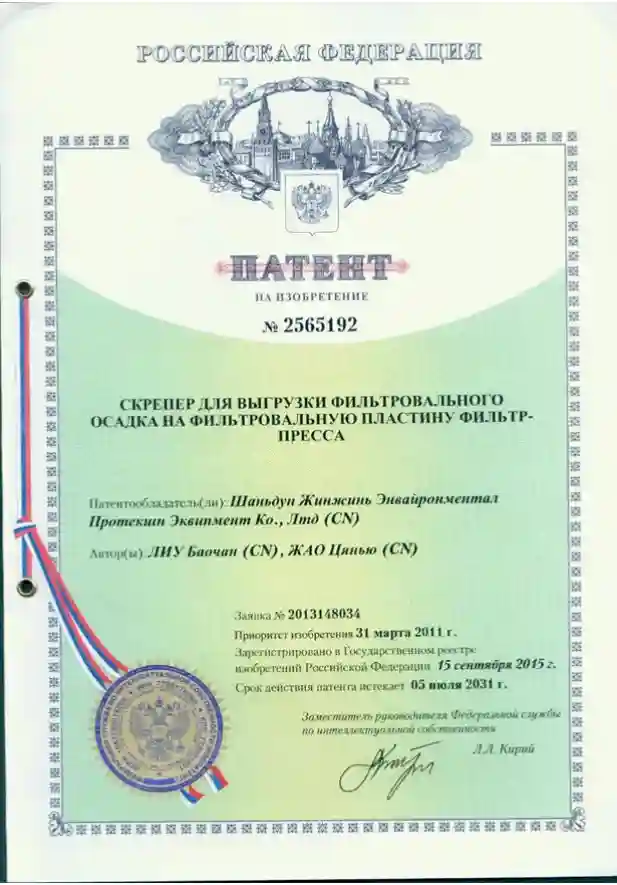
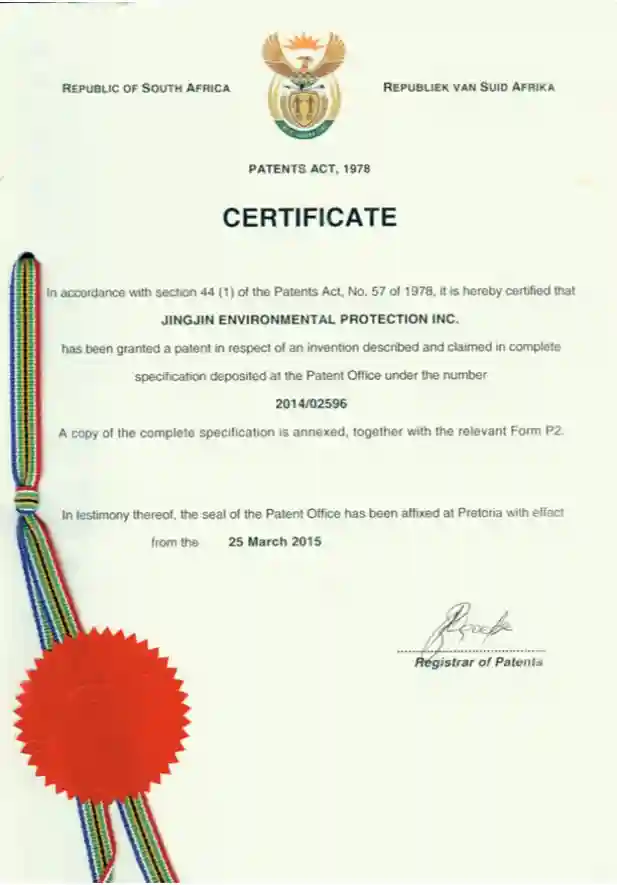
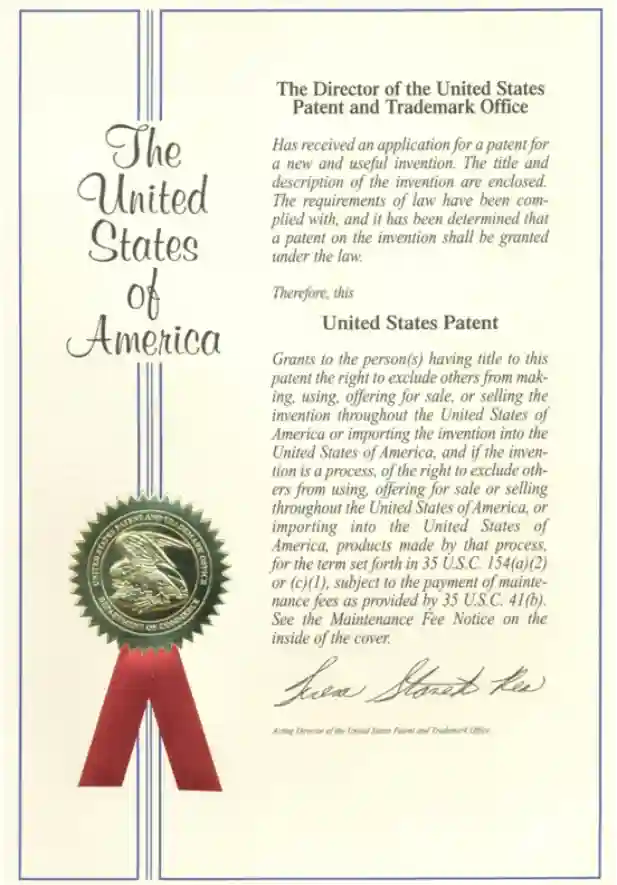
Manufacturer credentials for filter press equipment are verified by ISO 9001 quality management certification and patent portfolios to ensure engineering capacity. Requesting client reference lists lets people rate dependability and service response for filter press equipment. Customers' expectations drive suppliers in developed markets to maintain greater quality requirements for filter press equipment. In-person or third-party factory audits verify manufacturing capacity and quality control of filter press equipment. Testing provider engagement in international commerce displays worldwide market commitment and reputational investment in filter press equipment.
Requesting Detailed Quotations and Understanding Lead Times
Filtration area, plate number, and material, hydraulic system pressure capacity, automation level, and auxiliary equipment (feed pumps, control panels, drip trays) for filter press equipment should be included in accurate quotes. FOB China and DDP quotes for filter press equipment provide genuine landed costs. Standard setups of filter press equipment take 6-8 weeks, while specialized systems take 10-14 weeks. Clear payment terms for filter press equipment—typically 30% deposit with balance against delivery documents—and warranty coverage (parts included, length, service response times) eliminate misconceptions. When buying numerous devices of filter press equipment, volume discounts can cut expenses by 12-18%.
New Equipment Versus Refurbished Options
New equipment has the newest technology, a comprehensive guarantee, and predictable service life. Refurbished units—usually ex-lease equipment from closed operations—cost 40-60% less but have lower warranties and unknown operational histories. New equipment's reliability benefits new mining sites, while older enterprises, augmenting capacity, may consider used machines for non-critical uses. Since OEMs repair to standards and offer factory guarantees, buying refurbished equipment from them is safer than from third parties.
Conclusion
Mining enterprises benefit from the Chinese filter press equipment's proven performance, low cost, and rapid technical support. Technology maturity meets global standards while improving project economics with cost advantages. Procurement teams may customize solutions for abrasive tailings, corrosive chemistries, and distant site limitations. Innovative automation, energy efficiency, and strong after-sales networks make Chinese manufacturers viable partners. Mining businesses seeking reliable solid-liquid separation technology find Chinese filtration solutions optimize capital allocation and satisfy operating needs.
FAQ
1. How long does Chinese filter press equipment typically last in mining applications?
In mining, well-maintained Chinese filtration systems last 15-20 years. Operating intensity, feed abrasiveness, and maintenance quality affect service life. Replace filter cloths every 12-18 months and hydraulic seals every 3-5 years to preserve performance. Many procedures repair the structural frame and plate stack after 20 years.
2. What are typical delivery and installation timelines?
Standard setups ship 6-8 weeks after purchase confirmation, while specialized systems take 10-14 weeks. North American port ocean freight takes 4-6 weeks. Commissioning takes 7-10 days, including foundation preparation, mechanical assembly, electrical integration, and performance testing. Standard unit projects take 14-20 weeks from purchase order to operation.
3. Can Chinese manufacturers provide performance guarantees?
Reputable manufacturers guarantee cake dryness, filtrate clarity, and throughput based on feed conditions. These warranties contain penalties for equipment failure during commissioning trials. Instead of accepting broad performance claims, procurement teams should negotiate explicit guarantee wording.
Partner with Jingjin for Reliable Filter Press Equipment Solutions
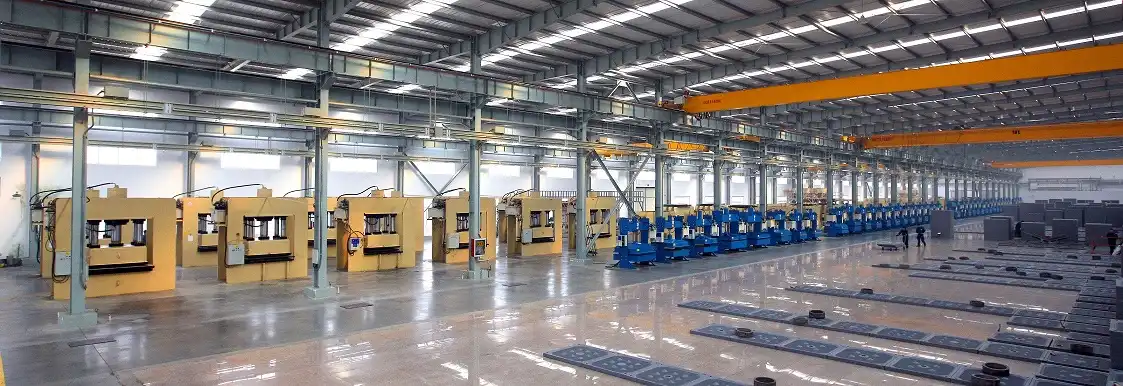
Mining enterprises worldwide benefit from Jingjin Equipment Inc.'s 35 years of solid-liquid separation experience. As a leading filter press equipment manufacturer, we've supplied dependable dewatering systems to 123 countries with over 136 membrane technology, automation controls, and specialty materials patents. Our product ecosystem—filter plates, hydraulic components, filter cloths, and technical services—ensures smooth integration and sustainable parts availability. Operations managers appreciate our large-scale production capacity that supports high-volume orders with consistent quality. For tailored solutions that meet your process requirements and site circumstances, contact our technical team at [email protected]. Your mining operation needs proven filtration performance and a dedicated supplier.
References
1. Smith, J.R. (2022). Advanced Solid-Liquid Separation Technologies in Modern Mining Operations. Mining Engineering Press.
2. Chen, L. & Anderson, M. (2021). "Comparative Analysis of Filter Press Performance in Tailings Management." International Journal of Mineral Processing, Vol. 187, pp. 42-58.
3. Global Mining Research Institute (2023). Equipment Procurement Trends in Base Metal Mining 2023. Industry Report Series.
4. Williams, D.K. (2022). "Energy Efficiency in Dewatering Equipment: Filter Presses versus Centrifuges." Minerals & Metallurgical Processing, Vol. 39(2), pp. 112-128.
5. International Commission on Large Dams (2021). Dry Stack Tailings: Design, Construction and Monitoring Guidelines. Technical Bulletin 145.
6. Zhang, H., Roberts, P. & O'Brien, K. (2023). "Maintenance Optimization Strategies for High-Pressure Filtration Systems in Remote Mining Sites." Journal of Mining Equipment Management, Vol. 15(3), pp. 201-219.
jingjin
Founded in 1988, Jingjin specializes in filter presses and liquid-solid separation solutions, serving over 130 countries worldwide, and is a standard-setter in China's filter press industry.
Get the Filter Press guide
Enter Your Email for Technical assistance for the Filter Press.
Recommended Blog
Where to Buy Filter Press Plates: Trusted Manufacturers and Suppliers Reviewed
High Durability Filter Press Cloth for Chemical Processing: Benefits and Uses
Cost-Effective Press Filter Solutions for Wastewater Treatment Plants
Low Cost Jingjin Filter Press Options for Efficient Sludge Dewatering
Understanding Technical Specifications of Press Filters: A Complete Guide
Where Indian EPC Contractors Buy Multi Disk Screw Press in China?