What is a stainless pressure vessel?
Understanding Stainless Pressure Vessels
- Understanding Stainless Pressure Vessels
- Benefits of Stainless Steel Pressure Vessels in Industrial Applications
- How to Choose the Right Stainless Pressure Vessel for Your Business
- Procurement Process and Best Practices for Stainless Steel Pressure Vessels
- Maintenance, Inspection, and Safety Guidelines for Stainless Pressure Vessels
- Conclusion
- FAQ
- Partner with Jingjin for Reliable Pressure Vessel Solutions
- References
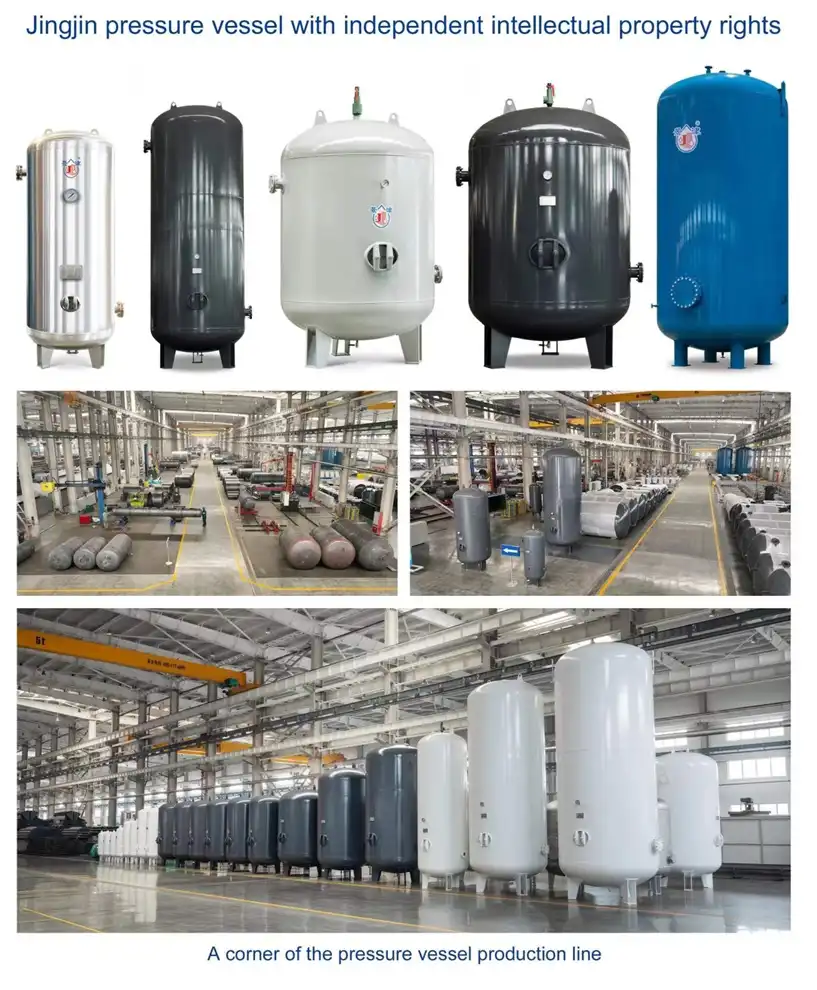
A stainless pressure vessel is a special kind of closed container that is made to hold gases or liquids at pressures that are very different from normal, usually higher than 15 psig. These tanks are important parts of process engineering in many different businesses. They are made from high-grade austenitic, ferritic, or duplex stainless steel alloys. Unlike carbon steel options, stainless pressure vessels don't allow systemic pollution to happen and don't rust on the inside or outside. This makes them essential for tasks that need to be clean, stable at high temperatures, and resistant to chemical oxidation.
Understanding Stainless Pressure Vessels
Core Functions and Material Properties
Stainless pressure vessels use their special metallurgical qualities to keep their integrity in harsh settings. The chromium content—which can be anywhere from 10.5% to 30% based on the grade—creates a passive oxide layer that fixes itself when it gets scratched, protecting against rust for a long time. A big problem in industrial work is that materials break down in harsh chemical conditions. This feature fixes that problem.
Common Stainless Steel Grades
Choosing the correct metal affects its durability and safety. Grade 304 is rust-resistant and appropriate for light chemical interaction because of its 18% chromium and 8% nickel content. Grade 316 includes 2–3% molybdenum to withstand chlorine pitting and crevice corrosion. This is crucial for chlorinated process streams and marine environments. Grade 321 prevents carbide formation during welding and high-temperature service above 800°F with titanium stabilization.
The Pitting Resistance Equivalent Number (PREN) measures corrosion resistance. 316L has a PREN of 24, whereas duplex variants like 2205 have 35, making them superior for acidic slurries and high-chloride wastewater treatment.
International Design Standards
Following well-known construction rules keeps structures resilient under severe conditions. Division 2 allows design-by-analysis for optimal weight reduction, while Section VIII Division 1 governs design-by-rule. The European Pressure Equipment Directive (PED 2014/68/EU) classifies vessels by risk and mandates third-party inspection for the most hazardous. The Chinese standard GB150 is comparable to ASME rules but has specific material requirements for Chinese manufacturing.
To figure out the thickness of a wall, use the formula t = (P×R)/(S×E-0.6×P), where P is the design pressure, R is the inside radius, S is the allowed stress, and E is the joint efficiency factor. These estimates set safety limits that take into account corrosion, which for stainless steel in clean service is usually 1/16" to 1/8".
Benefits of Stainless Steel Pressure Vessels in Industrial Applications
Superior Durability and Corrosion Resistance
When standard materials are used in industrial sites that deal with abrasive slurries, acidic wastewater, or high-salinity brines, the equipment breaks down faster. The inactive layer of stainless pressure vessels doesn't oxidize even when it's exposed to pH levels between 4 and 10. This means that systems that are properly kept can last longer than 25 years. This longevity directly leads to less downtime, which is very important for wastewater managers who have to meet strict release compliance windows.
This protection is especially helpful for chemical manufacturing plants. When working with strong sulfuric acid or alkaline peroxide cleaning solutions, a stainless pressure vessel stays structurally sound, while a carbon steel vessel would need to be relined every year. The surface doesn't have any pores, so germs can't grow on it. This means that there are no risks of contamination in pharmaceutical buffer storage and food-grade CIP (Clean-in-Place) systems.
Regulatory Compliance and Safety
Tools that don't pollute process streams or groundwater are required by environmental laws. The neutral surface of stainless steel prevents iron oxide particles from entering treated water, helping water treatment plants satisfy EPA total suspended solids requirements. The material resists fire and maintains mechanical properties at 1500°F. This makes it safe for chemical facilities with volatile organic substances that can explode.
Making inspections easy boosts compliance. Electropolished surfaces are smooth (below Ra 0.4 micrometers), revealing stress corrosion cracks during frequent examinations. EPC staff are more confident since they must verify system integrity before handing over the project.
Cost-benefit analysis
The cost of stainless pressure vessels is 2.5 to 4 times that of carbon steel vessels. A 500-gallon carbon steel tank costs up to $8,000. 316L stainless steel tanks of the same size cost roughly $22,000. However, lifelong economics differs. Carbon steel needs protective coatings every 5–7 years, costing $3,500–$5,000 and risking product contamination. Since stainless steel lasts 20 years, costs less to maintain, saves energy since the interior is cleaner, and costs less to replace, its total cost of ownership is 30 to 40% lower.
Stainless steel outperforms titanium and Hastelloy. Titanium costs 8–12 times more than other materials because it rusts less. Only in severe cases, like strong hydrochloric acid, is this essential. Here comes duplex stainless grades. They cost 1.5 times more than austenitic kinds but are twice as strong. They can have thinner walls and lighter shipping weights.
How to Choose the Right Stainless Pressure Vessel for Your Business
Assessing Application Requirements
Before describing the working environment, process engineers must consider the maximum permitted working pressure (MAWP), design temperature range, media chemical makeup, and space requirements. A pharmaceutical factory that stores Water for Injection at 80 psi and normal pH needs different specifications than a mineral processing plant that discharges copper concentrate slurry at 225 psi and pH 3.5.
Temperature greatly affects stainless pressure vessel selection. Austenitic varieties that have been impact-tested must be utilized below -20°F to avoid brittle fracture. Coal gasification plants employ stable grades or higher-nickel alloys at 600°F to maintain the sigma phase.
Material Grade Selection Criteria
Cost, functional strength, and corrosion resistance are considered in the chosen grid. Operations in salty water or marine locations with chloride levels exceeding 500 ppm should use 316L. Pulp and paper businesses that clean with chlorine dioxide use duplex 2205 or super-austenitic 6% molybdenum alloys.
Welder qualifications and supply impact practical decisions. Standard GMAW joins grade 304 easily. However, duplex grades need precise heat input and nitrogen backing gas management to maintain the austenite-ferrite balance needed for corrosion performance.
Supplier Evaluation Framework
When evaluating suppliers, procurement managers should verify three key points. ISO 9001:2015, ASME U-Stamp, and PED Notified Body certifications in manufacturing demonstrate quality systems. These badges verify that manufacturing, welding, and inspection standards meet international requirements.
Production capacity determines lead time. A specialized high pressure vessel manufacturer with its own machining, heat treatment, and testing facilities can reduce lead times and improve quality, just like other specialized stainless steel manufacturers. Having many materials in stock speeds up bespoke design prototyping.
As global firms develop, after-sales support infrastructure becomes increasingly crucial. Suppliers who provide setup assistance, operator training, and in-stock parts reduce unplanned downtime. Jingjin Equipment's presence in 123 countries blends large-scale production with regional technical resources.
Procurement Process and Best Practices for Stainless Steel Pressure Vessels
Understanding Fabrication Lead Times
It usually takes between 8 and 12 weeks from the time an order is placed until the standard cylinder stainless pressure vessels with ASME code calculations and basic nozzle configurations are delivered. This schedule includes getting the materials (2–3 weeks for certified mill goods), putting them together and welding them (3–4 weeks), heating them and easing stress for one week, and finally inspecting them and testing them for strength and durability (1 week).
Pricing Structure and Volume Considerations
Custom tanks with baffle plates for temperature stratification or agitator mounts for mixing take 14–18 weeks to deliver. Complex designs like hemispherical heads or conical sides take longer to produce. EPC project managers should time vessel purchases to fit the critical route and place orders during detailed engineering rather than waiting until the building is ready.
45–55 percent of a tank's cost is raw material; therefore, stainless steel price variations are important. Commodity prices affect nickel and molybdenum prices. Nickel prices rose 40% in early 2022 due to supply issues. Fixed-price contracts with material escalation safeguard both parties throughout extended projects.
Manufacturing complexity determines leftover costs. For vessels that need 100% RT for 1.0 joint efficiency, the base price rises from $2,500 to $4,000. Unlike spot RT at 0.85 efficiency. To reduce stress, post-weld heat treatment (PWHT) costs $1,500–$3,000. This depends on tank size.
Savings from volume agreements are significant. Orders with 5 to 10 comparable units save 15 to 20% per unit through optimal material returns and setup amortization. You can budget and keep supply flexible with yearly blanket buy orders and staggered shipments.
Logistics and Installation Planning
Oversized load laws apply to boats above 40 feet or 12 feet broad. These vessels require special travel permits and guard vehicles. Due to route restrictions, freight rates rise from $1.50/mile to $4–$6/mile, and delivery times increase. Divide large vessels into field-bolted parts. Flanged couplings can cause leaks that require gasket maintenance.
Rigging and placement require structural specialists' coordination. Floor loading capacity and crane access must be tested on a 15,000-pound vessel lifted. Suppliers providing rigging drawings and lift lug load estimations simplify planning.
Seller warranties vary greatly. Standard coverage lasts 12–18 months from product commissioning or 24 months after shipment. Extended warranties for actuated valves or instrumentation penetrations may be worth considering for remote installations where repair calls are expensive.
Maintenance, Inspection, and Safety Guidelines for Stainless Pressure Vessels
Routine Inspection Protocols
Regulatory systems require regular inspections at set times based on the seriousness of the service. As per ASME Section VIII, both internal and external visible checks must be done every 5 years for general service. For dangerous or flammable contents, the inspections must be done once a year. Because hydrogen sulfide is harmful, wastewater treatment stainless pressure vessels that handle biosolids usually only need to be inspected every three years.
Non-destructive testing (NDT) methods find flaws below the surface that can't be seen with the naked eye. Ultrasonic thickness mapping finds places where rust is causing walls to thin out before they reach the minimum thickness that is allowed. When testing ferritic grades with magnetic particles, surface-breaking cracks can be seen. When testing austenitic grades of stainless steel, magnetic methods don't work.
After fixes or changes, hydrostatic pressure testing at 1.3 times MAWP makes sure the structure is still solid. When internal cooling isn't possible, pneumatic testing with compressed air can be used instead. However, it has higher energy release risks and needs to be supervised from afar, and blast shields must be worn.
Corrosion Prevention Strategies
Even though stainless steel is naturally resistant, it can still be attacked in certain ways. Chloride stress corrosion cracking (CSCC) happens when austenitic grades are put under long-term tensile stress above 140°F in fluids that contain chloride. To lower the risk, working temperatures can be limited, higher-nickel metals (like 904L) can be chosen, or compressive surface treatments like shot peening can be used.
Crevice rusting happens in areas that don't move and where oxygen loss breaks down the inactive layer. This often happens around gasket seats and threaded connections. This decline can be stopped by making changes to the design to get rid of dead legs and make sure that there is full ventilation during shutdowns. The protective chromium oxide layer is put back on after welding or exposure to contamination through passivation processes with nitric or citric acid.
Safety and Risk Management
Microbiologically influenced corrosion (MIC) is a danger to cooling water and sewer systems where sulfate-reducing bacteria live and form biofilms. Regular mechanical cleaning and biocide injection programs break up bacterial colonies before increased pitting starts.
A high pressure vessel manufacturer must ensure that pressure release devices are the last line of defense against overpressure. API Standard 520 says that spring-loaded safety valves need to be the right size to let all of the fluid from the tank out at 110% of the MAWP. Every year, the set pressure is tested on a bench to make sure it is accurate within a ±3% range. Rupture discs respond right away to wild reactions, but they need to be replaced every time they are activated.
Planning for emergency responses takes into account the worst-case situations. Quantitative risk estimates try to guess what might happen if a 10,000-gallon ammonia tank bursts. If the atmosphere becomes inverted, the poisonous gas cloud could reach 1.5 miles away and affect people living there. As levels of defense, there are automatic stop systems, deluge sprays for putting out vapors, and community warning procedures.
Basics of pressure vessels, specific dangers of materials inside, emergency procedures, and lockout-tagout rules for repair work should all be covered in operator training programs. During OSHA inspections, documented skill proof protects both worker safety and compliance with the rules.
Conclusion
In conclusion, stainless pressure vessels work better than any other material for businesses that need to keep things clean, resistant to corrosion, and reliable over time. When buying, teams know about material grades, design standards, and lifetime economics, they can come up with solutions that lower costs while still meeting safety and compliance standards. A thorough review of suppliers, focusing on certifications, production capacity, and service infrastructure, ensures relationships that can meet the needs of complex industries. Using strict inspection plans and preventative maintenance keeps equipment in good shape for decades, protecting both financial investments and the continuation of important separation and treatment processes.
FAQ
Q1: What distinguishes 316L from 304 stainless steel in pressure vessel applications?
The letter "L" means that the steel has a low carbon content (below 0.03%), which stops chromium carbide from forming during welding. This is called sensitization, and it makes areas that are more likely to rust. Adding molybdenum to 316L makes it much more resistant to chloride pitting and crevice corrosion. This makes it necessary for use in marine areas, chemical processing with halogenated compounds, and pharmaceutical settings where even a small amount of contamination is not acceptable in a stainless pressure vessel.
Q2: How often should pressure vessels undergo professional inspection?
How often an inspection is done relies on the type of service and the legal authority. For general industry service, an internal check is required every five years, while for hazardous material containment, an inspection is required every year. Ultrasonic thickness studies should be done every three years for high-cycle fatigue uses, like vessels that go through a lot of pressurization cycles. State and provincial governments may set tighter deadlines; check your local boiler and pressure tank codes for exact rules.
Q3: Can existing carbon steel vessels be upgraded to stainless steel specifications?
Because stainless cladding or lining methods bring galvanic corrosion risks at contact zones, the only way to get better is to change all the materials. When the remaining service life of carbon steel drops below 7–10 years, economic analysis usually favors a new stainless building. This lets the capital investment be paid back over time while avoiding the need for coating upkeep in the meantime. When rust on the outside isn't a big problem, hybrid designs with stainless steel inside carbon steel shells work well for some tasks.
Partner with Jingjin for Reliable Pressure Vessel Solutions
Not only should you look at the quality of the products, but you should also look at how committed the seller is to providing long-term service. Jingjin Equipment Inc. has more than 35 years of experience separating solids from liquids, which can be used with stainless pressure vessels in mining, chemical processing, and wastewater treatment. Our production presence allows us to make custom vessels that are resistant to corrosion and are designed to work smoothly with filtration systems. Additionally, our network of offices in 123 countries ensures that you can get quick expert help as your business grows.
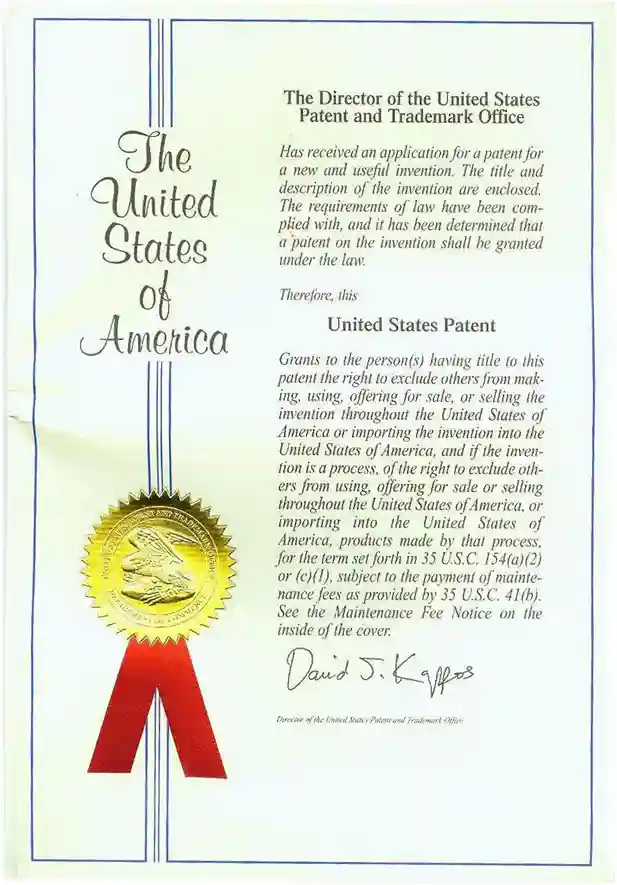
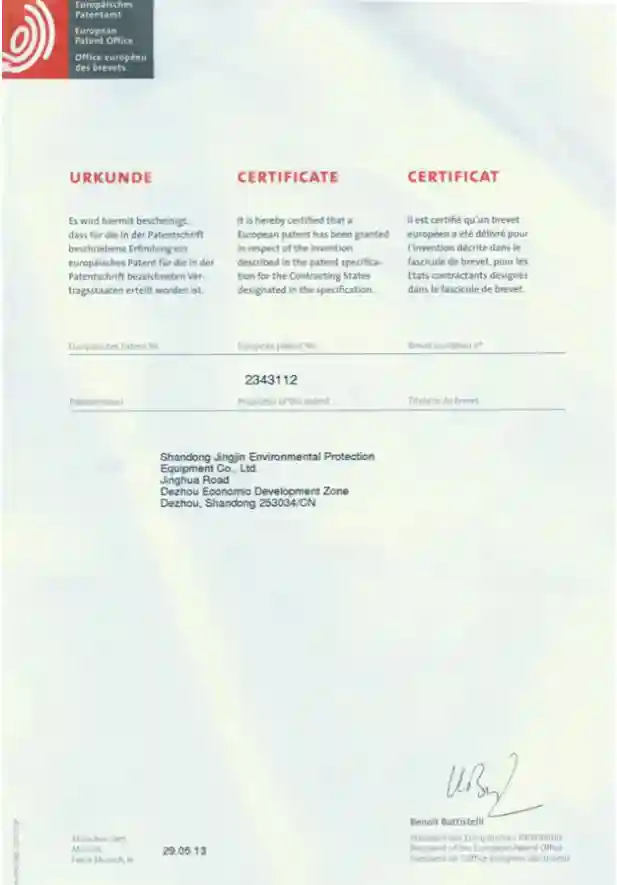
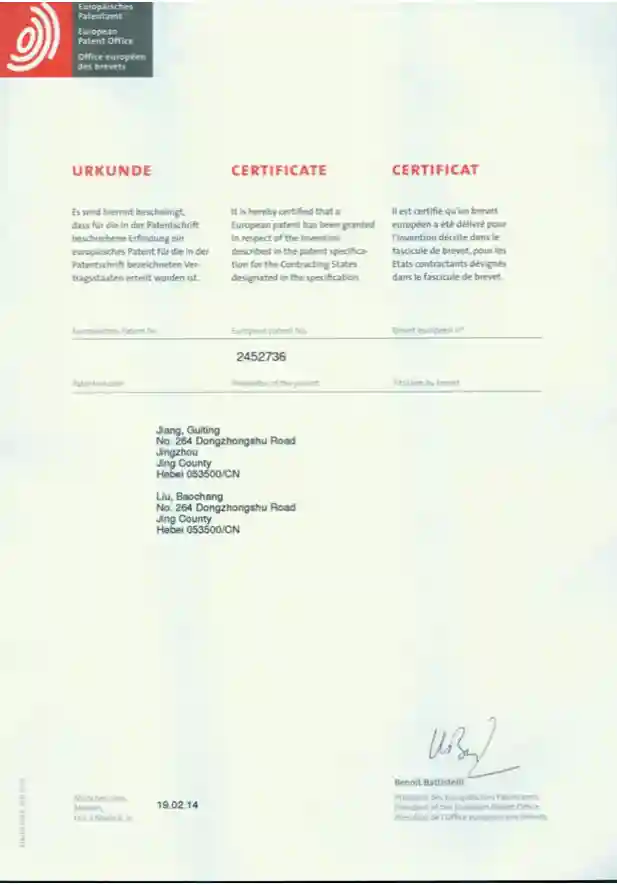
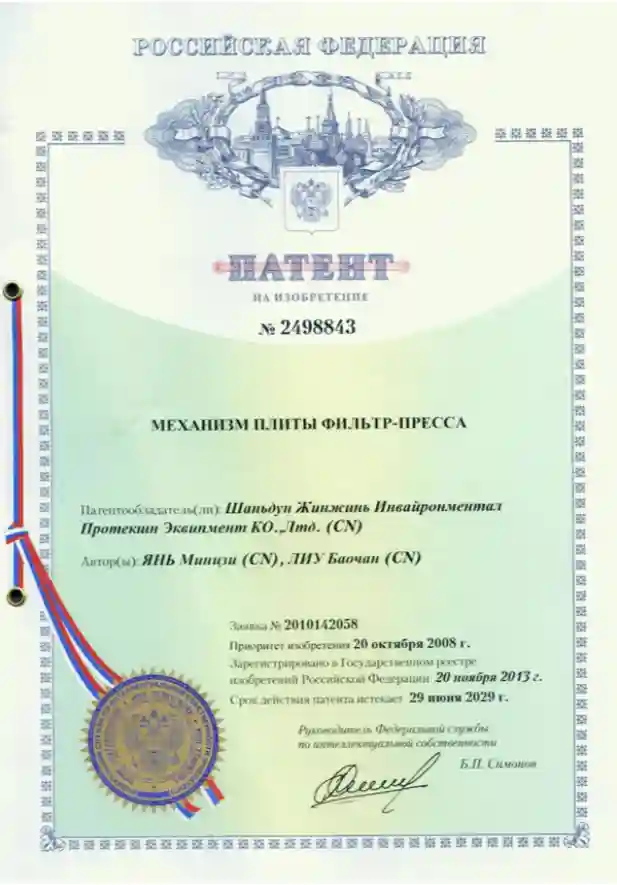
Our full paperwork packages, which include ASME U-Stamp certification, material tracking reports, and hydrostatic test records, make it easier for procurement managers to check for compliance and approve projects. Our engineering team has 136 patents and decades of experience optimizing processes, so they can help you whether you need a standard mixing tank for treating sewage sludge or a custom-built reactor vessel for making unique chemicals.
Get in touch with Jingjin right away to talk to one of our application engineers about your pressure tank needs. You can email us at [email protected] to get more information, set up a tour of our plant, or get in touch with a stainless pressure vessel maker who is dedicated to working excellence and long-term relationships.
References
1. American Society of Mechanical Engineers. (2021). ASME Boiler and Pressure Vessel Code, Section VIII: Rules for Construction of Pressure Vessels. New York: ASME Press.
2. European Commission. (2014). Pressure Equipment Directive 2014/68/EU: Essential Safety Requirements. Brussels: Official Journal of the European Union.
3. Avery, R.E. & Tuthill, A.H. (2016). Guidelines for the Selection of Stainless Steels for the Chemical and Process Industries. Specialty Steel Industry of North America Technical Bulletin.
4. National Board of Boiler and Pressure Vessel Inspectors. (2020). Inspection and Maintenance of Pressure Vessels: A Practical Guide for Plant Operators. Columbus: National Board Publications.
5. Sedriks, A.J. (2018). Corrosion of Stainless Steels: Mechanisms and Practical Applications in Industrial Environments. Second Edition. New York: Wiley-Interscience.
6. Megyesy, E.F. (2019). Pressure Vessel Handbook: Design, Fabrication, and Inspection Standards for Industrial Applications. Fifteenth Edition. Tulsa: PV Publishing.
jingjin
Founded in 1988, Jingjin specializes in filter presses and liquid-solid separation solutions, serving over 130 countries worldwide, and is a standard-setter in China's filter press industry.
Get the Filter Press guide
Enter Your Email for Technical assistance for the Filter Press.
Recommended Blog
Best Filter Cloth for Sludge Dewatering: Features and Buying Guide
Affordable Press Filter Machines for Wastewater Treatment: Best Options in 2026
How to Optimize Food Processing with Efficient Press Filters?
Integration of Press Pump and Filter Press Systems for Enhanced Performance
China Filter Press Equipment Pricing for Industrial Buyers
China Screw Dewatering Machines for Vietnam Food Factories
Affordable Filter Press Machines for the Chemical Industry: What to Look For