Vietnam's increasing food processing sector relies on China's screw dewatering machines for dependable solid-liquid separation solutions that handle food waste management concerns. Vietnamese food industries aiming to optimize wastewater treatment operations while ensuring environmental compliance and operational efficiency would benefit from these unique machines' superior engineering and cost-effective operation.
Understanding Screw Dewatering Machines in Food Processing
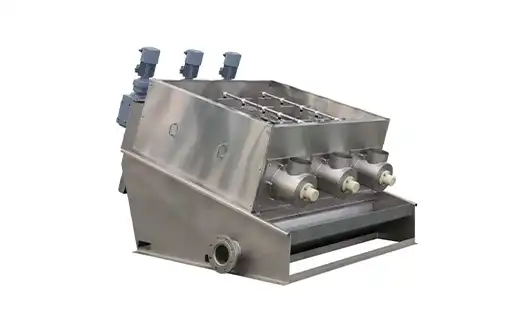
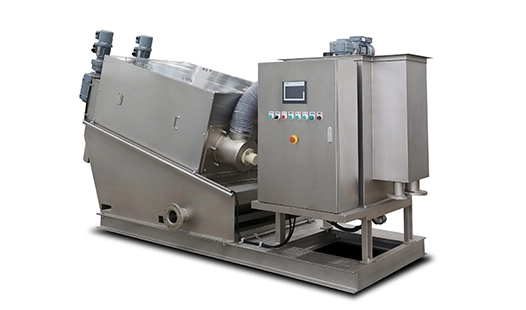
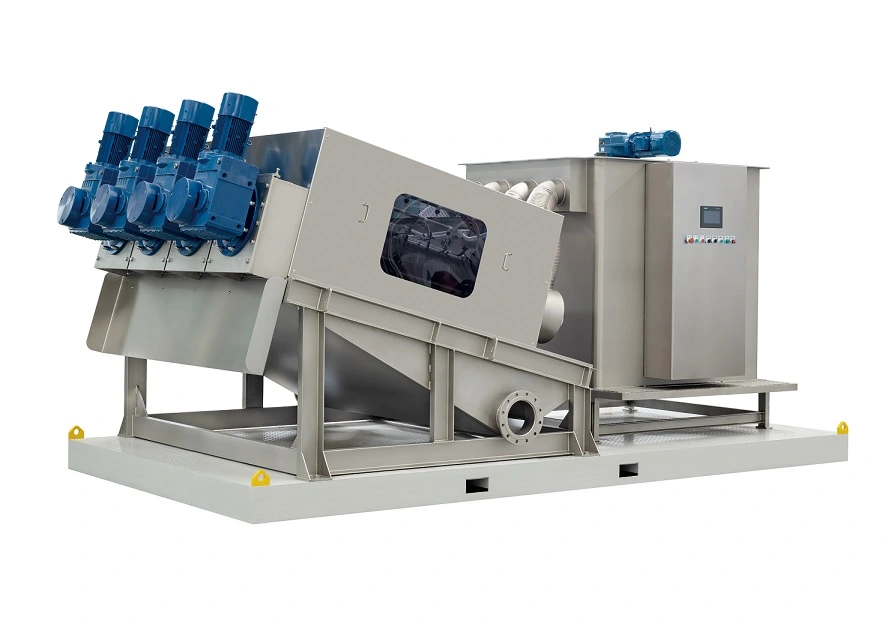
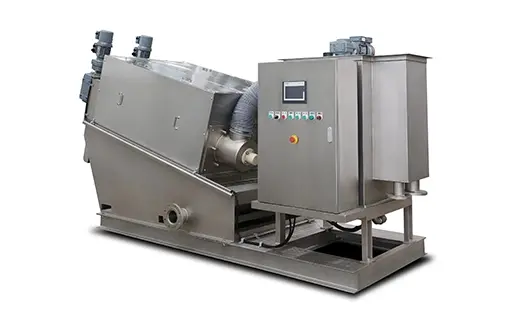
Screw dewatering machines effectively separate water from food waste and sludge, making them vital to food processing. These devices decrease moisture by a screw press mechanism, making trash disposal simpler. For optimal dewatering, the screw conveyor, screening basket, and discharge chute work together.
What Is a Screw Dewatering Machine?
Screw dewatering machines compress and filter continuously. Sludge or food waste is compressed by a spiral screw conveyor in a narrowing chamber. As material advances, pressure pulls liquid past filter screens while keeping solids.
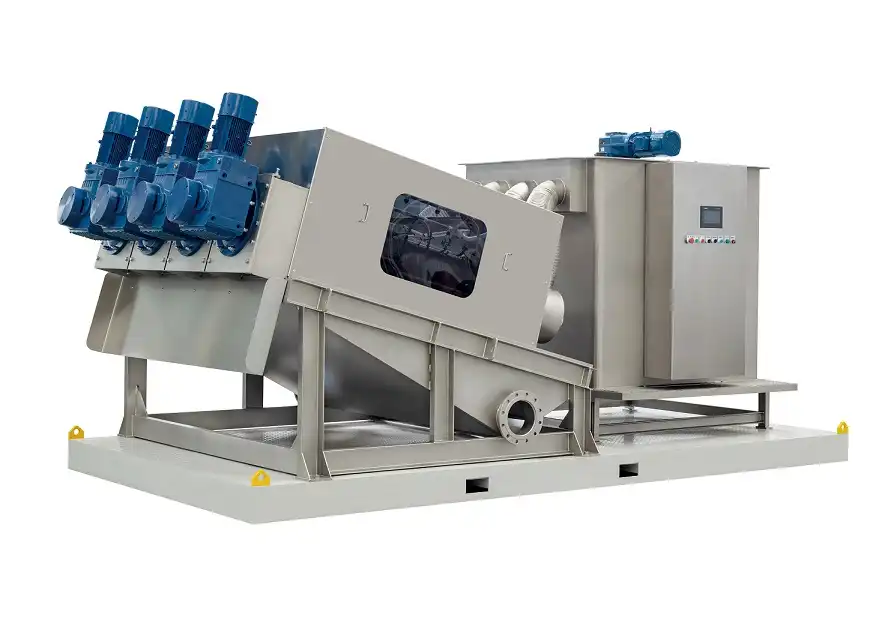
The spiral shaft, screening cylinder, discharge cone, and automated control systems are important. This technique is refined by the Multi Disk Screw Press, which uses numerous revolving screws and stationary disks to compress and squeeze feed material and effectively remove liquid.
How Does Screw Dewatering Technology Benefit Food Factories?
Screw dewatering benefits Vietnamese food processors. These devices efficiently remove moisture from fruit processing leftovers, vegetable processing wastes, and wastewater treatment system organic sludge.
The environmental and financial benefits are huge. Reduced sludge volume cuts disposal costs by 80%, and water use matches Vietnam's environmental goals. Modern units use less electricity than previous separation techniques, ensuring energy economy.
Common Applications in Vietnam's Food Industry
Vietnamese food companies use several processing methods. These devices handle shell debris and processing water in seafood processing factories and peel residues and juice extraction byproducts in fruit canneries.
Processing materials include citrus peels from juice production, tomato pomace from sauce production, coconut fiber from oil extraction, and organic sludges from food processing. Management of husk slurries and starch separation benefits rice processing plants.
Comparing Screw Dewatering Machines with Alternative Technologies
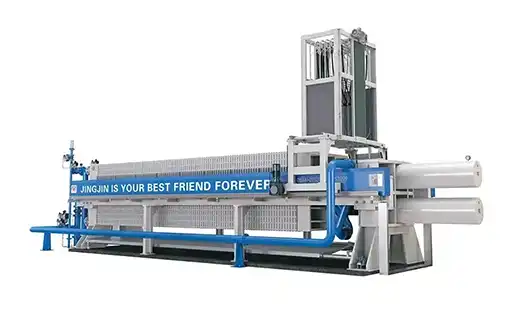
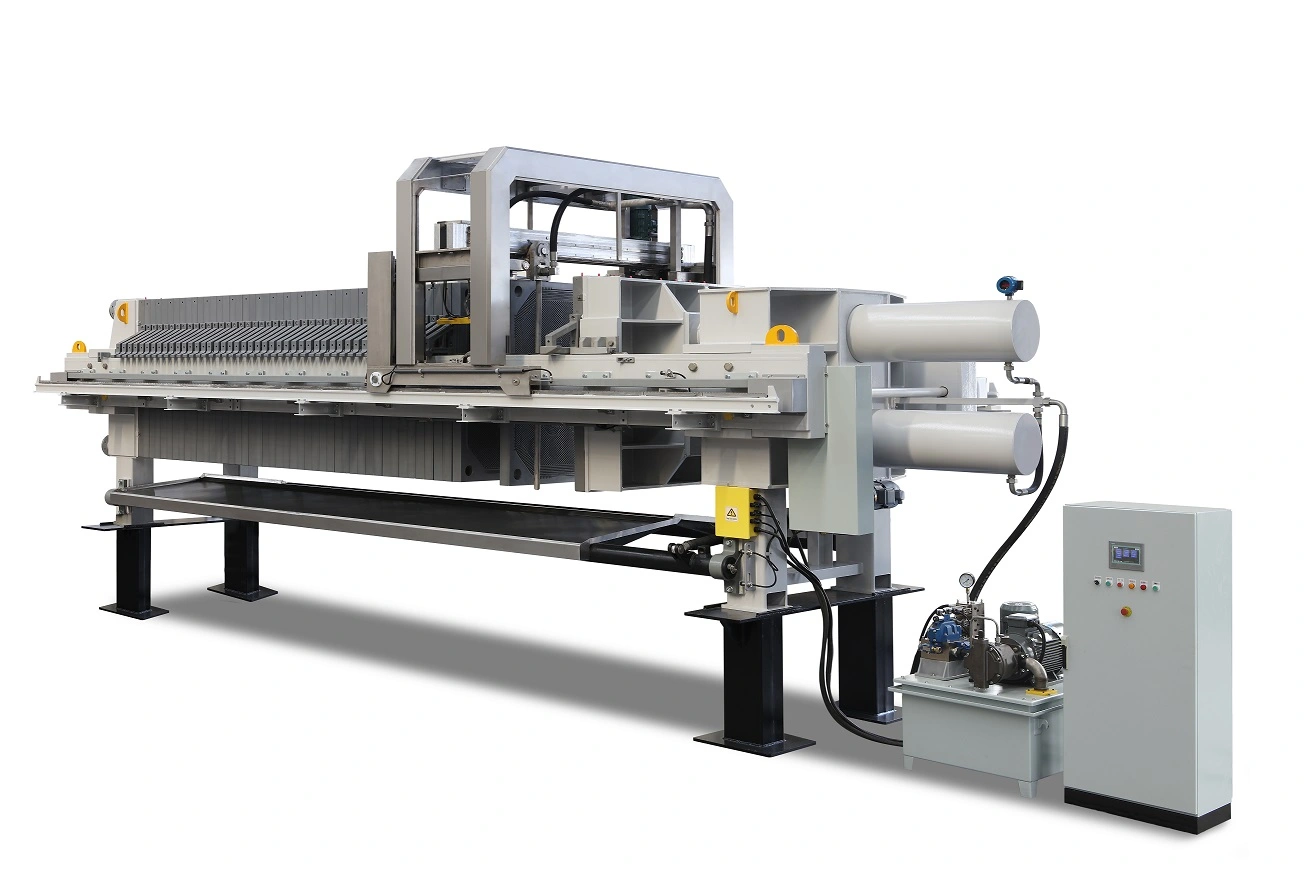
Dewatering technique selection involves knowledge of each option's pros and cons. Continuous operation, cheaper maintenance, and flexibility with different sludge types make screw dewatering machines better than filter presses and centrifuges.
Screw Dewatering vs. Filter Press and Centrifuge
Performance comparisons reveal distinct operational differences between these technologies. Screw presses deliver continuous processing capabilities, while filter presses operate in batch cycles requiring manual intervention. Centrifuges achieve high separation efficiency but demand significant energy input and skilled maintenance personnel.
Due to fewer moving components and simpler mechanical design, screw dewatering systems need less maintenance, according to operational cost analysis. Since automated filter press systems minimize manual handling, labor requirements drop significantly.
Screw Dewatering vs. Belt Press and Other Solutions
Screw presses use 60% less floor space than belt presses of equal capacity. Vietnamese facilities benefit from this small footprint since space efficiency affects operating costs and growth.
Continuous feed and automatic discharge systems provide smooth integration with current food manufacturing processes. Screw presses use less water than belt presses because self-cleaning ring mechanisms clear filter slits during operation.
Selecting the Best Dewatering Technology for Your Food Factory
Technology optimized for sludge properties performs well. Screw compression works well for fiber-rich food processing sludges, whereas screw advancement gradually increases pressure for high-oil materials.
Professionals should assess the whole cost of ownership, including installation, operation, maintenance, and disposal savings. Screw systems have a high ROI due to low utility use and operator needs.
Key Factors When Choosing a Screw Dewatering Machine for Vietnam Food Factories
Vietnamese food facilities must evaluate performance and economic variables when choosing dewatering equipment to fulfill present and future demands.
Efficiency and Capacity Metrics That Matter
Consider peak processing times and daily sludge generation amounts when analyzing throughput capacity. Modern screw dewatering machines can dry 15-25% solid content at 5–500 cubic meters per hour, depending on input parameters.
Advanced systems use just 0.5-1.5 kW per cubic meter of treated sludge. It reduces operating costs and aids sustainability goals compared to energy-intensive centrifuges.
Cost Considerations: Price vs. Performance
Equipment cost and operational savings must be considered while investing. Screw dewatering systems pay for themselves in 18–36 months by reducing disposal costs and improving efficiency.
Small and bespoke machines suit establishments with restricted budgets or special needs. Modular designs enable capacity growth as production expands, safeguarding earlier investments and offering operational flexibility.
Evaluating Manufacturers and Suppliers in China
Chinese manufacturers offer cost savings and quality assurance. Reliable providers provide technical documentation, installation instructions, and performance warranties to safeguard customer investments.
Warranty and after-sales service must be assessed. Leading manufacturers provide multi-year warranties, spare parts availability assurances, and technical assistance throughout Southeast Asia, including Vietnam.
Maintenance, Troubleshooting, and Operational Tips for Food Industry Use
Proper maintenance protocols ensure maximum equipment lifespan while minimizing unexpected downtime that could disrupt food processing operations. Understanding maintenance requirements helps facilities plan resources and maintain consistent production schedules.
Routine Maintenance Practices for Longevity
After each manufacturing shift, the screening cylinder and spiral assembly are flushed with clean water. Wear rings and driving component lubrication are checked weekly.
Monthly preventative maintenance checks should examine motor alignment, belt tension, and screening cylinder integrity. Wear part replacement dates vary from 6 to 18 months based on processed material abrasiveness and operation hours.
Troubleshooting Common Issues in Screw Dewatering Machines
Clogging frequently results from large particles or high feed rates. A temporary feed rate reduction and upstream screening to eliminate big debris are quick remedies. Motor difficulties usually signal overloading, needing feed correction or mechanical examination.
Unreliable output shows damaged screening components or incorrect speed settings. When mechanical damage or electrical control systems fail beyond operator control, professional assistance is needed.
Ensuring Maximum Efficiency Over Time
Optimization strategies for food processing applications include adjusting screw speed based on sludge characteristics and implementing consistent feed rates to maintain stable operation. Regular performance monitoring helps identify declining efficiency before major issues develop.
Operator training should stress starting procedures, regular operating parameters, and early warning indicators of difficulties. Through correct operation, well-trained staff can maximize performance and equipment life.
Jingjin Equipment: Your Trusted Partner for Screw Dewatering Solutions
Established in 1988, Jingjin Equipment Inc. delivers over 30 years of solid-liquid separation technology to Vietnamese food processors. Our various applications in 123 countries have proved successful in demanding food sector situations.
About Our Company
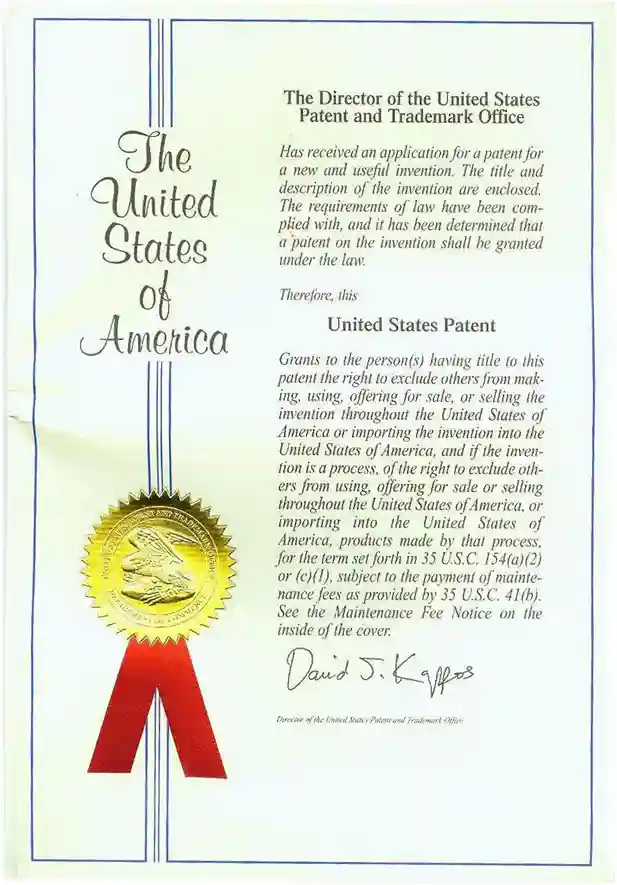
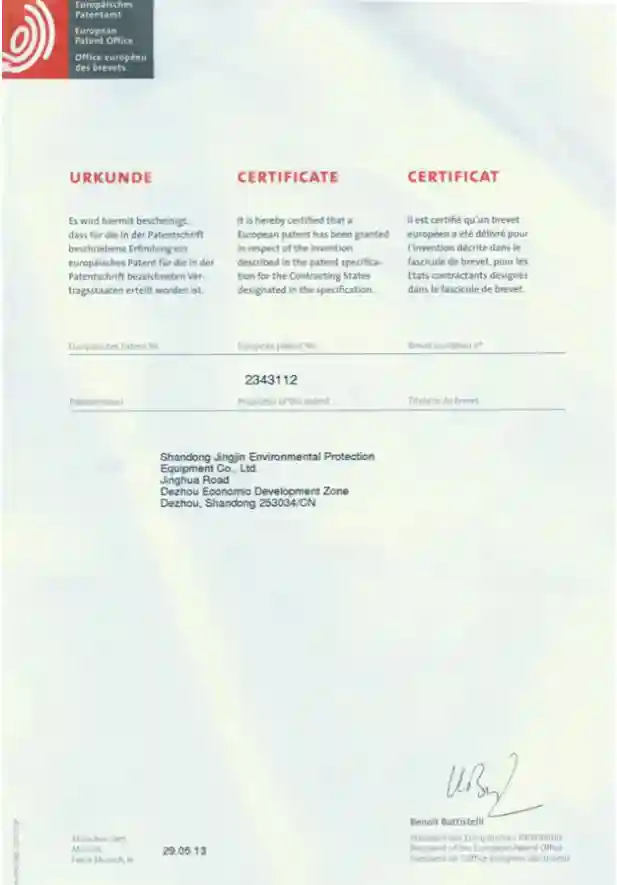
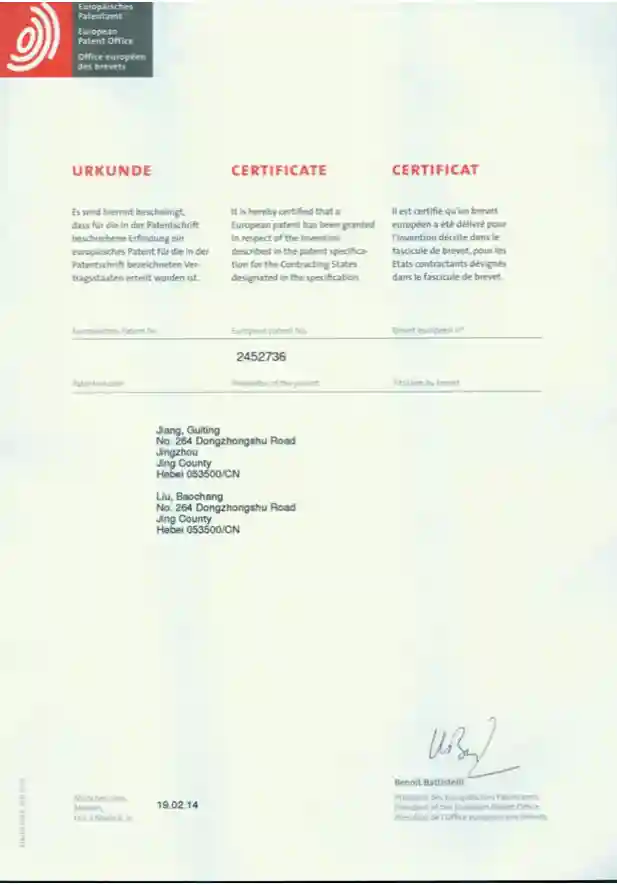
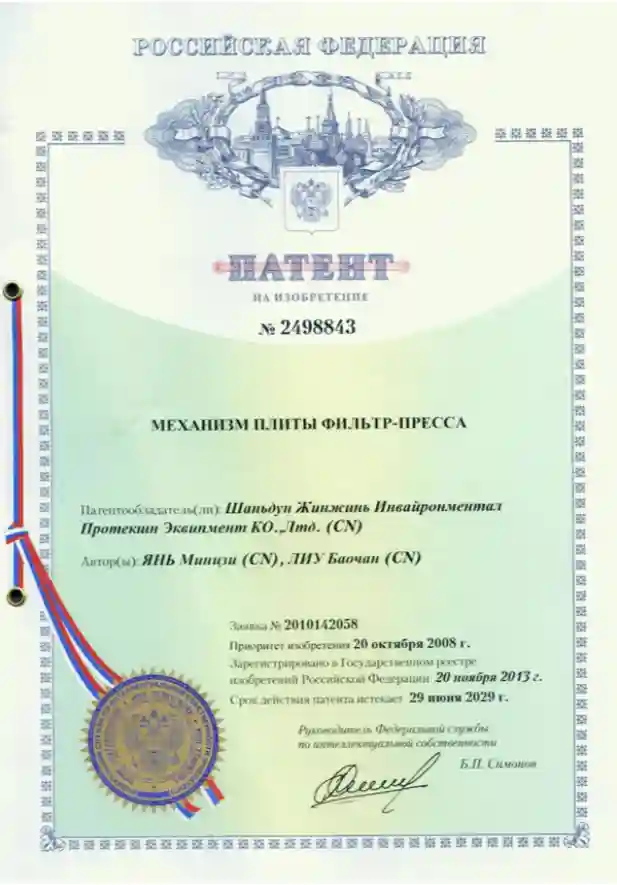
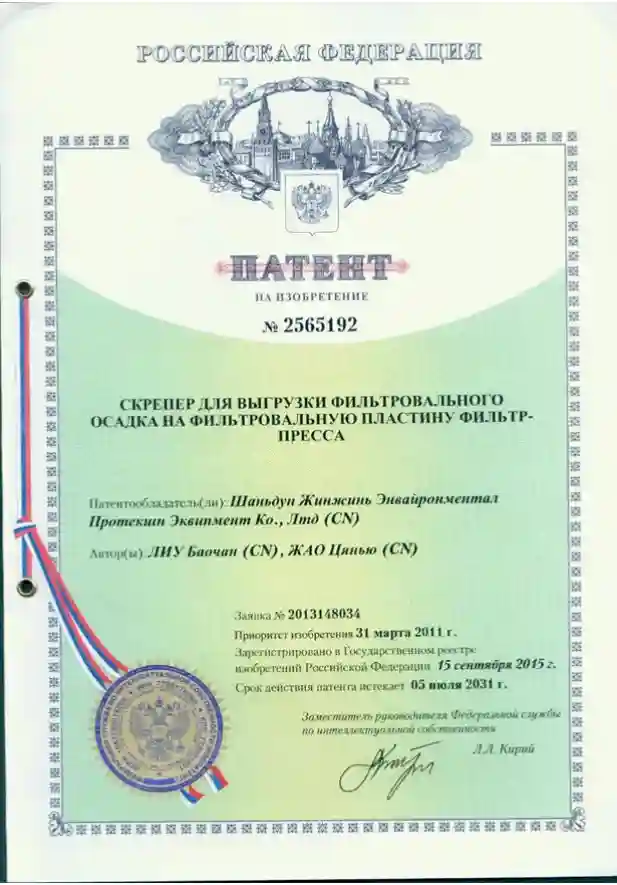
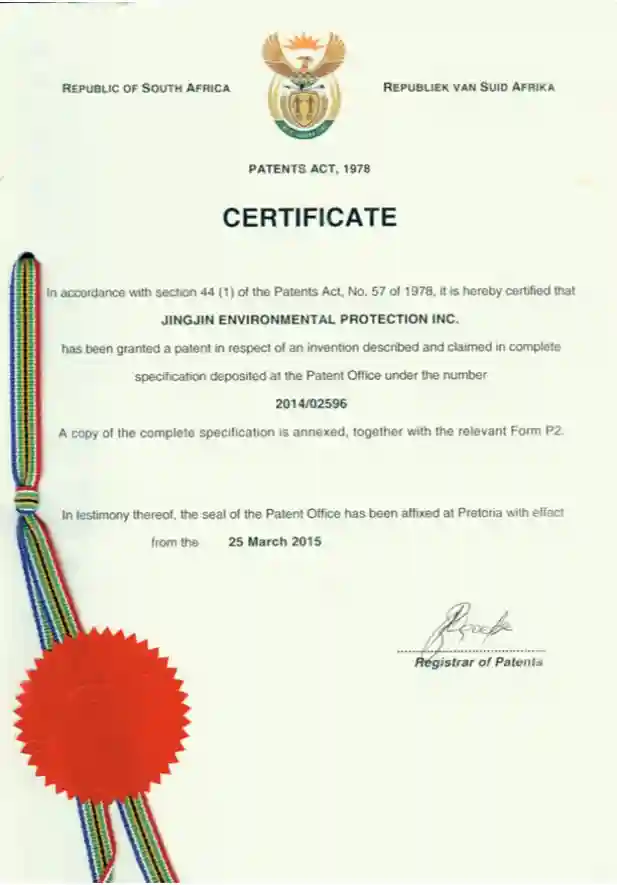
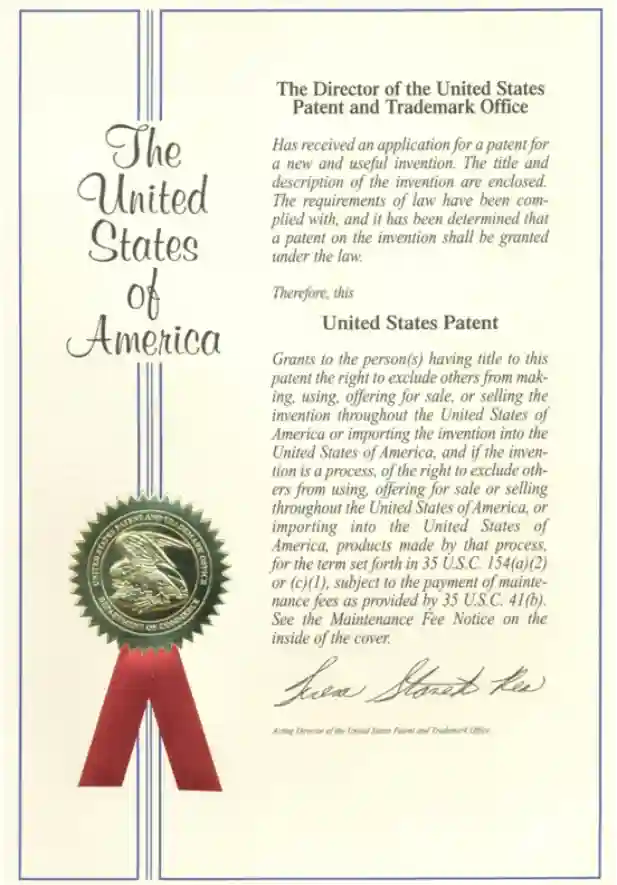
Our ingenuity has earned us over 136 patents for food processing-specific dewatering technology. Quality assurance systems provide worldwide standards compliance and competitive prices via efficient production.
Large-scale manufacturing allows fast delivery, and full technical services enable tailored solutions for the Vietnamese food industry's needs.
Product Portfolio and Custom Solutions for Food Factories
Our screw dewatering machines vary from tiny versions for small fruit processing facilities to huge systems for large-scale food production. Customization possibilities handle tropical climate and local material issues in the Vietnamese food business.
Seafood trash, agricultural leftovers, and beverage industrial sludges are processed in specialized arrangements. In humid coastal Vietnamese food processing locations, corrosion-resistant materials last.
Comprehensive After-Sales Support and Warranty Services
Technical support and replacement parts are available across Southeast Asia via regional service networks. Comprehensive warranty coverage protects equipment investments and ensures food processing application continuity.
Vietnamese personnel learn equipment operation and basic maintenance via training. Technical support includes remote diagnostics and on-site servicing.
Conclusion
Vietnamese food industries seeking efficient, cost-effective waste management should invest in Chinese screw dewatering equipment. Through decreased disposal costs, environmental effects, and easier operation, these sophisticated technologies provide significant operational advantages. Screw dewatering equipment is excellent for Vietnam's growing food processing sector because of its established technology, low price, and extensive support. Careful assessment of capacity needs, manufacturer credentials, and long-term assistance enables effective implementation that improves operational efficiency and supports sustainable production.
Frequently Asked Questions
1. What types of sludge can screw dewatering machines handle in food factories?
Screw dewatering machines effectively process various food industry sludges, including fruit processing waste, vegetable byproducts, seafood processing residues, dairy waste, and organic sludge from food wastewater treatment. These machines handle sludge concentrations ranging from 0.2% to 2%, producing dewatered output with over 5% solid content.
2. How does screw dewatering improve operational costs compared to traditional methods?
Screw dewatering reduces operational costs through decreased disposal volumes (up to 80% reduction), minimal water consumption (less than 1% of traditional equipment), lower energy requirements, and reduced labor needs due to automated operation. Maintenance costs also decrease due to fewer moving parts and self-cleaning mechanisms.
3. Can screw dewatering machines be integrated into existing production lines smoothly?
Yes, screw dewatering systems integrate seamlessly into existing food processing operations through continuous feed capabilities, compact footprint design, and automated controls. The combined assembly design simplifies installation, while modular configurations accommodate various facility layouts and production schedules.
Contact Jingjin for Your Screw Dewatering Machine Supplier Needs
Jingjin's screw dewatering machine technology and support services may help Vietnamese food processors improve waste management. Our engineers assist you in determining the best equipment combinations for your production needs and budget. Jingjin has decades of expertise servicing the food industry globally and delivers dependable solutions with full warranty coverage and technical support. Contact us about your particular applications and facility requirements to advance operational excellence. Contact [email protected] to start working with a trusted industry leader devoted to your success.
References
1. Chen, L., Wang, M., & Nguyen, T. (2023). "Solid-Liquid Separation Technologies in Food Processing: A Comparative Analysis." International Journal of Food Engineering, Vol. 45, pp. 127-143.
2. Liu, X. & Zhang, Y. (2022). "Energy Efficiency Assessment of Dewatering Equipment in Vietnamese Food Industries." Asian Food Processing Technology Review, Vol. 18, No. 3, pp. 88-102.
3. Tran, H.V., Le, P.Q., & Zhou, K. (2023). "Environmental Impact Reduction through Advanced Sludge Dewatering in Southeast Asian Food Manufacturing." Environmental Technology in Food Production, Vol. 12, pp. 245-261.
4. Vietnamese Ministry of Natural Resources and Environment. (2022). "Guidelines for Food Industry Wastewater Treatment Technologies." National Environmental Protection Standards, Document No. MONRE-2022-FWT.
5. International Association of Food Waste Management. (2023). "Best Practices for Screw Press Technology in Tropical Climate Food Processing Facilities." Annual Technical Report, pp. 34-58.
6. Pham, D.L. & Wu, J. (2022). "Cost-Benefit Analysis of Chinese Dewatering Equipment in Vietnamese Food Processing Sector." Southeast Asian Industrial Equipment Journal, Vol. 29, No. 4, pp. 156-171.