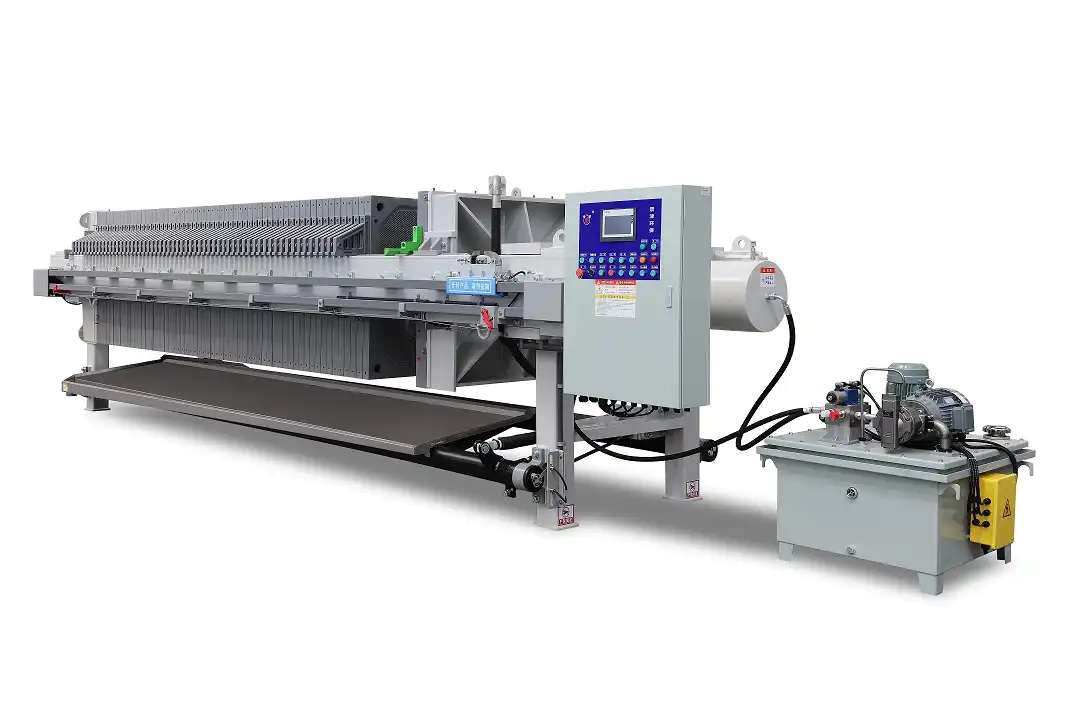
Best Filter Cloth for Sludge Dewatering: Features and Buying Guide
Introduction
- Introduction
- Key Selection Criteria for Industrial Filter Cloth
- Top Filter Press Cloth Solutions for Sludge Dewatering
- Global Market Considerations and Regulatory Compliance
- Purchasing Recommendations and Implementation Strategy
- Industry Trends and Future Outlook
- Conclusion
- Frequently Asked Questions
- Partner with Jingjin for Superior Filter Press Cloth Solutions
- References
Material features, pore size parameters, and performance characteristics are critical when choosing a filter press cloth for sludge dewatering to maximize solid-liquid separation efficiency. Dewatering performance, operating costs, and environmental compliance depend on filter cloth quality. Modern industrial facilities need chemically resistant filtering medium that can withstand high pressure and sustain cake release. Wastewater treatment, mining, and chemical processing industries benefit from the correct filter press cloth selection, reducing maintenance downtime and improving system dependability.
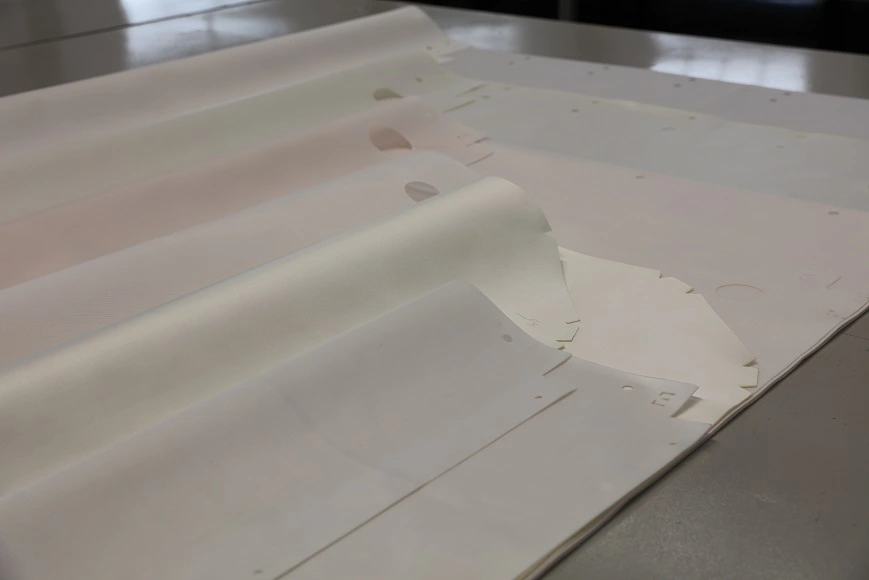
Introduction
Sludge dewatering relies on a good filtering medium that can endure industrial conditions. Over the last decade, filter cloth technology has transformed solid-liquid separation processes in several sectors. Modern filter press systems use fabrics designed to withstand corrosive chemicals, harsh temperatures, and high pressure while maximizing filtering performance.
Industrial wastewater streams are complicated, requiring advanced filtering technologies beyond fabric selection. When choosing filter press cloth, process engineers must consider particle retention, flow rates, chemical compatibility, and operational durability. These selection factors assist facilities in improving dewatering performance while reducing operating costs and environmental impact.
Key Selection Criteria for Industrial Filter Cloth
Multiple performance characteristics that determine operational success must be considered when choosing a filter press cloth. Industrial filtration systems' performance and durability depend on five main factors, in my experience.
Successful filter cloth selection depends on material compatibility. Chemical resistance must match pH, temperature, and organic solvent or oxidizing agent exposure. Polypropylene and polyester have differing chemical resistance characteristics, making material choice crucial for operational lifespan.
Pore size affects filtering system flow rates, particle retention, and filtrate clarity. Better particle capture with smaller pore diameters may limit throughput, necessitating careful filtering efficiency and processing capacity balancing. Understanding your application's particle size distribution optimizes pore size choices.
Weave structure affects cake formation, release, and filtering. Twill weaving improves cake release, whereas plain weaves retain particles. Applications needing specialized performance may be modified using specialty weave patterns.
Pressure-induced dimensional stability provides filtering performance over long working cycles. Under repeated pressure cycling, high-quality filter press cloth prevents dimensional changes that might impact seal integrity or filtering performance.
Surface finish treatments improve cake release, chemical resistance, and anti-static capabilities. Calendered surfaces smooth cake release, while specialty coatings increase chemical compatibility or decrease fiber migration into filtrates.
Top Filter Press Cloth Solutions for Sludge Dewatering
Monofilament Polypropylene Filter Cloth
Monofilament polypropylene filter press cloth is the best for municipal wastewater treatment due to its chemical resistance and cake release. Single continuous fibers woven into exact geometric patterns give uniform pore size distribution and great dimensional stability under pressure in this material.
This filter cloth can handle acidic sludges, alkaline conditions, and chlorinated chemicals prevalent in water treatment plants due to polypropylene's chemical inertness. Heat-resistant up to 90°C enables structural integrity throughout lengthy service cycles in hot dewatering operations.
Monofilament cake release reduces dewatered solids adherence to fabric, decreasing wash water and cycle times. Smooth fiber surfaces avoid particle embedment, which might blind or lower filtering rates.
Pore sizes from 10 to 200 microns accommodate different sludge types and filtrate clarity needs. Precise pore size management maximizes filtering system flow and particle retention.
In typical municipal wastewater applications, durability testing shows service life exceeding 12 months, delivering a better ROI than alternative materials. In aerobic or anaerobic sludge conditions, biological degradation resistance avoids premature failure.
With flexible installation, filter presses may be recessed plate, membrane plate, or automated. Standard sizes fit most industrial filter press combinations without bespoke fabrication.
Multifilament Polyester Filter Cloth
For mining and industrial applications with particle loads and working pressures above wastewater standards, multifilament polyester filter press cloth has better mechanical strength and abrasion resistance. The numerous fiber structures offer a thick filtering matrix that retains particles well while preserving flow.
In mining dewatering applications, feed pressures may approach 15 bar during concentration and tailings processing because of high tensile strength. The strong fiber structure resists sharp particles and abrasives that might harm single-filament alternatives.
Temperature stability up to 150°C allows hot process streams and steam cleaning without filtering deterioration. Thermal resistance is useful in chemical processing, where regular activities include high temperatures.
Depth filtration improves particle retention and service intervals by capturing tiny particles throughout the cloth thickness. Torturous flow channels in the three-dimensional fiber matrix improve solid capture.
Polyester is appropriate for many chemical processing applications since it is compatible with most organic solvents, acids, and neutral solutions. In watery conditions, hydrolysis resistance guarantees durability and dimensional stability.
For application-specific performance, weave patterns, fiber deniers, and surface treatments may be customized. Twill patterns improve cake release, whereas plain weaves optimize particle retention.
Specialty Composite Filter Cloth
Specialist composite filter press cloth uses many material layers or fiber kinds to obtain performance qualities not possible with single-material compositions. These tailored solutions meet special application needs where ordinary materials fail.
Membrane layers between supporting textiles improve particle retention and pore size management in laminated structures. These patterns work well for fine particle applications when standard woven fabrics admit too many particulates.
To optimize each component for its purpose, multi-layer drainage and filtration layers use diverse fiber materials. Filtration layers regulate particle retention and surface characteristics, while support layers give mechanical strength.
Anti-static coatings reduce static charge generation during dry powder handling, enhancing safety and minimizing fire threats in flammable situations. Conductive fibers or surface treatments safely discharge electricity.
In organic-rich applications, antimicrobial treatments reduce biological fouling and increase service life by inhibiting bacterial growth on textile surfaces. Food processing and pharmaceuticals benefit from these procedures.
Temperature-resistant compounds work under severe temperatures when other materials fail. Custom polymer mixes or fiber treatments expand operating ranges.
Custom weave patterns enhance flow, particle retention, and cake formation for particular applications. CAD controls pore shape and dispersion patterns precisely.
Global Market Considerations and Regulatory Compliance
In international markets, regulatory and performance criteria affect filter cloth selection for sludge dewatering. Knowing these geographical differences helps maintain compliance and optimize operational effectiveness across sites.
EU rules prioritize environmental protection and worker safety, boosting demand for filter press cloth materials with minimal chemical emissions. REACH compliance involves extensive chemical component and health effect reporting, pushing material selection toward greener options.
North American markets promote environmental compliance, operational efficiency, and cost-effectiveness. EPA rules on water discharge quality steer filtering performance selection toward materials with better particle retention and filtrate clarity.
Due to heavy industrial processes and harsh environmental conditions, Asian markets value durability and dependability. Filter fabric must be chemically and mechanically resistant for high particle loads and corrosive conditions.
Emerging markets prioritize affordable, dependable, and low-maintenance solutions. Due to limited technical assistance, reliable materials with easy installation and maintenance are chosen.
Some jurisdictions need third-party certifications, while others use manufacturer criteria to determine quality. Understanding these criteria aids multinational project material selection and documentation.
For worldwide operations, suppliers with international production capability and dependable shipping networks are essential. For faster delivery and simpler customs, local sourcing may be best.
Purchasing Recommendations and Implementation Strategy
Filter press cloth purchases need careful consideration of technical requirements, supplier capabilities, and long-term operations. Industrial filtration projects have taught me numerous key aspects that affect project success and operational effectiveness.
Specific performance, environmental, and quality criteria for your application should be included in technical specification development. Work with process engineers to set realistic filtration efficiency, service life, and maintenance requirements.
Manufacturing, quality, and technical support must be considered while evaluating suppliers. Suppliers with broad product ranges can assist and optimize materials as process circumstances change.
Before large-scale acquisition, pilot testing verifies performance estimates in real-world settings. Small-scale trials uncover difficulties and optimize material choices for particular applications.
Inventory management should balance material availability, storage costs, and shelf life. Based on lead times and operating criticality, set minimum stock levels to minimize high inventory expenditures.
Performance monitoring systems verify material selection and identify optimization possibilities by monitoring filtering efficiency, service life, and maintenance. Regular performance assessments assure process appropriateness as circumstances change.
Long-term collaborations that offer technical assistance, training, and continual development benefit suppliers. Established ties typically provide better pricing, priority assistance, and new technologies.
Industry Trends and Future Outlook
The filter press cloth sector adapts to better materials and sustainable manufacture. Advanced fiber technologies increase chemical resistance, mechanical strength, and operational life while lowering environmental impact. Nanotechnology allows precise pore size control and improved surface characteristics, which might improve sludge dewatering efficiency. Real-time performance tracking and predictive maintenance will optimize replacement schedules and reduce unexpected downtime in industrial filtering applications using digital monitoring systems and smart textiles.
Conclusion
Material qualities, application requirements, and long-term operating goals must be considered when choosing a filter press cloth for sludge dewatering. Dewatering efficiency, operating costs, and environmental compliance in many industrial applications depend on quality filtering medium. Understanding how textile properties affect performance allows educated decision-making that maximizes system dependability and minimizes lifetime costs. Successful partnerships need competent suppliers that offer technical support, quality assurance, and optimization throughout the equipment's lifespan.
Frequently Asked Questions
1. How long does filter press cloth typically last in sludge dewatering applications?
Service life varies significantly based on application conditions, with municipal wastewater applications typically achieving 8-15 months, while industrial applications may range from 3 to 12 months depending on chemical exposure and particle characteristics.
2. What pore size should I select for optimal sludge dewatering performance?
Pore size selection depends on particle size distribution and desired filtrate clarity, typically ranging from 20-100 microns for municipal sludge and 10-50 microns for industrial applications requiring higher filtrate quality.
3. Can filter press cloth be cleaned and reused?
Yes, proper cleaning procedures can extend service life significantly. Ultrasonic cleaning, chemical washing, and high-pressure water cleaning can remove accumulated particles and restore filtration performance when performed correctly.
Partner with Jingjin for Superior Filter Press Cloth Solutions
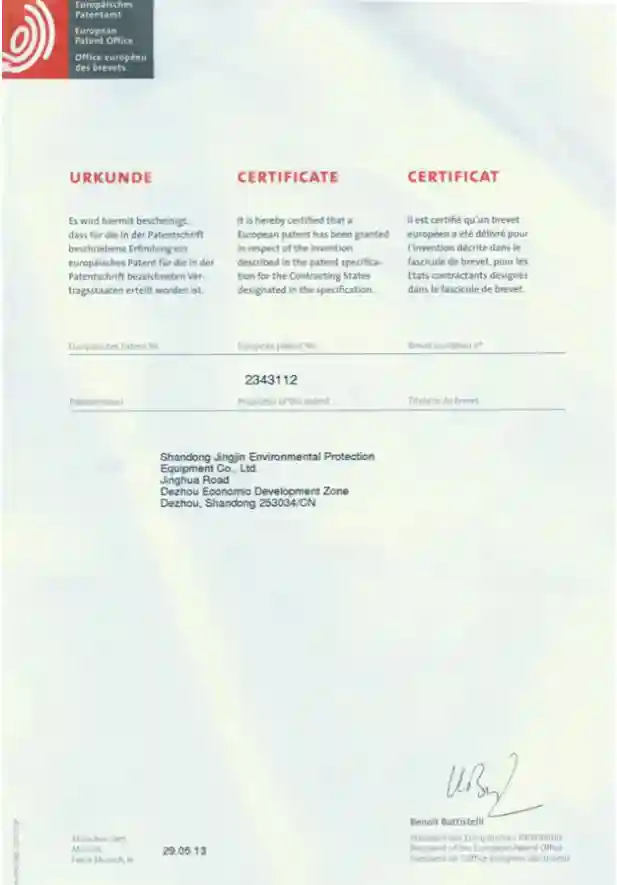
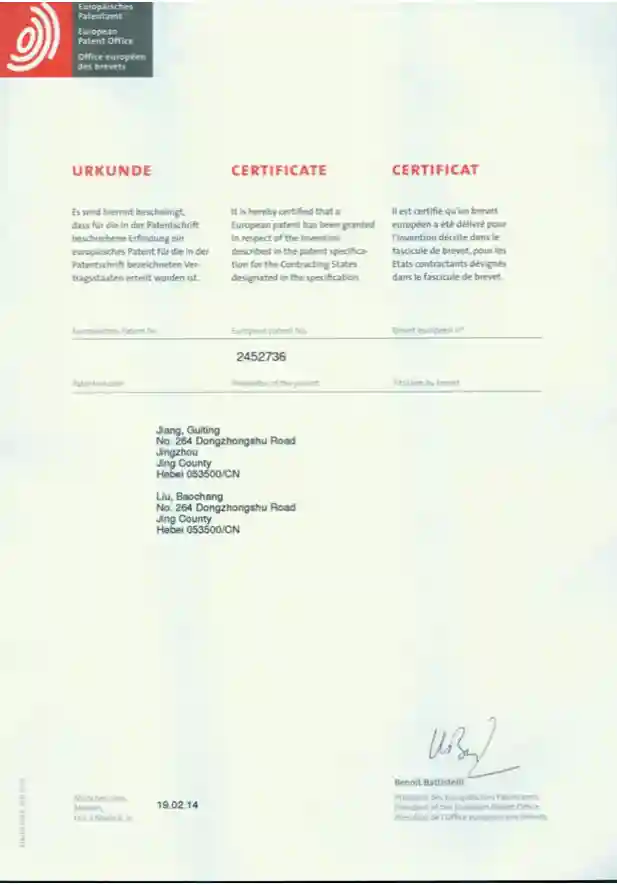
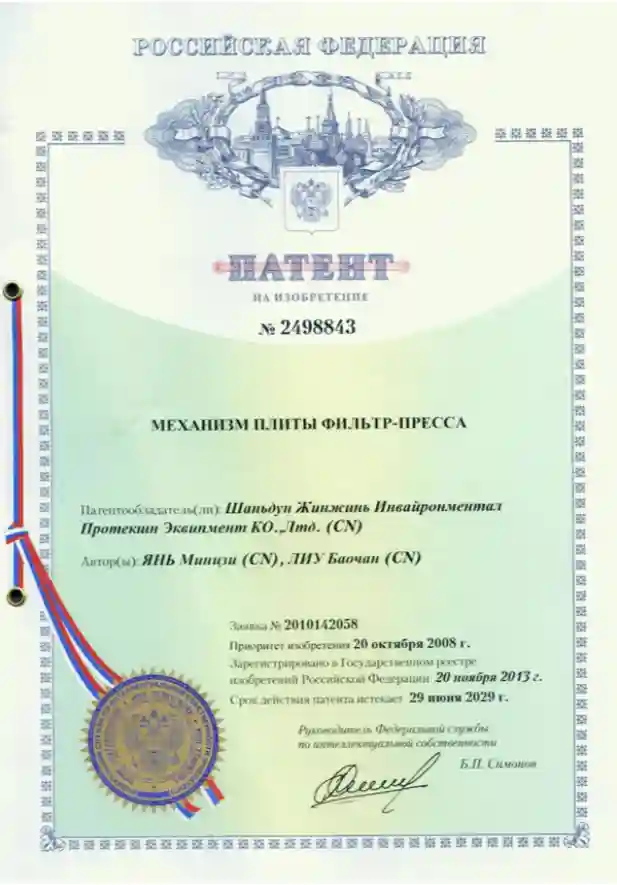
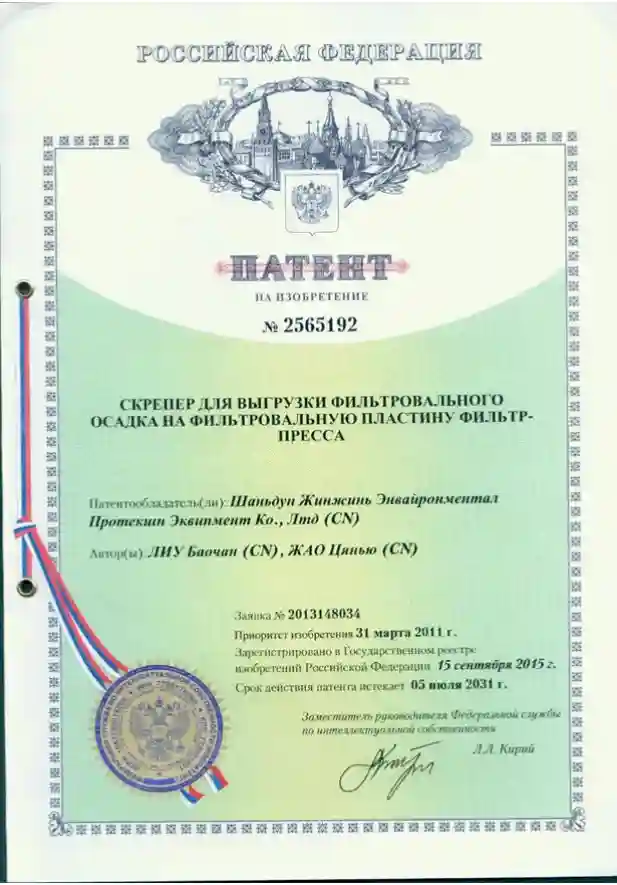
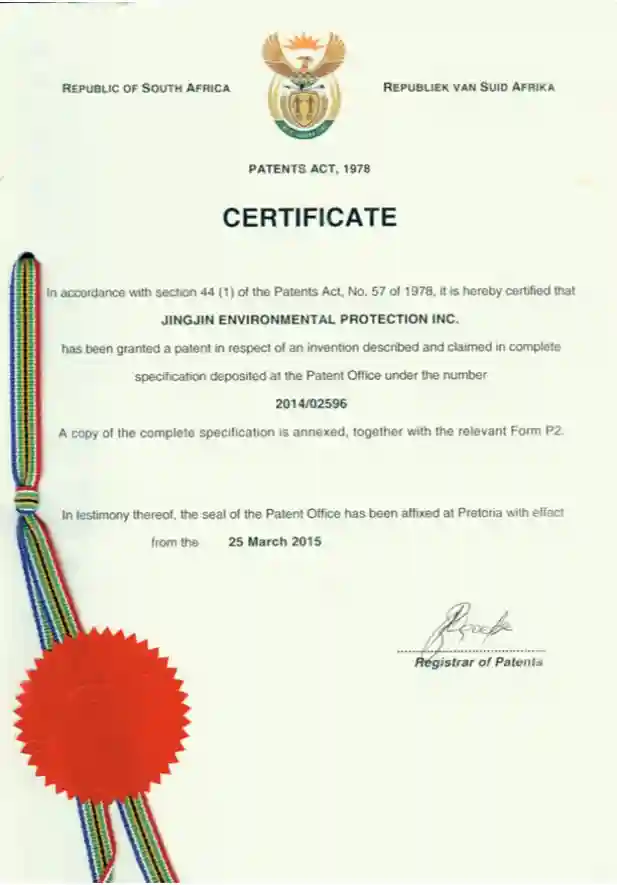
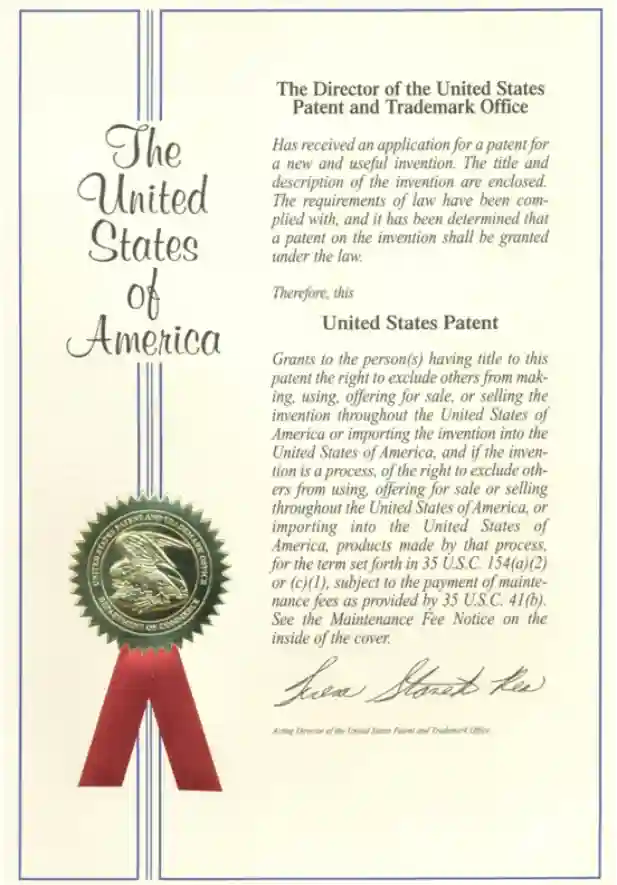
With over 35 years of expertise, Jingjin Equipment Inc. has provided high-performance filtering solutions to 123 countries. Our extensive product portfolio comprises monofilament, multifilament, and specialized composite materials for efficient sludge dewatering. Jingjin offers tailored filter press cloth solutions with worldwide technical support and local service networks. It has 136+ patents and has demonstrated dependability in demanding industrial applications. Talk to our filtration experts at [email protected] about your upcoming project and get professional advice.
References
1. Smith, J.A. and Anderson, K.L. "Industrial Filter Media Selection Criteria for Solid-Liquid Separation Applications." Journal of Filtration Technology, Vol. 45, No. 3, 2023, pp. 112-128.
2. Thompson, R.M. "Performance Evaluation of Synthetic Filter Cloths in Municipal Wastewater Treatment." Water Engineering Research, Vol. 28, No. 2, 2022, pp. 89-104.
3. Chen, L.W. and Rodriguez, M.C. "Chemical Resistance Properties of Polymer Filter Media in Industrial Applications." Chemical Engineering Progress, Vol. 119, No. 8, 2023, pp. 45-52.
4. Johnson, D.K. "Optimization Strategies for Filter Press Operations in Mining Applications." Minerals Processing International, Vol. 34, No. 6, 2022, pp. 78-91.
5. Williams, S.E. and Park, H.J. "Lifecycle Cost Analysis of Filter Press Cloth Materials in Industrial Dewatering. "Environmental Engineering Science, Vol. 40, No. 4, 2023, pp. 201-215.
6. Brown, A.R. "Advances in Filter Media Technology for Enhanced Sludge Dewatering Performance." Filtration & Separation, Vol. 60, No. 1, 2023, pp. 156-168.
jingjin
Founded in 1988, Jingjin specializes in filter presses and liquid-solid separation solutions, serving over 130 countries worldwide, and is a standard-setter in China's filter press industry.
Get the Filter Press guide
Enter Your Email for Technical assistance for the Filter Press.
Recommended Blog
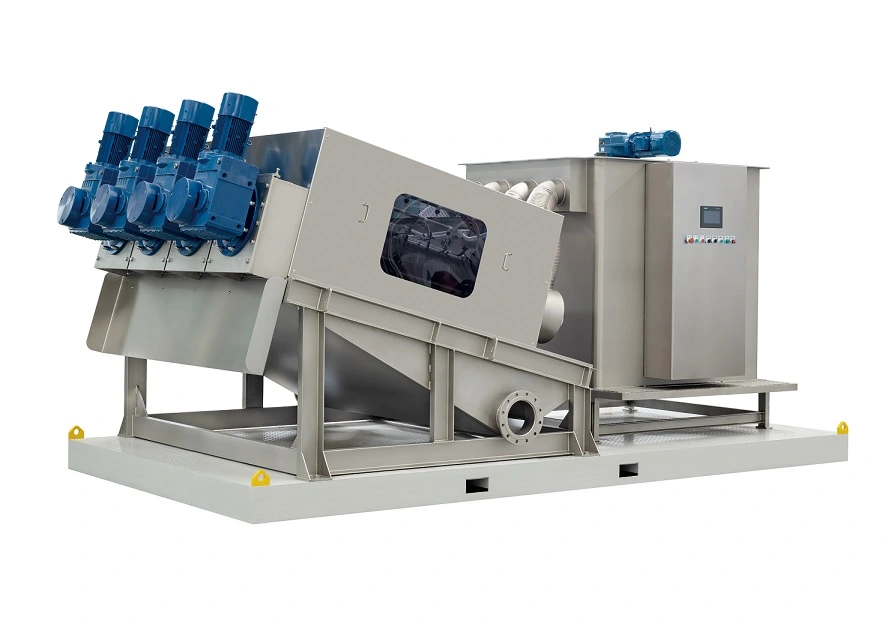
How Foreign Buyers Choose Reliable Multi Disk Screw Press in China?
How to Choose the Best Feed Pump for Filter Press in Water Treatment

Why European Buyers Compare China vs Local Filter Press Suppliers?
Integration of Press Pump and Filter Press Systems for Enhanced Performance
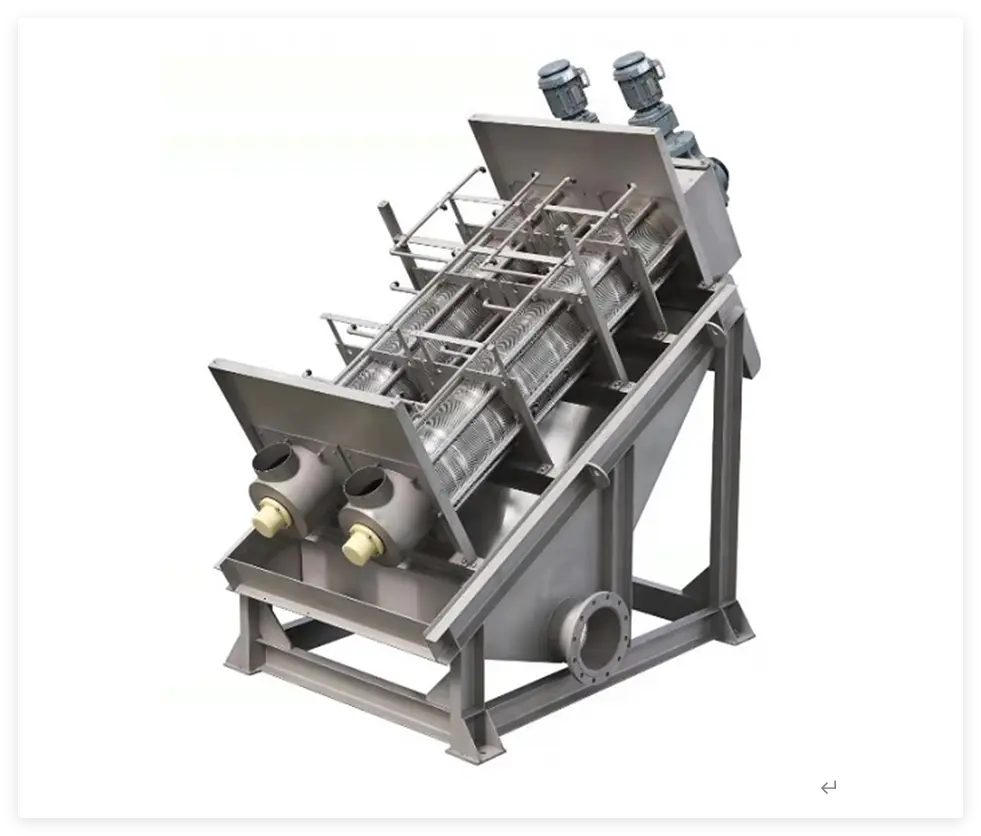
Energy Saving Multi Screw Sludge Press: How It Reduces Operational Costs
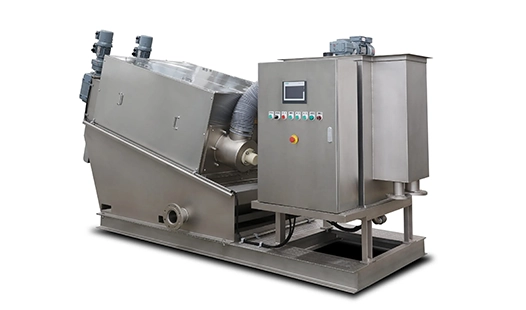
Best China Screw Press Dewatering Machine for Mexico Buyers