Membrane Squeeze Filter Press for High Dryness Applications
Understanding Membrane Squeeze Filter Press Technology
- Understanding Membrane Squeeze Filter Press Technology
- Advantages and Applications of Membrane Squeeze Filter Press
- How to Select the Right Membrane Squeeze Filter Press for Your Needs
- Optimizing Performance and Maintenance of Membrane Squeeze Filter Presses
- Procurement Considerations for Membrane Squeeze Filter Press
- Conclusion
- FAQ
- Partner with Jingjin for Advanced Membrane Squeeze Filtration Solutions
- References
The membrane squeeze filter press technique improves solid-liquid separation. It dries cakes better than filter presses. This advanced filtering system employs mechanical compression and membrane technology to extract the most water from industrial slurries. It is beneficial in food production, wastewater treatment, mining, and chemical processing. This comprehensive handbook covers the demands of purchasing managers, process engineers, and business-to-business sourcing professionals who need dependable, high-performance filtration. When decision-makers understand membrane squeeze technology, they can boost efficiency, reduce dumping costs, and ensure environmental compliance. Unlike plate and frame filter presses, these high-tech devices can squeeze cakes to 15–25% moisture, whereas most can only get cakes to 35–45%. Today's workplaces require filtering technology that works well and is cost-effective. Membrane squeeze filter presses meet these tight requirements with regulated operation, reduced cycle times, and greater solid recovery rates that boost your bottom line.
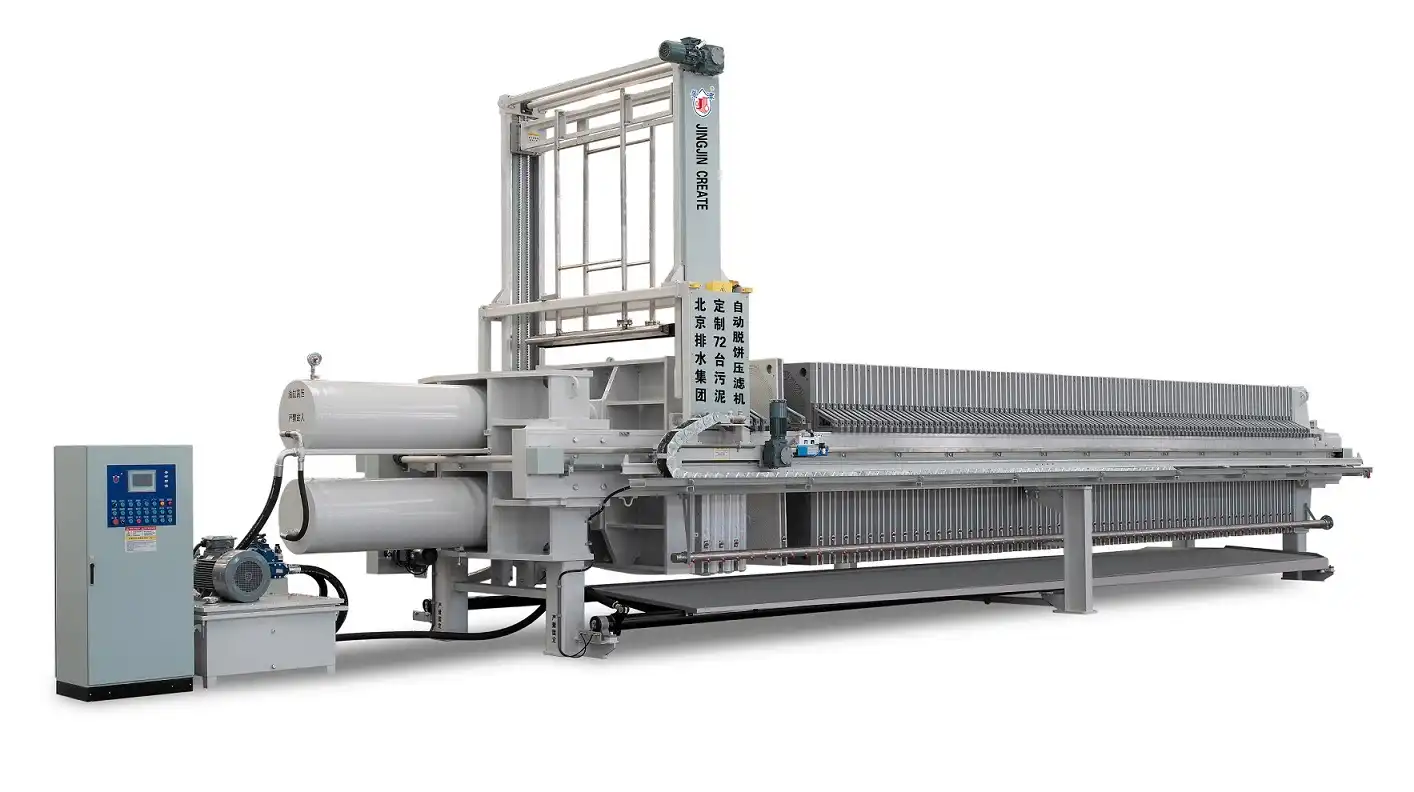
Understanding Membrane Squeeze Filter Press Technology
Core Components and Design Innovation
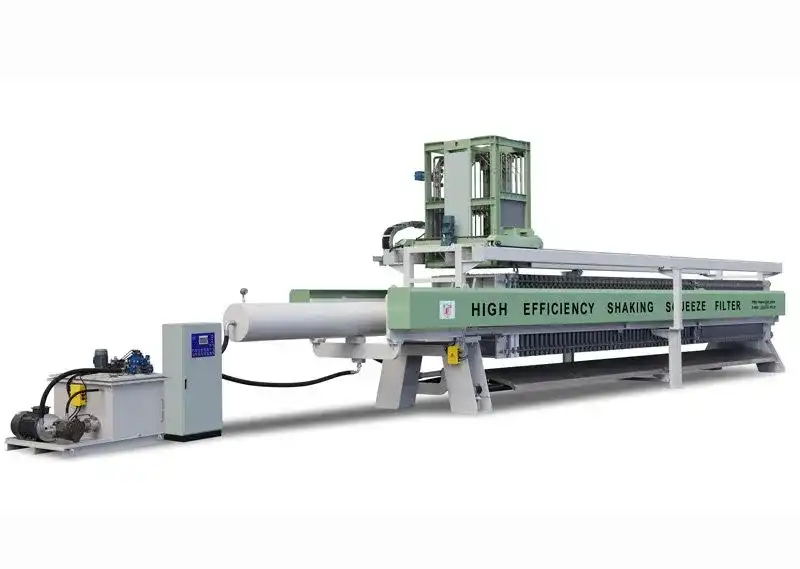
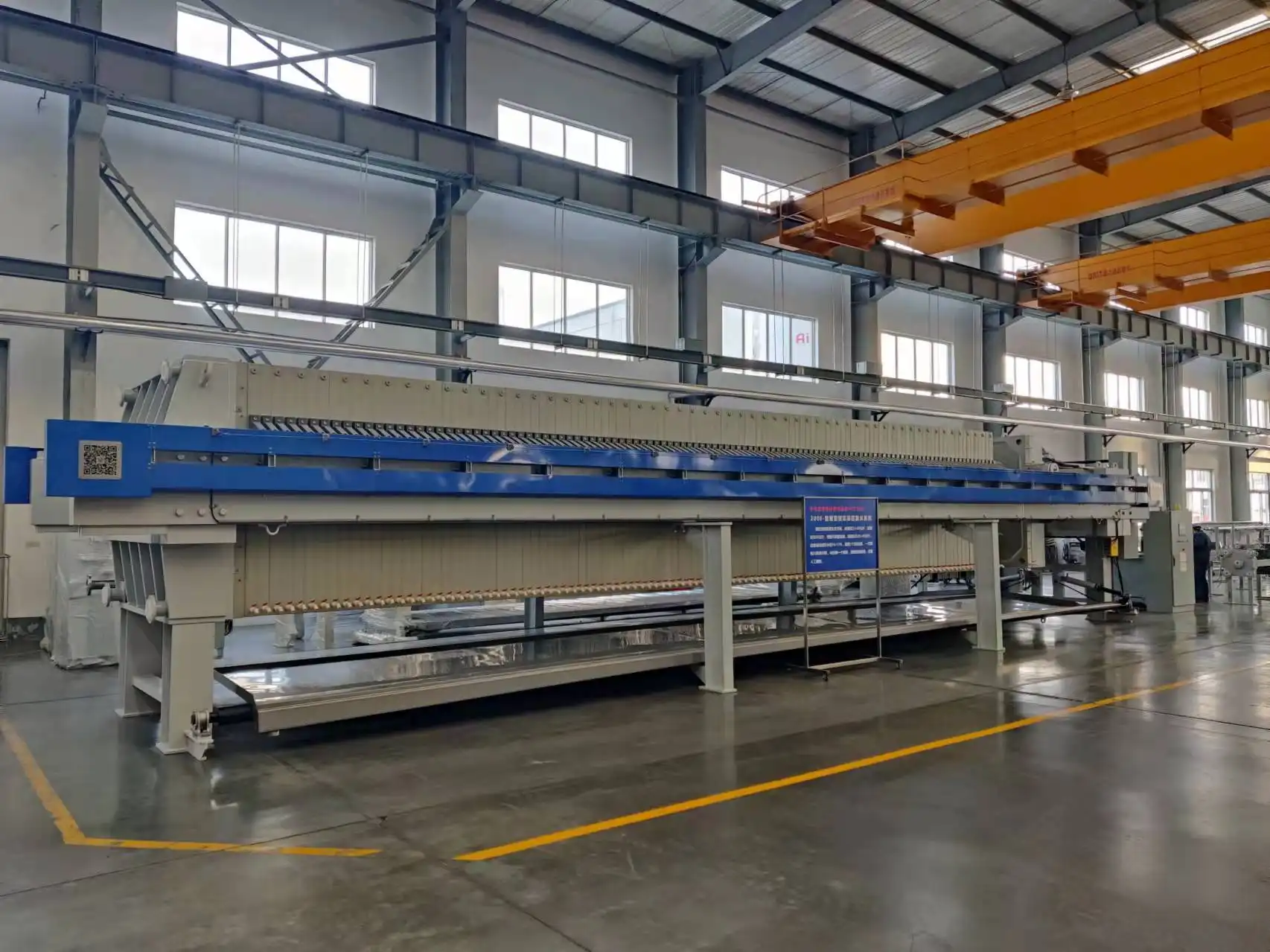
Traditional filtration is considerably different from the membrane squeeze filter press. It's multi-stage and complicated. Specially constructed filter plates with flexible membranes may provide areas for added pressure during pressing. These membranes, manufactured of high-quality elastomers, provide equal pressure to the filter cake whether inflated with air or water.
Standard plate and frame filter presses employ initial filtration pressure only. Two compression steps are added by membrane squeeze technology. At this crucial point, the expanded membranes press down on the filter cake, forcing out more liquid than would have remained in the solid matrix. This innovative method dries cakes and speeds solid healing.
System performance depends on filter cloth selection. Filter pressure and membrane crushing pressures are handled by specific textiles. Modern installations use pneumatic plate moving and automated cloth cleaning. These systems reduce human labor while maintaining machine performance.
Working Principle and Cycle Phases
The filtration process contains three phases to remove as much water as feasible. Slurry is gently poured into filter chambers under regulated pressure during filling. This enables liquids to separate first via the filter fabric. The first filter cake forms when solid pieces pile up on the fabric.
The compression stage is membrane technology's biggest innovation. The membranes are inflated with compressed air or water, adding 16–25 bar to the filter cake. This second squeeze drives out any leftover liquid within the cake structure, reaching moisture levels that conventional filtration can't reach.
The discharge step mechanically removes the cake and prepares the space for the next batch. Programmable logic controllers in advanced systems optimize cycle time by considering material properties and cake dryness.
Advantages and Applications of Membrane Squeeze Filter Press
Superior Performance Benefits
Membrane squeeze filter presses provide several practical advantages that boost revenues and reduce environmental impact. Drier cakes weigh less and need cheaper disposal; hence, membrane compression reduces dumping expenses significantly. Water recovery rates are 15–30% greater than standard filter systems. This reduces freshwater consumption and cleaning expenses.
Another advantage is energy savings. Because automated processes and decreased cycle times consume less electricity per unit of processed material. The continuous cake quality eliminates manual filtering system issues. This clarifies the following stages and improves product quality.
Automated operation and sturdy component design save maintenance and increase operational reliability. Avoiding manual cake unloading saves labor and improves workplace safety. Though application-specific, these operational advantages generally provide a return on investment in 18–36 months.
Industrial Applications Across Sectors
Flexible membrane squeeze technology may be employed in many corporate scenarios. Mining firms utilize these machines to treat concentrates, remove water from tailings, and recover precious metals. Its robust construction and high-pressure tolerance make tough materials simple to handle and increase mineral recovery.
Chemical and pharmaceutical firms benefit from clean design and accurate process management. A stainless steel facility with specific sealing systems keeps the product pure and meets tight regulatory criteria. Quality control is crucial in regulated industries, and steady moisture levels assist.
Wastewater treatment facilities increasingly use membrane squeeze technology to fulfill environmental regulations. Better dewatering reduces sludge volume and produces a clear filtrate that fulfills release criteria with little cleaning. Municipalities and industry claim that dumping costs have dropped, and they are following environmental standards better.
How to Select the Right Membrane Squeeze Filter Press for Your Needs
F-1 Criteria Screening Approach
You must consider several scientific and practical considerations to pick the finest membrane squeeze filtering instruments. With the F-1 Criteria Screening Approach, you may arrange your options and compare them to your application. This comprehensive assessment considers filtering, cake qualities, material fit, and automation.
Tool selection depends on bulk output and solid loading rates. Knowing when demand is strongest and when it may expand helps ensure the selected system has adequate capacity throughout its usage. Modern membrane squeeze filter presses vary from tiny lab devices that handle a few cubic meters per day to massive industrial equipment that handles thousands.
Cake dryness objectives affect membrane design and pressure ratings. For maximum water removal, high-pressure membranes and prolonged compression cycles work best. However, processes that need to finish quickly may be able to manage a little greater moisture content for shorter cycle periods. Compression pressure and cake dryness follow predictable tendencies that skilled providers can model for diverse materials.
Technical Specifications and Material Compatibility
The filter plate size affects system performance and flexibility. Larger plates provide higher filter area per chamber but need stronger crushing pressures and longer cycle durations. The ideal plate size depends on filtering capacity, floor space, clearance above, and material movement.
Membrane material is chosen based on chemical compatibility, temperature, and service life. For most commercial usage, nitrile rubber membranes are chemical-resistant. EPDM or Viton may be needed for severe chemicals or high temperatures. Membrane width impacts compression and durability. Though less flexible, thicker membranes survive longer.
Automation ranges from pneumatics to remote-monitored control systems. Higher degrees of technology save labor and improve consistency, but they need more money and technical support. The best automation balances operational incentives, technological resources, and budget.
Optimizing Performance and Maintenance of Membrane Squeeze Filter Presses
H-1 Bottleneck Breaking Approach
Identifying and eliminating operational bottlenecks that impede output or cake quality improves membrane squeeze filter press performance. The H-1 Bottleneck Breaking Approach targets the process steps that slow it down and impair system performance. Misprepared feed, improper cycle timing, membrane wear, and improper waste handling are common issues.
Feed conditioning improves filter performance and cake quality. Changing the slurry pH, treating it with chemicals, and finding the appropriate solids percentage will speed up filtration. Many organizations gain large performance increases from simple feed preparation adjustments that cost less than new equipment.
Cycle time optimization balances cake dryness and production objectives. Longer compression steps remove more water, but they delay the process, while shorter cycles may lower cake quality. Advanced control systems can quickly adjust cycle parameters based on pressure sensors, flow meters, and other instruments.
Maintenance Strategies and Best Practices
Preventive maintenance reduces unexpected downtime. Membrane inspection schedules should consider material qualities and usage. Check rough or chemically harsh applications more regularly. To plan membrane repair before it fails, visual examination may detect early membrane disintegration.
Clean filter cloths frequently and replace them as they break, establishing random replacement dates. Automated cloth washing systems save time and provide proper cleaning. If stored correctly, backup garments won't wear out rapidly in the sun, amid chemicals, or at extreme temperatures.
Hydraulic system maintenance includes filter changes, fluid levels, and pressure tests. Using polluted hydraulic fluid may damage system elements and reduce reliability. Setting fluid change timings based on working hours and monitoring pollution ensures hydraulic system performance.
Procurement Considerations for Membrane Squeeze Filter Press
Cost Analysis and Budget Planning
Knowing the entire cost of ownership goes beyond purchasing equipment. Knowing the cost to install, commission, train, acquire additional parts, and maintain it is also important. Membrane squeeze filter presses usually cost more upfront, but they save money over time due to reduced maintenance, effort, and water return.
Costs depend on the modification, with simple installations being the most cost-effective for most usage. Unique materials, sizes, or processing requirements may increase costs, yet they may be necessary for specific processes. Experienced suppliers may advise solutions to satisfy technical requirements and decrease customization costs.
Hire, acquire, or sign a performance-based contract that relates equipment costs to employment benefits. Some suppliers provide training to test equipment with genuine process materials before you buy.
Supplier Evaluation and Quality Assurance
Look at a supplier's professional abilities, product quality, customer service, and company viability. Established manufacturers with extensive application knowledge may assist in choosing and setting up equipment. ISO 9001 quality standards demonstrate a company's commitment to good production and customer satisfaction.
After-sales support is crucial for complex machinery like membrane squeeze filter presses. Suppliers should provide extensive training, readily available spare parts, and competent support. Global service networks provide consistent support regardless of installation location.
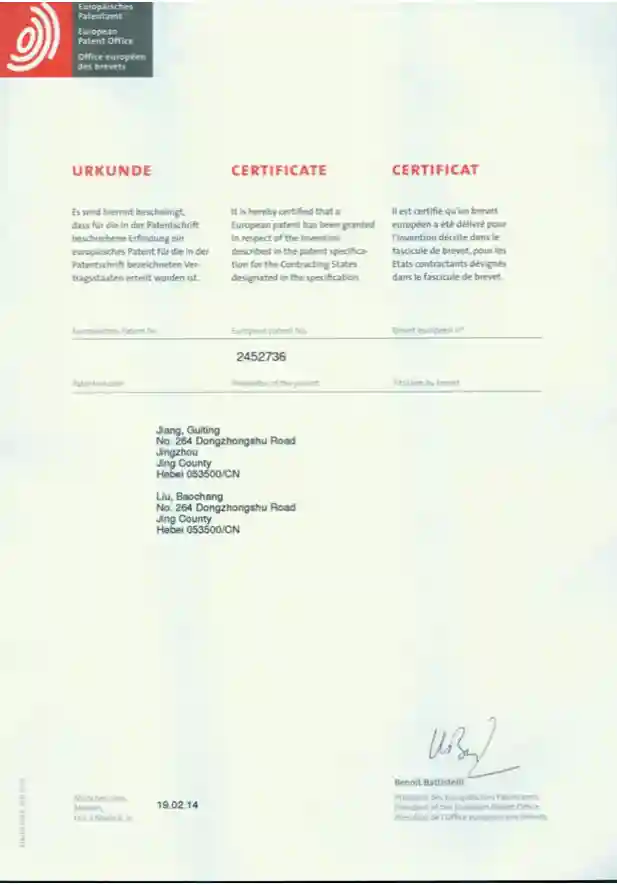
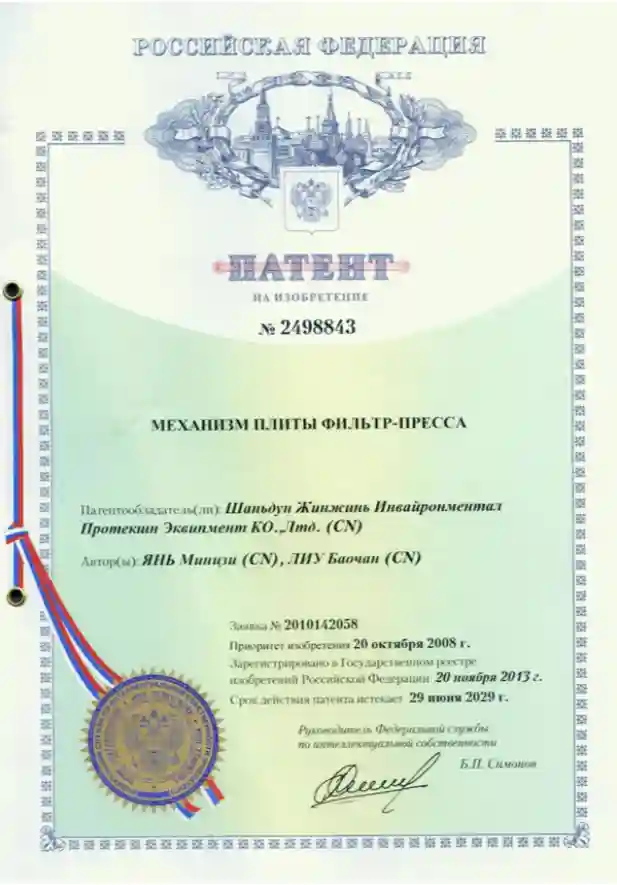
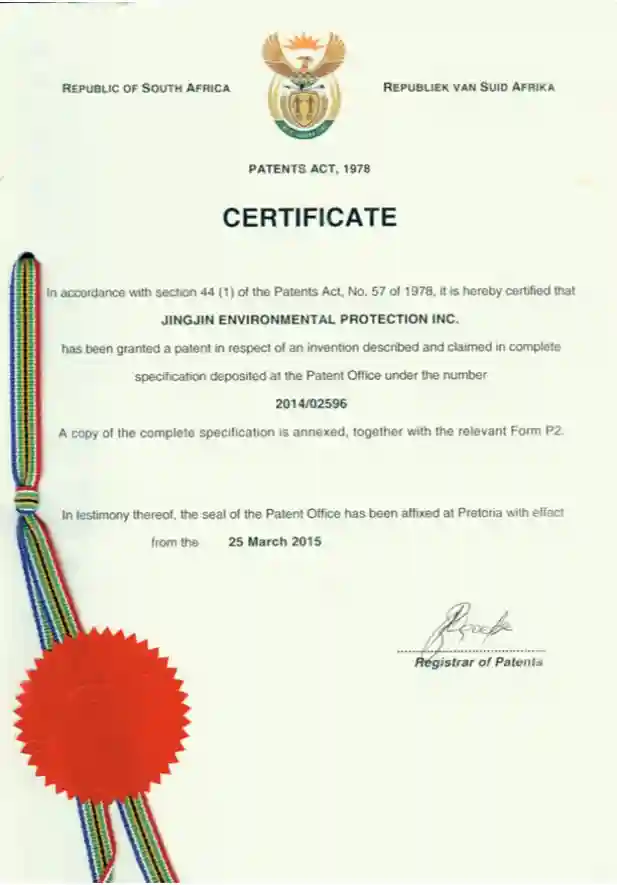
A top membrane squeeze filter press manufacturer is Jingjin Equipment Inc. Their machines are in 123 countries after 35 years in business. Our extensive product line includes filter plates, membranes, cloths, and whole integrated systems for severe industrial purposes. With over 136 patents and several customization possibilities, Jingjin can satisfy each customer's demands while maintaining the highest quality standards.
Conclusion
Effective water removal by membrane squeeze filter press technology alters production costs in numerous contexts. Better cake dryness, fewer waste costs, and a more dependable process benefit enterprises that need to separate solids and liquids fast. Knowing technological concepts, application challenges, and purchasing considerations helps you make informed capital investment and operational performance decisions. The planned assessment techniques in this book let you pick tools with confidence to witness genuine improvements in your operations.
FAQ
1. How do membrane squeeze filter presses achieve higher cake dryness compared to traditional units?
Unlike standard variants, membrane squeeze filter presses compress farther. After the initial filtering, flexible membranes are inflated with water or compressed air to provide 16–25 bar of pressure to the filter cake. The second compression removes any remaining moisture from the cake structure. This reduces moisture to 15–25% from 35–45% in plate and frame filter presses.
2. What maintenance practices extend the membrane and filter cloth lifespan?
Regular inspections based on system utilization prevent premature failure. Check membrane surfaces for cuts, punctures, and chemical degradation during routine repairs. Filter cloths benefit from automatic washing systems that remove particles without manual handling. Spare parts should be protected from UV radiation and chemical fumes until fitted to maintain quality.
3. Can membrane squeeze filter presses integrate with automated production lines?
Modern membrane squeeze filter presses incorporate customized logic controllers, remote tracking systems, and plant-wide control networks. Cycle scheduling, cake discharge, fabric washing, and warnings are automated. Integration with upstream and downstream equipment ensures seamless automated production settings and process control.
Partner with Jingjin for Advanced Membrane Squeeze Filtration Solutions
Jingjin Equipment Inc. provides solutions that operate better than anticipated, using its years of technical knowledge and the latest membrane squeeze filter press technology. Our skilled engineers collaborate with customers to design custom filtering systems that address operational issues and maximize ROI. As a trusted filter press manufacturer serving clients worldwide, we provide initial advice and continuing technical assistance.
Contact our technical specialists at [email protected] to discuss your filtration requirements and how membrane squeeze technology can transform your company. Our application engineers can evaluate your specific materials and recommend the optimum system setup.
References
1. Industrial Filtration Society, "Membrane Technology in Solid-Liquid Separation: Performance Analysis and Applications," Journal of Industrial Filtration, Vol. 45, 2023.
2. American Water Works Association, "Advanced Dewatering Technologies for Municipal Sludge Treatment," Technical Report AWWA-TR-2023-01, 2023.
3. Mining Engineering Institute, "Comparative Study of Filtration Technologies in Mineral Processing Operations," Mining Technology Quarterly, Issue 3, 2023.
4. Chemical Processing Magazine, "Membrane Squeeze Filter Press Applications in Chemical Manufacturing," Process Equipment Review, September 2023.
5. Environmental Protection Agency, "Best Available Technologies for Industrial Wastewater Treatment," EPA Technical Bulletin 832-R-23-001, 2023.
6. International Association of Filtration Professionals, "Maintenance and Optimization Guidelines for Membrane Filtration Systems," Technical Standard IAFP-MS-2023-02, 2023.
jingjin
Founded in 1988, Jingjin specializes in filter presses and liquid-solid separation solutions, serving over 130 countries worldwide, and is a standard-setter in China's filter press industry.
Get the Filter Press guide
Enter Your Email for Technical assistance for the Filter Press.

Recommended Blog
Custom Filter Presses for the Chemical Industry: Choosing the Right Solution
High Capacity Filter Presses for Mining: Enhancing Mineral Processing Efficiency
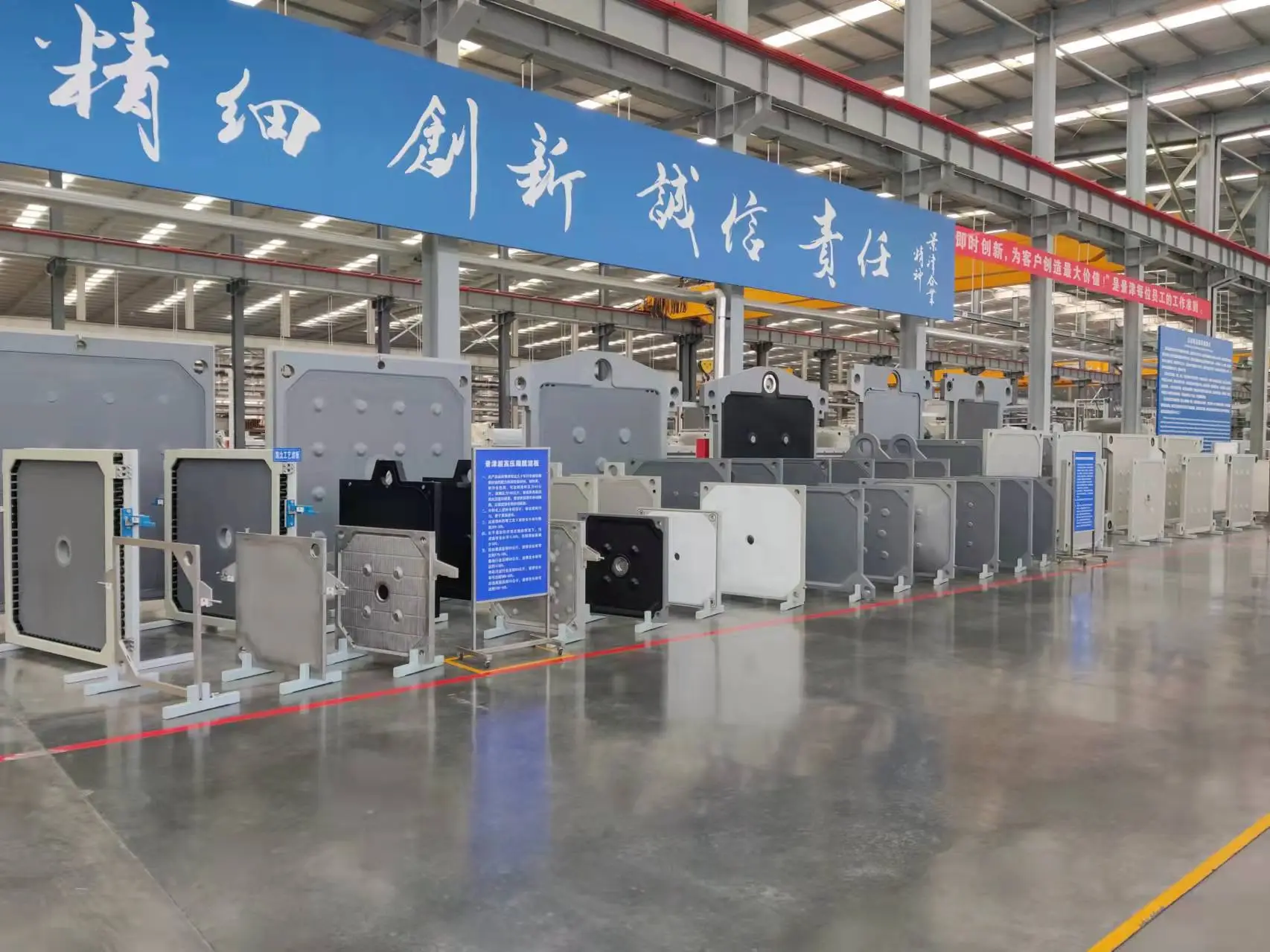
Customized Filter Press Plates for the Mining Industry: What You Need to Know
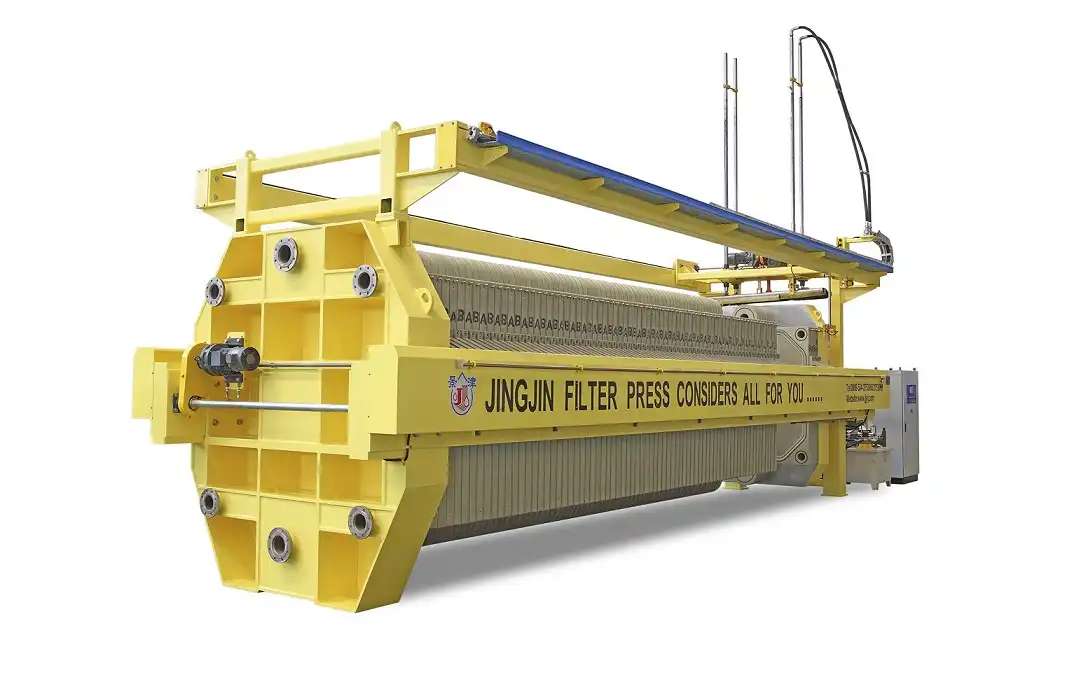
Automated Filter Press Systems: Revolutionizing Industrial Filtration Processes
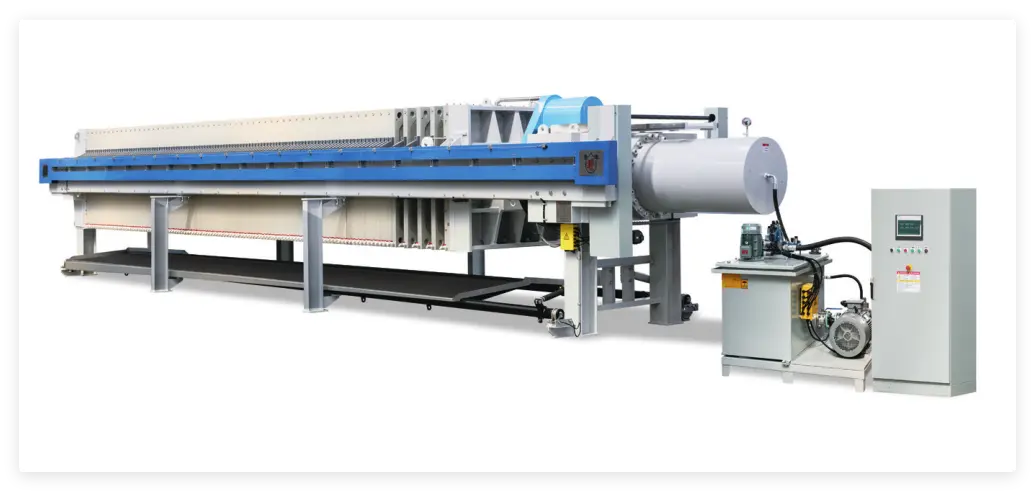
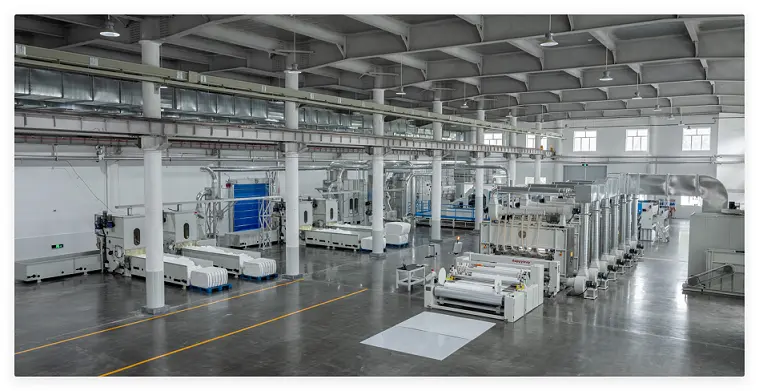
Filter Press Cloth for Food and Beverage Industry: Ensuring Safety and Quality
Understanding Technical Specifications of Press Filters: A Complete Guide
Why Vietnam Factories Prefer China Membrane Plate Filter Press?