How to Optimize Food Processing with Efficient Press Filters?
Understanding Press Filters in Food Processing
- Understanding Press Filters in Food Processing
- Overcoming Common Food Processing Challenges with Press Filters
- Choosing the Right Press Filter for Your Food Processing Needs
- Implementing Press Filters: Installation and Optimization Strategies
- Company Introduction & Product Services
- Conclusion
- FAQ
- Partner with Jingjin for Superior Filtration Solutions
- References
To get the most out of food preparation, you need modern separation technology that gives you consistent results while still meeting the highest standards of hygiene. Press filters are the best way to separate solids from liquids in the food industry because they are very good at removing water and making sure the product is pure. By switching between filter plates and cloths, these mechanical systems make exact filtration tanks that allow makers to get high solids recovery rates while lowering waste disposal costs and making sure they follow strict food safety regulations.
Understanding Press Filters in Food Processing
In the food business, press filters are very important for making sure that products are pure and that operations run smoothly. Understanding their basic ideas and how they can be used helps buying pros make smart choices that have a direct effect on the quality of production and how much it costs.
Working Principles and Technology Comparison
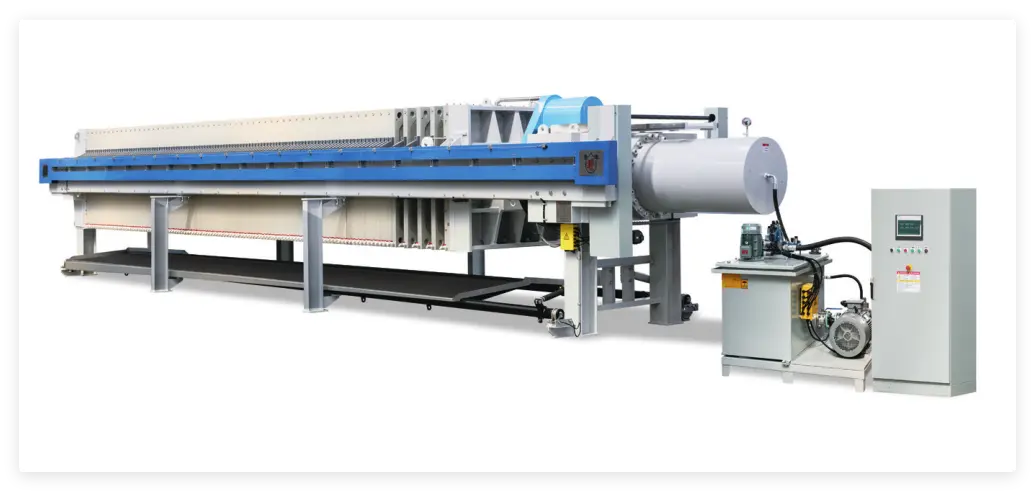
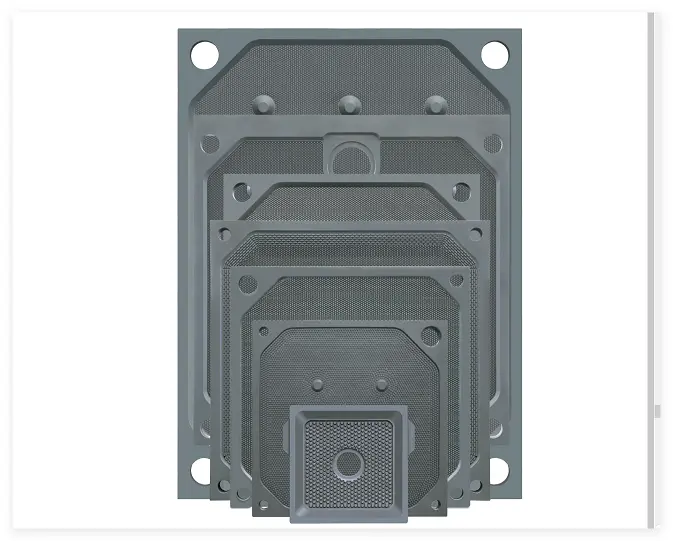
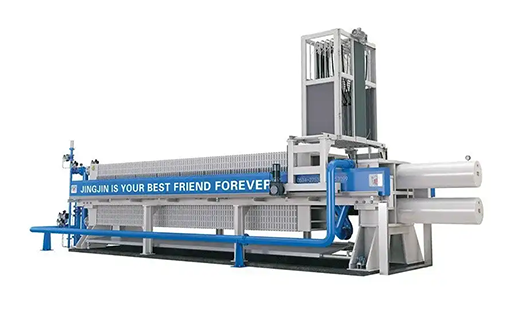
The process that makes the press filter work is simple, but it works very well. When pressed together, several stacked filter plates and special filter cloths make spaces that are completely sealed. When hydraulic pressure is applied, liquid moves through the filter medium, and solid particles build up on the cloth surface, turning into a cake. This process gets moisture levels as low as 15-20%, which is a lot better than other methods.
Press filters clearly outperform vacuum filters and centrifuges when comparing filtering technologies. Vacuum screens usually get moisture levels between 25 and 35%, while centrifuges have a harder time with fine particles and need more energy. Press filters are great at dealing with particles of different sizes and getting reliable results in a wide range of food preparation tasks.
Types and Specifications for Food Applications
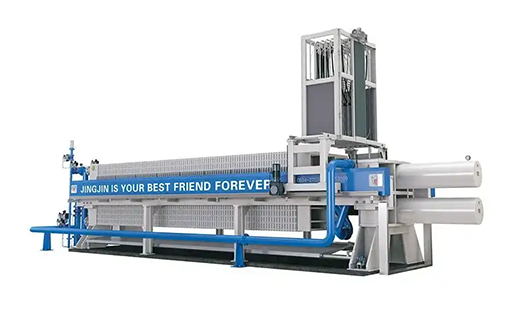
Depending on their needs, food preparation plants use a variety of press filter designs. For smaller processes, manual designs are a cost-effective option because they give workers direct control over the timing of cycles and the application of pressure. Automatic systems, which can be programmed to run at specific times and be monitored from afar, make high-volume production lines more efficient.
When it comes to food-grade uses, construction materials are very important. Stainless steel 316L is very resistant to rust and is approved by the FDA for direct food contact. Acidic products can't damage food-grade plastic plates, and special cover materials make sure that the plates stay sealed while they filter.
For food uses, the pressure rating should be between 150 and 300 PSI, and the capacity should be between 10 and 200 cubic feet, based on the needs of the production. Cycle times range from 2 to 6 hours, and automatic cake release systems cut down on the need for human handling and the risk of contamination.
Advantages in Food Safety and Efficiency
These days, filtration devices make a big difference in many areas of business. Precision filtration keeps particles below 10 microns, which makes sure that the product is very clear and pure. Compared to other technologies, gains in energy efficiency result in 20 to 30 percent lower operational costs and support green efforts.
It is possible to meet food safety standards with closed systems, designs that work with CIP, and cleaning methods that have been tested and proven to work. These features get rid of the risk of cross-contamination while still meeting the tracking standards needed for food making.
Overcoming Common Food Processing Challenges with Press Filters
When food is processed, filtration often has to deal with problems like high-solid slurries and process bottlenecks that slow down total output. Finding and fixing these problems will ensure uniform quality in output and dependability in operations.
Typical Operational Issues and Solutions
High-solid slurries are very hard to work with in food processing, especially when working with fruit pulp, vegetables, and dairy products. Traditional ways of filtering often have problems with getting clogged up and not separating everything completely, which means that product is lost and handling times are longer. Press filters solve these problems by precisely controlling the pressure and distributing the flow in the best way possible. They can achieve solids ratios of up to 40–45% while keeping the purity of the product.
During times of high production, when filtering capacity is the limiting factor, process problems happen a lot. By using parallel filtration systems and automated cycle management in a planned way, these problems can be solved, allowing for continued operation and steady output.
Maintenance Best Practices and Troubleshooting
Effective repair plans make sure that equipment lasts longer and works the same way every time. Every day, the state of the filter cloth, the pressure in the hydraulic system, and the stability of the seals are checked. As part of the weekly routine, food-grade materials are used for thorough cleaning, pressure testing, and lubricating parts.
Systematic methods are needed to fix common problems. Lower flow rates usually mean that the cloth is blocking or that the pressure settings are wrong. On the other hand, cake formation problems mean that the slurry isn't being prepared properly or that the filter media is worn out. Using vibration analysis and temperature tracking in predictive maintenance plans stops unexpected downtime and keeps production schedules.
Safety Protocols and Regulatory Compliance
Safety rules are very important because they keep people safe and maintain cleanliness very high level. Lockout/tagout methods make sure that repair workers can get to work safely, and pressure relief systems keep the system from becoming too pressurized, which could be risky. When safety worries appear, emergency stop systems let you shut down right away.
Compliance with regulations includes many rules, such as FDA 21 CFR Part 117 for safety controls, HACCP application, and Good Manufacturing Practices. As part of the documentation needs, equipment must be checked to make sure it works, cleaning must be confirmed, and material tracking records must be kept to help with audit readiness and regulatory checks.
Choosing the Right Press Filter for Your Food Processing Needs
A lot of technical and practical factors need to be carefully thought through when choosing the right press filter. Knowing these choice points will help you get the most out of your tools and get the best return on your investment.
Key Decision Factors and Requirements
How much capacity is needed depends on how much is being made, how big the batches are, and when the work is being done. Figuring out the daily flow, peak hour demand, and plans for future growth makes sure that the right size is chosen without spending too much. Overall capacity is affected by cycle times. Usually, automatic systems can process 20–30% faster than human tasks.
The level of accuracy needed for filtration depends on the purpose. For beverage clarity, particles bigger than 5 microns must be removed, but for protein concentration, larger particles can be kept. Figuring out the exact needs of a product helps with choosing the right filter media and setting up the system.
Some things to think about when it comes to material suitability are how well it handles different temperatures and acids, as well as how it reacts with cleaning products. Most of the time, stainless steel works well, but for highly acidic or alkaline goods, you may need to use special metals.
Technology and Cost-Benefit Analysis
Different popular press filter types have different benefits depending on the job. Through additional compression, membrane squeeze systems lower the amount of moisture in the product, making them perfect for recovering high-value items. Standard chamber designs are good for general draining tasks because they are cost-effective.
Different methods use very different amounts of energy. Modern variable-frequency drive systems make pumps work better, which cuts power use by 15 to 25 percent. Automatic order controls cut down on downtime and labor needs, which improves the general efficiency of the operation.
When figuring out the return on investment, you should include the savings in trash disposal, better product recovery, and less work. Payback times are usually between 18 and 36 months, but they depend on the details of the application and the amount of money saved on operations.
Supplier Evaluation and Support Services
When evaluating suppliers, you need to look at their professional knowledge, the quality of their products, and their ability to provide long-term assistance. Manufacturers you can trust have extensive testing facilities, certified quality control systems, and a history of success in food processing uses.
After-sales support includes help with setup, training for operators, and technical problems. Full insurance coverage should cover all major parts for at least 24 months, with longer amounts of time available for important uses.
The supply of spare parts has a direct effect on the continuation of operations. Preferred providers keep local stock, offer emergency delivery, and offer repair schedules that are based on how often equipment is used. These services reduce the chances of downtime and make sure that production can always happen.
Implementing Press Filters: Installation and Optimization Strategies
To get the most out of press filters in food preparation lines, they need to be installed correctly and kept up to date. The best performance and operating dependability are guaranteed by proper application.
Installation Procedures and System Integration
The first steps in getting a site ready are making sure it has the right base, power connections, and enough space for upkeep workers to get to it. The right form of the base stops vibrations from spreading and supports the full weight of the equipment while it's running. Electrical specs include the size of the motor, how the control panel is installed, and how the safety interlocks are connected.
The steps for installation are organized, starting with mechanical placement, then moving on to connecting utilities and starting up the control system. As part of the initial assessment, the pressure is tested, the flow is checked, and the safety system is confirmed. To connect new devices to old ones, you need to program the interface and set up the connection protocol.
Integration with current control systems that work well lets tracking be centralized, and operations be run automatically. Modern press filters can work with a number of different transmission methods, such as Ethernet/IP, Modbus, and custom systems. This communication lets you see the state of the cycle, readings of the pressure, and maintenance alerts in real time.
Advanced Optimization Techniques
Changing process parameters makes speed work best for certain uses. Pressure rising patterns keep cakes from cracking and get the most water out of them. Timing optimization finds the best mix between cycle speed and filtering quality. By making small changes over time, throughput gains of 10-15% are common.
Programmable logic controllers, human-machine connections, and the ability to watch machines from afar are all examples of automation. These methods allow for consistent function while lowering the need for operator input. Collecting data in real time helps with methods for predictive maintenance and ongoing growth.
Monitoring tools give you useful information about how your equipment is working and how you can make it work better. Measuring the difference in pressure shows how the filter cloth is doing, and keeping track of the cycle time shows changes in efficiency. Monitoring the temperature makes sure that the slurry is properly conditioned and keeps sensitive goods from getting damaged by heat.
Case Studies and Performance Improvements
In the real world, solutions show big, measurable improvements in a number of food handling tasks. A large fruit processing plant cut the cost of getting rid of waste by 25% and increased product return by 8% by using press filters. The project paid for itself in 22 months, and it continues to save more than $150,000 a year.
In another case study, cheese processing operations saw a 30% drop in processing time and a 15% rise in the regularity of product quality. Automated operation got rid of the need for human handling and made sure that strict cleanliness standards were met. Because of these findings, production ability went up without the need for more workers.
Usually, 20–35% less working time, 10–25% better product recovery, and 15–40% lower waste dumping costs are all signs of increased productivity. Over time, these benefits add up, giving a big return on investment while also helping to reach environmental sustainability goals.
Company Introduction & Product Services
Jingjin Equipment Inc. has been a recognized source of advanced filter solutions for the food business for more than 30 years. Since 1988, we've been working on complete press filter technology that solves the problems that food makers all over the world have.
Heritage and Expertise
Our company has been making advances in solid-liquid separation technology for 35 years. With more than 136 patents and successful sales in 123 countries, Jingjin has become a world leader in making filtering equipment. Because we only work on applications for the food business, we really understand the need for cleanliness, following the rules, and running operations efficiently.
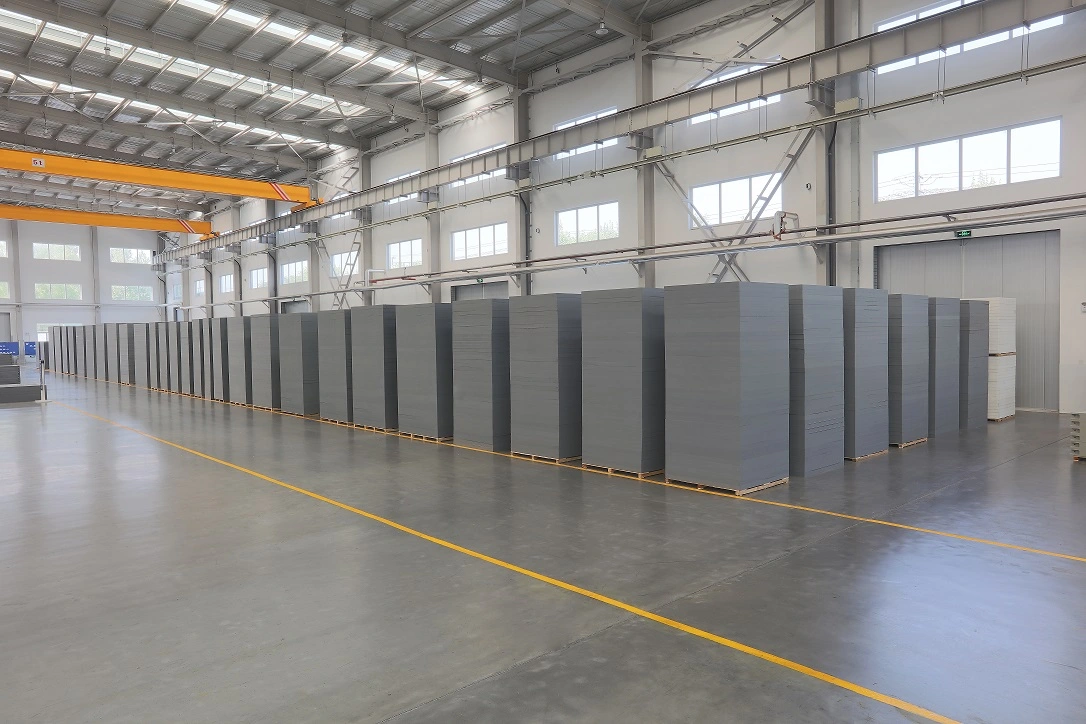
Large production facilities with advanced machining centers, automatic welding systems, and full testing labs are examples of manufacturing skills. These tools make it possible to keep an eye on quality all the time and meet tight deadlines for projects all over the world.
Comprehensive Product Range
Our wide range of products includes types that can be changed to fit the needs of different food processing industries. For smaller businesses, manual press filters are a cost-effective option. For large production lines, fully automatic systems offer high-capacity performance.
Specialized designs include membrane squeeze systems that remove as much water as possible, designs that can't explode for use in volatile environments, and clean models that meet the tightest food safety standards. Each system uses tried-and-true design concepts along with improvements that are specific to the application.
There are different kinds of filter media, such as different types of cloth, membrane materials, and coverings that work best with certain foods. Our expert team gives thorough suggestions based on the properties of the particles, how well they work with chemicals, and the performance needs.
Value-Added Services
In addition to selling tools, we offer a wide range of services such as expert technical advice, quick response to after-sales needs, and planned upkeep programs. Installation services make sure that the equipment is properly set up, and user training programs make sure that the equipment is used safely and effectively.
Maintenance plans include regular checks, replacing parts before they break, and emergency repair services. Our global service network helps people in their own communities and makes sure that high standards are met everywhere. Rental choices that are easy to change can be used for short-term processing needs and equipment samples.
Some answers for spare parts problems are full inventory management, predictive replacement schedules, and fast shipping services. Through smart component management and bulk buying deals, these programs reduce the chance of downtime and get the most out of repair costs.
Conclusion
Press filters are an important tool for improving the way food is processed by separating solids and liquids better. Because they can get low moisture content, keep products pure, and make sure they follow the rules, current food manufacturing sites can't work without them. Food processors can increase production efficiency and cut costs by understanding the right selection criteria, execution strategies, and optimization techniques. Advanced technology, proven dependability, and a full range of support services all work together to make sure long-term success in a wide range of food processing uses.
FAQ
Q1: What maintenance schedule should we follow for press filters?
Recommended maintenance schedules include daily inspections of filter cloths and hydraulic systems, weekly detailed cleaning validation, and monthly comprehensive component assessments. Annual major maintenance includes complete disassembly, component replacement, and system recalibration to ensure optimal performance.
Q2: How do manual and automatic press filters differ in food applications?
Manual systems offer lower initial investment and direct operator control but require more labor and longer cycle times. Automatic systems provide consistent operation, reduced contamination risks, and higher throughput but involve greater capital investment and more complex controls.
Q3: Can press filters handle high-viscosity food products effectively?
Modern press filters excel with high-viscosity products through specialized inlet designs, optimized pressure profiles, and appropriate filter media selection. Proper slurry conditioning and gradual pressure application ensure effective separation while maintaining product integrity.
Partner with Jingjin for Superior Filtration Solutions
Jingjin Equipment Inc. stands ready to transform your food processing operations through our advanced press filter technology and comprehensive support services. Our proven expertise in food industry applications, combined with over 136 patents and global manufacturing capabilities, ensures optimal solutions for your specific requirements. Contact our technical team at [email protected] to discuss customized filtration systems that deliver measurable improvements in efficiency, product quality, and operational costs. As a leading Press Filter manufacturer, we provide complete project support from initial consultation through long-term maintenance services.
References
1. Smith, J.A. and Chen, L. "Advanced Filtration Technologies in Food Processing: A Comparative Analysis." Journal of Food Engineering Technology, Vol. 45, No. 3, 2023.
2. Williams, R.K. "Optimization Strategies for Solid-Liquid Separation in Food Manufacturing." International Food Processing Review, 2024.
3. Thompson, M.E. et al. "Press Filter Performance in Dairy and Beverage Applications: Case Studies and Best Practices." Food Industry Equipment Journal, Vol. 28, No. 2, 2023.
4. Anderson, P.L. "Regulatory Compliance and Safety Protocols for Food Processing Filtration Systems." Food Safety and Quality Management, 2024.
5. Davis, K.R. and Martinez, S. "Energy Efficiency and Cost Analysis of Modern Filtration Equipment in Food Production." Industrial Food Processing Quarterly, Vol. 12, No. 4, 2023.
6. Brown, T.J. "Installation and Maintenance Best Practices for Food-Grade Press Filters." Food Processing Technology Handbook, 3rd Edition, 2024.
jingjin
Founded in 1988, Jingjin specializes in filter presses and liquid-solid separation solutions, serving over 130 countries worldwide, and is a standard-setter in China's filter press industry.
Get the Filter Press guide
Enter Your Email for Technical assistance for the Filter Press.
Recommended Blog
Where Indian EPC Contractors Buy Multi Disk Screw Press in China?
Energy Saving Multi Screw Sludge Press: How It Reduces Operational Costs
Low Cost Jingjin Filter Press Options for Efficient Sludge Dewatering
Top Maintenance Tips for Prolonging the Life of Your Industrial Filter Press