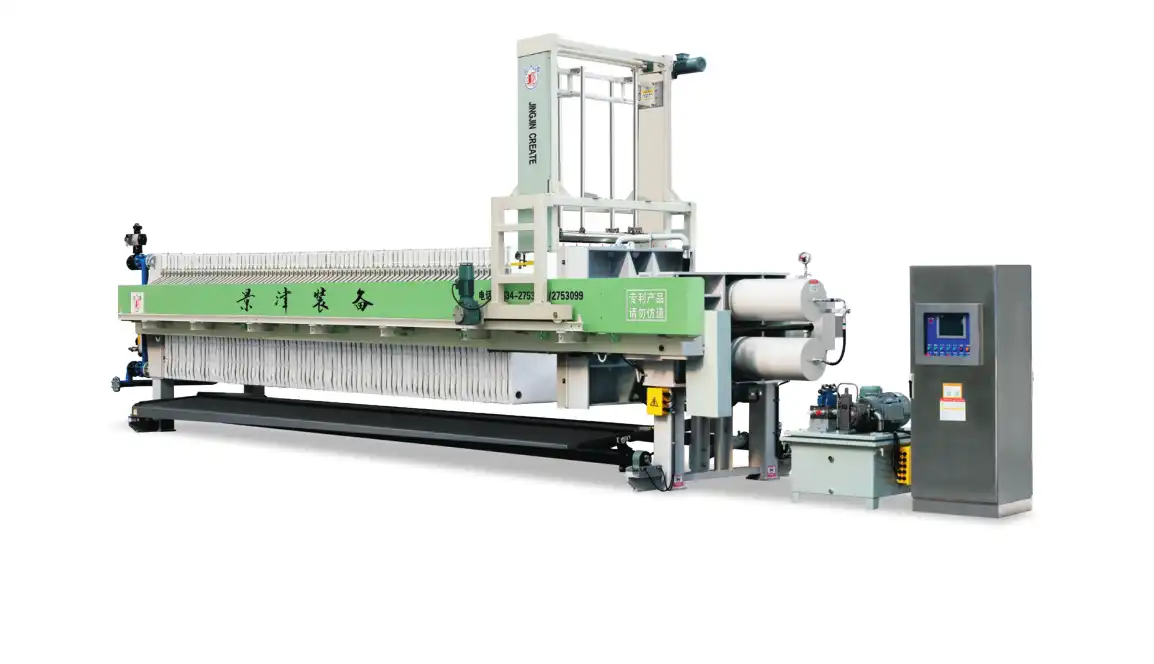
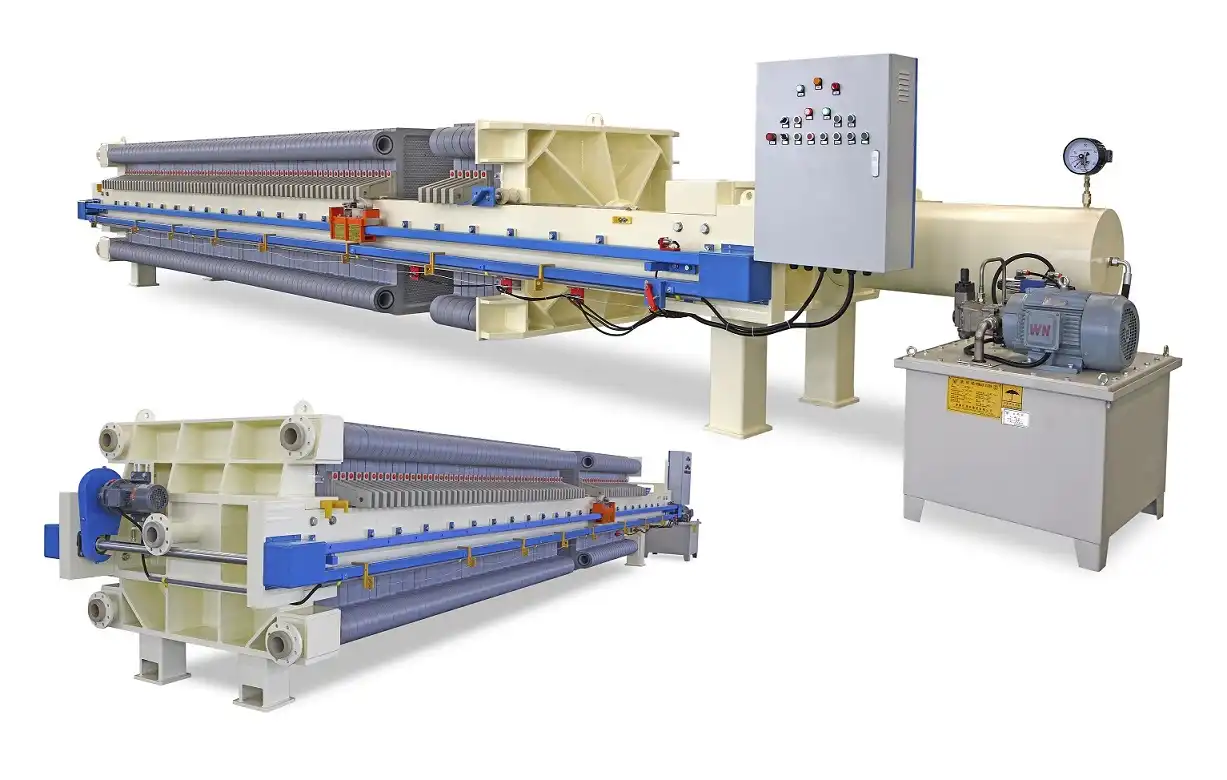
Manual systems require checking for wear, instability, and hydraulic leaks. A blocked plate shifter stops the line, a ruptured hydraulic hose requires immediate repairs, and worn filter cloths aren't recognised until filtrate quality lowers. In an automatic filter press, presence sensors, pressure detectors, and textile permeability meters monitor the situation continuously with full automation. The PLC informs and shuts down the system to prevent harm when cycle times or hydraulic pressure change. Predictive maintenance screens arrange planned break maintenance using cycle count data and sensor patterns. Avoiding wear and tear reduces emergency repairs by 50% and extends equipment life.
2026-08-11 20:25:48
What Does Full Automation Actually Save You on a Filter Press Line?
Understanding the Core Benefits of Full Automation on Filter Press Lines
- Understanding the Core Benefits of Full Automation on Filter Press Lines
- Common Operational Challenges and How Full Automation Addresses Them
- Comparing Full Automation to Other Filtration Technologies and Solutions
- Key Decision Factors for B2B Procurement of Fully Automated Filter Press Lines
- Practical Steps to Maximize Savings and Efficiency with Full Automation
- Conclusion
- FAQ
- Partner with Jingjin for Advanced Automated Filtration Solutions
- References
Full automation of a filter press line cuts down on labor costs, downtime, and operating inconsistency in a way that can be measured. Facilities get rid of the need for hand plate shifting and cake discharge by adding an automatic filter press with PLC controls, hydraulic systems, and real-time monitors. This cuts direct labor costs by 40–60%. Accurately timed cycles save energy, and predictive diagnostics cut down on unplanned maintenance by up to 50%. This saves a lot of money every year and makes sure that the quality of every batch of products is the same.
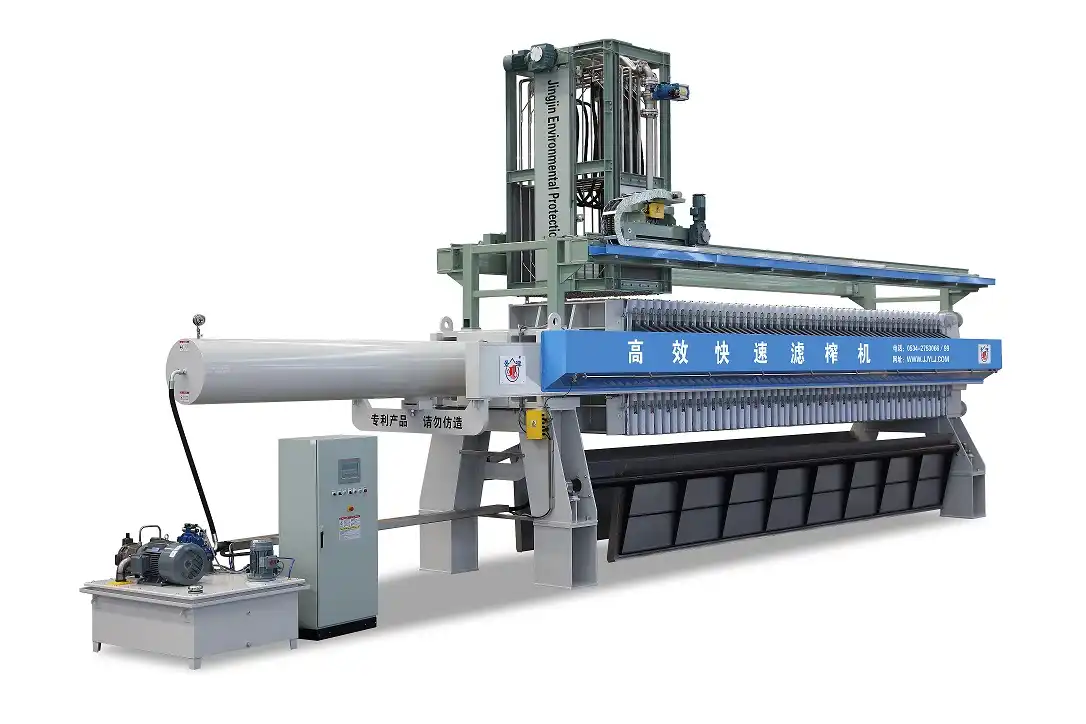
Understanding the Core Benefits of Full Automation on Filter Press Lines
When plants switch from manual to fully automatic filters, the way they separate solids and liquids changes. This change isn't just about making things easier; it also changes how much things cost, how good the results are, and how competitive an industry is in fields where dependability is important and margins are tight.
Reduced Labor Dependency and Operational Flexibility
For a manual filter press to work, someone has to keep an eye on the feed pressure, move the plates by hand, scrape the cakes, and schedule the washing rounds. This process takes a lot of work and keeps skilled workers from doing jobs that add value. They are replaced by PLC-driven routines that run 24 hours a day, seven days a week, without getting tired or making mistakes, by an automatic filter press. Studies from wastewater treatment plants show that automation cuts the hours of direct operators by 50–70%. This frees up workers to focus on improving processes, planning maintenance, and keeping records that show they are following the rules. This change is especially helpful in dangerous chemical companies or mines that are far away and don't have a lot of workers. These places have a lot of safety risks.
Enhanced Process Precision and Product Consistency
Each step of an automated filtration device is carried out with programmable accuracy. Hydraulic compression uses precise pressure profiles, membrane squeezing uses the best time, and air-blow drying processes are set up to work with the properties of the slurry. This accuracy makes sure that every cake has the right amount of moisture—which is very important in pharmaceuticals where leftover liquids must stay below strict levels or in mining where concentrate moisture affects how well the next step in the process works. Automation makes consistency from batch to batch possible by getting rid of human variation. This is something that manual systems can't do, and it cuts down on waste, rework, and customer complaints.
Lower Energy Consumption Through Intelligent Control
Modern automatic systems use variable frequency drives and smart scheduling to make sure that the amount of energy used matches the demand for filtering in real time. The PLC changes feed rates, hydraulic pressure, and secondary systems based on sensor input so that pumps don't run at full capacity throughout the cycle. Facilities that use modern automatic chamber filter press models say they save 15–25% on energy costs compared to manual processes. This can save thousands of dollars a year on high-throughput lines. Over the 15–20 years that the equipment is used, these savings add up, making the total cost of ownership much lower.
Common Operational Challenges and How Full Automation Addresses Them
There are constant problems with manual filter press lines that drive up costs and throw off production plans. Figuring out these problems makes it clear that automation is not just an improvement; it's a must for businesses that want to stay competitive.
Unplanned Downtime and Maintenance Variability
Inconsistent Cake Moisture and Quality Fluctuations
Manual activities introduce variability, such as shifting pressing periods, unequal plate compression, and operator decisions during washing and drying. These discrepancies make cakes overly moist, which costs more to toss away, or too dry, which wastes energy and delays manufacturing. Automated methods remove interstitial water without damaging filter media using constant force profiles and optimised membrane squeezing. High-pressure cleaning systems that kick on immediately after each cycle maintain garments permeable and prevent blinding, ensuring the same filtration rate over thousands of cycles. Chemical manufacturing requires reliability since quality errors result in costly batch rejects due to tight purity standards.
Safety Risks in Hazardous Environments
Chemical plant workers who handle acidic slurries, mining workers who handle hazardous waste, and wastewater treatment plant workers who handle pathogen-filled sludge are at danger. Cake unloaders must function in tiny spaces with moist particles and near high-pressure hydraulic systems. Mechanical plate shifters and air cake ejection systems transport goods into covered conveyor belts without touching them, eliminating the need for workers. Explosion-proof PLC settings and inert gas purging prevent volatile atmospheres, while remote tracking lets personnel monitor filters from control rooms. One neglected benefit of technology is that it reduces workplace injuries and expenditures.
Comparing Full Automation to Other Filtration Technologies and Solutions
When procurement teams look at investments in draining, they have to compare a number of different technologies, each of which has its own performance range and cost profile. Figuring out where automated filter presses offer the best value helps to explain spending money on them and make sure that the equipment chosen fits with the long-term goals of the business.
Automatic Filter Press vs. Vacuum Filters
Vacuum drum and belt filters can work continuously, but they have trouble with fine particles and make cakes less dry (18–25% wetness, on average), while high-pressure filter presses get cakes 10–15% dry. This difference in moisture has a direct effect on dumping costs. For example, a city that processes 50 tonnes of biosolids every day can save $150,000 to $200,000 a year by lowering the amount of biosolids that goes to the trash through dryer cakes. Vacuum systems also need to have their cloths and media replaced often, which drives up the cost of products. Vacuum filters have lower initial prices, but automatic filter presses have a lower total cost of ownership when cake dryness, room, and long-term dependability are important.
Centrifuges and Their Operational Trade-offs
Centrifugal dewatering has a small size but a high throughput. It needs to be chemically treated all the time, makes a lot of noise and vibration, and uses 30–50% more energy per tonne of solids handled. Wear on spinning parts makes maintenance more difficult, and centrifuges don't work well with rough slurries like mine tailings. In contrast, automatic filter presses can consistently handle abrasive and varying feedstocks, need less chemical dosing, and make less noise and shaking when they're working. The initial prices are about the same, but filter presses are better for growing because adding chambers improves output without having to replace all the equipment.
Membrane vs. Chamber Filter Press Configuration
When it comes to filter presses, models with membranes get cakes as dry as possible by pressing made cakes against diaphragms that are inflated to remove any remaining wetness. In chemistry and pharmaceutical settings, where every percentage point of moisture changes the worth of the product, this feature is a must. Even though chamber filter presses are easier to use and cost less, they work very well with mine and city wastes where very low moisture levels are not as important. Which of these configurations to use relies on whether the extra dryness is worth the 20–30% price increase and slightly more difficult upkeep of membrane systems.
Key Decision Factors for B2B Procurement of Fully Automated Filter Press Lines
To choose the best automatic filtration system, you need to carefully consider the technical needs, the supplier's skills, and the overall value over the system's entire life. Professionals in procurement have to sort through long lists of requirements to make sure that the equipment they choose works well with everything else and does what they say it will do for decades.
Defining Operational Requirements and Performance Specifications
The buying process starts with a clear description of the feed's properties, such as its chemical make-up, particle size distribution, slurry solids concentration, and compressibility. These factors determine the filter area, the pressure grade that is needed, and the building materials that will be used. The throughput goals determine the chamber size and cycle time, and the moisture levels determine if membrane pressure is needed. Energy availability and site factors, like temperature ranges and limited room, affect how the equipment is set up even more. Facilities that spend time on detailed characterisation up front avoid mismatches and change orders that cost a lot of money. Working with providers who do sample tests with real plant slurries lowers the risk of the investment by giving real-world data.
Evaluating Supplier Credentials and Support Infrastructure
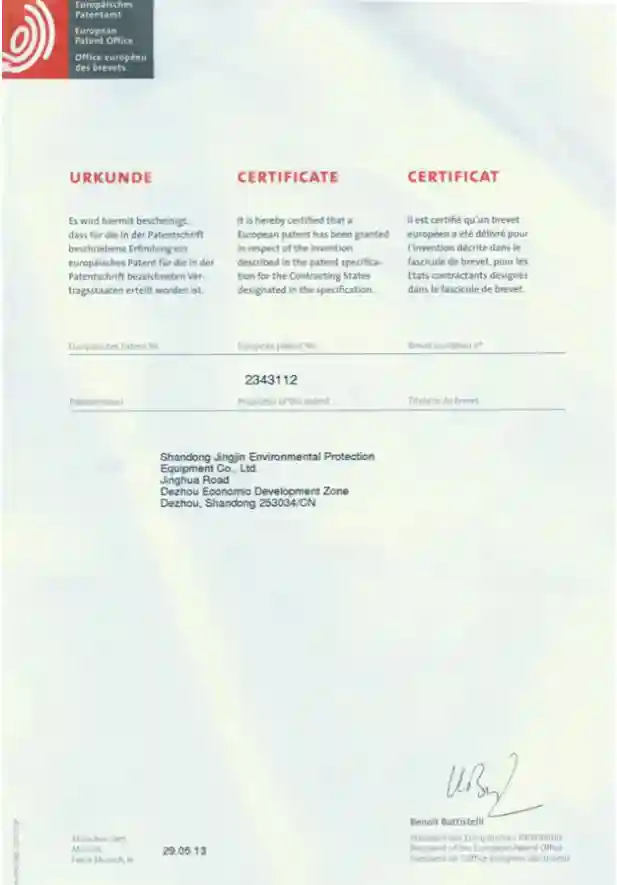
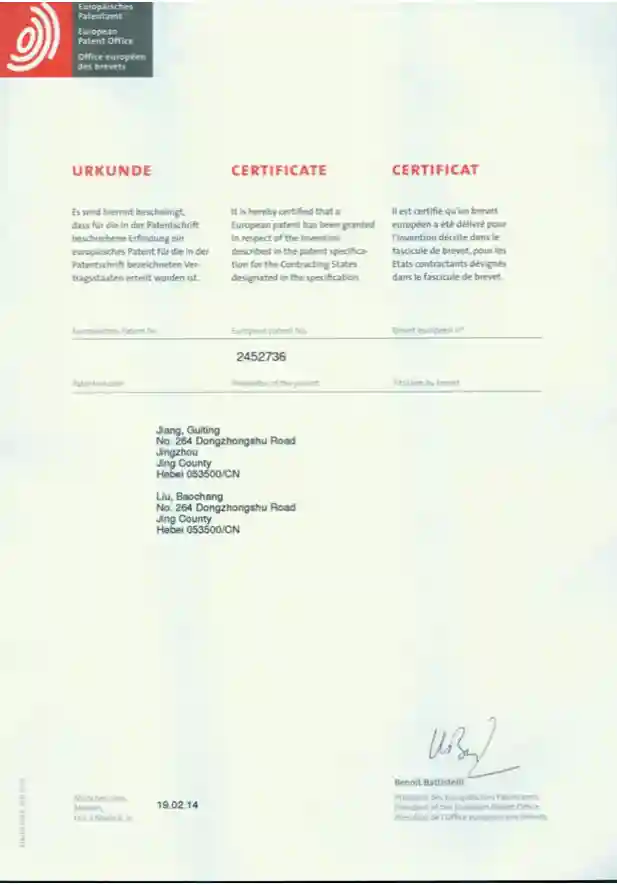
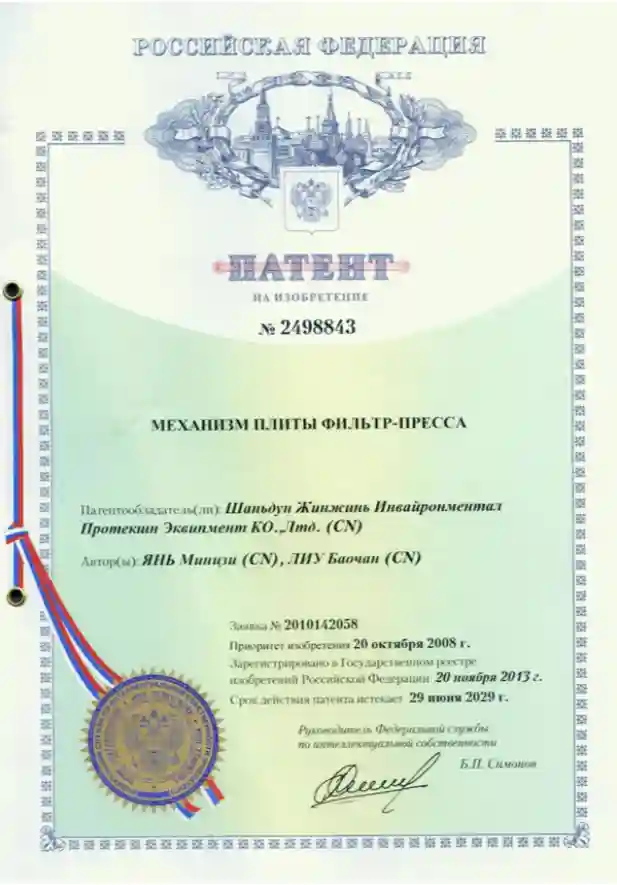
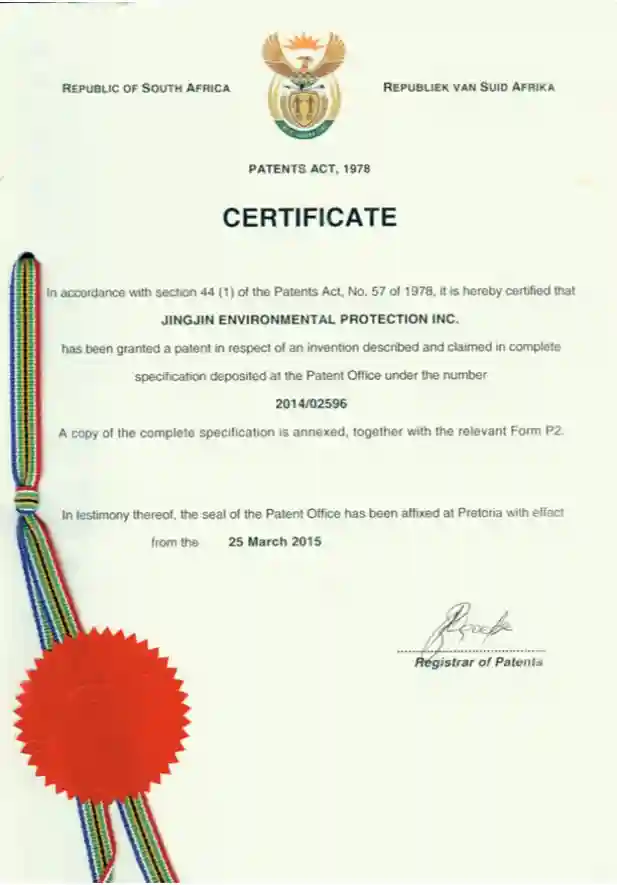
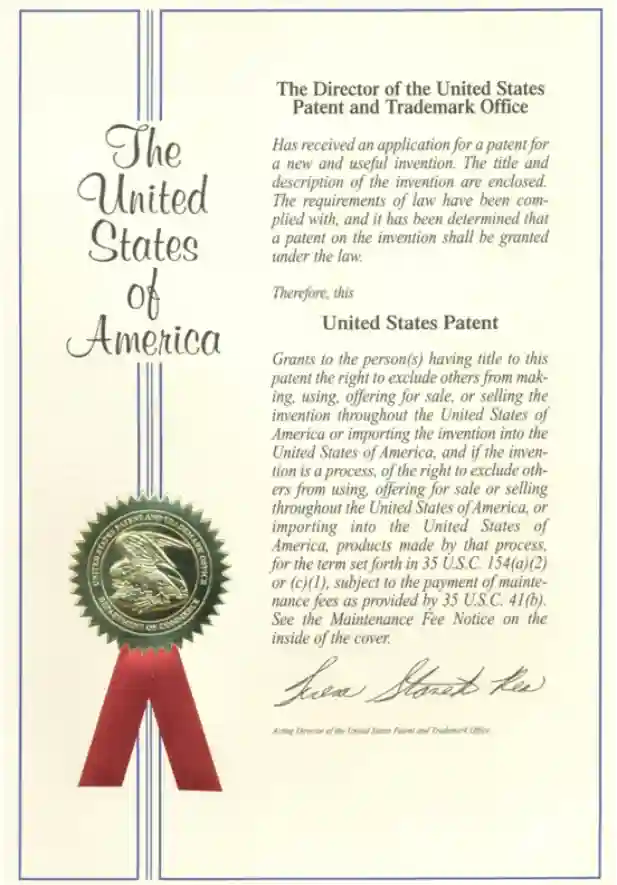
Choosing an automatic filter press provider involves more than comparing data sheets. Established makers have decades of experience with a wide range of applications, a large portfolio of patents, and a track record of success in tough industries. This is shown by Jingjin Equipment Inc., which has been helping clients in 123 countries since 1988. They have over 136 patents that protect their own innovations in hydraulic systems, plate design, and computer controls, and they have global service networks that make sure they can help quickly wherever their equipment is used. When looking at a supplier, you should find out how well they can make things and if they can meet the project deadlines, and vertical integration of products like filter cloths and replacement plates, which makes supply lines easier to understand and cuts down on lead times.
Customization Capabilities and After-Sales Commitment
Standard tools don't always work perfectly with a specific process. Leading sellers offer technical customisation, such as changed plate materials for areas with extreme pH, electrical systems that can't explode in dangerous areas, and the ability to connect to existing SCADA infrastructure. After-sales support that includes installation supervision, operator training, and ongoing technical help is what makes the difference between equipment working as designed and becoming an upkeep load. Financial safety comes from warranties that cover hydraulic parts, PLC systems, and structural frames. Uptime is ensured by recorded service response times and spare parts availability. These promises should be made clear in contracts for buying things, with performance guarantees based on measurable results like cake wetness and cycle time.
Practical Steps to Maximize Savings and Efficiency with Full Automation
To get the most out of automatic filtering, you need to plan ahead, operate it correctly, and be dedicated to always making it better. When businesses approach technology carefully, they get faster payback and a long-term competitive edge.
Infrastructure Preparation and Installation Planning
Automation that works well for an automatic filter press starts before the equipment gets there. Sites need to have enough electricity for hydraulic power units and PLC systems, support structures for frame loads, and enough space for automatic plate shifters to work. Layouts for pipes should keep pressure drops to a minimum and allow for variable feed routes. To avoid spills, exit chutes should line up with conveyors or bins. Having experienced techs coordinate the installation makes sure that all of the important parts are lined up correctly. For example, laser-aligned plate moving mechanisms stop uneven wear and increase service life. Setting aside time for plant acceptance testing and site setup makes sure that systems meet the requirements before they are used on a large scale.
Operator Training and Skill Development
Automation changes the job of operators from doing physical work to overseeing the process and finding and fixing problems. Good training programs teach how to use the PLC interface, understand sensor data, and follow the right steps when an alarm goes off. To make smart changes, operators need to know the basics of filtering, like how the features of the slurry affect cycle times, why cloth permeability is important, and how membrane squeezing affects cake moisture. Using simulated problems and real equipment in hands-on troubleshooting drills boosts confidence and cuts down on downtime during real incidents. Employees stay up to date on software updates and best practices by taking refresher classes and workshops led by the software maker.
Leveraging Data Analytics for Continuous Improvement
Modern automated systems produce large amounts of data, such as cycle times, filtering pressures, cake thicknesses, and the amount of energy used for each run. By collecting and analysing this data, optimisation opportunities that operators who are focused on day-to-day output would miss become clear. Trend analysis shows that slow cloth blindness makes cycle times longer, which means that media needs to be replaced before they wear out. Patterns of energy use show inefficient processes that can be fixed by changing the PLC. Industry 4.0 projects, like digital twins that model process changes before they are put into action, speed up the process of growth and cut down on the need for trial-and-error testing. Facilities that make decisions based on data see performance gains that build over time, giving them a bigger business edge over rivals who rely on gut feelings.
Conclusion
Solid-liquid separation used to be a labor-intensive and error-prone process, but when filter press lines are fully automated, it becomes an exact, cost-effective process. The measured savings, like 40–60% less labor, 15–25% less energy use, and 50% fewer unplanned repair events, quickly pay for the investment in capital while also making the product better and the workplace safer. Automatic filter systems give businesses the dependability and speed they need to stay competitive in a world where environmental rules are getting stricter, disposal costs are going up, and workers are hard to find. Getting the right tools and provider, planning the infrastructure carefully, and committing to constant growth are all things that can be done to make sure that automation keeps giving value for a long time.
FAQ
Q1: How much will my labor costs go down if I move to a fully automatic filter press?
Automation usually cuts down on direct labor by 50–70% because PLC-controlled systems do things like moving plates, releasing cakes, and washing cloths without any help from a person. Actual savings depend on the amount of work that needs to be done and how the shifts are set up, but sites that handle 20 to 50 tonnes of material every day often move two or three workers to more important tasks. Indirect savings from fewer accident claims and lower training costs make the financial benefits even bigger.
Q2: What kinds of upkeep jobs are easier to do with an automatic filter press?
Automatic checks keep an eye on hydraulic pressure, the breathability of the cloth, and the time of the cycles. They send out warnings before problems happen. This changes maintenance from fixing things when they break down in an emergency to doing things on a regular basis during planned downtime. Failure-safe procedures and redundant sensors keep equipment from getting damaged during breakdowns, which saves money on repairs and extends the life of parts.
Q3: How do I pick the best automated company for my business?
Give more weight to providers who have a lot of knowledge with applications in your field, strong global support networks, and a history of long-term equipment reliability. Patent portfolios and specialised papers should be looked at as signs of innovation. Before you spend a lot of money on capital equipment, ask for pilot tests with your real slurries to make sure that the performance claims are true.
Partner with Jingjin for Advanced Automated Filtration Solutions
Jingjin Equipment Inc. plans and builds automatic filter press systems that are the best in their field. These systems save time, money, and effort in sewer, chemical, pharmaceutical, and mining settings. Jingjin has over 136 patents, factories that serve 123 countries, and a full ecosystem of filter plates, cloths, and refills. This gives demanding industrial operations the technical depth and global support infrastructure they need. Our tech teams work closely with clients to make sure that configurations are perfect for their specific process problems and will continue to work well for a long time. Jingjin has the knowledge and dependability to change your solid-liquid separation processes, whether you are looking at your first automated system or updating old equipment. You can talk to our technical experts about your project needs by emailing [email protected]. You can also ask for a full quote or set up pilot tests to make sure the equipment works with your real slurries. Find out why the most important filtration processes used by top automatic filter press providers are powered by Jingjin technology.
References
1. Smith, R. and Johnson, L. (2021). Industrial Filtration Technology: Advances in Automated Solid-Liquid Separation Systems. McGraw-Hill Professional Engineering.
2. Chen, Y., Wang, H., and Martinez, J. (2020). "Energy Efficiency Analysis of Automated Filter Press Systems in Municipal Wastewater Treatment," Journal of Environmental Engineering, vol. 146, no. 8, pp. 04020089.
3. Thompson, K. (2022). Procurement Strategies for Process Equipment: A Guide for Chemical and Mining Industries. Butterworth-Heinemann Technical Publications.
4. Industrial Filtration Association (2023). Best Practices for Automated Dewatering Equipment: Maintenance and Optimization Guidelines. IFA Technical Report Series, volume 12.
5. Anderson, P. and Kumar, S. (2019). "Comparative Life Cycle Cost Analysis of Filtration Technologies for Mineral Processing Applications," Minerals Engineering, vol. 134, pp. 298-307.
6. Zhao, X., Mitchell, D., and Petersen, E. (2021). Solid-Liquid Separation Equipment: Selection, Specification, and Performance Optimization. Wiley Process Engineering Series.
jingjin
Founded in 1988, Jingjin specializes in filter presses and liquid-solid separation solutions, serving over 130 countries worldwide, and is a standard-setter in China's filter press industry.
Get the Filter Press guide
Enter Your Email for Technical assistance for the Filter Press.

Recommended Blog
China Multi Disk Screw Press Buying Guide for International Buyers
2026-06-08 12:28:31
Expansion Tank vs Pressure Tank: Which One Should You Choose?
2026-06-27 21:27:40
Filter Press Solutions for India Pharmaceutical Plants from China
2025-12-23 10:26:40
Cutting Sludge Disposal Volume by 60% With the Right Filter Press Setup
2026-07-21 17:29:30
Top Maintenance Tips for Prolonging the Life of Your Industrial Filter Press
2025-12-22 10:55:35