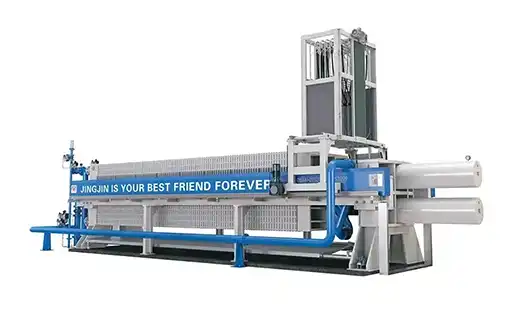
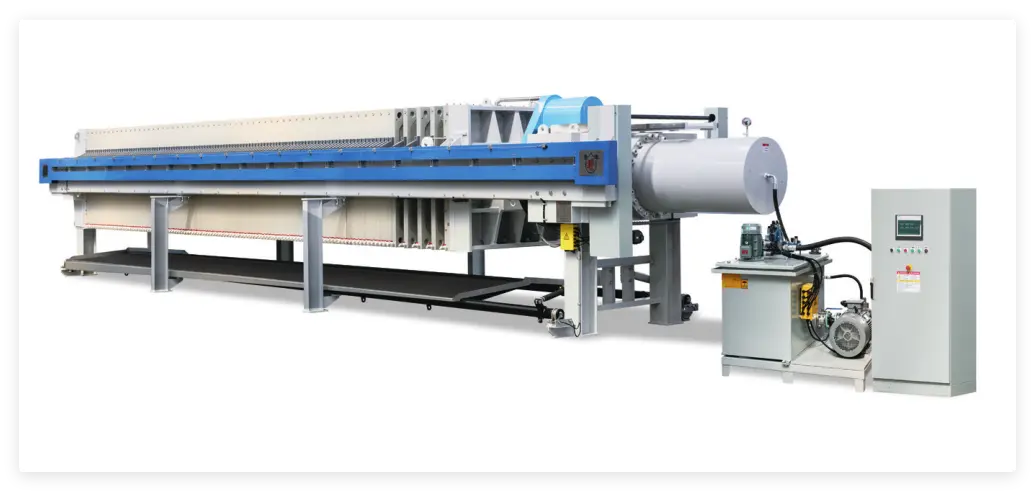
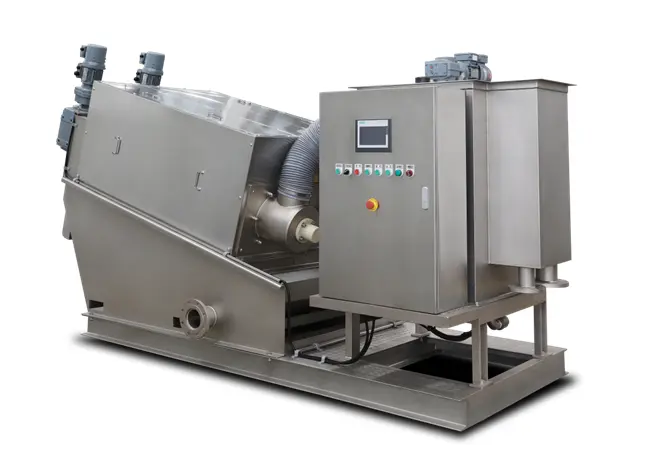
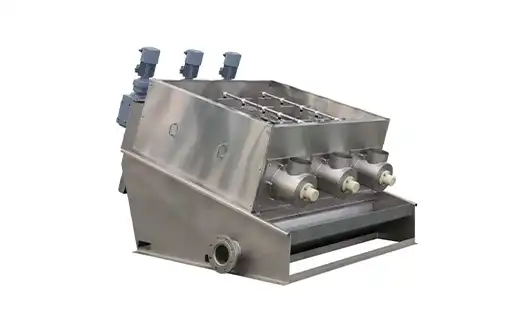
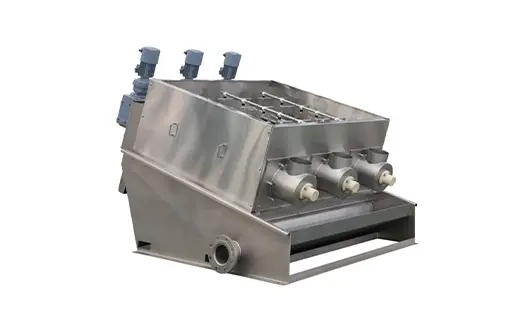
The multi-disk screw press sludge dewatering machine is a new technology that has greatly improved the way we treat industrial wastewater. It separates materials more efficiently and lowers the cost of doing business. These high-tech systems use several intermeshing screws with disks that are carefully designed to get amazing solid-liquid separation. They usually get more than 30% to 40% dryness in the cake and use a lot less energy than old-fashioned centrifuges or belt presses. They're great for a wide range of industry uses because they're small and can be controlled.
Introduction
As environmental rules get tougher and the cost of doing business rises, treating industrial pollution is becoming more difficult. People who work as process engineers and building managers have a hard time with sludge that isn't drained properly, high costs for getting rid of it, and problems taking care of tools that mess up the plans for production. Multi-screw sludge press machines have come up as a game-changing answer to these problems with their advanced mechanical drying technology.
These new machines use improved multi-disk filter systems and the stability of old screw presses to make a strong tool for separating solids from liquids. Multi-screw systems, unlike traditional dewatering tools, can run with little oversight on a constant basis. This saves money on labor costs and ensures that performance is uniform across a range of sludge types and amounts.
Understanding Multi-Screw Sludge Press Technology
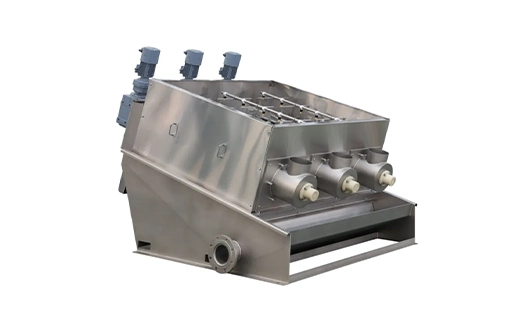
Multi-disk screw press sludge dewatering machines are a big step forward in draining technology. They use a complex setup of intermeshing screws that work inside specially designed press chambers. This setup uses controlled mechanical pressure and improved shear forces to get water out of sludge in a very efficient way.
Core Technology Components
The new way of designing technology makes it very different from standard belt presses and centrifuges. Key parts are several screw shafts that move in sync, motor drives that are made with precision to make sure that power delivery is always the same, and specialty press chambers that are perfect for continuous flow without stopping.
Key practical factors show that this technology is better than others. Capacity values usually fall between 5 and 50 cubic meters per hour, based on the purpose needs. The grain content of the cake is usually between 35% and 45%, which is much higher than the 20% to 25% that traditional methods achieve. This makes the cake drier than the industry norm. The flexible design that is easy to maintain lets you quickly change parts and lowers total downtime.
Scientific Principles Behind Enhanced Performance
The multi-disc screw setup creates steady shear and compression forces during the whole draining process. Using this method based on science makes it easier to get more solids and a drier cake, which lowers the amount of sludge by 60–80% compared to not treating the material at all. Better performance means it is cheaper to dispose of the materials, and it is easier to follow environmental rules.
Top Benefits of Multi-Screw Sludge Press Machines in Industrial Wastewater Treatment
Today’s buildings need drainage systems that are effective, efficient, and affordable. Multi-disk screw press sludge dewatering machines are fully beneficial and help with the most important problems that come up in the cleaning of industrial wastewater.
Enhanced Dewatering Efficiency and Cost Reduction
These systems remove water much more quickly than single-screw or belt presses. They can process larger amounts of material while getting more solids in the cake. Better performance means that sludge dumping amounts are directly lowered by up to 70%, which saves a lot of money for places that deal with a lot of organic and chemical waste.
Another big benefit is how much energy it uses; multi-screw systems need 40% to 60% less power than similar centrifuges or filter presses. This lowering makes them a cost-effective choice that lowers running costs over time with the right tools.
Operational Reliability and Versatility
The strong mechanical design lets these machines deal with all sorts of sludge, from city sewage to heavy-duty industry waste like chemicals, food making, and pharmaceuticals. This adaptability guarantees a long working life even when the conditions are difficult and the feed regularity and makeup change.
The dependability of your equipment has a direct effect on your ability to keep making products. Multi-screw presses are great in this area because they have a simple mechanical design and tracking systems that do the work for you. With the right care, facilities can say that over 95% of the time they are working, which greatly lowers the amount of time that production has to stop.
Environmental Compliance and Sustainability
It gets easier to follow environmental rules when sludge trash is kept to a minimum and resource recovery is better. These presses help the cycle economy by getting back as much water as possible and making concentrated garbage streams that can be used to make land better or for energy recovery.
Another big benefit is that maintenance is easier because movable parts make it simple to get to the system for regular service. Responsive maker support keeps equipment running smoothly during its entire working life. It also reduces downtime and lifecycle costs.
Comparing Multi-Screw Sludge Press Machines with Alternative Dewatering Technologies
When procurement choices are made, all of the different draining technologies that are out there have to be carefully looked at in order to find the best ones for each business application. When you compare multi-screw presses to other systems, they show unique benefits in a range of performance areas.
Performance Advantages Over Traditional Systems
When looking at sludge dehydration technologies, multi-screw presses show more benefits than single-screw presses, such as 25–40% higher output and better cake dryness because of their better multi-screw setup and better compression zones.
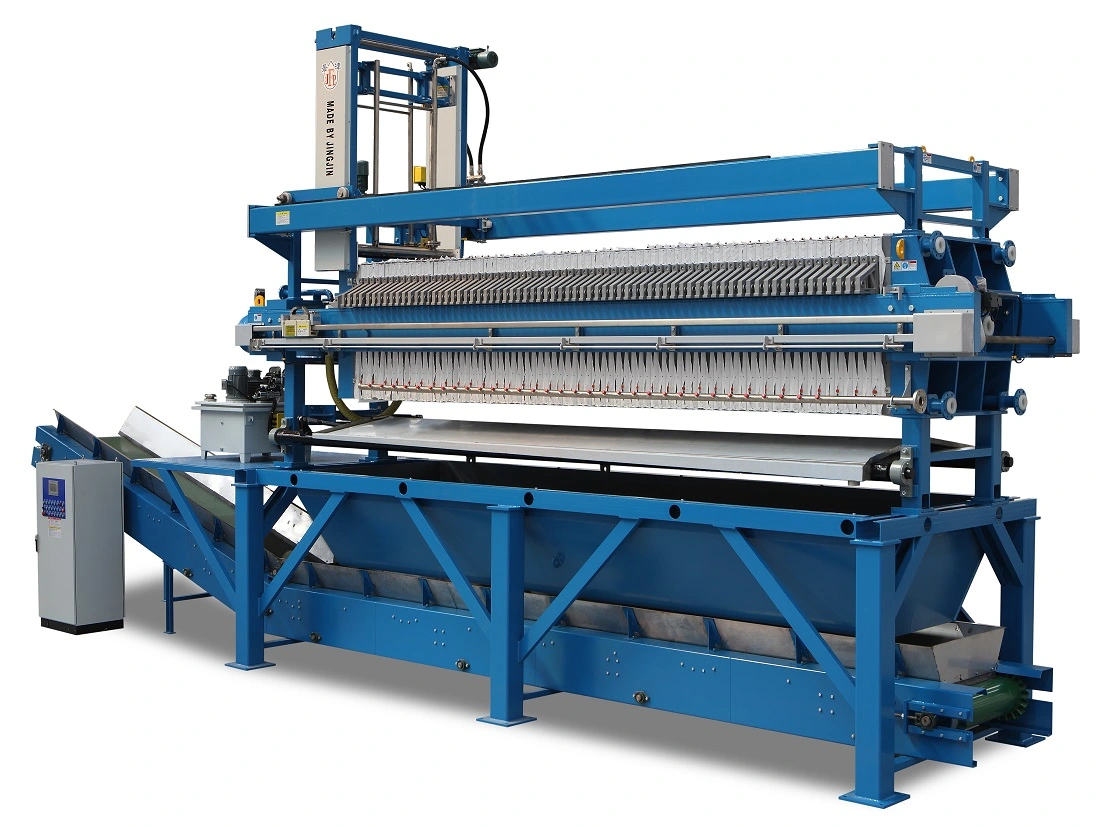
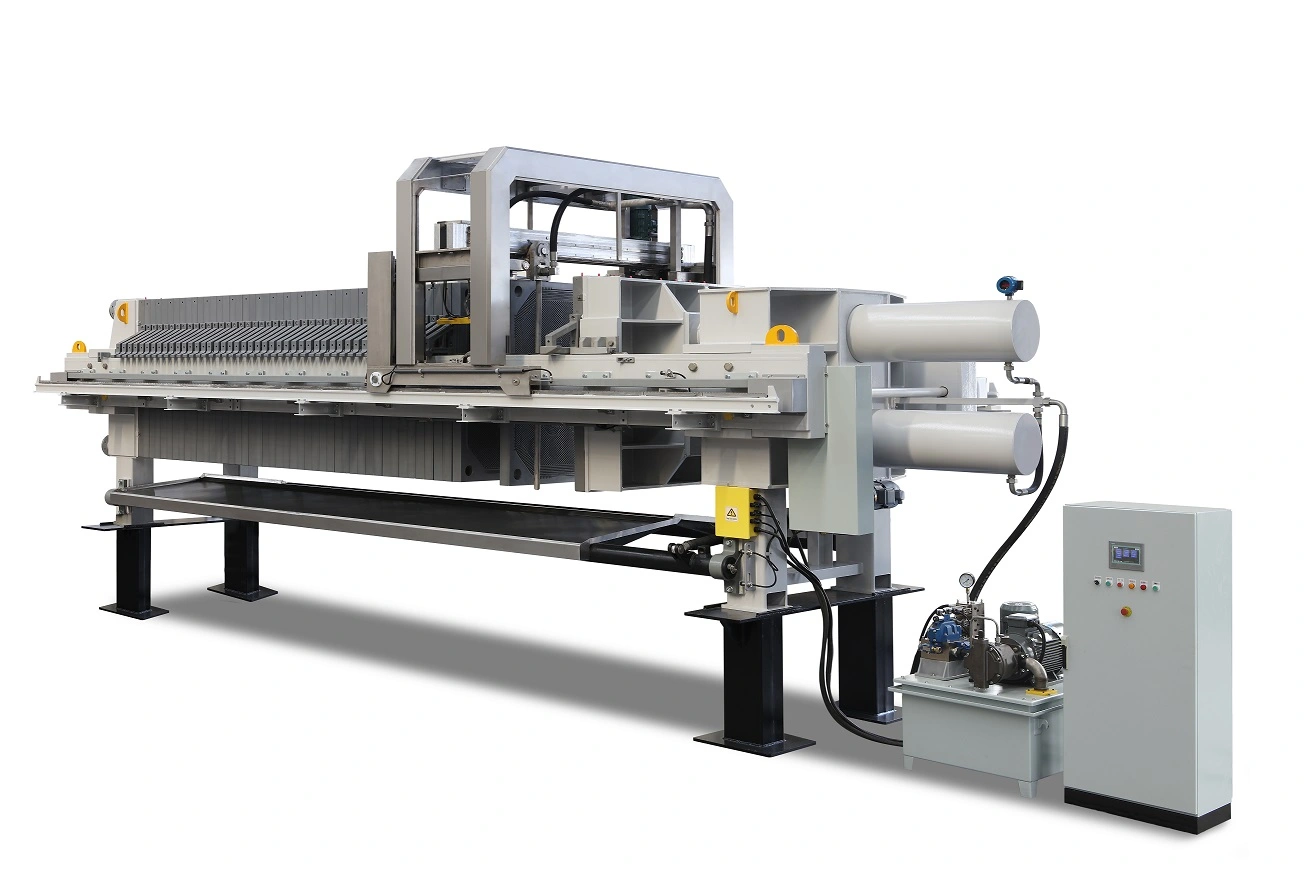
Multi-screw systems need 50% to 70% less floor space than filter and belt presses. They are also easier to operate and cheaper over their lifetime because they need less upkeep and use less energy. Space economy is especially useful in places that can't be expanded.
Energy and Operational Efficiency Comparisons
When compared to centrifuges and rotating drum filters, energy economy studies show very clear benefits. Multi-disk screw press sludge dewatering machines need a lot less energy and handle sludge better when feed conditions and makeup change.
There are many things that affect the choice of technology, such as the type of sludge, the amount of cleaning needed, the budget, and the upkeep that can already be done. This comparison information helps people make smart buying decisions to find the best technology for specific industrial wastewater problems and limitations in the way they do business.
Practical Insights: Maintenance, Troubleshooting, and Energy Efficiency
People who want to use multi-screw sludge presses successfully need to know how to take care of them, how to fix common problems, and how to make them use the least amount of energy possible.
Maintenance Requirements and Best Practices
Regular maintenance and quick troubleshooting are important for keeping things running smoothly. As part of the routine check plan, regular cleaning methods are used to focus on critical parts that are prone to wear, like screw flights, bearing assemblies, and sealing systems. This stops material from building up and causing clogging issues.
Operators benefit from keeping an eye on the uniformity of the feed to avoid a drop in performance caused by changes in the material or pollution. Proper training helps people spot problems early on before they affect production or lead to emergency fixes.
Troubleshooting and Optimization Strategies
Material clogs and uneven sludge feed distribution are common operating problems that can be avoided with planned preventive repair and training for operators. Advanced detection systems let you see how well something is working and get alerts in real time so that maintenance can be scheduled ahead of time.
To get the most out of energy efficiency, you need to follow the steps for running a business properly. This includes making sure feed rates are optimized, material cleaning is done correctly, and the business is able to work with advanced automation systems. These combined steps make machines more reliable, lower the cost of doing business, and extend the life of equipment. All of these are important for the ongoing cleaning of industrial wastewater.
Application Areas and Procurement Considerations for Multi-Screw Sludge Presses
Multi-screw sludge presses are very useful in many areas of industry, so they can be used in a lot of different wastewater treatment situations.
Industrial Applications and Market Sectors
These systems are used a lot in local wastewater treatment plants, food and drink preparation plants, chemical making plants, and the pulp and paper industries. This shows that they can handle different kinds of sludge and processing amounts while keeping the same level of performance.
Multi-screw systems are built strong and can handle high pressure, which is especially helpful for mining and material handling. Chemical and drug companies value the corrosion-resistant materials and customization choices that are available for specialized uses that need certain material compatibility.
Procurement Strategy and Supplier Evaluation
A successful purchase of multi-disk screw press sludge dewatering machines requires careful thought about many things, such as the price, delivery time, available customization options like rust-resistant materials or advanced automation packages, and warranty terms that protect against operational risks.
When evaluating suppliers, technical certifications, after-sales support skills, and experience servicing large-scale corporate clients must be closely examined. A thorough seller evaluation helps procurement managers find dependable, affordable sludge filtration options that are in line with project schedules, performance goals, and safety needs.
Conclusion
Multi-disk screw press sludge dewatering machines are the future of treating wastewater from factories. They dewater much more efficiently, lower the cost of doing business, and are better at following environmental rules. Their advanced, reliable, and energy-efficient technology is perfect for organizations that want to improve their trash management systems while meeting rules that are becoming stricter. Multi-screw systems are a smart buy for companies that want to be environmentally friendly and committed to organizational success because they save space, are easy to maintain, and can be used in many different ways.
Frequently Asked Questions
Q1: How does a multi-screw sludge press improve sludge dewatering compared to traditional methods?
A: Multi-screw presses enhance dewatering through continuous application of mechanical pressure and optimized shear forces via multiple intermeshing screws. This technology increases solids capture efficiency and produces significantly drier cake with 30-45% solids content compared to 20-25% from traditional systems, resulting in reduced disposal volumes and associated costs.
Q2: What maintenance routines are essential to keep the multi-screw press running efficiently?
A: Essential maintenance includes regular inspection and replacement of wear parts such as screw flights and bearings, systematic cleaning of press chambers to prevent material buildup, proper lubrication of mechanical components, and continuous monitoring of feed consistency to prevent overload conditions and performance degradation.
Q3: Can multi-screw sludge presses handle sludge from different industrial sources?
A: Multi-screw presses excel at handling diverse sludge types through their robust design and adjustable operating parameters. They effectively process materials ranging from municipal wastewater to complex industrial sludges, including food processing waste, chemical effluents, pharmaceutical residues, and mining tailings with varying viscosities and solid concentrations.
Partner with Jingjin for Advanced Multi-Disk Screw Press Sludge Dewatering Solutions
Jingjin Equipment Inc. is a world leader in sludge removal technology, with more than 35 years of experience making high-quality products and inventing new technologies. Our Multi Disk Screw Press Sludge Dewatering Machine systems use patented technology and careful engineering to work great in a wide range of industries. Because customers trust us as a multi-disk screw press sludge dewatering machine provider, we offer a wide range of services. These include special building, installation help, and ongoing technical support, all made possible by our extensive global network. We've worked with clients in 123 countries, which shows our dedication to excellent service and customer success. If you want to talk about your unique dewatering needs and how our state-of-the-art systems can help you save money and protect the environment while improving your wastewater treatment processes, email us at [email protected]. Contact us today!
References
1. Chen, L., & Wang, M. (2023). "Advanced Sludge Dewatering Technologies in Industrial Wastewater Treatment: Performance Evaluation and Cost Analysis." Journal of Environmental Engineering, 149(8), 04023045.
2. Rodriguez, A., Thompson, K., & Miller, J. (2022). "Comparative Study of Multi-Screw Press Technology for Municipal and Industrial Sludge Processing." Water Science and Technology, 86(4), 892-906.
3. Park, S., Kim, H., & Lee, D. (2023). "Energy Efficiency and Operational Benefits of Multi-Disk Screw Presses in Wastewater Treatment Facilities." Environmental Technology, 44(12), 1789-1802.
4. Anderson, R., & Davies, P. (2022). "Multi-Screw Sludge Dewatering Systems: Design Optimization and Performance Enhancement Strategies." Water Research, 208, 117856.
5. Liu, Q., Zhang, W., & Brown, T. (2023). "Environmental Impact Assessment of Advanced Sludge Dewatering Technologies in Industrial Applications." Journal of Cleaner Production, 387, 135842.
6. Wilson, C., Martinez, E., & Johnson, B. (2022). "Maintenance Optimization and Lifecycle Cost Analysis of Multi-Screw Press Systems for Industrial Wastewater Treatment." Process Safety and Environmental Protection, 164, 425-439.