Regular Inspection and Cleaning: The Foundation of Filter Press Longevity
One of the most crucial aspects of filter press maintenance is regular inspection and cleaning. This proactive approach can prevent many common issues before they escalate into costly problems.
Visual Inspections
Every day, look over your filter press with your eyes. On the filter plates, frames, and cloths, look for signs of damage, wear, or. Pay close attention to areas that seal, because even small flaws can cause leaks and less efficiency. Finding these problems early on can keep you from having to pay a lot for fixes when they happen.
Thorough Cleaning Routines
Set up a strict cleaning arrange for your channel press. Clean the channel cloths and plates of any cake, and clean those that have built up after each filtration run. Depending on what you require to clean, utilize the right strategy. This may cruel high-pressure washing, chemical cleaning, or cleaning by hand. Cleaning the channel media routinely, not as it were keeps it working well, but it also makes it final longer and keeps contamination from spreading between batches.
Plate and Frame Maintenance
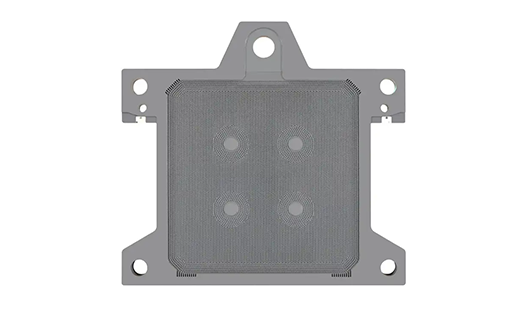
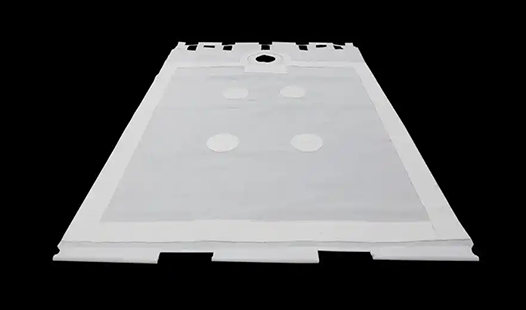
Regularly check and clean the filter plates and frames. Check the surface for damage like cracks, bending, or surface damage that could make closing harder. Clean the grooves and passageways to make sure water flows freely and keep them from getting clogged. For metal plates, keep an eye out for rust signs and fix them right away to stop the damage from getting worse.
Optimizing Filter Cloth Care: Maximizing Efficiency and Longevity
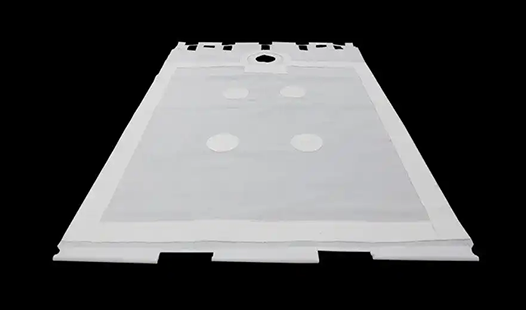
Filter presses are the most important part of your filter press system because they have a direct effect on how well and how well the filters work. Taking good care of these important parts can make them last much longer and make the press work better overall.
Proper Installation and Tensioning
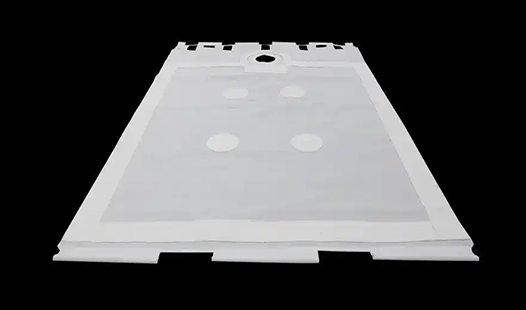
Make beyond any doubt that the channel cloths are fitted and fixed appropriately. Introducing something erroneously can cause it to wear out or tear rapidly, or it may not channel well. Follow the manufacturer's enlightening for tensioning, and check the pressure of the cloth frequently to keep it working at its best.
Rotation and Replacement Schedule
Set up a normal arrangement for turning channel cloths so that they wear out equally. By doing this, you can make your channel media final longer. Moreover, repair arrangements are based on how the machine is utilized and what the manufacturer proposes. Supplanting worn-out dress on time keeps the channel quality steady and stops sudden breakdowns.
Specialized Cleaning Techniques
Develop specialized cleaning procedures for your channel cloths based on the materials being sifted. A few applications may require chemical medications to evacuate persistent buildups, whereas others might benefit from ultrasonic cleaning. Continuously utilize cleaning strategies that are congruous with your cloth fabric to maintain a strategic distance from damage.
Mechanical Components and Hydraulic Systems: Ensuring Smooth Operation
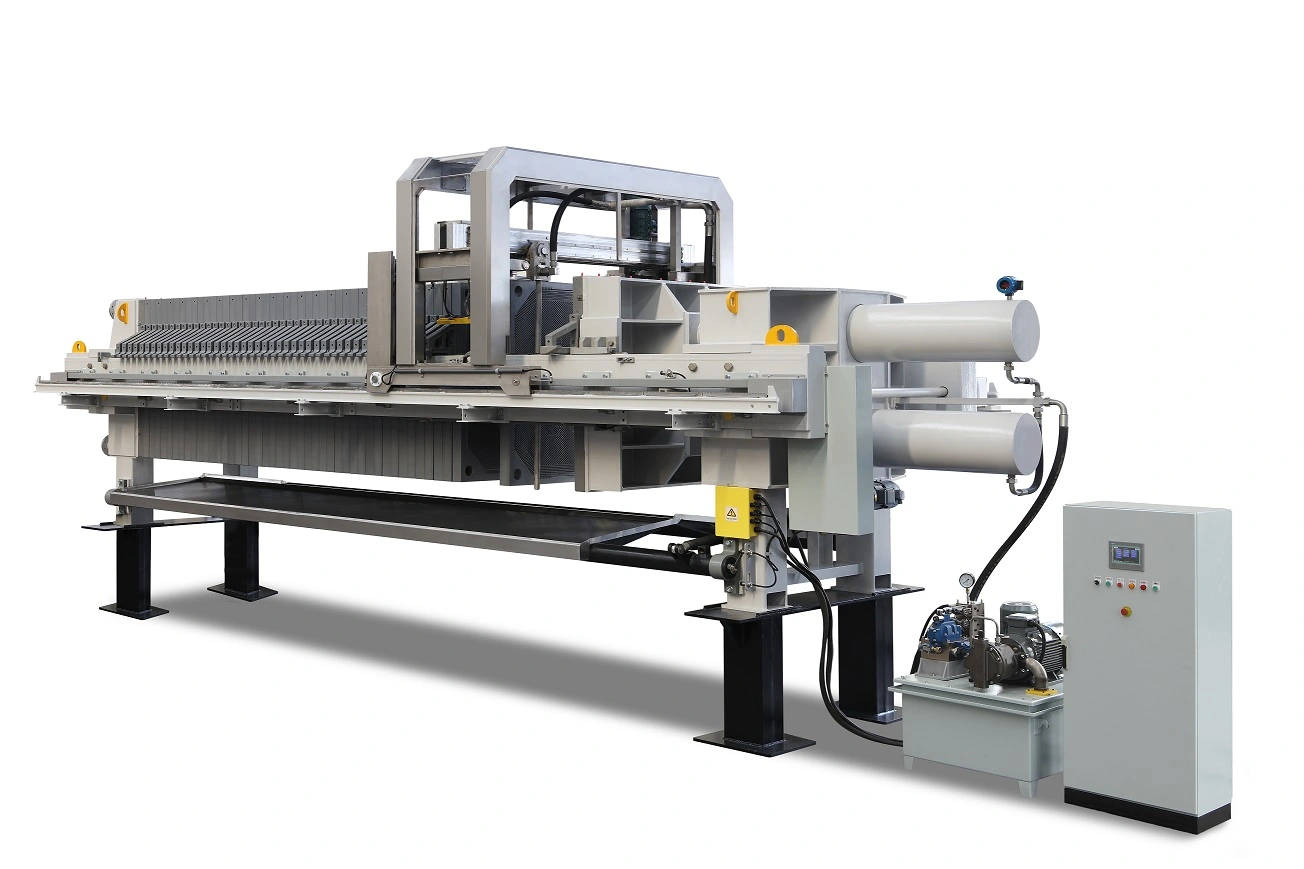
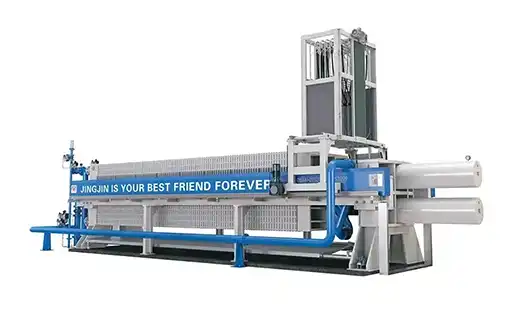
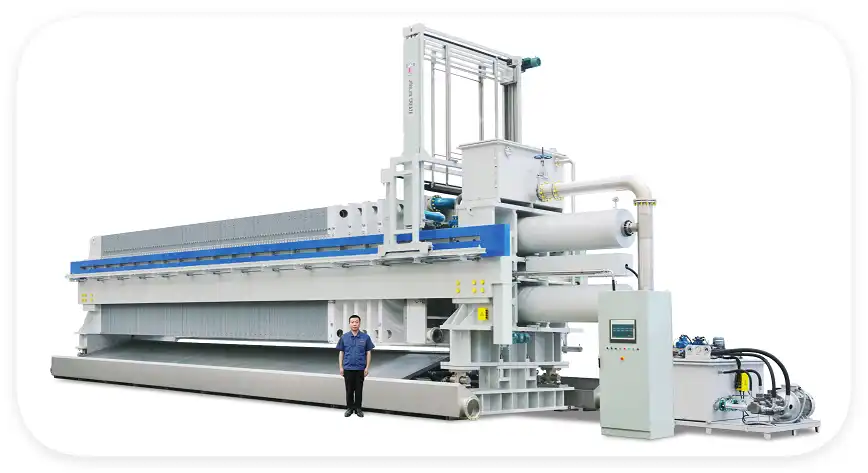
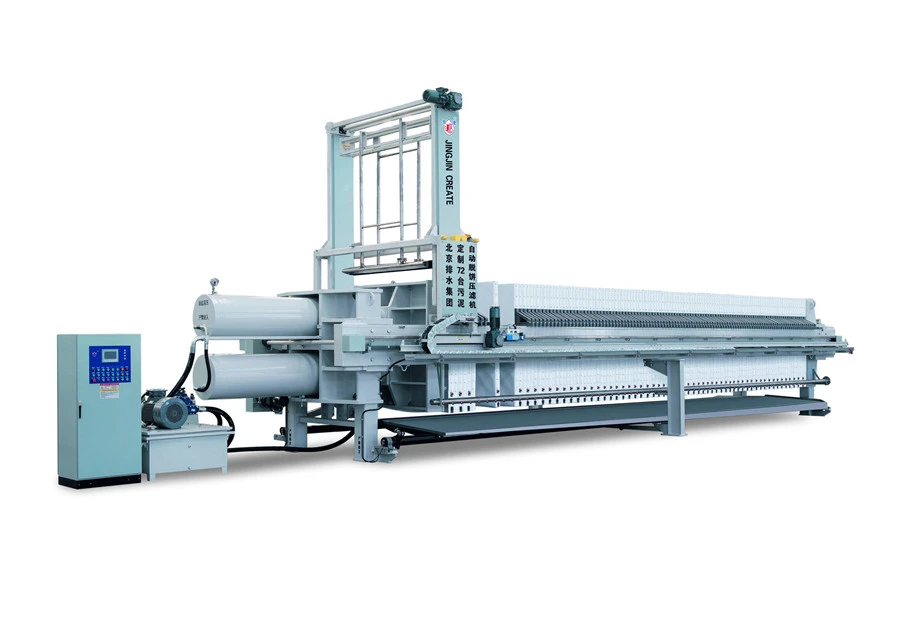
The mechanical and hydraulic components of your industrial filter press are critical for its proper functioning. Regular maintenance of these parts is essential for preventing breakdowns and ensuring consistent performance.
Lubrication and Greasing
Establish a normal grease plan for all moving parts of the channel press. This incorporates water-powered barrels, turn focuses, and any other mechanical components indicated by the producer. Legitimate grease decreases contact, anticipates wear, and guarantees smooth operation of the press.
Hydraulic System Maintenance
Pay close attention to the water-powered framework of your channel press. Frequently check pressure-driven liquid levels and quality, and replace liquids according to the producer's suggestions. Review water-powered hoses and fittings for signs of wear or spillage, and replace them as required to avoid sudden failures.
Pressure and Sealing System Checks
Regularly test and calibrate weight gages to guarantee exact readings. Check fixing frameworks, counting gaskets and O-rings, for signs of wear or harm. Appropriate fixing is significant for maintaining weight and avoiding spills during the filtration process.
Electrical Component Inspection
Don't overlook the electrical components of your filter press. Regularly inspect control panels, wiring, and sensors for signs of wear or damage. Ensure all electrical connections are tight and free from corrosion. Proper maintenance of electrical systems prevents unexpected shutdowns and ensures safe operation.
Preventive Maintenance Schedule
Develop and adhere to a comprehensive preventive maintenance schedule. This should include all aspects of filter press maintenance, from daily checks to annual overhauls. A well-planned maintenance schedule can significantly reduce the risk of unexpected breakdowns and extend the overall lifespan of your equipment.
Training and Documentation
Spend money on giving workers and repair staff the right training. Make sure they know how to operate and maintain the filter press properly. Keep thorough records of all upkeep tasks, such as checks, fixes, and replacements of parts. This paperwork can help you find trends, guess what problems might happen, and improve your repair plan over time.
Monitoring and Data Analysis
Set up a way to keep an eye on your filter press's key success indicators. Some examples of this are cycle times, filter rates, and pressure data. Look over this data on a regular basis to find patterns or outliers that could point to problems that are starting to form. With proactive tracking, you can fix possible issues before they cause tools to break down or make your business less productive.
Spare Parts Management
Keep a stock of the most important extra parts for your filter press. This includes things like filter cloths, gaskets, and hydraulic parts that are often worn out. If these parts are on hand, downtime can be cut down a lot in case something goes wrong. Review and update your extra parts inventory on a regular basis based on how often they are used and what the maker suggests.
Environmental Considerations
Think about the setting where your filter press will be used. Things like weather, humidity, and being near harmful substances can have a big effect on how long something lasts. Protect your filter press from hard weather by giving it enough air flow, keeping the temperature under control, or covering it with protective materials.
Regular Performance Audits
Check your filter press's performance on a regular basis. Compare the current measures of success with data from the past and the manufacturer's instructions. These checks can help find slow drops in efficiency that might not be seen otherwise. The data will help you fine-tune your repair plan and get the most out of your press.
Upgrading and Modernization
Stay informed about technological advancements in filter press design and operation. Consider upgrading older components or systems when newer technologies offer significant improvements in efficiency, reliability, or ease of maintenance. While this may require initial investment, it can lead to long-term savings and improved performance.
Conclusion
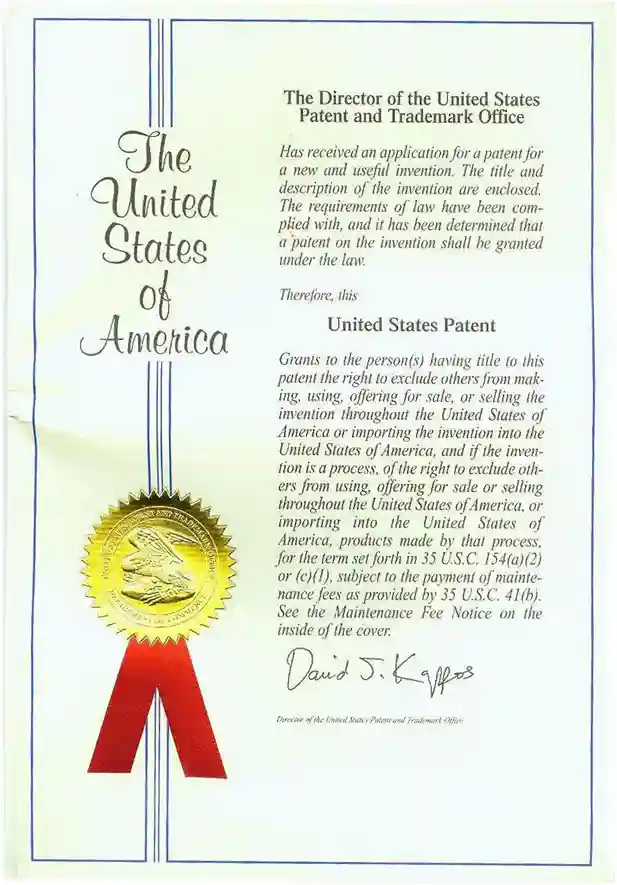
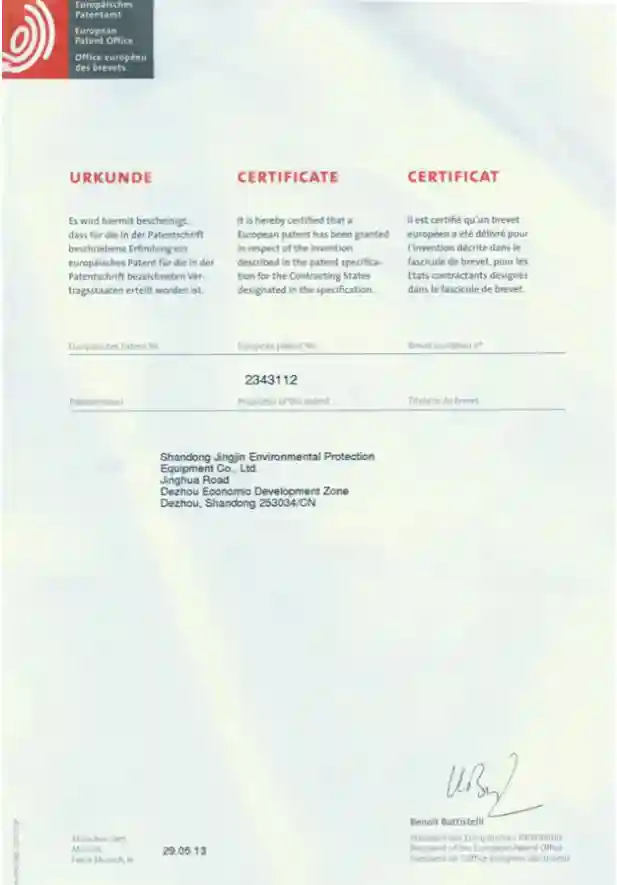
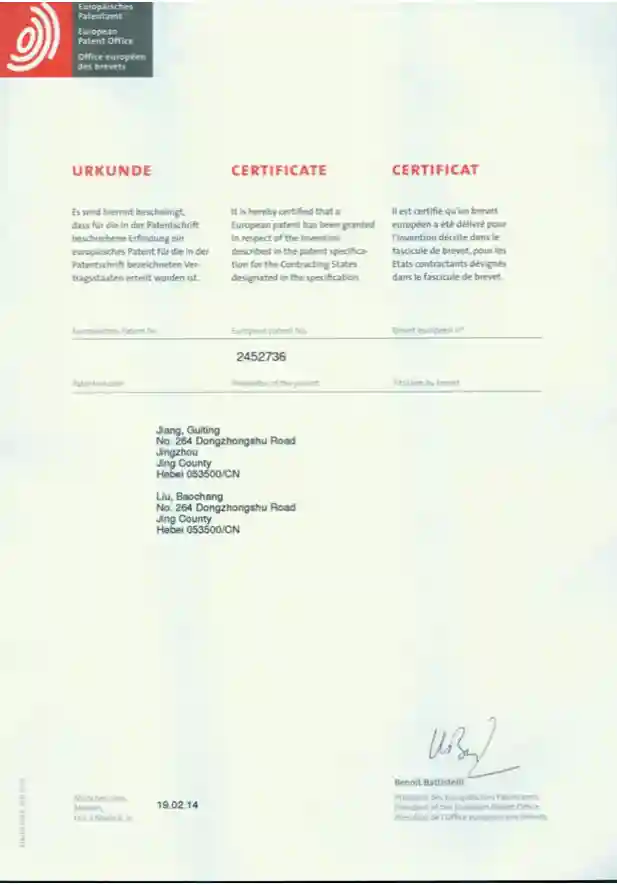
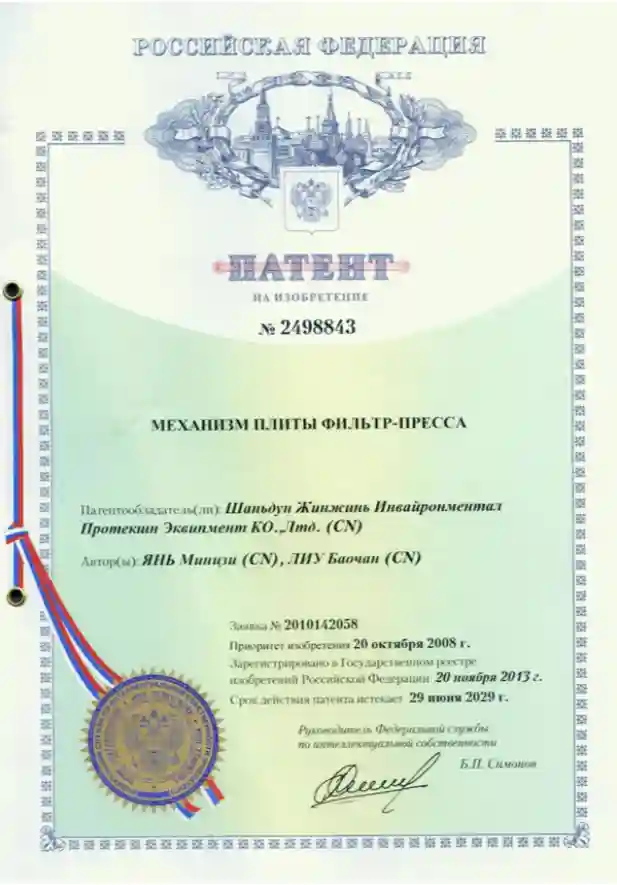
Taking care of a mechanical channel press is a complicated task that requires difficult work, information, and activity. When you follow these intensive care tips, you can make your channel press final a part longer, work way better, and have less costly downtime. Keep in mind that a well-kept channel not as it were works way better, but it also leads to superior product quality, less squander, and superior add up to working proficiency. A well-kept channel press is imperative for keeping up with natural rules and keeping up with yield in numerous areas, from mining and fabric handling to treating rubbish and making chemicals. Investing time and cash in inappropriate repair doesn't guarantee a piece of hardware; it also secures your business's capacity to run effectively and meet environmental benchmarks. Here at Jingjin Hardware Inc., we know how imperative channel presses are to your commerce. With over 136 licenses and a team of experts working with clients in 123 nations, we're committed to giving you not as it were high-quality channel press frameworks but also the data and assistance you require to keep them in great shape. Our group of specialists is continuously prepared to offer assistance to help you discover repair alternatives that are customized to your trade. Do not let upkeep issues halt you from getting things done. Get in touch with Jingjin Gear Inc. right absent to discover more about our total channel press arrangements and how we can offer assistance you make your solid-to-liquid partition forms wetter. We can make beyond any doubt that your channel press works at its best for numerous a long years to come.
FAQs
1. How often should I clean my industrial filter press?
The cleaning frequency depends on your specific application and usage intensity. Generally, a thorough cleaning should be performed after each filtration cycle to remove cake and residue. For more intensive cleaning, such as chemical treatments or deep cleaning of filter cloths, the frequency can range from weekly to monthly, depending on the materials being filtered and operational conditions. It's best to establish a cleaning schedule based on your specific needs and manufacturer recommendations.
2. What are the signs that my filter cloth needs replacement?
Key indicators that your filter cloth may need replacement include:
- Visible wear, tears, or holes in the cloth
- Reduced filtration efficiency or longer cycle times
- Increased pressure drops across the filter
- Difficulty in cake release or cleaning
- Consistent breakthrough of solids in the filtrate. Regular inspections can help you catch these signs early and plan for timely replacements.
3. How can I prevent corrosion in my filter press components?
To prevent corrosion:
- Choose materials appropriate for your process (e.g., stainless steel for corrosive environments)
- Implement regular cleaning and drying procedures - Apply protective coatings where appropriate
- Control environmental factors like humidity and temperature
- Conduct regular inspections to catch and address early signs of corrosion
- Ensure proper storage of the filter press when not in use. Remember, prevention is key in managing corrosion and extending equipment life.
High-Efficiency Industrial Filter Press Solutions | Jingjin
Looking to optimize your solid-liquid separation processes? Jingjin Equipment Inc. offers state-of-the-art filter press solutions tailored to your specific industry needs. With our extensive experience and global presence, we provide not just equipment but comprehensive support to ensure your filtration systems operate at peak efficiency.
From mining and wastewater treatment to chemical processing and beyond, our filter presses are designed to deliver superior performance and longevity. Let our team of experts help you select the perfect filtration solution for your operation.
Ready to elevate your filtration processes? Contact us today at [email protected] to discuss your needs and discover how Jingjin can help you achieve optimal solid-liquid separation efficiency.
References
1. Smith, J. (2023). "Advanced Maintenance Strategies for Industrial Filter Presses." Journal of Industrial Filtration, 45(2), 112-128.
2. Johnson, A., & Brown, M. (2022). "Optimizing Filter Cloth Lifespan in High-Pressure Applications." Chemical Engineering Progress, 118(9), 45-52.
3. Environmental Protection Agency. (2021). "Best Practices for Wastewater Treatment Equipment Maintenance." EPA Technical Guide 2021-03.
4. Zhang, L., et al. (2023). "Corrosion Prevention in Industrial Filtration Systems: A Comprehensive Review." Corrosion Science, 197, 110154.
5. Miller, R. (2022). "Predictive Maintenance Techniques for Filter Press Systems." Mining Engineering, 74(8), 42-48.
6. International Filtration Society. (2023). "Global Survey on Industrial Filter Press Maintenance Practices." IFS Annual Report 2023.