Expansion Tank vs Pressure Tank: Which One Should You Choose?
Introduction
- Introduction
- Understanding Expansion Tanks and Pressure Tanks
- Key Differences Between Expansion Tanks and Pressure Tanks
- How to Choose the Right Tank for Your Industrial Needs
- Advantages of High Pressure Tanks Over Expansion Tanks in Industrial Settings
- Procurement Considerations for Industrial Buyers
- Conclusion
- FAQ
- Optimize Solid-Liquid Separation with Jingjin High-Performance Filtration Systems
- References
When looking at tank options for industrial processes, the needs of your system will determine whether you choose growth tanks, pressure tanks, or even high pressure tanks. In closed-loop systems, expansion tanks take in thermal expansion. This keeps heating or cooling lines from being damaged by too much pressure. Pressure tanks, especially high-pressure ones, keep the system pressure steady and store liquids or gases that are squeezed at high pressures, usually between 200 and 700 bar. Knowing these differences will help you choose equipment that meets safety standards, minimizes downtime, and meets compliance requirements without sacrificing speed in industries like mining, chemical processing, and wastewater treatment.
Introduction
Selecting the proper tank technology affects how effectively operations, equipment life, and regulations are followed in material processing, waste treatment, and chemical manufacture. Pressure and expansion tanks perform varied but vital functions in fluid and gas systems. Expansion tanks usually limit volume changes with temperature. This protects pipelines and equipment from overpressure. Pressure tanks, especially big ones, maintain system pressure and safely hold compressed liquids and gases.
Procurement managers, process engineers, and plant operations directors are under increasing pressure to balance capital investment, safety, and lifetime cost. If you pick the wrong tanks, you may have to maintain them, not satisfy ASME or ISO requirements, and have unscheduled downtime, which hurts earnings and output. Decision-makers may ensure their procurement plans meet operational goals and regulatory requirements by understanding how these tank types function, what materials they are composed of, and where they are utilized.
Understanding Expansion Tanks and Pressure Tanks
Precise pressure control is needed for industrial fluid systems to stay stable and avoid catastrophic failure. Both expansion tanks and pressure tanks are very important, but they are designed and used in very different ways.
What Are Expansion Tanks?
In closed-loop systems, expansion tanks take in the extra fluid volume as the fluid heats up. This keeps the pressure from building up too much. These tanks have a movable diaphragm or bladder that keeps the air cushion separate from the system fluid. They are often used in HVAC circuits, hot water systems, and process cooling loops. When the temperature of the fluid rises, it expands. To accommodate this, the diaphragm squeezes the air side, which keeps the system pressure safe. Steel, stainless steel, or composite metals that don't rust and last a long time in moderate-pressure settings are common building elements.
What Are Pressure Tanks?
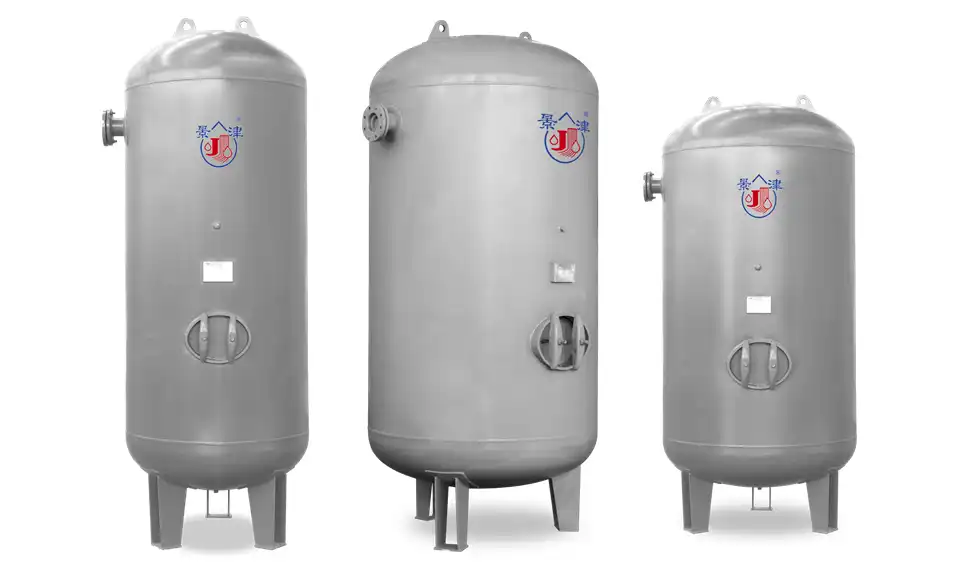
Pressure tanks keep the system's pressure steady and store gases or fluids that are squeezed to certain levels. In contrast to expansion tanks, these vessels actively control pressure to ensure steady flow and supply. This makes them essential in situations like distributing compressed air, running hydraulic systems, and storing gas. Low-pressure types with a maximum pressure of 10 bar and high pressure tanks with a maximum pressure of 700 bar or more are both available. Carbon fiber composites, polymer liners, or steel that has been strengthened are used in more advanced designs. These materials have better strength-to-weight ratios and are resistant to wear, corrosion, and hydrogen embrittlement. High pressure tanks, which are also called pressure vessels, are built to hold gases or liquids at pressures much higher than those in the atmosphere, usually between 200 and 700 bar. They are an important part of storing hydrogen and compressed natural gas.
Construction and Material Considerations
The choice of material has a direct effect on speed, weight, and longevity. Most expansion tanks are made of mild steel or stainless steel that has been coated to protect it from rusting in water. Pressure tanks, especially those designed for high pressure, can be built in Type III (metal liner with carbon fiber overwrap) or Type IV (polymer liner with full composite overwrap) ways. These new materials have a high tensile strength, a low weight, and a long failure life. They are often rated for over 15,000 fill cycles and 15 to 20 years of service life when kept according to ISO 11439 or ASME Section VIII.
Key Differences Between Expansion Tanks and Pressure Tanks
It is important to know the differences between expansion and pressure tanks in terms of how they work and what they are made of so that you can match tools to system needs and working conditions.
Functional Roles and Operating Principles
Passively, expansion tanks take in changes in volume caused by heat expansion without actively controlling pressure. Their main job is to keep things safe by stopping overpressure events that could harm pumps, heat exchangers, or pipes. Pressure tanks, on the other hand, keep the system pressure within a certain range, making sure that equipment further downstream always has what it needs. High pressure tanks house liquids or gases that are compressed at high pressures. This makes it possible to store and move energy that is very dense. Because of this difference, expansion tanks work well for managing heat in closed-loop systems, while pressure tanks are best for uses that need to control the flow of gas or liquid, like hydraulic power units, compressed air networks, and hydrogen fuel infrastructure.
Material Composition and Durability
Most expansion tanks are made of carbon steel or stainless steel, and they have coats inside to keep them from rusting. Advanced materials like carbon fiber or glass fiber reinforcement are used in pressure tanks, especially high-pressure versions, instead of metal or polymer liners. Corrosion, fatigue, and environmental damage don't affect these materials at all, which is very important in difficult fields like chemical processing or underwater oil and gas. The strength-to-weight ratio of composite high pressure tanks is also better, which lowers the costs of shipping and installation while still meeting strict safety standards—often 2.25 times the working pressure—required by rules like ECE R110 and DOT-SP.
Application Environments and Industry Use Cases
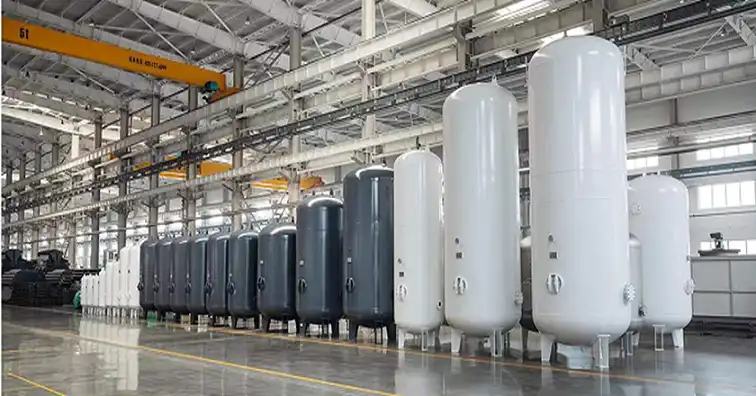
When the temperature of the fluid changes, like in HVAC systems, district heating networks, and process cooling, expansion tanks are often used. They are often found in places that treat wastewater for cities, where they control thermal growth in heat recovery systems. Pressure tanks are used for more than one thing. They store compressed air in factories, hydraulic accumulators in mines, and gas for CNG and hydrogen in energy transfer projects. High pressure tanks are used to solve problems in hydrogen fuel cell vehicles, space propulsion, and chemical injection systems below the sea. In these areas, lightweight, high-strength containers must work effectively in harsh environments like high temperatures, high pressures, and corrosion.
How to Choose the Right Tank for Your Industrial Needs
When choosing a tank, it's important to find a balance between technical requirements, legal compliance, and the total cost of ownership so that it meets operating needs and stays within budget.
Assess System Parameters and Operating Conditions
First, list the important system factors, such as the working pressure, the type of fluid or gas, the temperature range, and the amount needed. Expansion tanks are good for closed-loop systems that have to deal with modest changes in pressure and temperature expansion. Pressure tanks work well for systems that need to keep the pressure steady or store a lot of gas. When working pressures are higher than 100 bar or when weight reduction is very important, like in mobile or remote uses, you need high pressure tanks. Material and design decisions are also affected by things in the environment, like corrosive atmospheres, high temperatures, or hydrostatic pressure in underwater systems.
Evaluate Safety Certifications and Quality Standards
Following well-known rules makes sure that things are safe, reliable, and legal. The European Pressure Equipment Directive (PED) or ASME Section VIII rules should be followed by expansion tanks. For CNG, ISO 11439 must be followed for pressure tanks, especially high-pressure types. ISO 11119 must be followed for composite cylinders, ECE R110 for hydrogen, and ASME Section X for fiber-reinforced tanks. The tank has been certified as having passed strict tests, including hydraulic burst, temperature cycle testing at both normal and high levels, and non-destructive evaluation (NDE) using ultrasonic or X-ray methods to find delamination or fiber breaking. Pressure Relief Devices (PRDs) and Thermal PRDs add extra safety to tanks by letting gas out during overpressure or temperature events, which stops a catastrophic explosion.
Calculate Total Lifecycle Cost
The price you pay up front is only one part of the issue. The cost over its whole life includes setup, upkeep, regular inspections, and any downtime that might happen. Even though composite high pressure tanks are more expensive at first, they often end up being cheaper in the long run because they last longer (15 to 20 years), are lighter (which lowers the cost of shipping and installation), and need less upkeep. On the other hand, standard steel expansion tanks might have lower initial costs, but they need to be inspected and managed for rust more often. When comparing providers, you should look at things like savings for buying in bulk, guarantee coverage, and the availability of spare parts. A better picture of long-term value can be found by figuring out return on investment (ROI) by including gains in business efficiency, lower dumping costs, and lower compliance risk.
Advantages of High Pressure Tanks Over Expansion Tanks in Industrial Settings
High pressure tanks are very useful in situations where strong pressure handling, light weight, and long-term dependability are needed.
Superior Durability and Pressure Handling
Carbon fiber materials and polymer liners are used to make high pressure tanks that can resist pressures of up to 700 bar, which is much higher than what regular expansion tanks can handle. This feature lets you store a lot of gas at once, which is important for infrastructure that uses hydrogen fuel and apps that use compressed natural gas. Modern composite construction offers great fatigue resistance, with many products being approved for more than 15,000 fill cycles. This means they will last for a long time in harsh settings like chemical processing plants and mine slurry dewatering systems.
Enhanced Corrosion Resistance and Operational Longevity
In harsh settings, traditional steel expansion tanks can rust, which means they need to be replaced, which is expensive. High pressure tanks with polymer liners and composite overwraps are resistant to chemical attack, hydrogen embrittlement, and damage from salt spray or UV light. These materials keep their structural integrity for decades, which cuts down on repair downtime and dumping costs. This is especially important for wastewater treatment plants and metallurgical operations that want to keep running legally.
Weight Reduction and Energy Efficiency
In mobile and remote apps, weight is very important. When compared to steel vessels, Type IV high pressure tanks with non-metallic bottoms and full composite overwrap are more than 50% lighter. This benefit means that it costs less to move, is easier to set up, and can carry more weight in tunneling and building projects. It also saves energy because moving and handling smaller tanks takes less energy, which is in line with goals for sustainability and cutting costs.
Proven Performance and Supplier Reliability
Leading companies like Parker, Luxfer, and Hexagon make high pressure tanks that come with guarantees, licenses, and a lot of testing. These sellers provide written information about their products' performance, strict quality control procedures (such as ISO 11119-compliant helium leak detection, permeation tests, and environmental exposure studies), and quick support after the sale. Clear technical paperwork helps procurement managers with compliance checks and makes it easier to integrate into big projects run by EPC contractors and environmental engineering firms.
Procurement Considerations for Industrial Buyers
To get through the buying process, you need to know how prices work, how to deal with practical issues, and how important strong supplier support is.
Pricing Structures and Negotiation Strategies
Tank costs vary greatly by material, pressure grade, quantity, and certification. Expansion tanks usually cost less per unit, but they cost more over time due to more maintenance and fewer services. High pressure tanks cost more since they last longer, are built of superior materials, and are tested more. When buying in bulk, especially for a large wastewater treatment facility or mining company with many locations, you may save a lot. Training, installation assistance, and extended warranties minimize total cost of ownership and operational hazards.
Logistics, Lead Times, and Installation Services
When sourcing high pressure tanks from a high pressure vessel factory, foreign shipping, taxes, and regional safety regulations are more difficult to navigate. Large-volume or custom-engineered high pressure tanks might take weeks to months to build. Make sure shipment and project timeframes match to minimize costly delays. Many suppliers offer on-site installation, testing, and training to ensure the system is properly set up and working from the outset. Clear communication and backup plans with providers help keep things operating smoothly and avoid difficulties.
Warranty Policies and After-Sales Support
Top companies provide trustworthy warranties and fast professional help. Full warranties should cover manufacturing defects, material issues, and performance claims. They should also explain product returns and replacements. After-sales support like spare parts, inspections, and compliance documentation keeps the equipment running. High pressure tanks must be visually examined every three years and tested for structural health and approval every five. Industrial customers who wish to minimize downtime and follow the regulations value suppliers with service networks or expert relationships.
Conclusion
It is important to carefully consider system needs, material properties, and operating conditions when deciding between expansion tanks and pressure tanks, including specialized high pressure tanks. Closed-loop systems are protected from heat expansion by expansion tanks. Pressure tanks control system pressure and allow high-density gas storage at high rates. For hard uses in sewer treatment, mining, chemical processing, and energy infrastructure, high pressure tanks are the best choice because they last longer, don't rust, and are lighter. By lining up technical specs with safety standards, lifecycle cost analysis, and supplier dependability, procurement pros can choose the best tools, make sure they're following the rules, and achieve long-term working performance across a wide range of industries.
FAQ
Q1: Can pressure tanks substitute for expansion tanks in heating systems?
There are different uses for pressure tanks and expansion tanks. In closed-loop heating systems, expansion tanks stop overpressure by absorbing thermal expansion. In water delivery or compressed air systems, pressure tanks keep the source pressure steady. If you use a pressure tank instead of an expansion tank, you won't be protecting against heat expansion. Instead, you may be putting your system at risk or causing damage.
Q2: What safety standards apply to high pressure tanks in the United States and Europe?
To store gas in the United States, high pressure tanks must follow ASME Section VIII (pressure vessels) and DOT-SP (Department of Transportation special licenses). When tanks are used in Europe, they need to follow the Pressure Equipment Directive (PED) and certain standards, like ECE R110 for hydrogen and ISO 11439 for CNG. These licenses make sure that the quality is checked and tested thoroughly.
Q3: How often should high pressure tanks undergo inspection and testing?
Most places need eye checks every three years and hydraulic pressure tests every five years to make sure the structure is still in good shape and following the rules. Tanks that are used for important tasks like storing hydrogen fuel or working underwater may need to be checked more often. Always check the manufacturer's instructions and local laws to find out how often to do upkeep.
Optimize Solid-Liquid Separation with Jingjin High-Performance Filtration Systems
Choosing the right tank is only one part of a business process that works well. High pressure tanks are widely used in many related industrial scenarios, while strong solid-liquid separation technology is also needed for draining in mining, treating wastewater, and making chemicals. This is done to lower the amount of water in sludge, lower dumping costs, and meet strict environmental rules. Jingjin Equipment Inc. has been in business since 1988 and makes high-tech filter press systems, filter plates, and filter cloth for heavy-duty industrial use. Jingjin has over 136 patents and has worked with clients in 123 countries in the past. They use unique technology, large-scale manufacturing, and a wide range of products to create reliable and efficient separate solutions.
If you run a municipal wastewater plant that dewaters sludge, a mining company that deals with tailings and slurry, or a chemical plant that makes pigments and resins, Jingjin's materials that don't rust and custom filtration systems will work perfectly with your pressure management system. Our global service network offers engineering support, system design documentation, and quick technical help to help you meet regulations, cut down on repair downtime, and improve business efficiency. Contact our purchasing agents at [email protected] right away to talk about how Jingjin high pressure filter equipment can help you reach your long-term business goals and improve the way you separate solids from liquids.
References
1. American Society of Mechanical Engineers. ASME Boiler and Pressure Vessel Code, Section VIII: Rules for Construction of Pressure Vessels. New York: ASME, 2021.
2. International Organization for Standardization. ISO 11439:2013 Gas Cylinders — High Pressure Cylinders for the On-Board Storage of Natural Gas as a Fuel for Automotive Vehicles. Geneva: ISO, 2013.
3. European Committee for Standardization. ECE R110: Uniform Provisions Concerning the Approval of Specific Components of Motor Vehicles Using Compressed Natural Gas (CNG) and/or Liquefied Natural Gas (LNG) in Their Propulsion System. Geneva: UNECE, 2015.
4. Hexagon Composites. Technical White Paper: Lightweight Composite Pressure Vessels for Hydrogen Storage and Transport. Ålesund: Hexagon Composites, 2020.
5. Parker Hannifin Corporation. Industrial Pressure Vessel Design and Material Selection Guide. Cleveland: Parker Hannifin, 2019.
6. Luxfer Gas Cylinders. Lifecycle Cost Analysis of Composite High Pressure Cylinders in Industrial Applications. Nottingham: Luxfer Holdings PLC, 2018.
jingjin
Founded in 1988, Jingjin specializes in filter presses and liquid-solid separation solutions, serving over 130 countries worldwide, and is a standard-setter in China's filter press industry.
Get the Filter Press guide
Enter Your Email for Technical assistance for the Filter Press.





Recommended Blog
Where Indian EPC Contractors Buy Multi Disk Screw Press in China?
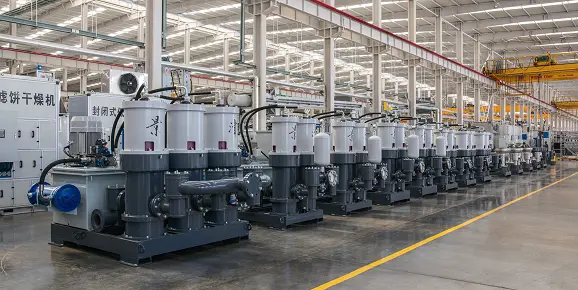
Integration of Press Pump and Filter Press Systems for Enhanced Performance
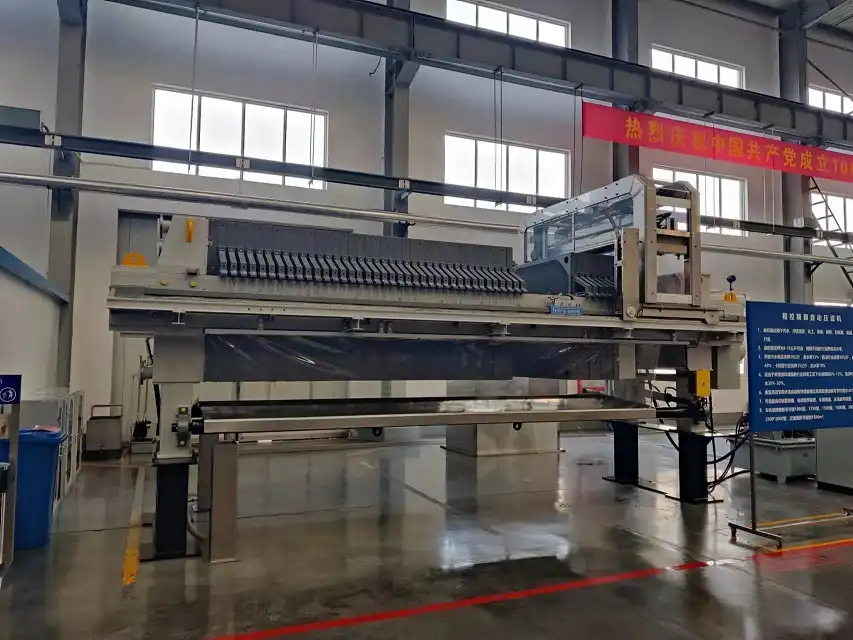
Where to Source Membrane Filter Press in China for Export?
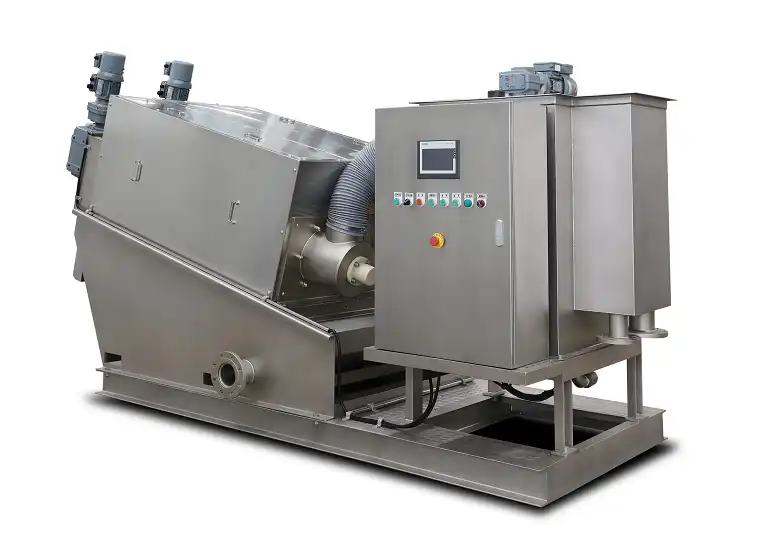
Where to Buy High Quality Multi Disk Screw Press for Efficient Sludge Dewatering
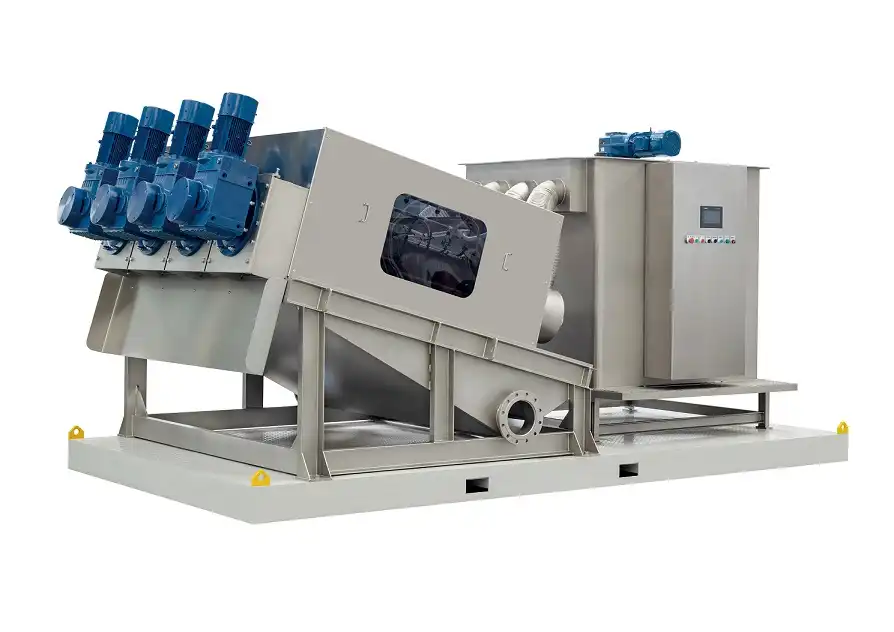
Customized Multi Disk Screw Press Solutions for Specific Sludge Processing Needs
Where European Distributors Source Press Filter from China?
How to Customize a Filter Press for Specific Applications and Industries