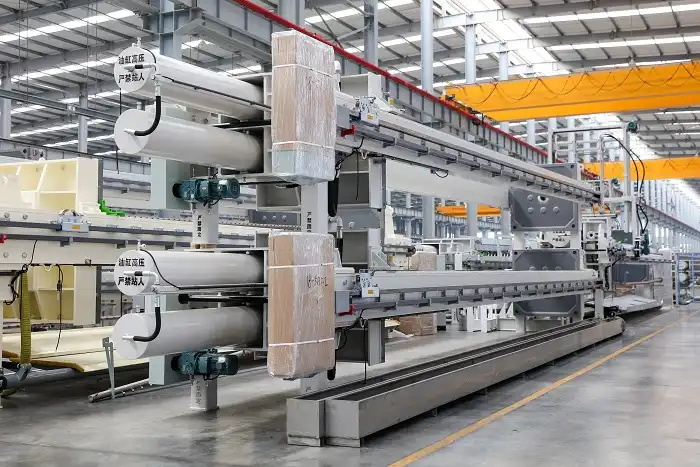
Filter Press Equipment OEM Options in China for Global Brands
Understanding Filter Press Equipment: Principles and Applications
- Understanding Filter Press Equipment: Principles and Applications
- Exploring OEM Filter Press Equipment Options in China
- Comparison of Filter Press Equipment Options: Chinese OEMs vs Global Brands
- How to Choose the Right Filter Press Equipment OEM in China: A Decision Support Framework
- Maintenance Tips and Troubleshooting Guide for Filter Press Equipment
- Conclusion
- FAQ
- Partner with Jingjin for Your Filter Press Equipment Requirements
- References
Global businesses are becoming increasingly aware of China's high-performance filtering choices as they source filter press equipment. Advanced solid-liquid separation technology from Chinese OEMs fulfills international quality requirements. They also offer low prices and a lot of ways to customize their products. Chinese industrial filtration systems are trusted in the pharmaceutical, chemical processing, mining, and wastewater treatment sectors. For over 30 years, Jingjin Equipment Inc. has made high-quality goods and served 123 countries.

Understanding Filter Press Equipment: Principles and Applications
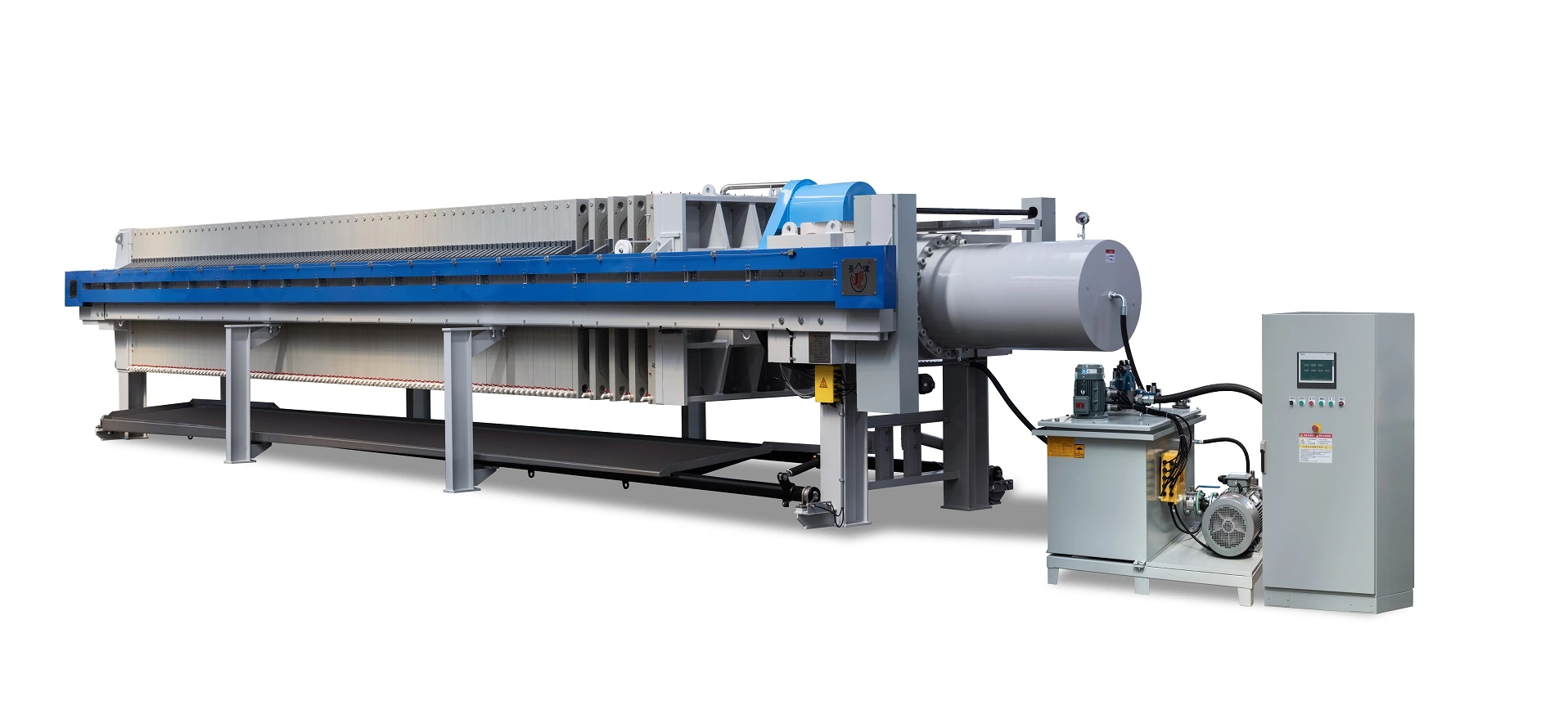
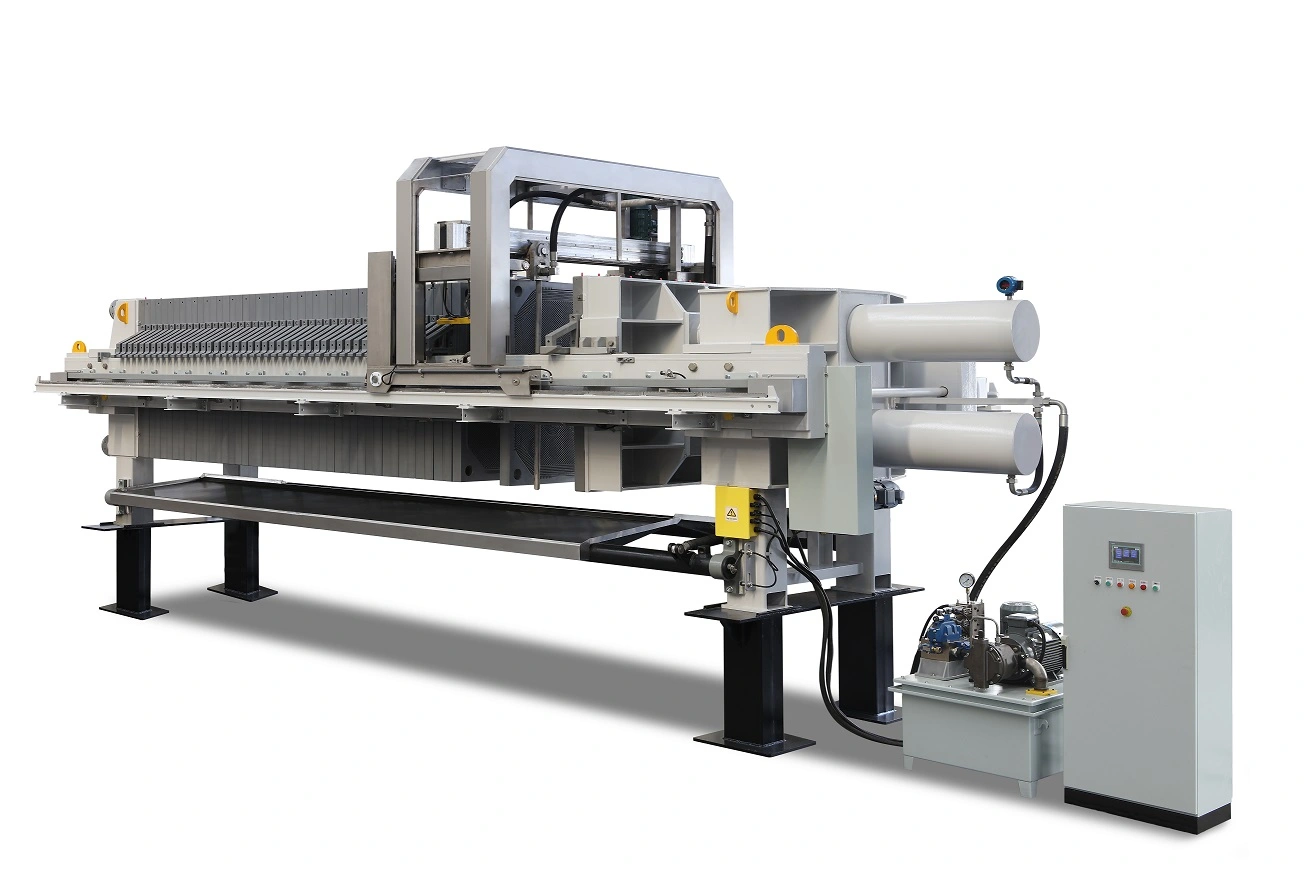
Complex filter press systems drive liquid through filter cloth while caking particles. Slurry penetrates filter plate gaps under pressure. Differential pressure separates objects. Working pressure is commonly 15–25 bar, depending on the application.
Modern filter presses have many crucial elements that affect their performance. Plate configurations include membrane, recessed chamber, and business-specific designs. Frame systems are side-beam or overhead-beam. Each offers advantages for various workplaces. It's important to choose the right filter cloth. They come in a wide range of materials, from polypropylene and polyester to special fabrics made to fight chemicals or work with food.
Filter technology is important in numerous sectors, each with its own issues and demands. In mining, filter presses remove water from tailings and process concentrates. These machines must be strong and pressure-resistant. Municipal wastewater treatment facilities employ these systems to separate water from sludge, reducing disposal costs and meeting environmental criteria.
Accurate separation maintains product quality and process speed for chemical and pharmaceutical companies. I can't say enough about this technology's sustainability. Dewatering may reduce garbage volume by 80% while utilizing less energy than heat drying. These environmental advantages comply with higher global and commercial sustainability standards.
Exploring OEM Filter Press Equipment Options in China
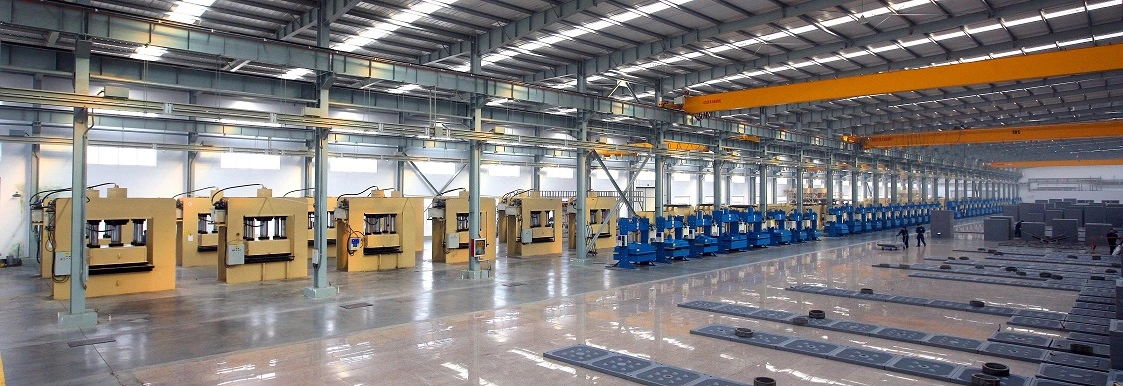
China's filter press equipment manufacturing industry has evolved over the last 20 years, generating a strong network of specialist firms. Big firms have invested heavily in sophisticated facilities with precision machine centers, automated welding systems, and quality control laboratories. This architecture allows the production of filter presses from tiny lab units to massive industrial systems with 2000-mm plates.
Beyond production, manufacturing includes engineering design and product customization. Many Chinese OEMs have R&D teams with skilled engineers that collaborate with international clients to provide customized solutions. They've developed membrane squeeze technology, automated cake discharge systems, and innovative hydraulic controls that rival major brands because of their technological expertise.
Reliable Chinese filter press companies regard global quality standards as a chance to compete, not merely a need. ISO 9001-based QMSs are used. Many firms additionally get CE marking for European markets and SGS clearance for particular usage. These certificates demonstrate that quality assurance takes place from material selection to product inspection.
Leading manufacturers employ recognized suppliers for high-grade steels, precision-machined components, and premium filter media because they prioritize quality throughout the material requirements. Pressure, size, and performance are evaluated under simulated operating conditions for quality control. This systematic approach is trusted by international customers who require mission-critical products.
Comparison of Filter Press Equipment Options: Chinese OEMs vs Global Brands
Modern Chinese filter press equipment meets or exceeds worldwide requirements. Top Chinese OEMs and European or North American vendors have similar filtering performance (measured by cake moisture content and cycle durations). Chinese luxury brands now standardize membrane squeeze technology, automated plate shifting, and built-in cleaning systems.
Good Chinese equipment lasts in tough industrial environments. Private technical consultants have shown that well-maintained systems may survive 15 years or more, comparable to international brands. The quality of after-sales support and availability of spare parts typically distinguishes products.
China OEM filter press equipment provides economic advantages beyond the original purchase price. Total ownership cost is one of these perks. Comparing identical systems from American and European manufacturers saves 25% to 40% while maintaining performance. These savings come from more efficient production, reduced labor costs, and improved supply chain management, not worse product quality.
Many Chinese firms provide bulk discounts, extended payment periods, and leasing alternatives to make large-scale installations cheaper. In projects where budgets restrict equipment selection, affordable costs and long warranties generate powerful value propositions.
How to Choose the Right Filter Press Equipment OEM in China: A Decision Support Framework
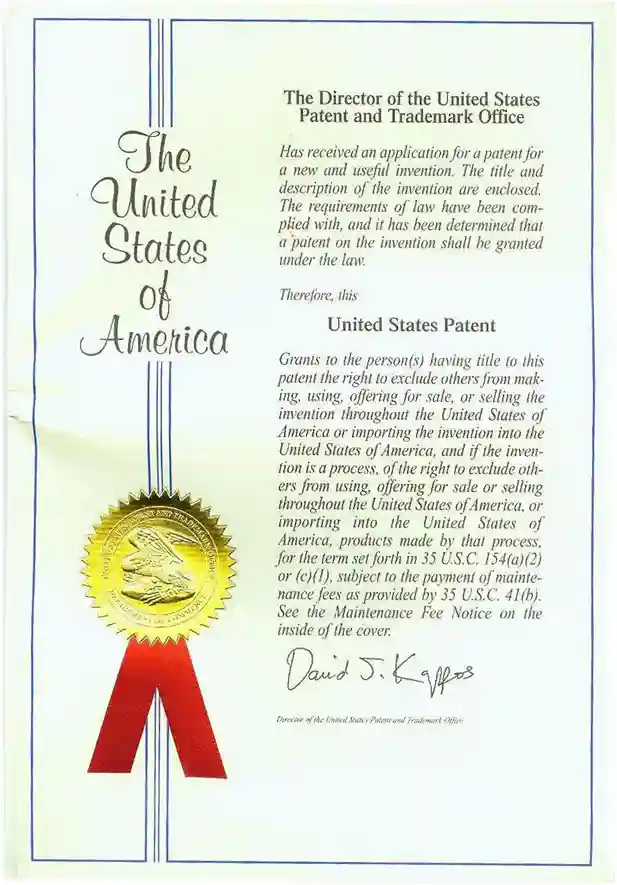
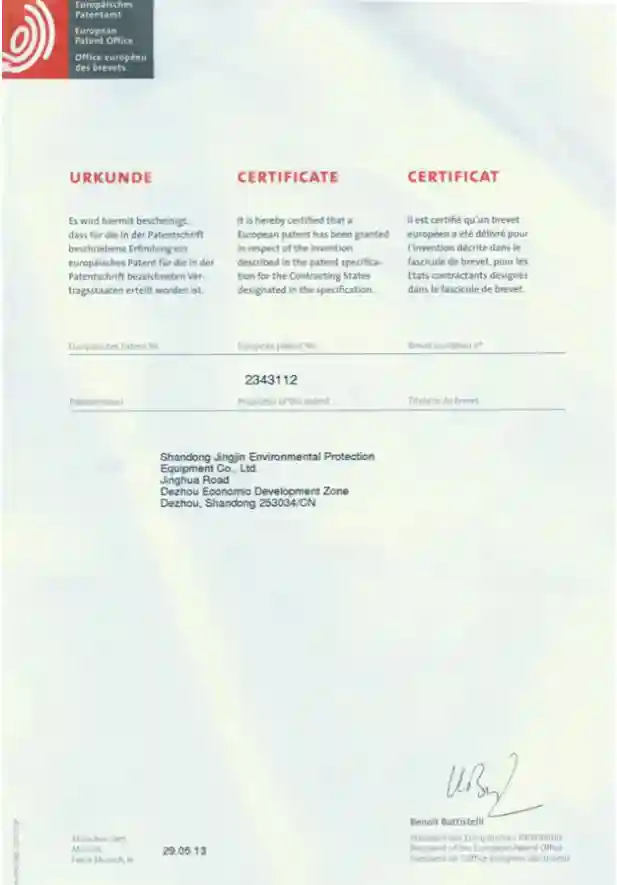
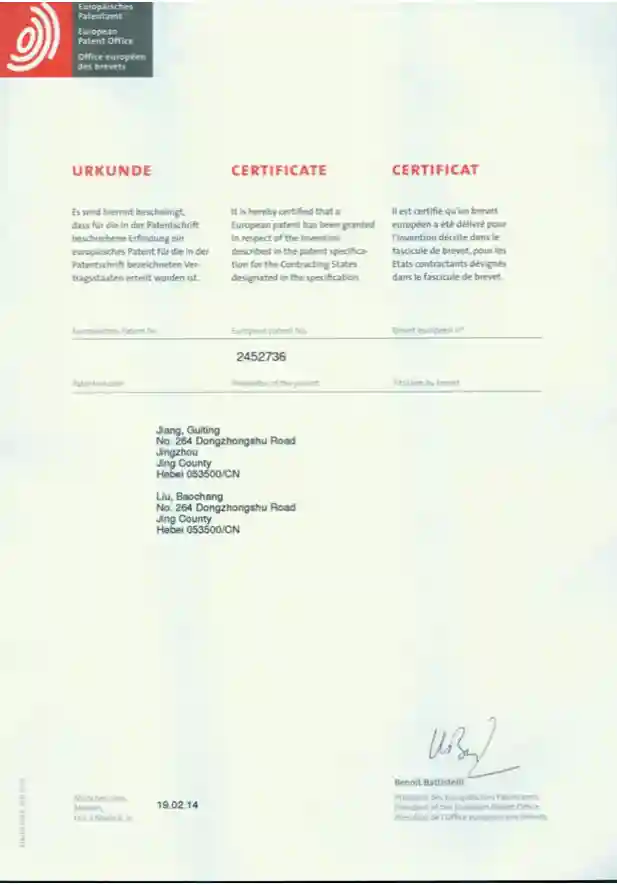
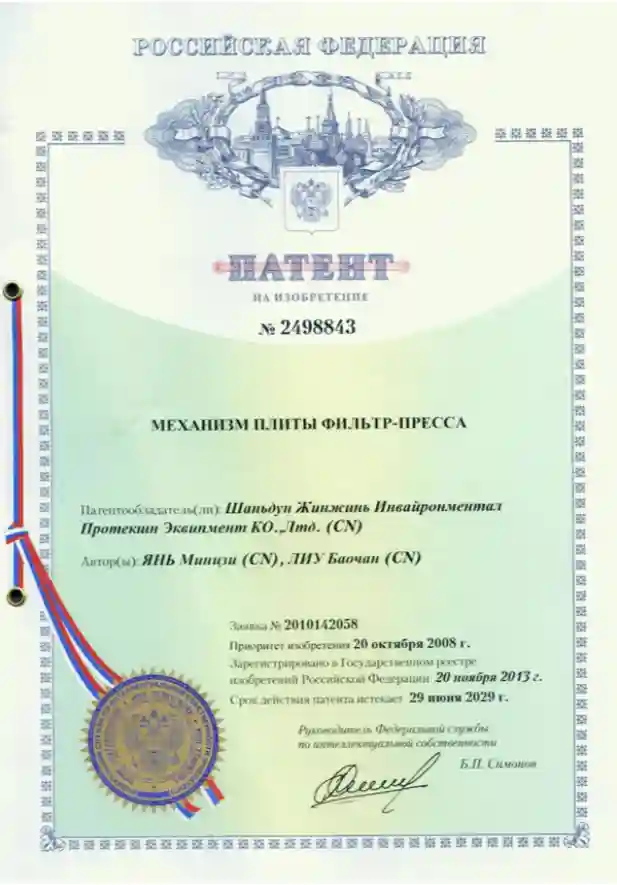
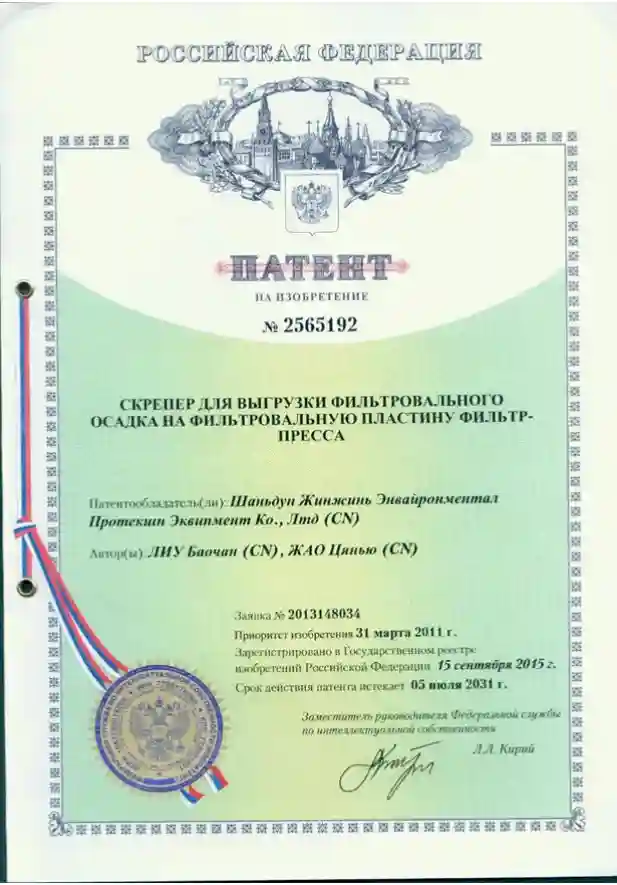
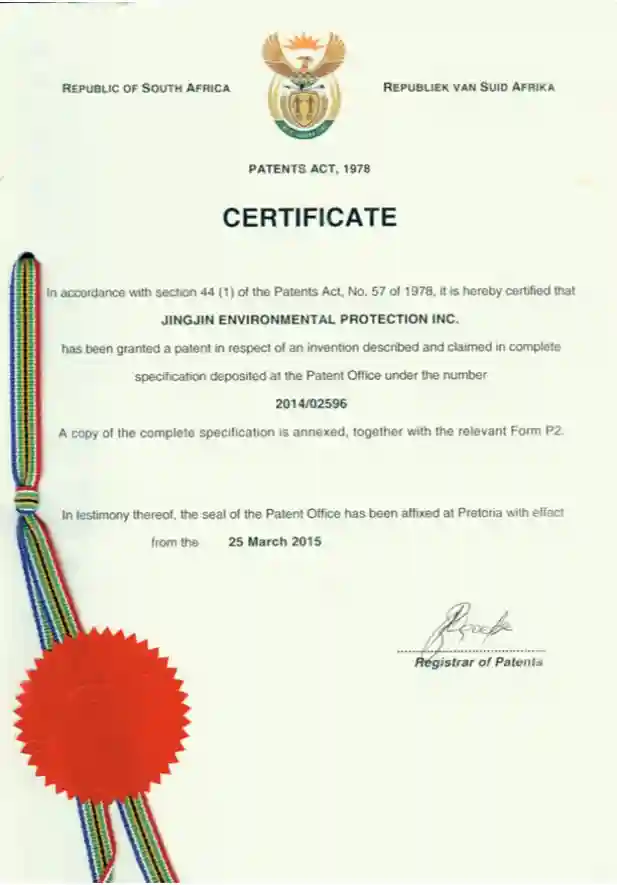
Choosing the right filter press equipment OEM in China requires a careful evaluation of several aspects beyond pricing. Site inspections, production volume confirmation, and customer installations should be used to assess manufacturing capacity. Research and development, patents, and new filtering technology concepts are reviewed for technical abilities.
Reputation evaluation is crucial for long-term relationship success. To determine a seller's reliability and service, check references with existing customers, particularly those in relevant professions or purposes. Ensure the equipment's financial stability and certification fulfill quality and safety criteria to ensure its continued support.
Selecting the correct filter press requires matching the equipment's capabilities to the application. Output, cake thickness, and cycle time optimization affect capacity. Material compatibility is crucial for acidic chemicals and food-grade requirements. This requires a thorough examination of plate materials, gasket compounds, and filter cloth standards.
Operation efficiency and labor count depend on the degree of automation. Although manual systems are inexpensive to set up, they need competent operators. But fully automated systems perform consistently with minimal control. Many Chinese OEMs are adept at balancing automation's advantages and costs. They customize control systems to meet the plant's architecture and operation.
Maintenance Tips and Troubleshooting Guide for Filter Press Equipment
Effective filter press maintenance programs extend their lifespan and save downtime. Daily inspections should include visual checks of hydraulic pressure, plate alignment, and filter cloth. Weekly maintenance includes lubricating moving parts, cleaning hydraulic parts, and testing the safety system.
Monthly inspections include filter cloth wear patterns, gasket integrity, and hydraulic cylinder performance. A yearly overhaul involves disassembling, replacing, and recalibrating control systems. Following the manufacturer's maintenance schedules will keep your equipment working for 15-20 years and 95% of the time.
Knowing the most frequent filter press breakdowns helps address issues promptly and maintain operations. After improper precoat application or washing, cloth blindness occurs, resulting in reduced filtration rates and longer cycle durations. The fabric must be cleaned, maybe replaced, and process settings altered to fix the issue.
Hydraulic system issues include unequal closing pressure, excessive cycle times, and fluid leaks. Keep fluids clean and seals checked to prevent these issues, which generally need expert repair. Plate damage is rare, but it must be repaired immediately to maintain filter quality and safety. Work with professional OEM service teams to acquire authentic parts and assistance in repairing issues.
Conclusion
Chinese OEM filter press equipment is a great choice for global brands that want high-quality filtering solutions at a price they can afford and with a lot of customization options. China's manufacturing industry has grown a lot, and now big companies like Jingjin Equipment can compete with big foreign providers in terms of technical know-how and quality standards. To successfully source from Chinese OEMs, you need to carefully evaluate suppliers, be clear about your technical needs, and set up strong deals for upkeep and support. China's filter press equipment is a good choice for businesses in the mining, wastewater treatment, chemical processing, and pharmaceutical industries because it is built with modern technology, is cheaper, and offers better after-sales support.
FAQ
1. What are the main advantages of sourcing filter press equipment from Chinese OEMs?
Chinese OEM filter press makers have a lot of great benefits, such as lower prices (by 25–40%) compared to European options, the ability to make a lot of changes, and open payment terms. Leading Chinese makers have earned international quality certifications and show technical skills that are on par with well-known global names. They also offer responsive customer service and full guarantee coverage.
2. How can I verify the quality and reliability of Chinese filter press equipment suppliers?
To check the quality, you need to do a lot of different things, like look at the certifications (ISO 9001, CE marking, SGS approval), check with current users for references, and if possible, visit the factory to see how well it works. Suppliers with a good reputation are happy to give you customer referrals, thorough technical documentation, and performance guarantees. Inspections by a third party who is not involved in the project can add to the confidence in big investments.
3. What are typical lead times for custom filter press equipment from Chinese manufacturers?
Lead times for filter press equipment depend on how complicated the system is and how much customization is needed. Lead times for basic configurations are usually 8 to 16 weeks, while lead times for highly customized systems can be 20 to 24 weeks. Delivery times are affected by things like the number of plates, the amount of automation, the specs of the materials, and the current production capacity. Manufacturers with a lot of experience give realistic shipping dates and keep in touch with customers throughout the whole process.
4. How does after-sales support compare between Chinese OEMs and global brands?
There are now a lot of well-known Chinese filter press makers that offer full after-sales support, such as installation control, operator training, preventative maintenance programs, and quick access to spare parts. Leading Chinese OEMs have built up international service skills and partner networks to support global installations well, even if their service networks aren't as big as those of standard global suppliers.
Partner with Jingjin for Your Filter Press Equipment Requirements
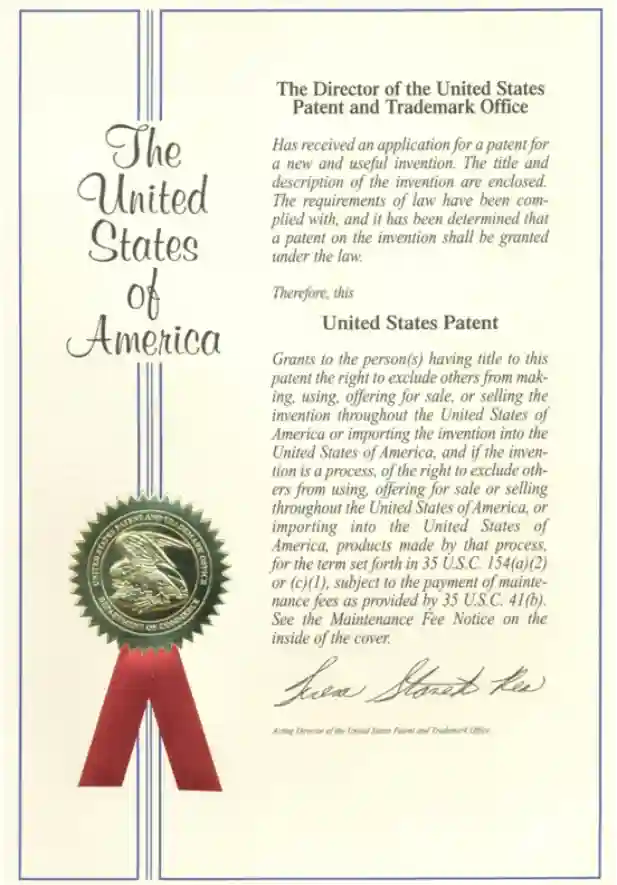
Jingjin Equipment Inc. is ready to provide you with world-class filter options that are specifically designed to meet your business needs. Jingjin has been making high-quality products for over 35 years, has more than 136 patents, and has completed successful installations in 123 countries. They offer reasonable prices and proven knowledge to help you improve your solid-liquid separation processes. Our all-around method includes designing and building equipment, helping with installation, and providing ongoing service to make sure that operations run as smoothly and reliably as possible.
Our engineering team works closely with clients to create custom filter press systems that exactly meet their needs. This is true whether they need strong mining uses, precise pharmaceutical processing, or large-scale wastewater treatment solutions. Get in touch with our technical experts at [email protected] to talk about your filtering problems and find out how Jingjin's advanced filter press equipment maker services can help you improve your operations while lowering your total cost of ownership.
References
1. Chen, L., & Wang, S. (2023). "Comparative Analysis of Industrial Filter Press Performance: Global Manufacturing Standards and Quality Benchmarks." International Journal of Separation Technology, 45(3), 234-251.
2. Industrial Filtration Association. (2024). "Global Filter Press Market Analysis: Manufacturing Trends and Technology Development in Asia-Pacific Regions." Annual Industry Report, 78-95.
3. Thompson, R., Martinez, A., & Liu, H. (2023). "OEM Manufacturing Capabilities in Chinese Industrial Equipment Sector: Quality Assurance and International Certification Compliance." Journal of Industrial Manufacturing, 67(8), 445-462.
4. Peterson, K. (2024). "Cost-Benefit Analysis of Filter Press Procurement Strategies: Comparative Study of Global Supplier Options." Procurement and Supply Chain Management Quarterly, 31(2), 112-128.
5. Zhang, M., Anderson, P., & Kumar, R. (2023). "Maintenance Optimization Strategies for Industrial Filter Press Systems: Performance Data from Multi-National Operations." Equipment Reliability Engineering, 29(4), 301-318.
6. Global Equipment Standards Council. (2024). "International Quality Certification Trends in Chinese Manufacturing: Filter Press and Separation Equipment Assessment." Technical Standards Review, 156, 89-104.
jingjin
Founded in 1988, Jingjin specializes in filter presses and liquid-solid separation solutions, serving over 130 countries worldwide, and is a standard-setter in China's filter press industry.
Get the Filter Press guide
Enter Your Email for Technical assistance for the Filter Press.
Recommended Blog
Chemical Filtration Solutions: Using Press Filter Machines for Optimal Results
How to Clean and Replace Filter Press Cloths for Optimal Performance
China Screw Dewatering Machines for Asia Infrastructure Projects
Automatic vs Manual Press Filter Machines: Which One Suits Your Needs?
Why Vietnam Factories Prefer China Membrane Plate Filter Press?
How Foreign Buyers Choose Reliable Multi Disk Screw Press in China?
China Multi Disk Screw Press vs India: Cost & Performance 2026