Cutting Sludge Disposal Volume by 60% With the Right Filter Press Setup
Understanding the Sludge Filter Press and Its Role in Volume Reduction
- Understanding the Sludge Filter Press and Its Role in Volume Reduction
- Selecting the Right Sludge Filter Press for Your Industrial Needs
- Optimising Your Sludge Filter Press Setup for Maximum Efficiency
- Case Studies: Real-World Impact of Right Filter Press Setup on Sludge Disposal
- Conclusion
- FAQ
- Partner With Jingjin for Proven Sludge Filter Press Solutions
- References
A 60% drop in the amount of sludge that needs to be thrown away is not just an ideal—it's actually possible with the right setup for the sludge filter press. Industrial facilities regularly turn large amounts of liquid sludge into small, low-moisture filter cakes by choosing the right tools, carefully conditioning the polymers, and following set procedures. This change directly addresses the environmental and financial problems of getting rid of trash. It offers a clear return on investment and makes sure that rules are followed in the mining, chemical, and city sectors.
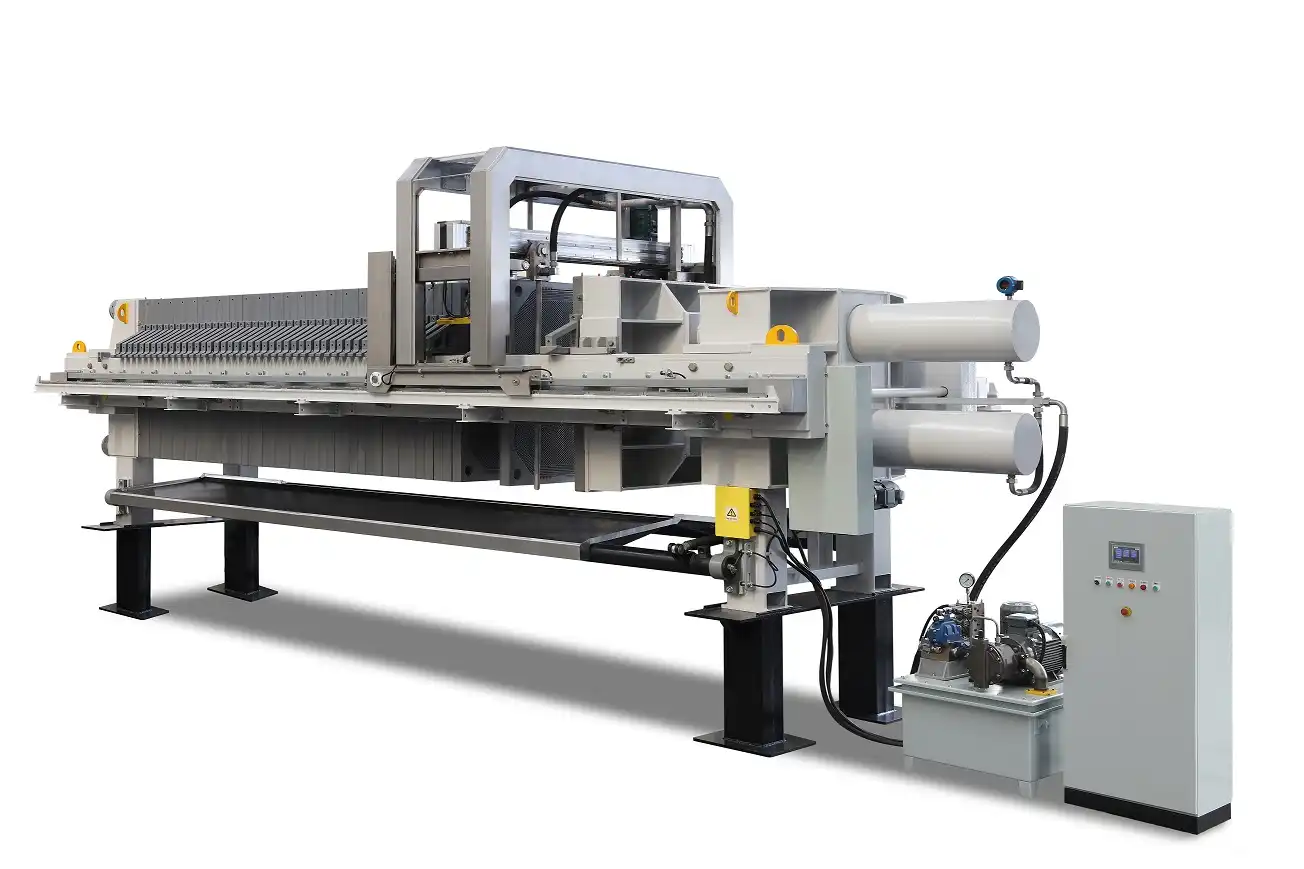
Understanding the Sludge Filter Press and Its Role in Volume Reduction
Separating solids from liquids is still an important part of managing industrial trash. The hard part is turning liquid sludge into forms that can be thrown away cheaply or used again in a useful way.
How Filter Press Technology Works
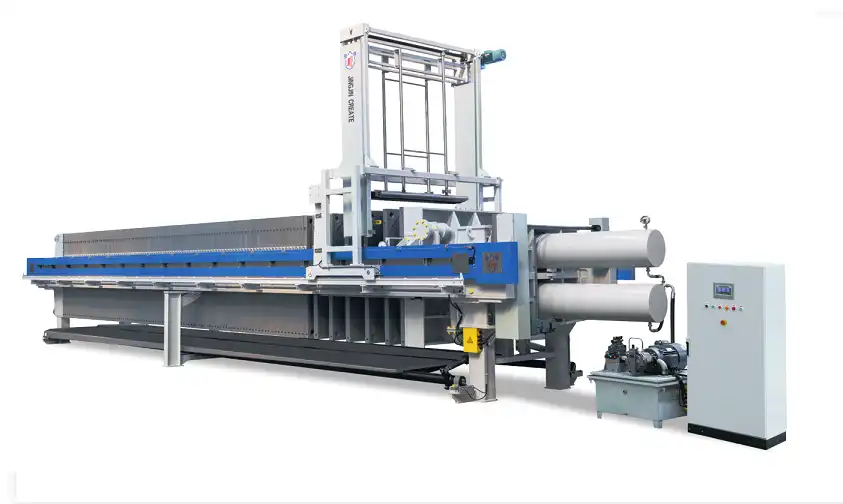
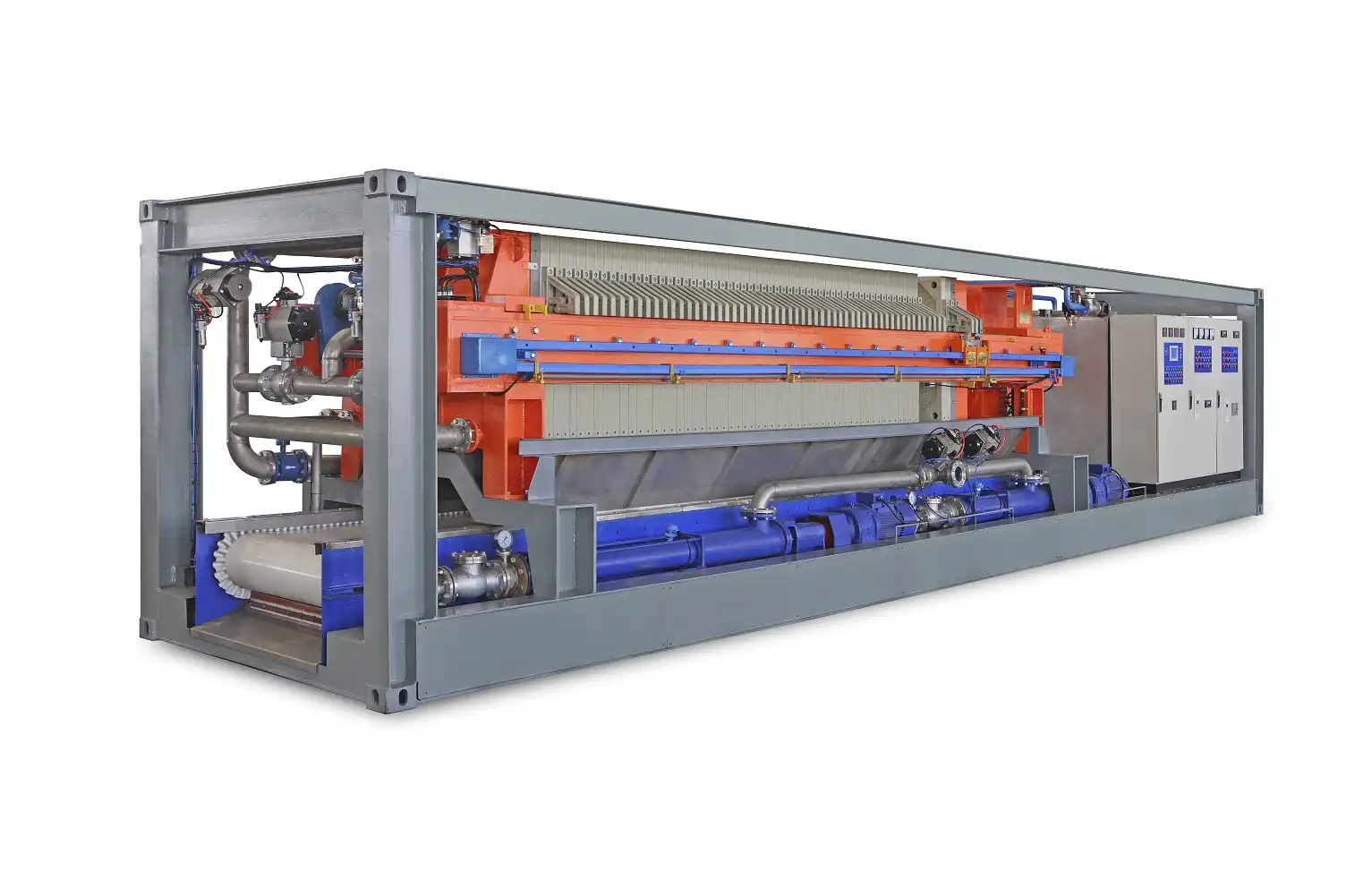
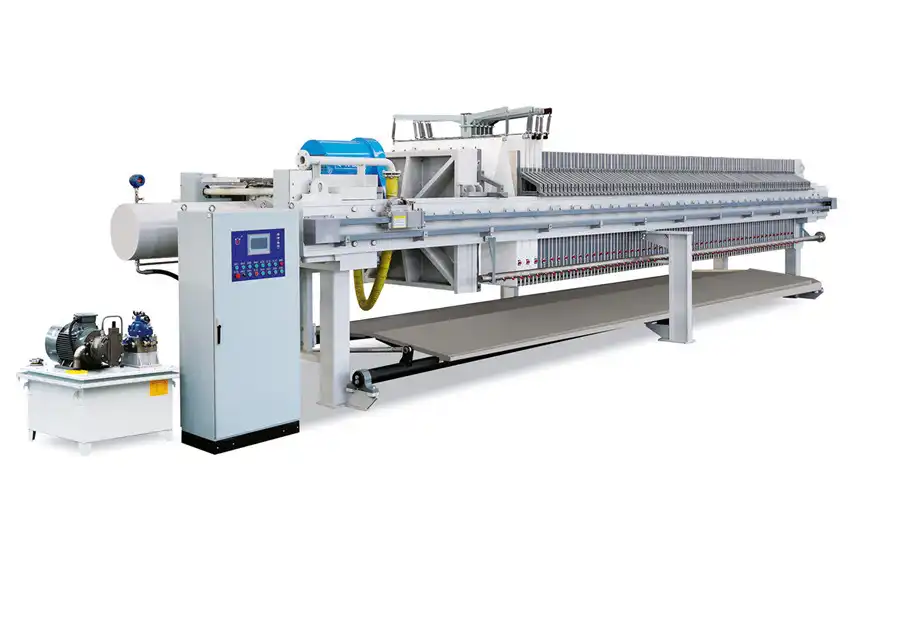
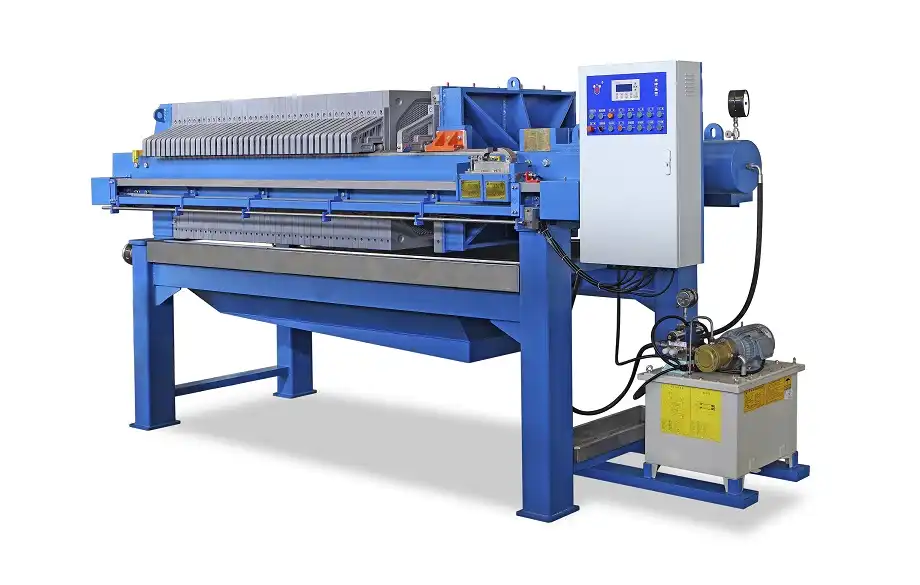
Under controlled hydraulic pressure, a sludge filter press works by pushing slurry through filter cloth. The machine has several plates on a strong frame. The plates can be set up in either a plate-and-frame or deep chamber arrangement. Pressure builds up slowly, usually between 6 and 20 bar, as sludge pumps move material into the tanks. While liquids pass through the filter media, solids build up and make dense cakes with dry solids contents of 25–35%, compared to 2–5% in sludge that hasn't been handled.
This mechanical dewatering concept reduces space better than any other. Getting rid of 95% of the water content cuts dumping costs by a huge amount, especially in places where garbage fees are more than $80 per tonne or where the materials have to be transported hundreds of miles.
Types of Dewatering Systems and Their Applications
Based on their needs for output and automation, industrial operations pick from a number of different press designs. Manual filter presses work well in smaller shops or for batch jobs where the cost of labour is low. Automatic plate-shifting systems are most common in city wastewater treatment plants that handle a lot of wastewater. These systems can run all the time, which means they need more cash. With membrane squeeze technology, there is a second compression process that lowers the end moisture content to less than 20% for tough sludges.
Recessed chamber designs make it easier to empty the cake and cut down on the time needed to maintain the cloth, which makes them perfect for mine waste that is rough. Plate-and-frame units are better for chemical processes where product lines change with the seasons because they are more adaptable to different types of sludge. Each design works around different operating issues, but they all have one thing in common: they all provide stable, high-efficiency dewatering.
Why Polymer Conditioning Matters
Particles of raw mud often have negative surface charges that keep them from sticking together. Adding cationic polymers cancels out these charges, which makes the particles stick together to form bigger groups. This step greatly enhances the rate of filtration and the level of dryness in the cake. The best amount of polymer to use is usually between 0.2% and 0.8% by dry bulk weight. This can cut cycle times by 40% and lower the end moisture level by 5 to 10 percentage points. Investing in good flocculants pays off in the form of faster flow and longer filter cloth life, since properly conditioned sludge reduces blinding and pore blocking.
Selecting the Right Sludge Filter Press for Your Industrial Needs
Before making a purchase choice, operating needs and equipment skills must be carefully examined. If you make mistakes at this time, your assets will not perform as well, and your total cost of ownership will go up. A sludge filter press must be matched precisely to the material characteristics.
Assessing Your Sludge Characteristics
Before choosing tools, process engineers have to describe the feed material. Some important factors are the concentration of solids, the spread of particle sizes, the ability to be compressed, and the chemical make-up. Biosolids from cities are very different from mine concentrates or pharmaceutical leftovers. Dewaterability is measured in the lab using techniques like capillary suction time (CST) and specific resistance to filtration. Plates made of PVDF or strengthened polypropylene are needed for corrosive sludges that contain acids or solvents. Abrasive slurries from cleaning aggregates require heavy-duty design and parts that don't wear down easily.
Understanding these factors stops mistakes that cost a lot of money. If you use an acidic chemical waste on a press that was made for sewage sludge, it might break down too soon. On the other hand, over-specifying leads to extra costs for capital without any performance gain.
Comparing Technologies: Filter Presses vs. Alternatives
In the market for dehydration, filter presses go up against centrifuges, screw presses, and belt filters. Each tool has its own benefits. Centrifuges are great for continuous operation and small areas, but they use a lot of energy and make cakes that are wetter (18–25%). Belt filter presses can handle high flows and have lower start-up costs, but they can only remove 15–22% of solids and need a lot of wash water. Screw presses are good for coarse materials but not so good for liquid sludges.
Filter presses always make the driest cakes and have the best solids catch rates—more than 99%. They can handle changes in feed better than continuous equipment and don't need much help from a user when set up automatically. Even though batch operation might seem less efficient, current PLC-controlled systems can finish full cycles in 90 to 120 minutes, which is the same as or more than the effective throughput of continuous units when repair windows and downtime are taken into account.
Evaluating Suppliers and Certifications
Choosing a maker with a good reputation is important for long-term business success. Manufacturing size, patent portfolio, and global service infrastructure are some of the most important evaluation factors. Suppliers who offer ISO 9001 certification show that they are committed to quality management. The CE mark makes sure that European safety standards are met, which is important for international companies that want to standardise across all of their sites.
Original equipment makers that control the quality of their parts and the dependability of their supply chains are called "vertically integrated." Large stockpiles of spare parts and local service networks help keep unexpected downtime to a minimum. In addition to providing tools, technical support services like process advice, pilot testing, and operator training add a lot of value. Suppliers who have experience with phased setups and future capacity upgrades can help facilities plan for growth.
Optimising Your Sludge Filter Press Setup for Maximum Efficiency
Getting the right sludge filter press is only the beginning. For operational success, you need to pay attention to the quality of the work, the optimisation of the process, and preventative maintenance.
Installation Best Practices
Misalignment and earthquake problems can be avoided by designing the base correctly. Before putting in the equipment, the concrete pads must be completely hardened and level to within 0.5 mm along the length of the frame. For hydraulic systems to work properly, the area where they are installed must be clean so that contaminants don't damage the cylinders. Layouts for pipes should keep pressure drops to a minimum and include valves that are easy to get to for repair and separation. To integrate electrical systems, they need to work together with plant control systems to make sure that interlocks and emergency stop circuits work properly.
Before adding output waste, commissioning tests make sure the system works properly. Pressure holding tests show that the cylinder seals are working properly. Dry cycle models check the order of plate movement and the way discharge works. These basic checks find problems with the software, and fixing them stays simple.
Advanced Polymer Dosing Strategies
Choosing the right polymer and controlling the dose have a big effect on both operating costs and performance. Testing in a jar finds the best polymer type and amount for each type of sludge. Automatic dosing systems change the amount of chemicals added in real time based on the feed density and flow rate. This keeps the conditioning constant even if there are changes in the process upstream.
For full polymer dispersion, the right amount of mixing energy is needed to avoid breaking up fragile flocs. Before the mud goes into the press, there is enough touch time with in-line static mixers or low-shear dynamic units. Dosing too much loses expensive chemicals and can make cakes that are too sticky to discharge. When you underdose, the sludge isn't properly conditioned, which makes the cycle last longer and adds more water. Regular re-optimisation and constant tracking can adapt to changes in the feed's properties that happen with the seasons.
Maintenance Protocols and Troubleshooting
Regular repair intervals make equipment last longer and keep it from breaking down at expensive times. Filter cloths need to be checked often for tears, blind spots, or too much wear. Between cycles, high-pressure washing methods restore permeability. This means that the cloth can usually go through 2,000 to 3,000 rounds before it needs to be replaced. Hydraulic fluid research finds contamination in the fluid before it damages the cylinder. Ultrasonic testing of structural welds and checking the flatness of the plate sealing surface should be part of yearly checks.
Most operating problems can be traced back to a specific cause. Higher-than-expected cake wetness could mean that the feed pressure is too low, the filter media is too old, or the polymer hasn't been properly conditioned. Leakage between plates is usually caused by them not being lined up correctly or having dirt on the sealing sides. Hydraulic system pressure loss could mean that the fluid is dirty or the seals are worn out. Keeping detailed working logs helps find patterns before small problems get worse and cause major failures.
Case Studies: Real-World Impact of Right Filter Press Setup on Sludge Disposal
Theories about benefits gain respect when they are shown to work in real life. These examples show what can be done in a variety of situations.
Municipal Wastewater Treatment Plant Transformation
In the southeast of the United States, a medium-sized city plant processed 12 million gallons of waste every day, making 45 wet tonnes of biosolids with a solids concentration of 3%. At $95 per wet tonne, hauling costs more than $420,000 a year. Using an automatic sunken chamber press with membrane squeeze technology lowered the moisture level of the end cake to 24% dry solids. This change cut the amount of trash that had to be thrown away by 58%, which cut the cost of moving it away to $176,000 a year and saved $244,000 a year. The $680,000 cost of the press capital was paid back in 2.8 years. Other perks included fewer complaints about smells and a better understanding of how the plant works by the public.
Chemical Manufacturing Sludge Recovery
A company in the Midwest that makes speciality chemicals made pigment filter cake that had to be thrown away as dangerous trash, which cost $285 per ton. Their old belt filter only got rid of 18% of the solids, which made 380 tonnes of waste every month. The solids content went up to 32% after a corrosion-resistant polyethene plate-and-frame press with automatic cake release was put in place. The amount of dangerous trash that was thrown away each month dropped to 152 tonnes, which cut monthly fees by $64,980. The manager in charge of environmental safety said that drier cakes could also be thrown away in other ways, which would save even more money. The $340,000 spent on tools paid for itself in 5.2 months, and the yearly savings are now over $779,000.
Mining Tailings Dewatering Operation
A copper mine in the southwestern United States had to deal with rising costs for tailings holding facilities and pressure from regulators to cut down on water use. Their old thickeners got 42% solids, which meant they needed a lot of space to hold the liquid. When 16-bar working-pressure high-pressure filter presses were added, the density of the tailings went up to 68% solids. This made dry stacking possible, which got rid of the need to expand the waste dam by 18 acres. Besides saving $12 million on building costs, dry stacking also cut down on the need for seepage tracking and long-term environmental liability. More than 85% of the water was recovered, and 2,400 gallons per minute were sent back to the process line. In a dry area with expensive water rights, this reuse cut the cost of bringing in fresh water by $180,000 a year.
Key Lessons from Industrial Implementations
These great operations have some things in common. The right amount of spare capacity was built into the equipment to match the real throughput needs. Plant engineers and equipment makers worked together closely to make sure that the support systems were properly integrated. Common startup problems were avoided by giving operators a lot of training. Regularly checking on performance, found ways to make it better. When businesses see sludge filter presses as unified systems that need care for feed conditioning, hydraulic repair, and cloth management, they regularly reach the huge volume reduction goals that make the investment worth it.
Conclusion
The 60% drop in the amount of sludge that needs to be thrown away shows what kind of results can be achieved when facilities choose, install, and run sludge filter press systems correctly. To be successful, you need to know how certain types of sludge behave, pick the right equipment setups, and stick to strict operating discipline. Optimised drainage has been shown to save a lot of money and help the environment in places like chemical factories, municipal wastewater treatment plants, and mines. The technology has grown to the point where it can reliably, automatically, and efficiently solve the most important solid-liquid separation problems in industry. Investing in good tools and suppliers who know what they're doing always pays off in measured ways, while also making sure that regulations are followed and operations can last.
FAQ
Q1: What causes filter cake moisture to exceed specifications?
High cake wetness is usually caused by three things: not enough hydraulic pressure during the compression phase, filter cloth that isn't permeable anymore because it's old or clogged, or feed sludge that hasn't been properly treated with polymers. As part of a professional evaluation, capillary suction time tests should be done to see how well the sludge can be dewatered, and cloth air permeability measures should be done to see if the media needs to be replaced. Making sure that the working pressure meets the design requirements ensures that the hydraulic system gives off enough force.
Q2: How frequently should filter cloths require replacement?
How rough the sludge is and how often it is washed have a big impact on how long the filter cloth lasts. When working with non-abrasive city biosolids, good polypropylene media can usually handle 2,000 to 3,000 compression cycles. In mining uses with silica-rich tailings, the filter may need to be replaced every 1,200 to 1,500 rounds. Regular high-pressure washing in between rounds gets rid of trapped particles and makes the service life much longer. Watching the filter cycle times can help you spot when the cloth isn't working as well before the cake gets too wet and causes problems.
Q3: Can filter presses handle chemically aggressive sludges?
Extreme chemical conditions can be built into modern sludge filter presses. Plates made of PVDF or strengthened polypropylene can handle pH levels from 1 to 14 and don't react with chemical solvents. Specialised filter cloths, like PTFE-coated fabrics and braided polypropylene, can handle a wide range of toxic chemicals. In harsh environments, protective coats help hydraulic parts work better. In chemical processing and pharmaceutical manufacturing settings, equipment doesn't break down too quickly if the right materials are chosen during purchase.
Partner With Jingjin for Proven Sludge Filter Press Solutions
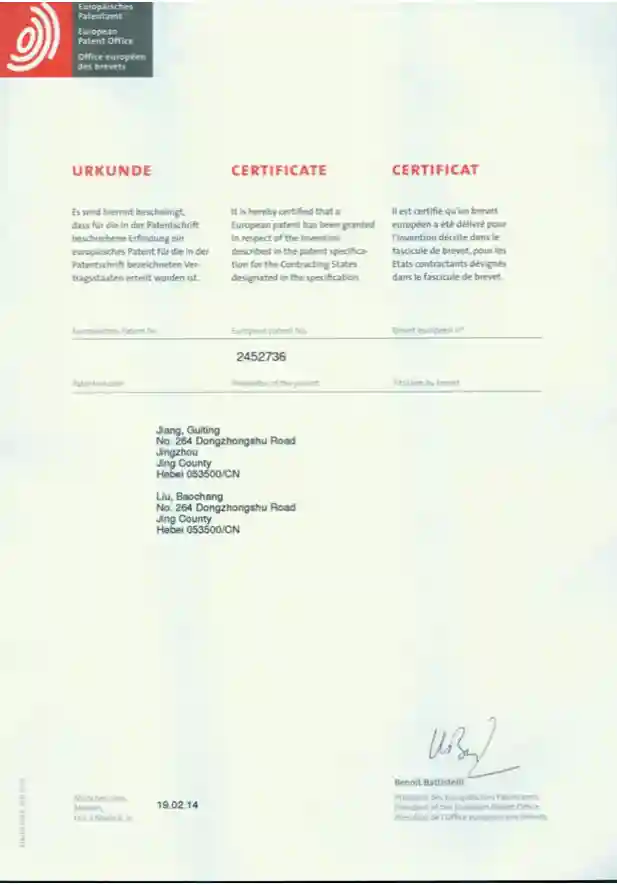
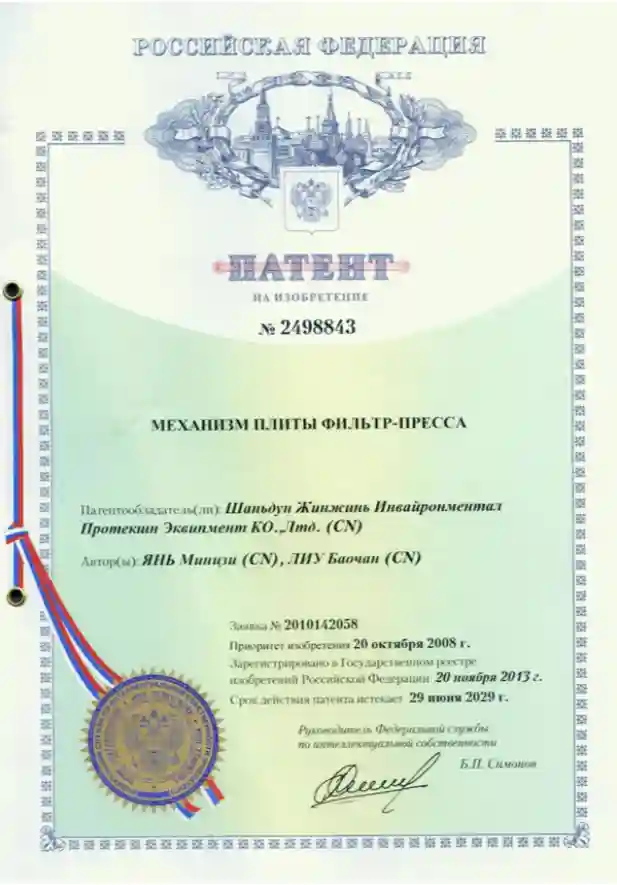
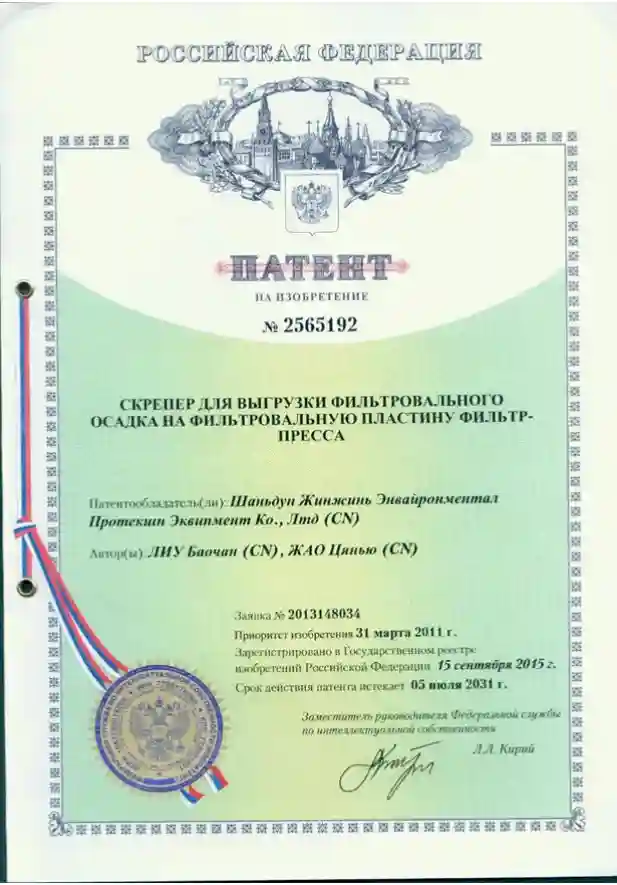
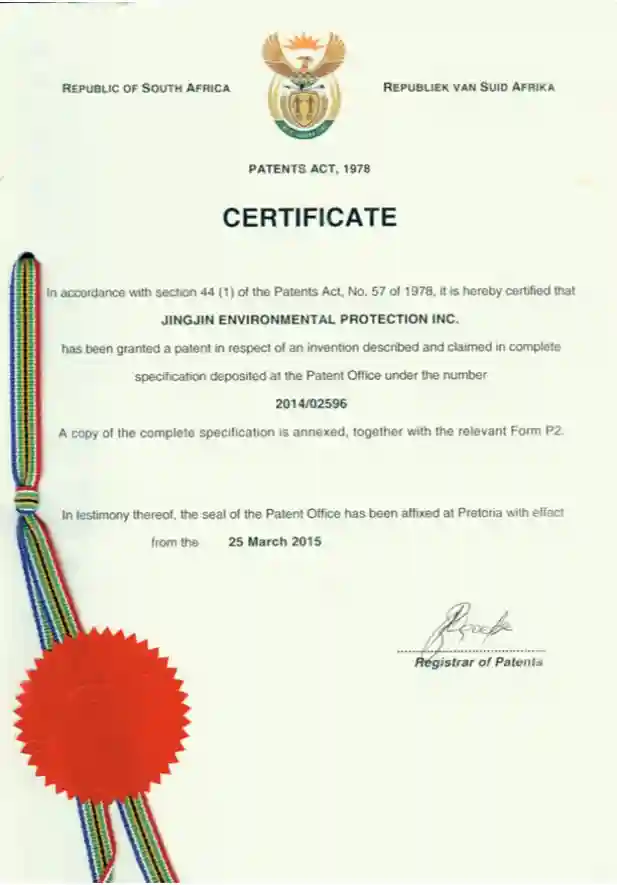
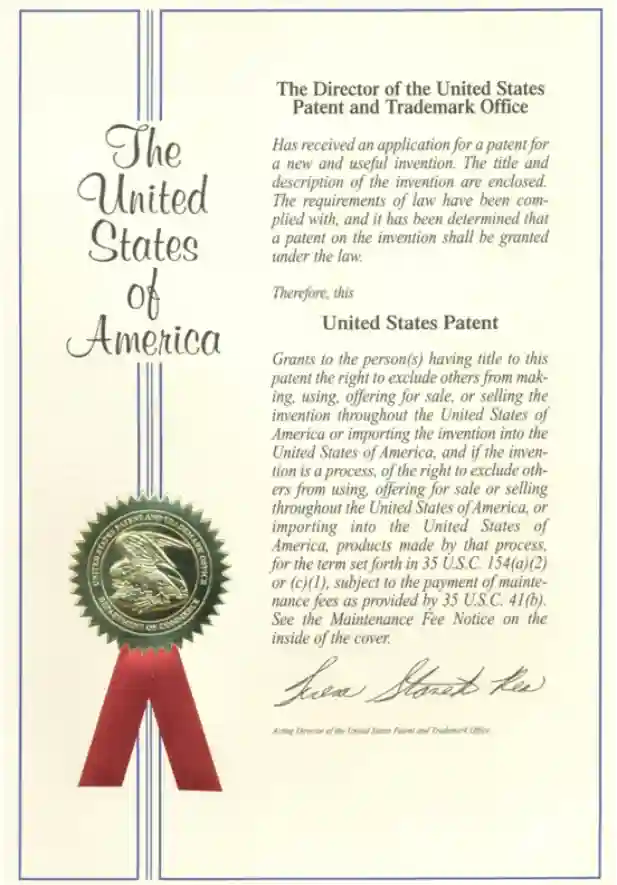
To get the most out of sludge removal, you need more than just the right tools. Since 1988, Jingjin Equipment Inc. has been making sludge filter press systems for industry clients in 123 countries. These systems help separate solids and liquids. When it comes to your unique sludge, our engineering team can help with process assessments, polymer tests, and system design. Jingjin offers stable, high-efficiency filter press technology backed by a global service system. They have over 136 patents and can make a lot of them. If you run a wastewater treatment plant for a city, a chemical plant, or a mine, our technical experts can help you figure out the best way to set things up so that you can save money and volume. Get in touch with our applications engineers at [email protected] to talk about your drainage problems and find out how our knowledge as a sludge filter press maker can change the way you handle waste.
References
1. Water Environment Federation (2018). Design of Municipal Wastewater Treatment Plants: Volume 3 – Solids Processing and Management, 5th Edition. McGraw-Hill Education.
2. American Society of Civil Engineers (2020). Environmental Engineering: Principles and Practice. ASCE Press, Chapter 12: Sludge Treatment and Disposal.
3. Purchas, D.B. and Sutherland, K. (2002). Handbook of Filter Media, 2nd Edition. Elsevier Advanced Technology, Oxford.
4. U.S. Environmental Protection Agency (2021). Biosolids Technology Fact Sheet: Filter Press, EPA 832-F-21-003. Office of Water.
5. Wakeman, R.J. and Tarleton, E.S. (2005). Solid/Liquid Separation: Principles of Industrial Filtration. Elsevier Science & Technology Books.
6. International Water Association (2019). Sludge Handling and Biosolids Management in the 21st Century, IWA Publishing, London.
jingjin
Founded in 1988, Jingjin specializes in filter presses and liquid-solid separation solutions, serving over 130 countries worldwide, and is a standard-setter in China's filter press industry.
Get the Filter Press guide
Enter Your Email for Technical assistance for the Filter Press.
Recommended Blog

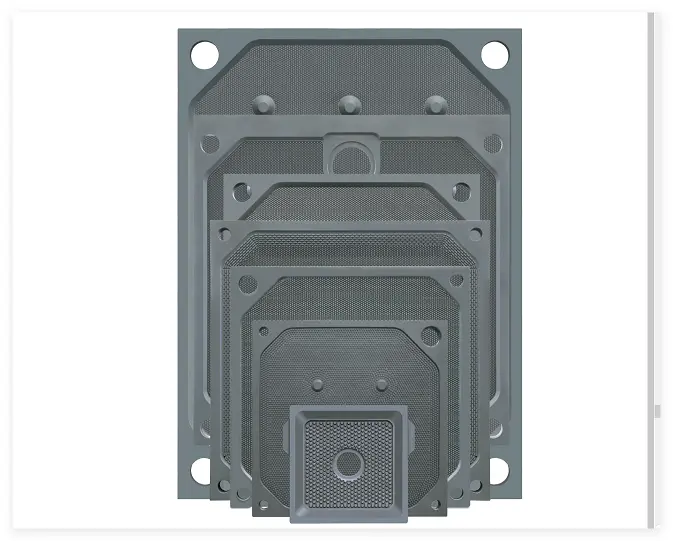
How Filter Press Plate Design Affects Your Cake Dryness Results
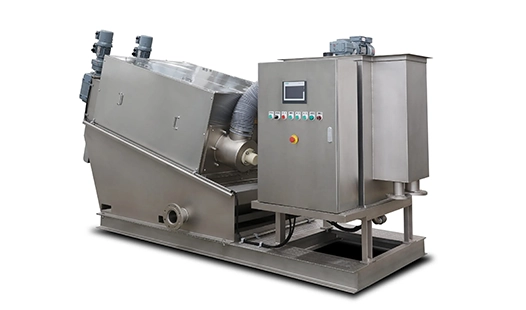
Best China Screw Press Dewatering Machine for Mexico Buyers
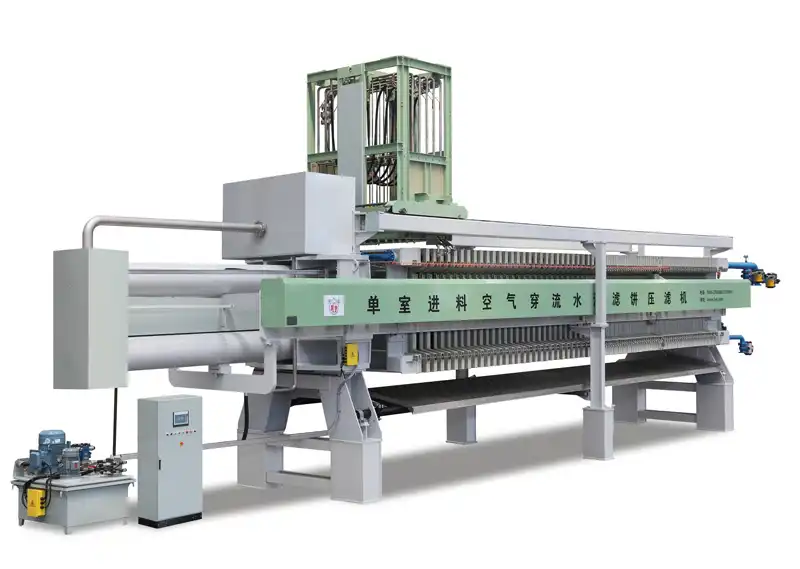
How to Troubleshoot Common Filter Press Machine Issues Quickly and Effectively
What is a Dewatering Press Machine and How Does It Work? A Complete Guide
How to Choose the Right Screw Dewatering Equipment for Your Paper Mill Sludge
