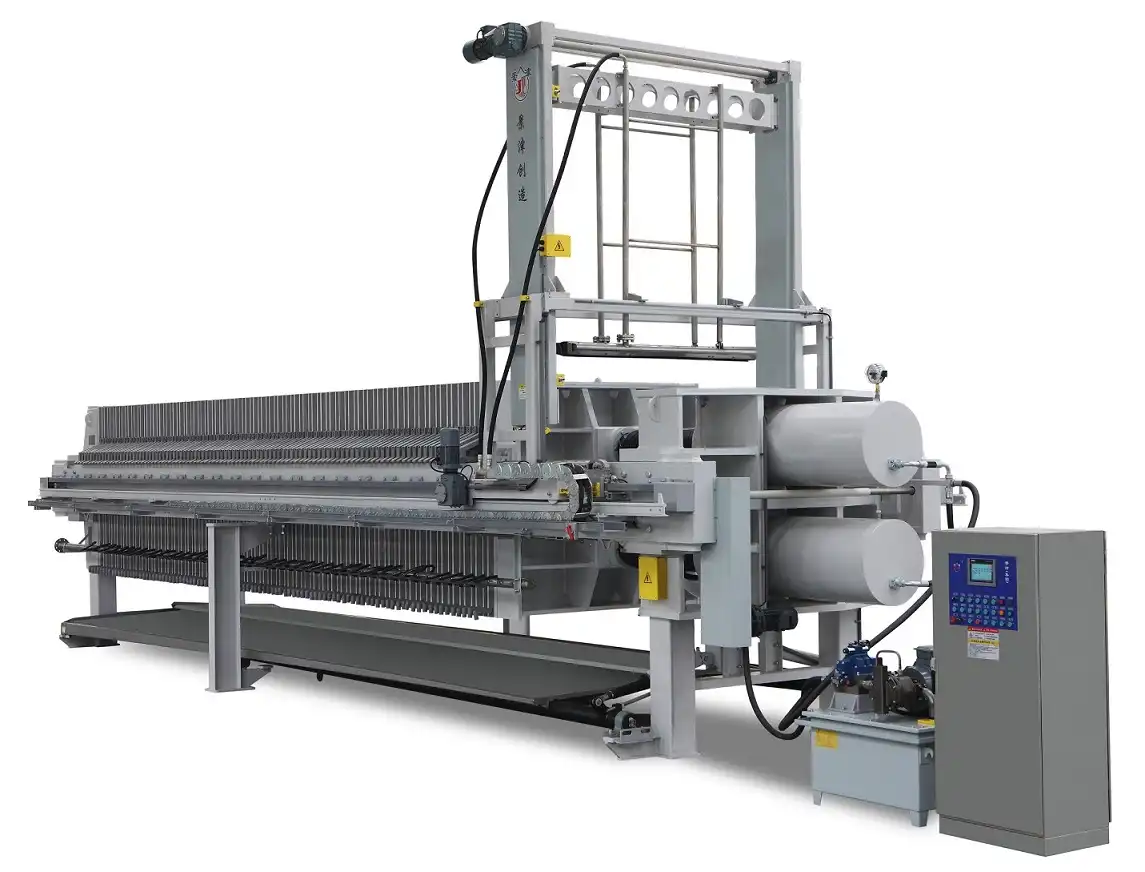
Wastewater Treatment Regulations Driving Filter Press Adoption in 2026
Understanding the Role of Filter Presses in Wastewater Treatment
- Understanding the Role of Filter Presses in Wastewater Treatment
- Regulatory Drivers Behind Increased Filter Press Demand in 2026
- Choosing the Right Filter Press: Technology and Design Considerations
- Economic and Operational Impacts of Filter Press Adoption Under New Regulations
- Future Outlook: Trends and Strategic Recommendations for B2B Clients
- Conclusion
- FAQ
- Partner With Jingjin for Advanced Wastewater Filtration Solutions
- References
Environmental rules are getting stricter all over the United States, which is changing how businesses handle their liquid trash. For sites attempting to meet tougher sludge dewatering requirements, the filter press in wastewater treatment has become an essential technology. This pressure-driven solid-liquid separation device turns wet sludge into dry, stacked filter cakes. This cuts down on the amount of waste that needs to be thrown away by up to 90% and allows process water to be recovered. Process engineers and wastewater managers are looking to more advanced filtration systems to deal with rising running costs, legal risks, and environmental requirements as 2026 draws near.
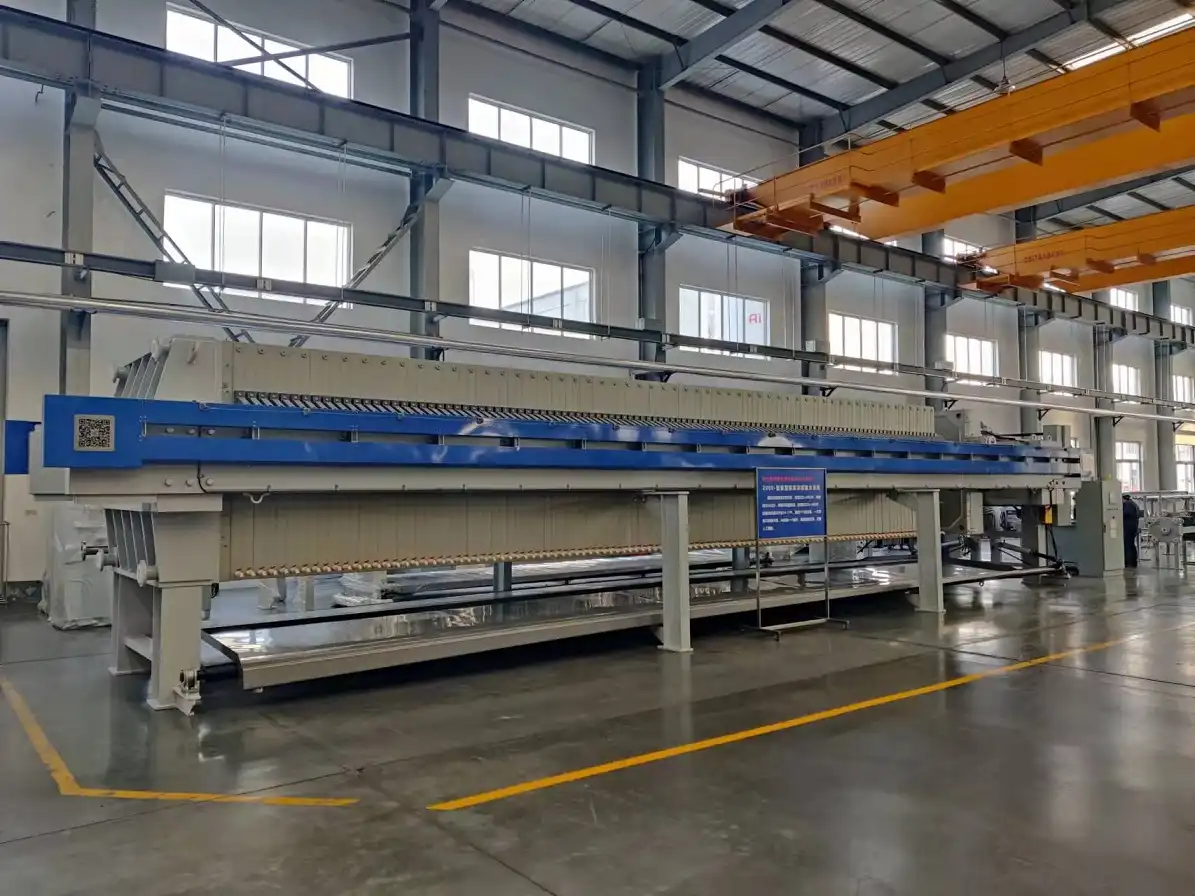
Understanding the Role of Filter Presses in Wastewater Treatment
How Sludge Dewatering Principles Work
Modern industries produce moist sludge with process water and regulated contaminants. Dehydration requires mechanical pressure to force liquid through filter material while retaining particles. This regulated separation eliminates garbage, restores clean water, and creates solid cakes that are easy to handle and may be thrown away, burned, or reused.
Chemical preparation begins the filter cycle. This is when polymers or coagulants destabilize suspended particles. The conditioned slurry enters the filter box under constant pressure. As liquid passes through filter cloths, solids form thick cakes. Sludge type and equipment determine the process time, which is generally 60–120 minutes. This proven dewatering process works well for municipal biosolids, mining tailings, and chemical manufacturing residuals.
Core Components and System Architecture
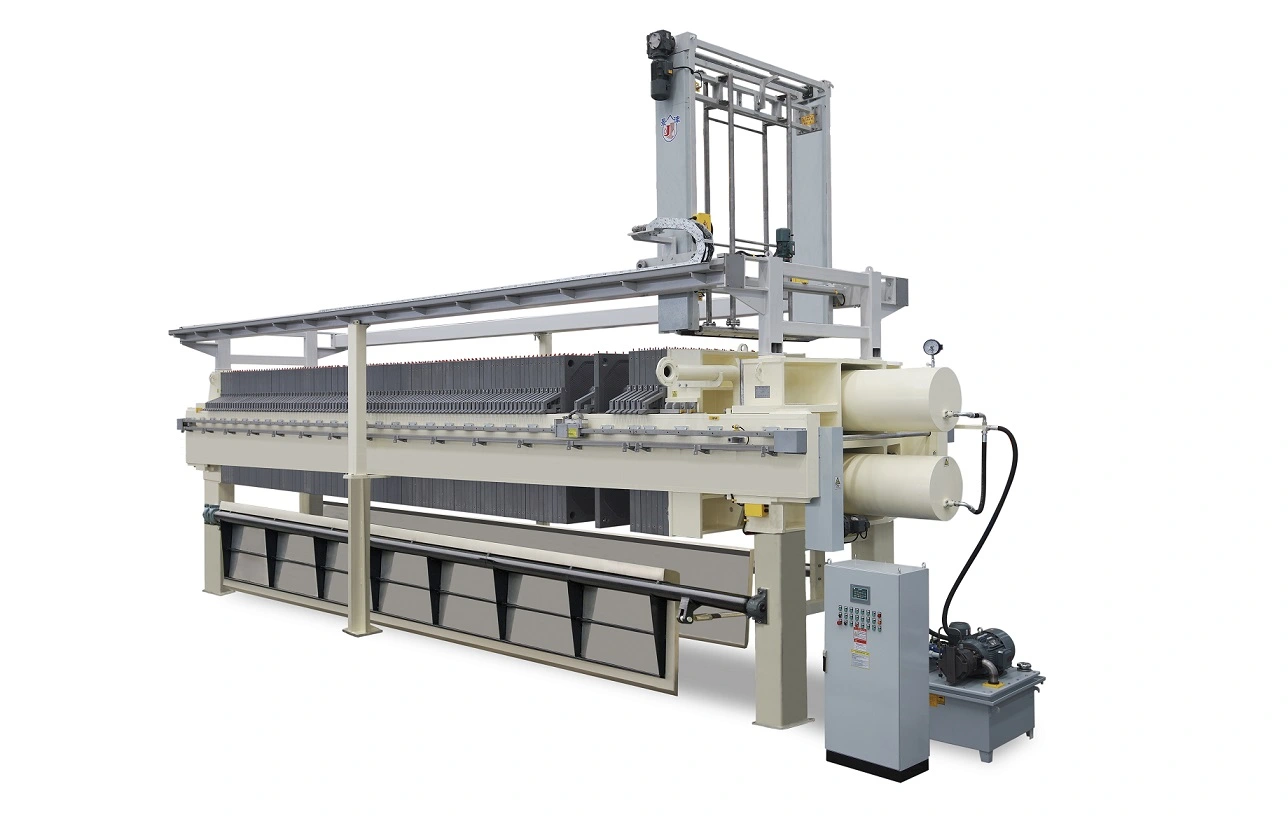
A well-designed filter press has interconnected sections. The plate pack is the major component. Filter plates and frames are layered and constructed of stronger plastic or non-rusting materials. Recessed chambers have filter cloth on both sides. This creates 1–1,000-square-meter filtering facilities in industrial settings.
During the filter cycle, hydraulic clamping devices apply precise closure pressure (6–20 psi) to prevent seal leaks. Programmable logic controllers, automated plate changers, and feed pumps run the process. High-performance configurations employ membrane squeeze. Compared to 25–40% in normal designs, inflatable diaphragms smash filter cakes to above 60% solids. This added dryness quickly reduces transportation costs and boosts dump size.
Comparing Filtration Technologies
Procurement managers consider several success variables when selecting solid-liquid separation methods. Centrifuges take more energy and struggle with tiny particles, but they can run continuously. The little output of belt filter presses produces wetter cakes, which are more expensive to manage subsequently. Some operations suit rotary vacuum filters, but they require a lot of space and gear.
Pressure filtration dries cakes, collects solids (over 99%), and is simple to operate. Workers can handle diverse feeds without slowing down since it operates in batches. Filter cloth must be replaced every 1,000–3,000 rounds, and hydraulic parts have regular service intervals. Due to these benefits, mining businesses that handle abrasive waste, municipal treatment plants that handle biosolids, and hazardous waste chemical producers choose filter press in wastewater treatment technology.
Regulatory Drivers Behind Increased Filter Press Demand in 2026
Evolving Federal and State Compliance Standards
The Environmental Protection Agency is improving wastewater release limitations under the Clean Water Act. New effluent restrictions apply to certain industries. Many permits now limit total suspended particles to 30 mg/L or fewer and require 80% or more phosphorus and nitrogen cuts to fulfill fertiliser removal guidelines. State governments in California, Texas, and the Great Lakes impose harsher area limits.
Sludge disposal regulations exacerbate the issue. RCRA Subtitle D laws govern landfill disposal of non-hazardous waste and the maximum moisture allowed to prevent leachate formation. Facilities that dispose of harmful filter cakes must follow RCRA Subtitle C standards, which include expensive manifest tracking and landfill access restrictions. Solids composition between 50 and 65% modifies how rules categorize items, which might reclassify garbage streams and drastically reduce compliance costs.
Facilities must handle discharge, disposal, and continuous tracking and reporting. Monitoring flow rates, suspended particles, and biological oxygen demand in real time offers audit trails of compliance. Supervisory control and data collection platforms complement automated filter press systems. This simplifies regulatory paperwork for purchase managers and plant directors.
Real-World Compliance Case Study
A Midwest chemical business utilizing belt press equipment with 35% solids content had to pay over $850,000 in sludge dumping charges. Discharge infractions during regulatory checks might result in permit revisions and penalties. The plant replaced obsolete equipment with a membrane filter press for acidic pigment slurries.
Life-changing impacts followed installation. Since the cake bulk increased to 58%, 41% less rubbish was thrown away. The firm recycled 15,000 gallons of process water daily, reducing fresh water costs. Always observing discharge restrictions eliminated the chance of breaching them. Waste savings, water recovery, and government fine avoidance paid for the project in 22 months. Strategic equipment adjustments can fulfill compliance objectives and save money, as seen here.
Choosing the Right Filter Press: Technology and Design Considerations
Plate and Frame Versus Membrane Configurations
In older plate-and-frame systems, only the feed pump pressure may dry sludge. Tanks fill with sludge until resistance prevents it. Compressed air or pumping completes the cycle. This technique has worked well in many circumstances with minimum human input.
Membrane filter presses have chamber plates with inflatable diaphragms. Workers blow up membranes and crush filter cakes with compressed air or hydraulic fluid after filling and pressure filtering. The second press removes any leftover water, raising solids by 10–15%. Better cake dryness and reduced lifetime costs can justify the extra expenditure for chemical businesses that operate with sticky pigments, mines that handle clay-rich tailings, and communities that wish to reduce dumping expenses.
Automation Levels and Control Systems
Manual filter press operators must monitor cycles, open plate packs, and release cakes. This works effectively for smaller or high-staff enterprises. Semiautomatic systems handle hydraulic clamping and cake release, but plates and cloths must be manually cleaned.
Fully automated filter press in wastewater treatment setups eliminate laborious tasks. Cakes tumble into bins or elevators as automated plate changers transport plates between rooms. Built-in washing systems spray high-pressure water over filter media between rounds to maintain filtration rates and prevent blinding. PLC-based controls fill, push, squeeze, open, empty, and wash without human intervention. Multiple daily rounds save labor and ensure performance consistency across shifts.
Sizing Parameters and Performance Metrics
Choosing the correct equipment starts with accurately defining the sludge. Lab measurements include solids abundance, particle size distribution, compressibility, and filterability. These characteristics directly impact the filtering area, cycle length, and cake quality.
Capacity calculations use daily sludge volumes, goal solids content, and working hours. Since undersized units never stop for cleaning, parts wear out faster. Large projects increase capital expenses without a rationale. Leading manufacturers create sophisticated sizing software using decades of application data from many organizations.
Filtration area, working pressure, chamber capacity, and cycle time are key performance characteristics. A 150-square-meter unit with 15 bar pressure and 90-minute shifts may be needed for a municipal application of 100 cubic meters per day. Chemical businesses with strong sludges may need 225-bar membrane systems with unique metal pieces and automatic cloth cleaning for optimum filtering. These detailed requirements help procurement managers choose the finest equipment for each activity.
Economic and Operational Impacts of Filter Press Adoption Under New Regulations
Capital Investment and Operating Cost Analysis
Filter press systems require a lot of money to buy. Simple city units cost $150,000, while fully automated mining setups made of materials that don't rust cost over $2 million. A full lifecycle cost study, on the other hand, shows that there are strong returns through multiple savings lines.
The most obvious effect is a drop in the cost of disposal. Transport and disposal fees for dewatered sludge with a 60% solids content are about 40% of the costs for material with a 25% solids content. By making the cake drier, a plant that makes 50 tonnes of dry solids a year can save $180,000 to $250,000 on hauling and dumping costs. Reclaimed process water is worth $3 to $8 per thousand gallons, based on local prices and treatment needs. This is because it can be used again.
Pressure filtration uses less energy than heat drying or mechanical methods with multiple stages. Most hydraulic pumps and feed tools use only 0.8 to 1.5 kWh per cubic metre of material that is processed. This is a lot less than centrifuge systems, which need 2.5 to 4 kWh per cubic metre. Maintenance costs are still predictable. The main ongoing cost is replacing the filter cloth, which ranges from $8,000 to $25,000 per set based on the size of the unit. Hydraulic systems and structural parts that are well taken care of often last longer than 20 years.
Maintenance Strategies for Maximum Uptime
When you use preventative maintenance plans, you can keep your equipment in good shape and avoid having to fix it in an accident. The hydraulic pressure, the state of the cloth, and the working of the discharge system are checked every day. As part of your weekly duties, you should check the tightness of the filter media and look for buildup on the closing surfaces. Analysis of hydraulic fluid, checking of pump seals, and automatic system tuning are all done once a month as part of routine maintenance.
Simple answers exist for common operating problems. If cake sticks to filter cloths, it usually means that the polymer dose wasn't right or that the cloth material wasn't acceptable. Most adhesion problems can be fixed by switching to materials with only one filament or setting up automatic cleaning. Leakage between plates can be caused by not enough tightening pressure, parts that are not lined up correctly, or seal contamination. Most leaking problems can be avoided by regularly checking the hydraulic pressure and cleaning the plates.
Technical support that is quick and helpful is guaranteed when you choose qualified sellers with large service networks. Leading makers have global service networks that can quickly send parts, do diagnostics from afar using cloud connections, and respond to emergencies on-site. Service contracts that include yearly checks, new cloth, and reconditioning of parts keep your budget stable and improve operating dependability. When looking at filter press suppliers, procurement teams should put expert help skills above equipment specs and prices.
Future Outlook: Trends and Strategic Recommendations for B2B Clients
Emerging Technologies and Automation Integration
Sludge drainage operations are changing because the industrial Internet of Things and complex process analytics are coming together. Modern filter press machines have sensor arrays that check the pressure inside the cylinder, the resistance of the cloth, the density of the feed, and the moisture level in the cake all the time. Machine learning algorithms look at operating trends to figure out the best cycle adjustments and maintenance needs for each part before they stop working properly.
Cloud-based platforms collect data from many installations, which lets business sustainability teams compare how well facilities are doing and find ways to make them better. Remote tests speed up fixing and lower service costs. Predictive maintenance algorithms figure out when to change cloth based on how well it filters, not on random time intervals, which saves money on consumables.
New filtering uses are being driven by efforts to eliminate liquid waste. When there isn't enough water or strict rules about what can be dumped, businesses use multi-stage treatment trains with filter presses as the last step in cleaning. Recovered filtrate goes through reverse osmosis treatment, which gives back high-purity water to the process while collecting dissolved solids so they can crystallise or be thrown away safely. This circular method meets the goals of following the rules and protecting resources at the same time.
Strategic Procurement Recommendations
When trying to upgrade tools in a building, the choice of filter press in wastewater treatment technology should be in line with long-term operational goals. Fully automatic systems are better for municipal treatment plants that want to cut down on labour costs, even though they cost more to buy. When mining companies deal with gritty slurries, they need to use high-quality materials and build things that will last a long time. Chemical companies that make a lot of different products need systems that can adapt to different types of sludge.
Creating relationships with suppliers has benefits that go beyond just buying tools. Leading makers offer full engineering support, which includes sample testing, thorough process modelling, and planning for integration. Established service networks make sure that parts and professional support are always available for all machine types. Companies with a history of success in the target industries bring application knowledge that speeds up project success and lowers the risks of launching.
Sustainability factors are becoming more and more important in purchasing decisions. Evaluation models take into account how energy-efficient the equipment is, how recyclable the materials are, and whether the seller has environmental management certifications. Filter press systems directly help companies reach their environmental goals by lowering the amount of trash they produce, saving water, and making circular economy projects possible. Keeping track of these efforts makes business cases stronger and makes sure that capital projects meet the standards for company sustainability reporting.
Conclusion
Tougher rules about the environment, higher costs for dumping, and calls for sustainability are all causing more industries to use filter presses. These pressure filter systems offer measurable performance benefits, such as better cake dryness, reliable compliance, and operating efficiency, that directly address important problems that wastewater managers and procurement pros face. Facilities will be able to meet legal standards in 2026 while saving a lot of money thanks to smart investments in new equipment and improved dewatering technology. As the market changes, companies need to be strategic about choosing technologies, forming relationships with suppliers that offer full support, and combining automation and analytics to get the best long-term results.
FAQ
Q1: What differentiates filter presses from centrifuge dewatering equipment?
With pressure filtration, the cake grain content is usually 50–65%, while with centrifuges, it's only 20–35%. Also, filter tools are better at catching smaller particles, which means less solids are lost in the water. Centrifuges can run continuously, which makes them good for very high-volume tasks, but they use more energy and need more frequent upkeep. Batch filters give operators more options when dealing with the different types of sludge that are common in industrial settings.
Q2: How frequently should filter cloths require replacement under new regulatory demands?
How long a cloth lasts varies a lot on the properties of the sludge and how it is used. For abrasive mine slurries, the filter may need to be replaced every 800 to 1,200 cycles. For biosolids used in cities, the filter can last for 2,000 to 3,000 cycles. Automated cleaning systems keep clothes from blinding in a way that can't be fixed, which greatly increases their lifespan. Monitoring performance with pressure difference tracking shows the best time to replace before filter rates drop significantly.
Q3: Can automated systems reduce labor costs sufficiently to justify premium investment?
Fully automatic filter presses get rid of 1.5 to 2 full-time comparable jobs in places that do a lot of work every day. Savings on wages of $120,000 to $180,000 a year, including perks, usually pay for the cost of automation within 18 to 30 months. Some other benefits are consistent performance no matter how experienced the operator is, higher safety by not having to handle cakes by hand, and better compliance with regulations through standardised working methods.
Partner With Jingjin for Advanced Wastewater Filtration Solutions
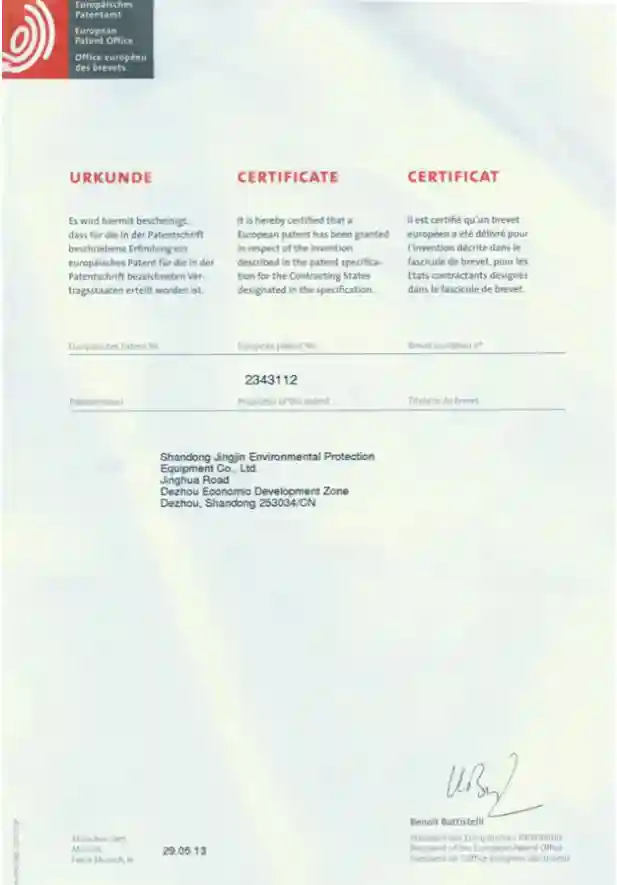
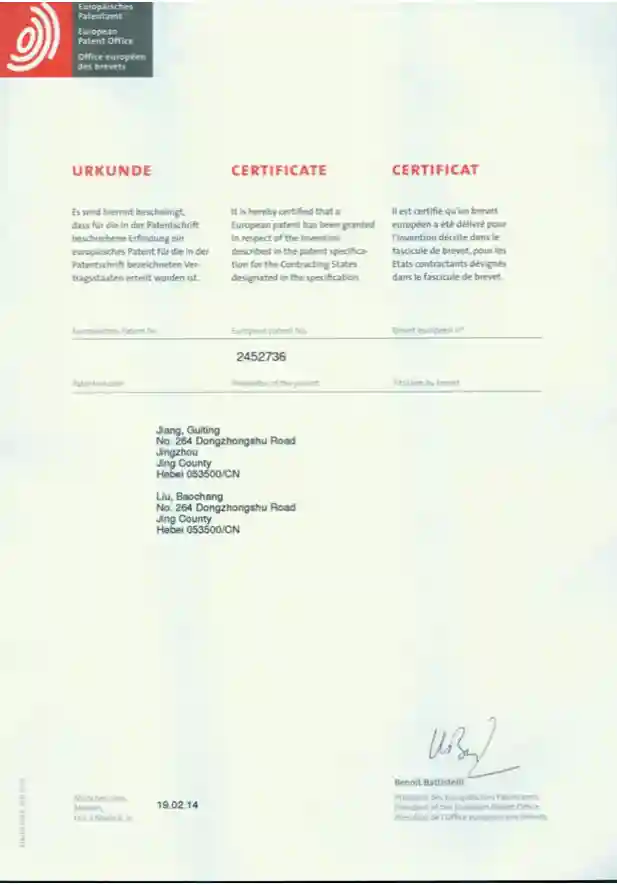
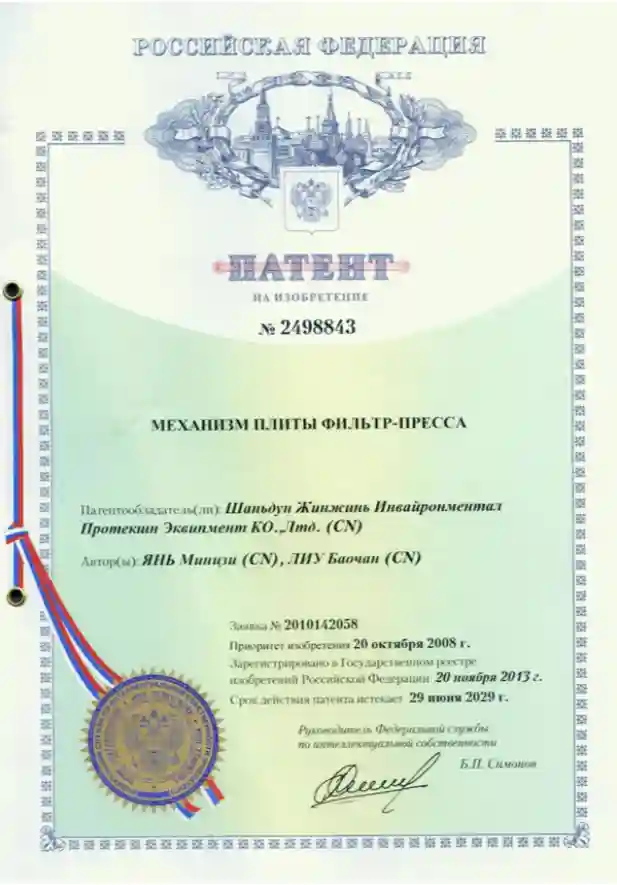
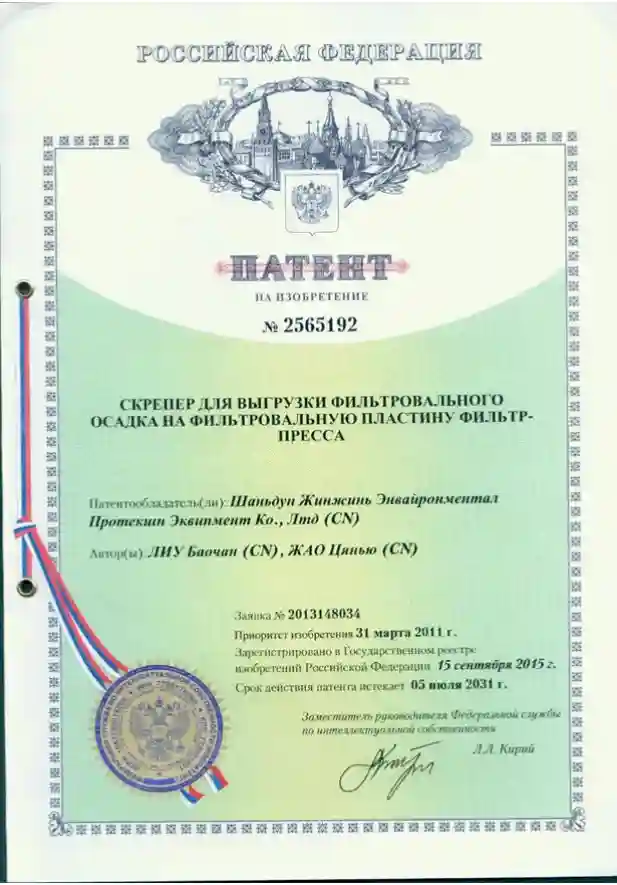
Keeping up with the ever-changing rules for treating wastewater needs tried-and-true technology and professional help. Jingjin Equipment Inc. offers complete filter press options designed to meet the needs of demanding industry uses in the building, mining, chemical processing, and municipal treatment sectors. Our own high-pressure filter systems dry cakes better than anyone else's in the business and are very reliable even in difficult conditions. Jingjin is your long-term partner for compliance and operating success. They have over 136 patents, factories that serve 123 countries, and a full ecosystem of filter plates, cloths, and consumables. To make sure everything works perfectly, our applications engineering team does thorough process analysis, equipment sizing, and pilot testing. If you need a reliable filter press in wastewater treatment for a new project or to update an existing one, our technical experts are ready to come up with solutions that are just right for you. Get in touch with us at [email protected] to talk about how our tried-and-true dewatering technology can help your building reach its green goals, lower the cost of removal, and meet all the rules that apply after 2026.
References
1. U.S. Environmental Protection Agency (2024). "National Pollutant Discharge Elimination System (NPDES) Permit Writers' Manual." Office of Water, EPA-833-K-10-001.
2. Water Environment Federation (2023). "Residuals and Biosolids Management: Technologies and Regulatory Compliance Strategies." WEF Manual of Practice No. 8, Seventh Edition.
3. American Water Works Association (2024). "Industrial Water Reuse and Zero Liquid Discharge: Engineering Design and Economic Analysis." AWWA Research Foundation Report.
4. Mining Engineering Journal (2023). "Tailings Management and Dry Stacking Technologies: Comparative Performance Analysis in North American Operations." Society for Mining, Metallurgy & Exploration, Vol. 75, Issue 3, pp. 142-158.
5. Chemical Engineering Progress (2024). "Advanced Solid-Liquid Separation in Fine Chemical Manufacturing: Equipment Selection and Process Optimization." AIChE Publication, Vol. 120, No. 2, pp. 34-42.
6. National Association of Clean Water Agencies (2023). "Biosolids Management: Regulatory Trends and Technology Assessment for Municipal Wastewater Treatment Facilities." NACWA Technical Report Series.
jingjin
Founded in 1988, Jingjin specializes in filter presses and liquid-solid separation solutions, serving over 130 countries worldwide, and is a standard-setter in China's filter press industry.
Get the Filter Press guide
Enter Your Email for Technical assistance for the Filter Press.
Recommended Blog
How to Optimize Food Processing with Efficient Press Filters?
Integration of Press Pump and Filter Press Systems for Enhanced Performance
_1774493546478.webp)
What Is a Membrane Plate Filter Press and How Does It Work? A Complete Guide
Why European Buyers Compare China vs Local Filter Press Suppliers?

China Multi Disk Screw Press vs India: Cost & Performance 2026
Durable Multi Disk Sludge Dewatering Machines with Low Maintenance Needs