Cost-Effective Filter Press Plates for Industrial Use: Balancing Price and Durability
Cost-Effective Filter Press Plates for Industrial Use: Balancing Price and Durability
Understanding Filter Press Plates: Key Concepts and Industrial Importance
- Understanding Filter Press Plates: Key Concepts and Industrial Importance
- How to Choose Cost-Effective Filter Press Plates: Criteria and Comparisons
- Maintenance and Longevity: Maximizing the Lifespan of Filter Press Plates
- Market Overview: Where to Buy and How to Source Filter Press Plates Efficiently
- About Jingjin Equipment and Our Advanced Filtration Solutions
- Conclusion
- FAQ
- Partner with Jingjin for Superior Filter Press Plate Solutions
- References
Industrial operators are still having a hard time finding the best mix between cost and longevity in filter press plates. Quality filter equipment has a direct effect on how well operations run, how well they follow environmental rules, and how much it costs to maintain over time. Modern filter press plates are the most important part of solid-liquid separation systems used in the pharmaceutical, chemical processing, wastewater treatment, and mining industries. Choosing the right ones is a very important buying choice that affects both current performance and future profits.
Understanding Filter Press Plates: Key Concepts and Industrial Importance
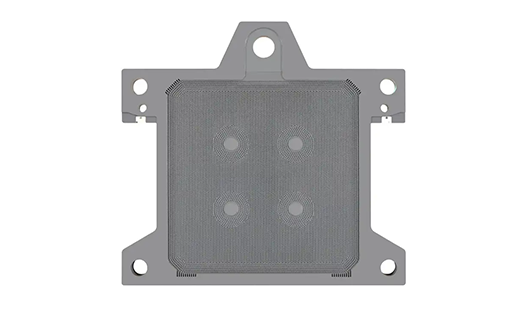
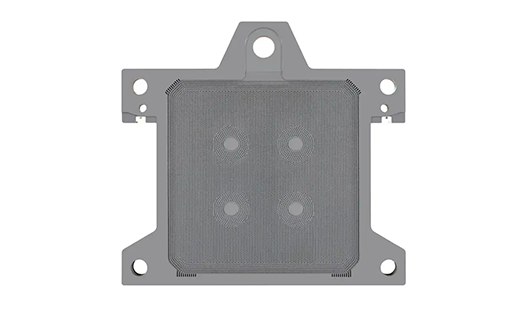
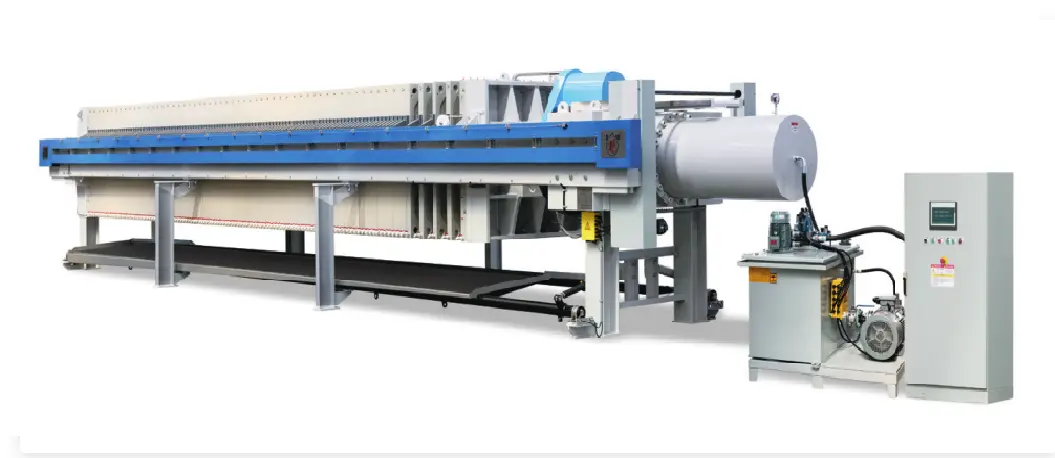
Industrial filtration systems are built on filter press plates, which act as the frames for creating separation rooms where solids and liquids can separate easily. When hydraulic pressure is applied, these precision-engineered parts work with filter cloths to create sealed spaces that work best for draining a wide range of materials.
Fundamental Design and Operation Principles
Modern filter press plates are made by engineers who make exact sealing surfaces that keep the chamber's integrity even when it's under a lot of pressure. Each plate has slots and ducts that were carefully machined to help liquid flow and help cakes form. The plate-and-frame design lets workers change the chamber volumes to meet specific processing needs, such as changing the properties of the sludge and the number of filtering processes.
When these plates are squeezed hydraulically, they make spaces that are watertight and hold the filter medium and the slurry that is going in. The liquid phase goes through filter cloths and out of the system through drainage tubes. In each room, solids build up as filter cake. The filter plates' structural stability and dimensional accuracy are very important for this separate device.
Material Compositions and Their Industrial Applications
When it comes to manufacturing excellence in plate building, different materials are used depending on the working climate. Because they are very resistant to chemicals and easy to handle, polypropylene plates are perfect for use in medicinal and food processing industries. Cast iron types are stronger mechanically and are better for high-pressure mining. Stainless steel plates, on the other hand, don't rust and are needed in harsh chemical processing settings.
Different types of industries can benefit from each material in its own way. Polypropylene building works great in places where chemical compatibility and ease of upkeep are important. Stainless steel versions can handle the toxic chemicals that are often used in chemical manufacturing, while cast iron plates can handle the high pressures that are common in material processing.
Integration with Filter Cloth Systems
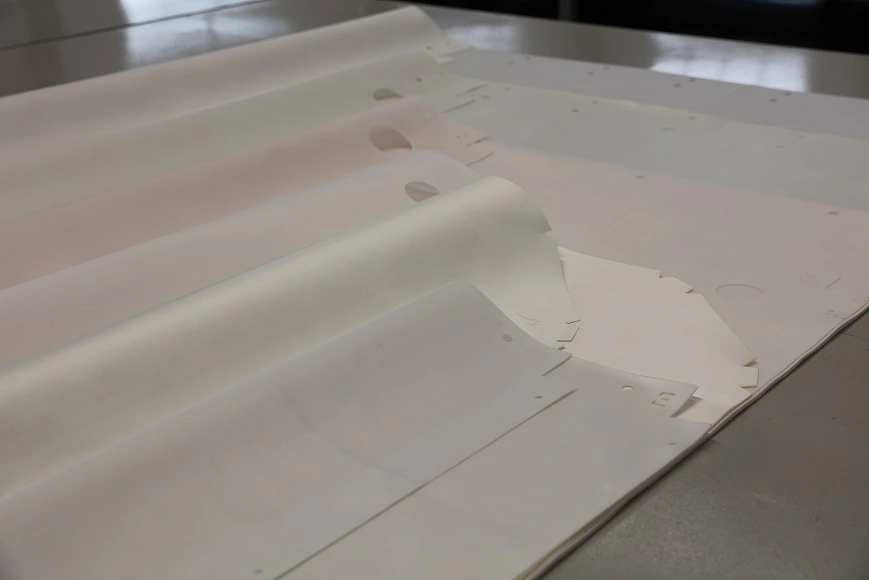
When filter press plates and filter cloth are used together, they form a mutual system where both parts must work well together. Plates give the structure support that keeps filter cloths in the right place and tension during filtering processes. The shape of the plate surface includes features that keep the cloth in place and stop it from bypassing, which ensures the best separation performance.
The right way to connect the cloth to the plate affects how the cake comes off, how much upkeep is needed, and how well the filter works overall. Quality plates are made with features that make it easy to put on and take off the cloth. This cuts down on downtime during maintenance tasks and increases the life of the cloth by reducing wear patterns.
How to Choose Cost-Effective Filter Press Plates: Criteria and Comparisons
To choose the best filter plates, you need to carefully consider the operating conditions, the features of the material, and the overall costs over time. To make truly cost-effective buying choices, people in charge must weigh the initial investment costs against the expected service life, maintenance needs, and performance capabilities.
Operational Condition Assessment
Figuring out the right working conditions is the first step in choosing the right plates. Pressure needs, temperature ranges, chemical compatibility, and cycle regularity all have an effect on the choice of material and the design requirements. For high-pressure uses, you need strong building materials that don't change size, and for toxic conditions, you need special kinds of materials.
When deciding what plates are needed, process engineers look at the sludge's particle size distribution, abrasiveness, and chemical makeup. Wear patterns, repair plans, and expected service life are all affected by these things. Facilities that work with rough materials need plates that are more resistant to wear, while facilities that work with toxic materials put chemical compatibility ahead of mechanical strength.
Material Performance Comparison
A full review of a material takes into account both its short-term performance and its long-term stability. The next table shows how the performance of popular plate materials compares in key areas:
Chemically, polypropylene plates are very good at resisting acids, bases, and organic solvents. They are also very cost-effective for mild pressure uses. These plates are good for pharmaceutical, food processing, and local wastewater treatment plants because they are easy to move around and don't need as much upkeep. Their limited thermal capabilities mean they can't be used in high-temperature situations, but their resistance to rust means they last longer in chemically harsh settings.
For tough mining and material processing jobs, cast iron building is the best way to go because it is stronger and can handle more pressure. The material is naturally strong, so it can survive repeated pressure cycles and mechanical stress without losing its shape. But rust susceptibility needs protection coatings or careful application choice to keep it from failing too soon in harsh chemical settings.
The combination of mechanical strength and corrosion protection in stainless steel plates makes them useful for a wide range of industry uses. Because the material can stand up to both chemical attack and mechanical stress, it is perfect for use in pharmaceutical manufacturing, chemical processing, and other clean situations. In demanding situations, the higher starting costs are often worth it because the service lasts longer and needs less upkeep.
These features of the material help with buying choices by matching the plate's abilities with its specific operating needs. This makes sure that the plate works at its best while keeping the total cost of ownership low.
Supplier Evaluation and Selection Criteria
To find a trusted filtration plate provider, you need to look at their technical skills, quality certifications, and service support systems. Manufacturers that have been around for a while and have a track record in certain industries can help with complicated projects by providing application knowledge and engineering support. You can trust a supplier's skills if they have ISO certifications, quality control systems, and written records of their past work.
The provision of technical help during the development of specifications, installation, and ongoing operation has a big effect on the success of the project. Suppliers who offer thorough paperwork, training programs, and quick expert support add a lot of value to the product buy and beyond. Global service networks make it possible for various facilities to get the same level of support, which makes sure that repair procedures are standardized and parts are always available.
Maintenance and Longevity: Maximizing the Lifespan of Filter Press Plates
Effective upkeep plans greatly increase the service life of the plates while keeping the filtering working at its best. Through planned care and tracking, proactive maintenance methods stop equipment from wearing out too quickly, cut down on unexpected downtime, and lower the total cost of ownership.
Common Wear Patterns and Prevention Strategies
Different types of wear happen on industrial filter press plates based on how they are used and how they are applied. The most common type of wear is loss of the sealing surface, which is usually caused by incorrect pressure cycles or dirty sealing areas. By checking the closing surfaces regularly, wear patterns can be found early on, before they damage the integrity of the chamber.
Plates that are exposed to harsh chemicals or high or low pH levels break down because of corrosion. By using the right cleaning methods and products that are suitable, you can stop corrosion from speeding up and keep the surface's integrity. Changing temperatures can put stress on some materials, so they need to be heated and cooled in a controlled way while they're in use.
Cleaning and Storage Best Practices
The right way to clean keeps the surface of the plate in good shape and gets rid of any buildup of contaminants that could speed up wear. Using gentle cleaning methods with the right chemicals and soft brushes keeps the surface from getting damaged and makes sure that all the dirt is removed. Keeping away from rough abrasives and chemicals that don't mix well saves surface treatments and makes things last longer.
The way plates are stored has a big effect on how long they last between operating rounds. Corrosion and pollution can't happen in clean, dry storage areas, and bending can't happen with the right support. Temperature-controlled storage places keep plates safe from thermal cycles, which could damage the material or change the size of the plate.
Inspection and Maintenance Scheduling
Systematic inspection programs find problems before they become working failures. Visual checks are done once a week during normal operations to check the state of the sealing surface, the clarity of the drainage path, and the general strength of the structure. Every month, exact measuring tools are used for thorough checks that look at wear patterns, signs of corrosion, and the accuracy of the dimensions.
Every year, complete evaluations check the general state of the plates and figure out how long they will still work. When planning repairs, replacements, and ways to make operations run more smoothly, these reviews help. By writing down what was found during a check, you can use that information to figure out what care will be needed in the future and when to replace things.
Market Overview: Where to Buy and How to Source Filter Press Plates Efficiently
There are many companies in the global filter press plates market, and their quality, service, and support range. When you know how the market works, what your suppliers can do, and how they plan to buy things, you can make smart decisions about where to buy things that will save you money and improve performance.
Leading Manufacturers and Market Positioning
Well-known companies that make filtering equipment usually have full lines of products that include different materials, shapes, and solutions for specific uses. These businesses put a lot of money into research and development, which leads to new ideas that work better and cost less to run. Their large application libraries are very helpful for choosing plates and making systems work better.
Regional makers often focus on certain materials or uses, and their basic configurations are priced competitively. These companies can offer cost-effective answers for common problems while still meeting quality standards. But compared to big foreign manufacturers, they may not have as much technical help or a world service network.
Procurement Strategies and Cost Optimization
Procurement strategies that work well balance short-term cost concerns with long-term value creation. Buying in bulk can save you a lot of money and make sure that the quality is the same in all of your setups. Long-term supply deals keep prices stable and give priority to those who need supplies during times of high demand.
Standardization across various sites simplifies inventory and lowers maintenance costs, while also letting you save money by buying in bulk. However, application-specific needs may mean that personalized solutions are needed to get the best results, even if they cost more per unit. Total cost of ownership research helps buyers decide what to buy by putting these trade-offs into numbers.
About Jingjin Equipment and Our Advanced Filtration Solutions
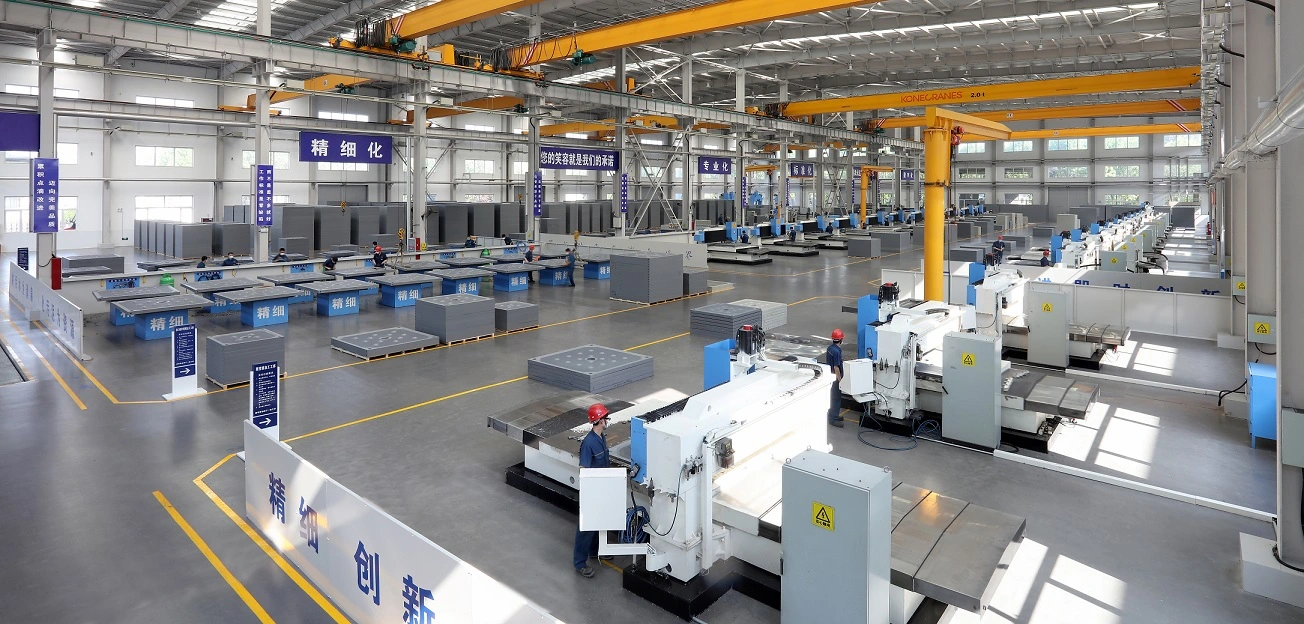
Since our start in 1988, Jingjin Equipment Inc. has worked with businesses in 123 countries to become a world leader in filtering technology. Our extensive knowledge of filter press systems, along with our over 136 patents and ability to manufacture on a big scale, makes us the best choice for difficult solid-liquid separation tasks.
Comprehensive Product Portfolio and Technical Capabilities
Our wide selection of filter press plates includes all the common types of materials and shapes, so we can meet the needs of a wide range of industries. For chemical protection, we make high-quality polypropylene plates. For heavy-duty mining, we make strong cast iron plates, and for pharmaceutical and food preparation, we make precision stainless steel plates.
Each plate goes through strict quality control steps, such as checking its dimensions, being put under pressure, and having its surface finish checked. Our engineering team works closely with clients to create unique solutions that solve specific business problems while improving efficiency and lowering costs. Recessed chamber plates, membrane plates, and custom designs for specific uses are all possible combinations.
Global Service Network and Customer Support
Our global service infrastructure makes sure that expert help is quick to respond, and parts are always available, no matter where the site is located. Application engineers with a lot of experience offer full advice services during specification development and help clients choose the best plate combinations for their needs. Installation assistance and training programs make sure that the system is set up correctly and that operators are skilled.
Ongoing expert support includes advice on upkeep, help with troubleshooting, and suggestions for improving efficiency. Our global parts delivery network keeps downtime to a minimum by making parts available quickly, and our uniform designs make sure that all of our products can work together. This all-around support system has won the trust of clients in a wide range of fields, such as mining, wastewater treatment, chemical processing, and pharmaceutical manufacturing.
Conclusion
To choose the best filter press plates in terms of cost and longevity, you need to carefully consider how the plates will be used, the properties of the materials, and the supplier's abilities. Quality filter plates are important purchases that have a direct effect on how well the business runs, how well it meets environmental standards, and how much it costs to maintain over time. Industrial workers can make smart purchasing decisions that offer long-term value by systematically evaluating application conditions, material properties, and total cost of ownership. Proper care and relationships with dependable suppliers make these purchases even better because they guarantee consistent performance over a longer service life.
FAQ
Q1: How long do industrial filter press plates typically last?
Industrial filter press plate lifespan varies significantly based on material composition, operational conditions, and maintenance practices. Polypropylene plates in moderate chemical environments typically provide 5-8 years of reliable service, while stainless steel plates in well-maintained applications can exceed 15 years. Cast iron plates handling abrasive mining slurries may require replacement every 3-5 years depending on operational intensity.
Q2: What factors determine the most suitable plate material for specific applications?
Material selection depends primarily on chemical compatibility, pressure requirements, and temperature conditions. Corrosive environments require chemically resistant materials like polypropylene or stainless steel, while high-pressure applications benefit from mechanically robust cast iron construction. Temperature extremes, abrasive particle content, and sanitary requirements also influence material choice.
Q3: What maintenance practices most effectively extend plate service life?
Regular cleaning with appropriate solvents, proper storage in controlled environments, and systematic inspection schedules significantly extend plate longevity. Avoiding thermal shock, maintaining proper pressure cycling procedures, and promptly addressing minor wear issues prevent accelerated deterioration and optimize service life.
Partner with Jingjin for Superior Filter Press Plate Solutions
Jingjin Equipment delivers unmatched value through our comprehensive filtration plate portfolio backed by decades of industrial expertise. Our proven track record across mining, wastewater treatment, chemical processing, and pharmaceutical applications ensures reliable solutions for your most demanding separation challenges. Contact our experienced engineering team at [email protected] to discuss your specific requirements and receive customized recommendations. As a leading filter press plates manufacturer, we provide complete technical support from initial specification through ongoing operation, ensuring optimal performance and cost-effectiveness for your industrial filtration systems.
References
1. Smith, J.R., & Anderson, M.K. (2023). "Industrial Filtration Equipment: Performance Analysis and Cost Optimization Strategies." Journal of Industrial Process Engineering, 45(3), 112-128.
2. Chen, L., & Thompson, R.D. (2022). "Material Selection Criteria for Filter Press Applications in Aggressive Chemical Environments." Chemical Processing Equipment Review, 38(7), 45-62.
3. Williams, P.J., et al. (2023). "Lifecycle Cost Analysis of Filtration Plate Materials in Mining Applications." Mining Technology Quarterly, 29(2), 78-95.
4. Rodriguez, M.A., & Kumar, S. (2022). "Maintenance Strategies for Extended Filter Press Equipment Service Life." Industrial Maintenance Journal, 41(9), 34-48.
5. Johnson, K.L., & Davis, H.M. (2023). "Global Market Analysis: Filter Press Equipment and Component Sourcing Strategies." Industrial Equipment Procurement Review, 33(4), 156-172.
6. Brown, T.S., & Lee, J.H. (2022). "Performance Optimization in Solid-Liquid Separation Systems: Material and Design Considerations." Process Engineering International, 52(11), 89-104.
jingjin
Founded in 1988, Jingjin specializes in filter presses and liquid-solid separation solutions, serving over 130 countries worldwide, and is a standard-setter in China's filter press industry.
Get the Filter Press guide
Enter Your Email for Technical assistance for the Filter Press.

Recommended Blog
Top Durable Filter Press Plates for Food Processing: Materials and Benefits
Why Vietnam Factories Prefer China Membrane Plate Filter Press?
How to Choose the Right Filter Press Manufacturer: Key Factors to Consider
What Materials Are Used to Make Filter Press Cloths? A Comprehensive Guide