Plate and Frame Filters Still Matter in Modern Pharmaceutical Production
Plate and Frame Filters Still Matter in Modern Pharmaceutical Production
Understanding Plate and Frame Filter press in Pharmaceutical Applications
- Understanding Plate and Frame Filter press in Pharmaceutical Applications
- Challenges and Limitations of Traditional Filtration Methods in Pharma
- Key Criteria for Selecting Plate and Frame Filters in Pharma Production
- Case Studies: Successful Implementation of Plate and Frame Filters in Modern Pharma Plants
- Future Outlook and Innovations in Plate and Frame Filtration for Pharma
- Conclusion
- FAQ
- Partner With Jingjin for Pharmaceutical-Grade Filtration Solutions
- References
Plate and frame filter press are still the workhorses of pharmaceutical production because they reliably separate solids from liquids, even as new technologies come out. By switching between plates and frames, this pressure-driven filtering system makes rooms where slurry is pumped under pressure. This lets filtrate pass through special media while keeping the solids as filter cake. Even though centrifuges and membrane systems are getting more attention, these strong filter units are still needed to make sure that pharmaceutical makers can control contamination, make sure that batches are consistent, and follow all the rules that govern their business.
Understanding Plate and Frame Filter press in Pharmaceutical Applications
If you walk through any pharmaceutical center, you'll see that every step is very precise. The same is true for the filter equipment that helps your production lines.
Core Operating Principles
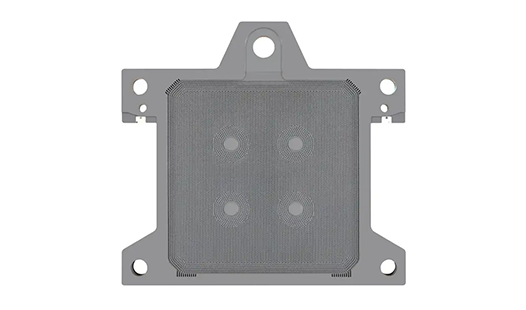
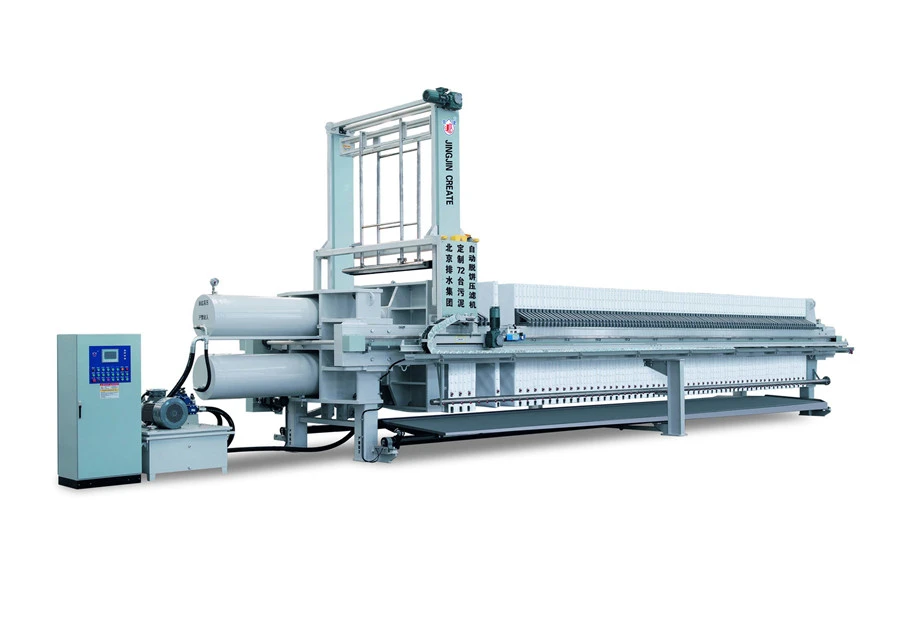
A plate and frame filter system works by following simple mechanical rules that have been tried and tested for decades. Slurry goes into spaces made of hard plates and empty frames, with filter cloth between each plate surface. As the pressure rises—usually between 0.6 MPa and 2.0 MPa—liquid moves through the medium while particles build up, making the cake thicker. This batch process keeps going until all the cells are full. At that point, the feed is stopped, the pressure is released, and the plates are separated to let the dried cake out. This mechanical action is very reliable because it is very simple. This is very important when your production plan can't wait for unexpected breakdowns.
Material Selections for Pharma-Grade Construction
The suitability of the materials in your filter system determines whether it keeps the product pure or becomes a source of contamination. Pharmaceutical-grade plate and frame filter parts are usually made of stainless steel 316L, which is very resistant to rust and meets FDA standards for materials. Reinforced polypropylene is a cheap option for chemical conditions that aren't as harsh. It can withstand temperatures up to 120°C and still keep its shape. The choice of filter media is also very important. Micron grades from 1 to 100 allow you to precisely retain particles based on the properties of your API or intermediate substance. These materials work the same way over thousands of filtration cycles thanks to ISO 9001 standards for manufacturing and pressure tank approvals from groups like ASME.
Why Traditional Technology Remains Relevant
There is more and more pressure on modern pharmaceutical production to use cutting-edge tools, but plate and frame filter press technology keeps working well in places where newer methods fail. The flexible design lets you increase output by just adding more plates, so you don't have to buy whole new units as production needs increase. When working with multiple products in the same space, it's important to make sure that the cake is completely discharged after each turn to avoid cross-contamination. Closed-system operation keeps flammable chemicals inside and keeps sensitive biologics from being exposed to air. This meets strict safety standards that open filtration methods can't meet.
Challenges and Limitations of Traditional Filtration Methods in Pharma
Every pharmacy company has to deal with filtration problems that have an effect on both the quality of its products and its costs of doing business. If you know about these problems, you can see why plate and frame filter methods are useful.
Contamination Risks and Product Integrity
When you use traditional vacuum filtration and centrifugation methods to process your product, you subject it to contaminants in the surroundings. Handling in the open air raises the risk of particulate entry, and the design of some equipment can leave empty areas where leftover material can build up between batches. Plate and frame filters solve these problems because they work inside a closed system and have a smooth surface that makes cleaning easier. When equipment is designed in a way that minimises contamination routes, it makes validation processes easier to follow. This also makes it easier for your quality team to keep records during regulatory inspections.
Downtime and Maintenance Burden
Regular maintenance on the bearings and changes to the balance of centrifuge systems cause delays in output plans. Membrane filter units get clogged up, which makes them less effective between cleaning processes and makes the throughput unpredictable. A well-kept plate and frame filter system, on the other hand, works consistently with little work needed other than replacing the filter cloth on a regular basis. Plates can last for years if they are treated properly, and because they are mechanically simple, your repair team can quickly find and fix problems. When your equipment is reliable, it spends more time making things and less time waiting for fixes, so it has a higher useful capacity.
Meeting GMP Compliance Requirements
Good Manufacturing Practice rules say that you have to show proof in writing that your filter equipment always works within certain limits that have been tested. Validation is hard with complicated equipment that has electronic controls and many systems that depend on each other. This requires a lot of qualification processes and constant tracking. Plate and frame filter pieces are easy to validate because they have simple mechanical operations. Pressure gauges and flow meters give clear data for controlling the process, and the fact that the work is done in batches makes it easy to find places to check the data. When auditors look at your quality systems, this equipment's easy-to-understand action backs up compliance stories in a way that more complicated technologies can't.
Key Criteria for Selecting Plate and Frame Filters in Pharma Production
There are a lot of technical and practical factors that need to be balanced when picking the right filter system. Not only will your choice affect current output needs, but it will also affect the facility's long-term abilities.
Throughput and Capacity Planning
The amount of production directly affects how much filtering your building needs. The output of a plate and frame filter system is based on the overall filtration area, which grows as more plates are added. To figure out what you need, you must first know the batch size, cycle frequency, and solids amount of the slurry feed. Systems that are the right size can handle batches quickly and efficiently without causing too many pressure drops that make cycle times longer. For more than 30 years, Jingjin's engineering teams have helped pharmaceutical clients with capacity estimates. They use their knowledge of manufacturing in 123 countries to suggest setups that work best for your production profiles.
Filtration Precision and Particle Retention
Your API specs tell us how many particles can be in the end product, which directly affects the choice of filter media. The micron grades show which bits get filtered out and which ones stay in the cake. Finer media can catch smaller particles, but it also makes resistance higher, which means that higher working pressures are needed. Your process engineers have to find a balance between the need for a pure product and the real limits of pressure and cycle times that are reasonable. Pharmaceutical uses often need retention of 5 microns or less, which means they need special filter cloths that can be cleaned and sterilised many times without breaking down.
Material Compatibility and Chemical Resistance
Chemically, active medicinal ingredients and industrial solvents are very different from one another. Most pharmacy settings can handle stainless steel 316L, but processes that are very acidic or caustic may need special alloys or polymer coatings. When making your choice, you should also think about the cleaning agents you'll use. This is because sodium hydroxide and acid washes are very hard on materials during CIP processes. When working with warm solutions or using steam to sterilise between runs, temperature stability is important. By going over your full chemical exposure profile with filter experts, you can be sure that the materials you choose will last and not break down quickly.
Validation Documentation and Sterility Assurance
Regulatory filings need full equipment validation that shows steady performance. The company that sells you a filter system should give you a lot of information, like material approvals, dimensional limits, surface finish standards, and suggested validation methods. Your validation team will save a lot of time and effort by using methods for installation qualification, operational qualification, and performance qualification that are special to pharmaceutical uses. To be sure of sterility, the design must include features that allow for full cleaning verification, like smooth surfaces with no cracks and full draining that stops the transfer of leftover solution.
Case Studies: Successful Implementation of Plate and Frame Filters in Modern Pharma Plants
Plate and frame filter technology can solve certain problems in pharmaceutical production, as shown by examples from real life. These examples give you useful information that you can use to make choices about buying.
Enhancing API Production Throughput
During crystallisation filtering, a European drug company that made antibiotic compounds ran into problems. As output rates went up, their old equipment couldn't keep up with batch cycle times. After talking to someone, they put in a high-capacity plate and frame filter system with 150 plates and a pressure value of 2 MPa. The bigger filter area cut cycle time by 40%, which got rid of the output problem while still meeting the standards for product purity. Automated plate moving mechanisms cut down on the work that had to be done by a user, and the closed-system design met the containment standards for working with dangerous chemicals. This application showed how modular capacity scaling can fix problems with flow without having to rethink the whole process.
Achieving Sterile Filtration Standards for Biologics
A biopharmaceutical center that works with medicinal proteins needed sterile filters that had been tested and proven to work for the first few steps of purification. Maintaining cleanliness was hard for them because they had to work with temperature-sensitive biologics that couldn't handle strong sterilisation. The answer was a plate and frame filter system made of fully sanitary stainless steel with electropolished surfaces, filter media that could be sterilised by steam, and was rated for bacterial retention, and full validation paperwork that met FDA aseptic processing standards. Monitoring after implementation showed that there were no contamination events in any of the 500 batches, and the gentle filter conditions kept the protein activity. This case shows that equipment that is properly designed can handle even the toughest pharmacy tasks.
Cost Reduction Through Improved Cake Dryness
A pharmaceutical contract manufacturer had a hard time getting rid of filter cake that still had liquid on it because it cost a lot. Environmental laws said the wet cake was dangerous trash that had to be burned, which cost a lot of money. By switching to a high-pressure plate and frame filter system, the pressing processes could be stretched, which lowered the cake's moisture level from 35% to 18%. By making the trash less wet, it was labelled as non-hazardous, which cut the cost of disposal by 60%. The equipment investment paid for itself in less than 18 months, showing clear economic gains beyond basic filter performance.
Future Outlook and Innovations in Plate and Frame Filtration for Pharma
The pharmaceutical business is always changing, and filter technology is always getting better to keep up. Knowing about these trends can help you make smart investment decisions.
Sustainability and Environmental Responsibility
Pharmaceutical companies are under more and more pressure to have less of an effect on the world. Next-generation plate and frame filter systems have features that help meet sustainable goals. For example, they use less water during cleaning cycles thanks to improved CIP designs and have energy-efficient hydraulic systems that use less power. Newer filter media have longer service lives, which means less trash from replacements. Some makers now make systems that are partly made from recycled materials and still meet pharmaceutical-grade standards. These changes to the environment are in line with business responsibility efforts and keep your production running as smoothly as it needs to.
Industry 4.0 Integration and Smart Monitoring
More and more, modern plate and frame filter systems have monitors and connections that let you check on their performance in real time. Sensors that measure pressure, flow, and temperature send information to remote control systems, which then automatically make thorough records of each batch. Predictive maintenance programs look at patterns to guess when parts will break before they do, which cuts down on unplanned downtime. Remote diagnostics let equipment sellers help with troubleshooting without having to go to the site, which keeps things running as smoothly as possible. As the pharmaceutical industry moves toward digital change, filtration equipment that works well with all the systems in the plant gives companies an edge by making it easier to handle processes and analyse data.
Building Strategic Supplier Partnerships
Because modern pharmaceutical production is so complicated, you need to do more than just buy tools. You need to work with suppliers who understand your problems and build relationships with them. Engineering help is important throughout the lifecycle of equipment from companies like Jingjin, which has over 136 patents and 30 years of experience in filtering. Experienced providers can help you get the most out of your filter system from the initial design and customisation to installation, testing, and ongoing service. Global service networks make sure that parts and expert help are always available, no matter where a facility is located. This is very important for international pharmaceutical companies that do business in more than one region.
Conclusion
Plate and frame filters are still very important in the pharmaceutical industry because they effectively solve real problems. Their pressure-driven batch operation gives them control over contamination, ease of validation, and operating freedom that pharmaceutical production needs. Although there are some situations where newer filtering technologies are better, plate and frame filter systems are still widely used because they work well and are easy to use. When making your purchasing choices, you shouldn't just look at the original capital costs. You should also think about the total lifecycle value, which includes things like how reliable the equipment is, the validation needs, and the supplier's ability to provide support.
FAQ
Q1: Can plate and frame filters maintain sterile processing conditions?
Of course. Plate and frame filters are made with clean design principles in mind, such as electropolished stainless steel surfaces, a body that can be sterilised by steam, and the ability to drain completely. When tested properly and using the right filter media, these systems always keep things clean so that they can handle sensitive biologics and APIs that need to be handled in an aseptic way.
Q2: What maintenance schedule ensures optimal performance?
Regular care mostly includes checking the filter cloth and replacing it when the pressure drop starts to rise or fall. Depending on the process, most medicinal uses change the clothes every 50 to 200 rounds. Periodically inspecting and replacing plate gaskets is what needs to be done, usually once a year. On the plans suggested by the maker, hydraulic systems need to have their fluids checked and their seals inspected.
Q3: How do operating costs compare with alternative filtration methods?
Even though they cost more to buy at first, plate and frame filter systems usually have lower lifetime costs than centrifuges. They use less electricity, need fewer specialised repair parts, and make tools last longer. The total cost of ownership often favours plate and frame technology in pharmaceutical applications when validation costs, compliance load, and break frequency are taken into account.
Partner With Jingjin for Pharmaceutical-Grade Filtration Solutions
Since 1988, Jingjin Equipment Inc. has designed and built plate and frame filter systems that have been trusted by customers all over the world. Our plate and frame filter systems are made with FDA-approved materials, come with full validation documents, and are designed to work best in GMP environments, so they meet strict pharmaceutical standards. As a top maker of plate and frame filters, we help you with every step of the project lifecycle, from figuring out the project's initial capacity and custom engineering to making sure the installation is qualified and providing ongoing expert service. Our pharmaceutical customers like that we have strong equipment, a lot of experience with filtration, and global service skills that can support activities in 123 countries. Email our engineering team at [email protected] to talk about your specific filter problems and find out how our pharmaceutical-grade systems can help you meet legal requirements and make your production more reliable.
References
1. Sutherland, K. (2017). Filters and Filtration Handbook (6th ed.). Butterworth-Heinemann.
2. American Society of Mechanical Engineers. (2019). Bioprocessing Equipment Standards for Pharmaceutical Manufacturing. ASME Press.
3. Pharmaceutical Engineering Journal. (2020). "Validation Strategies for Solid-Liquid Separation Equipment in GMP Facilities." ISPE Publications, 40(3), 78-89.
4. European Medicines Agency. (2018). Guidelines on Good Manufacturing Practice: Equipment Qualification and Validation. EMA Publications.
5. Meltzer, T.H., & Jornitz, M.W. (2021). Pharmaceutical Filtration: The Management of Organism Removal. PDA/DHI Publishing.
6. International Society for Pharmaceutical Engineering. (2022). Baseline Guide: Sterile Product Manufacturing Facilities (2nd ed.). ISPE Technical Documents.
jingjin
Founded in 1988, Jingjin specializes in filter presses and liquid-solid separation solutions, serving over 130 countries worldwide, and is a standard-setter in China's filter press industry.
Get the Filter Press guide
Enter Your Email for Technical assistance for the Filter Press.



Recommended Blog
China Filter Press Supply Chain from Coastal Industrial Parks
China Multi Disk Screw Press vs India: Cost & Performance 2026
Where to Buy High Quality Multi Disk Screw Press for Efficient Sludge Dewatering
How Does a Plate and Frame Filter Press Work? The Complete Guide
Chemical Filtration Solutions: Using Press Filter Machines for Optimal Results
China Screw Dewatering Machines for Asia Infrastructure Projects