Pressurized Container Systems: A Key Technology for Enhancing Industrial Safety and Equipment Reliability
Pressurized Container Systems: A Key Technology for Enhancing Industrial Safety and Equipment Reliability
Understanding Pressurized Container Systems: Fundamentals and Safety
- Understanding Pressurized Container Systems: Fundamentals and Safety
- Types and Features of Industrial Pressure Containers
- Ensuring Reliability: Maintenance, Inspection, and Certification
- Procurement Guide: How to Choose and Buy Pressure Containers for Industrial Use
- Industry Trends and Future Outlook for Pressure Container Systems
- Conclusion
- FAQ
- Partner with Jingjin for Certified Pressure Vessel Solutions
- References
Pressurized container systems are important corporate tools that keep workers safe, keep operations running smoothly, and make sure that rules are followed. A pressure container is designed to hold gases or liquids at pressures that are very different from the normal atmosphere. Strong design standards keep these closed containment systems from failing in disastrous ways. They also keep dangerous substances under control during chemical processing and keep their structure strong in tough environments. These tanks are used in many fields, from treating garbage to making chemicals, to keep things from leaking and exploding and to make sure that important separation processes can be done safely and effectively.
Understanding Pressurized Container Systems: Fundamentals and Safety
Defining Pressure Vessels and Their Core Functions
Simply said, a pressure container holds substances that need pressure to be regulated. Unlike air storage tanks, these systems operate at pressures beyond 15 psig (approximately 1 bar), requiring unique engineering to accommodate thermodynamic demands. The maximum permissible working pressure (MAWP), temperature fluctuations, and material compatibility are considered during planning to ensure the machine can perform safely in various industrial situations.
Process engineers and plant managers realize that vessel selection affects safety. Each tank's designers must consider maximum pressure, the effect on form, and poisonous contents. Buying decisions consider whether the container's requirements meet process demands while providing adequate safety gaps to prevent the structure from wearing out after decades of operation.
Compliance with Global Safety Standards
Selecting workplace containment systems requires high safety criteria. Pressure Equipment Directive (PED) 2014/68/EU, ASME Section VIII, and ISO 16528 set global vessel design, construction, and testing requirements. The ASME U-Stamp indicates that the vessel was manufactured to quality standards and performance parameters validated by an accredited inspector.
Purchasing managers who desire efficient operations choose vendors with comprehensive traceability papers. Mill Test Reports (MTRs) verify the material's chemical and mechanical properties, and Weld Procedure Specifications (WPS) ensure that production procedures are legal. Engineering teams may pick tools that pass severe third-party reviews and fulfill insurance and regulatory requirements when they know about these certification standards.
Design Factors for Safety and Performance
Vessel plans should balance safety, operational economy, and lifespan expenses. Weathering allowances, which account for gradual surface wear, are included in wall thickness calculations. This prolongs structural life in severe chemicals. Hemispherical or torus-shaped heads uniformly distribute stress, reducing the probability of failure under repeated loading.
Temperature concerns matter too. LNG ships require unique materials and protective measures to maintain seals at -162°C. For high-temperature usage like steam, metals must not shift, which occurs when they change form over time. Engineers utilize materials appropriate for the temperature and chemicals to prevent premature breakdown, which may be costly and dangerous.
Types and Features of Industrial Pressure Containers
Common Vessel Configurations and Their Applications
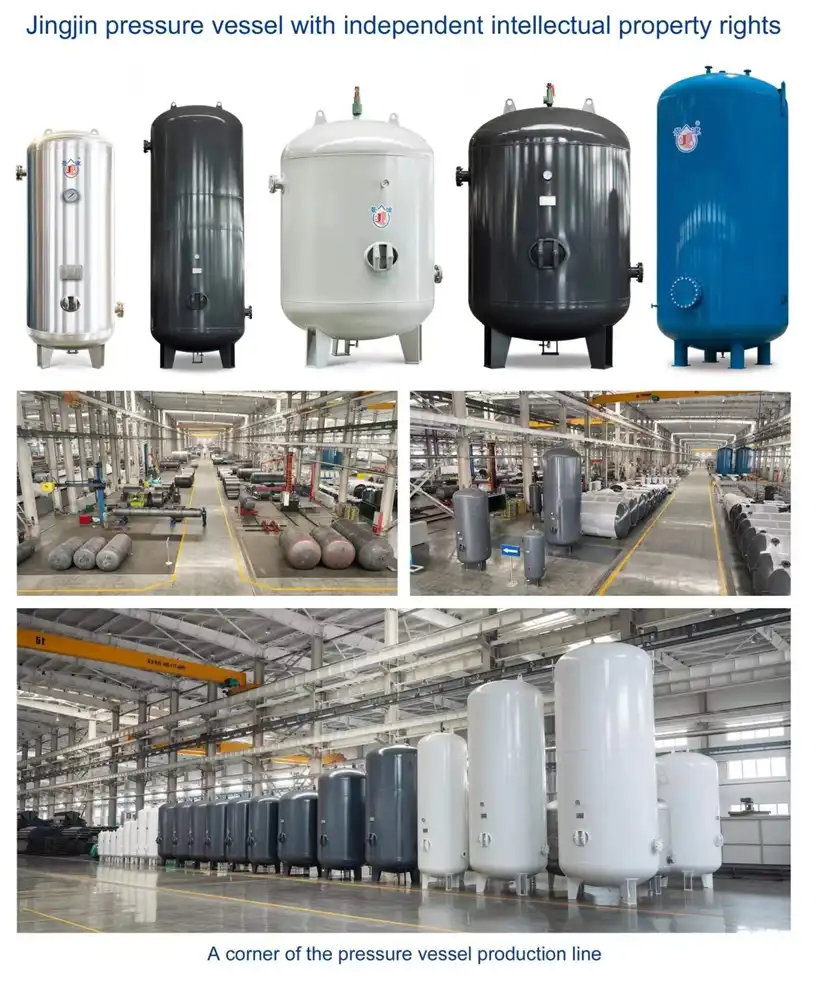
There are different shapes and sizes of industrial pressure containers, and each one is best for a certain task. Because they are easy to make and don't cost much, cylindrical jars are most often used for general purposes. These vessels can be set up either vertically or horizontally, and they work well for processes that need mild pressure ratings and easy repair access from the inside.
Spherical tanks are great for storing high-pressure gases because they spread the stress evenly across their surface, which reduces the need for thick walls and the cost of materials. Because of their shape, they are perfect for storing large amounts of liquid petroleum gas (LPG) or compressed natural gas, where saving space and money on structures is important. Composite tanks, which are made of layered fiber-reinforced polymers, are lighter when used in mobile or aircraft settings, but they can't be used in big industrial settings yet because of cost and temperature issues.
Material Selection and Performance Trade-Offs
You can directly affect how long a vessel lasts, how well it resists rust, and how much it costs to buy. Carbon steel types like SA-516 Grade 70 have good tensile strength and fracture toughness for general industry use. This makes them a good choice for wastewater treatment and handling aggregates because they are cost-effective. When the pH level is neutral and the temperature is reasonable, these steels work consistently.
Grades of stainless steel, like SS304 and SS316L, are better at resisting rust in chemical processing settings that work with acids, alkalis, or slurries that are high in chloride. The molybdenum in SS316L makes it less likely to pit, which means it will last longer in seaside sites or situations where brackish water is present. High-nickel alloys, such as Inconel and Hastelloy, can handle harsh conditions like high temperatures and harsh chemicals. However, their high cost means that they can only be used in specific medicinal or fine chemical production situations.
Critical Specifications for Procurement Decisions
When choosing a vessel, several technical factors are taken into account. Pressure ratings show the highest safe working pressure, which is usually given in psig or bar. These ratings must be higher than the process conditions by a safety margin that is defined in the design rules. Volume capacity, which can range from small pilot-scale units to huge industrial reactors, should match output needs while still leaving room for growth in the future.
Accessibility for maintenance has a big effect on lifetime costs. Large manways and viewing holes on vessels make it easier to clean inside and allow non-destructive examination (NDE) without taking the ship apart. Customization choices, like different nozzle arrangements, internal baffles, or heating jackets, make it possible for vessels to fit right into current process flows. By looking at these features during the buying process, you can cut down on retrofitting costs and speed up the launching process, which means you get a faster return on your investment.
Ensuring Reliability: Maintenance, Inspection, and Certification
Best Practices for Preventive Maintenance
Maintaining pressure container integrity requires systematic preventative repair strategies that extend equipment life and prevent unscheduled shutdowns. Surface corrosion, coating wear, and mechanical impact damage can be detected by regular visual inspections. Scheduled ultrasonic testing (UT) can reveal corrosion-thinned walls. This allows fast repairs before the structure's integrity is compromised.
Different usages require different corrosion prevention. Rust inhibitor injection, protective coatings, and cathodic protection reduce degradation in hostile environments. Wastewater treatment facilities examine and touch up vessels that handle acidic or chloride-containing sludges to maintain barrier integrity. Chemical businesses using abrasive slurries may install sacrificial plates to protect the main tank wall and simplify maintenance.
Comprehensive Inspection Protocols and Quality Checks
Nondestructive assessment methods reveal vessel health without damaging materials. Radiographic testing (RT) employs X-ray or gamma-ray pictures to discover volumetric welding issues like holes or misfusions that weaken the joint. Magnetic particle testing (MT) and dye penetrant testing (PT) can detect surface fissures that are invisible. High-stress locations like the tip-shell junction are severely affected.
Hydrostatic pressure testing using water or another appropriate liquid at 1.3 to 1.5 times the original pressure ensures structural integrity before and after substantial repairs. This test detects weak places that might break during operation, protecting neighboring personnel and equipment. Fluid pollution facilities can utilize compressed air or harmless gas instead of pneumatic testing; however, stored energy concerns require extra safety precautions.
Navigating Certification and Regulatory Compliance
Choosing certified suppliers reduces buying risks and ensures compliance. ASME-licensed manufacturers have rigorous quality control systems that are audited. These certificates verify that manufacturing, material sourcing, and inspection meet international standards. This reassures engineers and insurers.
Based on API 510 standards for pressure vessel manufacture, Risk-Based Inspection (RBI) systems adjust the number of inspections based on the state of the equipment and the severity of the process. Low-risk vessels that work with harmless fluids at low pressures may need to be inspected every ten years, while high-risk units that work with acidic fluids need to be checked more often. Using Risk-Based Inspection (RBI) methods makes the best use of inspection resources by focusing on important assets and cutting down on upkeep costs for equipment with lower risk.
Understanding how regulations work helps buying teams avoid mistakes that cost a lot of money. Municipal wastewater treatment plants have to follow EPA rules for how to handle and get rid of sludge, and chemical makers have to follow OSHA Process Safety Management (PSM) rules. Working with providers who have experience with these regulatory settings makes paperwork easier, speeds up the permit process, and makes sure that the business is ready to go.
Procurement Guide: How to Choose and Buy Pressure Containers for Industrial Use
Matching Specifications to Industrial Applications
Successful buying starts with defined process guidelines. Dewatering tailings slurries in mining needs high-pressure, rugged pressure vessels. These are normally carbon steel with durable liners. Municipal wastewater treatment plants that wish to dewater sludge affordably may use normal pressure rates and wetted stainless steel surfaces for changing feed chemicals.
Chemical firms that use unique polymers or colors must adapt their goods to reaction circumstances. Built-in coil heaters manage temperature, and specific stirring mechanisms ensure equal mixing. Wholesalers who can help fine chemical manufacturers build process chemistry into the greatest vessel standards are valued. This reduces commissioning trial-and-error.
Construction and excavating businesses' dewatering trash have unique challenges. Fast-moving projects benefit from high-capacity systems with fast cycle times and sturdy structures that can withstand repeated relocation and severe construction site circumstances. Checking vendors' past performance in comparable scenarios provides you with confidence that the tools will function in difficult situations.
Evaluating Supplier Reliability and Certification
Service skills and long-term support are vital when choosing a provider, not simply tool specs. Established manufacturers with worldwide service networks can dispatch spare parts and conduct field service faster, reducing unplanned downtime. Warranty policies that cover material faults for three to five years demonstrate that the manufacturer trusts the product and protects purchase budgets from early replacements.
Check third-party certifications to ensure merchants have ISO 9001-compliant quality control systems. Reading customer reviews and inviting references to visit operating sites can help you assess product performance and customer service. Environmental engineering and EPC firms favor vendors that supply entire documentation packages to simplify project transfer and regulatory clearances. These packages should include pressure vessel data, material certificates, and operating instructions.
Cost Considerations and Logistical Planning
The beginning costs of currency should be balanced with its lifetime expenses. Higher-end materials and features cost more upfront, but they last longer and require less maintenance, lowering the total cost of ownership. A complete cost comparison should consider building costs, spare parts availability, and operating energy usage.
How complex the design and how much the factory can create affect lead times. Standard ships may be sent out in weeks, while advanced ones take months to build and test. Planning the purchase strategy around the project timetable prevents costly delays, especially for comprehensive EPC projects with contractual targets. Buying in bulk saves money and combines delivery expenses. This helps procurement managers maximize multi-unit installation expenditures.
Knowing these aspects helps procurement staff receive technical equipment on budget. If you include providers early in the planning phase, you may use value engineering to save costs without harming safety or performance.
Industry Trends and Future Outlook for Pressure Container Systems
Emerging Technologies Enhancing Safety and Efficiency
New technologies keep changing how pressure containers are built and how they work. Wireless sensors built into smart tracking systems keep an eye on pressure, temperature, and rust rates inside things in real time and send the information to central control platforms. Predictive repair tactics that find problems before they break down are made possible by these systems. This cuts down on unplanned downtime and increases the life of equipment.
Advanced material researchers are studying lighter, rust-resistant composite fiber-reinforced plastics and ceramic-lined steels. These materials are currently underutilized in heavy industry due to cost and expertise. However, they may be beneficial for severe chemical resistance or weight reduction in the future. Additive manufacturing may create complicated interior forms that facilitate heat transmission and mixing. This allows new designs that weren't possible with regular production.
Sustainability and Regulatory Evolution
Environmental issues are increasingly influencing purchases. Global regulatory bodies are making it difficult for companies to dispose of rubbish and fulfill pollution rules. This forces facilities to upgrade technology. Mining businesses may use less water and chemicals with pressure vessels for closed-loop filtering and recycling. This reduces running expenses and helps the environment.
To reduce carbon emissions, producers employ reused steel and energy-efficient production technologies to create containers. Purchasing managers search for suppliers with clear environmental data and lifecycle evaluations to demonstrate their firms' environmental responsibility. When practical demands and environmental responsibilities align, business and stakeholders benefit.
Strategic Recommendations for Future-Proofing Operations
You must adapt to business changes to stay competitive. Modular pressure tanks can be enlarged or adjusted to match new processes, so you won't have to acquire new ones when production demands change. Working with engineering consulting firms ensures that your tool specs comply with emerging best practices and regulations.
Companies that engage with R&D-savvy producers can swiftly embrace innovative concepts. Next-generation tracking technology or improved materials can make items more dependable and low-maintenance, giving companies an edge. Checking potential suppliers' innovation pipelines during procurement ensures long-term value and business excellence.
Conclusion
Industries that need to keep dangerous chemicals under high-pressure safe and secure still need pressurized container systems. Procurement experts can choose equipment that meets strict safety standards and minimizes costs over its entire life by understanding basic design principles, material trade-offs, and upkeep needs. Strict inspection processes and proof of certifications make sure that operations are reliable and that regulations are followed. As technology improves and makes tracking systems smarter and more eco-friendly materials available, it becomes more important than ever to work with experienced makers who can provide full support. Companies that put an emphasis on supplier knowledge, proven quality, and long-term service skills set themselves up for long-term business success in industries that are always changing.
FAQ
Q1: What distinguishes a pressure container from standard atmospheric tanks?
Pressure containers are made to safely hold substances at pressures higher than 15 psig (1 bar). To do this, they need to follow strict safety rules like ASME Section VIII and have specially calculated wall thicknesses, reinforced head designs, and work at or near ambient pressure. Standard atmospheric tanks, on the other hand, don't have the structural reinforcement needed to safely hold high-pressure fluids.
Q2: How often should industrial pressure vessels undergo inspection?
How often you inspect varies depending on the conditions of the service and the risks involved. API 510 standards suggest Risk-Based Inspection (RBI) methods that make inspection plans fit the importance of the equipment. Every ten years, low-risk vessels may need to be inspected. Every three to five years, high-risk units that are used in acidic or high-temperature environments need to be inspected. Visual checks and thickness readings done on a regular basis between big inspections help find problems early.
Q3: Why is post-weld heat treatment necessary for certain applications?
Post-weld heat treatment (PWHT) removes stresses that were created during welding. These stresses can cause stress corrosion cracking or brittle fracture in the future. Post-weld heat treatment (PWHT) makes the heat-affected zone more flexible and less hard, which improves the general strength of the structure. To make sure they will last for a long time, codes require Post-weld heat treatment (PWHT) for vessels made of certain materials or that are thicker than certain limits.
Partner with Jingjin for Certified Pressure Vessel Solutions
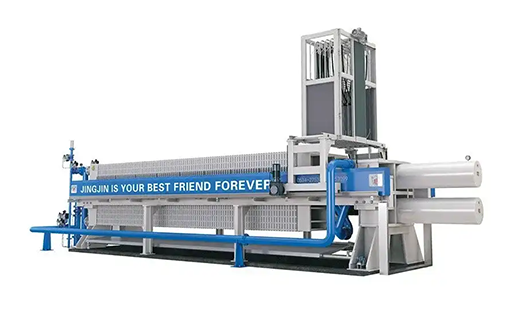
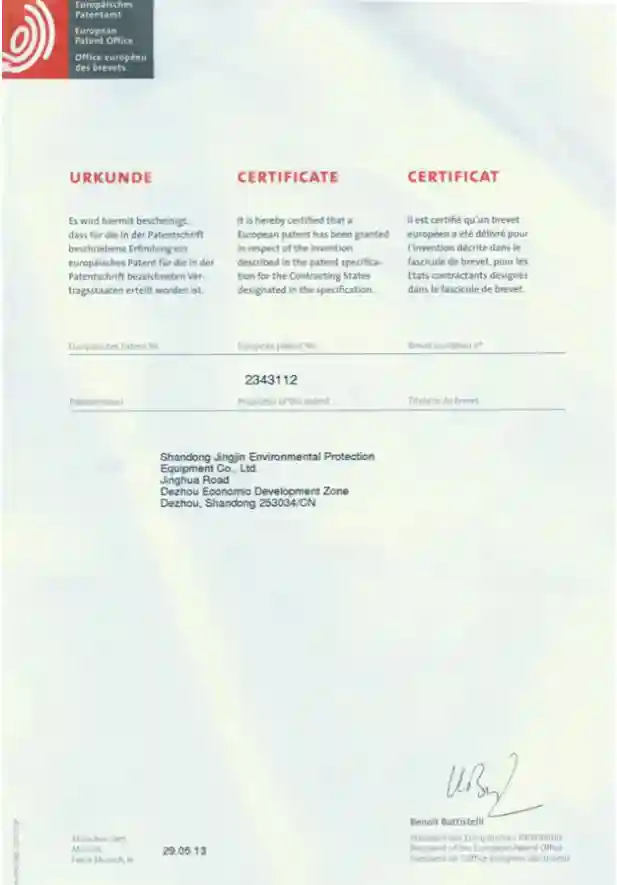
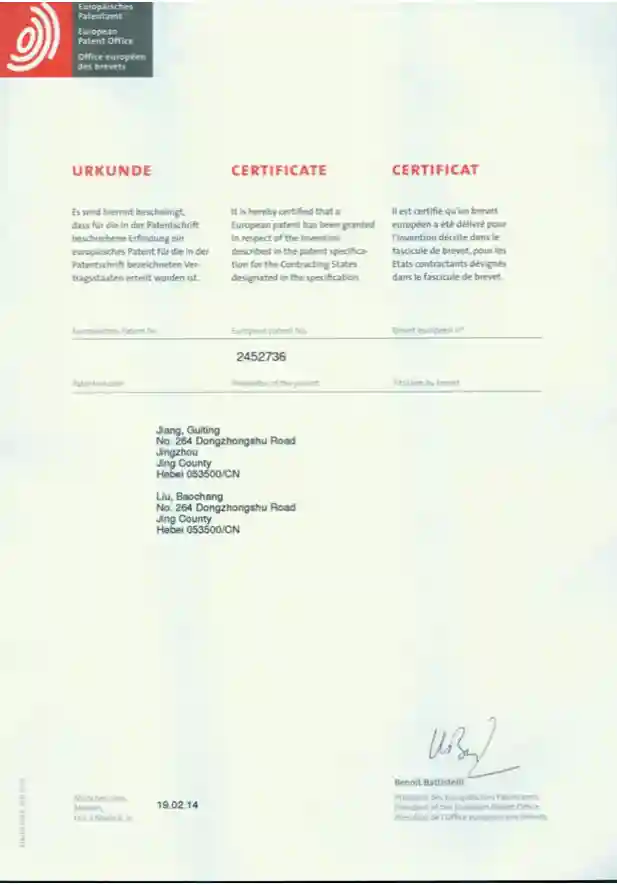
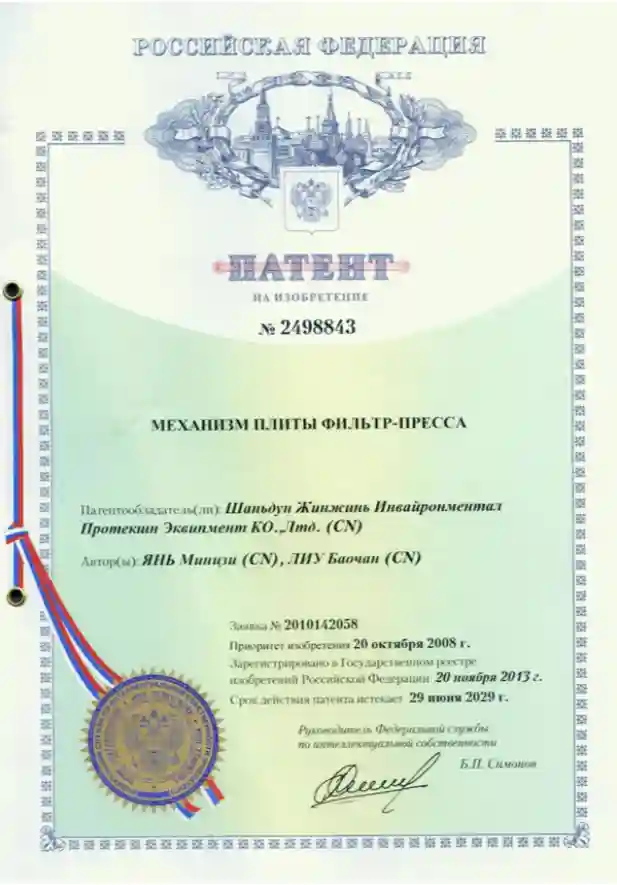
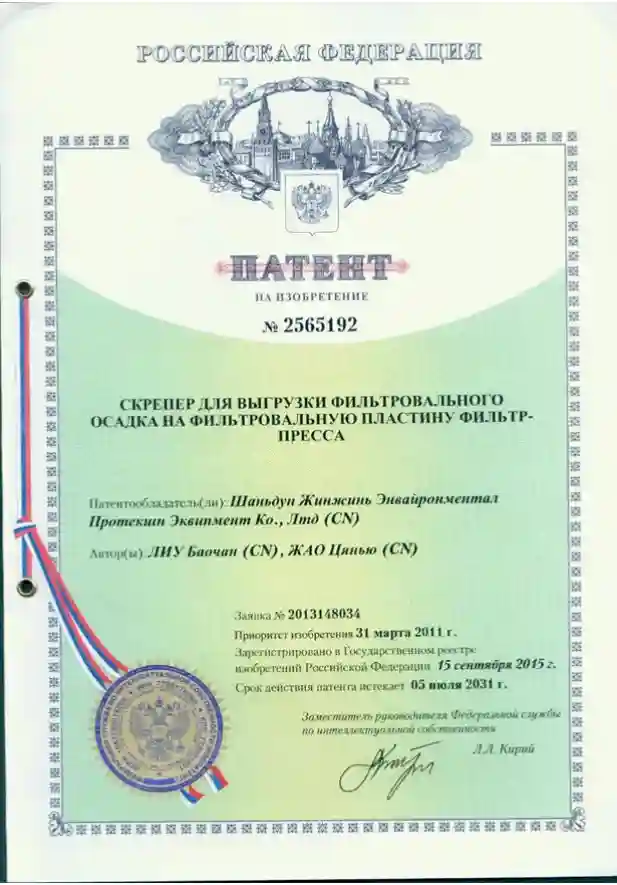
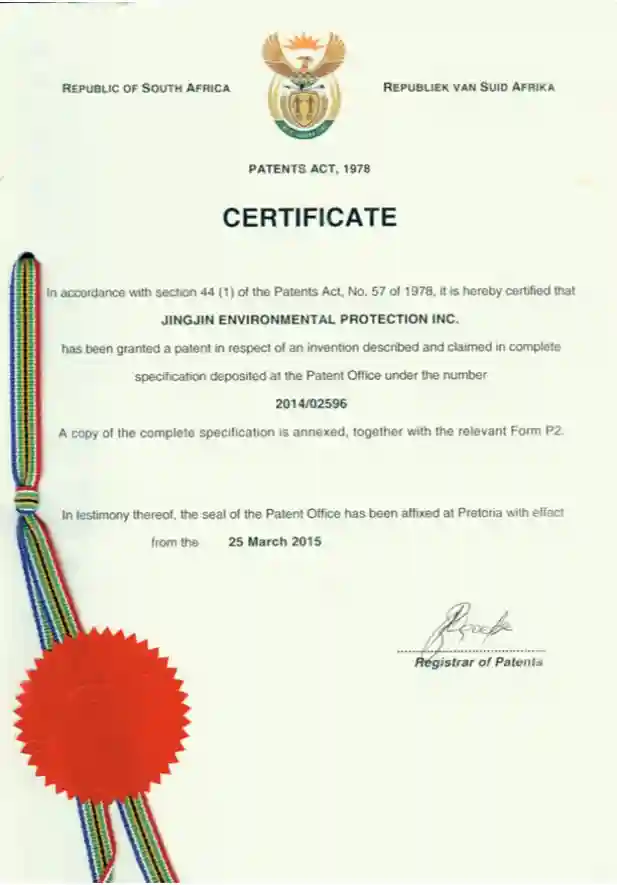
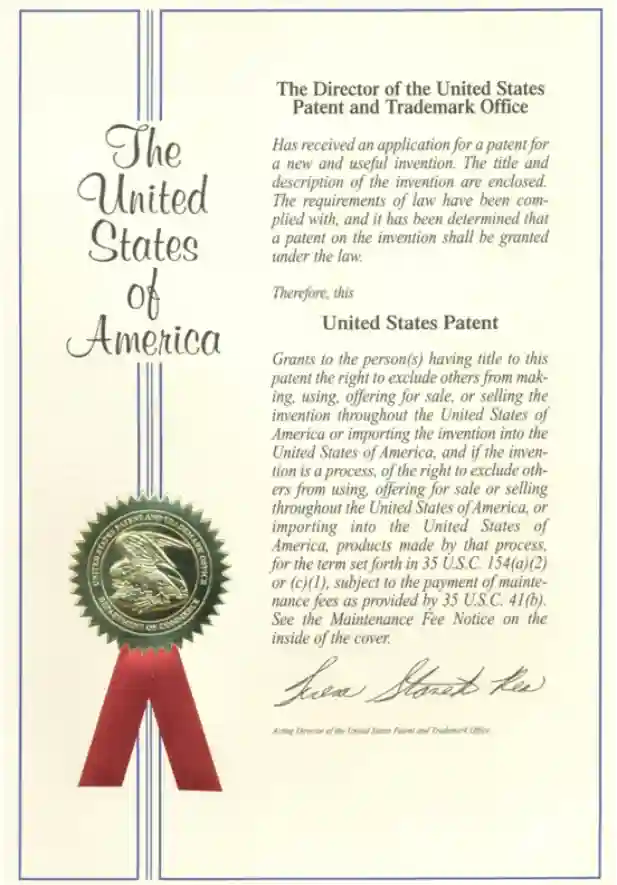
By choosing a reliable pressure container provider, you can keep your activities safe, efficient, and in line with regulations. Jingjin Equipment Inc. has been in business since 1988 and has over 35 years of experience separating solids from liquids for industry clients in 123 countries. Our engineering team plans and puts together filter systems with approved pressure vessels that are specifically made for tough jobs in chemical processing, mining, wastewater treatment, and drug making. We offer reliable, high-performance tools backed by quick global service thanks to our more than 136 patents and strict quality control methods that are in line with international standards. Our technical experts can help you from the beginning of the design process all the way through installation and ongoing support, whether you need standard setups or unique solutions for difficult separation problems. Get in touch with Jingjin right away at [email protected] to talk about your pressure container needs and find out how our tried-and-true technology can improve your working safety and equipment efficiency.
References
1. American Society of Mechanical Engineers. (2021). ASME Boiler and Pressure Vessel Code, Section VIII: Rules for Construction of Pressure Vessels. New York: ASME Press.
2. Megyesy, E.F. (2016). Pressure Vessel Handbook (16th ed.). Tulsa, Oklahoma: Pressure Vessel Publishing, Inc.
3. API Standard 510. (2014). Pressure Vessel Inspection Code: In-service Inspection, Rating, Repair, and Alteration. Washington, DC: American Petroleum Institute.
4. Moss, D.R., & Basic, M. (2013). Pressure Vessel Design Manual (4th ed.). Oxford: Butterworth-Heinemann.
5. European Parliament and Council. (2014). Directive 2014/68/EU on the Harmonisation of the Laws of the Member States Relating to the Making Available on the Market of Pressure Equipment. Brussels: Official Journal of the European Union.
6. Chuse, R., & Eber, S.M. (2018). Pressure Vessels: The ASME Code Simplified (9th ed.). New York: McGraw-Hill Education.
jingjin
Founded in 1988, Jingjin specializes in filter presses and liquid-solid separation solutions, serving over 130 countries worldwide, and is a standard-setter in China's filter press industry.
Get the Filter Press guide
Enter Your Email for Technical assistance for the Filter Press.
Recommended Blog
Filter Press Cloth Maintenance Tips: Prolonging Lifespan and Efficiency

Essential Maintenance Tips to Prolong the Life of Your Press Filter Machine
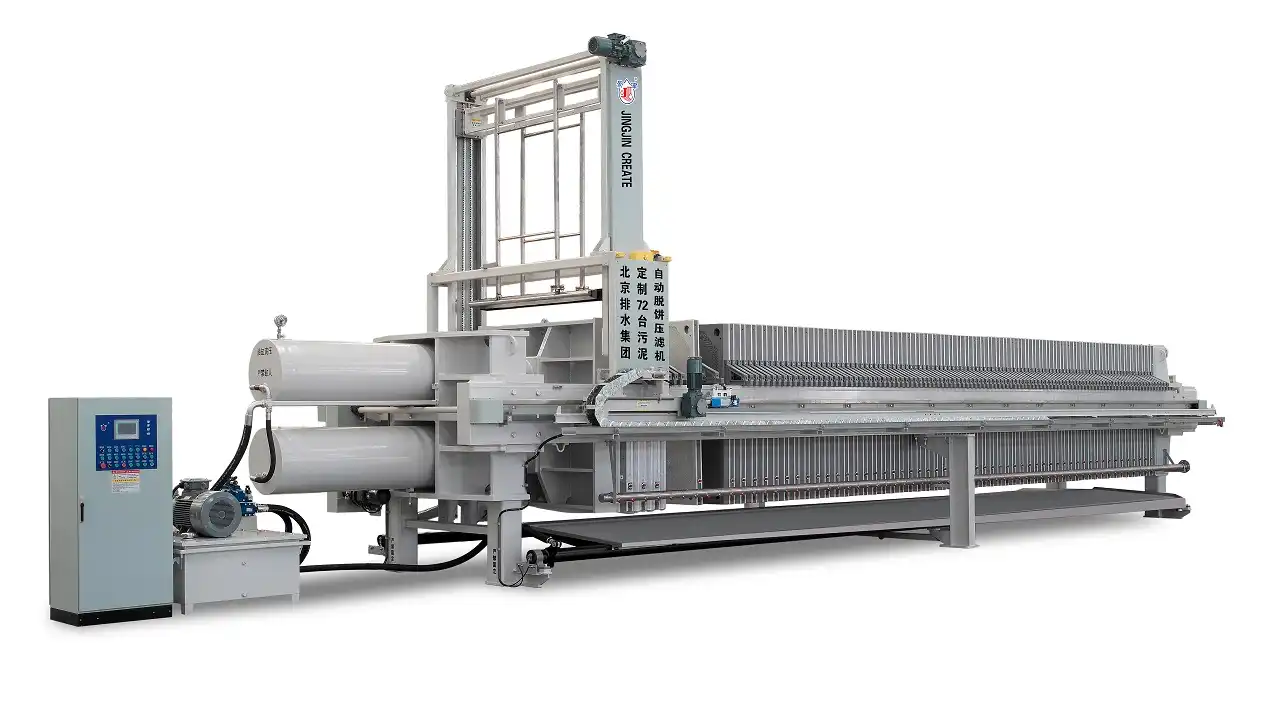
How a Sludge Filter Press Machine Improves Dewatering Efficiency
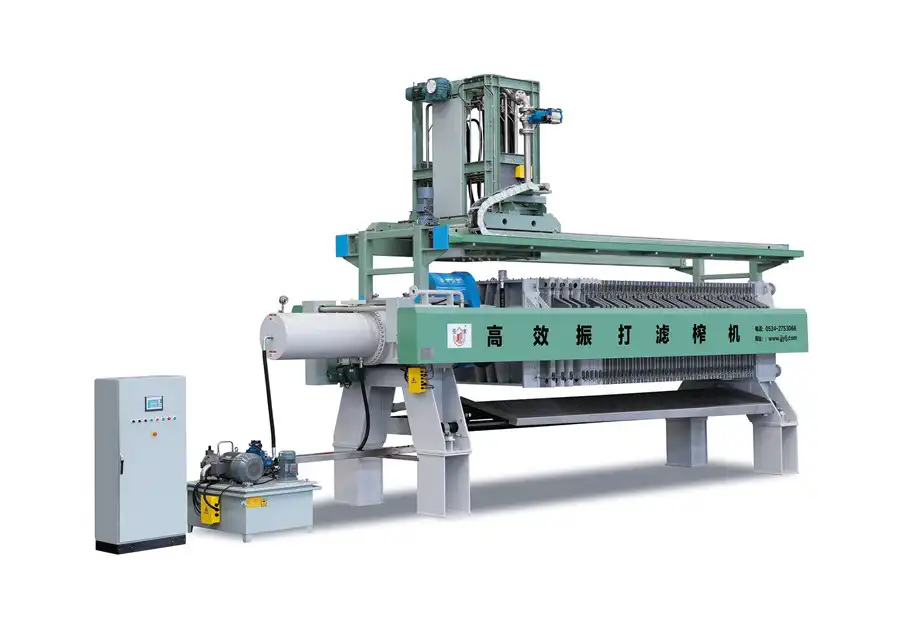
Top Maintenance Tips to Keep Your Filter Press Machine Running Smoothly