Tips for Selecting the Right Filter Press Fabric
Understanding Filter Press Fabric: Key Concepts and Materials
- Understanding Filter Press Fabric: Key Concepts and Materials
- Key Criteria to Consider When Choosing Filter Press Fabric
- Maintenance, Cleaning, and Troubleshooting for Optimal Fabric Performance
- Comparing Market Options: Fabric Pricing and Supplier Considerations
- How to Ensure Your Filter Press Fabric Investment Pays Off?
- Conclusion
- FAQ
- Partner With a Proven Filter Press Fabric Supplier
- References
Choosing the right filter press fabric is important for getting the best solid-liquid separation in industrial filtering systems. The cloth is an important barrier that keeps solid particles in while letting liquids pass through. This has a direct effect on how well the cake is filtered, how dry it is, and how much it costs to run the business. Process engineers and procurement managers can make better choices that improve machine performance and cut down on repair downtime when they know about fabric materials, weave structures, and application-specific needs. This guide walks you through the most important things you need to think about to pick a filter cloth that fits your needs and gives you solid, long-term value.
Understanding Filter Press Fabric: Key Concepts and Materials
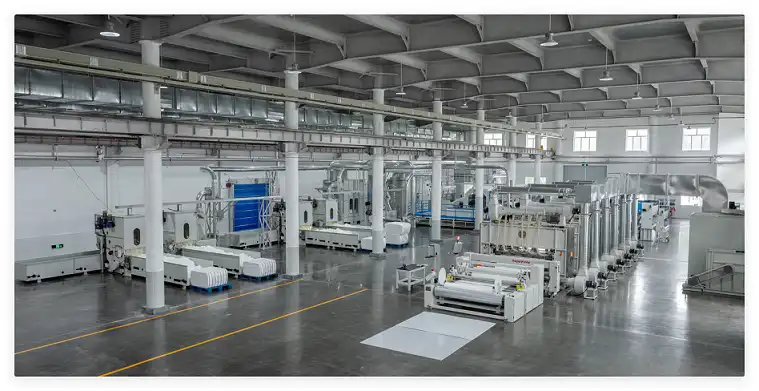
Filter press fabric, sometimes called filter cloth, is a very fine industrial material made to separate solids from liquids in plate-and-frame, recessed, or membrane filter presses. When slurry is pumped under high pressure, the cloth acts as the main filtering barrier. It lets the filtrate pass through but keeps the solids to make a filter cake. From a technical point of view, choosing the right cloth can solve important problems like premature clogging (blinding), bad cake release, and mechanical failure at high clamping pressures.
Common Fabric Materials and Their Properties
The filter cloth works differently in different settings depending on the materials it is made of. There are clear benefits to using each of the three most common man-made products in different industry settings.
Polypropylene (PP) is the best material for wastewater treatment plants that deal with harsh chemicals because it is very resistant to acids and bases across a wide pH range. Its slippery property makes it easy for cakes to come out quickly, which cuts down on spin times. Polyester (PE) has a high tensile strength and is thermally stable, meaning it can work continuously at temperatures up to 150°C (302°F). This material works well in industries that use high temperatures, like making chemicals and medicines. Nylon is very resistant to wear and tear, which makes it perfect for mine jobs that deal with sharp ore pieces and thick slurries that quickly wear down other types of fabric.
How Weave Structure Affects Performance
The way filtering works and how cakes come off the filter are largely determined by the weave designs. The most basic structure, plain weave, keeps particles well and has equal power in both directions. The diagonal design of twill weave makes the fabric more flexible and smooth, which makes it easier for cake discharge for fairly sticky slurries. Satin or sateen weave has the nicest surface with the least amount of friction, which makes it much easier for fine-particle or sticky materials like paints and resins to come off the cake.
Calendering is a heat-setting process that makers use to compress the cloth surface and close tiny gaps between the yarns. This finish stops particles from getting into the weave structure and makes a smooth surface that makes the fabric last longer while keeping the clarity of the filtrate constant.
Key Criteria to Consider When Choosing Filter Press Fabric
To pick the right filtration media, you need to carefully consider the needs and conditions of your individual application. Before making a final choice, we suggest that buyers carefully consider a number of factors that are all linked.
Defining Slurry Characteristics
The micron grade needed for effective preservation, as recommended by your filter press cloth supplier, is based on the particle size distribution. Standard weaves work well with slurries that mostly have particles bigger than 10 microns, but finer solutions smaller than 5 microns need tighter weaves or calendered finishes to stop solids from getting through. Material compatibility is based on its chemical make-up and pH level. Polypropylene works well in pH levels 1–14, while polyester does best in normal to slightly acidic conditions. The temperature during filtration stages affects the heat resistance needs. For processes above 80°C (176°F), polyester and special mixes are needed.
Operational Conditions and Performance Metrics
The operating pressure and cycle frequency have an effect on the fabric's mechanical stress. For activities above 15 bar (217 psi), materials must have high tensile strength so that plate edges don't stretch or tear. Filtration efficiency is the balance between initial particle retention and long-term leakage. Fabrics must allow enough flow rates while building a bridge layer that does fine filtration over many cycles.
In mine and aggregate preparation, where slurries contain hard, angular particles, abrasion resistance is very important. Air permeability, which is given in liters per square decimeter per minute (L/dm²/min), shows how the flow is going and is directly related to cycle times and output capacity. Standards for testing, like ISO 13934 for tensile properties and bubble point testing for maximum pore size, let you compare different filter press fabric choices in a fair way.
Supplier Reputation and Customization Options
Not only are product specifications important when evaluating suppliers, but so are service dependability and expert help. Verified customer reviews from businesses like yours can tell you a lot about how well and how long something will last in real life. Warranty terms show that the maker trusts you and keeps you from breaking down too soon. Delivery times affect project plans and the ability to keep operations going, especially when changing worn fabrics in production lines that are very important to the company.
Specific operational problems that standard goods can't fix can be solved with custom fabric solutions. Manufacturers like Jingjin Equipment Inc. give custom weave designs, material blends, and size requirements that are based on the properties of the slurry and the way the filter press is set up. When off-the-shelf solutions don't work well in tough mining conditions, complicated chemical processes, or specialized medicinal uses, this ability to be customized is very helpful.
Maintenance, Cleaning, and Troubleshooting for Optimal Fabric Performance
The right maintenance methods directly increase the life of the filter press fabric and keep the separation performance stable. By following regular inspection routines, you can find wear patterns, chemical breakdowns, and mechanical damage early on, before they become expensive failures or compliance problems.
Preventive Care and Inspection Routines
Visual assessment after each discharge cycle exposes additional concerns, such as fabric darkening from chemical assault, surface glazing from tiny particle accumulation, or edge fraying from plates that aren't lined up well. Checking the clarity of the filter is like getting an early warning system; rising turbidity means that the cloth is breaking or starting to tear. Keeping note of cycle times helps detect progressive blindness, which comes when pores slowly seal up and cease letting light through.
Different fabrics require different maintenance. Polypropylene textiles can tolerate harsh cleaners, but prolonged UV exposure outside may tear them down. Polyester remains stable in its form, although powerful alkalis can destroy it. Nylon is highly resistant to wear, but it breaks down over time in acidic environments; therefore, the pH needs to be monitored more regularly.
Cleaning Methods That Preserve Fabric Integrity
Using high-pressure water sprays (40–100 bar) for mechanical cleaning gets rid of cake residue on the surface without using chemicals. This method works well for cleaning up between runs of production. Chemical cleaning with solutions that have been adjusted for pH breaks down tough deposits. For example, acidic cleaners get rid of mineral scale, and alkaline cleaners get rid of organic leftovers and oils. Ultrasonic cleaning uses high-frequency sound waves to loosen particles that are deep in the weave structure. This method works especially well on calendared fabrics, where regular brushing can't reach.
Troubleshooting Common Fabric Issues
When tiny particles get stuck in the cloth pores faster than the bridge layer can form, flow rates drop by a huge amount. This is blinding. Particle capture can be reduced by using a monofilament yarn construction or a calendered finish on the fabric's surface. Plate edge leaks are usually caused by cloth shrinking, poor fitting, or worn edge reinforcement. Avoid bypass leaks by tensioning the fabric during mounting and using laser-cut fabrics with heat-sealed ends.
Fabric rips more near the plate stay bosses and drainage holes. Use fabrics with strengthened edge treatments or thicker ones in high-stress situations to reduce this type of failure. Problem-solving is cheaper when you know which damage can be repaired and which must be replaced. For example, small tears away from draining lines can sometimes be patched, but general wear or chemical degradation means the whole thing needs to be replaced.
Comparing Market Options: Fabric Pricing and Supplier Considerations
When you know the economic factors that affect the price of filter press fabric, you can make better purchasing choices that balance the cost of the cloth up front with its long-term usefulness.
Factors Driving Fabric Costs
The main thing that affects price is the type of material used. Polypropylene is usually the least expensive option, polyester is in the middle, and specialty mixes or nylon fabrics are at the highest price points. The price is directly related to the weave density and cloth thickness. Tighter weaves and heavier builds cost more in raw materials and processing time, but they last longer in tough situations.
Custom construction costs more than standard sizes, but the better fit and better function often make it worth it. When you buy in bulk, you save a lot of money per unit. This is especially helpful for big wastewater treatment plants or mining companies that keep fabric on hand for multiple filter presses.
Evaluating Supplier Credentials
The choice of supplier has a huge effect on the total cost of ownership, which goes beyond the price of the fabric itself. Companies that have full quality certifications like ISO 9001 show that their production processes are uniform and that their product standards can be trusted. Technical information like air permeability data, tension test results, and chemical compatibility charts makes it possible to compare choices in a fair way.
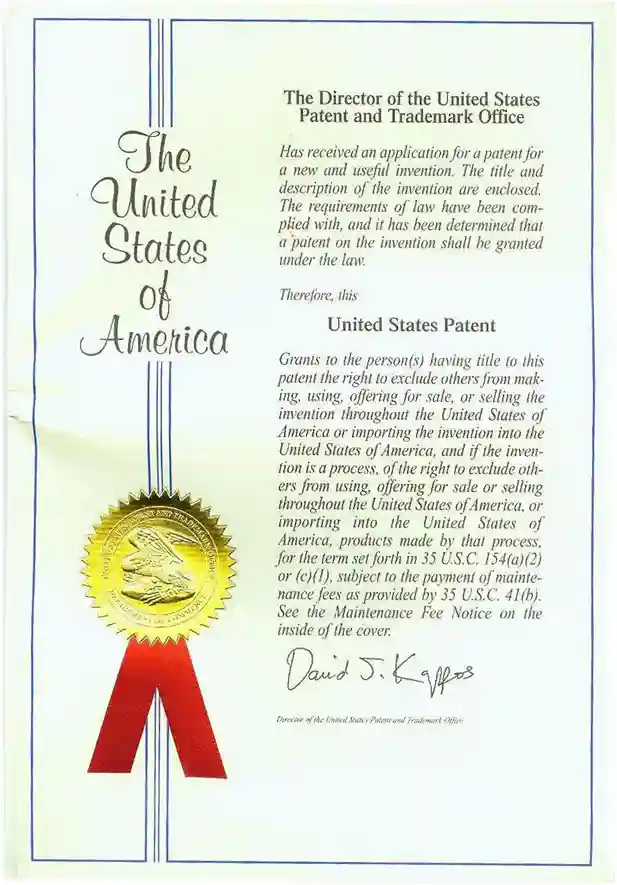
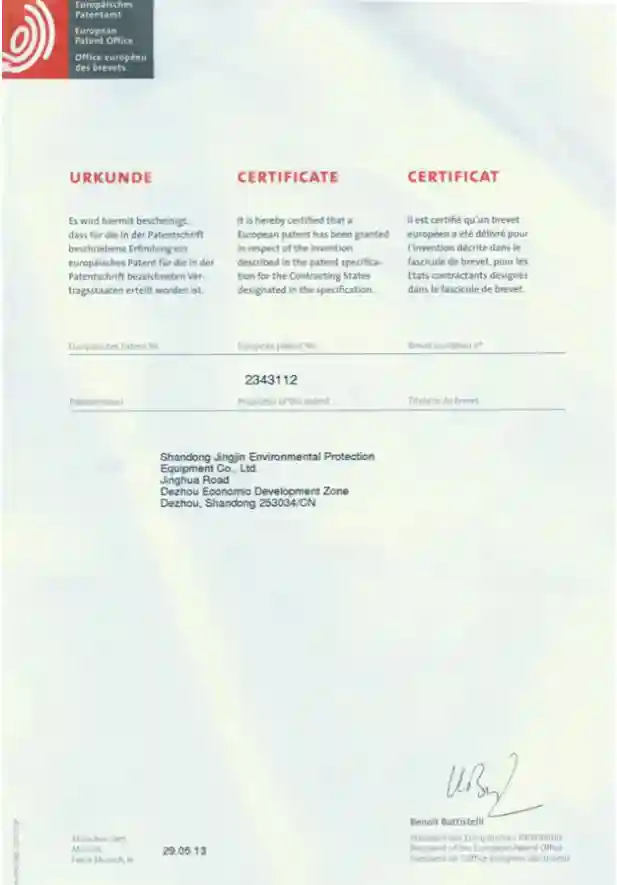
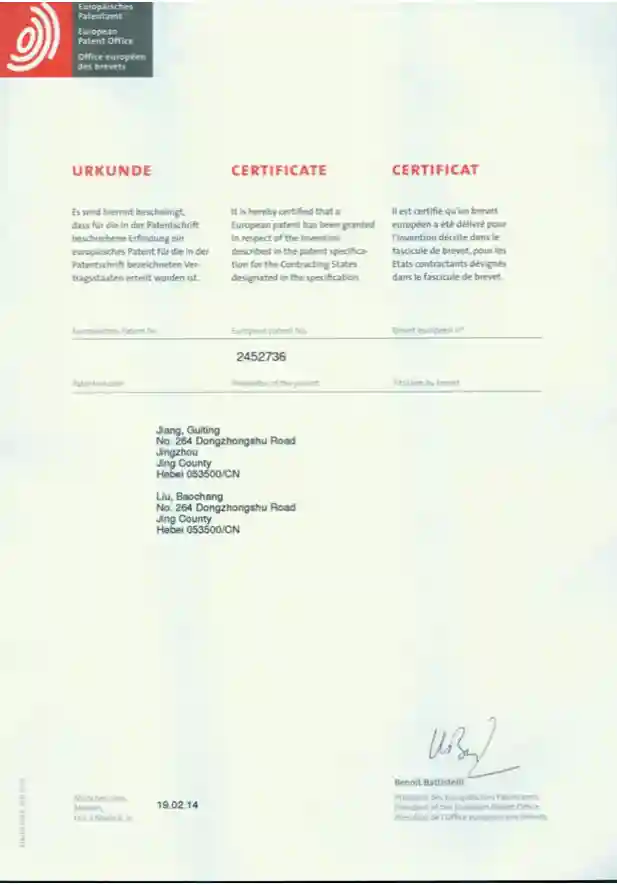
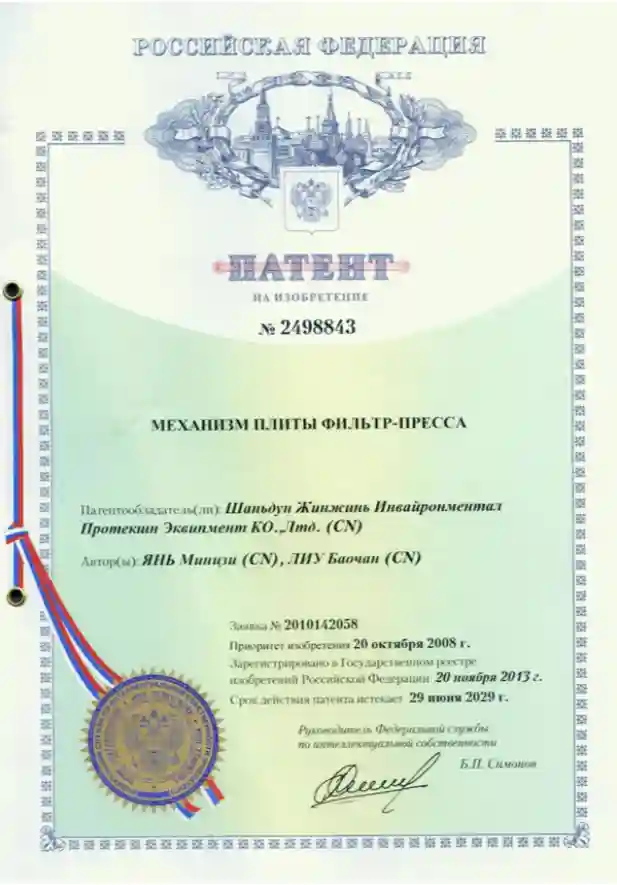
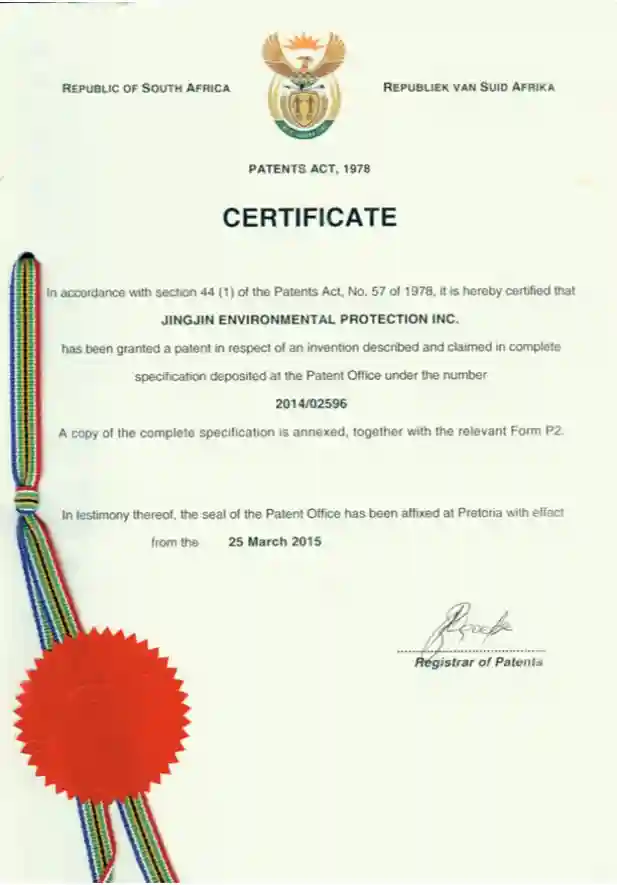
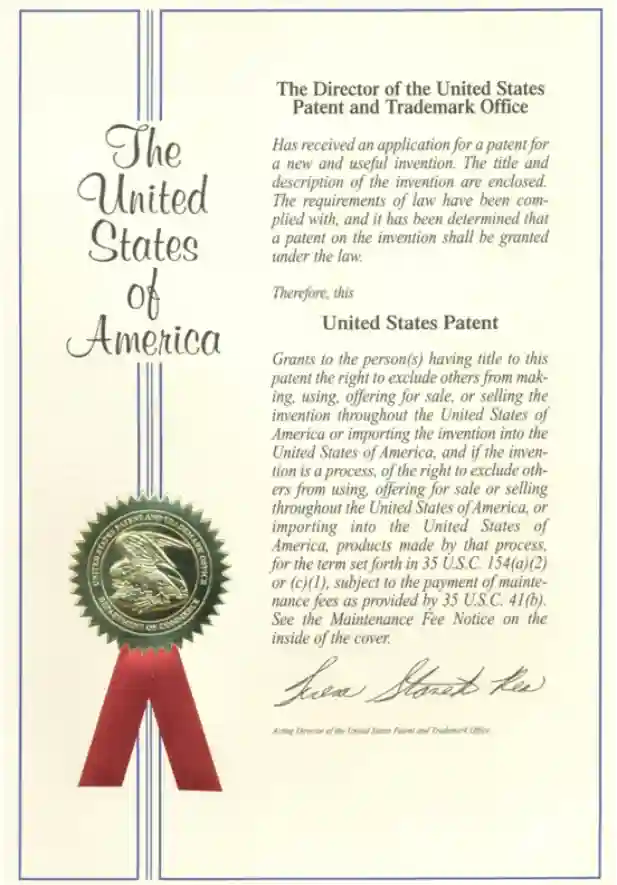
Global service networks are important for multinational businesses that need to make sure they have a steady supply of fabric at various places. Suppliers who can organize shipments to different locations, handle customs paperwork, and offer local technical help make buying easier and lower the risk of downtime. With locations in 123 countries and more than 136 patents, Jingjin Equipment Inc. is a great example of this unified approach. They not only provide high-quality filtering cloth but also full filter press systems, plates, and engineering services, all backed by 35 years of manufacturing experience.
Strategic Procurement Approaches
Building ties with suppliers who offer expert advice during fabric selection helps you make the best first choices and lowers the costs of trying things and seeing what works and what doesn't. Bulk buying deals lock in good prices and make sure there is a steady supply. By strategically building up inventory backups for important uses, you can keep production going even when unexpected fabric failures happen or lead times grow.
As much as cloth quality affects how well operations run, logistics management also does. Suppliers that offer a range of shipping choices, fast delivery for backups in an emergency, and the ability to change the amount of goods ordered can adapt to changing business needs. Instead of just looking at the lowest unit cost, it's better to look at the whole value proposition, which includes product quality, expert help, shipping reliability, and price.
How to Ensure Your Filter Press Fabric Investment Pays Off?
To get the most out of your investment in filter press fabric, you need to make sure that the fabric you choose fits with your overall business goals and that you follow best practices for getting the most out of every buy.
Balancing Cost Against Performance
The initial cost of the cloth is only one part of the total costs of ownership. Durable materials and efficient weave patterns lower the number of times that clothes need to be replaced. This saves money over time on fabric purchases and cuts down on the work costs that come with changing clothes. Throughput is increased by high-performance fabrics that keep their permeability over long cycles. This lets plants handle more slurry volume without adding more equipment. The release of drier cakes lowers the cost of disposal and often allows the useful reuse of filter cake materials, turning the costs of disposal into chances to make money.
Leveraging Supplier Expertise
Technical assistance from experts speeds up problem-solving and increases fabric performance. Industry veterans may provide solutions to common issues instead of stock items. Testing fabric on sample pieces reduces risk and ensures real-world performance before investing in full-press equipment.
When feedstock makeup changes, production rate increases, or environmental regulations change, fabric standards are updated through active consultation. This collaboration eliminates compliance and efficiency gaps.
Monitoring and Strategic Replacement Planning
Performance is measured by cycle time, filtrate clarity, and cake moisture content. These indicate degeneration before significant breakdowns. Standardising new fabric installation helps you compare numbers over time. Data-driven replacement schedules based on performance constraints rather than random time intervals maximize fabric consumption and save downtime.
Recording fabric parameters, supplier information, installation dates, and performance history simplifies reordering and problem-solving. This documentation helps when expanding operations, adding filter presses, or training new personnel.
Conclusion
To pick the best filter press fabric, you have to carefully assess operational goals and budget constraints against the material's qualities, weave structure, and special demands for the work. Good choices blend initial pricing with long-term performance variables, including durability, filtration efficiency, and maintenance. By understanding the slurry, operating circumstances, and fabric specs, procurement managers and process engineers may pick textiles that best separate solids and liquids while minimizing overall ownership costs. Partnering with competent providers who give technical assistance, solid paperwork, and dependable delivery enhances decision and practical outcome trust throughout the cloth's life.
FAQ
Q1: How does the pH level affect the choice of filter press fabric?
Polypropylene cloth can handle a pH range of 1 to 14, which makes it ideal for use in chemical plants and wastewater treatment plants that work with strong chemicals. Polyester works best in normal to slightly acidic situations, but it breaks down in strong alkaline ones. Nylon has great mechanical qualities, but it breaks down in very acidic liquids, which means it can't be used in places with low pH.
Q2: What causes cloth blindness to happen too soon, and how can it be stopped?
When tiny particles get stuck in the weave structure faster than the bridge layer appears on the surface, this is called blinding. Using monofilament yarns and calendered finishes makes the surface smoother and more uniform, which keeps particles from getting trapped. Blinding is less likely to happen on all kinds of cloth when the precoat is formed correctly and the feed slurry concentration is optimized.
Q3: When is it better to fix fabric than to buy new fabric?
Patching small tears or damage that isn't near drainage lines can sometimes make the fabric last longer and cost less. Widespread chemical breakdown, heavy wear and tear over large areas, or damage close to important closing edges usually mean that the whole thing needs to be replaced. When cloth performance has gone too far for repair to be cost-effective, checking the clarity of the water and the efficiency of the cycle can help.
Q4: Why would you want unique fabric instead of regular sizes?
Custom fabrics are made to fit perfectly on certain filter press models. This gets rid of gaps that let water in through the bypass and makes sure that the draining features are lined up correctly. Customized weave patterns and material mixes can handle special slurry properties that regular products can't. This is especially helpful in specialized chemical processing, pharmaceutical applications, and difficult mining operations where improving performance is worth the extra cost.
Partner With a Proven Filter Press Fabric Supplier
Jingjin Equipment Inc. has been making filter press systems, plates, and high-performance filter press fabric for more than 30 years and has a wide range of production skills. Our expert team works directly with process engineers and procurement managers to choose the best materials, weave patterns, and sizes for your job, whether you're dewatering sewage sludge, processing mine waste, or moving unique chemicals. Jingjin offers filter solutions backed by strict quality control and quick global support. The company has more than 136 patents and has worked with clients in 123 countries in the past. Get in touch with our application experts at [email protected] to talk about your solid-liquid separation problems and find out how our custom filter cloth solutions can help you run your business more efficiently and save you money over time.
References
1. Smith, J. and Thompson, R. (2019). Industrial Filtration: Principles and Applications of Filter Press Technology. Technical Publishing House.
2. Anderson, M. (2020). Filter Media Selection Guide for Chemical Processing Industries. Journal of Separation Science, Volume 45, Issue 3, pp. 287-305.
3. Williams, K. (2021). Advanced Materials for Solid-Liquid Separation: Performance Comparison of Synthetic Filter Fabrics. Filtration Technology Quarterly, pp. 112-128.
4. Chen, L. and Rodriguez, P. (2022). Maintenance Best Practices for Filter Press Operations in Mining Applications. International Mining and Minerals Journal, Volume 78, pp. 45-62.
5. Environmental Protection Agency (2020). Wastewater Treatment Equipment Performance Standards and Filtration Media Specifications. EPA Technical Guidelines Series.
6. Davis, H. (2023). Cost-Benefit Analysis of Filter Press Fabric Investment in Industrial Dewatering Operations. Process Engineering Economics Review, Volume 31, Issue 2, pp. 176-194.
jingjin
Founded in 1988, Jingjin specializes in filter presses and liquid-solid separation solutions, serving over 130 countries worldwide, and is a standard-setter in China's filter press industry.
Get the Filter Press guide
Enter Your Email for Technical assistance for the Filter Press.

Recommended Blog
Why Brazil Food Plants Import Multi Disk Screw Press from China?
Custom Filter Presses for the Chemical Industry: Choosing the Right Solution
Membrane Plate Filter Press for Mineral Processing: Improving Filtration Results
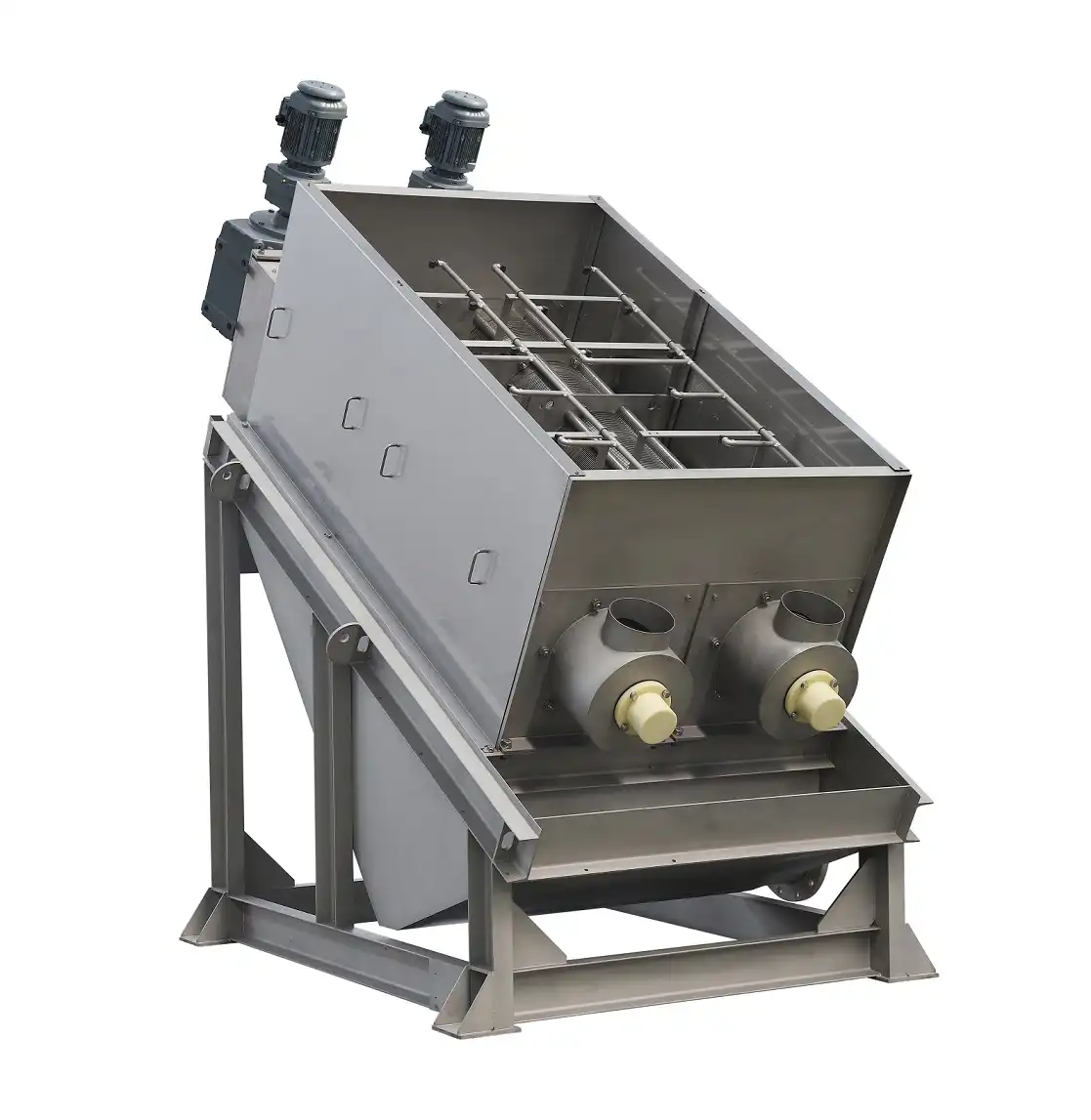
China Multi Disk Screw Press vs India: Cost & Performance 2026
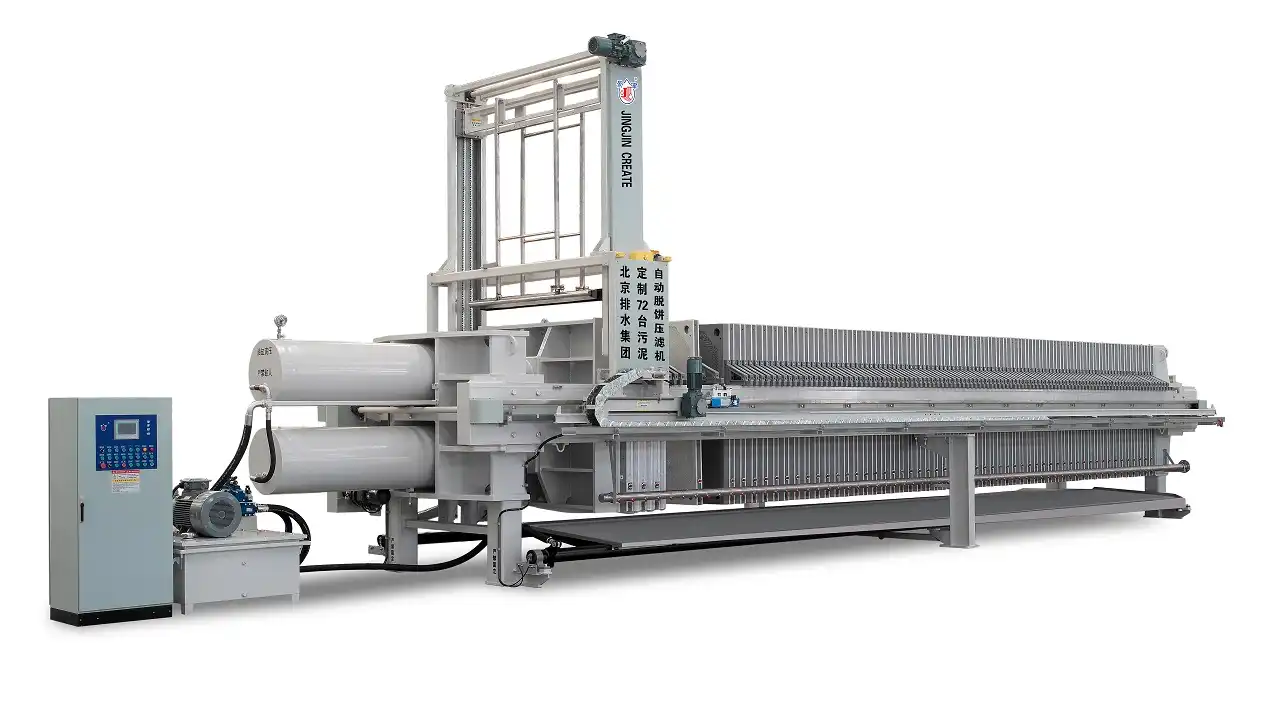
How a Sludge Filter Press Machine Improves Dewatering Efficiency
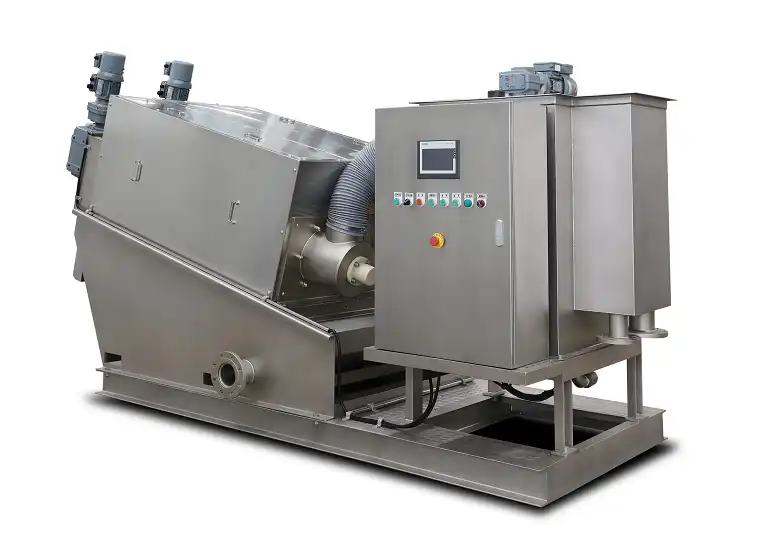
Where to Buy High Quality Multi Disk Screw Press for Efficient Sludge Dewatering
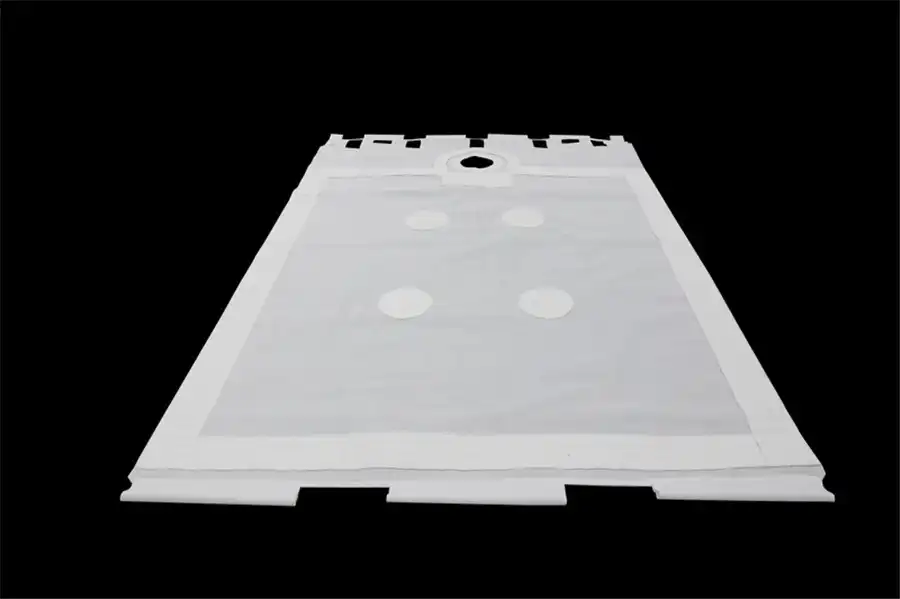
Chemical Resistant Filter Cloth for Mining: What You Need to Know
Screw Press Sludge Dewatering Machine for Municipal Wastewater