China Multi Disk Screw Press vs India: Cost & Performance 2026
Introduction to Multi-Disk Screw Press Technology
- Introduction to Multi-Disk Screw Press Technology
- Performance Comparison: China vs India Multi-Disk Screw Presses
- Cost Analysis: Factors Influencing Pricing and Value
- How to Choose the Best Multi-Disk Screw Press for Your Needs
- Case Studies and Real-World Applications
- Conclusion
- Frequently Asked Questions
- Contact Jingjin for Your Multi-Disk Screw Press Solution
- References
The Multi-Disk Screw Press is a key solid-liquid separation tool for 2026. Industry uses it for drying. Chinese enterprises dominate this area because to their inexpensive pricing and excellent innovation. However, Indian enterprises provide diverse items and prices. Selecting between these two industrial centers affects the cost, performance, and longevity of wastewater treatment facilities, mines, and chemical processing plants worldwide.
Introduction to Multi-Disk Screw Press Technology
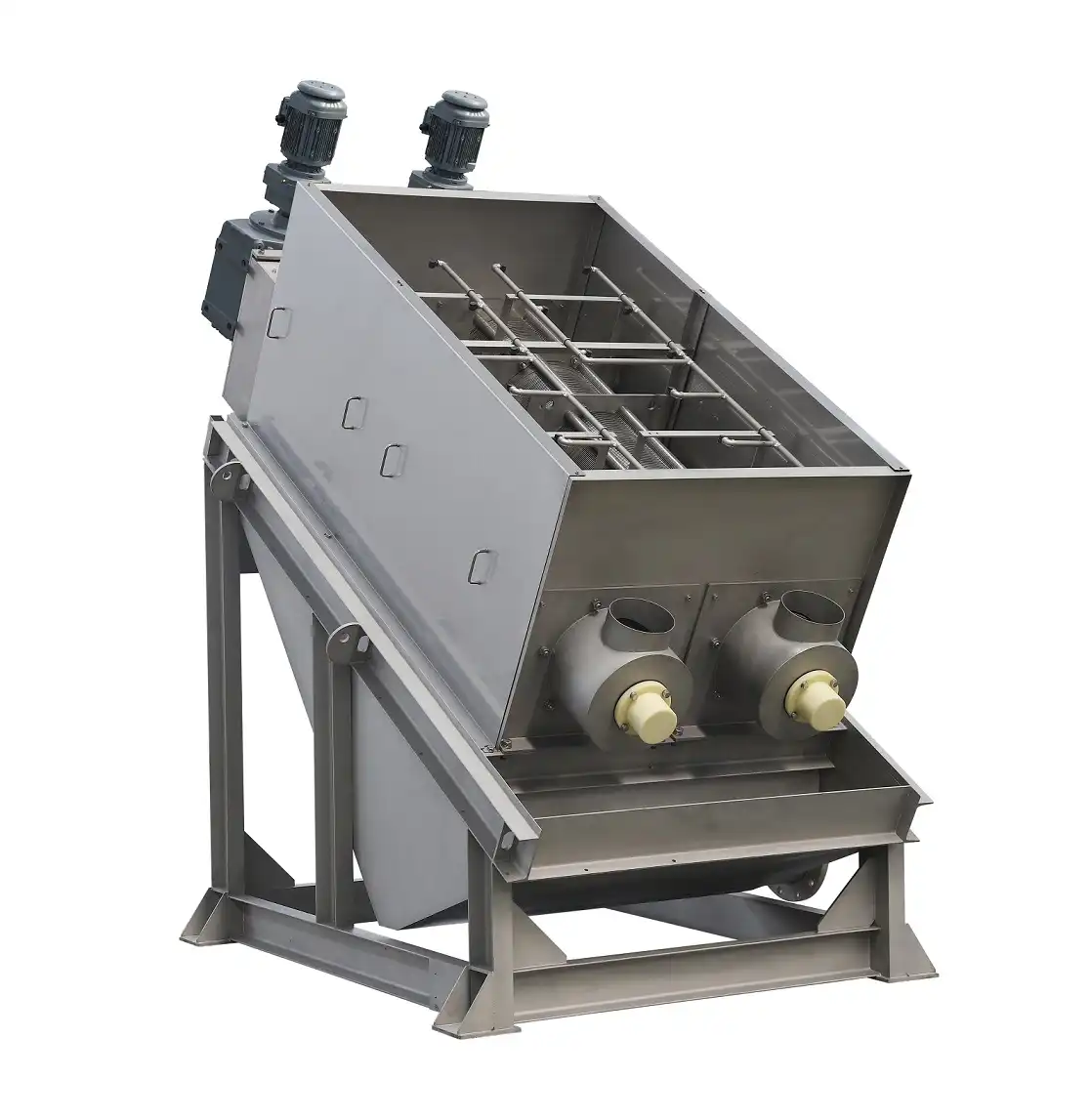
Separating solids and liquids using the multi-disk screw press technique is novel. Screw compression and multi-stage filtering using strategically placed disks are combined. Sludge or slurry is placed into a cylinder-shaped chamber using this innovative apparatus. Inside, a revolving screw progressively increases compression pressure, and numerous disks filter. This makes dewatering effective in many industrial contexts.
A spiral tube transports objects between smaller fixed and movable plates in the basic concept. This setup optimizes liquid extraction while keeping the machine operating without frequent maintenance breaks. The method works effectively in wastewater treatment plants, mines, and chemical industries where reliability and moisture removal are crucial.
Regional Manufacturing Landscapes Shaping Market Dynamics
Due to decades of expertise and significant R&D, China leads multi-disk screw press production. Chinese manufacturers benefit from integrated supply lines, excellent metalworking capabilities, and factory automation. This manufacturing environment allows low-cost production while fulfilling harsh quality demands for overseas certifications and performance.
India's industrial sector emphasizes engineering services and localized solutions. Indian manufacturers are fast to adapt designs and respond to client requests, particularly for sophisticated industrial purposes that need unique materials or operating conditions. India can better service its own customers and sell more overseas since it focuses more on creating items in India.
Performance Comparison: China vs India Multi-Disk Screw Presses
Multi-disk screw presses from China and India work differently. Because they employ distinct design and technology principles. Practical considerations that affect industrial tool selection reflect these distinctions.
Throughput Capacity and Operational Efficiency
Chinese multi-disc screw presses have better throughput. Depending on the kind and moisture level, leading producers can treat 50 to 200 cubic meters of sludge per hour. Advanced control systems allow you to adjust screw speed, disk distance, and compression pressure for optimal performance under varying feed circumstances.
Indian manufacturers emphasize operational flexibility and sludge handling and low throughput. Workers may modify performance parameters in real time using their equipment' automatic and manual modifications. Facilities with shifting garbage streams or policies will benefit from this strategy.
Power Consumption and Energy Efficiency
Energy efficiency is a key performance indicator; hence, Chinese manufacturers have invested heavily in motor and drive system energy efficiency. Modern Chinese multi-disk screw presses treat sludge at 0.5–1.2 kWh per cubic meter. Variable frequency drives, optimized screw designs, and better bearing systems decrease friction losses, making them efficient.
Indian equipment manufactures prioritize sturdy, reliable mechanical designs for harsh circumstances. Their goods may consume more electricity but last longer. Long-term operational stability often outweighs energy efficiency and mechanical durability. This is particularly true in regions with unstable power sources or difficult maintenance.
Design Innovations and Technological Advancements
Chinese businesses are the best at automating, and their machines feature high-tech displays that measure cake moisture, force, and filtrate clarity. These technologies enable scheduled preventive maintenance and automated configuration modifications to optimize performance even when load circumstances vary. New corrosion-resistant metals and coatings extend equipment life in hazardous environments.
Indian manufacturers use modular design, making maintenance and repairs easier. Their ideas frequently simplify processes and reduce technical knowledge. This makes the device usable in regions with little technical support.
Cost Analysis: Factors Influencing Pricing and Value
To properly grasp the cost structure of purchasing a multi-disk screw press, go beyond the initial purchase price. Chinese and Indian suppliers have distinct total costs of ownership for equipment, setup, operating expenses, maintenance, and disposal.
Initial Investment and Pricing Structures
Chinese manufacturers have cheap beginning pricing due to economies of scale and quick production. Standard versions cost $50,000–$300,000, depending on room and personalization. You may save a lot by buying in bulk. Standard components and manufacturing processes decrease unit costs for larger projects, increasing the price advantage.
Indian merchants have higher beginning pricing but may customize items and provide local assistance. It usually costs 15–25% more than Chinese equipment. Because the American corporation has stronger engineering, longer warranties, and more extensive operational staff training.
Supply Chain Reliability and Lead Times
Due to worldwide supply chains and consistent manufacturing schedules, Chinese manufacturers may provide equipment in 8–16 weeks for conventional setups. A vast network of component vendors and transportation partners ensures supplies are always accessible and deliveries are on schedule, which helps plan projects and coordinate installations.
Indian makers have longer wait times, especially for custom solutions, but they are more flexible if you need to change specifications or delivery dates. The emphasis on customisation and quality control to ensure the equipment matches each application extends lead times to 12–20 weeks.
Lifecycle Cost Considerations
Operations, including energy usage, replacement parts, and maintenance, account for a large portion of ownership expenses. Chinese equipment has cheaper operating costs due to its energy-efficient designs and cheap, widely available standard parts.
Although Indian technology costs more to operate, it lasts longer and requires fewer replacements. Strong construction and conservative design margins extend service life. In tough industrial situations where equipment durability is more critical than operating efficiency, this might help offset higher maintenance expenses.
How to Choose the Best Multi-Disk Screw Press for Your Needs
Studying working demands, performance standards, and long-term facility objectives can help you pick the top multi-disk screw press instruments. To choose, several technical and commercial aspects that impact tool performance and ROI must be considered.
Defining Operational Requirements and Capacity Needs
First, evaluate the sludge's chemical composition, particle size distribution, and solids content to determine the suitable instruments. These considerations directly impact equipment size, material selection, and operational factors required to meet moisture content and production targets. High-solids industrial waste facilities must fulfill different regulations than city trash facilities.
Future work growth and current workload must be considered while planning capacity. This lets the correct equipment be selected to manage development without being replaced too soon. To avoid oversizing equipment during peak demand and maintain efficiency during routine operations, peak load circumstances and annual fluctuations should affect size decisions.
Evaluating Technology Alternatives and Performance Metrics
Instead of belt filter presses, centrifuges, or ordinary filter presses, multi disk screw presses are better. Application, room, and operator preferences determine the advantages of each technology. Know these trade-offs to choose the optimal technology for each institution.
Success indicators include cake dryness consistency, polymer usage rate, filtrate quality, and system availability. Improved equipment performance in these areas generally pays for itself in decreased operating costs and regulatory compliance. Documenting performance promises and acceptance testing techniques offers individuals confidence that their objectives will be realized.
Supplier Evaluation and Long-Term Partnership Considerations
The manufacturer's name and track record in comparable situations might indicate equipment reliability and support. References from comparable installations enable you evaluate performance to specifications and assess the maker's responsiveness to operational issues and technical assistance.
Maintenance expenses and equipment utilization depend on service network reach and spare parts availability. Local servicing and readily accessible consumables reduce operating risks and maintenance expenses for manufacturers.
Case Studies and Real-World Applications
Real-world applications tell us how effectively multi-disk screw presses operate in many industries. These examples demonstrate the pros and cons of setting up equipment and starting activities.
Chinese Equipment Performance in International Markets
A huge Chilean mine uses Chinese multi-disc screw press equipment to discharge tailings. These systems recycled 85% of water and reduced waste by 60%. Even with varying ore and weather, the system handled 150 cubic meters of copper tailings each hour. In comparison to the thickener-based method, operating expenses were reduced by 35%. Enhanced water collection also enhanced environmental compliance.
The study highlighted how well Chinese manufacturers provide engineering support and speedy implementation strategies. Technical assistance during initialization and the first few operations ensured optimal performance on schedule. Standardized part design simplified maintenance and spare part management over three years.
Indian Solutions Demonstrating Cost-Effectiveness
A Southeast Asian pharmaceutical plant picked Indian equipment to manage antibiotic garbage, focusing on rust-resistant materials and autonomous functions. The technology recovered 92% of solids and met rigorous pharmaceutical waste environmental criteria. Custom metal structures and coatings were needed to handle the severe waste chemicals.
The study demonstrated that Indian producers can create tailored solutions for particular needs requiring special materials and design tweaks. Improved operator training and precise documentation allowed technology transfer, and the system worked on its own within six months.
Operational Challenges and Practical Solutions
Changing feed characteristics, optimizing polymer dosage, and maintaining cake dry during load changes are major operational challenges. Successful facilities have extensive monitoring systems and standard operating procedures that account for these issues in modifications and preventive maintenance programs.
Variable speed drives, automated chemical dosing systems, and better tracking tools have solved difficulties and improved system reliability. These modifications usually pay for themselves fast since they streamline operations and reduce human involvement.
Conclusion
Comparing Chinese and Indian multi-disk screw press manufacturers demonstrates that each has advantages based on product and company demands. Chinese manufacturers provide competitively priced, proven solutions, while Indian manufacturers offer customization and flexible engineering assistance. Long-term corporate objectives, total cost of ownership, performance demands, and service network availability should guide the decision. Due to our global presence and diverse skills, Jingjin can provide the finest solutions for every application or geographical demand.
Frequently Asked Questions
1. What are the main differences between Chinese and Indian multi-disk screw presses?
Chinese manufacturers prioritize basic designs, cheap pricing, and speedy delivery. However, Indian manufacturers emphasize customization and engineering services. Although Chinese equipment has a better throughput and consumes less energy, Indian solutions are more flexible for varied purposes and difficult operating circumstances.
2. How do lead times compare between Chinese and Indian suppliers?
Standard equipment from Chinese manufacturers is supplied in 8–16 weeks due to manufacturing plans and an effective supply chain. Indian sellers take 12–20 weeks; however, they are more flexible with specs and solutions. Project complexity and customization considerably impact delivery timeframes for both kinds of vendors.
3. What maintenance practices ensure optimal performance?
Regularly checking moving parts, cleaning the cake, and monitoring its moisture level help it perform well. Replace worn rings, seals, and bearings before they break. This prevents unexpected downtime and maintains isolation. Adjusting the polymer dosage and feed rate will maintain performance under changing circumstances.
Contact Jingjin for Your Multi-Disk Screw Press Solution
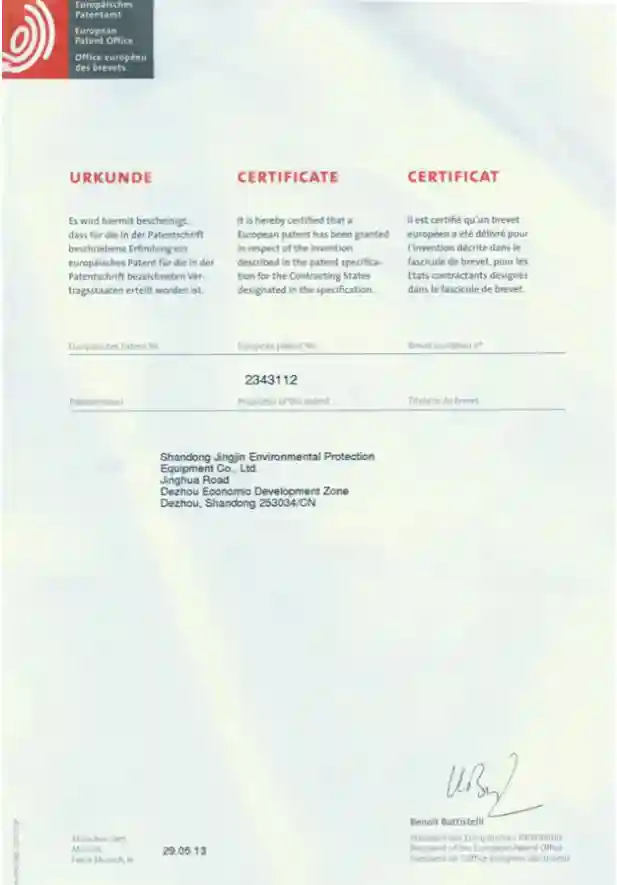
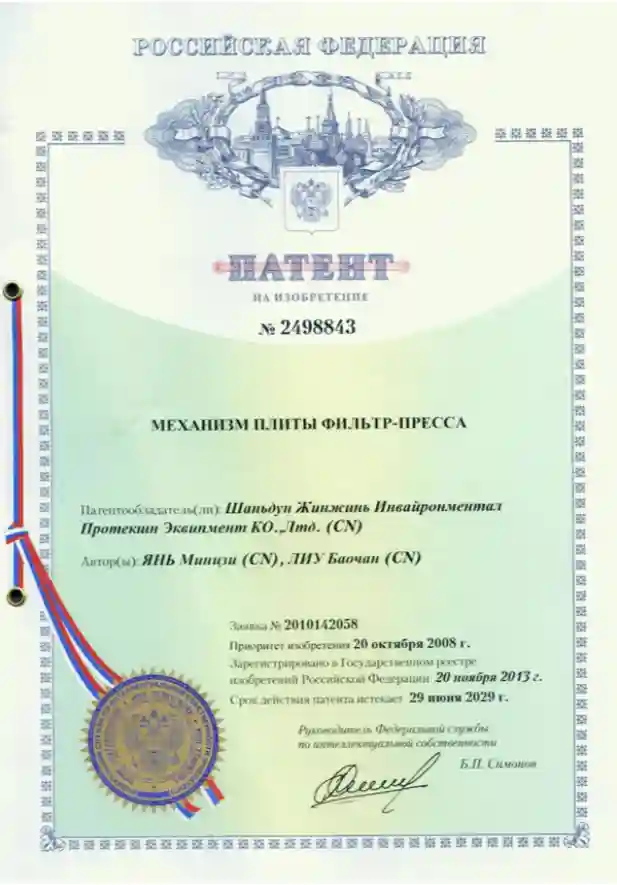
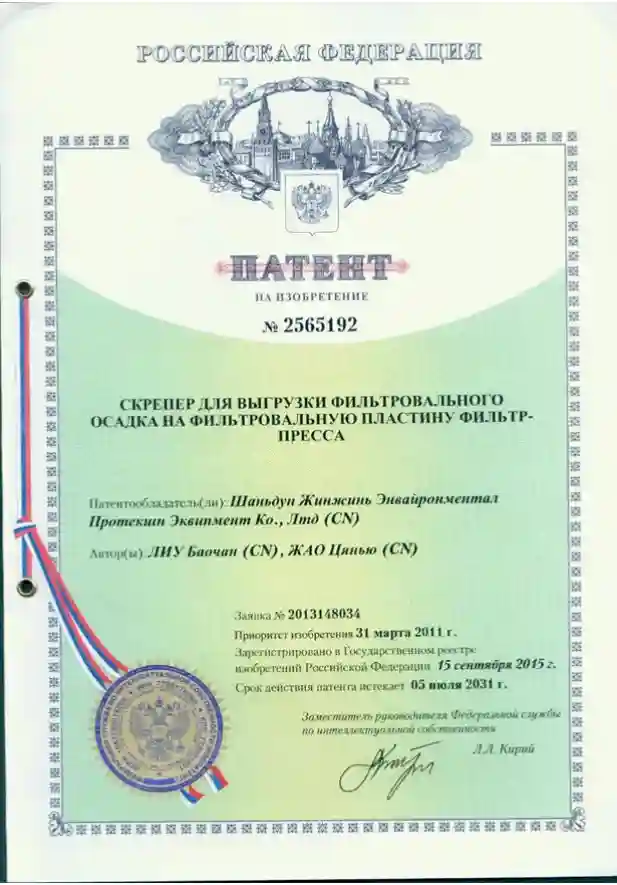
You can trust Jingjin to create high-quality multi-disk screw presses for harsh industrial usage because of our solid-liquid separation technology success. Our comprehensive approach employs cutting-edge technology, affordable rates, and global service support to provide the greatest dewatering choices. Our equipment satisfies the hardest operational demands and provides long-term performance and value. We have over 136 patents and decades of manufacturing expertise.
Our experts will assess your building's demands and recommend a multi-disk screw press setup. Contact [email protected] to discuss your project and obtain full technical blueprints to handle your dewatering difficulties efficiently and affordably.
References
1. Industrial Solid-Liquid Separation Technology: Global Market Analysis and Manufacturing Trends, 2024
2. Multi-Disk Screw Press Performance Evaluation in Wastewater Treatment Applications, Water Engineering Journal, 2023
3. Comparative Study of Asian Manufacturing Capabilities in Industrial Filtration Equipment, Process Engineering Review, 2024
4. Cost-Benefit Analysis of Dewatering Technologies in Mining and Chemical Industries, Industrial Processing Magazine, 2023
5. Advanced Automation in Solid-Liquid Separation: Technology Trends and Performance Metrics, Chemical Engineering Progress, 2024
6. Global Supply Chain Analysis: Industrial Equipment Manufacturing in China and India, Manufacturing Today, 2023
jingjin
Founded in 1988, Jingjin specializes in filter presses and liquid-solid separation solutions, serving over 130 countries worldwide, and is a standard-setter in China's filter press industry.
Get the Filter Press guide
Enter Your Email for Technical assistance for the Filter Press.
Recommended Blog

Durable Screw Dewatering Machines for Mining: Features to Look For
Feed Pump Flow Rate for Filter Press: How to Calculate and Optimize It
How Foreign Buyers Choose Reliable Multi Disk Screw Press in China?
Customized Filter Press Plates for the Mining Industry: What You Need to Know