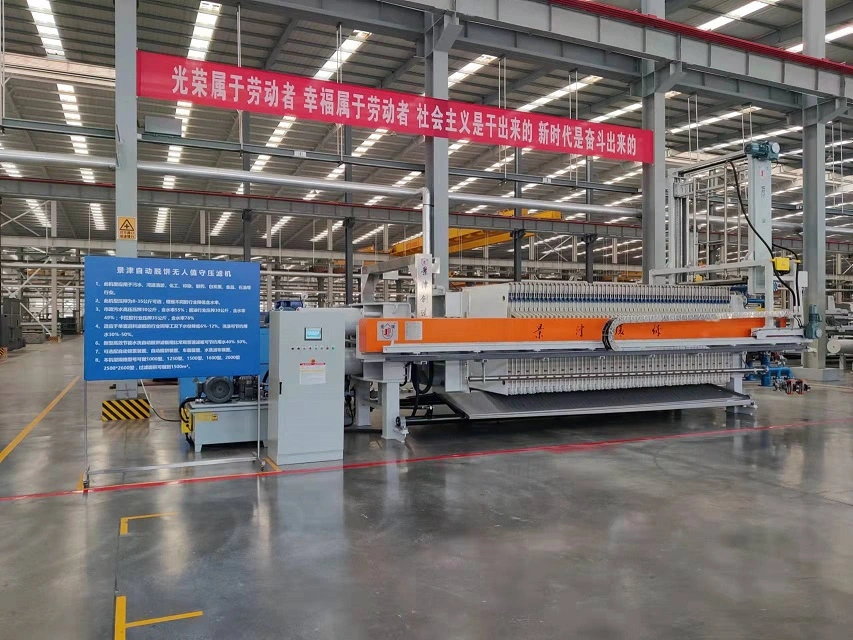
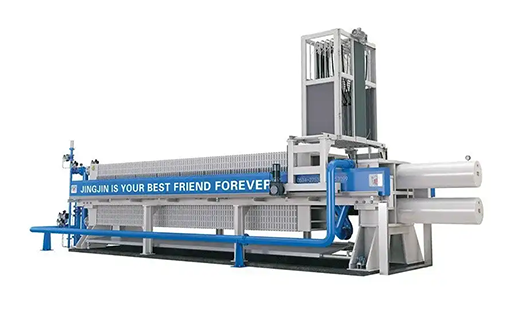
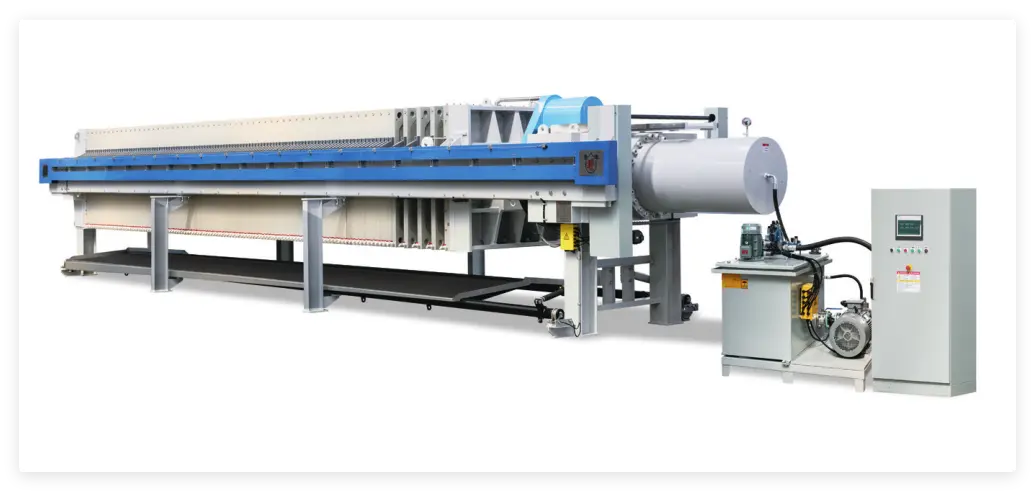
When preparing food, choosing the right filter press plates is very important for getting the best separation of solids and liquids. These important parts are what hold filter systems together. They have a direct effect on the quality of the product, how well they work, and how well they meet strict food safety standards. The success of each filtering cycle and the long-term revenue of your processing business depend on how long the filter plates last and what materials they are made of. When buying, managers and process engineers know about the different materials, styles, and benefits that are out there; they can make decisions that improve performance and cut costs in the tough food business.
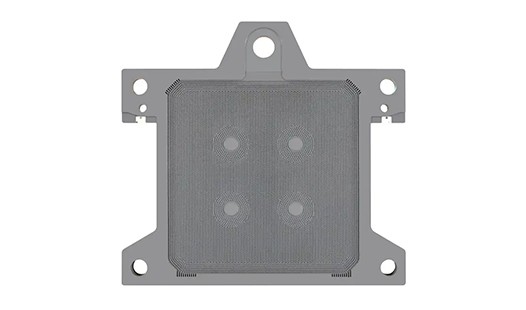
Understanding Filter Press Plates in Food Processing
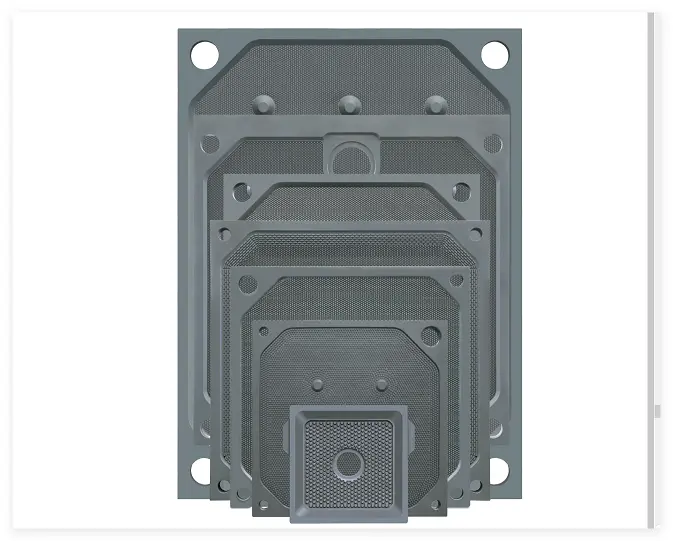
In filtration systems, filter press plates are very important because they make the framework that holds the filter cloth and creates spaces where solids and liquids separate. When these plates are used in food processing, they have to be able to handle high pressures while keeping things clean and making sure the product is pure. When squeezed, the precisely designed sides form tight rings that make it easy to remove liquid and make a concentrated solid cake.
What Are Filter Press Plates and Their Functionality?
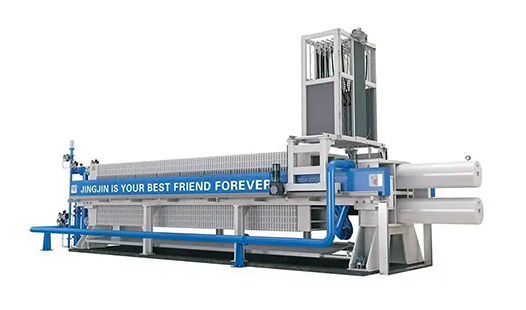
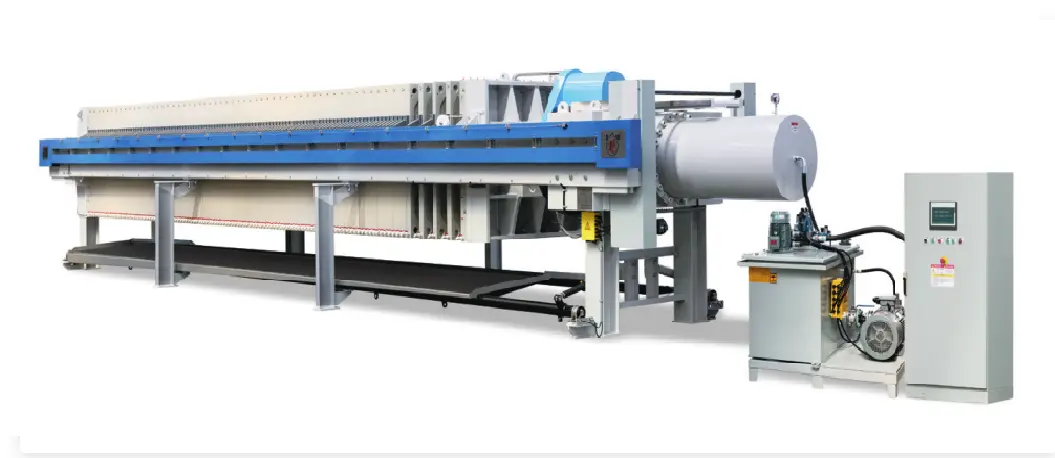
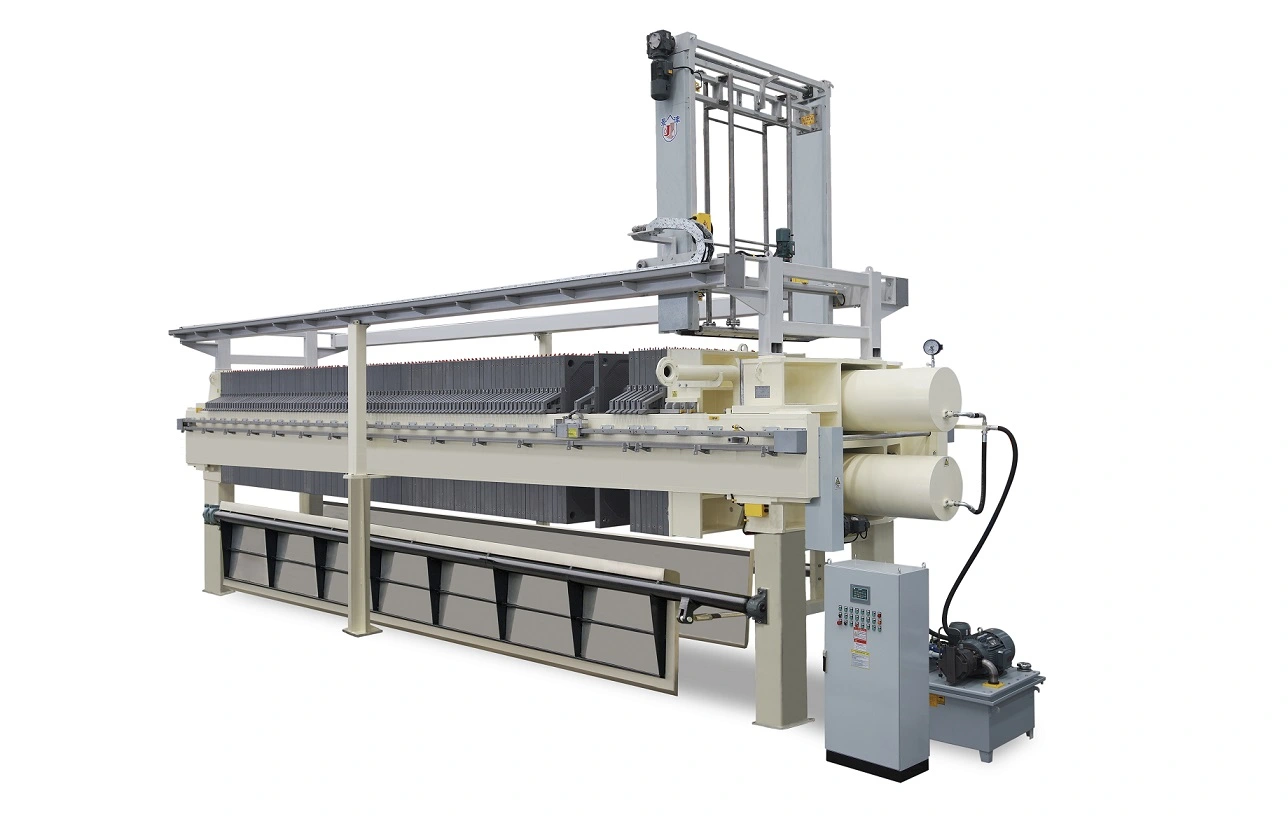
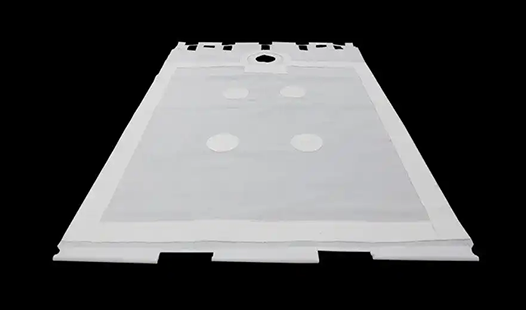
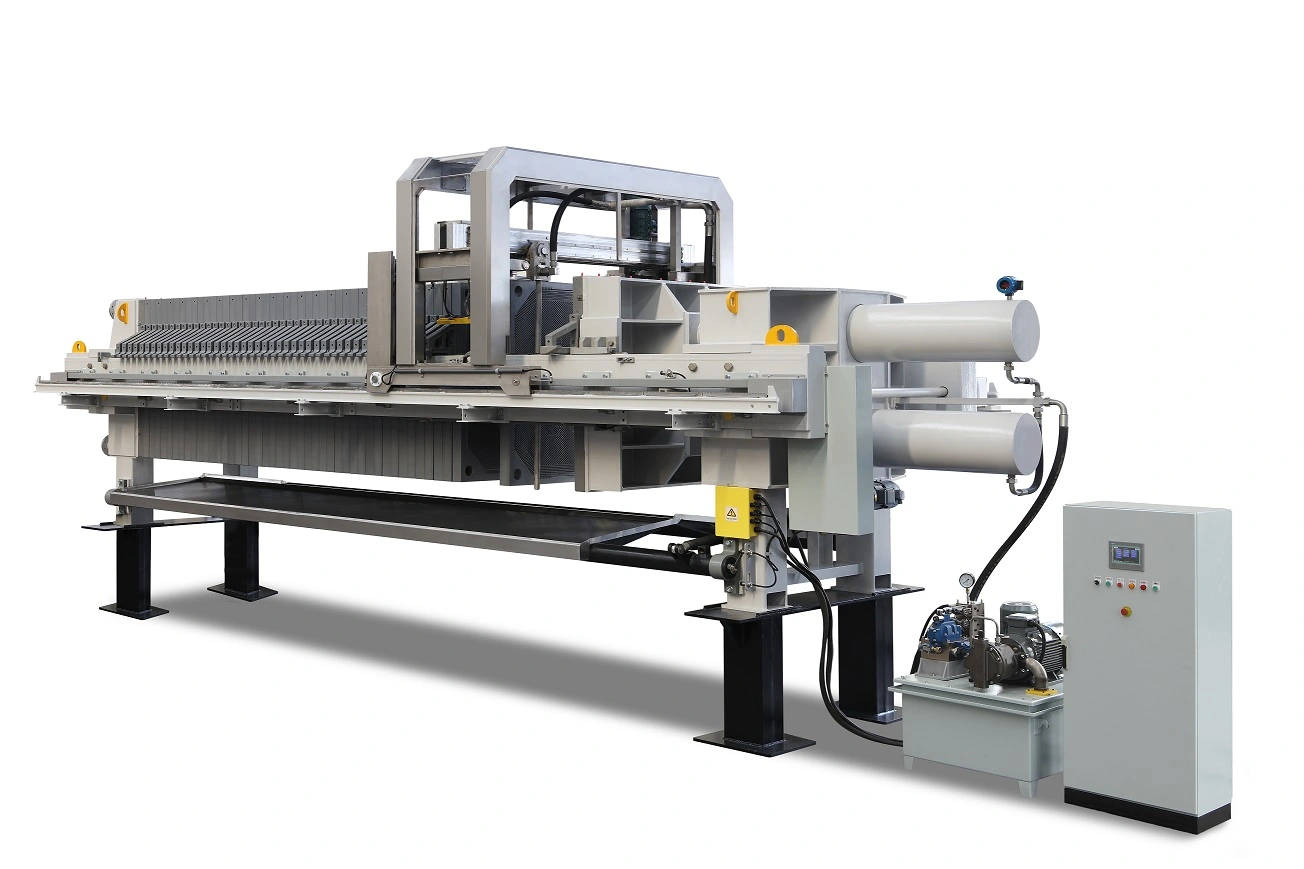
Filter press plates are structural parts that are used to make filter tanks inside press systems. There are channels and holes in each plate that let liquid move and catch solids against the filter media. In the food business, these plates have to keep things clean while they handle things like fruit juices and waste from cheese processing. Putting hydraulic pressure on the plates makes the chamber smaller, which forces liquid through the filter cloth while keeping the solids in place to make a dry cake that is easy to remove.
Key Benefits of Durable Filter Press Plates
In terms of operations, buying high-quality filtering plates has big benefits. Here are the main reasons why payback on investment is important:
- Longer useful life: Strong building materials don't wear down easily or rust, and they can handle high temperatures without breaking. This means they last longer than regular materials and need to be replaced less often.
- Better filtration: precise production makes sure that the chamber forms consistently and the cake is released at the right time, which keeps flow high and product quality high.
- Less upkeep is needed because good materials cut down on the time needed for fixes, cleaning, and replacing parts, which helps keep production plans going.
These benefits directly lead to lower costs and higher efficiency for food preparation plants that want reliable filter options.
Top Materials Used for Durable Filter Press Plates in Food Processing
When choosing filter press plates for food processing uses, the material is the most important thing to think about. Each material has its own pros and cons that need to be taken into account when planning a process, working with chemicals, or in other situations. By knowing about these features, you can make smart purchasing choices that combine efficiency, sturdiness, and cost.
Polypropylene Plates: Cost-Effective and Chemical Resistant
Polypropylene plates are good at resisting chemicals and are cheap enough to be used in many food handling tasks. This polymer material can handle both acidic and basic conditions that are common in cooking fruit, making drinks, and cleaning up food waste. The structure of polypropylene plates stays strong at temperatures that are common in food processing, and they are also easy to clean and keep. They might not work well in high-temperature situations or processes that need a lot of mechanical strength, though.
Stainless Steel Plates: High Strength and Corrosion Resistance
Stainless steel plates are better for harsh food preparation settings because they are stronger and don't rust. Grade 316L stainless steel is very strong and meets all food safety rules, which makes it perfect for use in pharmaceuticals and high-purity foods. While stainless steel plates are more expensive to buy at first than polymer options, they last longer and keep the clean conditions needed for food-grade processing. Because the material can stand up to harsh cleaning chemicals and high-pressure steam sterilization, it is very useful in places where cleanliness is very important.
Composite and Specialty Materials for Enhanced Performance
Advanced composite materials take the best qualities of several different parts and mix them to make the best performance features. Most of the time, these special materials are made of strengthened plastics or mixed structures that find a good balance between weight, strength, and chemical resistance. Antimicrobial surface treatments and special coats made just for food safety requirements are examples of new technologies. These kinds of materials make it possible to create custom solutions that solve specific processing problems while still being cost-effective.
Types and Designs of Filter Press Plates Suited for Food Processing
The layout of filter plates has a big effect on how well they work, how much upkeep they need, and the quality of the result. In the process of preparing food, from the first step of clarifying to the last step of drying, different types of plates are used for different tasks. Knowing about these differences in design helps you choose the best solution for your working needs.
Flat vs. Recessed Filter Press Plates: Which Is Best?
Simple, low-cost filtration can be done with flat plates for basic solid-liquid separation jobs. It's okay for a thin cake to form during explanation steps with these patterns. Recessed plates make spaces that are deeper, which lets bigger cakes form. This makes them perfect for draining tasks that need to reduce the solid material as much as possible. The choice depends on the needs of the process. In general, deep designs are better at draining, but they cost more to run.
Manual vs. Automatic Filter Press Plates
Because they are flexible and have lower start-up costs, manual plate systems are good for small businesses or places where batches of work need to be done. Operators can quickly change settings and do upkeep, but more work needs to be done. Automatic systems cut down on practical labor while making high-volume processing facilities more consistent and speeding up work. The investment in technology pays off because it lowers the cost of labor and makes large-scale processes more reliable.
Custom Filter Press Plates for Specialized Filtration Needs
Plate shapes that are made to fit specific needs are often needed for specialized food processing uses. Custom solutions can make port layouts, room shapes, and surface processes work best for certain materials or working conditions. Custom designs like these often lead to big changes in efficiency and practical benefits that make the extra engineering work worth it.
Maintenance, Troubleshooting, and Longevity Tips for Filter Press Plates
The life and efficiency of filter press plates in food preparation settings are directly affected by how well they are maintained. Setting up thorough repair procedures stops things from breaking down too soon and makes sure that the quality of the product stays the same and that all regulations are followed. Knowing about common problems and how to fix them cuts down on unplanned downtime and other problems that affect operations.
Routine Maintenance Best Practices to Prolong Durability
Setting up regular cleaning plans stops leftovers from building up, which could damage plate surfaces or make filters less effective. By checking the sealing surfaces, drainage pathways, and fastening points on a regular basis, wear patterns can be found before they lead to system breakdowns. When putting together and taking apart plates, the right way to handle them stops mechanical damage that shortens their life.
Troubleshooting Common Filter Press Plate Issues in Food Processing
Plate bending, seal decay, and channel blocking are all common problems. Most of the time, warping is caused by too much pressure or exposure to high temperatures. Seal problems are usually caused by wear or bad assembly. Blocked pathways make filtering less effective and could mean that there are problems upstream or that the cleaning methods aren't good enough. Finding and fixing these problems quickly keeps output from stopping, which costs a lot of money.
Design Principles That Enhance Filter Press Plate Durability
Plates that are made to last have smooth sides that don't get dirty and are easy to clean. Reinforced stress points can handle operational loads without deforming, and better flow patterns keep contaminants from building up in dead zones. Choosing materials that can handle certain chemicals and temperatures will make sure they last for a long time in tough food preparation settings.
How to Select and Procure the Best Filter Press Plates for Food Processing?
To choose the right filter press plates, you need to think about a lot of things, like the process factors, the operating needs, and the cost. This methodical technique guarantees the best performance while keeping the total cost of ownership as low as possible. When you know the important selection factors and the skills of a seller, you can make sure buying decisions that will help your business succeed in the long run.
Key Criteria for Choosing Filter Press Plates
The main selection factor is chemical compatibility, since plates must not break down when exposed to process fluids, cleaning chemicals, and cleansing agents. The requirements for thermal stability rely on the temperatures used for cleaning and running the system. The mechanical strength needs to be able to handle system pressures and cake formation loads. In apps that involve preparing food, following food safety rules and industry standards is a must.
Comparison of Leading Filter Press Plate Types for Food Processing
Stainless steel plates are very durable and good for keeping things clean, but they cost more up front and need to be handled in a certain way. Polypropylene options are cheaper and better at resisting chemicals, but they can't be used in high-temperature situations. Automatic designs make the best use of labor and ensure process stability, while manual designs give you more operating freedom.
Where to Buy and How to Find Trusted Suppliers
Suppliers you can trust give full technical help, quality approvals, and a history of success in food industry uses. Professional sellers are different from product vendors in terms of warranty terms, shipping options, and service after the sale. OEM quality standards and the ability to customize make sure that systems work well together and integrate properly.
Jingjin: Your Partner for Superior Filter Press Solutions
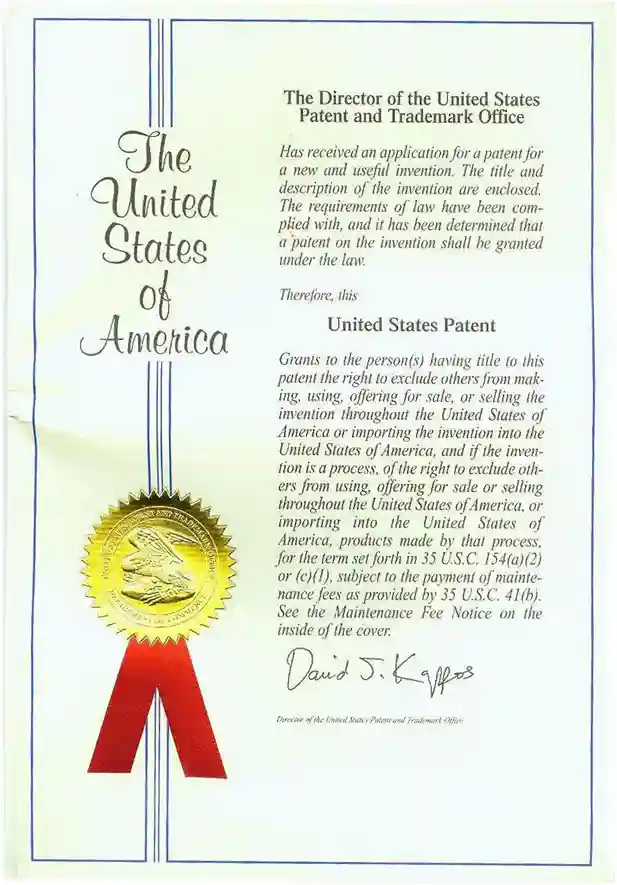
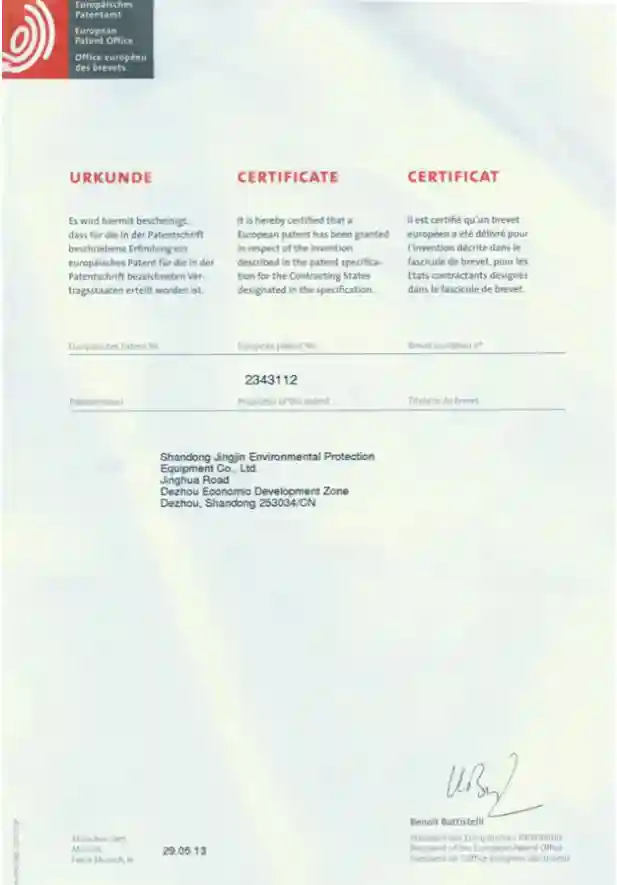
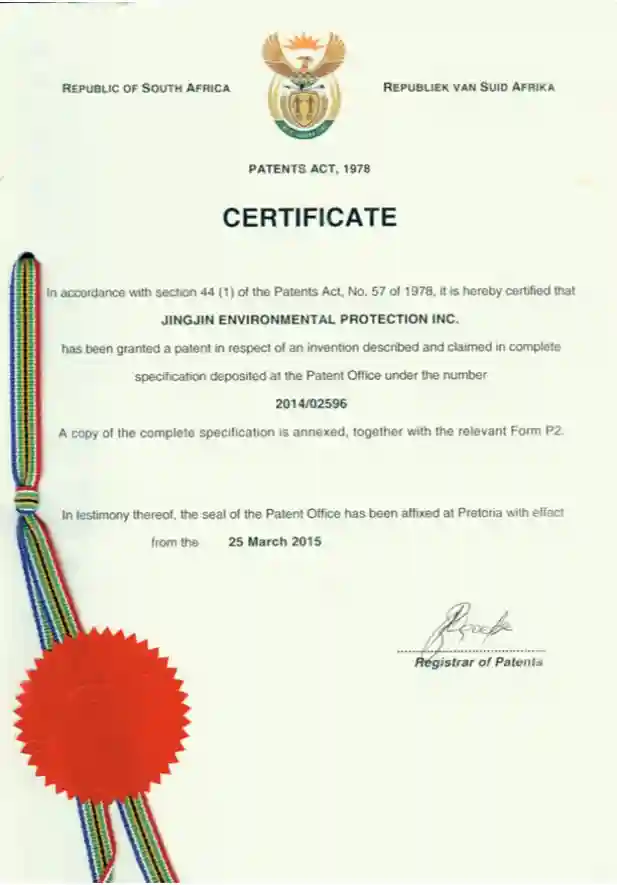
As a world leader in filter technology, Jingjin Equipment Inc. brings more than 35 years of technical experience to food preparation businesses all over the world. Our wide range of filter press plates is made for tough filtration tasks and includes choices made of plastic, stainless steel, and cast iron. We offer new products that meet the strictest food safety standards. Our production sites serve 123 countries, and we have more than 136 patents.
The sides of our filter plates are precisely machined to ensure a tight fit and effective liquid extraction. Our products, which come in different styles like hollow chamber plates, membrane plates, and plate-and-frame designs, are very good at separating solids from liquids and have a high filter capacity. Each plate goes through strict quality checks to make sure it releases cakes more easily, is easy to clean, and filters food more efficiently in food handling settings.
Conclusion
When choosing the right filter press plates for preparing food, you need to think carefully about the qualities of the materials, the way they are designed, and how they will be used. Quality plates made from the right materials, such as plastic, stainless steel, or modern alloys, give better performance, less upkeep, and higher-quality products. When you know the differences between plate types, how often they need to be serviced, and what suppliers can do, you can make smart purchasing choices that improve both working efficiency and long-term cost-effectiveness in tough food processing settings.
Frequently Asked Questions
Q1: How often should filter press plates be replaced in food processing applications?
A: Replacement frequency depends on material type, process conditions, and maintenance practices. High-quality stainless steel plates typically last 5-10 years, while polypropylene plates may require replacement every 2-5 years under normal operating conditions.
Q2: What materials are best suited for acidic food filtration processes?
A: For acidic applications, 316L stainless steel offers excellent corrosion resistance, while high-grade polypropylene provides cost-effective chemical resistance. The choice depends on temperature requirements and mechanical stress levels.
Q3: Can filter press plates be customized to fit existing equipment?
A: Yes, experienced manufacturers can design custom plates to match existing system specifications, including dimensional requirements, port configurations, and mounting patterns, while maintaining optimal filtration performance.
Partner with Jingjin for Superior Filter Press Plate Solutions
Are you ready to improve the way you process food with the best filtering technology on the market? Jingjin's many years of knowledge and ability to make new filter press plates ensure that you get the best options for your needs. Our expert team offers full help from the initial design stage through ongoing upkeep, ensuring solid performance and great value. Email us at [email protected] to talk about your filtering problems and find out how our tried-and-true solutions can help you run your business more efficiently and make better products.
References
1. American Society of Mechanical Engineers. "Filter Press Design Standards for Food Processing Applications." ASME Press, 2022.
2. Food and Drug Administration. "Guidelines for Food Processing Equipment Materials and Sanitary Design." FDA Technical Report, 2023.
3. International Association of Food Protection. "Solid-Liquid Separation Technologies in Food Manufacturing." IAFP Journal, Vol. 45, 2023.
4. Smith, J.R. and Williams, K.L. "Advances in Filter Press Technology for Food Industry Applications." Food Engineering International, 2023.
5. European Food Safety Authority. "Material Requirements for Food Contact Surfaces in Processing Equipment." EFSA Technical Guidance, 2022.
6. Johnson, M.P. "Maintenance and Optimization of Filter Press Systems in Food Processing." Industrial Food Processing Quarterly, Vol. 28, No. 3, 2023.