China Filter Press for Africa Mining Slurry Projects
Understanding Filter Press Technology and Its Role in African Mining Slurry Projects
- Understanding Filter Press Technology and Its Role in African Mining Slurry Projects
- Choosing the Right Filter Press for African Mining Slurry Projects
- Maintenance, Troubleshooting & Operation Guide for Mining Filter Presses
- Why Choose China Filter Press Suppliers for Africa Mining Projects?
- Jingjin Equipment: Leading Provider of Mining Filtration Solutions
- Conclusion
- FAQ
- Contact Jingjin for Your Mining Filtration Solutions
- References
China's filter press technology has changed the way mine waste is treated all over Africa. It solves difficult solid-liquid separation problems cost-effectively. These high-tech filter systems help mining companies dewater more efficiently, collect more water, and stay in line with environmental regulations. Chinese-made filter press equipment is very good value for money because it is built to last and has been tested and proven to work well in harsh African mining conditions. It also lowers running costs and repair downtime for mining projects all over the continent.
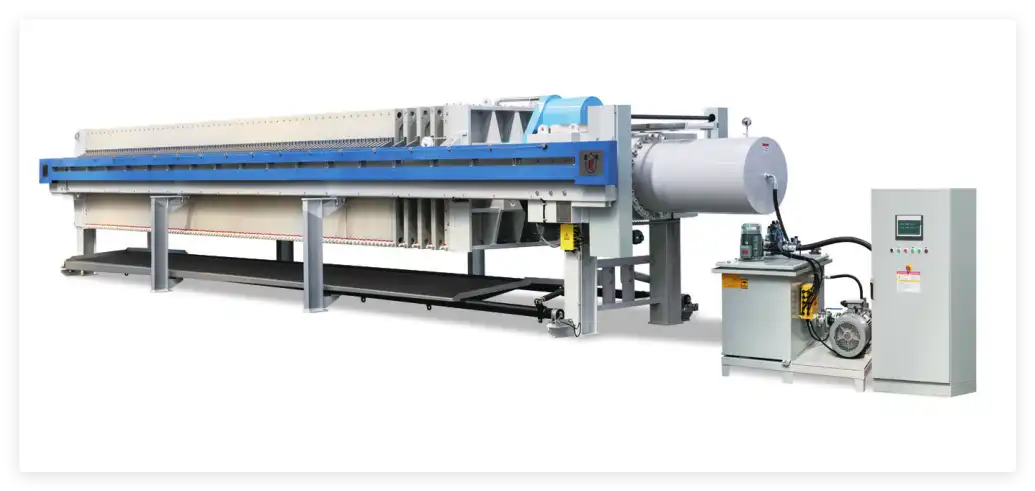
Understanding Filter Press Technology and Its Role in African Mining Slurry Projects
The mining business in Africa has special problems when it comes to managing slurry. Separating solids from liquids effectively has a direct effect on how well operations run and how well they follow environmental rules. Modern filtering technology is now required for mining companies that want to get the most water back while also handling tailings and concentrate draining well.
Working Principles of Filter Press Systems
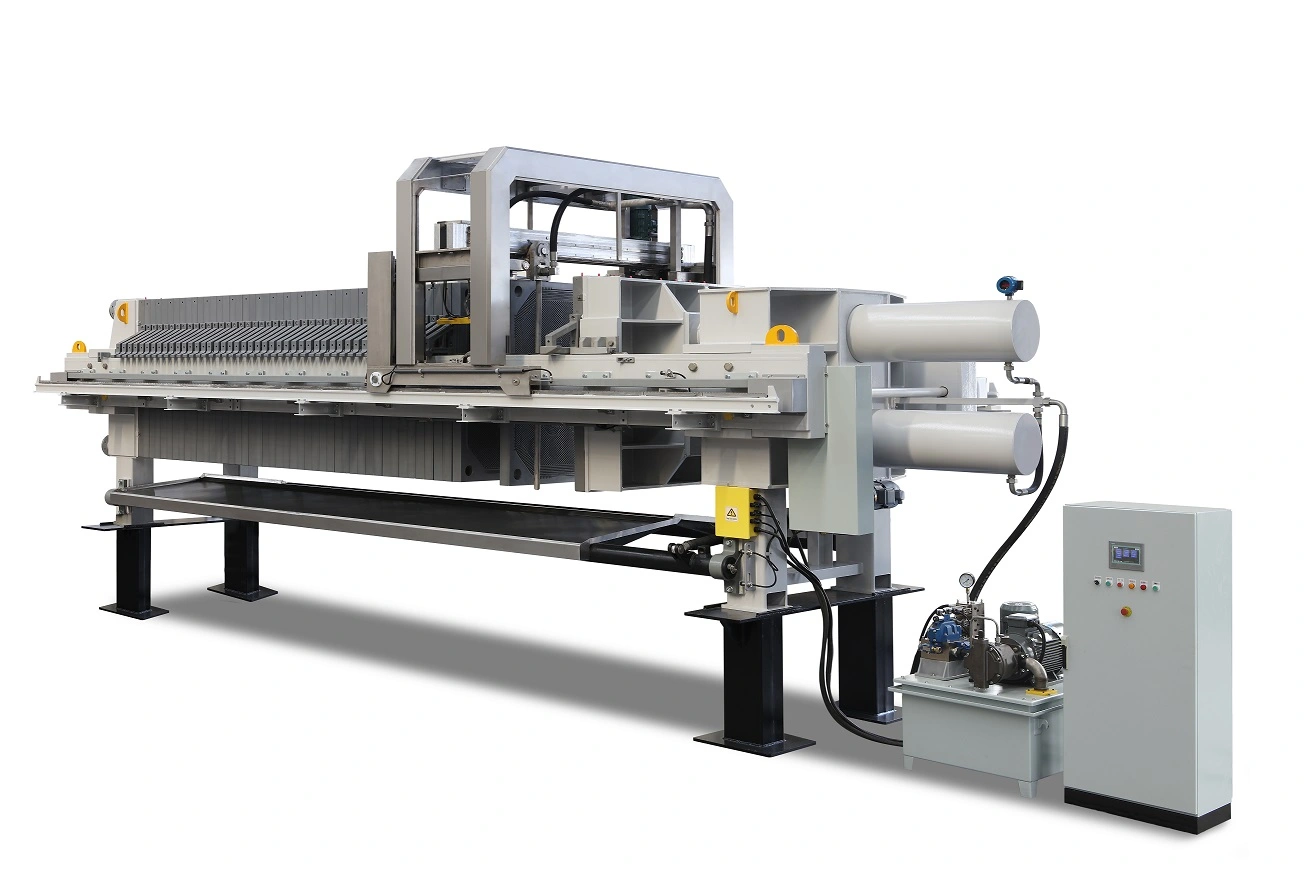
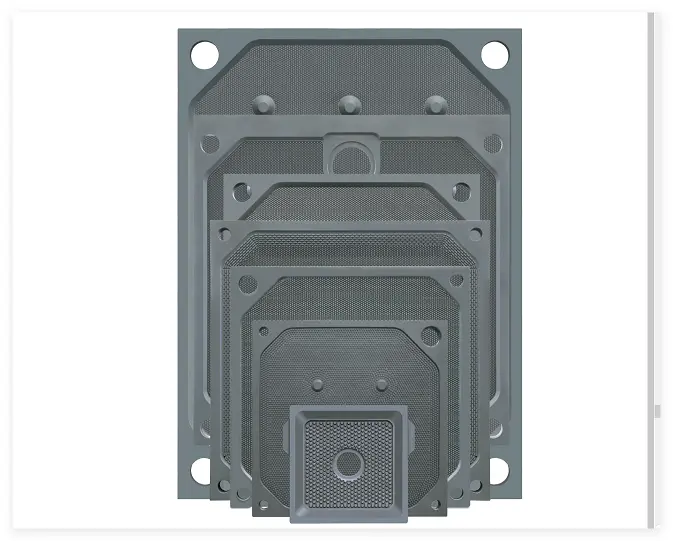
Filter press devices use a complex mechanical method to create the best conditions for separating solids from liquids. The system is made up of specialized filter cloths stacked on top of each other to make multiple spaces when they are pressed together. A controlled amount of liquid slurry runs through these tubes, pushing the liquid part through the filter media and leaving the solid bits on top of the cloth.
Mining companies can get very high dewatering rates with this pressure-driven separation method, often getting rid of more than 85% of the water in mining slurries. The resulting filter cake has a lot of solids in it, and the cleared filtrate can be used again in the mining process or safely dumped into the environment in a way that doesn't harm it.
Types of Filter Press Technology for Mining Applications
Africa's mining companies use three main types of filter presses, each one built to handle different types of sludge and processing needs. Plate and frame filter presses are great for mining operations that deal with different kinds of ore because they can handle a wide range of slurry mixtures.
Chamber filter presses are especially useful for handling large amounts of mine slurry because they have more capacity and are easier to use. With their integrated chamber design, these systems make upkeep easier while keeping up a high level of filter performance over long periods of time.
Membrane filter presses are the most modern technology on the market. They use flexible membranes to add extra pressure during the last step of dewatering. This new idea makes the cake drier, which lowers the cost of dumping and increases the amount of valuable minerals that can be recovered from mining slurries.
Addressing Mining-Specific Challenges
There are special problems that African mining companies have to deal with that need special filter solutions. When the ingredients in a slurry change, you need filter press systems that can adapt to new particle sizes and mineral ratios without losing their effectiveness.
In remote mining areas where repair help may be hard to come by, equipment longevity is very important. Modern designs for filter presses use materials that don't rust and a building that is stronger so they can work in difficult conditions and still meet performance standards.
The high solid capture rate of the technology meets environmental standards and supports mining methods that are good for the environment. Better water recovery skills lower the amount of rainwater needed and lessen the damage to the environment, which is in line with stricter mining rules in Africa.
Choosing the Right Filter Press for African Mining Slurry Projects
When looking for the best filtration tools, you need to think about operational needs, processing ability, and long-term costs. Mining companies have to look at a lot of different factors to make sure that the filtering option they choose gives them the best return on their investment and meets their performance goals.
Comparative Analysis with Alternative Dewatering Equipment
Compared to centrifuges, vacuum filters, and belt filters that are often used in mining, filter press systems have clear benefits. Centrifuges can process things quickly, but they use a lot more energy and have strict upkeep rules that can put a strain on business budgets.
Vacuum filter systems have lower start-up costs, but they have trouble keeping fine particles in the system. This means that solids are recovered more slowly and there may be problems with environmental compliance. Belt filters can run continuously, but they can't dry cakes as well as properly set up filter press systems can.
A study of how much energy is used shows that current filter press technology uses a lot less power than centrifugal options. This efficiency means lower operating costs over the life of the equipment. This is especially important for mining activities in places where electricity is hard to come by or costs a lot.
Chamber vs. Plate and Frame Filter Press Selection
Which design to use—chamber or plate-and-frame—depends on the needs of the business and the ability to maintain it. Chamber filter presses are great for tasks that need to be done quickly and easily, which makes them a good choice for mining companies that don't have a lot of expert staff.
Plate-and-frame systems are more adaptable to different types of slurry because they let workers change the filter area and cloth configurations as the needs of the process change. This flexibility is useful for mining operations that process different types of ore or when the makeup of the slurry changes with the seasons.
Recently completed projects in gold mines in West Africa showed that chamber filter presses cut cycle times by about 25% compared to similar plate and frame systems. Platinum mines in Southern Africa, on the other hand, found that plate and frame flexibility worked better for their changing ore handling needs.
Key Selection Criteria for Mining Applications
The most important thing to think about when choosing a filter press is its capacity. This means doing a careful study of the slurry flow rates, solids concentrations, and cycle times that you want. When equipment is too small, it slows down production, and when systems are too big, they cost more to maintain and are less efficient.
When working with acidic or alkaline slurries that can break down machinery quickly, the choice of material becomes very important. Using stainless steel and special coatings makes it more resistant to rust, which extends the life of the equipment and lowers the cost of upkeep.
Energy economy isn't just about lowering costs; it's also about reducing pollution and making sure that the right power equipment is in place. Modern filter presses have changeable speed drives and better hydraulic systems than older ones, which means they use up to 30% less energy.
Maintenance, Troubleshooting & Operation Guide for Mining Filter Presses
Good care plans make sure that the filter press works at its best and that it doesn't break down when it's least expected, which can stop mining activities. Systematic troubleshooting and proactive repair methods work together to make equipment last longer and keep its filter efficiency stable.
Essential Daily and Periodic Maintenance Practices
Visual checks and tracking of operating parameters are the main parts of daily maintenance routines that find problems before they get worse and cost a lot to fix. Operators should check the state of the filter cloth for tears, excessive wear patterns, or clogging that could make the filter less effective.
For hydraulic system repair to work properly, the pressure must be checked regularly, and the fluid must be analyzed. If hydraulic fluid gets dirty, it can make valves not work right and plates move in strange ways, which cannot close all the way and make filters less effective.
As part of weekly maintenance plans, filtration tanks should be cleaned thoroughly, and plate alignment systems should be checked regularly. Using the right chemicals and cleaning methods to get rid of built-up residues that can get in the way of later filtration processes.
Routine maintenance checks all parts of the system once a month, including electrical parts, control systems, and safety features. Keeping records of repair tasks lets you see how parts wear over time and figure out the best times to replace them.
Common Operational Problems and Solutions
Damage to the filter cloth is one of the most common problems that arises in mine filter press use. Too much pressure, bad fitting, or rough slurry conditions can make the cloth fail too soon, which leads to less solid retention and dirty filtrate.
Plate imbalance problems are usually caused by issues with the hydraulic system or worn-out guide mechanisms. Systematic checks of alignment systems and quick fixes for small errors stop damage from getting worse and needing major repairs.
Leaks are often caused by closing areas that are worn down or by the wrong amount of pressure on the chamber lid. Inspection and maintenance of sealing systems on a regular basis keep them working well, keep the surroundings clean, and avoid material loss.
Safety Protocols and Operator Training
Comprehensive training programs for operators make sure that the filter press is used safely and effectively, with the least amount of damage to tools or personal harm. Normal working processes, emergency stop methods, and basic troubleshooting techniques should all be taught in training programs.
When doing repairs, lockout/tagout processes are very important, especially when working with hydraulic systems that are under a lot of pressure. Following the right safety rules keeps equipment from being activated by mistake, which could hurt someone badly or damage the equipment.
For example, when working with chemical slurries or cleaning fluids, you need to wear protective clothes, protect your eyes, and protect your lungs. Regular safety checks make sure that set rules are being followed and find ways to make things better.
Why Choose China Filter Press Suppliers for Africa Mining Projects?
Chinese companies that make filter presses have become the go-to providers for mining activities in Africa thanks to their advanced technology, low prices, and full support services. These companies offer filtering solutions that are especially designed for difficult mining tasks by drawing on decades of experience and large research investments.
Technological Innovation and Manufacturing Capabilities
The Chinese government has put a lot of money into manufacturing technology and study facilities, which helps the filter press business. With this help, makers can come up with cutting-edge filtration solutions while still keeping prices low. This means that mining companies all over Africa can use this advanced technology.
Due to economies of scale in manufacturing, Chinese providers can offer a wide range of customization choices without charging the higher prices that come with using specialized equipment. An automated manufacturing method in a large production facility makes sure uniform quality while lowering production costs.
Investing in research and development has led to big changes in the way filter presses are made, such as better control systems, more advanced hydraulic systems, and better filter cloth materials. These new technologies directly address the difficult working conditions that miners in Africa face.
Quality Standards and Certification Compliance
The biggest Chinese companies that make filter presses have quality management systems that are approved to worldwide standards like ISO 9001 and standards specific to the mining industry. These certifications make sure that all production operations consistently make reliable products of high quality.
Product testing procedures include strict performance checking in conditions that are similar to those in a mine. This makes sure that the equipment meets certain performance standards before it is shipped. Testing by an independent third party adds to the evidence that a product is of good quality and does what it says it will do.
Chinese-made filter press equipment meets the strict safety standards set by mining companies and government agencies across Africa because it is made in accordance with international safety standards. This compliance gets rid of any possible problems that could stop equipment from being accepted and installed.
Comprehensive After-Sales Support and Service Networks
Chinese suppliers have put a lot of money into setting up service networks all over Africa. These networks provide local expert help and parts availability, which keeps mining operations running as smoothly as possible. Regional service centers keep important extra parts on hand and hire trained techs who know how things work in the area.
Comprehensive operator and repair training is available through training programs. This training is often done at the customer site to avoid interrupting current activities as little as possible. These programs make sure that equipment is used in the best way possible and build up local expert skills.
With remote tracking, you can plan preventative maintenance and get help quickly with problems. This is made possible by modern communication technologies that let you get real-time expert help from anywhere.
Jingjin Equipment: Leading Provider of Mining Filtration Solutions
It has become clear that Jingjin Equipment Inc. is the best company in the world at making filter press systems that are designed to work with mine waste in Africa and around the world. The company was started in 1988 and has over 30 years of experience in filters, along with new technology development to provide the best solid-liquid separation options.
Comprehensive Product Portfolio for Mining Applications
Jingjin has a wide range of products, including standard and custom filter press designs made to meet the needs of African mining companies. Because the company is good at engineering, it can come up with custom answers for slurry problems and difficult working conditions.
Plate and frame, chamber, and membrane filter press systems come as standard products and come in a range of sizes and designs. Each system is made using tried-and-true design principles that have been tweaked for mining use. This guarantees stable performance and a longer useful life.
Custom engineering services help mining companies that have specific technical needs or limited room find solutions that work for them. An experienced engineering team at Jingjin works closely with customers to create filter systems that work at their best while also having the lowest possible capital and operating costs.
Advanced Technology and Innovation Leadership
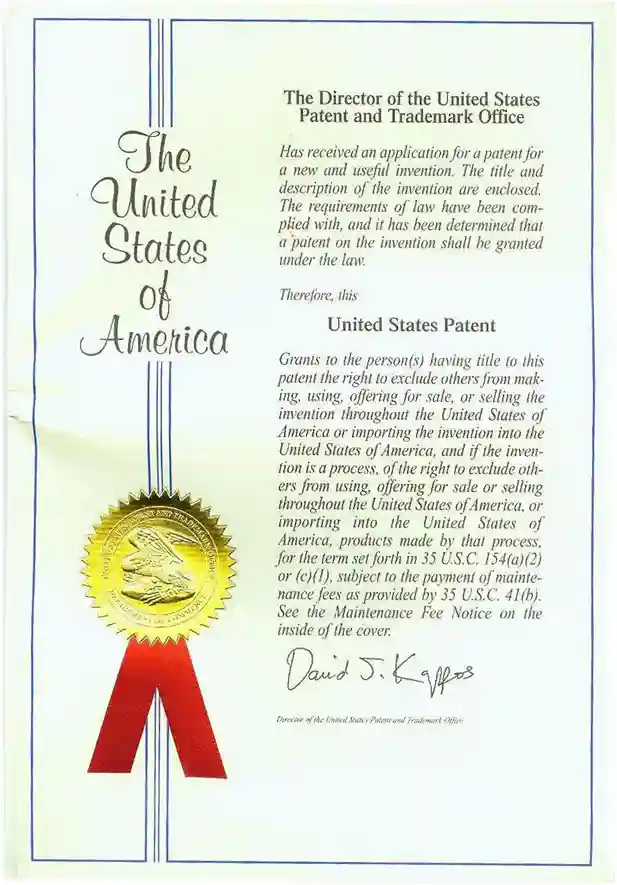
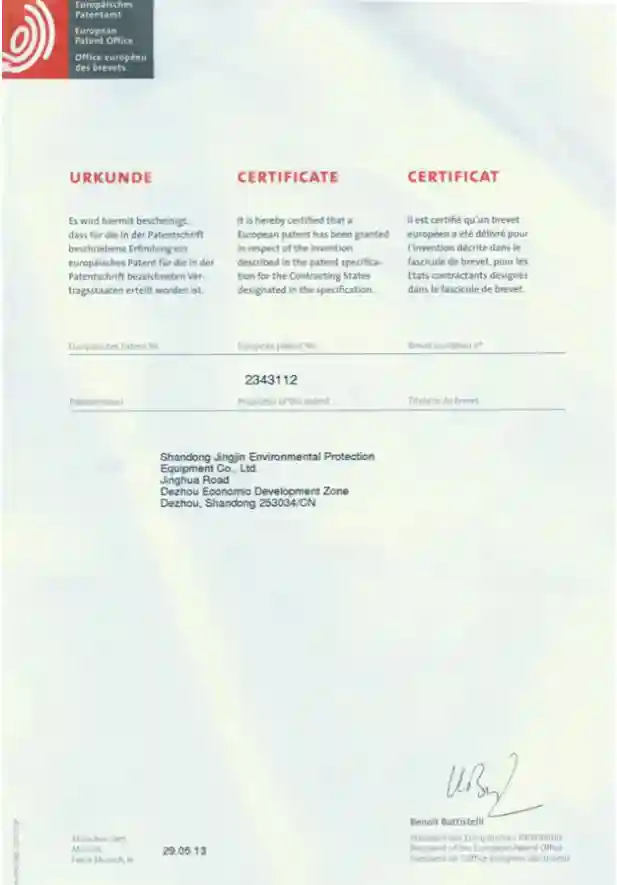
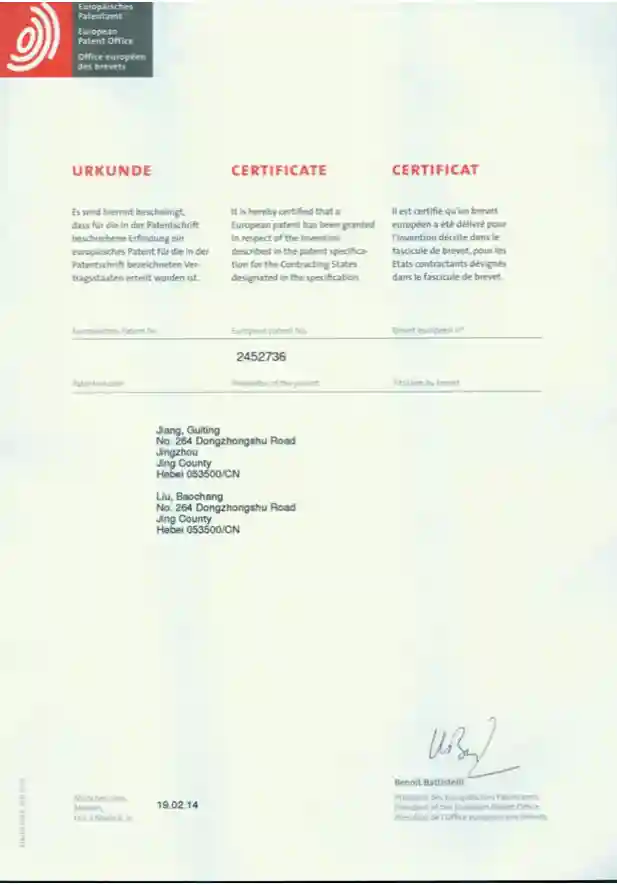
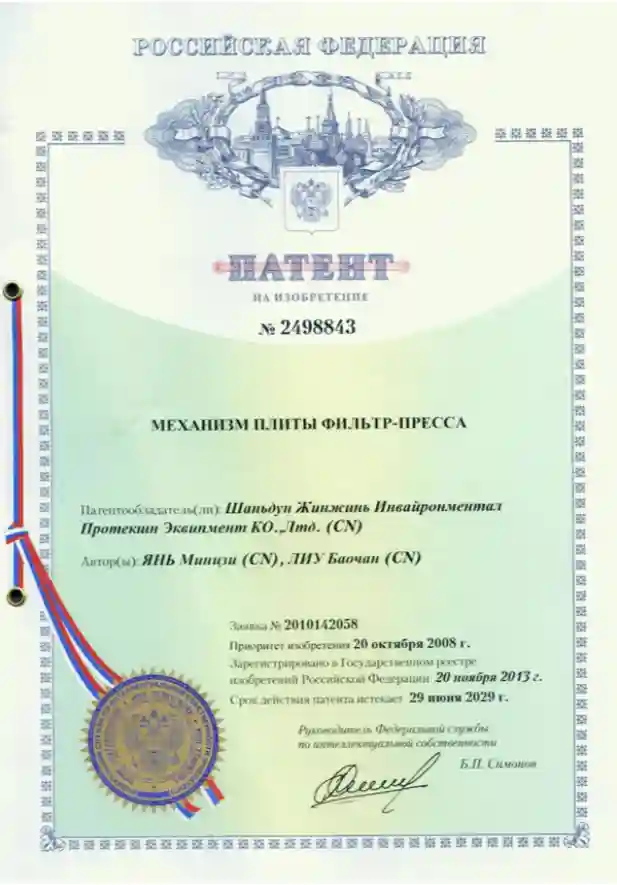
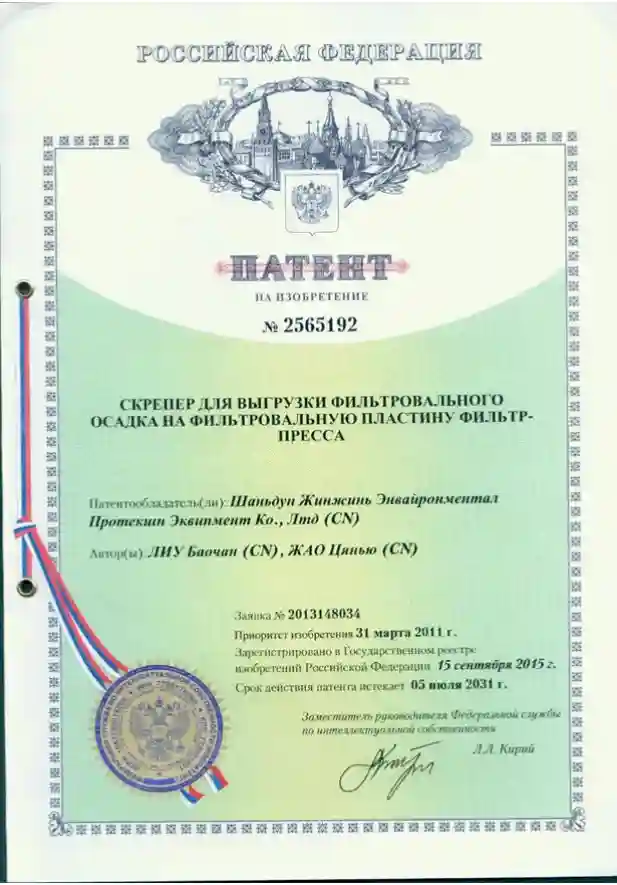
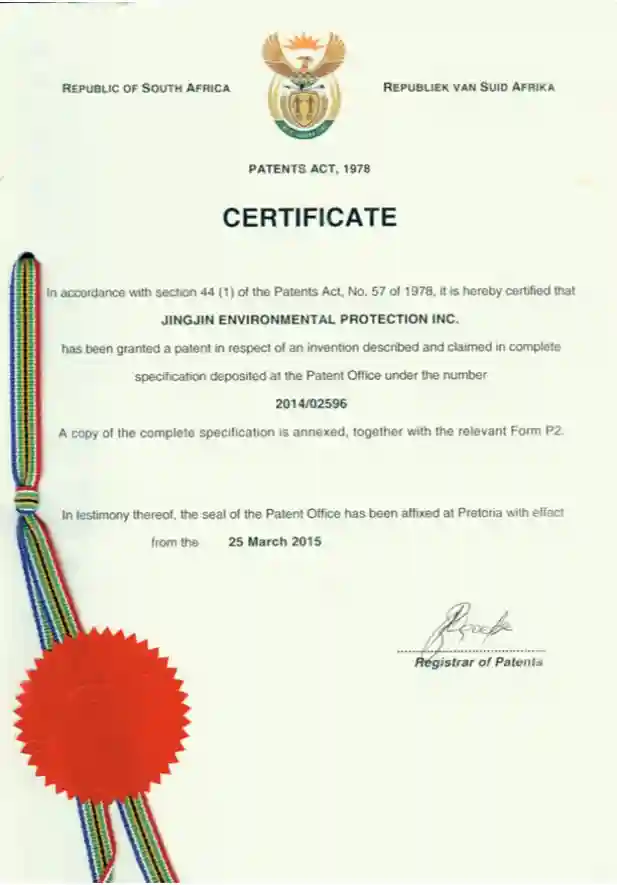
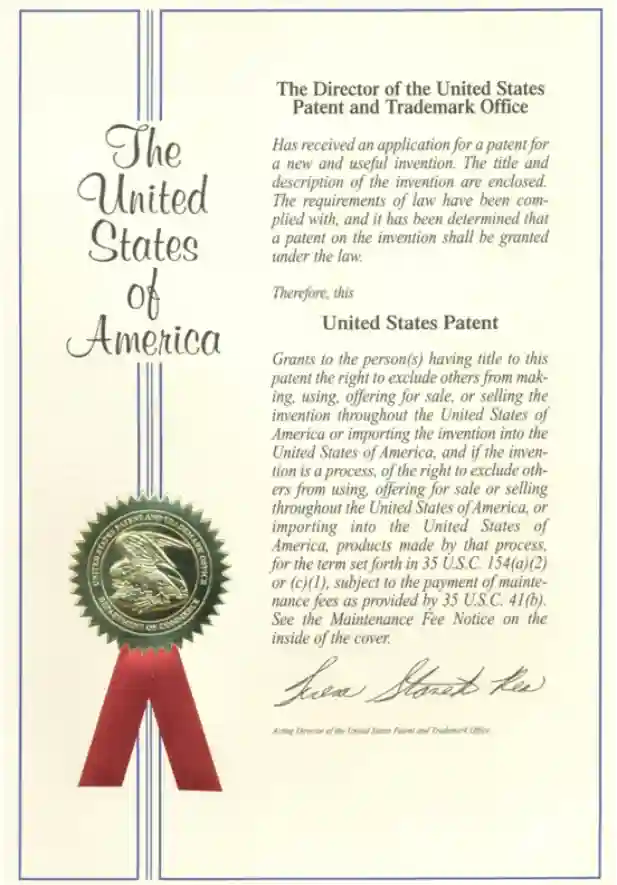
Because the company is dedicated to research and development, it has over 136 patents that cover different parts of how filter presses are made and how they work. These new ideas improve performance in important ways, like using less energy, needing less upkeep, and being eco-friendly.
Patented hydraulic systems allow for exact control of pressure and fast rotation times while using as little energy as possible. Advanced control systems let operations be managed and monitored from afar, which makes operations simpler and cuts down on the need for staff.
New developments in filter cloth technology make it easier to keep solids in the filter and make the cloth last longer. This lowers the cost of upkeep and makes the system more reliable overall. Specialized cloth materials can stand up to chemical attacks and the rough wear that happens in mines.
Global Service Network and Local Support
Jingjin has an international service network that covers 123 countries and helps mining companies all over the world with technical support and parts. Regional service centers keep important spare parts on hand and hire qualified techs who know how to operate and repair Jingjin equipment.
Working together with African wholesalers and service providers on a local level helps the economy grow in the area and respond quickly to customer needs. These partnerships bring together Jingjin's technical know-how with contacts and information from the area.
Local skills are built up through training and professional support programs, which also make sure that equipment works at its best. Customers can do things on their own with the help of detailed instructions and technical tools, but they can also get expert technical help when they need it.
Conclusion
China's filter press technology has been very helpful in improving Africa's mining sludge management. It provides effective solid-liquid separation solutions that improve operating performance while also protecting the environment. Chinese makers are good partners for mining companies that need reliable filtering solutions because they offer advanced engineering, low prices, and a wide range of support services. Established Chinese filter press suppliers like Jingjin Equipment offer great value because of their many years of experience and cutting-edge technology. They give mining companies access to world-class filtration technology that has been tested and proven to work in tough African mining settings.
FAQ
Q1: What factors determine filter press capacity requirements for mining slurry projects?
Filter press capacity selection depends on several critical factors, including slurry flow rate, solids concentration, desired cycle time, and target cake moisture content. Mining operations typically process between 10 and 500 cubic meters of slurry per hour, requiring filtration systems sized accordingly. Proper capacity sizing ensures adequate processing capability while avoiding oversized equipment that increases unnecessary costs.
Q2: How often should filter plates and cloths be replaced in mining applications?
Filter cloth replacement intervals vary based on slurry abrasiveness, chemical composition, and operating pressure conditions. Typical mining applications require cloth replacement every 6-18 months, while filter plates can operate for 5-10 years with proper maintenance. Regular inspection and performance monitoring help optimize replacement timing and reduce operational costs.
Q3: Can Chinese manufacturers customize filter press solutions for specific African mining conditions?
Leading Chinese manufacturers like Jingjin offer extensive customization capabilities to address unique operating conditions encountered in African mining operations. Customization options include specialized materials for corrosive environments, modified designs for extreme temperatures, and enhanced automation systems for remote operations. These modifications ensure optimal performance while maintaining cost-effectiveness.
Contact Jingjin for Your Mining Filtration Solutions
Mining operations seeking reliable, cost-effective filter press systems can benefit from Jingjin's proven expertise and comprehensive product portfolio. As a leading filter press manufacturer with over 30 years of experience, Jingjin delivers customized solutions tailored to your specific mining slurry challenges. Our experienced engineering team provides expert consultation, system design, and ongoing technical support to ensure optimal filtration performance. Contact us today at [email protected] to discuss your project requirements and receive a detailed quotation for your mining filtration needs.
References
1. African Mining Technology Review: "Solid-Liquid Separation Technologies in African Mining Operations," Mining Engineering Quarterly, 2023.
2. International Journal of Mineral Processing: "Comparative Analysis of Dewatering Equipment Performance in Mining Slurry Applications," Volume 187, 2022.
3. African Mining Industry Report: "Equipment Selection Criteria for Mining Slurry Treatment Facilities," Mining Technology Institute, 2023.
4. Global Mining Equipment Analysis: "Market Trends in Filter Press Technology for Mining Applications," Industrial Equipment Review, 2022.
5. Mining Environmental Compliance Guide: "Best Practices for Mining Slurry Management in Africa," Environmental Mining Association, 2023.
6. Chinese Manufacturing Excellence in Mining Equipment: "Innovation and Quality in Filter Press Technology," International Mining Equipment Journal, 2022.
jingjin
Founded in 1988, Jingjin specializes in filter presses and liquid-solid separation solutions, serving over 130 countries worldwide, and is a standard-setter in China's filter press industry.
Get the Filter Press guide
Enter Your Email for Technical assistance for the Filter Press.
Recommended Blog
Why Brazil Food Plants Import Multi Disk Screw Press from China?
Energy Saving Multi Screw Sludge Press: How It Reduces Operational Costs
Top 5 High Capacity Press Filters for Efficient Sludge Dewatering
Why African Municipalities Choose China Dewatering Press Machines?
Best Press Filter Models for Pharmaceutical Filtration Needs