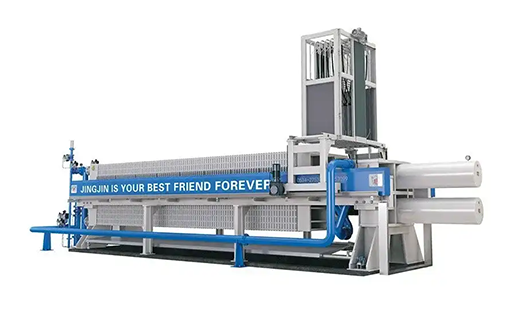
Screw Press Sludge Dewatering Machine for Municipal Wastewater
Understanding Screw Press Sludge Dewatering Machines
- Understanding Screw Press Sludge Dewatering Machines
- Comparison and Selection Criteria for Municipal Applications
- Procurement and Vendor Insights for B2B Clients
- Operation, Maintenance, and Troubleshooting Best Practices
- Environmental and Industry Impact of Screw Press Dewatering Machines
- Conclusion
- FAQ
- Partner with Jingjin for Superior Screw Press Sludge Dewatering Solutions
- References
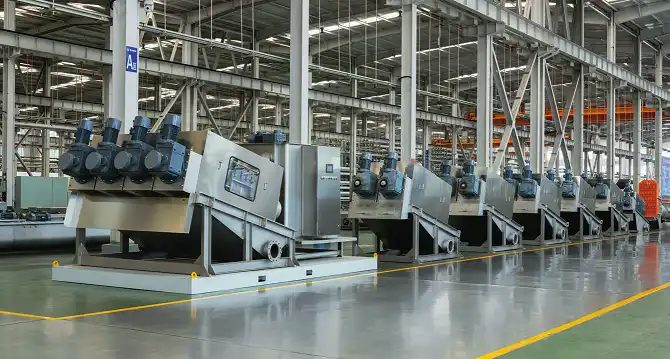
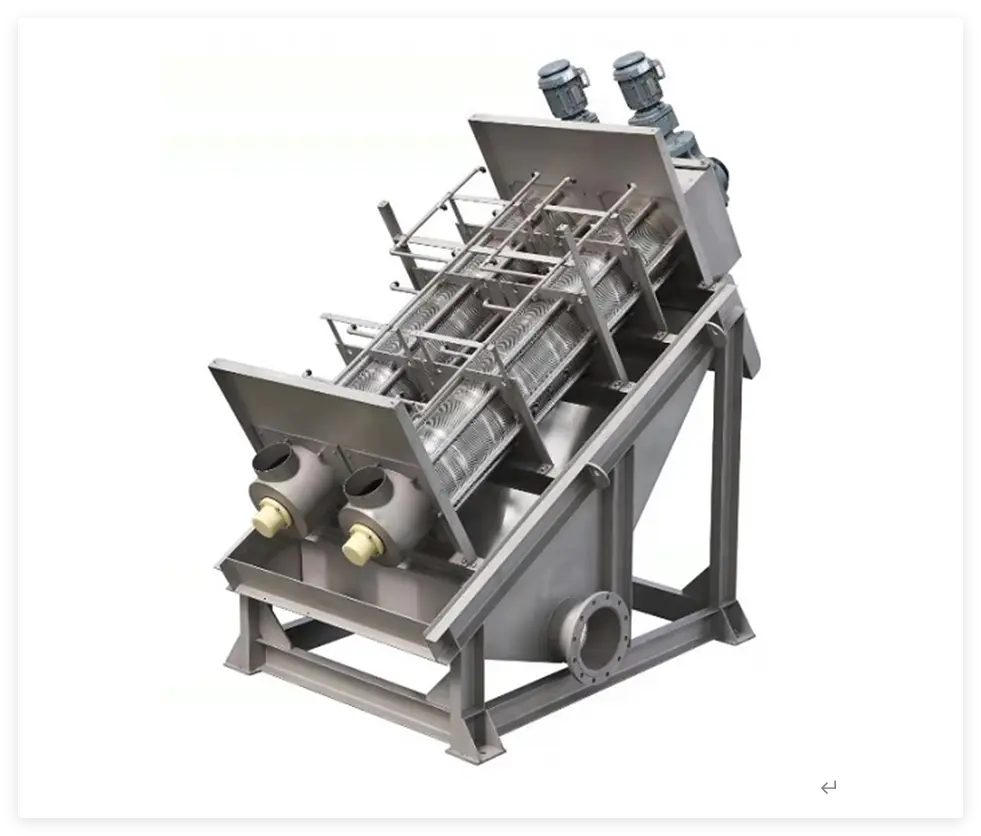
A screw press sludge dewatering machine is an important piece of technology for local wastewater treatment plants that want to separate solids from liquids efficiently. This new technology uses a spinning screw mechanism inside a cylinder-shaped screen to physically compress sludge, which lowers the amount of water in it and reduces the amount of waste that needs to be thrown away. Municipal treatment plants all over the world use these systems to deal with the large amounts of sludge that are made every day. They turn wet, hard-to-handle trash into a dewatered cake that can be thrown away or used in a useful way.
Understanding Screw Press Sludge Dewatering Machines
When cities clean their wastewater, they make a lot of sludge that needs to be processed quickly in order to meet environmental rules and keep costs low. Mechanical sorting methods take water away from both organic and inorganic solids and are at the heart of sludge dehydration technology.
Core Operating Principles and Mechanism
Screw presses use a complicated mechanical system to constantly press and move objects. A spiral screw shaft rotates within a hole-filled cylinder screen, creating a wedge-shaped drainage zone. As slime enters the machine, the spinning screw thrusts it forward and increases pressure. This progressive compression forces water through the screen pores, leaving concentrated solids.
Draining is done by various machine sections. Sludge enters at the best flow rates in the first feeding zone. Pressure rises progressively toward the outlet in the compression zone. This regulated pressure approach prevents breach and extracts the maximum water from the cake without harming its structure.
Essential Design Components and Features
The screen mesh size is crucial for separating objects and measuring cake moisture. Finer mesh keeps smaller particles in but limits processing. Coarser screens speed up the process but may allow valuable materials to pass. Modern dewatering chambers utilize different pitch screws to distribute pressure uniformly.
Screw shape greatly affects performance. Varied pitch designs provide zones with varied compression ratios, allowing workers to customize sludge drainage. The same quantity of material is fed in at all times using controlled feed rate devices, preventing overloading that might harm mechanical parts or the sorting process.
Comparison and Selection Criteria for Municipal Applications
When municipal treatment plants have to choose dewatering technology that matches operating efficiency with long-term cost concerns, they have to make hard choices. Choosing between different separation technologies relies on a number of things, such as the type of sludge, how much treatment room is available, and the treatment needs.
Technology Comparison Analysis
Belt filter presses can work all the time, but they need big wash water systems and new belts all the time. These systems work great in high-capacity settings, but they need a lot of upkeep and workers who know what they're doing. Centrifuges are great at removing water, but they use a lot of power and make a lot of noise, so sound barriers may be needed.
Chamber filter presses dry cakes better than other methods, but they only work in batches, which could slow down ongoing treatment processes. Because these systems are so complicated mechanically, they usually need more upkeep and are down for longer amounts of time when they need to be serviced.
Sludge filter press machines stand out because they have a number of useful benefits. Most of the time, they use 50–70% less energy than centrifuge devices, and their small size makes them cheaper to build and set up. Since there are no filter cloths, there are no refill costs, and a lot less upkeep work needs to be done.
Decision Factors and Selection Guidelines
Capacity needs are what guide choices about what tools to buy. When municipal plants size their filtration systems, they have to think about peak flow conditions, yearly changes, and plans for future growth. When equipment is too small, it slows down operations, and when systems are too big, they raise capital and running costs without needing to.
Lifecycle cost analysis shows how different technologies really affect the economy. Even though the prices of new items vary at first, the highest costs over the course of their lives are usually the ones that keep them running, like energy use, repairs, and replacing parts that wear out. Screw press systems usually have good lifetime economics because they are mechanically simple and don't need much upkeep.
Procurement and Vendor Insights for B2B Clients
Strategic methods to buying maximize value while ensuring long-term operation that is reliable. Municipal buildings need suppliers who know how hard it is to keep them running all the time, follow the rules, and work within the limited budgets that come with running a government business.
Supplier Evaluation and Selection Process
Total cost of ownership estimates must include all costs, from buying the item to getting rid of it at the end of its useful life. When reviewing bids from different makers, it's important to know the prices because hidden costs can have a big effect on the project's finances. Lead times affect how a project is scheduled and may affect which provider is chosen, especially for installs or replacements that need to be done quickly.
Warranty coverage varies a lot from one provider to the next, which has a direct effect on business risk. Full guarantees that cover both parties and work are better for protecting against unexpected costs. How quickly operating problems can be fixed depends on how well after-sales service is available. This is why neighborhood service networks are so useful.
With global supply lines, extra parts are always available, no matter how long an item lasts. Manufacturers with well-established transportation networks can help treatment plants get what they need faster and for less money. Having access to technical help teams from vendors makes it easier to fix problems and improve system speed.
Customization and Partnership Benefits
For municipal uses, specific designs are often needed to work with specific site conditions or process needs. Customization means that vendors can change standard designs to fit specific needs without affecting performance or reliability. Utilities that run more than one cleaning facility may be able to save money by buying in bulk.
Long-term relationships with equipment suppliers are good for both sides because they help each other understand business needs and performance standards. When you have a connection with someone, you often get faster service responses and access to new technologies that make the system work better.
Operation, Maintenance, and Troubleshooting Best Practices
The return on investment and whether dewatering systems meet performance standards are both directly affected by operational efficiency. Using and keeping the screw press sludge dewatering machine correctly can make it last longer and keep it working at its best.
Daily Operation Optimization Strategies
Feed rate optimization finds a balance between the need for output and the quality goals for draining. When the feed rates are too high, they can overwhelm the separation device, making it hard for the cake to form and for the water to be removed. Not enough feed rates don't make the most of the system's potential and may make handling costs go up per unit.
Cycle interruption reduction keeps things running in a steady state and stops the lost time that comes with starting up and shutting down. Running all the time also lowers the mechanical stress on the drive parts and increases the life of the bearings. Operators can find possible problems before they cause big problems by using monitoring systems that keep an eye on key performance factors.
Preventative Maintenance Programs
Scheduled routine inspections find wear patterns and signs of component decline before they break. Visual checks of the screen surfaces, screw flights, and drive parts show that problems are starting to show up, which can be fixed by regular maintenance. Vibration tracking finds problems with alignment and worn bearings that could cause catastrophic breakdowns.
Cleaning methods get rid of built-up garbage and stop it from building up, which makes separation less effective. Cleaning regularly also stops rusting in places where strong sludge parts touch metal surfaces. Schedules for replacing parts based on what the maker says and what has worked in the past help reduce surprise downtime.
Comprehensive maintenance plans need tracking tools that keep an eye on how often parts are used, their maintenance records, and performance trends. With this information, predictive maintenance plans can be made that find the best time to repair things and lower the overall cost of maintenance.
Environmental and Industry Impact of Screw Press Dewatering Machines
Environmental sustainability is now one of the most important things that cities think about when they treat garbage. This is why they are using tools that use less energy and produce less trash. There are several ways that screw press filtration devices help reach these goals.
Environmental Benefits and Regulatory Compliance
Filtration reduces volume and disposal costs and environmental effects significantly. Going from 95% moisture to 75–80% moisture yields 60–75% volume, reducing transportation and waste. This reduction in volume allows trash to be composted or dispersed on land, preventing landfill waste.
Energy economy advantages increase when energy costs rise and carbon reduction policies are implemented. Reduced energy utilization reduces greenhouse gas emissions and operational expenses. Many cities and municipalities have sustainability objectives that require capital improvement projects to employ energy-efficient techniques.
Effective dewatering devices make biosolids and permit compliance easily. Consistent cake moisture makes it simpler to schedule removal and reduces permit violations. Advanced dewatering allows land application projects to meet pathogen reduction guidelines.
Industry Trends and Future Developments
Screw press sludge dewatering machine technology keeps getting better with new energy-saving ideas like better materials, better shapes, and smarter control systems. Variable frequency drives let you precisely control the speed so that it reacts to the changing properties of the sludge while using as little energy as possible. Modern process monitoring systems give data in real time that instantly adjusts working parameters to get the best results.
Integration of smart technologies allows for remote tracking and planned repair, which lowers the need for operating staff. Connecting to the internet lets various treatment facilities be monitored from one place and lets problems with operations be fixed quickly. Based on how things are used, data analytics can find ways to improve performance and predict when a repair is needed.
Conclusion
Municipal wastewater treatment plants can use screw press sludge dewatering machine technology to handle their biosolids handling needs in a reliable and cost-effective way. These systems work consistently, use little energy, and are easy to operate. This makes them perfect for public settings where dependability and cost control are very important. As new environmental rules come out and energy costs go up, the benefits of screw press filtration become stronger for people who run treatment plants and people who buy things.
FAQ
1. What moisture content can screw press dewatering achieve for municipal sludge?
After being dewatered in a screw press, municipal sludge usually has a moisture level of 75–85%, but this depends on the type of sludge and the working conditions. This is a big improvement from the starting moisture levels of 95–98% in the thicker sludge.
2. How much energy do screw press systems consume compared to centrifuges?
Centrifuge systems that process the same amount of sludge use about 50–70% more energy than screw press dehydration systems. About 8 to 15 kWh of energy are used for every ton of dry solids that is handled.
3. What maintenance frequency is required for screw press dewatering equipment?
Visual checks are done every day, oil is done once a week, and thorough checks are done once a month as part of routine maintenance. Depending on how the system is used and the type of sludge, major parts are usually replaced every two to five years.
4. Can screw presses handle variable sludge types in municipal applications?
Modern screw press systems can handle different types of sludge because they have working settings that can be changed, such as the feed rate, screw speed, and back-pressure control. This adaptability makes it possible to handle both main and secondary sludge well.
5. What space requirements are needed for screw press installation?
Belt filter presses and chamber filter press systems take up a lot more floor space than screw press systems. Most installations need 30 to 50 percent less building room because the vertical form is small and there is no need for extra equipment.
Partner with Jingjin for Superior Screw Press Sludge Dewatering Solutions
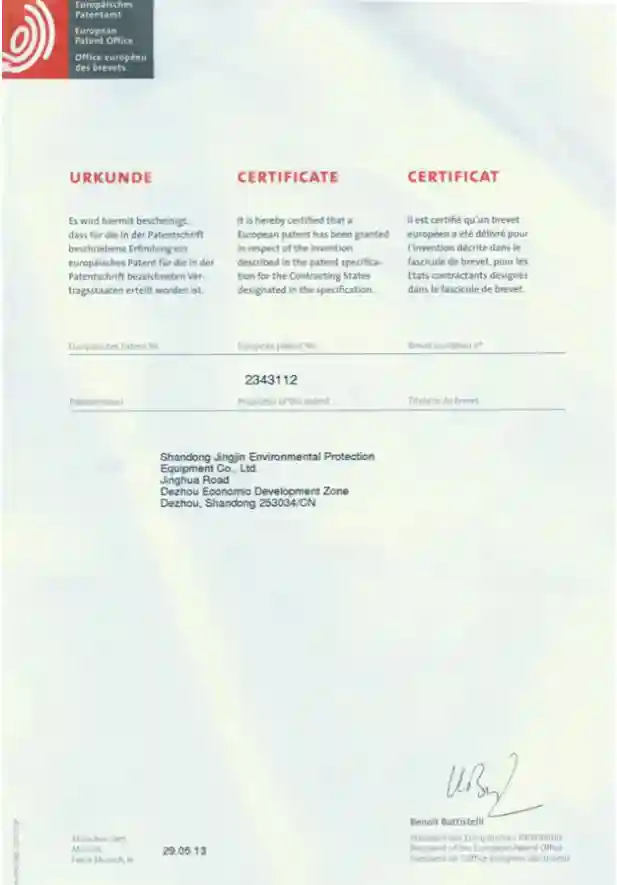
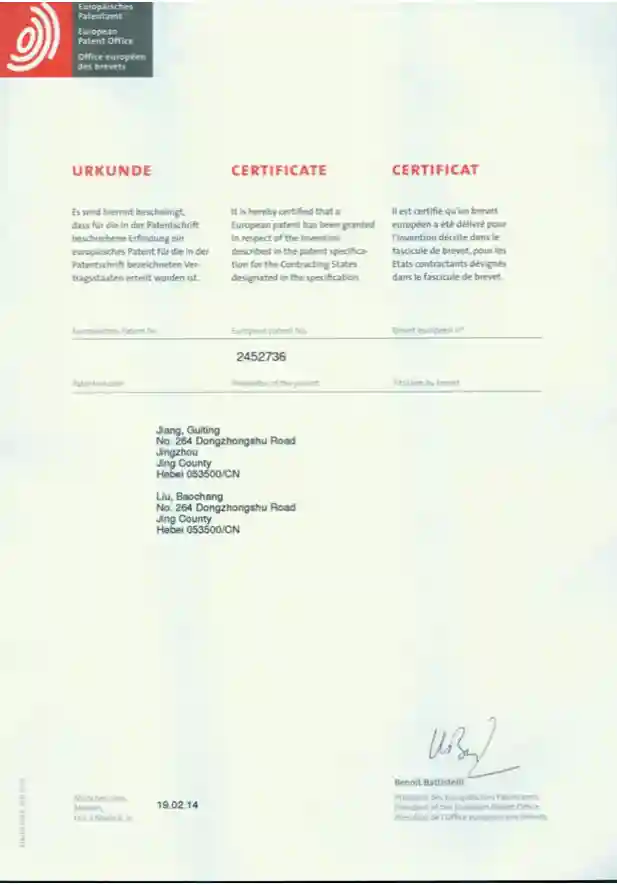
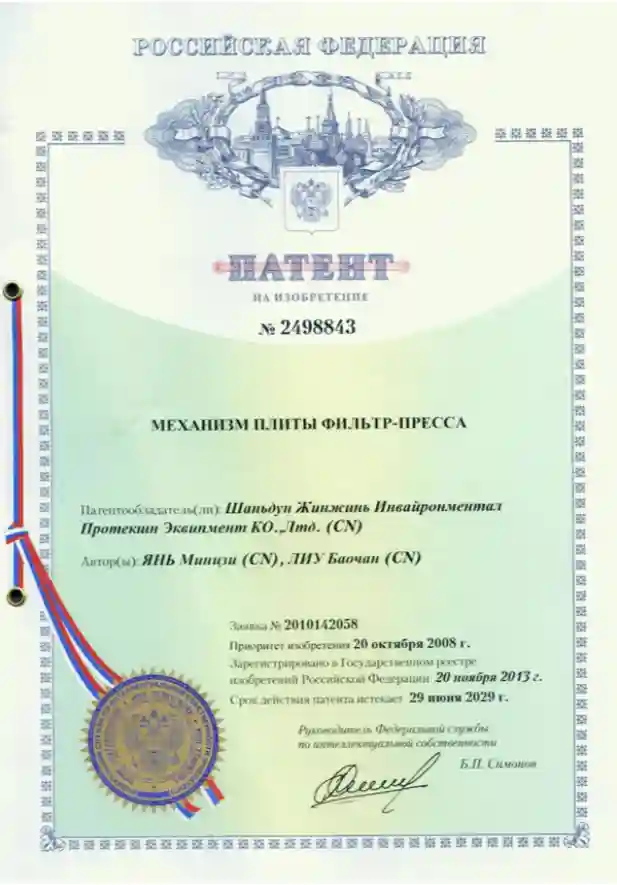
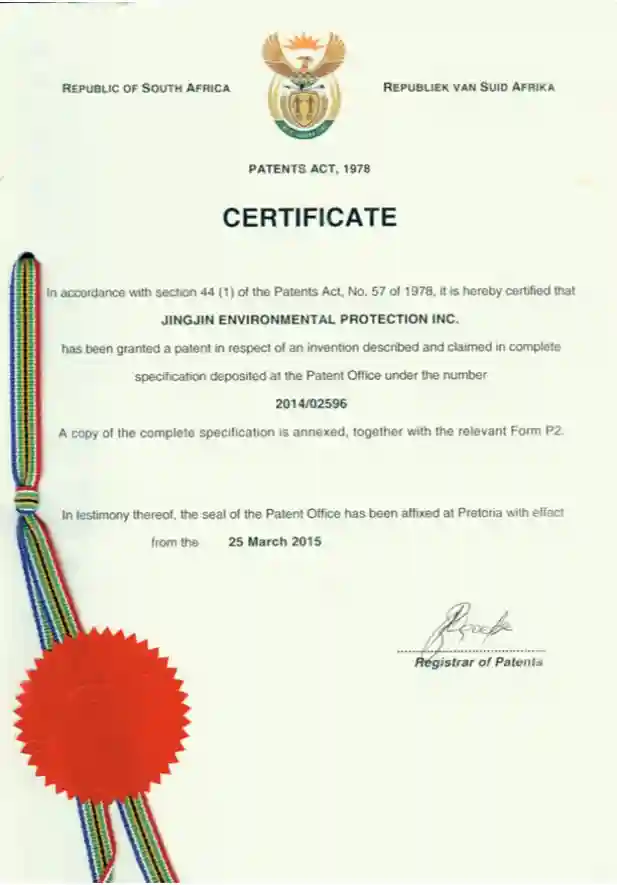
Cities with wastewater treatment plants need people they can trust who know how important it is to keep the plants running and follow the rules. Every screw press sludge dewatering machine project that Jingjin Equipment Inc. works on is backed by more than 136 patents and over 35 years of experience separating solids from liquids. These machines have been used successfully in 123 countries around the world. Our all-around engineering method makes sure that systems work well together, and our global service network gives your facility the ongoing help it needs. You can email our municipal wastewater experts at [email protected] to talk about your specific dewatering needs and find out why top treatment facilities choose Jingjin as their reliable provider of screw press sludge dewatering machines.
References
1. Water Environment Federation. "Design of Municipal Wastewater Treatment Plants Manual of Practice No. 8. 5th Edition, McGraw-Hill Professional, 2018.
2. Tchobanoglous, George, et al. "Wastewater Engineering: Treatment and Resource Recovery." 5th Edition, McGraw-Hill Education, 2014.
3. American Water Works Association. "Biosolids Management Handbook." 2nd Edition, AWWA Publications, 2019.
4. Environmental Protection Agency. "Process Design Manual for Sludge Treatment and Disposal." EPA Technology Transfer Manual, 2020.
5. Metcalf & Eddy Inc. "Water Reuse: Issues, Technologies, and Applications." McGraw-Hill Professional, 2017.
6. Jenkins, David, and Richard, Michael G. "The Applied Microbiology of Enhanced Biological Phosphorus Removal in Activated Sludge Systems." " Water Research Foundation, 2019.
jingjin
Founded in 1988, Jingjin specializes in filter presses and liquid-solid separation solutions, serving over 130 countries worldwide, and is a standard-setter in China's filter press industry.
Get the Filter Press guide
Enter Your Email for Technical assistance for the Filter Press.

Recommended Blog
Best China Screw Press Dewatering Machine for Mexico Buyers
Feed Pump Flow Rate for Filter Press: How to Calculate and Optimize It
China Screw Dewatering Machines for Vietnam Food Factories
How to Clean and Replace Filter Press Cloths for Optimal Performance
Energy Saving Multi Screw Sludge Press: How It Reduces Operational Costs
Best Press Filter Models for Pharmaceutical Filtration Needs