Chemical Resistant Filter Cloth for Mining: What You Need to Know
Understanding Chemical-Resistant Filter Press Cloth
- Understanding Chemical-Resistant Filter Press Cloth
- Choosing the Right Chemical-Resistant Filter Cloth for Mining
- Benefits of Chemical-Resistant Filter Cloth in Mining Operations
- Procurement Considerations for Buying Chemical-Resistant Filter Cloth
- Conclusion
- FAQ
- Partner with Jingjin for Superior Mining Filtration Solutions
- References
Chemical-resistant filter press cloth is an important part of modern mining operations because it separates solids and liquids effectively in places where other filtration materials don't work. Aggressive chemicals are used in mining, and normal filter media can break down quickly. This can cause problems with operations and raise costs. Figuring out how to choose the right chemical-resistant filter cloth, how it should work, and what to think about when buying it is important for keeping up my output while following environmental rules.
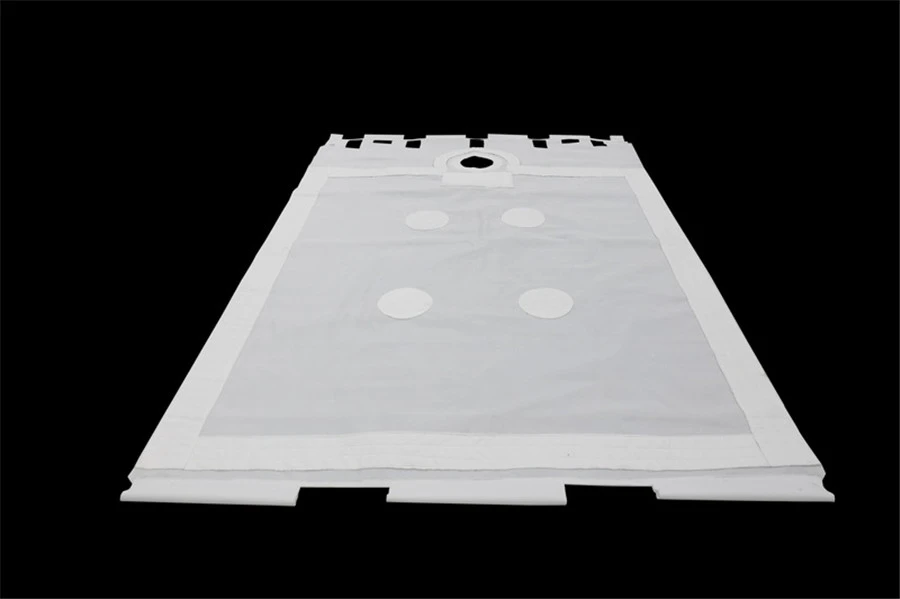
Understanding Chemical-Resistant Filter Press Cloth
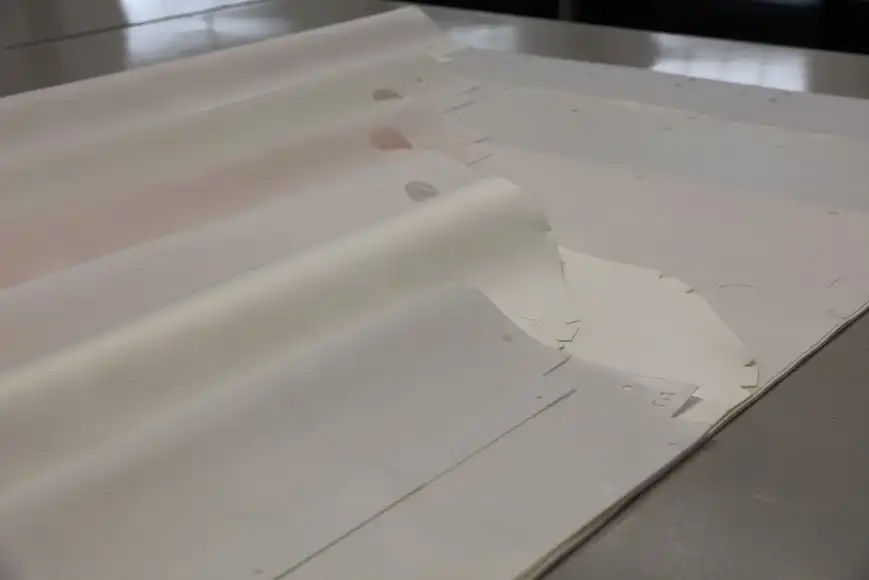
Chemical-resistant filtering technology is the key to making mine drainage work well. These special materials can handle acids, alkalis, solvents, and gritty slurries that would destroy regular filter media in just a few weeks or months.
Material Composition and Properties
Chemical-resistant filter press cloth is based on cutting-edge synthetic polymer engineering. Polypropylene is the most commonly used material because it is very cheap and doesn't react with chemicals. This flexible polymer doesn't react with most acids, bases, and organic solvents, and it can hold its shape even when it's being filtered under high pressure.
When compared to polypropylene, polyester filter cloths are stronger and can handle higher temperatures better. When there is a modest amount of chemical contact and high mechanical stress, these materials work really well. Polyester fibers' crystalline structure makes them very stable in terms of size, so the fabric doesn't get distorted when it goes through many cleaning processes.
Nylon filter screens are very flexible and don't wear down easily, which makes them perfect for mining uses with lots of solids. Nylon fibers are naturally flexible, which makes them easier to clean and better at releasing cakes. This also makes them last longer in harsh settings.
Technical Specifications and Performance Metrics
The size of the mesh has a direct effect on how well it filters and how cakes form. Finer mesh sizes (200–400 mesh) make things clearer, but they may also slow down the filter process and keep more water in the material. Coarser sizes (20–100 mesh) allow for faster processing, but they may not be as good at retaining solids.
The permeability number tells you how much fluid can pass through at a normal pressure. In mining operations, permeability levels need to be between 50 and 200 CFM (cubic feet per minute) per square foot in order to keep up production rates and reach goal cake dryness levels.
Specifications for tensile strength make sure that the cloth will last under high-pressure filter circumstances. Good chemical-resistant filter press cloths have tensile strengths of more than 200 pounds per inch in both the warp and weft lines, so they work reliably for long periods of time.
Choosing the Right Chemical-Resistant Filter Cloth for Mining
To choose the best filter media, you need to carefully look at the working factors and chemical interaction requirements. When making a choice, many things are taken into account that have an immediate effect on the overall cost of ownership and the speed of operations.
Material Selection Criteria
Chemical compatibility testing is the most important thing to think about when choosing a material. When mining uses sulfuric acid runoff, the best filter screens are made of polypropylene or a special kind of fluoropolymer material that is very resistant to acid. Polyester or nylon constructions that stay strong in high pH situations work best in alkaline processing settings.
When hot slurries or high-temperature wash processes are used, temperature stability is very important. Standard polypropylene materials work well up to 180°F, while special polyester formulas can withstand temperatures over 300°F without breaking down.
Abrasion resistance is directly related to how long something will work in mining uses. Hard mineral slurries that have silica or metal bits in them need filter press cloths with stronger weave patterns and better surface processes that keep them from wearing out too quickly.
Operational Requirements Analysis
The right mesh size and weave pattern are determined by how the particles in the feed slurry are distributed in terms of size. To get good solid retention, mining companies that handle fine tailings usually need tighter weaves and smaller holes. More open builds allow for faster draining and easy cake release in coarse material processing uses.
Filtration pressure needs to affect the weight of the cloth and the building requirements. For uses with pressures higher than 225 PSI, heavy-duty filter cloths with strengthened ends and strong seaming methods are needed to make sure they don't break in harsh circumstances.
The way cake discharges affects how the surface of the fabric is treated and how it is woven. Sticky or sticky materials need special surface finishes that help the cake come off cleanly, which cuts down on the time needed between filter processes.
Maintenance and Cleaning Protocols
Following the right upkeep steps will greatly increase the useful life of filter press cloth while keeping its performance level. Inspections done on a regular basis find early signs of wear or chemical breakdown before they become major problems.
Cleaning methods depend on the type of contamination and the object being cleaned. Acid-resistant polypropylene cloths can handle strong chemical cleaners that get rid of trapped particles and restore breathability. When you use high-pressure water or ultrasonic treatment for mechanical cleaning, you can get rid of tough stains without hurting the cloth.
How the cloth is stored between cleaning rounds affects how long it lasts and how well it always works. When things are dried properly and kept away from UV light, they don't break down too quickly and keep their shape over an extended working life.
Benefits of Chemical-Resistant Filter Cloth in Mining Operations
Chemical-resistant filtration technology makes operations better in ways that can be measured and have a direct effect on how much money mines make and how well they follow environmental rules. These specialized materials have measurable benefits that make up for their higher starting prices. For example, they make things more efficient and require less upkeep.
Enhanced Operational Durability
Chemical-resistant filter press cloths last longer, which means they don't need to be replaced as often and don't cost as much for downtime. Standard cotton or polyester clothes need to be replaced every three to six months in harsh mining settings, but chemically resistant materials can usually last twelve to eighteen months in the same circumstances.
Less repair work means less work for workers, which means less downtime for output. Chemical-resistant filter press cloths keep their permeability constant over the course of their working life, so they don't need to be cleaned as often as other materials do. This stability makes it easier to plan operations and make sure that output schedules are always the same.
Resistance to rapid failure modes keeps you safe from unplanned downtime and possible safety risks. Once chemical breakdown starts, standard filter press cloths often break down very quickly, which can cause major failures that damage equipment and stop production for long periods of time.
Improved Filtration Performance
Better solid retention guarantees stable product quality and compliance with regulations. Chemical-resistant filter press cloths keep their original mesh structure even after long periods of contact. This stops the breakthrough that lowers the clarity of the water and raises the cost of processing further down the line.
Better features for cake formation lead to less wetness and better working properties. Chemical-resistant materials have stable surfaces that help with even cake buildup and efficient drainage. This lowers the cost of waste and makes moving materials faster and easier.
Higher output is possible with higher filter rates that don't hurt the efficiency of sorting. Chemically resistant filter blankets keep their permeability, which means that flow rates stay the same over the course of their useful life. This makes the best use of tools and increases production capacity.
Cost-Effectiveness Analysis
Although chemical-resistant filter press cloths cost more at first, their longer useful life and better performance make them more cost-effective in the long run. When replacement frequency, upkeep work, and downtime costs are taken into account, a detailed cost study usually shows a 20–30% drop in the yearly cost of filtering.
Having less inventory makes managing the supply chain easier and lowers the amount of operating capital that is needed. Because chemical-resistant materials last longer, you can buy them in bulk and use longer buying processes, which lowers the cost per unit.
Environmental compliance has perks like less trash being made and better water recovery. Chemical-resistant filter press cloths work reliably to make sure that discharge standards are always met. They also make the most of water reuse possibilities, which lowers the amount of raw water used and the cost of treatment.
Procurement Considerations for Buying Chemical-Resistant Filter Cloth
When buying chemical-resistant filter materials strategically, you need to carefully consider the skills of the seller, the product specs, and the total cost effects. Procurement programs that work well balance short-term cost concerns with long-term business needs and the dependability of the supplier chain.
Supplier Evaluation Criteria
A manufacturing capacity review makes sure that providers can always deliver goods that meet the strict requirements of mining. When compared to general textile providers, established makers with specific production lines for chemical-resistant materials usually offer better quality control and more consistent products.
For quality approval, you need to follow ISO 9001 manufacturing standards and keep specific records of your product tests. Reliable providers give full test results that include chemical protection, industrial qualities, and size specs so that you can choose a material with confidence.
Multinational mining companies that need to make sure their products are always available in various places need to be able to use a global supply chain. Suppliers with foreign delivery networks and expert help in the area offer better service and make operations simpler.
Product Specification Development
For detailed design development to happen, buying pros, process engineers, and operations staff must work together. Very detailed specifications should include information about the types of materials used, their physical qualities, the sizes that they need to be, and the performance standards that are unique to each application.
Protocols for testing and validating materials make sure they work as expected in real-world settings. Progressive buying programs require sample testing and trial installation processes to make sure that everything works before making big purchases.
Customization options let you make optimization work best for your individual operating needs. Leading suppliers provide unique weave patterns, surface treatments, and edge finishing choices that improve performance in specific situations while keeping costs low.
Order Management and Logistics
Managing lead times becomes very important for keeping operations running smoothly and lowering the cost of goods. Chemical-resistant filter press cloths usually take 4 to 8 weeks to make because they need to be made in a certain way and then tested for quality.
Strategies for bulk buying weigh the benefits of large savings against the costs of keeping goods and the space needed for storing. Companies that do mining at more than one site often benefit from consolidated buying plans that take advantage of volume while keeping the right amount of stock at each site.
Making plans for emergency supplies protects against failures or supply problems that happen out of the blue. Having established relationships with several qualified suppliers gives you backup choices, and regular seller reviews help keep prices fair.
Conclusion
Chemical-resistant filter press cloth is an important resource for mining operations to be efficient and follow environmental rules. To get the best results, the decision process needs to carefully think about the qualities of the material, the needs of the operation, and the total cost effects. Quality chemical-resistant materials have real benefits that make up for their higher starting cost, such as longer service life, better filter performance, and lower upkeep costs. To make sure that operations keep running smoothly, buying programs that work focus on evaluating suppliers, creating specifications, and managing long-term relationships.
FAQ
Q1: What chemical resistance properties should I look for in mining filter cloth?
Chemical-resistant filter cloths for mining applications must withstand exposure to acids, alkalis, and organic solvents commonly encountered in mineral processing. Polypropylene materials provide excellent resistance to most acids and bases, while specialized fluoropolymer constructions handle aggressive solvents and extreme pH conditions. The material selection should match the specific chemicals present in your operation, with consideration for concentration levels and exposure duration.
Q2: How do I determine the correct mesh size for my mining application?
Mesh size selection depends on particle size distribution in your feed slurry and required filtrate clarity. Finer particles typically require tighter mesh sizes (200-400 mesh) for adequate retention, while coarse materials can use more open constructions (20-100 mesh) for faster filtration rates. Laboratory testing with representative samples helps determine optimal mesh specifications that balance retention efficiency with filtration speed.
Q3: What is the typical lifespan of chemical-resistant filter cloth in mining operations?
Service life varies significantly based on operating conditions, chemical exposure, and maintenance practices. High-quality chemical-resistant filter cloths typically operate effectively for 12-18 months in aggressive mining environments, compared to 3-6 months for standard materials. Proper maintenance procedures and appropriate material selection can extend operational life while maintaining consistent performance throughout the service period.
Q4: How should chemical-resistant filter cloths be cleaned and maintained?
Cleaning protocols depend on material composition and contamination types. Acid-resistant materials tolerate chemical cleaning agents that restore permeability, while mechanical methods using high-pressure water effectively remove embedded particles. Regular inspection schedules help identify wear patterns early, and proper storage between cleaning cycles protects against UV degradation and maintains dimensional stability.
Partner with Jingjin for Superior Mining Filtration Solutions
Maximize your mining operation's efficiency and reliability with Jingjin's proven chemical-resistant filter press cloth solutions. Our 35+ years of filtration expertise, combined with advanced manufacturing capabilities and a global support network, ensure optimal performance in the most demanding mining environments. Contact our technical team at [email protected] to discuss your specific requirements and discover how our specialized filter press cloth manufacturer capabilities can optimize your dewatering processes while reducing operational costs and maintenance downtime.
References
1. International Journal of Mineral Processing - "Chemical Resistance of Synthetic Filter Media in Aggressive Mining Environments" (2023)
2. Mining Engineering Magazine - "Advanced Filtration Technologies for Tailings Dewatering Applications" (2022)
3. Society for Mining, Metallurgy & Exploration - "Filter Press Cloth Selection Criteria for Mineral Processing Operations" (2023)
4. Chemical Engineering Progress - "Polymer Material Selection for Harsh Chemical Filtration Applications" (2022)
5. Mining Technology Review - "Cost-Benefit Analysis of Chemical Resistant Filtration Media in Mining Operations" (2023)
6. Industrial Filtration & Separation Journal - "Performance Evaluation of Synthetic Filter Cloths in Mining Slurry Applications" (2022)
jingjin
Founded in 1988, Jingjin specializes in filter presses and liquid-solid separation solutions, serving over 130 countries worldwide, and is a standard-setter in China's filter press industry.
Get the Filter Press guide
Enter Your Email for Technical assistance for the Filter Press.
Recommended Blog
Why Vietnam Factories Prefer China Membrane Plate Filter Press?
Best Press Filter Models for Pharmaceutical Filtration Needs
Chemical Resistant Filter Cloth for Mining: What You Need to Know
_1774493546478.webp)
What Is a Membrane Plate Filter Press and How Does It Work? A Complete Guide
Best China Screw Press Dewatering Machine for Mexico Buyers
Best Filter Cloth for Sludge Dewatering: Features and Buying Guide