Chamber vs Plate Frame: Which Filter Press Layout Matches Your Slurry Characteristics?
Chamber vs Plate Frame: Which Filter Press Layout Matches Your Slurry Characteristics?
Understanding Filter Press Basics: Chamber vs Plate Frame
- Understanding Filter Press Basics: Chamber vs Plate Frame
- Comparing Performance Against Slurry Characteristics
- Maintenance, Cleaning, and Longevity Considerations
- Procurement and Investment Factors for B2B Buyers
- Decision-Making Framework: Choosing Between Chamber and Plate Frame Filter Press
- Conclusion
- FAQ
- Partner with Jingjin for Proven Filtration Solutions
- References
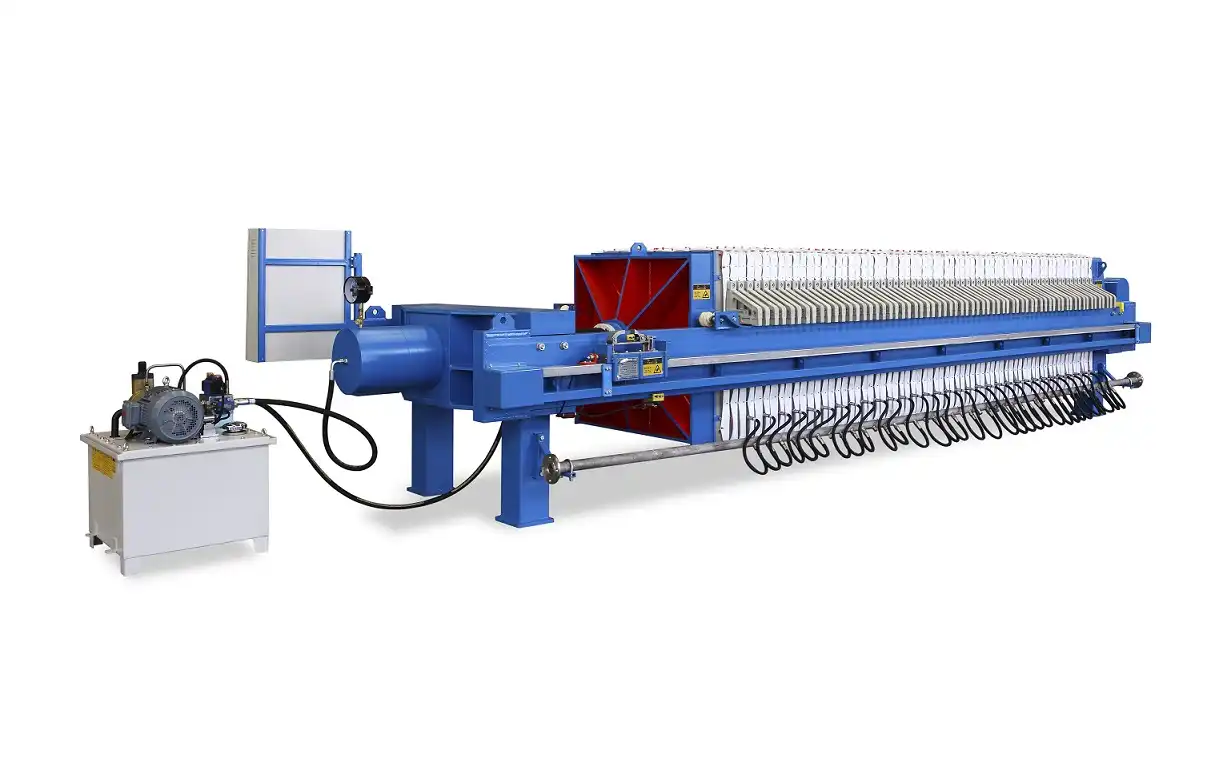
It is important to know the basic differences between chamber and plate frame designs when choosing the right filter equipment for your business. A plate frame filter press alternates between solid plates and empty frames to make separate filtration rooms. This creates a drier cake that is more dry and clearer filtrate through pressure-driven separation. Chamber presses, on the other hand, use recessed plates to create enclosed rooms without the need for separate frames. This makes them easier to use and faster to empty. Your choice depends on the particle size of the slurry, the concentration of the solids, the thickness of the cake you need, and the production rate. These are all long-term operating success and cost efficiency factors.
Understanding Filter Press Basics: Chamber vs Plate Frame
Structural Design and Operating Principles
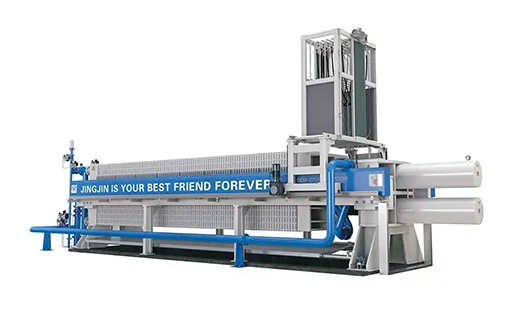
A heavy-duty rack supports the plate frame filter press, which has solid filter plates and hollow frames that move. Pressure from a feed pump fills chambers with slurry. Filter cloths cover each plate, and frames form holes for items to accumulate. After the cycle, the plates can be manually or mechanically separated to release the filter cake. Batch operation is ideal for drying the cake, with solids levels normally between 30% and 75%, depending on the slurry and operating pressure.
Hollow plates in chamber filter presses create enclosed chambers without frames, simplifying design. Each plate contains two holes. These perforations create filter chambers when plates are squeezed together. Slurry enters through feed holes, solids collect in the depths, and plate channels filter material. Cake discharge is quicker with automated plate shifting and cloth cleaning due to its design. Chamber presses excel at high-volume, fast, and uniform cake production.
Typical Applications by Slurry Type
Plate frame filter presses excel in high-purity recovery in difficult situations. This method separates color intermediates and recovers catalysts in chemical and pharmaceutical facilities. They must resist organic solvents and high heat. Plate frame systems let mining enterprises gather mineral concentrates and eliminate tailings water. These systems manage thick, abrasive slurries at tremendous pressure to minimize environmental impact. Fine chemical processes, where centrifugal systems couldn't gather enough solids, benefit from the design.
Core Components Affecting Slurry Compatibility
Both kinds are built around filter plates. Polypropylene, cast iron, or harsh-condition metals can be used. Plate width, surface coatings, and drainage channel design affect cake production and filtrate clarity. Fabrics must meet slurry pH, temperature, and roughness requirements to avoid premature failure. Polypropylene, polyester, and specialty fibers. Frame structure determines maximum operating pressure. Strong steel frames can withstand 225 psi for severe use. Knowing these elements helps consumers choose a design that can manage their slurry and labor intensity.
Comparing Performance Against Slurry Characteristics
Solids concentration and particle size affect selection
Chamber presses can handle larger cakes without cloth blinding, making them preferable for high-solids slurries (over 20%). Plate frame filter press designs function better with lower solids concentrations, especially when particles under 10 microns need longer time to settle to produce stable cakes. Particle size distribution affects filter performance. Large particles (over 100 microns) drain fast and perform well in chambers with quick discharge, whereas small particles benefit from the plate frame's longer pressing cycles and greater pressure. Viscosity matters too. Plate frame systems are ideal for consistent pressure distribution in high-viscosity slurries.
Filtration Efficiency and Cake Formation
Filtration efficacy depends on filtrate clarity and cake moisture. Because the frame closes the chamber and prevents bypassing and channeling, plate frame presses produce cleaner filtrate. How the slurry is distributed affects cake evenness. Plate frame systems with star-shaped distribution lines feed all chambers equally, preventing overcrowding. Chamber presses filter faster but generate less regular cakes with varying slurry inputs. Designs dry things differently. Plate frame systems can press for longer, removing more moisture and minimizing hazardous sludge disposal expenses.
Cycle Times and Energy Consumption
The cycle involves filling, pressing, and discharging. Plate frame methods may take 90 to 120 minutes to dry regular city muck, whereas chamber presses may accomplish full rounds in 60 to 90 minutes. Energy utilization depends on pumping and pressing power. Plate frame designs require 15% to 20% more energy per cycle because of increased operating pressures. When cake moisture must be reduced below 60%, this extra expense saves money on waste. Comparing running expenses involves filter recycling, cloth replacement frequency, and maintenance downtime. Chamber presses excel at this in high-throughput applications.
Troubleshooting Common Slurry Variability Challenges
Too much or too little slurry in the machine or clogged feed ports might produce inconsistent cake consistency. Keep distribution channels free and the feed pump at a consistent pressure to minimize localized overloading. Leakage between plates during filtering frequently indicates a weak hydraulic gripping force, wrinkled filter cloths, or particles on the sealing surfaces. Regular inspections detect issues early, preventing unwanted downtime. When working with slurries whose pH levels or temperature fluctuate with the seasons, corrosion-resistant materials and temperature-adjustable controls maintain consistent performance. These operational realities demonstrate the need to design instruments to mimic real-world slurry behavior.
Maintenance, Cleaning, and Longevity Considerations
Routine Maintenance and Wear Patterns
Plate frame filter presses need frequent cloth tension, plate alignment, and frame stability checks. Abrasive slurries slowly erode fabric contact points and feed port sidewalls. Restoring textile permeability after throughput declines involves acid washing. Replacement periods are three to six months, depending on chemical exposure and wear. Chamber presses benefit from automated cloth cleaning systems that reduce labor. However, they must be adjusted often to clean properly without damaging filter material. Hydraulic systems need regular seal replacement and fluid analysis to prevent pressure loss and leaks.
Downtime Risks and Servicing Ease
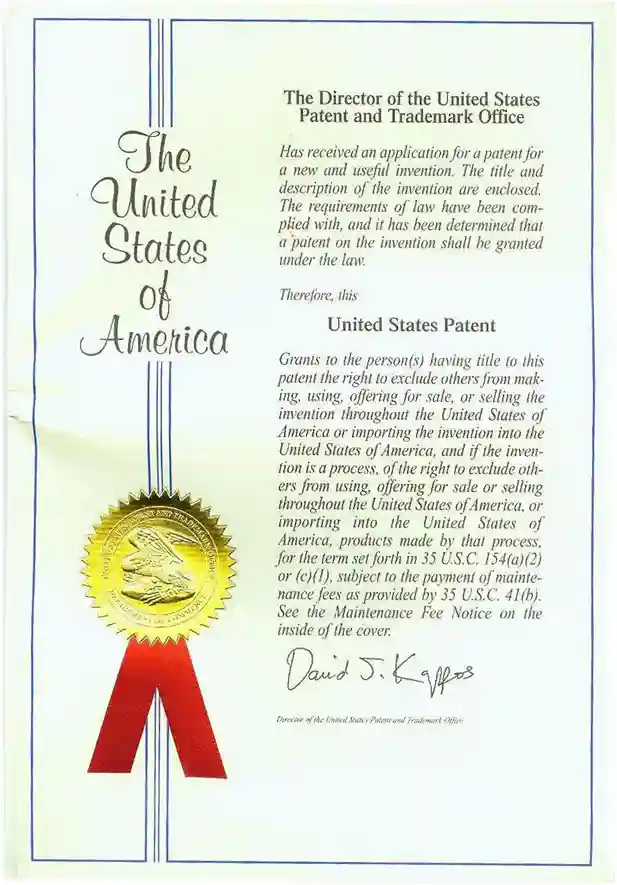
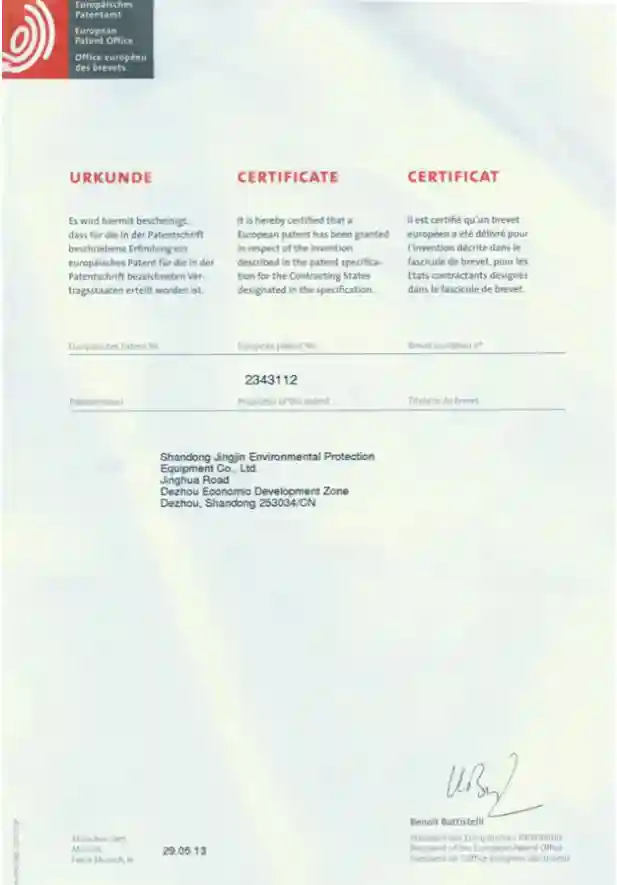
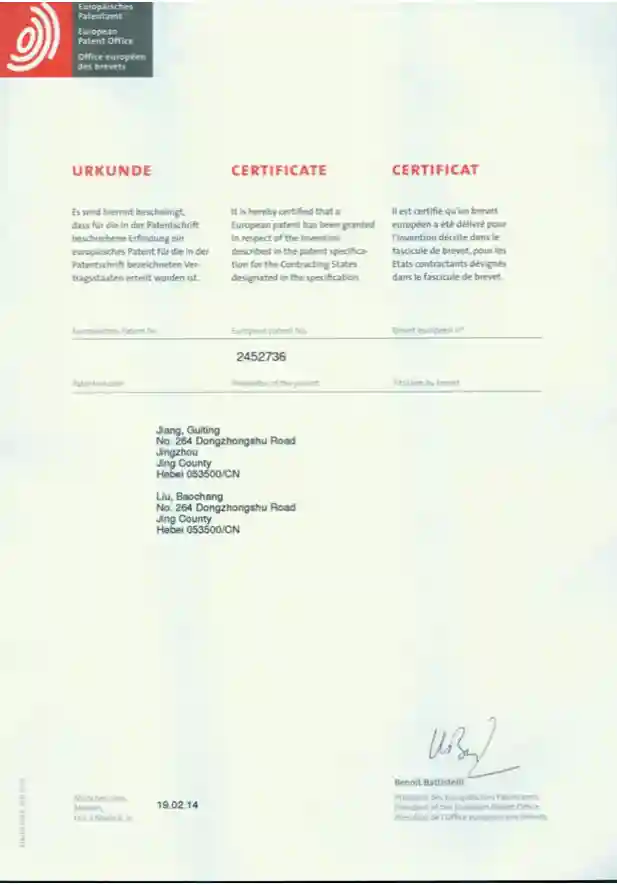
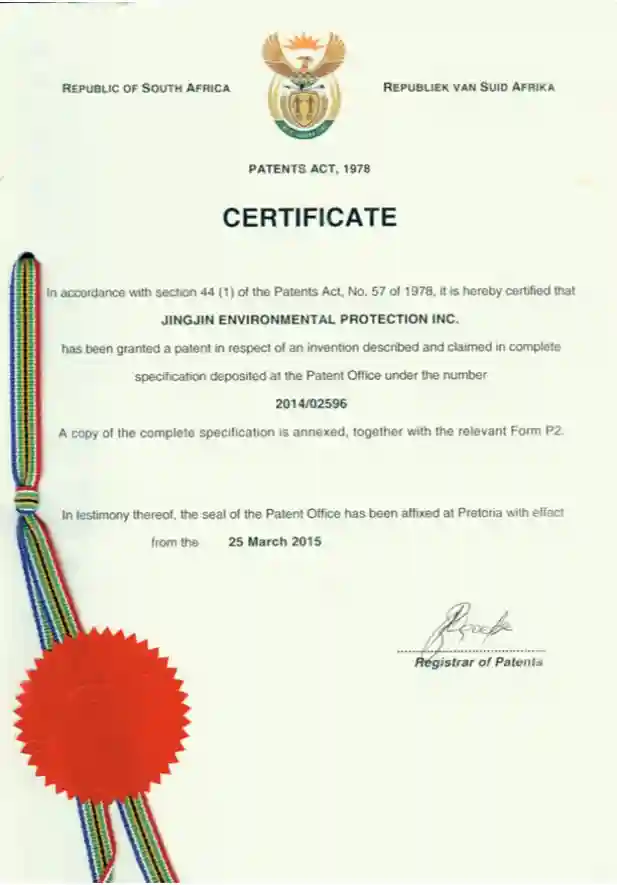
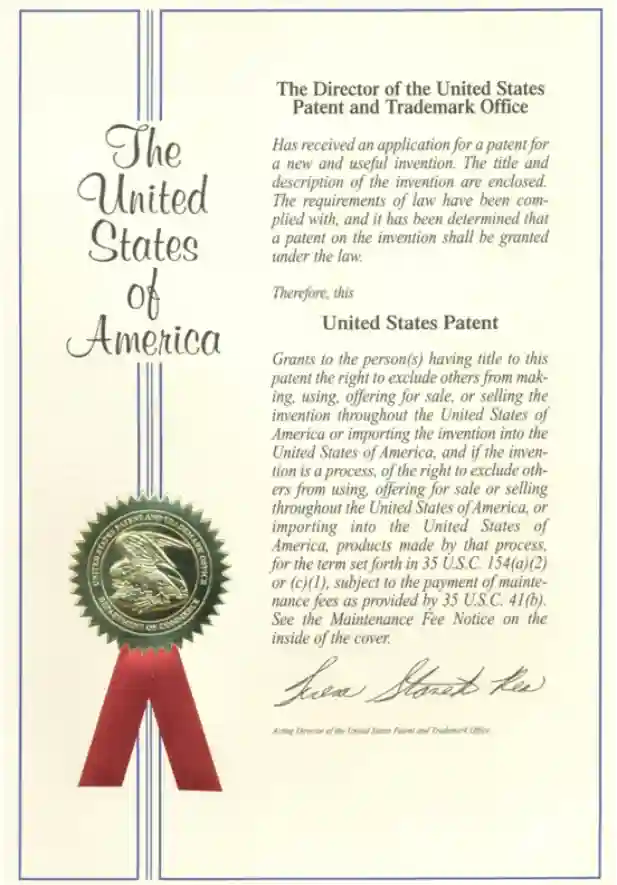
Part replacement complexity varies greatly by kind. Plate frame systems require manual disassembly to change the fabric, adding four to six hours to each repair. Chamber presses with quick-release mechanisms and automated plate shifting save servicing time by 40%, reducing production stoppage. To keep the warranty valid and the machine functioning smoothly, choose high-quality filter cloths, hydraulic seals, and membrane components that satisfy OEM standards. Established manufacturers like Jingjin Equipment, which has over 136 patents and is present in 123 countries, offer a wide choice of spare parts and experienced assistance to reduce service complexity and wait times.
Warranty and After-Sales Support
The guarantee conditions indicate the maker's confidence and commitment to working with you. Guarantees for structural parts for two to three years and wear parts for six to twelve months demonstrate strong engineering. Technical training, remote diagnostics, and on-site help are after-sales services. These services prevent minor issues from becoming costly. Purchasing managers should ensure vendors offer global services. This is crucial for rural rapid response actions. Predictive maintenance systems using IoT sensors and data analytics extend equipment life and optimize replacement schedules.
Procurement and Investment Factors for B2B Buyers
Capital Costs and Total Cost of Ownership
Chamber filter presses can cost anywhere from $80,000 to $350,000 up front, based on their capacity and amount of automation. Plate frame filter press systems, on the other hand, are usually 10% to 15% cheaper because they are easier to build. The total cost of ownership must include running costs like energy use, replacing cloth, disposal fees, and upkeep labour over the course of 10 to 15 years. Even though they cost more up front, chamber presses with higher yield and shorter cycle times often have better total cost performance in high-volume uses. Plate frame systems are worth the money when getting the cake moisture level very low directly lowers dumping costs or lets valuable materials be recovered.
Customization and Automation Options
Modern filter systems can be changed in many ways to fit different types of slurry and different ways of working. Plate frame presses can be changed to use glass-fiber reinforced polypropylene plates for high-temperature slurries, special coatings for corrosive conditions, and rooms with varying volumes to handle changes in yearly output. Programmable logic controllers (PLCs), automatic plate shifting, cloth washing, and cake discharge are all part of automation packages. These packages cut down on human labour by up to 70%. It's easy for chamber presses to be added to fully automated systems that track pressure, flow rate, and cake formation in real time. This lets repairs be planned ahead of time and processes be made more efficient. To compare these choices, you need to weigh the original cost against the potential for long-term savings on labour and increased operating flexibility.
Supplier Evaluation and Quality Certifications
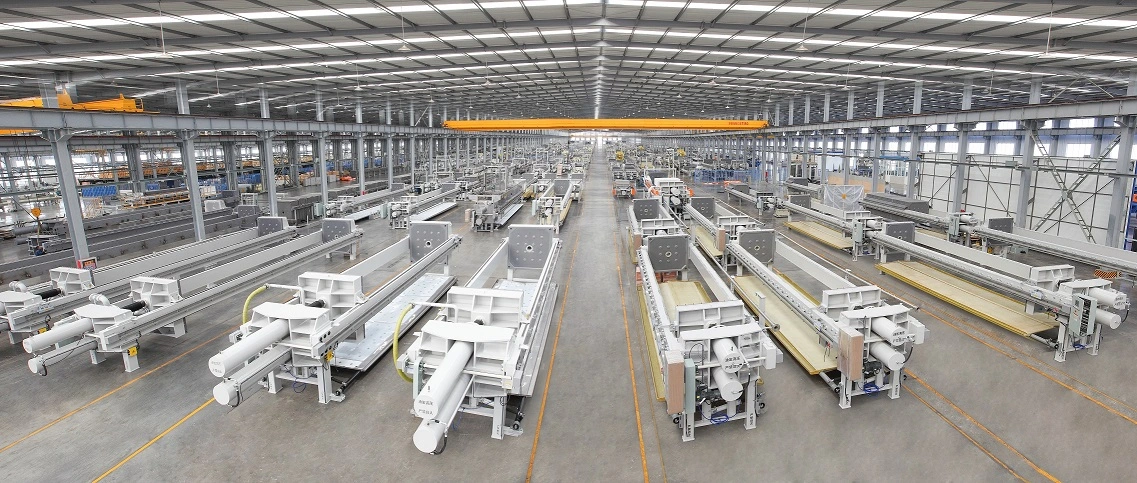
Original equipment makers with a good reputation show that they follow ISO 9001 quality management standards and industry-specific approvals, like the CE marking for European markets. There is a strong link between supplier dependability and factory size, technical capacity, and customer examples for similar uses. Jingjin Equipment was established in 1988 and has large-scale production facilities that make thousands of filter presses every year. This makes sure that the standard is always the same and that deliveries are always on time. When checking the qualifications of a seller, you might look at their patent portfolios, case study documents, and the results of third-party performance testing. To check claims and see what kind of post-installation help is available, procurement teams should visit production facilities and look at how customers run their businesses.
Energy Efficiency and Sustainability
Environmental compliance and business duty are becoming more and more important in choosing equipment. Designs that are energy-efficient use 20% to 30% less power than older systems because they have variable-frequency drives, optimised hydraulic systems, and heat recovery choices. Sustainability qualities include using less water through closed-loop filtrate recycling, having less cake moisture so that it can be sent to a different dump, and building something that lasts so that equipment doesn't need to be replaced as often. Leading makers offer environmental impact assessments that measure how much carbon emissions, water use, and waste are reduced. These evaluations help companies with their sustainability reports and regulatory compliance efforts.
Decision-Making Framework: Choosing Between Chamber and Plate Frame Filter Press
Matching Slurry Characteristics to Equipment Design
Process engineers should put slurries into groups based on three main factors: the quantity of solids, the range of particle size, and how well they react with chemicals. High-solids slurries (above 25%) with big particles (50 to 500 microns) work well with chamber presses, which can quickly form cakes and let them go. Plate frame filter press systems that can handle longer pressing cycles and higher pressure are best for low- to middling solids slurries (5% to 20%) that contain small particles (less than 50 microns). The choice of material is based on how well it reacts with chemicals. For example, acidic slurries need stainless steel or special coats, and organic acids need certain elastomer seals and cloth materials. Making an in-depth slurry characterisation report helps with correct equipment design and stops mistakes that cost a lot of money.
Evaluating Operational Priorities and Constraints
Aside from technical specs, business concerns often decide the final choice of tools. Scalability is important when you want to increase the capacity in the future. For example, flexible plate frame designs can handle small increases in capacity by adding more plate pairs, while chamber presses might need a whole new unit. Depending on the desired throughput, either fast spinning is worth the investment in a chamber press, or longer pressing cycles are needed to meet output goals. Maintenance needs vary from facility to facility. Places with skilled maintenance teams may prefer plate frame systems because they cost less at first, while places that value uptime will choose chamber presses with automatic service features. Because of limited funds, it is necessary to balance capital expenditures with expected total costs of ownership over the equipment's useful life.
Real-World Application Examples
A mining business in the southwestern United States used plate frame filter presses to dewater copper concentrate tailings, getting 75% cake solids and lowering annual disposal costs by $1.2 million. At 225 psi working pressure, the system had to be able to handle gritty slurries in order to work 24 hours a day, seven days a week. On the other hand, a city wastewater treatment plant in the Midwest chose chamber presses to dewater biological sludge. Each day, they process 500 cubic meters of material, and each run lasts 90 minutes. Automated washing of clothes and dumping of cakes cut down on the amount of work that had to be done by 60%, which helped with staffing issues while still following the rules. These cases show how good results come from matching the design of equipment to the specifics of how it will be used.
Practical Recommendation Checklist
When choosing between chamber and plate frame designs, procurement managers should always look at the following factors:
- Concentration of solids in a slurry and the spread of particle sizes
- Specifications for cake dryness and liquid clarity
- Daily throughput number and the ability to change the production plan
- Repair skills and work ability that are available
- Capital budget limits and goals for total cost of ownership
- Needs for automation and connecting to current systems
- Reputation of the supplier, guarantee terms, and help after the sale
- Goals for energy economy and environmental compliance
Getting feedback from process engineers, operations managers, and buying teams on this plan makes sure that the equipment's capabilities are in line with the business's goals. This lowers the risk of implementation and increases the return on investment.
Conclusion
To choose between chamber and plate frame filter press designs, you need to carefully look at the properties of the slurry, the goals of the operation, and the long-term costs. For high-volume jobs with steady slurry feeds, chamber presses offer fast cycling and automatic operation. Plate frame systems, on the other hand, are great at getting the cake as dry as possible and working with slurry formulas that change. Both designs have been used successfully in the building, mining, wastewater treatment, and chemical processing businesses. Finding the right seller, comparing technical specs to how the slurry will behave in real life, and estimating the total cost of ownership are all important parts of a successful buying process. Process engineers and procurement managers can safely buy filter systems that improve efficiency, lower costs, and make sure they meet regulatory requirements by using an organised decision-making framework and the knowledge of the maker.
FAQ
Q1: What capacity should I specify for plate frame filtration of my specific slurry?
The percentage of solids in the slurry, the desired cake width, and the target cycle time are all needed to figure out the capacity. To find your dry solids output, multiply your daily amount in cubic meters by the solids concentration in percent. To find the needed filter amount, divide by the desired cake solids (in percent). Talk to plate frame filter press providers that offer trial testing to make sure your ideas about capacity are correct and to find the best plate setup.
Q2: What operational challenges do chamber presses present, and how can I avoid them?
Cloth blindness with highly compressible sludges can happen in chamber presses, which slows down the filter process over time. This problem can be fixed by setting up automatic laundry processes and choosing the right weave patterns for the clothes. Keeping the feed pressure constant stops cakes from forming unevenly in different areas. Leaks and pressure loss in a hydraulic system can be avoided by checking it regularly.
Q3: How do I source quality spare parts with reliable warranty support?
Work with well-known makers that keep large stockpiles of spare parts and world distribution networks. Check the terms of the guarantee for basic parts (two to three years) and consumables (six to twelve months). Ask for proof of part compatibility and wait times. Full lifetime support is offered by manufacturers like Jingjin Equipment, which ensures business continuity and reduces the risk of downtime.
Partner with Jingjin for Proven Filtration Solutions
With patented technology and a large production capacity, Jingjin Equipment has designed plate frame filter press systems for more than 36 years, serving customers in 123 countries. Our filter solutions solve the biggest problems in building, mining, wastewater treatment, and chemical processing, making the cake drier, the filtrate clearer, and the operation more reliable. We offer full help, from figuring out what technology to buy to installing it, getting it up and running, and keeping it that way. Our engineering team works closely with process experts to make sure that the systems we build meet your exact slurry needs and output requirements. You can talk to our experts about your filtering needs by emailing [email protected], or you can look at our website to see our wide selection of filter press systems, filter plates, and supplies. As one of the biggest companies that sells plate frame filter presses, we can help you improve the way you separate solids from liquids and lower your costs.
References
1. Wakeman, R.J., and Tarleton, E.S. (2005). Solid/Liquid Separation: Principles of Industrial Filtration. Elsevier Advanced Technology.
2. Sutherland, K. (2008). Filters and Filtration Handbook (5th ed.). Butterworth-Heinemann.
3. Purchas, D.B., and Sutherland, K. (2002). Handbook of Filter Media (2nd ed.). Elsevier Science.
4. Tiller, F.M., and Green, T.C. (1973). "Role of Porosity in Filtration: IX. Skin Effect with Highly Compressible Materials." AIChE Journal, 19(6), 1266-1269.
5. Anlauf, H. (2007). "Recent Developments in Centrifuge Technology." Separation and Purification Technology, 58(2), 242-246.
6. Cheremisinoff, N.P. (1998). Liquid Filtration (2nd ed.). Butterworth-Heinemann Series in Chemical Engineering.
jingjin
Founded in 1988, Jingjin specializes in filter presses and liquid-solid separation solutions, serving over 130 countries worldwide, and is a standard-setter in China's filter press industry.
Get the Filter Press guide
Enter Your Email for Technical assistance for the Filter Press.


Recommended Blog
Filter Press Solutions for India Pharmaceutical Plants from China
Top Durable Filter Press Plates for Food Processing: Materials and Benefits
Chemical Resistant Filter Cloth for Mining: What You Need to Know
China Multi Disk Screw Press vs India: Cost & Performance 2026
Customized Filter Press Plates for the Mining Industry: What You Need to Know
China Filter Press Supply Chain from Coastal Industrial Parks


How Filter Press Plate Design Affects Your Cake Dryness Results