Wastewater Filter Press Maintenance: Prevent Leaks and Downtime
Understanding Common Wastewater Filter Press Problems
- Understanding Common Wastewater Filter Press Problems
- Essential Wastewater Filter Press Maintenance Tips to Prevent Leaks
- Wastewater Filter Press Design Principles Impacting Maintenance
- Troubleshooting Common Wastewater Filter Press Maintenance Issues
- Planning a Proactive Maintenance Strategy for Wastewater Filter Presses
- Conclusion
- FAQ
- Partner With Jingjin for Reliable Wastewater Filter Press Solutions
- References
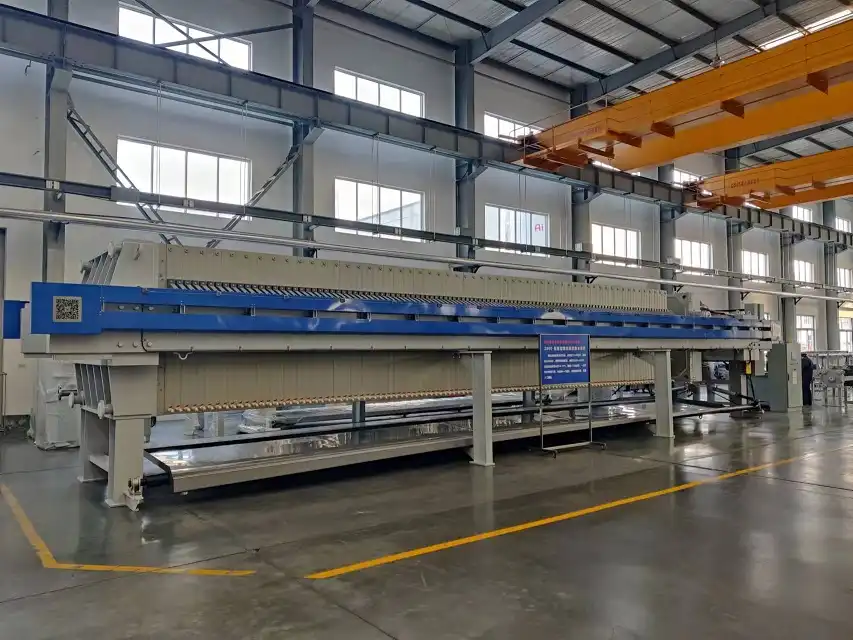
Operating a wastewater filter press efficiently demands more than just running daily cycles—it requires vigilant maintenance to prevent costly leaks and unexpected downtime. Leaks typically originate from worn seals, damaged filter cloths, or insufficient hydraulic pressure, while downtime stems from hydraulic failures, operator errors, and material degradation. Recognizing these issues early protects your operation from regulatory penalties, production losses, and inflated disposal costs. For plant managers and process engineers overseeing municipal sludge dewatering or industrial slurry processing, understanding maintenance fundamentals directly impacts equipment reliability and overall plant profitability.
Understanding Common Wastewater Filter Press Problems
Equipment that works in harsh industrial conditions tends to show up in predictable patterns when it comes to leak sources and downtime triggers. By noticing these trends, maintenance teams can step in before small problems get worse and stop production.
Typical Leak Sources in Filter Press Systems
One of the most common problems with upkeep is leaks between plates. Slurry can get out during the filtration stage because the hydraulic clamping pressure isn't high enough—often less than the 25 MPa needed. When filter cloths are wrinkled or not fitted correctly, they make the closing surfaces uneven, and solids that build up on the edges of the plates stop them from compressing properly. Over time, rubber gaskets on chamber plates become less flexible. This is especially true when they are subjected to harsh chemicals like those used in electroplating or mine tailings.
The closing surfaces break down over time when they are heated and cooled many times. Even though polypropylene plates can handle pH levels from 1 to 14, they can bend if the temperature changes more than what was intended. Field data from municipal wastewater treatment plants shows that power washing the sealing edges on a regular basis fixes about 90% of leak problems.
Primary Causes of Operational Interruptions
When hydraulic systems fail, they cause a lot of downtime in industrial settings. When there is pressure loss in the hydraulic station, either because of old seals in the cylinders or dirty hydraulic fluid, the plates don't close properly. When hydraulic parts don't work right, the filtration pressure range of 6 to 20 bar can't be maintained. This causes cakes to not form completely and water to leak out.
Degradation of materials affects both structural and wear-and-tear parts. When fine particles get stuck in the filter cloth's fiber structures, they blind the cloth, making it less permeable and making cycle times longer. Misalignment and damage to plates happen when operators make mistakes when manually shifting plates, especially in places that don't have automatic shifter systems. A sudden rise in the turbidity of the filtrate means that the cloth is tearing or breaking through, and it needs to be replaced right away to keep the effluent quality standards.
Impact of Neglected Maintenance on Operations
Putting off upkeep raises prices in a number of ways. If you don't completely dry out the sludge, it will contain more water, which will make it heavier to dispose of and cost more to move. When equipment is working properly, facilities that handle biological sludge usually get solids content levels of 55 to 75%. But if they don't, these levels can drop to 40 to 50%, which almost doubles the amount of waste that needs to be thrown away.
When the quality of the filtrate goes down, it becomes harder to follow the rules. Heavy metal hydroxides from surface finishing must not exceed tight limits, and treatment failures make it less effective. In addition to safety risks, less efficient filtration lowers throughput, which means companies have to work longer hours or put off other production tasks to make up for the lost capacity.
Essential Wastewater Filter Press Maintenance Tips to Prevent Leaks
Solid-liquid separation processes that work well are based on preventative maintenance plans. Structured inspection routines and proper care of parts make tools last longer and reduce the need for emergency fixes.
Regular Inspection Protocols for Critical Components
Check filter cloth with every cake discharge. Visual inspections reveal wear patterns, holes, and fibre breakdown before they impede filtration. Checking the cloth tension ensures consistent cake formation. Uneven fabric thickness facilitates leakage. After each cycle, wipe the sealing surfaces on the plates and frames to remove dried cake residue that hinders compression.
When monitoring a hydraulic system, clamping pressure gauges must be monitored each turn. Low pressure indicates worn seals or tainted fluid. Checking hydraulic hoses and connections for leaks helps prevent pressure drops while the machine is working. Regularly examine hydraulic fluid for contaminants and consistency loss. The fluid should be replenished every 2,000–3,000 hours, depending on system demand.
Scheduled Component Replacement Based on Usage
In regular wastewater, filter cloths may be used 1,500–3,000 times. This range is reduced by abrasive tailings slurries or high-pressure washing. Keep cycle counts and permeability measurements to determine when to replace the fabric before it fails. Changing cloths during scheduled maintenance sessions rather than in an emergency during production runs is cheaper.
Replacement of hydraulic seals and gaskets for filter press manufacturers' equipment depends on time and performance. Rubber components exposed to chemical sludge degrade quicker than municipal rubber parts. Genuine replacements save downtime as parts wear out. This is particularly true for plate gaskets and cylinder seals.
Best Practices for Cleaning and Cloth Care
Cleaning clothes properly keeps them breathable and long-lasting. High-pressure water washing (80–120 bar) removes embedded particles after each cycle, but too much pressure damages fibres. Alkaline rinses may neutralise acidic sludge pH and prevent fibre breakdown, whereas acidic sludges require acid.
Keeping clothes between campaigns is crucial. Dry clothes can't develop fiber-weakening microbes. Instead of folding clothes, keep them flat to avoid permanent creases that cause leakage. Rotating cloth sets across numerous shifts distributes wear equally across your collection, extending service life.
Operator Training for Optimal Equipment Operation
Well-trained operators can notice equipment issues before they cause harm. Training programs should teach cycle time. Over-pressurizing or extending compression cycles stresses plates and hydraulics. The correct flocculant quantity prevents under-conditioning (wet cakes, lengthy procedures) and over-conditioning (chemical expenses wasted).
Operators require clear guidelines for typical issues. Stopping a cycle due to unusual pressure measurements might prevent foreign objects from harming plates. Logbooks capture maintenance observations to indicate wear and tear trends, enabling planned interventions rather than reactive fixes.
Wastewater Filter Press Design Principles Impacting Maintenance
The design of the equipment determines how often it needs to be maintained and how well it can stop leaks. When procurement teams understand these connections, they can choose methods that help them reach their long-term business goals.
Plate and Frame Construction Considerations
PHDPP plates are chemical-resistant and robust. They may operate in tough regions where steel frames rust. The modular design allows for plate unit addition or removal, allowing for filter area sizes from 1m² to 1,000m². This allows you flexibility as your workload varies. When chamber plates have built-in drainage channels, cakes develop uniformly, reducing maintenance for unequal loads and plate warping.
Under high pressure, plate thickness and reinforcing patterns impact structural strength. Even if they cost more and are heavier, thicker plates may withstand repeated cycling without stress fractures. Raised ribs or flat faces determine how effectively the covering surface resists leaks and how frequently it has to be cleaned. In tough environments, textured surfaces may wear out quicker yet trap less dirt.
Hydraulic System Types and Maintenance Implications
A user must act when a manual hydraulic system shuts or opens. This allows errors, but the method is simple and cheap. Automatic hydraulic stations with PLC control eliminate operator variance and maintain clamping pressure and cycle time. These systems reduce poor operation and maintenance calls using pressure monitoring and computerised sequencing.
Membrane squeeze techniques dry cakes better but are more difficult. After the initial filtration, flexible sheets are placed against the cake to extract additional water. This function reduces cake moisture by 5–15% compared to chamber-only systems, lowering removal costs. Membrane maintenance requires monitoring holes and filling cycles, which simple chamber designs don't.
Advanced Features for Early Leak Detection
Real-time monitoring tools aid repair. Pressure sensors throughout the hydraulic system alert operators of gradual breakdowns. When the cloth breaks through, filter quality sensors immediately halt the operation and prevent effluent leakage.
Automatic plate shifters reduce hand-moved plate maintenance issues. For cake discharge, these devices uniformly distance plates to prevent edge damage from sloppy hand positioning. Integrated cake weighing systems monitor discharge weights, which indicate that filtering effectiveness is declining and needs repair before obvious indicators appear.
Troubleshooting Common Wastewater Filter Press Maintenance Issues
Quick and accurate fixing keeps production losses to a minimum and stops small problems from getting worse. Systematic ways of diagnosing problems save time and money.
Diagnosing and Resolving Leak Issues
If there is a leak between the plates, check the hydraulic holding pressure first. If the gauge values aren't what they should be, check the fluid amounts, hydraulic cylinders, and hoses. Low fluid or dirty hydraulic oil needs to be fixed right away before the machine can be used again. Assuming there is enough pressure, check the plate sealing surfaces for dried cake buildup. This is the most common cause of leaks and can be fixed quickly by cleaning the area well.
If you have proper pressure and clean surfaces but still have leaks, it means there are problems with the cloth or seal. Take off the filter cloths and look for tears, worn spots, or bad fitting. You can't have any folds or wrinkles on the cloth when it's in the holding holes. Check plate seals for chemical breakdown, compression set, or cracks. Replacing damaged gaskets right away stops damage to plate sealing surfaces from getting worse.
Addressing Hydraulic and Mechanical Failures
If the pressure drops during the cycle in a filter press manufacturer's system, it means that the hydraulic seals are wearing out or the fluid is getting dirty. Drain and check the hydraulic fluid for particles or water leaking in. If the fluid looks milky, it means there is water in it, and the whole fluid needs to be replaced. When pressure can't be kept up even with clean fluid and the right levels, the cylinder seal needs to be replaced.
Thermal shock or mechanical pressure can cause plates to shift. When there are temperature differences of more than 40°C between the feed slurry and the plate surface, the plates don't expand evenly, which finally causes them to bend permanently. Putting in place controls for feed temperature stops this degradation. Plates that are mechanically damaged—from dropped items or bad shifter operation—need to be changed because plates that are warped can't seal properly no matter how much hydraulic pressure is applied.
Optimizing Filtration Efficiency Through Maintenance
To get a uniform cake, you need to make sure the fabric is taut, and the draining holes are clean. Blinded cloth has longer cycle times and higher final pressures, but it doesn't dry to the desired level. It makes financial sense to replace cloths when cycle times go up by 25–30% compared to how well they worked before the changes. As part of regular maintenance, cleaning the plate drainage ducts makes sure that liquid is removed consistently across the whole filter area.
Chemical conditioning has a direct effect on the structure and release properties of the cake. Sludge that hasn't been properly conditioned forms sticky cakes that stick to cloths, speeding up wear and requiring tough cleaning. Over-conditioning loses polymer and makes cakes that break when they are compressed, which lets liquid flow through and makes the cake less dry. Finding the right amount of flocculant by trying it in a jar cuts down on the care that comes with bad conditioning.
Planning a Proactive Maintenance Strategy for Wastewater Filter Presses
A full maintenance program includes planned repairs, skilled workers, and relationships with suppliers to make sure that equipment is reliable and lasts as long as possible.
Recommended Inspection and Maintenance Intervals
Every day, the hydraulic pressure, leaks that can be seen, and cleanliness of the filtrate should all be checked. These quick checks find problems as they start to happen before they stop production. As part of weekly upkeep, the cloth is carefully checked, the sealing surface is cleaned, and the amount of hydraulic fluid is checked. Every month, chores include a thorough check of the hydraulic system, checking the pressure, and going over the paperwork to find patterns of wear and tear.
Maintenance shutdowns once a year allow complete overhauls to happen. This includes replacing the whole cloth, fixing the hydraulic cylinder, and checking the plates for cracks or bending. Predictive maintenance methods use cycle count data, pressure trends, and filtrate quality measures to plan maintenance tasks based on the real state of the equipment rather than random time intervals. This plan makes the best use of upkeep funds while lowering the number of unplanned breakdowns.
Empowering Maintenance Teams Through Training
To do maintenance well, you need to know both the theory and how to do it. Training programs should teach the basics of hydraulic systems, the right way to install cloth, and how to fix problems. Maintenance workers need to know how operating conditions like pressure, cycle time, and conditioning chemistry affect how long equipment lasts.
Documentation practices make sure that information is shared and that history is kept track of. Standardized maintenance plans make sure that the level of inspections is the same across shifts and staff. Predictive analytics use data from logbooks that keep track of cycle numbers, pressure readings, and upkeep tasks. Digital repair management systems make this paperwork easier to keep up with and let you look at trends that show problems with the whole system.
Leveraging Supplier Expertise and Genuine Parts
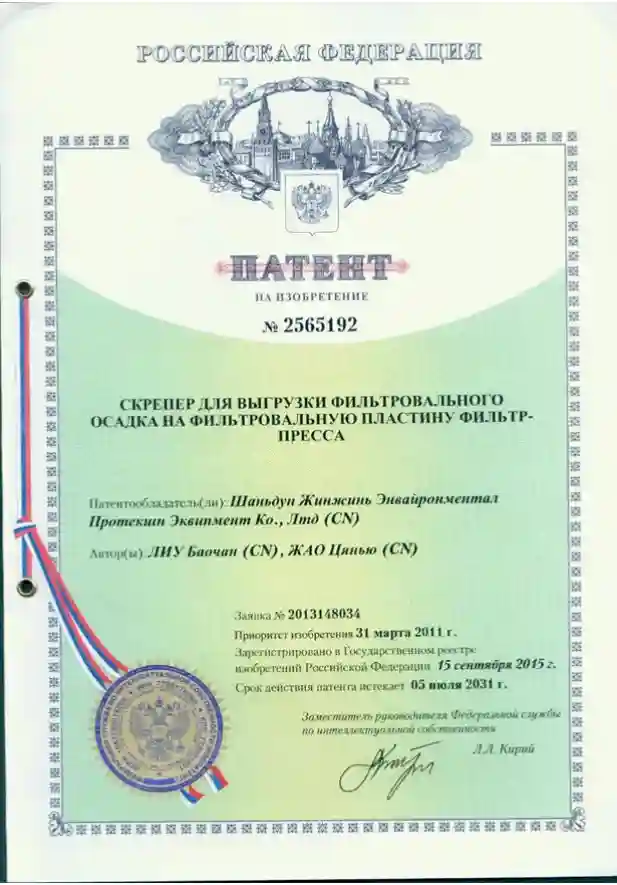
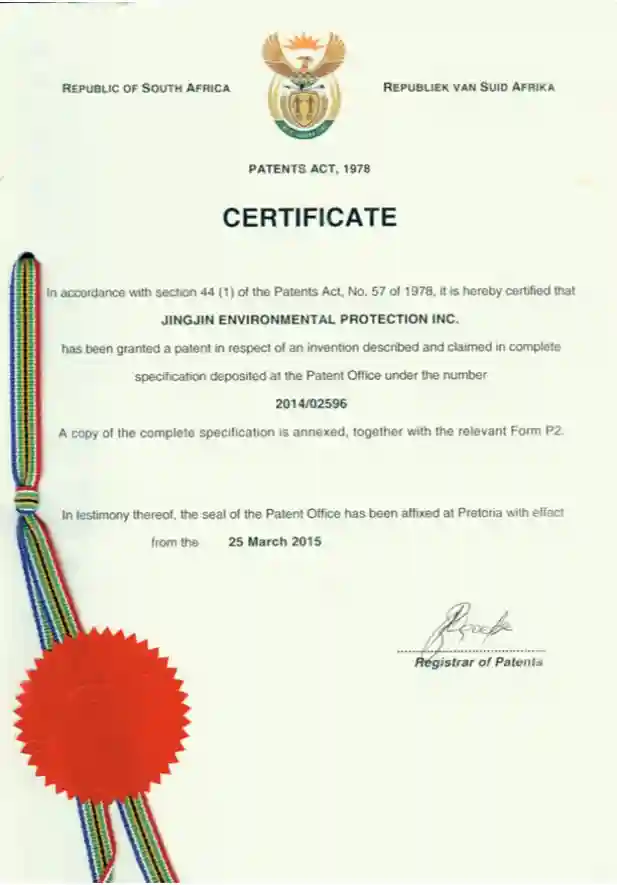
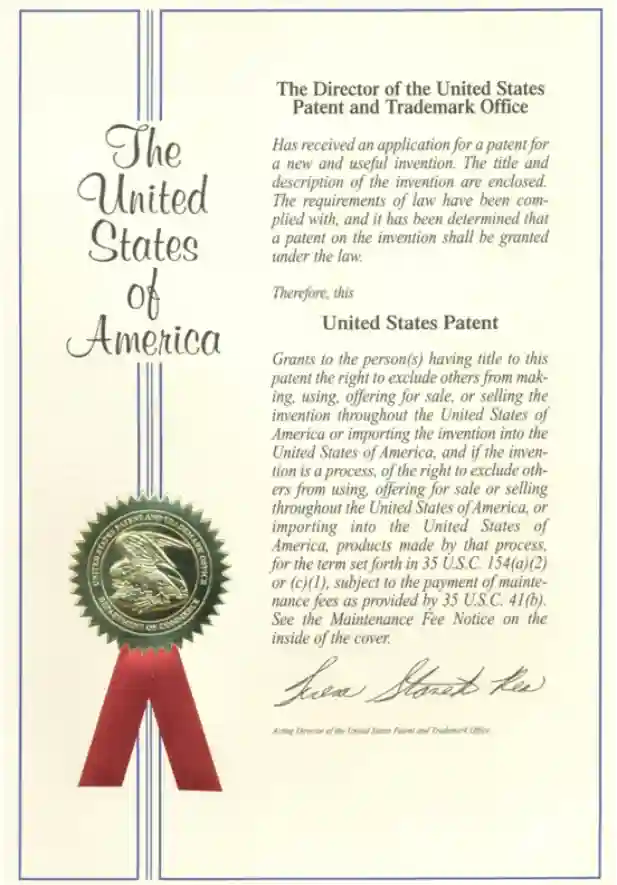
When you work with reputable makers, you can get technical help and real replacement parts. Suppliers like Jingjin Equipment Inc., which has over 136 patents and experience in 123 countries, can help you get the most out of your equipment by giving you technical advice. Their world service network makes it easy to get real filter cloths, gaskets, and hydraulic parts that were designed to work with their systems.
Genuine parts are guaranteed to work with other parts and be compatible, while generic parts may break down early or damage equipment. Manufacturers send out technical bulletins that list changes to the design and suggested maintenance updates. Getting help from a supplier when troubleshooting complicated problems speeds up the process and avoids costly trial-and-error methods. This working together lowers operating risk and increases the useful life of equipment by using repair methods backed by experts.
Conclusion
Leaks and downtime can be avoided in wastewater filter press operations by following structured maintenance protocols, training operators, and replacing parts before they break. Understanding common failure modes, like hydraulic pressure loss and fabric degradation, lets you fix small problems quickly before they get so bad that they stop production. Choosing equipment with features that make it easy to maintain, along with genuine parts and help from the seller, sets the stage for reliable long-term operation. Disciplined maintenance directly leads to lower running costs, regulatory compliance, and the highest equipment return on investment for facilities that handle sewage sludge, mine waste, or industrial slurry.
FAQ
1. How often should filter cloths be replaced in wastewater applications?
Depending on how rough the sludge is and how often you clean, filter cloths usually last between 1,500 and 3,000 rounds. Fixed plans aren't the best way to tell when to replace something when monitoring cycle time goes up, and filtrate turbidity goes up. At the lower end of this range, abrasive mine slurries shorten the life of cloth, while organic sludge from cities lets it last longer. When to replace something, based on cost, is best determined by keeping track of performance metrics.
2. What causes leaks between filter press plates?
Inter-plate leakage is usually caused by three things: not enough hydraulic clamping pressure, solids building up on the sealing surfaces, and gaskets that are worn out or damaged. Most leak problems can be fixed by checking the pressure gauge values, cleaning the plate edges well, and checking the state of the gasket. Also, filter cloths that are wrinkled don't seal properly and need to be put back in place with the right tightness and alignment.
3. Can membrane systems significantly reduce cake moisture content?
When membrane squeezing systems are paired with air-blowing processes, the moisture content drops much more than with chamber-only designs. With membrane systems, inorganic sludges get 15–25% moisture, while with standard chambers, they get 30–35%. The moisture level in biological sludge goes down from 70–75% to 55–65%. This cuts dumping costs by a huge amount, which often makes up for the extra system complexity and upkeep needs.
Partner With Jingjin for Reliable Wastewater Filter Press Solutions
To keep up peak performance in tough industrial settings, you need equipment that is built to last and help from the provider that goes beyond delivering the equipment. Jingjin Equipment Inc. has been in the filtration business for more than 35 years and has clients in 123 countries in the mining, chemical processing, building, and local wastewater industries. Our wastewater filter press systems use unique technologies, materials that don't rust, and easy-to-maintain designs that keep downtime to a minimum and cake dryness to a maximum.
Whether you need a full filtration system, original replacement parts, or technical advice on how to improve maintenance, our engineering team can help. We offer custom solutions that come with full documentation and service capabilities around the world. Email Jingjin at [email protected] right now to talk about how our wastewater filter press options can make your business more reliable and efficient. As a reliable maker and provider, we give your facility the tried-and-true technology and support it needs to run smoothly for a long time.
References
1. Water Environment Federation (2018). Operation of Municipal Wastewater Treatment Plants, Manual of Practice No. 11, 7th Edition. Alexandria, VA: Water Environment Federation Press.
2. Purchas, D. B., & Sutherland, K. (2002). Handbook of Filter Media, 2nd Edition. Oxford: Elsevier Science Ltd.
3. Tiller, F. M., & Kwon, J. H. (1998). "Role of Porosity in Filtration XIII: Behavior of Highly Compactable Cakes." AIChE Journal, 44(10), 2159-2167.
4. Svarovsky, L. (2000). Solid-Liquid Separation, 4th Edition. Oxford: Butterworth-Heinemann.
5. Cheremisinoff, N. P. (1998). Liquid Filtration, 2nd Edition. Boston: Butterworth-Heinemann.
6. American Society of Mechanical Engineers (2019). ASME Boiler and Pressure Vessel Code, Section VIII: Rules for Construction of Pressure Vessels. New York: ASME International.
jingjin
Founded in 1988, Jingjin specializes in filter presses and liquid-solid separation solutions, serving over 130 countries worldwide, and is a standard-setter in China's filter press industry.
Get the Filter Press guide
Enter Your Email for Technical assistance for the Filter Press.