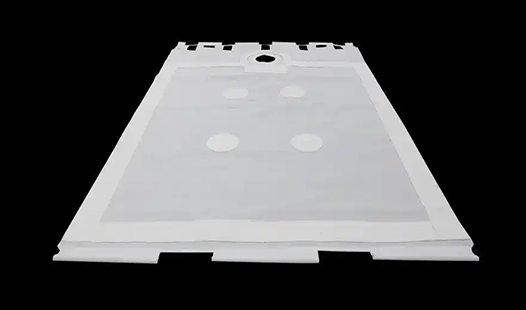
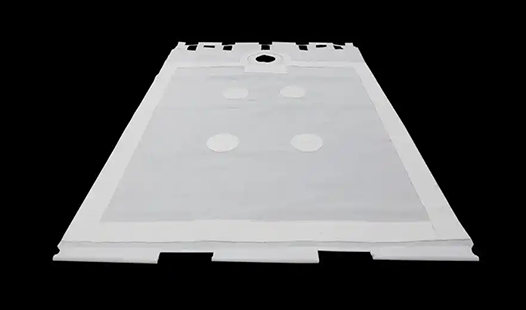
Top Tips for Cleaning and Maintaining Your Filter Press Cloth to Extend Its Lifespan
Top Tips for Cleaning and Maintaining Your Filter Press Cloth to Extend Its Lifespan
Understanding the Importance of Filter Press Cloth Maintenance
It is very important to keep your filter press cloth in good shape so that it works well and lasts a long time in industrial filtering processes. These special materials are very important for separating solids and liquids in many fields, from treating garbage to making chemicals. By cleaning and maintaining your filter press cloth the right way, you can make it last a lot longer, which will ensure stable filtration quality and lower your costs. This complete guide will go over important tips and best practices for keeping your filter press cloth in great shape, making it work better, and making it last longer.
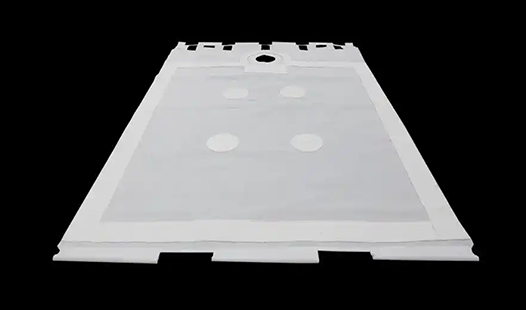
Understanding the Importance of Filter Press Cloth Maintenance
Filter press cloths are the hidden stars of many methods used in industry to filter things. These special materials are made to work well in tough chemical conditions and high pressures, separating solids from liquids. But, like any important part, they need regular care and attention to work at their best.
The Role of Filter Press Cloths in Industrial Filtration
In methods that separate solids from liquids, filter press cloths are the main barrier. They make a filter cake by letting liquids pass through but holding on to solids. How well this process works depends a lot on how good the filter cloth is. Over time, leftover solids can build up in the pores of the cloth, making it less effective at filtering and lengthening cycle times.
Consequences of Neglecting Filter Cloth Maintenance
Failing to properly maintain your filter press cloth can lead to several issues:
- Reduced filtration efficiency
- Increased energy consumption
- Higher operational costs
- Premature cloth replacement
- Inconsistent filtrate quality
You can avoid these issues and make sure your filter system works at its best by following a strong repair plan.
Essential Cleaning Techniques for Filter Press Cloths
It is very important to keep your filter press cloth clean so that it keeps working well. Here are some tried-and-true ways to clean your filter media that will help it last longer:
Regular Backwashing
Backwashing is a crucial step in filter cloth maintenance. This process involves reversing the flow of liquid through the cloth to dislodge trapped particles. To perform an effective backwash:
- Ensure the filter press is depressurized
- Introduce clean water or a suitable cleaning solution in the reverse direction
- Maintain a consistent pressure to remove accumulated solids
- Continue until the discharged water runs clear
Regular backwashing can significantly improve filtration efficiency and extend the intervals between deep cleaning sessions.
Chemical Cleaning Methods
For stubborn contaminants or specialized applications, chemical cleaning may be necessary. Always consult your filter cloth manufacturer's recommendations before using any chemical agents. Common chemical cleaning methods include:
- Acid wash: Effective for removing mineral deposits and scale
- Alkaline wash: Useful for organic contaminants and oil-based residues
- Enzyme treatments: Ideal for breaking down protein-based fouling
When using chemical cleaners, ensure proper safety protocols are followed, including the use of appropriate personal protective equipment (PPE).
High-Pressure Washing
High-pressure washing can be an effective method for removing deeply embedded particles from filter cloth fibers. However, it's crucial to use the correct pressure settings to avoid damaging the fabric. Follow these guidelines:
- Use a fan-type nozzle to distribute pressure evenly
- Maintain a consistent distance from the cloth surface
- Start with lower pressure settings and increase gradually if needed
- Avoid concentrating the spray on one area for too long
Regular high-pressure washing can help restore permeability and extend the life of your filter press cloth.
Preventive Maintenance Strategies for Prolonged Filter Cloth Life
While cleaning is essential, preventive maintenance is equally crucial for maximizing the lifespan of your filter press cloth. Implement these strategies to keep your filtration system running smoothly:
Regular Inspections
Conduct routine visual inspections of your filter cloth to identify potential issues early. Look for:
- Signs of wear or damage
- Uneven cake formation
- Discoloration or chemical staining
- Loose or frayed edges
Early detection of these problems can prevent more significant issues down the line and help you schedule maintenance more effectively.
Optimizing Operating Parameters
Adjusting your filter press operating parameters can have a significant impact on cloth lifespan:
- Monitor and control feed pressure to prevent over-compression of the filter cake
- Optimize cycle times to reduce unnecessary stress on the cloth
- Ensure proper tension during cloth installation to prevent wrinkling and uneven wear
- Maintain consistent feed characteristics to avoid sudden changes in filtration conditions
By fine-tuning these parameters, you can reduce wear and tear on your filter cloth, extending its useful life.
Proper Storage and Handling
When filter cloths are not in use, proper storage is crucial:
- Store clothes in a clean, dry environment away from direct sunlight
- Avoid folding or creasing the fabric to prevent permanent damage
- Use appropriate handling techniques when installing or removing clothes
- Keep spare clothes in their original packaging until needed
Careful handling and storage practices can significantly contribute to the longevity of your filter press cloths.
Implementing a Rotation System
For operations with multiple filter presses, implementing a cloth rotation system can help distribute wear more evenly:
- Rotatclotheshs between high and low-demand applications
- Keep accurate records of cloth usage and performance
- Schedule replacements based on actual wear rather than fixed time intervals
A well-managed rotation system can extend the overall lifespan of your filter cloth inventory and optimize your maintenance budget.
Conclusion
Cleaning and taking care of your filter press cloth the right way is important for getting the best filtration results and getting the most use out of this important part. By using the tips in this guide, you can cut down on running costs by a large amount, make filtration more effective, and keep product quality stable. We at Jingjin Equipment Inc. know how important it is for industrial uses to have reliable filter options. We offer cutting-edge filter press systems, high-quality filter cloths, and full support services. We have been in business for more than 30 years and have a presence in 123 countries around the world. Our team of experts is ready to help you get the most out of your filter processes and make sure they work well for a long time. Do not let filter cloth that does not work as well as it should slow down your processes. Get in touch with Jingjin Equipment Inc. right away to find out how our advanced filter solutions and knowledge can make your solid-liquid separation processes more reliable and efficient.
FAQs
1. How often should I clean my filter press cloth?
The frequency of cleaning depends on your specific application and operating conditions. Generally, it's recommended to perform basic cleaning after each filtration cycle and schedule more thorough cleaning based on performance indicators such as increased cycle times or reduced filtrate clarity. For most applications, a deep cleaning every 1-3 months is advisable, but consult with your equipment manufacturer or filtration expert for tailored recommendations.
2. Can I use any type of chemical cleaner on my filter press cloth?
No, it's crucial to use only cleaning agents that are compatible with your specific filter cloth material. Using incompatible chemicals can damage the fabric structure, reducing its effectiveness and lifespan. Always consult your filter cloth manufacturer's guidelines or seek advice from filtration experts before applying any chemical cleaners.
3. How do I know when it's time to replace my filter press cloth?
Several indicators suggest it's time for replacement: 1. Persistent reduction in filtration efficiency despite thorough cleaning 2. Visible signs of wear, such as tears, holes, or significant thinning 3. Inability to achieve the desired cake moisture content 4. Frequent breakthrough of solids into the filtrate 5. Significant increase in operational pressure required. Regular inspections and performance monitoring will help you determine the optimal time for replacement, balancing cloth lifespan with operational efficiency.
High-Quality Filter Press Cloths for Industrial Filtration | Jingjin
Looking for superior filter press cloths that deliver exceptional performance and longevity? Jingjin Equipment Inc. offers a comprehensive range of high-quality filter cloths designed to meet the demanding needs of various industrial applications. Our expertly engineered filter media ensure efficient solid-liquid separation, maintain high flow rates, and produce clear filtrates across diverse industries.
To learn more about our premium filter press cloths and how they can optimize your filtration processes, contact our team of filtration specialists today. Reach out to us at [email protected] for personalized advice, product information, and support tailored to your specific filtration requirements.
References
1. Johnson, M. (2022). Advanced Techniques in Industrial Filtration: Optimizing Filter Press Performance. Industrial Process Engineering Journal, 45(3), 178-192.
2. Zhang, L., & Wang, H. (2021). Longevity and Efficiency: A Comprehensive Guide to Filter Press Cloth Maintenance. Separation Science and Technology, 56(8), 1245-1260.
3. Patel, S., et al. (2023). Impact of Cleaning Protocols on Filter Press Cloth Lifespan in Wastewater Treatment Applications. Water Research, 203, 117-131.
4. Brown, A. R. (2020). Filter Media Selection and Maintenance for Optimal Solid-Liquid Separation. Chemical Engineering Progress, 116(9), 38-45.
5. Liu, X., & Chen, Y. (2022). Innovations in Filter Press Technology: Enhancing Efficiency Through Advanced Cloth Design. Filtration & Separation, 59(4), 22-29.
6. Fernandez, E. M. (2021). Best Practices in Industrial Filtration: A Practical Guide to Filter Press Operation and Maintenance. Industrial & Engineering Chemistry Research, 60(15), 5412-5428.
jingjin
Founded in 1988, Jingjin specializes in filter presses and liquid-solid separation solutions, serving over 130 countries worldwide, and is a standard-setter in China's filter press industry.
Get the Filter Press guide
Enter Your Email for Technical assistance for the Filter Press.
Recommended Blog
How Does a Filter Press Work in Wastewater Treatment? A Comprehensive Guide
Top Maintenance Tips for Prolonging the Life of Your Industrial Filter Press