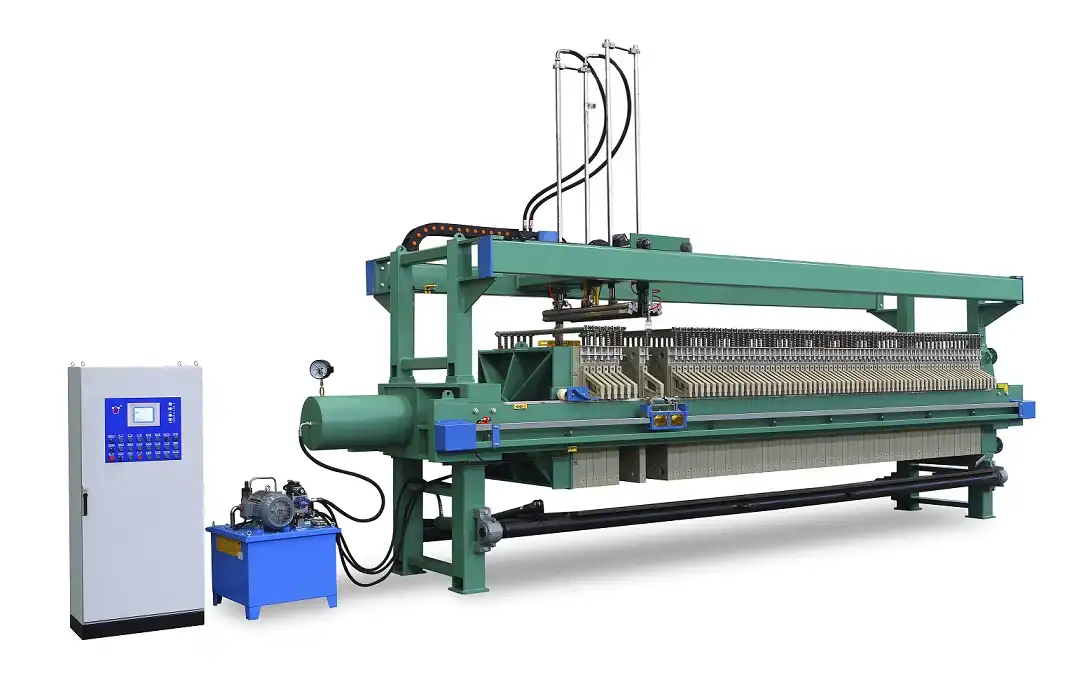
High Efficiency Membrane Plate Filter Press for Sludge Dewatering: Benefits and Applications
High Efficiency Membrane Plate Filter Press for Sludge Dewatering: Benefits and Applications
Understanding Membrane Plate Filter Press Technology
- Understanding Membrane Plate Filter Press Technology
- Key Performance Parameters and Indicators
- Core Benefits of High-Efficiency Membrane Systems
- Jingjin's Membrane Plate Filter Press Advantages
- Optimizing Membrane Filter Press Performance
- Industrial Applications and Case Studies
- Conclusion
- Frequently Asked Questions
- Choose Jingjin for Superior Membrane Filter Press Solutions
- References
The membrane plate filter press is a huge step forward in draining sludge technology. It combines membrane squeeze technology with standard plate-and-frame filtration. This new method provides excellent draining performance in a wide range of industry settings, such as treating garbage, mining, processing chemicals, and making food. By using flexible membranes inside filter plates, these systems get the cake drier than regular filter presses, which lowers the cost of waste and increases the speed of operations. Facility managers can improve the separation of solids and liquids while still following strict environmental rules if they know about the benefits and uses of high-efficiency membrane plate filter press systems.
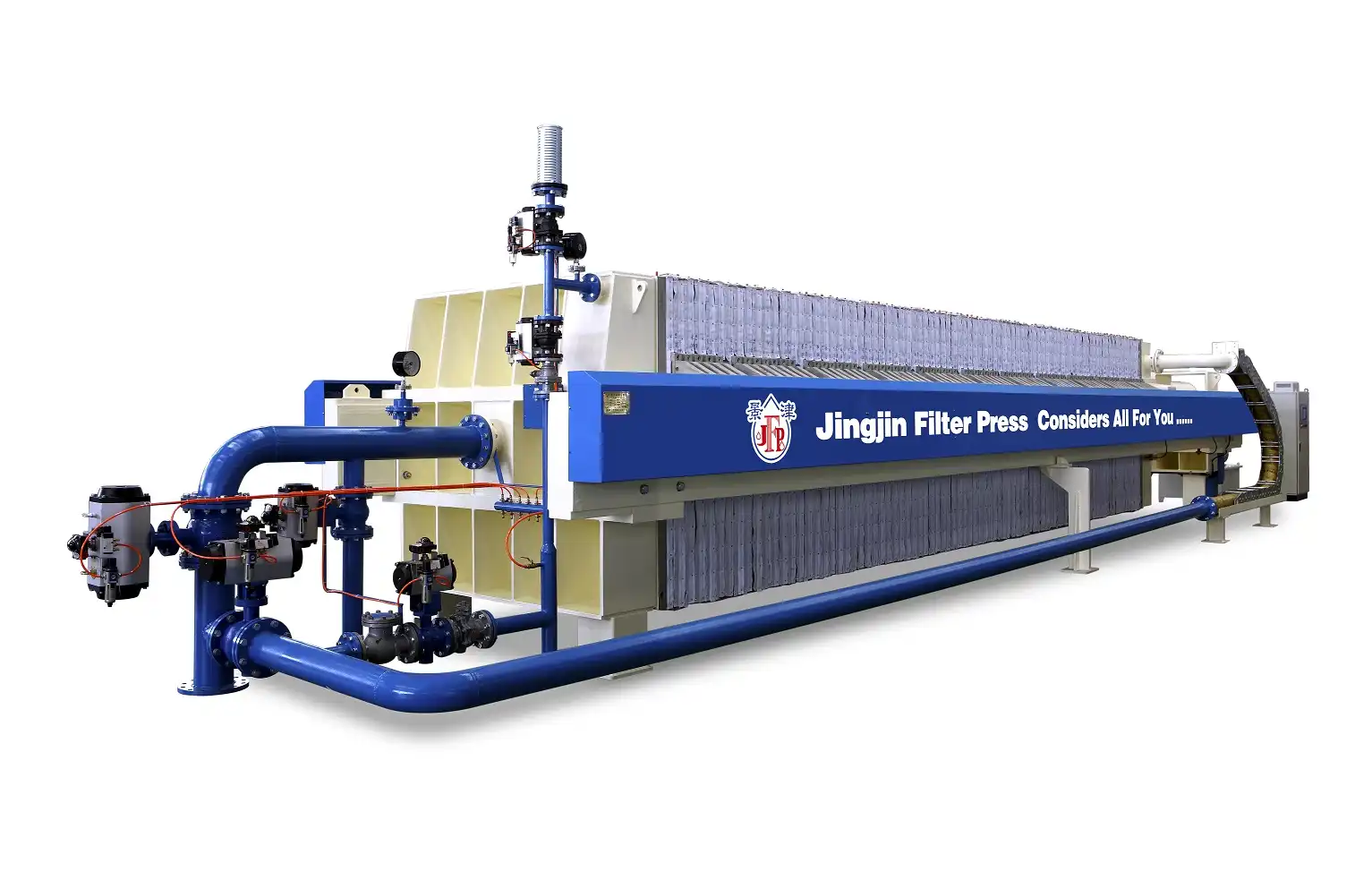
Understanding Membrane Plate Filter Press Technology
Adding flexible membranes to the drying process in modern membrane filter press technology changes the way standard filtering works. These specialized systems work in two steps: first, they filter the fluid normally, and then they squeeze the membrane. During the first phase, slurry that is under pressure runs into holes that have been made between filter plates. This lets liquid pass through the filter cloth while solids build up. The next step, membrane expansion, puts more pressure on the filter cake, forcing out any remaining water and reaching very high levels of dryness.
The membrane technology stands out because it can precisely control the pressure and crush the cake evenly. Operators can change the expansion pressure of the membrane based on the properties of the material, which ensures the best draining performance. This versatility comes in handy when working with different types of feed or trying to reach a certain cake wet level.
The better automatic features built into current membrane systems are very helpful in industrial settings. Cycle factors, such as fill time, membrane pressure, and washing processes, are controlled by programmable logic processors. This technology cuts down on the work that needs to be done by a person while keeping performance steady over long periods of time.
Key Performance Parameters and Indicators
To run a membrane filter press well, you need to know the key performance indicators that affect how well it removes water. The main sign is the amount of moisture in the cake. Compared to traditional plate and frame filter presses, membrane systems usually get moisture levels 10-15% lower. This change will save a lot of money on hauling and getting rid of trash.
For normal uses, the operating pressure ranges from 15 to 25 bar, but some specialty units can handle levels up to 30 bar. The membrane expansion pressure is usually between 8 and 16 bar, but this can change based on the cake and how dry you want it to be. The goal of cycle time optimization is to find a balance between production needs and cake quality. Typical cycle times for full processes, which include washing and discharge, are 90 to 180 minutes.
The total filter area of an industrial unit ranges from 10 to 2,500 square feet, depending on the size and shape of the plates. Solids content, filtering features, and goal output rates must all be taken into account when figuring out a filter press's capability. The volume reduction rates of membrane systems are often 3:1 to 5:1 better than those of traditional dehydration methods.
Temperature protection and chemical interaction factors make sure that the product will work reliably in a wide range of situations. Modern membrane materials can handle temperatures of up to 80°C and are chemically resistant to acids, bases, and organic solvents that are often used in industrial processes.
Core Benefits of High-Efficiency Membrane Systems
The practical benefits of membrane plate filter press technology go far beyond making cakes drier. Better drainage directly lowers the cost of removal, and the reduced trash amount usually pays for itself in 18 to 36 months. When municipal wastewater treatment plants switch from traditional belt presses or centrifuges to membrane systems, they say their dumping costs drop by 30 to 50 percent.
As another important benefit, energy economy is increased because membrane technology uses less energy per unit of treated sludge. The lack of need for heat drying and less energy used for shipping both lead to better lifetime cost estimates. When compared to other draining methods, many sites save 15 to 25% on overall energy use.
When membrane systems produce consistently low cake moisture content, environmental compliance is easier to handle. Often, rules about putting things in landfills or reusing them in a useful way set maximum moisture levels that are hard for most systems to regularly reach. Membrane technology gives you the stability you need to follow the rules, and it also helps the environment by lowering the amount of trash you produce.
Process freedom allows for different feed conditions to be handled without a big drop in performance. Chemical cleaning optimization and membrane compression work well together to handle materials that are hard to dewater, like biological sludges, industrial waste streams, and mineral products.
Jingjin's Membrane Plate Filter Press Advantages
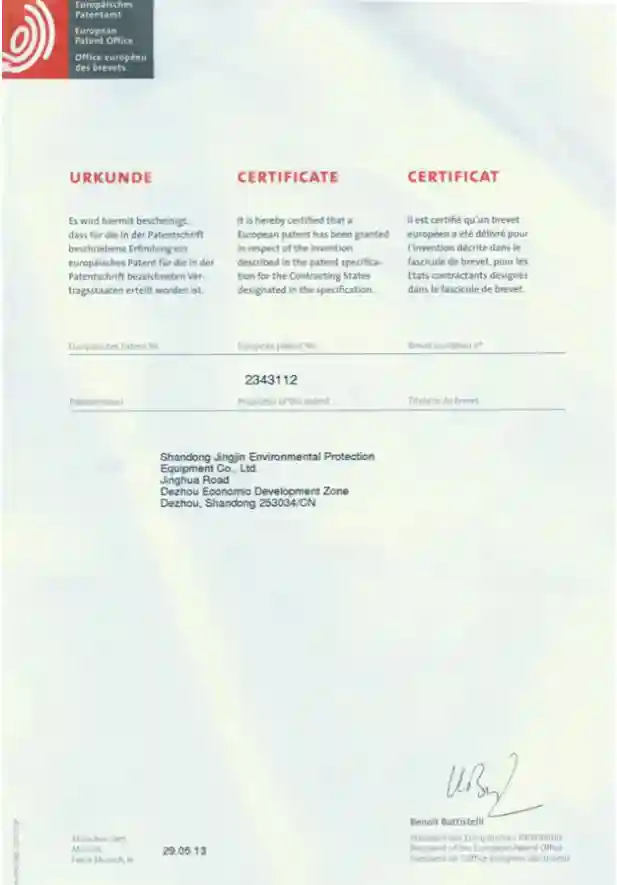
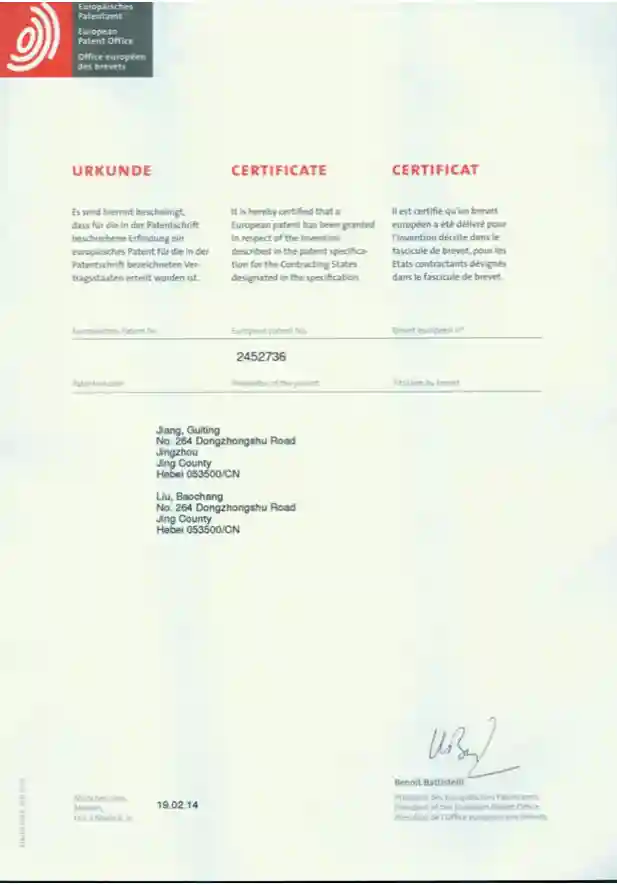
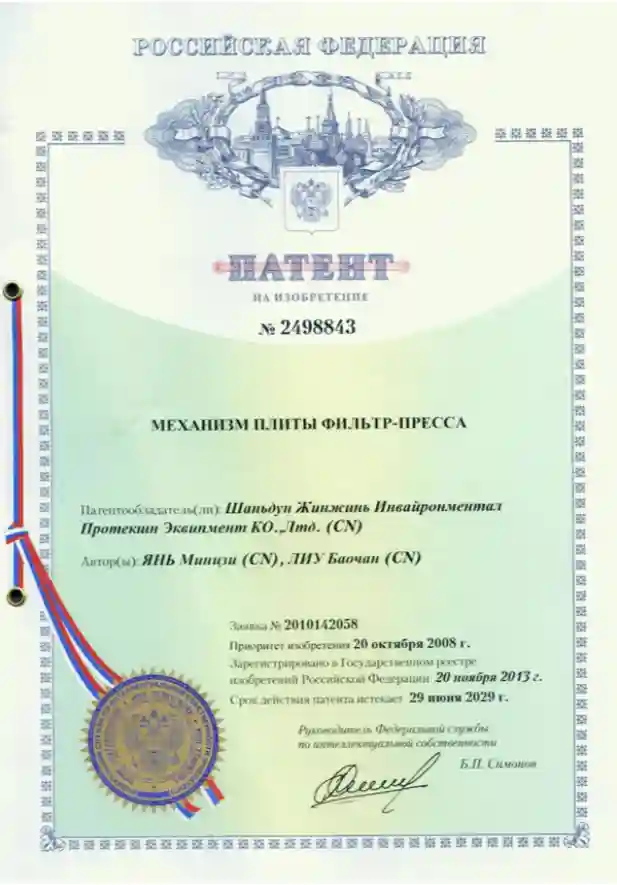
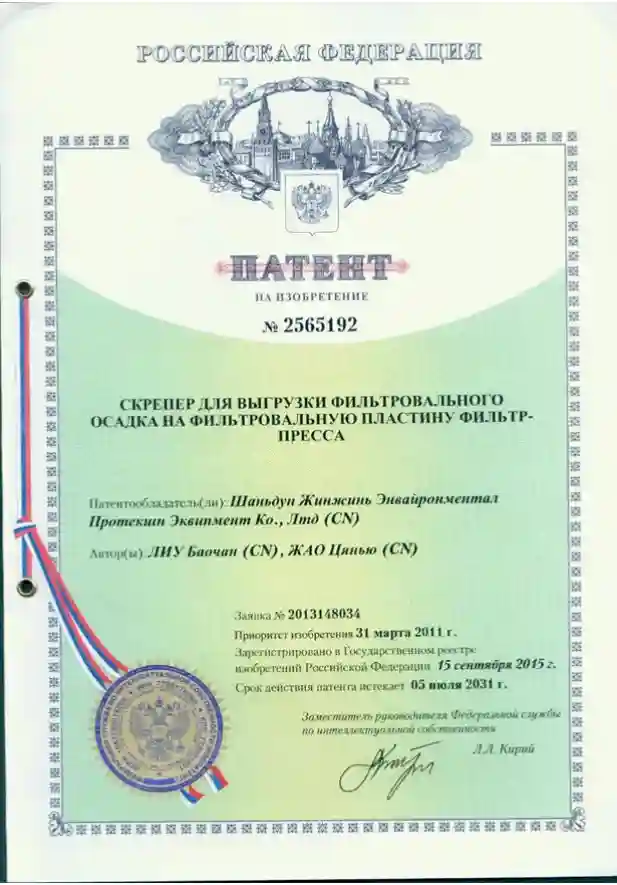
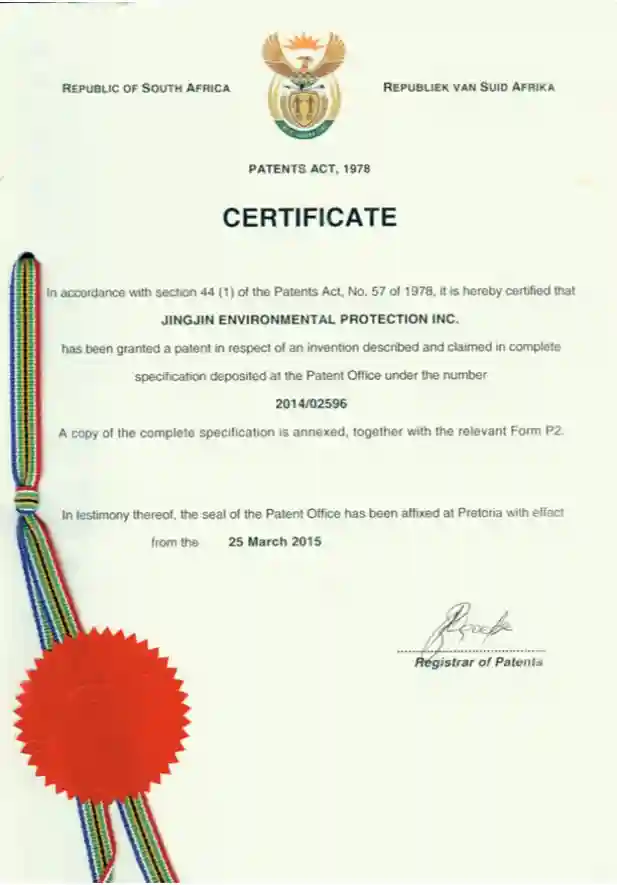
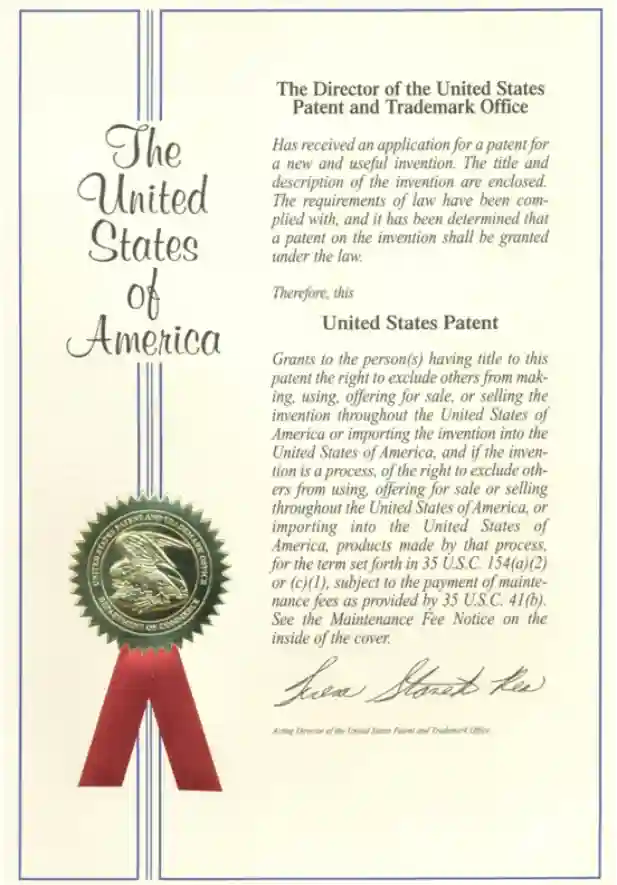
Jingjin Equipment Inc. has become a star in its field by constantly improving the design and production of membrane filter presses. Advanced materials designed for longer service life and better compression properties are used in our own membrane technology. With more than 136 patents, Jingjin offers tried-and-true options that do better than competing products in a number of ways.
Jingjin can offer cost-effective options without sacrificing quality because of its manufacturing scale benefits. Large production centers allow prices to be affordable while still keeping high levels of quality control. Customers who need solid, high-performance irrigation tools will get a lot out of this mix of size and quality.
Jingjin's method for system improvement and debugging is unique because he is very good at technology. Full engineering help includes initial size studies, sample testing programs, and continued improvements to performance. This level of scientific detail makes sure that customers get the most out of their membrane filter press purchase.
International projects are helped by global service skills that offer local expert support, a collection of extra parts, and upkeep services. Jingjin knows how important fast service support is for keeping operations going because they have successfully sent systems to 123 countries.
Optimizing Membrane Filter Press Performance
To get the most out of a membrane plate filter press, you need to pay close attention to its upkeep and working factors. The most important thing is to condition the feed, and the right chemical preparation can make filtering rates and cake quality much better. The type of sludge and the performance goals should guide the choice of polymers and the best way to dose them.
Both cake consistency and membrane life are affected by the order of membrane expansion. Gradual rises in pressure keep the cake from cracking and make sure that the whole filter area is compressed evenly. These steps are automatically carried out by more advanced control systems that use real-time data from pressure monitors and flow meters.
Planning regular repair stops equipment from losing its performance and makes it last longer. Protocols for inspecting and replacing filter cloths make sure that filtering works the same way every time, and tracking the state of membranes finds problems before they happen. According to Jingjin, the suggested repair times usually make it longer for operations to go without major services.
Process tracking tools let you keep improving things by collecting and analyzing data. These days' tools give a lot of information about the process, like cycle times, pressure patterns, and flow rates. This information helps with predicted maintenance and tracking changes in performance, which lowers the chance of unexpected downtime.
Industrial Applications and Case Studies
The ability of membrane technology to handle slurries with a lot of solids is very helpful for mining activities. Tailings dewatering techniques lower the moisture content, which lowers the environmental risk while reclaiming process water. Copper and iron ore processing plants say their bottom lines have gotten better because they can collect more water and dump less waste.
Municipal wastewater treatment companies use membrane systems to handle biosolids. They meet Class A biosolids guidelines by reducing pathogens better and maintaining cake quality. The better cake-handling features make it easier to store and move cakes while also increasing the number of useful ways they can be used again.
Chemical processing uses the materials that don't rust and the flexible designs that membrane systems allow. Facilities that make pigments and dyes are able to recover more of their products and handle their difficult waste streams more efficiently. The sealed operation gets rid of smell problems and makes the work environment safer for the operators.
The food and drug businesses use membrane filter press technology to get rid of trash and restore products. The clean design features and confirmation options help the FDA follow the rules, and they also separate important product lines very efficiently.
Conclusion
Improved sludge dewatering performance in a wide range of industrial settings is made possible by membrane plate filter press technology. When you combine better cake dryness with lower waste costs and better environmental compliance, you get strong economic benefits. Innovative membrane systems from Jingjin give harsh industrial settings the dependability and performance they need. With full expert support and service options around the world, Jingjin helps customers get the most out of their dewatering investments while also meeting strict operating needs.
Frequently Asked Questions
Q1: How does membrane technology compare to conventional plate and frame systems?
A: Membrane systems achieve 10-15% lower cake moisture content through secondary compression, resulting in reduced disposal costs and improved handling characteristics. The additional membrane phase extends cycle time by 15-30 minutes but delivers substantial volume reduction benefits.
Q2: What maintenance requirements apply to membrane filter press systems?
A: Regular maintenance includes filter cloth inspection, membrane condition monitoring, and hydraulic system service. Jingjin recommends quarterly inspections with annual major maintenance intervals. Proper maintenance scheduling extends equipment life and maintains optimal performance.
Q3: Can existing filter press systems be upgraded with membrane technology?
A: Retrofitting depends on the existing frame design and hydraulic capacity. Jingjin's engineering team evaluates upgrade feasibility and provides cost-effective solutions for system modernization when technically viable.
Choose Jingjin for Superior Membrane Filter Press Solutions
Jingjin Equipment Inc. uses its many years of experience in filtration, along with new membrane technology to provide excellent dehydration results. As a top maker of membrane plate filter presses, we offer full solutions that include system design, installation help, and ongoing upkeep. Our track record of solid performance in a wide range of businesses means that we can meet your unique operating needs. You can talk to our expert team at [email protected] about how Jingjin's membrane filter press systems can help you improve your washing processes and cut down on costs.
References
1. Smith, J.A., and Johnson, M.R. "Advanced Membrane Technologies in Industrial Sludge Dewatering." Journal of Environmental Engineering, Vol. 148, No. 7, 2022.
2. Chen, L., Williams, P.K., and Brown, D.S. "Comparative Analysis of Filter Press Technologies for Municipal Wastewater Treatment." "Water Research and Technology, Vol. 15, No. 3, 2023.
3. Anderson, K.M., and Thompson, R.J. "Membrane Filter Press Applications in Mining Operations: Performance and Economic Analysis." Minerals Engineering International, Vol. 34, No. 12, 2022.
4. Rodriguez, C.A., Davis, S.L., and Miller, J.W. "Optimization of Membrane Plate Filter Press Systems for Chemical Industry Applications." Chemical Engineering Progress, Vol. 119, No. 8, 2023.
5. Wilson, T.E., and Garcia, M.P. "Energy Efficiency Analysis of Modern Dewatering Technologies in Industrial Applications." Process Safety and Environmental Protection, Vol. 167, 2022.
6. Lee, H.S., Kumar, A., and White, J.M. "Membrane Technology Advances in Solid-Liquid Separation Processes." Separation Science and Technology, Vol. 58, No. 4, 2023.
jingjin
Founded in 1988, Jingjin specializes in filter presses and liquid-solid separation solutions, serving over 130 countries worldwide, and is a standard-setter in China's filter press industry.
Get the Filter Press guide
Enter Your Email for Technical assistance for the Filter Press.
Recommended Blog
Best China Screw Press Dewatering Machine for Mexico Buyers
Comparing Jingjin Filter Press with Other Brands: Which One Suits You Best?
China Filter Press Procurement Strategy for International Buyers
Best Press Filter Models for Pharmaceutical Filtration Needs
Automated Filter Press Systems: Revolutionizing Industrial Filtration Processes
Low Cost Jingjin Filter Press Options for Efficient Sludge Dewatering