Top Maintenance Tips to Keep Your Filter Press Machine Running Smoothly
Understanding the Basics of Filter Press Machine Maintenance
- Understanding the Basics of Filter Press Machine Maintenance
- Maintenance Tips to Maximize Filter Press Machine Performance
- Troubleshooting Common Filter Press Machine Issues
- Comparing Filter Press Maintenance with Other Solid-Liquid Separation Equipment
- Enhancing Long-Term Performance: Maintenance Planning and Supplier Support
- Conclusion
- FAQ
- Partner with Jingjin for Expert Filter Press Support and Reliable Equipment
- References
To achieve excellent solid-liquid separation performance, a filter press machine needs constant attention and strategic planning. These massive machines dewater slurries, clarify liquids, and recover precious solids using stacked filter plates, specialized cloths, and hydraulic systems. Even high-tech filtering systems can lose cake dryness, pressure, and incur unscheduled downtime without adequate maintenance. This article provides process engineers, plant managers, and procurement experts with actionable maintenance techniques for mining, wastewater treatment, chemical production, and related industrial settings that require continuous, efficient operation.

Understanding the Basics of Filter Press Machine Maintenance
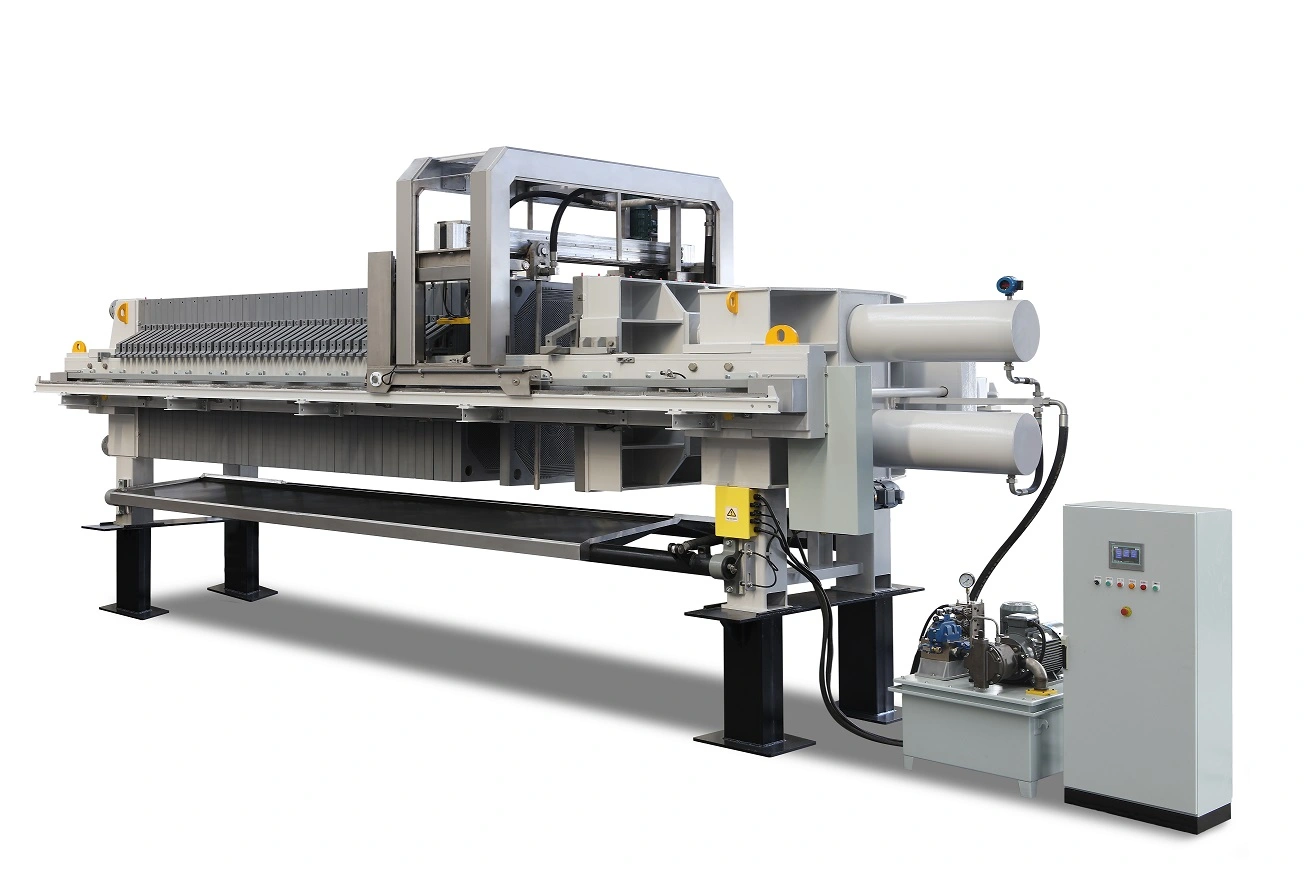
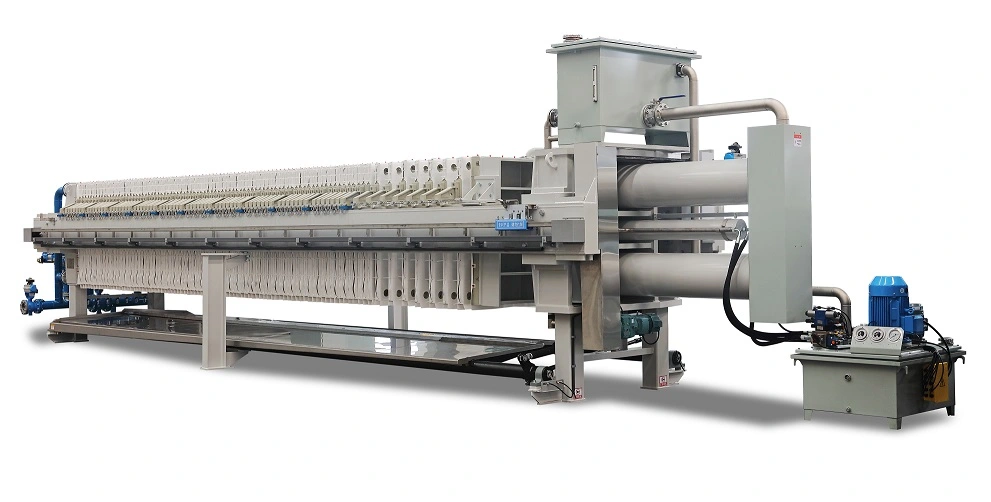
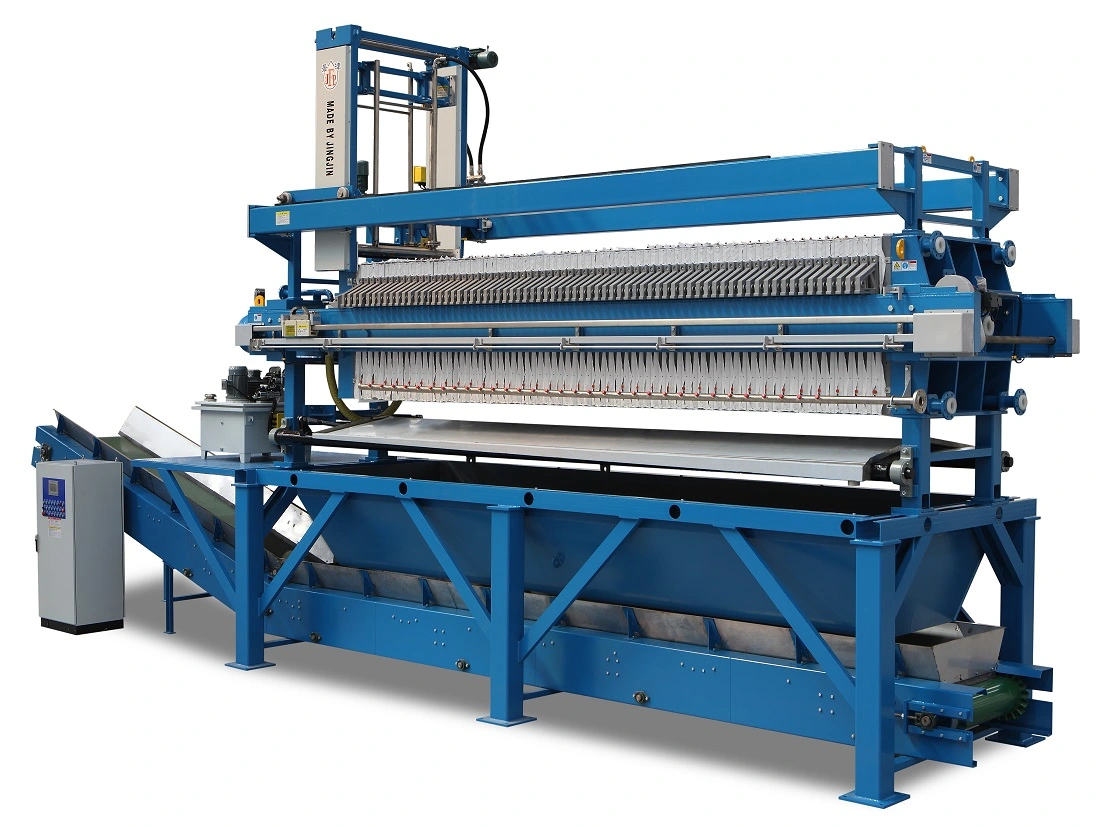
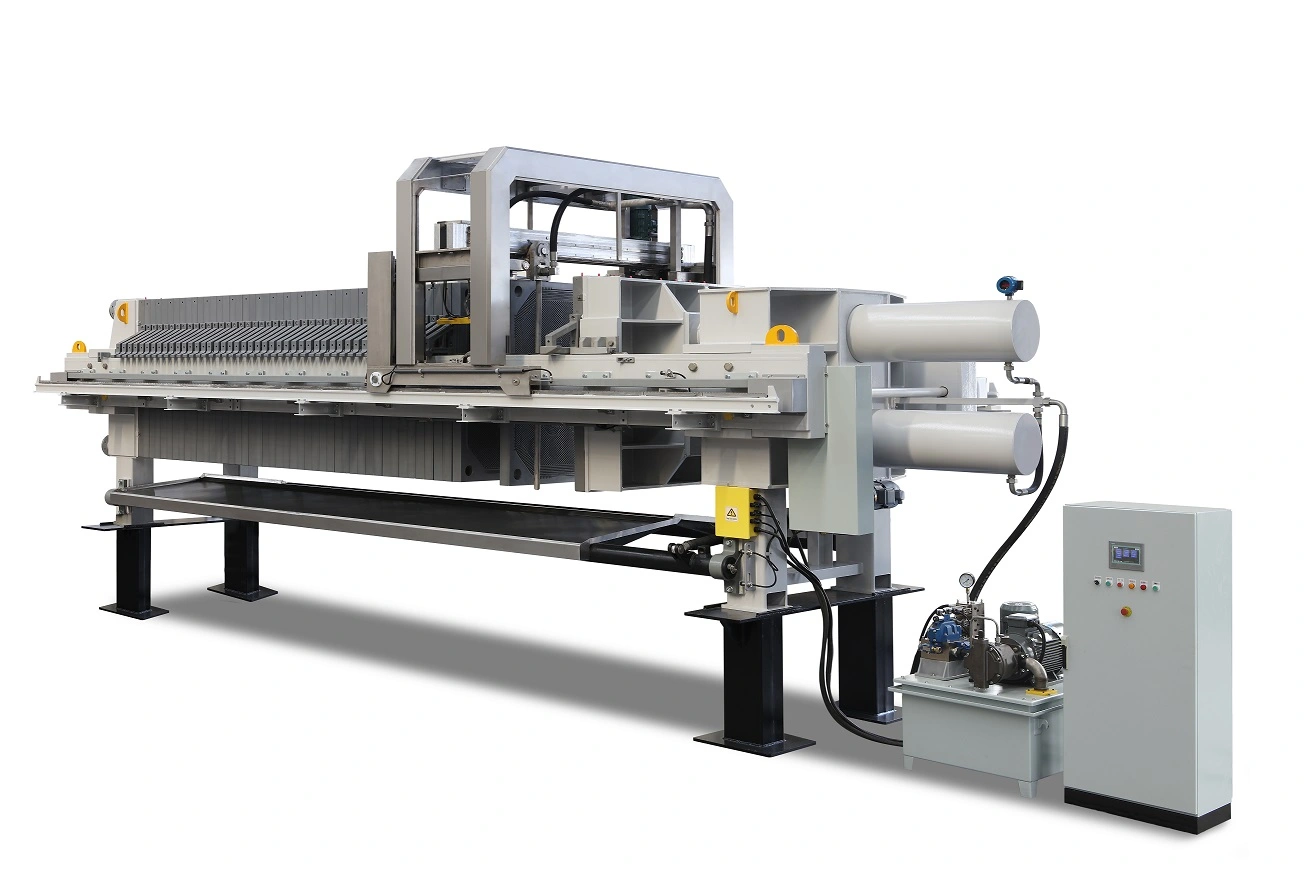
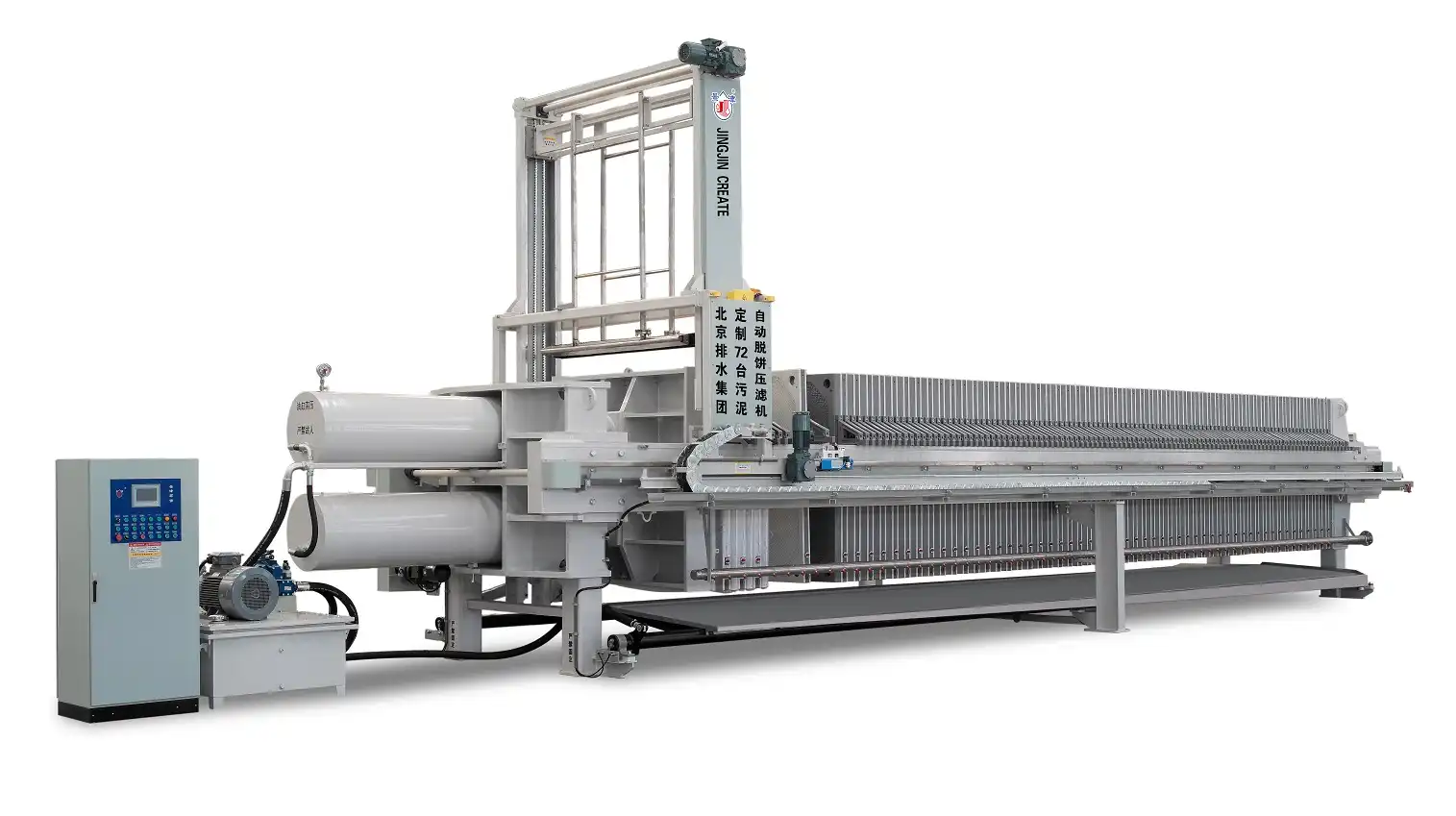
Filter presses separate solids and liquids using filter plates, filter cloths, and hydraulic systems, which need frequent maintenance. These elements form sealed chambers where slurry is forced under pressure through a fabric medium, leaving particles as a cake on plate surfaces. Understanding this fundamental procedure helps maintenance staff spot possible issues before they cause big interruptions.
Key Components Requiring Regular Attention
Filter plates made of reinforced polypropylene (RPP) or PVDF may tolerate strong chemical conditions, but uneven pressure distribution or heat shock might shatter them. Wear, blinding, and chemical deterioration are inevitable for filter cloths, the fundamental separating medium. Clamping force from the hydraulic system seals chambers and maintains pressure during filtering. Each component needs a maintenance regimen according to the materials and function.
Preventive Versus Corrective Maintenance Philosophy
Preventive maintenance reduces downtime and extends equipment life by scheduling inspections, cleaning, and part replacements. Corrective maintenance typically causes emergency repairs, production halts, and secondary component damage once problems arise. Preventive techniques enable predictable budgeting, reduce safety concerns, and maintain regular throughput rates that affect profitability in modern industrial processes.
Maintenance Tips to Maximize Filter Press Machine Performance
Structured maintenance for the filter press machine improves equipment dependability and efficiency. Based on decades of industrial filtering expertise across varied applications, the following seven solutions for filter press machines solve the most pressing issues. One properly maintained filter press machine can significantly outperform neglected systems in both durability and throughput.
Inspect and Clean Filter Plates Regularly
Residual cake material, chemical coatings, and particle matter on filter plates damage sealing surfaces and cause uneven pressure distribution during succeeding cycles. All plate openings should be visually inspected for cracks, warping, and gasket damage. High-pressure water washing or automated spray systems eliminate buildup, while pH-appropriate chemical cleaning dissolves tenacious deposits. One damaged plate can leak over numerous chambers, lowering system efficiency; they must be replaced immediately.
Monitor Hydraulic System Health Continuously
Standard hydraulic systems create 0.6 MPa, whereas high-pressure membrane squeezing designs generate 4.0 MPa. Hydraulic fluid quality impacts piston seal life, valve response, and pressure stability. Weekly fluid checks, quarterly viscosity tests, and manufacturer-specified hydraulic oil replacement every 2,000 to 4,000 operating hours are maintenance duties. Piston seal wear causes slow pressure loss or oil leaking around the cylinder assembly. Replace seals to prevent filter contamination and catastrophic hydraulic failure.
Implement Predictive Performance Testing
Perform regular performance testing to establish cycle time, cake moisture, filtrate clarity, and pressure profiles. Deviations from baselines reveal issues before operational breakdowns. Methodically recording data allows trend analysis to detect progressive degradation in textiles or seals. Digital monitoring systems with pressure transducers, flow meters, and moisture analyzers give real-time input for predictive maintenance to avoid unexpected downtime.
Maintenance techniques that increase component lifespan, improve separation efficiency, and comply with regulations decrease operating expenses. Compared to reactive maintenance, comprehensive maintenance programs save downtime by over 40% and enhance cake moisture by 5–10%.
Troubleshooting Common Filter Press Machine Issues
Even well-maintained systems have operational issues that require thorough diagnosis and solutions. Maintenance staff can quickly restore functionality by understanding typical failure types and their causes. Proper troubleshooting ensures the filter press machine returns to service with minimal delay.
Diagnosing and Addressing Hydraulic Pressure Loss
Sudden compression pressure dips on a filter press machine signal seal failures, valve problems, or hydraulic fluid leaks. Over several cycles, pressure decline on the filter press machine shows worn piston seals or valve leakage. Isolating hydraulic circuits, pressure-testing components, and examining seals for damage or hardness are maintenance procedures for the filter press machine. Replace seals on the filter press machine during planned maintenance to avoid emergency failures during crucial production periods.
Resolving Filtration Cloth Blinding and Premature Wear
Fine particles embedded firmly in fabric pores cause cloth blinding, lowering permeability beyond washing. Chemical compatibility concerns between process ingredients and fabric fibers induce premature deterioration. Switching to polypropylene, polyester, or PTFE-coated textiles meets chemical resistance needs. Permeability is restored before irreparable damage by changing washing techniques or frequency.
Fixing Plate Leakage and Sealing Failures
Gasket damage, broken plate surfaces, or inadequate compressive force cause plate leakage. Visual examination detects cracks and gasket degeneration, while pressure testing verifies hydraulic system performance. Replace broken gaskets quickly to prevent slurry contamination of neighboring chambers and preserve system pressure.
Comparing Filter Press Maintenance with Other Solid-Liquid Separation Equipment
Understanding alternative technology maintenance needs guides equipment selection and lifecycle cost planning. Filter press machines are more durable and simple than centrifuges and belt filter presses.
Maintenance Simplicity and Downtime Considerations
Since filter presses have fewer moving parts than centrifuges, substantial overhauls are less frequent. Filter press maintenance cycles last 5,000 to 10,000 hours, whereas centrifuges need bearing replacements, bowl inspections, and seal cleaning every 2,000 to 4,000 hours. Extended service intervals minimize labor expenses and increase production availability.
Hydraulic Filter Presses Versus Manual Systems
Plate opening, cake discharge, and plate closure are automated by hydraulic systems, simplifying maintenance and boosting safety. Manual presses need regular examination of mechanical closing mechanisms, chains, and manual hydraulic pumps, which create failure spots. Hydraulic automation's initial investment yields ten-year maintenance savings of approximately 25%.
Tailoring Maintenance to Industry-Specific Demands
Mines with abrasive tailings slurries need cloth replacement and plate inspections more often than pharmaceutical manufacturing fine chemical intermediates. To meet cake moisture content regulations, municipal wastewater treatment plants prioritize membrane squeeze system maintenance for dewatering biological sludge. App-specific variations allow tailored maintenance schedules to maximize resource utilization.
Enhancing Long-Term Performance: Maintenance Planning and Supplier Support
Strategic maintenance planning for every filter press machine includes lifecycle management and supplier collaborations beyond everyday operations. Successful programs enhance asset value using predictive technology, disciplined scheduling, and dependable parts procurement for every filter press machine in the fleet.
Developing Customized Maintenance Schedules
Different installations have different production intensity, feed qualities, and climatic circumstances, requiring specific maintenance intervals. High-volume mining operations that cycle every two hours require daily inspections and weekly component service, whereas intermittent batch chemical processing may require monthly inspections. For precise scheduling, digital maintenance management systems measure running hours, cycle counts, and previous failure trends.
Leveraging Digital Monitoring for Predictive Maintenance
Advanced installations monitor system health using pressure sensors, temperature monitors, and textile permeability testers. Data analytics tools detect abnormalities, anticipating component breakdowns days or weeks before operations. This predictive capacity lets maintenance teams purchase replacement components, schedule interventions during scheduled production breaks, and avoid supply chain-disrupting emergency shutdowns.
Selecting Reliable Suppliers and OEM Support
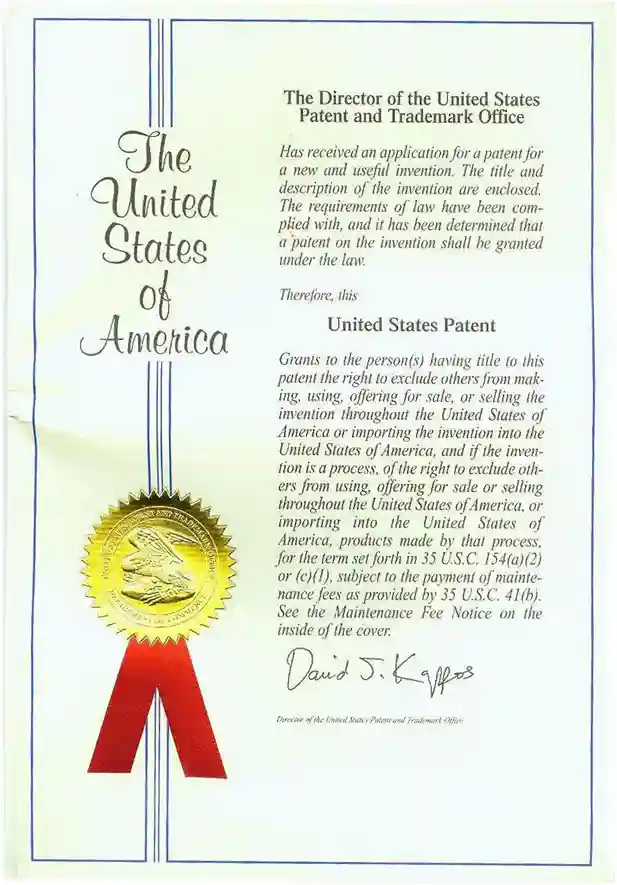
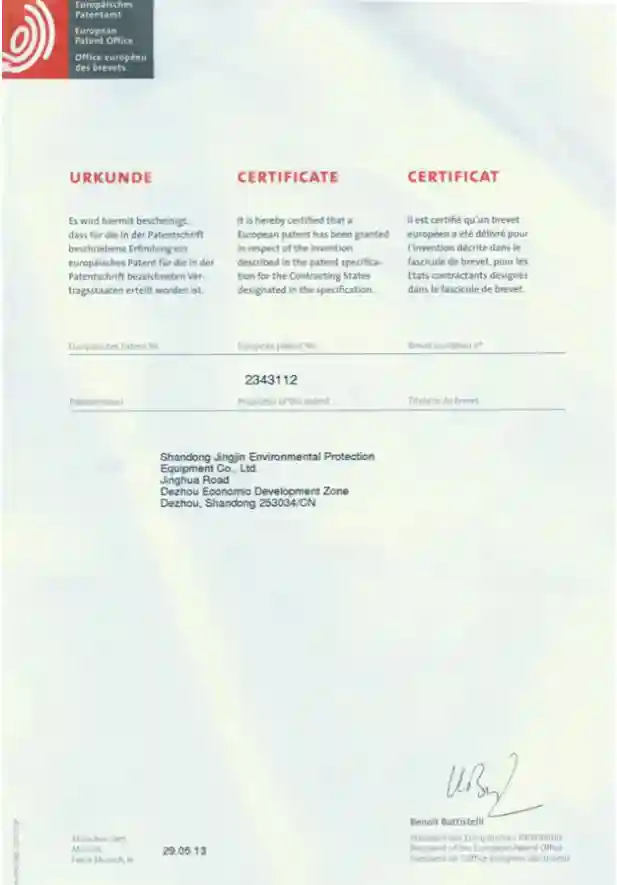
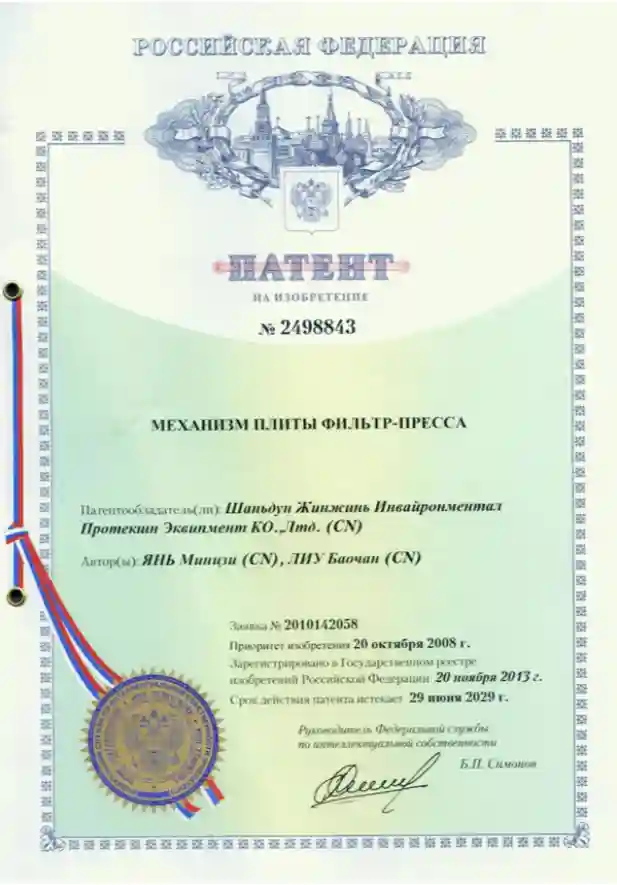
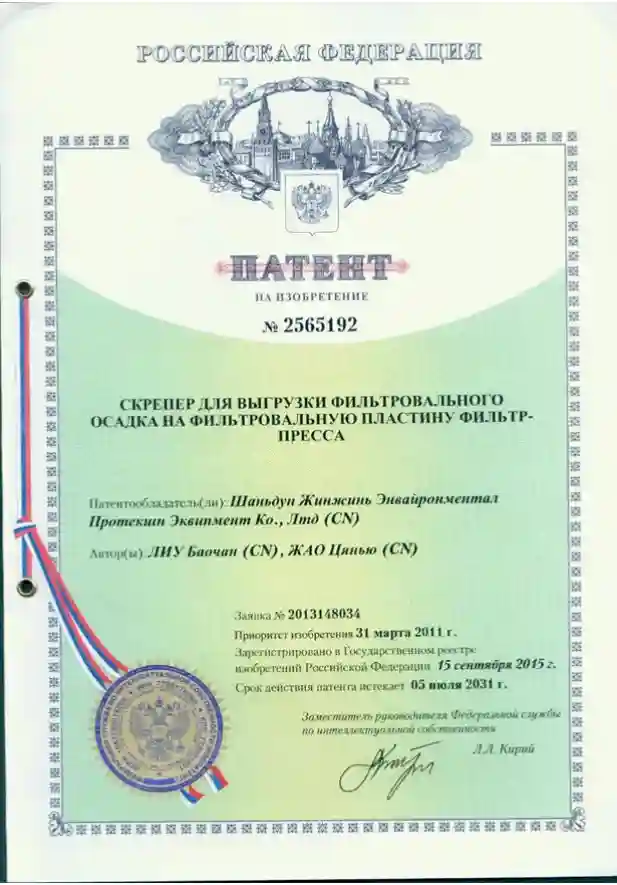
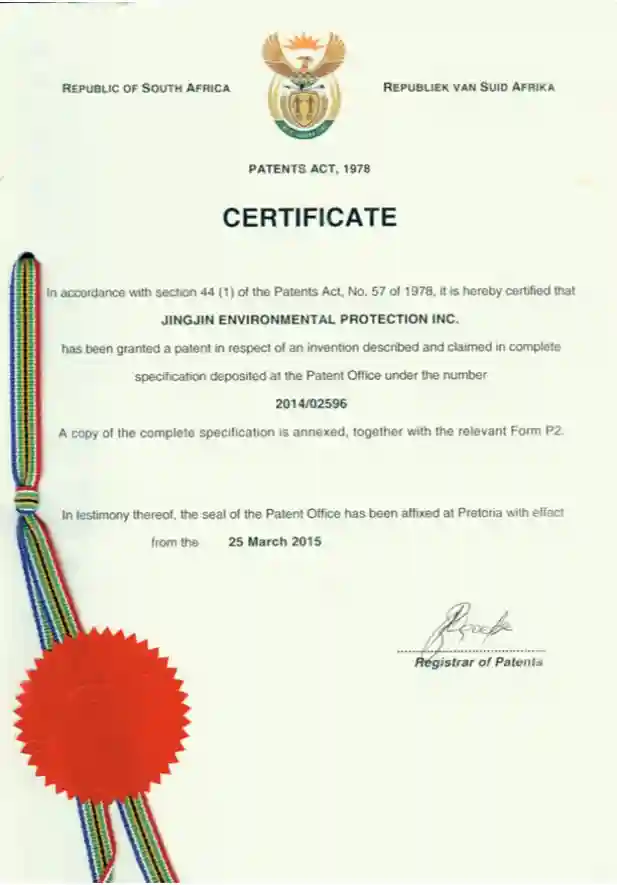
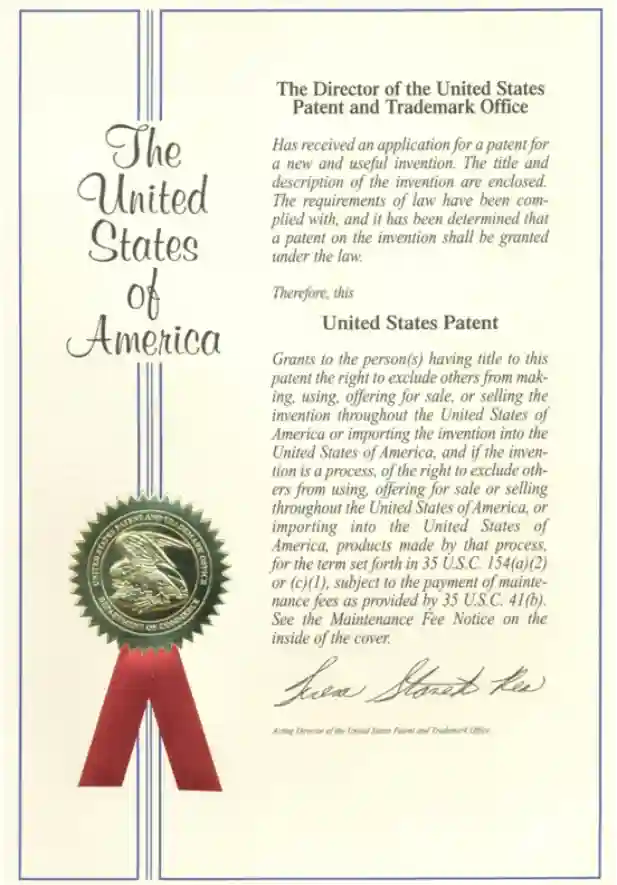
Working with recognized manufacturers ensures access to original-specification replacement components. Fake parts can break early, voiding warranties and posing safety issues. Manufacturers with worldwide service networks, extensive documentation, and technical support hotlines aid troubleshooting and emergencies. Jingjin Equipment Inc., formed in 1988 and serving 123 countries, shows the significance of manufacturing relationships. With over 136 patents and vast expertise in mining, chemical processing, and wastewater treatment, Jingjin provides engineering assistance, authentic spare parts, and customized solutions for challenging industrial needs. This knowledge is especially useful when adjusting maintenance procedures to distinct operating difficulties.
Conclusion
Solid-liquid separation equipment needs systematic attention to filter plates, cloths, hydraulic systems, and operating parameters to work well. From frequent inspections and cleaning to predictive monitoring and supplier collaborations, these seven maintenance solutions cover the most important aspects of filter press care. These approaches increase uptime, cake dryness, regulatory compliance, and lifetime costs in plants. Avoid costly emergency repairs tomorrow by investing in preventative maintenance to maintain productivity and maximize filtering asset return.
FAQ
1. How often should filter press maintenance be performed?
Operating intensity and process parameters determine maintenance frequency. Daily visual inspections, weekly hydraulic checks, and monthly cloth servicing optimize high-cycle operations. Low-frequency batch operations may require weekly inspections and quarterly component maintenance. Working hours and cycle counts are more accurate than calendar-based intervals for scheduling.
2. What causes excessive moisture in filter cakes?
Insufficient feed pressure, membrane squeezing time, or blinded filter cloths reduce permeability, causing high cake moisture. Check feed pump performance against system pressure, lengthen squeeze cycles, and chemically wash the cloth to restore permeability. Process variations alter slurry properties and ultimately moisture content.
3. When should filter cloths be replaced?
When washing loses permeability, holes or rips emerge, or chemical deterioration weakens fibers, replace the clothes. Depending on abrasiveness, chemical compatibility, and washing efficacy, cloth lasts 1,000–3,000 cycles. Having extra fabric avoids manufacturing delays when replacement is needed.
Partner with Jingjin for Expert Filter Press Support and Reliable Equipment
Maintaining solid-liquid separation assets demands technical skill and quality parts. Over three decades of engineering innovation and global project experience make Jingjin Equipment Inc. a reputable filter press machine manufacturer. Our complete assistance includes bespoke maintenance planning, authentic spare parts for all important components, and expert consulting for your operating difficulties. Our team provides high-pressure filtration for mining tailings, corrosion-resistant chemical processing systems, and membrane squeeze technology for municipal sludge dewatering with 136 patents and installations in 123 countries.
Reach out to [email protected] to discuss your maintenance needs, request genuine replacement parts, or explore advanced filter press systems designed for maximum reliability. Discover how partnering with an established manufacturer ensures long-term operational excellence and minimized lifecycle costs.
References
1. Perry, R. H., & Green, D. W. (2018). Perry's Chemical Engineers' Handbook (9th ed.). McGraw-Hill Education.
2. Svarovsky, L. (2000). Solid-Liquid Separation (4th ed.). Butterworth-Heinemann.
3. Wakeman, R. J., & Tarleton, E. S. (2005). Solid/Liquid Separation: Principles of Industrial Filtration. Elsevier Science.
4. Sutherland, K. (2008). Filters and Filtration Handbook (5th ed.). Elsevier.
5. Cheremisinoff, N. P. (1998). Liquid Filtration (2nd ed.). Butterworth-Heinemann.
6. Tarleton, S., & Wakeman, R. (2007). Solid-Liquid Separation: Scale-up of Industrial Equipment. Elsevier Science.
jingjin
Founded in 1988, Jingjin specializes in filter presses and liquid-solid separation solutions, serving over 130 countries worldwide, and is a standard-setter in China's filter press industry.
Get the Filter Press guide
Enter Your Email for Technical assistance for the Filter Press.
Recommended Blog
Maintenance Tips for Dewatering Press Machines to Maximize Lifespan
Essential Maintenance Tips for Press Filters in Industrial Plants
Top China Screw Dewatering Machine Suppliers for Asia Markets