Filter Press Cloth Maintenance Tips: Prolonging Lifespan and Efficiency
Filter Press Cloth Maintenance Tips: Prolonging Lifespan and Efficiency
Understanding Filter Press Cloth and Common Maintenance Challenges
- Understanding Filter Press Cloth and Common Maintenance Challenges
- Key Maintenance Tips to Prolong Filter Press Cloth Lifespan
- Best Cleaning Methods for Filter Press Cloths
- Choosing the Right Filter Press Cloth: Maintenance and Material Considerations
- Procuring Filter Press Cloths: What B2B Buyers Should Know
- Conclusion
- FAQ
- Partner with Jingjin for Superior Filter Press Cloth Solutions
- References
Maintaining the filter press cloth is crucial for industrial solid-liquid separation. These filter media are used in waste treatment, mining, chemical production, and medication production. Filter press cloths filter well, last longer, and cost less when properly maintained. Plant managers and purchasing personnel may maximize their filtering investments and maintain production standards by understanding cloth maintenance, such as cleaning and material selection.
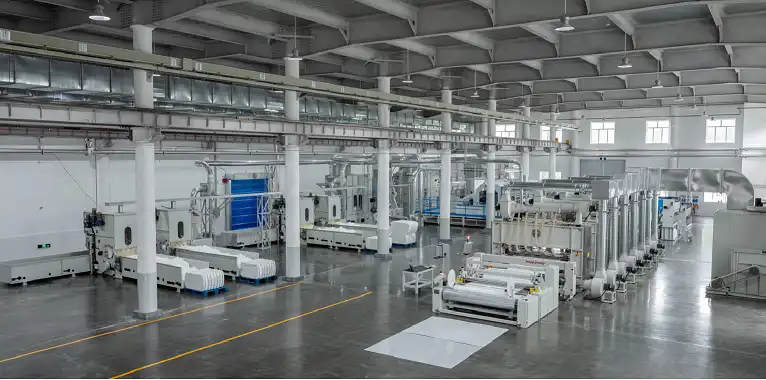
Understanding Filter Press Cloth and Common Maintenance Challenges
Learn about filter press cloth and common problems that come up during maintenance.
Industrial separation systems use filter press cloths as the principal filtering barrier. They remove thick slurries and make firm cakes that are simple to handle. Most engineered textiles are made of polyester, polypropylene, or PTFE-coated polymers. Each works in a certain chemical environment and under various pressures. These cloths filter millions of gallons of water daily, so they must perform effectively to keep the facilities operating.
Material Composition and Performance Characteristics
Use precise weaving patterns and appropriate materials to manufacture high-quality filter cloths. Polyester filters are durable and chemical-resistant, making them ideal for general usage. Polypropylene is acid-resistant and cost-effective for high-volume procedures. Pharmaceutical and food processing facilities benefit from PTFE-coated textiles' ability to repel and release chemicals.
Industrial facilities have several ongoing maintenance concerns that might affect fabric performance. Most problems include fouling. It occurs when pieces stick to cloth and reduce permeability. Chemically aggressive process fluids degrade fiber structures over time. High-pressure activities wear down fibers. Temperature changes worsen these issues since they impact the material's flexibility and chemical resistance.
Root Causes of Premature Cloth Failure
By knowing how things break, you may plan preventive maintenance to extend clothing life. When pre-filtration is wrong, big particles may damage fabric fibers, and improper chemical dosing creates harsh conditions that accelerate deterioration. Mechanical harm from improper installation and cleaning spreads while the equipment is used. All of these items cause costly downtime and repair cycles that strain maintenance finances.
Key Maintenance Tips to Prolong Filter Press Cloth Lifespan
Important Maintenance Tips to Make Filter Press Cloth Last Longer
Systematic maintenance improves fabric durability and filtration. Good programs combine inspections with preventive care to repair issues before they influence operations. These technologies have performed effectively in mines with abrasive slurries and pharmaceutical factories with rigorous filter specifications.
Inspection and Monitoring Protocols
Regular fabric checks are key to effective repair strategies. Visual inspections reveal wear, chemical assault, and mechanical damage that needs repair. By evaluating filter rates and cake moisture content, you may assess the cloth's condition and change. Written-down results may be used to make replacement decisions that optimize cloth usage while maintaining quality.
Structured tracking strategies ensure filter unit evaluation consistency. Weekly visual assessments reveal damage or fouling that needs immediate repair. Monthly performance parameters track filtering efficiency and cake release. Every three months, the filter press cloth is thoroughly inspected to estimate its lifespan. This aids inventory and procurement management.
Proper Handling and Storage Techniques
The appropriate approach to treating fabric prevents mechanical damage that greatly reduces its lifespan. Teaching caregivers how to position and remove items helps prevent fabric damage. Keeping worthless garments under regulated conditions prevents UV damage, water absorption, and contaminants that might influence their performance.
The preserving atmosphere affects the cloth's condition and shelf life. Temperature controls prevent material breakdown and keep textiles flexible. Mold and fiber breakdown may be prevented by controlling humidity. Avoid direct sunlight to prevent UV damage that degrades synthetic fibers. Cleaning storage rooms prevents the introduction of foreign particles into filter operations.
Best Cleaning Methods for Filter Press Cloths
The best ways to clean filter press cloths
Good laundry keeps garments porous and extends their lifespan. Regular washing is fine for regular maintenance, but modern cleaning procedures may remove difficult dirt. The correct cleaning procedures for the fabric and contaminants will get the greatest results without hurting it.
Traditional Cleaning Approaches
Manual cleaning with the correct chemicals removes surface grime and loose debris. The process may continue after high-pressure water sprays remove things from textile pores, making them permeable again. These methods work for regular maintenance if the dirt is minimal and the cloth can withstand mechanical force.
Chemical cleansers eliminate pollutants that can't be physically removed. Acidic cleansers dissolve mineral layers and scale, whereas alkaline cleaners remove organic debris and biological growth. Choose cleaning products that work well together to remove dirt and grime without damaging the fabric. Correct reduction and washing remove chemicals that might harm the following filter.
Advanced Cleaning Technologies
High-frequency ultrasonic cleaning methods remove small particles from fabric fibers without stressing them. This method is ideal for fragile PTFE-coated fabrics that require gentle handling to maintain their surface quality. It removes entrenched filth that ordinary washing can't and doesn't harm the fabric throughout numerous cleanings.
Multiple technologies in automated cleaning systems improve garments while reducing effort. These systems simultaneously utilize pressure washing, chemical treatment, and ultrasonic cleaning in pre-set regimens for each kind of contamination. Regular cleaning parameters ensure that all cloth units obtain the same results and prevent operator variance that might impair cloth cleaning.
Choosing the Right Filter Press Cloth: Maintenance and Material Considerations
How to Choose the Right Filter Press Cloth: Material and Care Factors
Strategic clothing selection affects company costs and maintenance. Maintenance may be done less regularly while still achieving the greatest filtering results by adjusting fabric qualities to application demands. Knowing a material's qualities and how they impact its maintenance helps you make wise purchases that will improve your business's efficiency.
Material Selection Criteria
Application demands determine material selection, which influences maintenance frequency and difficulty. Chemical compatibility keeps the fabric stable in process settings, and temperature rates prevent breakdown. Cake release and abrasion resistance affect how effectively and how long a filter press cloth cleans with hard particles.
Polyester garments function effectively in many settings if properly maintained. They are chemical-resistant and suitable for most workplaces. They're sturdy and affordable. Polypropylene is acid-resistant and simpler to clean, but it must be protected from oxidizing agents. PTFE-coated versions prevent clogging and make cleaning simpler, but they must be handled cautiously.
Performance Optimization Through Proper Selection
Weave patterns affect filtration and maintenance. Although tight weaves keep particles in, they may need to be cleaned more regularly since they can't clean themselves. Open weaves provide more airflow and make cleaning simpler, but they may not filter effectively. Performance and maintenance increase when weave quality matches process demands.
Surface treatments and coatings improve textile performance. In dry powder usage, anti-static coatings prevent particles from adhering together, while hydrophobic coatings let cakes come off sticky substrates. These modifications make maintenance simpler and improve filtration, cutting operating costs and justifying the higher expense.
Procuring Filter Press Cloths: What B2B Buyers Should Know
What business-to-business buyers should know about buying filter press cloths?
When planning a purchase strategy, consider both the initial cost and long-term maintenance and reliability. Knowing what your supplier can do and what services they provide will ensure you have skilled assistance to keep your clothes working well for as long as possible. Good supplier connections provide specialized items and recommendations that improve filtering.
Supplier Evaluation and Selection
Reliable filter press cloth suppliers have technical expertise and experience with many applications to assist clients in picking the finest goods. Manufacturing must manage bespoke sizes and materials while maintaining quality. Certification to the correct industry standards ensures the product is dependable and follows the regulations in many instances.
Jingjin makes several high-quality filter cloths for filter press systems. Our products filter better due to carefully developed materials. Solids and liquids are separated well, ensuring high flow rates and clean filtrates. We offer filtration products for wastewater treatment, mining, food preparation, and chemical engineering. Knitted, non-woven, and bespoke filter cloths are available.
Quality Assurance and Technical Support
Full quality control tools ensure the cloth operates consistently and reduce maintenance surprises. Supplier testing services should examine material quality, measurement accuracy, and critical performance attributes for specified usage. Recording quality metrics helps monitor performance and make guarantee claims for service issues.
Technical assistance goes beyond product selection. They provide maintenance and repair guidance. Problems arise, and competent experts advise on cleaning, performance, and diagnosis. This continual support connection increases textile performance and lowers maintenance costs by streamlining processes.
Conclusion
Effective filter press cloth maintenance enhances filtering performance and equipment reliability via systematic inspection, cleaning, and material selection. Maintenance teams may create targeted care plans to maintain filtration quality and service life by understanding fabric properties and how they impact process conditions. Effective maintenance plans include preventive measures and performance monitoring. Programs may increase performance and prevent expensive failures this way. These procedures, prudent procurement, and reliable supplier connections create long-lasting enterprises that can satisfy production goals while lowering maintenance expenses.
FAQ
1. How often should filter press cloths be cleaned?
How often you need to clean varies depending on the conditions of the job and the performance standards. Cleaning cycles should be done every 50 to 100 filtration cycles for most industrial processes, but uses with a lot of fouling may need to be done more often. Check the cake's filter rates and wetness level to find out how often it needs to be cleaned for each situation.
2. What signs indicate filter press cloth replacement is necessary?
When filter rates drop significantly after being cleaned thoroughly, when holes or tears can be seen in the fabric, or when cake moisture content rises above what is acceptable, it's time to replace the cloths. Chemical stains or thickening that won't come off also mean it's time to replace it.
3. Can different cleaning methods damage filter press cloths?
If you don't clean clothes the right way, they can get damaged by too much mechanical stress, chemical attack, or heat breakdown. To keep the fabric from getting damaged during upkeep, make sure the cleaning steps are right for the type of fabric and contamination. Also, make sure to follow the manufacturer's instructions.
4. How do environmental factors affect cloth storage and lifespan?
Temperature changes, changes in humidity, and UV light all damage fabrics while they are being stored and shorten their useful life. To keep the material's properties, store clothes in controlled settings that are out of direct sunlight and keep the temperature and humidity fixed.
5. What role does pre-filtration play in cloth maintenance?
Effective pre-filtration gets rid of particles that are too big and lowers the amount of dirt that gets stuck on filter cloths. This makes them last longer and requires less cleaning. The right-sized pre-filters keep the system running smoothly and protect expensive clothes from damage.
Partner with Jingjin for Superior Filter Press Cloth Solutions
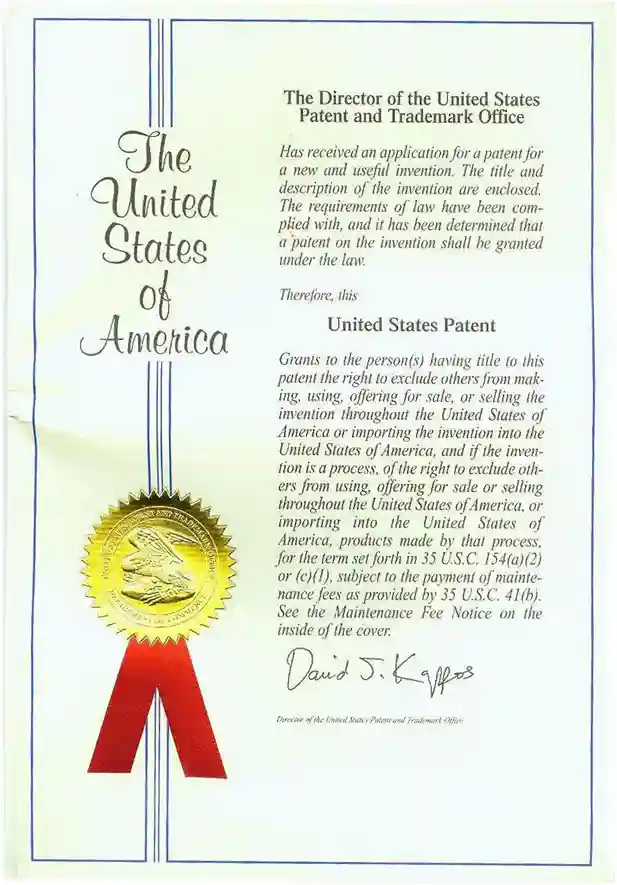
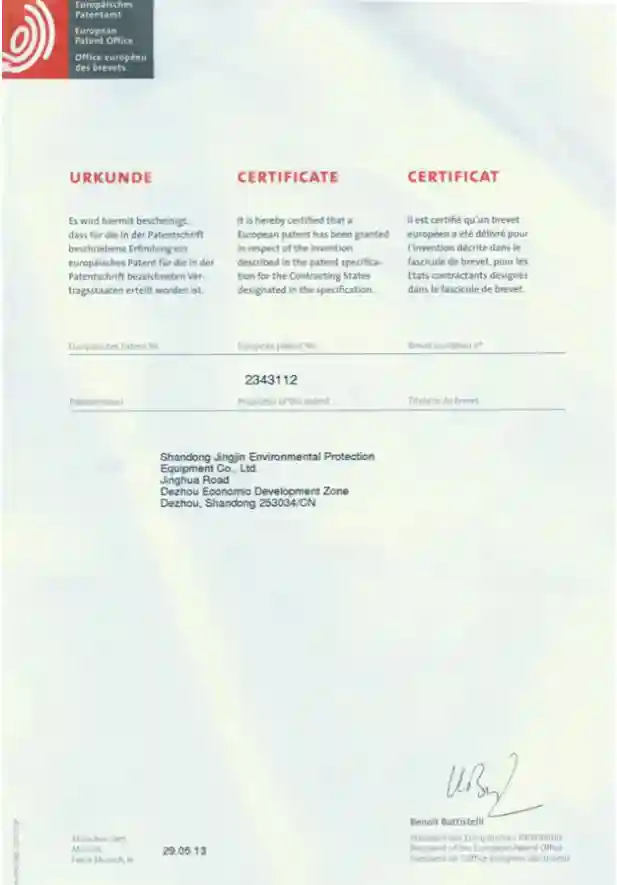
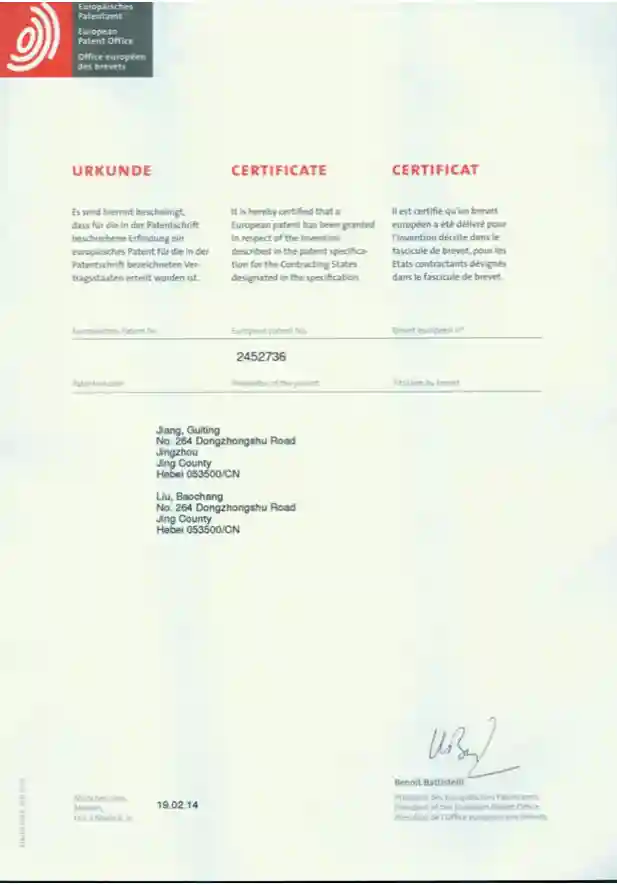
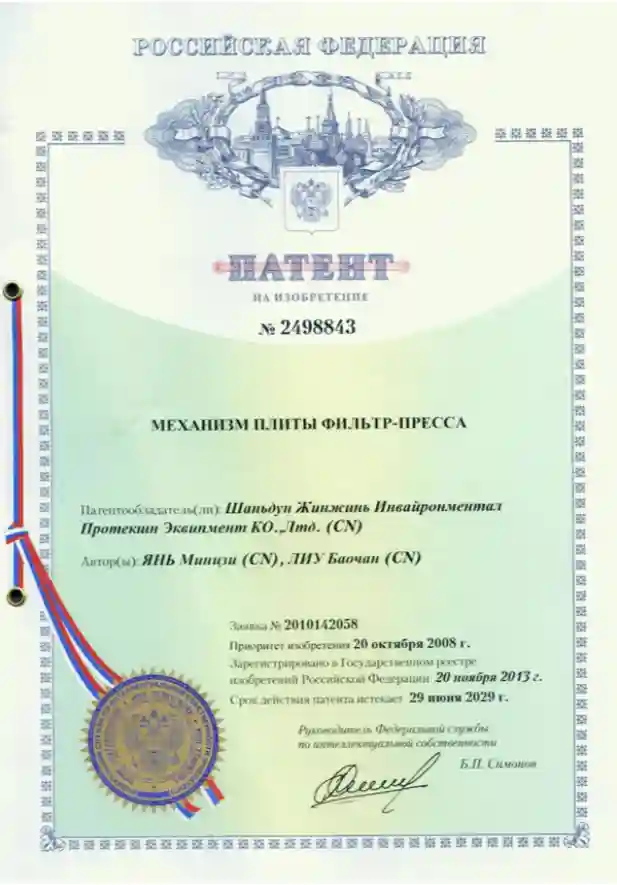
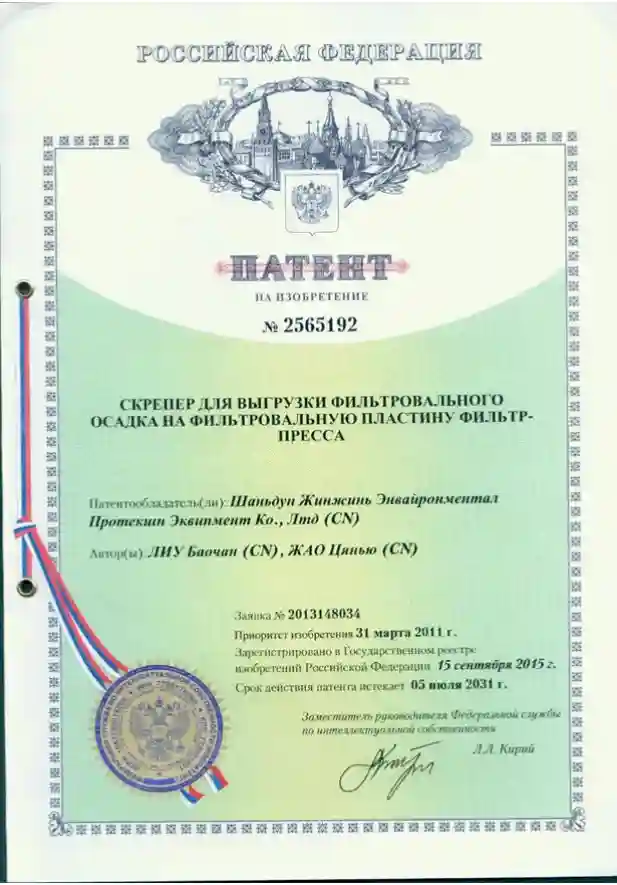
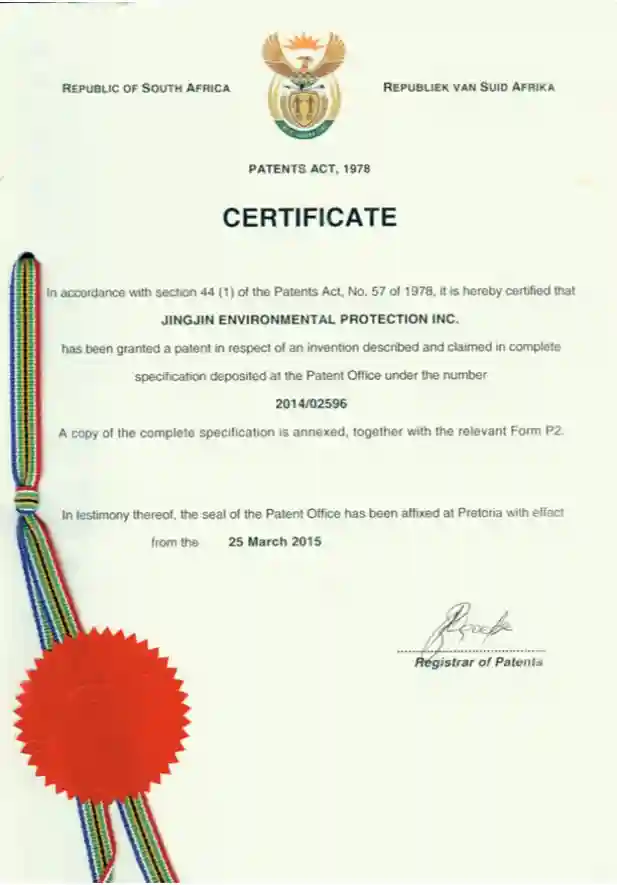
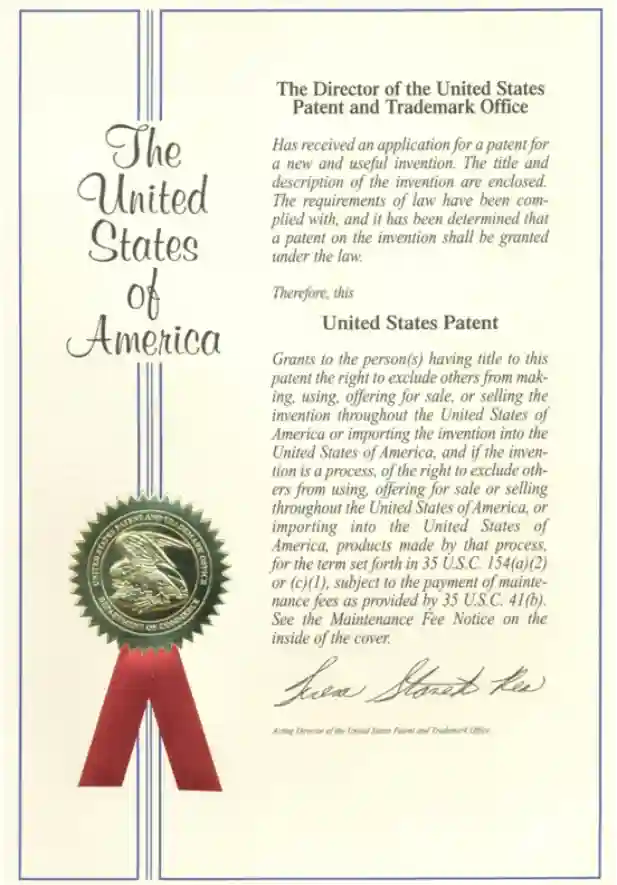
Jingjin Equipment Inc. develops dependable filter press cloths. Their designed solutions save maintenance and boost efficiency. Our extensive product line includes industrial-grade filter media. We have made these goods for over 30 years and provide global support. With over 136 patents and proven performance in 123 countries, Jingjin delivers your operations' reliability and technical advancement. Our experts collaborate with sourcing managers and process engineers to locate the finest textile solutions that satisfy performance criteria and decrease TCO. Contact our specialists at [email protected] to discuss your filtration issues and learn how our cutting-edge filter press cloth technologies can improve your maintenance and business.
References
1. Smith, J.R., et al. "Industrial Filter Cloth Performance and Maintenance Strategies." Journal of Separation Technology, 2023, Vol. 45, pp. 123-145.
2. Thompson, M.K. "Material Selection for Filter Press Applications: A Comprehensive Guide." Chemical Engineering Quarterly, 2022, Vol. 28, Issue 3, pp. 67-89.
3. Wilson, P.D., and Anderson, S.L. "Cleaning Technologies for Industrial Filter Media." Filtration & Separation International, 2023, Vol. 19, No. 2, pp. 34-52.
4. Brown, L.A. "Maintenance Protocols for Extended Filter Cloth Life in Mining Applications." Minerals Processing Review, 2022, Vol. 31, pp. 78-94.
5. Davis, R.C., et al. "Economic Analysis of Filter Press Cloth Maintenance Strategies." Industrial Water Treatment Journal, 2023, Vol. 14, Issue 4, pp. 156-171.
6. Johnson, K.M. "Advanced Materials in Filter Press Technology: Performance and Maintenance Considerations." " Process Engineering Today," 2022, Vol. 7, No. 12, pp. 45-63.
jingjin
Founded in 1988, Jingjin specializes in filter presses and liquid-solid separation solutions, serving over 130 countries worldwide, and is a standard-setter in China's filter press industry.
Get the Filter Press guide
Enter Your Email for Technical assistance for the Filter Press.
Recommended Blog
Affordable Filter Press Machines for the Chemical Industry: What to Look For
Where European Distributors Source Press Filter from China?
Best China Screw Press Dewatering Machine for Mexico Buyers
Top 5 High Capacity Press Filters for Efficient Sludge Dewatering
China Multi Disk Screw Press vs India: Cost & Performance 2026