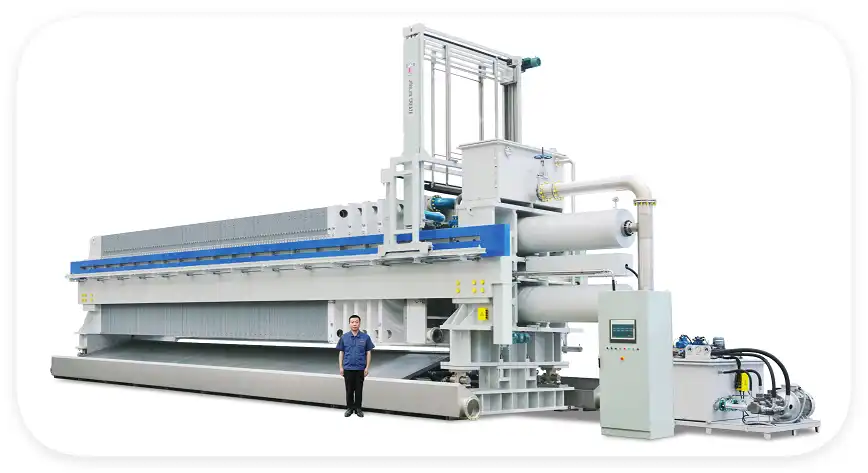
A Guide to The Filter Press Plate: How They Work, Uses, And More
Understanding Filter Press Plates: Functionality and Design Features
- Understanding Filter Press Plates: Functionality and Design Features
- Selecting the Right Filter Press Plate: Materials, Types, and Industry Use Cases
- Maintenance, Troubleshooting, and Optimizing Filter Press Plate Performance
- Procurement Guide: Buying Filter Press Plates for Industrial Use
- Conclusion
- FAQ
- Partner with Jingjin for Superior Filter Press Plate Solutions
- References
The filter press plate is the most important part of the cleaning process in the industrial solid-liquid separation process. These important parts are what hold filtration systems together and allow businesses like chemical processing and wastewater treatment to get exact separation results. Process engineers and procurement managers can choose equipment that meets safety standards, lowers waste costs, and performs consistently if they know how filter plates work, the different ways they can be set up, and how to maintain them properly. For industrial filtration success, this guide goes over the basics of plate design, choosing the right material, upkeep methods, and how to buy the right parts.
Understanding Filter Press Plates: Functionality and Design Features
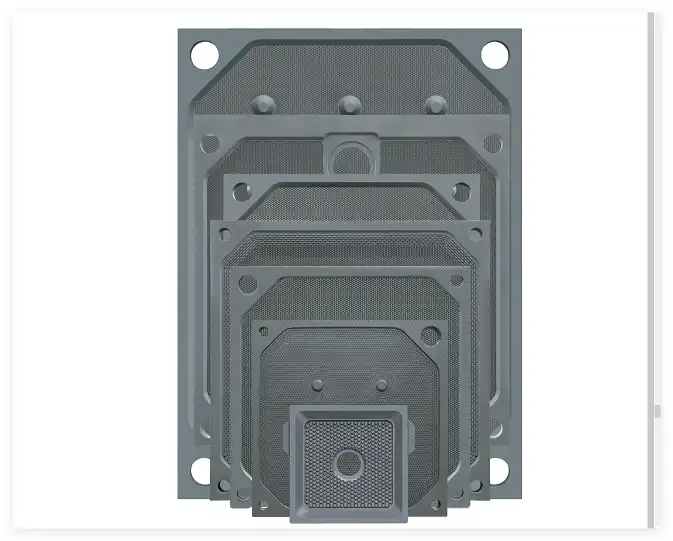
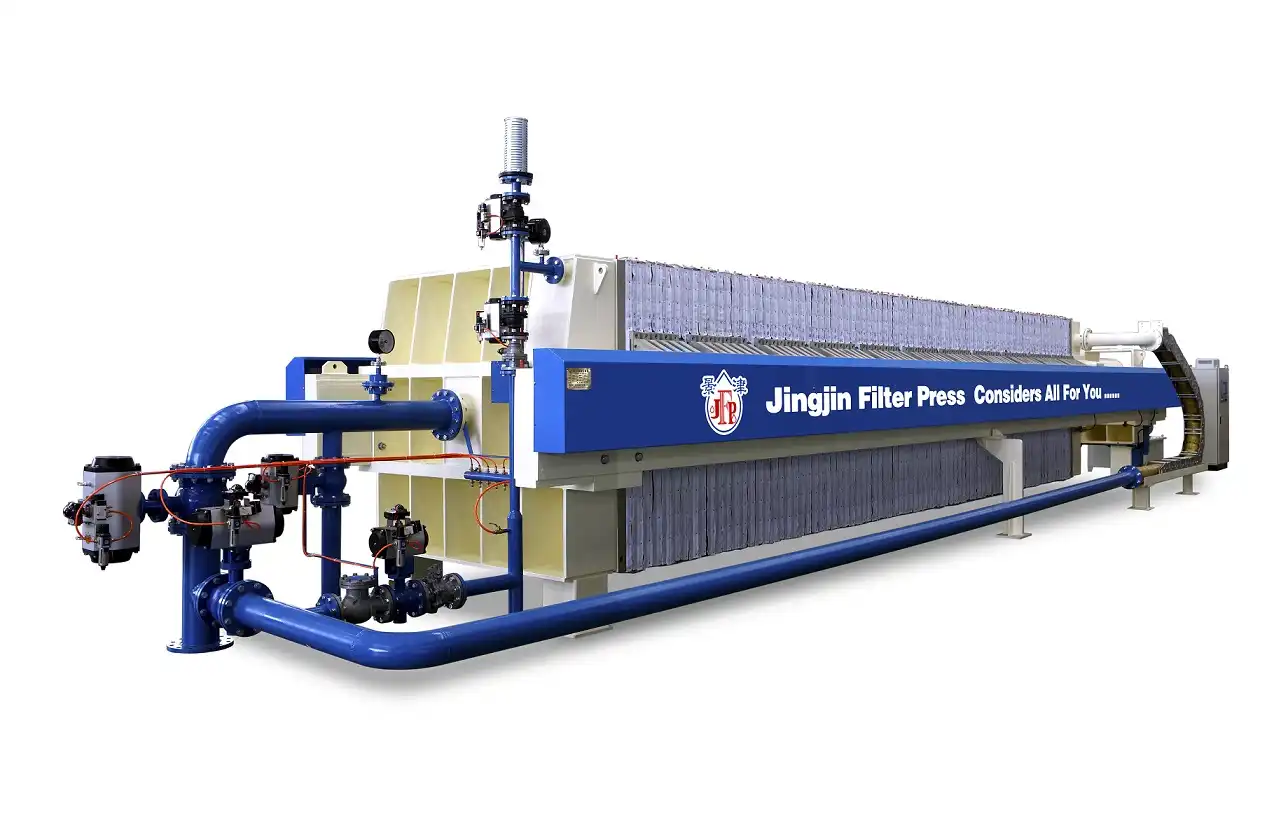
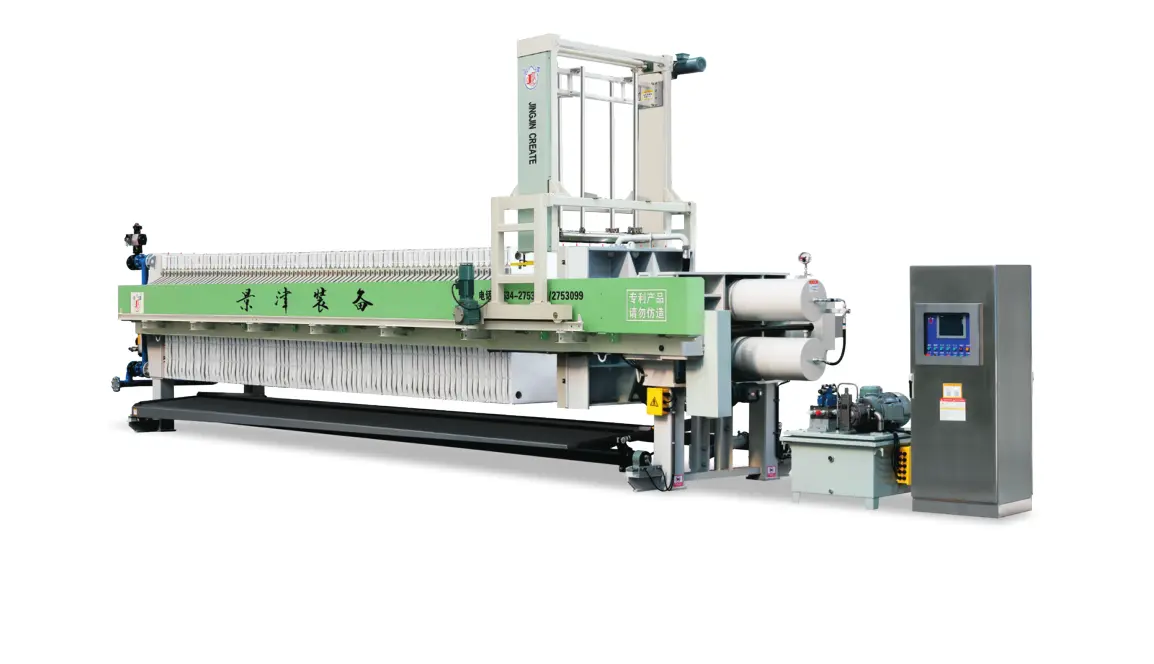
The frame that holds the filter cloth is the filter press plate. It also makes sealed rooms where solids and liquids separate. These plates are made of strong materials like cast iron, stainless steel, or polymer resins, so they can handle high pressures and rough conditions while they are filtering. When compressed, the precisely designed surfaces ensure a tight seal, which makes it easy to remove liquid and make a concentrated solid cake that is concentrated.
Operating Principles and Core Mechanisms
Slurry enters the space made between the plates while the machine is running. When pumps put pressure on the filter cloth—between 6 and 30 bar for heavy-duty use—liquid moves through it while solids build up against it. Each plate's surface has grooves and channels that direct filtrate toward outlet holes. This stops backflow and makes draining tracks more efficient.
The highest cake width per turn is set by the plate's recessed center depth, which is usually between 15mm and 50mm. The working ability and cycle time are directly related to the chamber volume. Deeper recesses can hold bigger cakes, but they need stronger hydraulic closing forces to keep the seal intact when the machine is under pressure.
Key Design Elements and Configurations
Filter plates are made with smart design elements that help them work reliably. Corner or center feed holes spread the sludge out evenly in the chamber, reducing the number of air spots that lower the quality of the filter. When the pack is squeezed, sealing areas around the edges of the plate stop leaks. The handle and support make it easier to move the cake while it's being cleaned and discharged.
Plate thickness is usually between 35 mm and 80 mm, but it can be different based on the system design and the need for mechanical power. Standard sizes allow for a range of frame sizes, with bigger plates being able to handle higher flow rates. Choosing the right material means finding a balance between chemical compatibility, temperature tolerance, and the need for power.
Distinguishing Plate Types for Specialized Applications
There are three main plate designs that meet different process needs. In normal dewatering uses, recessed chamber plates are known for being durable and cost-effective because they make a fixed-volume cavity. Membrane filter plates have a flexible cushion that expands with air or water after feeding. This adds extra squeezing force to greatly reduce cake moisture content, which is especially useful when it's important to get the cake as dry as possible. Plate-and-frame designs use alternate plates and frames to make them more flexible, but they need more care when handling than chamber designs.
By knowing these differences in design, you can better match plate layouts to process goals. Strong hollow chamber plates are helpful for mining operations that deal with gritty tailings, and membrane technology is often chosen by pharmaceutical companies that need low-moisture cakes.
Selecting the Right Filter Press Plate: Materials, Types, and Industry Use Cases
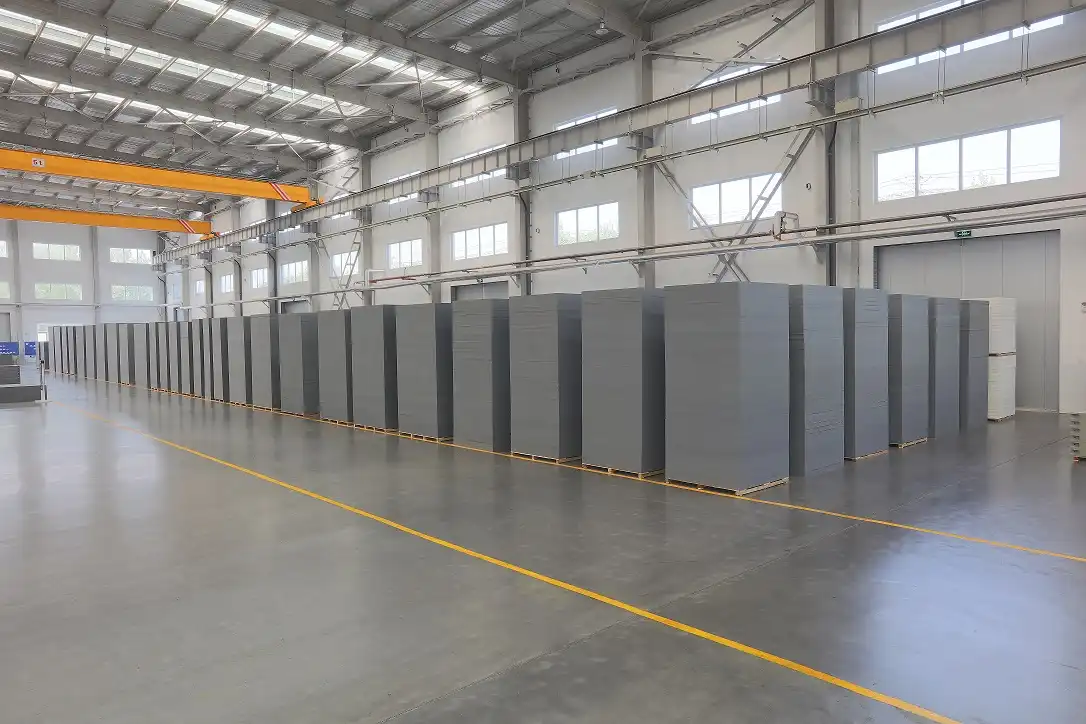
The choice of material has a direct effect on how long something lasts, how often it needs upkeep, and the total cost of ownership. Each material has its own set of performance qualities that make it best for a certain setting regarding the filter press plate selection.
Comparing Plate Materials for Durability and Compatibility
In industry, polypropylene plates, especially modified high-molecular-weight versions, are used a lot because they are chemically resistant, easy to handle, and cheap. These plates can handle pH levels between 2 and 12, most acids and bases, and temperatures up to 90 to 95°C. Because polypropylene is lighter, it needs less hydraulic closing force and is easier to handle by hand during upkeep.
In the food, drug, and drink preparation industries, where cleanliness and resistance to rust are very important, stainless steel plates are used in very demanding ways. Stainless steel can handle temperatures above 150°C and can also handle harsh reactive chemicals that break down polymer materials. Because the material is strong, it can last for a long time in places where controlling pollution requires more money.
If you need something to withstand a lot of pressure or wear and tear, cast iron plates are the best choice. Even though it is heavy and needs to be protected from corrosive media, cast iron is strong enough to be used for dewatering mine concentrates and handling metals where there are a lot of mechanical demands.
Matching Plate Types to Industry Requirements
Corrosion-resistant polypropylene plates with membrane technology help chemical companies that work with colors, dyes, and specialty resins reach their goal moisture levels. When dealing with city sludge, wastewater treatment plants prefer sunken chamber plates that are both effective and affordable. Contractors in the building and mining industries need large systems with strong plates that can handle different types of slurry and tough site conditions.
When buying something, people have to weigh the up-front costs against how well it works and how long it lasts. Even though membrane plates cost more initially, the lower cake moisture often reduces disposal costs and shortens cycle times, improving productivity and operational economics over the equipment's lifetime.
Supplier Selection and Quality Assurance
Trustworthy providers show they have the technical know-how, production ability, and customer service skills to back up their products. With certifications like ISO 9001 for quality control and ISO 14001 for environmental standards, you can be sure that the quality of your products will always be the same. Warranty coverage, which usually lasts between one and three years, protects you financially against problems with the way the product was made.
Manufacturers with decades of experience, like Jingjin Equipment Inc., have a wide range of products to meet the needs of a wide range of industries. Their engineering teams help with program support, system design, and speed optimization, which is very helpful when choosing tools and setting it up.
Maintenance, Troubleshooting, and Optimizing Filter Press Plate Performance
Routine repair has a direct effect on how well technology works and how much it costs to run. Using structured repair procedures for the filter press plate stops unplanned downtime and makes parts last longer.
Best Practices for Cleaning and Inspection
Plates need to be cleaned thoroughly after every discharge cycle to keep dust from building up and making the closing surfaces less effective. Most materials can be removed with low-pressure water washing, but tough deposits might need soft brushes or chemical cleaners that are safe for plate materials. Do not use metal scrapers or other rough tools, as they can damage sealed surfaces and make ways for leaks to happen.
Wear patterns, surface damage, and early signs of degradation can be seen visually while the item is being cleaned. Check the sides of the seal for cracks or chips that could stop it from closing properly. Check the sitting areas of the filter cloth for any signs of bending that could lead to uneven pressure distribution. Write down what you find so you can keep track of how things are breaking down and plan to repair parts before they break.
Dry, temperature-controlled spaces are needed for storage between long shutdowns. Stack plates upright with spacers between them to keep them from twisting and let air flow. Cover plates are being stored to keep dust and UV light from building up and breaking down polymer materials.
Addressing Common Operational Issues
Plate misalignment during closing leads to leaks and uneven pressure distribution. This problem usually happens because the guide rails are worn or the filling patterns aren't right. Carefully realign the plates and check the steering devices for damage. Quickly replace any broken guides to stop failures that spread across the plate pack.
Edge leaking, also called "wicking," means that the sealing surfaces are broken or the filter cloth is ruined. Check both the edge that seals the plate and the places where the cloth is attached. When it's possible, get a skilled repair service to replace old cloth and resurface damaged plate edges. If the damage is too bad, though, the plate needs to be replaced.
According to filter press plates manufacturers, when filtering is less effective, cycle times get longer, or the cake contains more water. Fine particles can block the cloth, the feed pressure may not be high enough, or the chamber volume may drop due to cake building. Check the effectiveness of the pump, clean or change the filter cloth, and make sure the cake is completely discharged between cycles.
Strategies to Maximize Component Lifespan
Proper working procedures keep wear from happening too soon. Do not go over the rated pressure standards. Doing so will put stress on plate structures and speed up wear. Keep the slurry's temperature within the acceptable range for the material. Going over these ranges weakens the polymer plates and hurts the closing elastomers. Before applying full pressure, make sure that the chamber is filled evenly to stop eccentric loading that bends the plate.
Systems work at their best when they get scheduled preventive repairs every three months for heavy-duty use and every six months for light-duty use. Replace worn-out parts before they cause damage to nearby parts. Keep detailed maintenance logs that record actions taken, parts replaced, and performance measurements to find problems that keep happening and find the best maintenance times.
Procurement Guide: Buying Filter Press Plates for Industrial Use
To easily go through the procurement process, you need to know about sourcing methods, specification requirements, and business concerns regarding filter press plates.
Understanding Procurement Channels and Order Workflows
There are several ways for B2B buyers to get filter plates. Direct connections with manufacturers offer technical help, the ability to make changes, and better prices for large orders. Distributors offer faster shipping for common parts and support services in your area. Online industrial markets make it easier to compare prices and find products that meet your needs, but they might not offer application tech help.
The first step in the buying process is reviewing the applications. Define the properties of the slurry, the goal cake moisture levels, the flow needs, and the chemical compatibility needs. Technical specs tell you what kind of material, size, and shape of plates you need. Get quotes from several approved sources and compare more than just unit prices. Look at things like lead times, warranty terms, and expert support options as well.
Minimum order numbers depend on the plate specs and the manufacturer. To cover the cost of the tools, custom configurations usually need bigger minimum orders. Standard plates, on the other hand, may be offered in smaller quantities. Lead times vary from two to twelve weeks, based on how customized the product is, how much can be made, and where the customer lives.
Analyzing Costs and Value Factors
The cost of materials, the difficulty of making the plate, and the number of orders all affect the price. Most of the time, polypropylene plates are cheaper than stainless steel plates of the same size. Membrane plates, which have built-in diaphragms, cost more. Larger plate sizes cost more per unit, but they can handle more data per frame.
Custom production costs more for planning and tools, but it gives you the best performance for specific uses. When you buy in bulk, you can get volume savings and economies of scale that lower the cost per item. Lifecycle economics and current budget limits need to be weighed against each other. Higher-quality plates that last longer often provide better value, even if they cost more at first.
Ensuring Supplier Reliability and Long-Term Support
There are extensive warranties that cover structural soundness, material quality, and dimensional accuracy. Warranty coverage guards against production flaws. Find out more about the warranty's rules, what it doesn't cover, and how to file a claim before you buy something.
Support after the sale is what sets great sellers apart from transactional ones. Technical help with installation, setup, user training, and troubleshooting improves the performance of equipment. Having spare parts on hand makes it possible to quickly fix broken parts, which keeps production from stopping too often and costing too much.
Building partnerships with reliable filter press plates manufacturers creates lasting value. Suppliers who know your applications well can make advanced suggestions, help you improve performance, and give you priority service when things go wrong.
Conclusion
Filter press plates are an important part of separating solids and liquids in many different industries. Opting for the right plate materials, shapes, and sizes based on the needs of the process ensures the best filtering performance while keeping costs low. Regular repair plans, quick troubleshooting, and smart purchasing relationships keep tools reliable and make parts last longer. When process engineers and procurement managers know a lot about how plates work, what materials they are made of, and the best ways to maintain them, they can confidently choose filtration systems that meet strict performance goals, environmental compliance standards, and budget constraints. When you buy good plates from a reputable company, you get a clear return on your investment in the form of lower waste costs, less downtime, and consistent sorting efficiency.
FAQ
Q1: Why do filter press plates experience edge leakage?
Edge leaking is usually caused by plates that aren't lined up right or by closing surfaces that are broken. The problem is found by having a professional check the level of the plates and the edge seals on the filter cloth. To avoid this common problem, make sure the plates are lined up correctly when they are closed and keep the closing surfaces clean and free of damage.
Q2: What differentiates recessed chamber plates from membrane plates?
The pressure from the feed pump is used to remove water from the fixed-volume holes in recessed chamber plates. When food is fed into membrane plates, bendable diaphragms fill up with air or water after feeding. This applies mechanical pressure that squeezes the cake much more than normal chamber plates do.
Q3: How long do polypropylene filter plates typically last?
If you keep high-quality polypropylene plates in chemically suitable settings and take care of them, they should last between 5 and 10 years. How long something actually lasts relies on how hard it is used, how rough the slurry is, how much it is exposed to chemicals, the temperature, and how well it is maintained.
Q4: Can plates from different manufacturers be mixed in one system?
It is not a good idea to mix plates made by different companies. Small differences in chamber depth, sealing edge profiles, thickness limits, and the location of the feed holes can cause problems with compatibility that can lead to leaks or structural failure when working pressures are high.
Partner with Jingjin for Superior Filter Press Plate Solutions
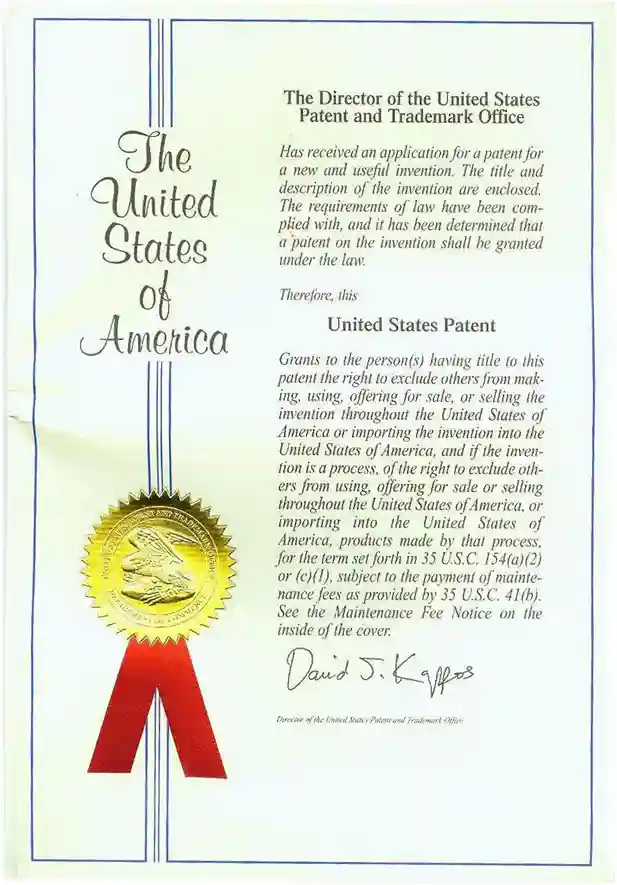
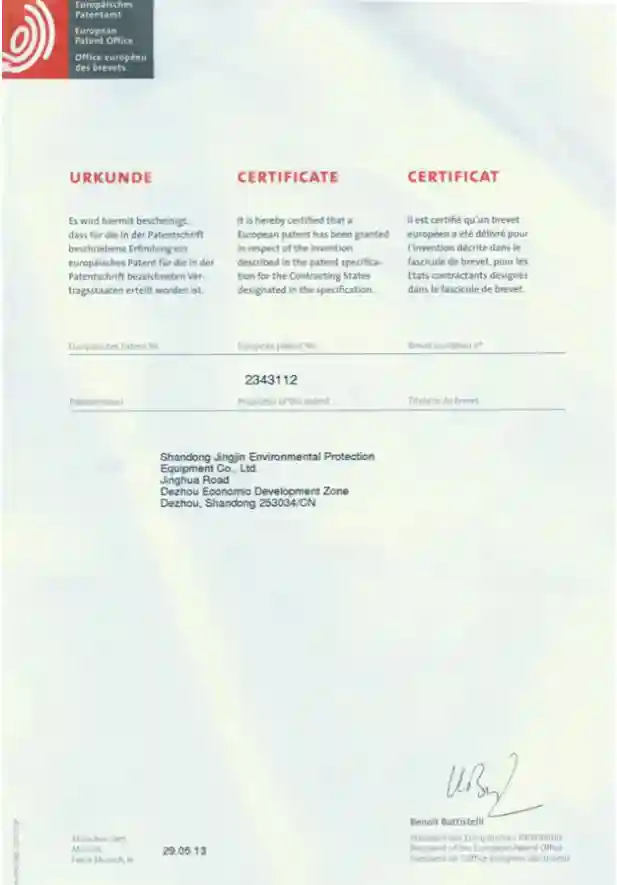
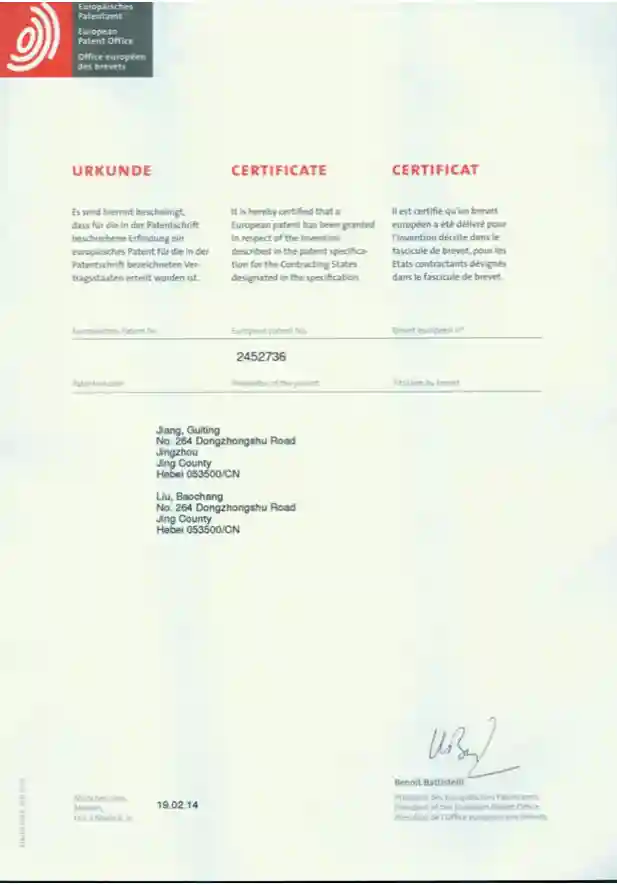
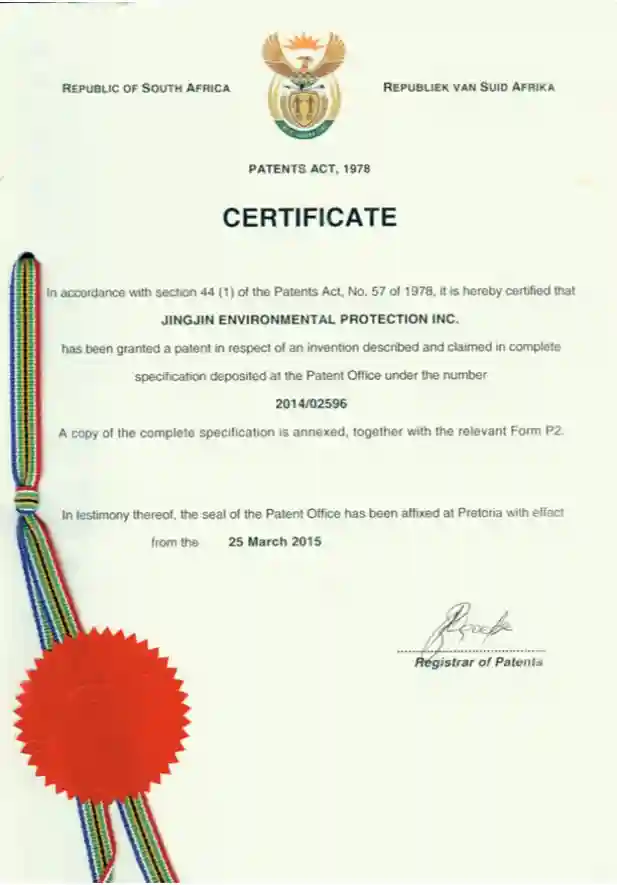
Since 1988, Jingjin Equipment Inc. has provided solid-liquid separation technology that has been proven to work. They have helped clients in 123 countries with new filter solutions. Our large selection of filter press plates, which are made from high-quality plastic, stainless steel, and cast iron, can meet the tough needs of chemical processing, mining, wastewater treatment, and industrial drainage. Each plate is the result of careful engineering and is backed by over 136 patents and strict quality standards that make sure it will work reliably even in the worst circumstances.
Our technical team can help your facility with standard recessed chamber plates, advanced membrane setups, or custom-engineered solutions. They can also help with application support, system design, and ongoing service to make the most of your equipment investment. Get in touch with our experts at [email protected] to talk about your specific filtration problems and find out how working with a top filter press plate maker can help you dewater more efficiently, run your business more reliably, and save money.
References
1. Svarovsky, L. (2000). Solid-Liquid Separation, 4th Edition. Butterworth-Heinemann Press.
2. Wakeman, R. & Tarleton, E. (2005). Solid/Liquid Separation: Principles of Industrial Filtration. Elsevier Science Publishing.
3. Purchas, D.B. & Sutherland, K. (2002). Handbook of Filter Media, 2nd Edition. Elsevier Advanced Technology.
4. Rushton, A., Ward, A.S. & Holdich, R.G. (1996). Solid-Liquid Filtration and Separation Technology. VCH Publishers.
5. Tiller, F.M. & Crump, J.R. (1985). "Recent Advances in Filter Press Technology." Filtration & Separation Journal, Vol. 22, Issue 3.
6. Cheremisinoff, N.P. (1998). Liquid Filtration, 2nd Edition. Butterworth-Heinemann Engineering Publications.
jingjin
Founded in 1988, Jingjin specializes in filter presses and liquid-solid separation solutions, serving over 130 countries worldwide, and is a standard-setter in China's filter press industry.
Get the Filter Press guide
Enter Your Email for Technical assistance for the Filter Press.


Recommended Blog
How to Choose the Best Feed Pump for Filter Press in Water Treatment
How Jingjin Filter Press Enhances Wastewater Treatment and Sludge Dewatering
Understanding the Technical Specifications of Press Filter Machines
China Filter Press Procurement Strategy for International Buyers
China Multi Disk Screw Press vs India: Cost & Performance 2026
Essential Maintenance Tips for Press Filters in Industrial Plants