Plate and Frame vs Recessed Chamber Filters — Which Handles Your Slurry Better?
Plate and Frame vs Recessed Chamber Filters — Which Handles Your Slurry Better?
Understanding the Basics of Plate and Frame Filters and Recessed Chamber Filters
- Understanding the Basics of Plate and Frame Filters and Recessed Chamber Filters
- Key Challenges in Slurry Filtration and How Each Filter Type Addresses Them
- Comparative Analysis: Efficiency, Cost, and Operational Considerations
- Which Filter Suits Your Industrial Slurry Needs? A Decision Guide
- How to Optimise Your Filtration Setup for Maximum ROI and Reliability?
- Conclusion
- FAQ
- Partner with Jingjin for Expert Slurry Filtration Solutions
- References
One question keeps coming up when I talk to plant managers and process engineers across the United States: which filter system really does a better job with tough slurry? The honest answer relies on the properties of your slurry and your practical goals. A Plate and Frame Filter press creates separate filtration rooms by switching between plates and frames. This makes batch processes flexible and easy. When it comes to high-solids uses, recessed chamber filters have recessed plates that let cakes form more deeply, which increases output. Knowing these differences will help you choose equipment that lowers the amount of moisture, lowers the cost of removal, meets compliance standards, and doesn't need any extra downtime.
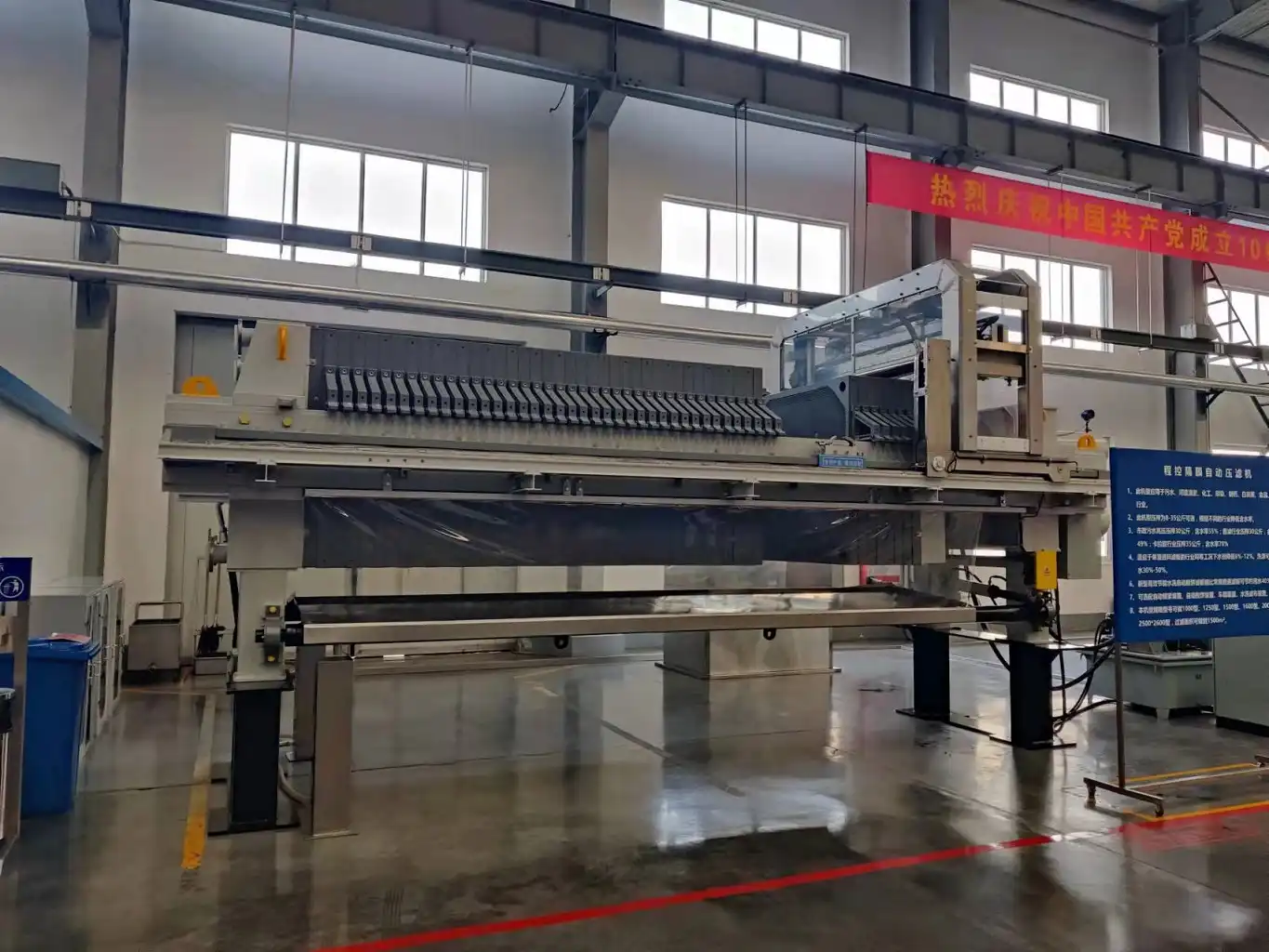
Understanding the Basics of Plate and Frame Filters and Recessed Chamber Filters
What Defines a Plate and Frame Filter?
Using pressure-driven filtration, a Plate and Frame Filter is an industrial device for solid-liquid separation. Slurry goes into spaces that are made between plates that move back and forth and hollow frames. The grains build up and form a dry cake as the liquid moves through the filter media. With this flexible design, you can add or take away plates as needed to meet different output needs. Normal working pressures are between 0.6 MPa and 2.0 MPa, and the plates can withstand temperatures from -20°C to 120°C, based on whether they are made of reinforced polyethylene, cast iron, or stainless steel.
How Recessed Chamber Filters Differ in Structure
With recessed chamber filters, the different frame parts are swapped out for recessed filter plates. Each plate has a hole in it where the filter cake can fit. This design cuts down on the number of closing surfaces, which lowers the risk of leaks and makes assembly easier. When the solids content is more than 20% by weight, recessed chamber systems work best because the deeper holes can hold bigger cakes without having to be stopped often. Fewer parts also mean fewer places where something could go wrong, which is important in places like mines that are far away or wastewater treatment plants that run all the time.
Core Operating Principles and Filter Media Selection
Both methods use pressure to push liquid through filter media that has pores that are between 1 and 100 microns in size. The choice of media is based on the particle size distribution, chemical interaction, and the clarity of the filtrate that is wanted. Because polypropylene cloth doesn't react with acids or bases, it can be used in chemical plants that work with dyes or colours. Stainless steel mesh or woven monofilament fabrics can be used in food-grade processes like clarifying sugar syrup or refining veggie oil. They are made to meet FDA and EHEDG cleanliness standards.
Key Challenges in Slurry Filtration and How Each Filter Type Addresses Them
Managing Particle Size Variation and High Viscosity
The ingredients in the slurry are very different between businesses. In mining waste, there may be a mix of coarse sand and fine clay. In pharmaceutical bioprocessing, uniform, rubbery sludges are made. Viscosity that is too high slows down filter rates and makes cycle times longer, which directly affects output. Plate and Frame Filters can handle this problem because they are strong and can handle high pressure, which forces liquid through thick slurries. Recessed chamber filters make cake formation more efficient by letting solids settle evenly in deeper spaces. This keeps the filter cloth from getting cloudy and the flow rate constant throughout the cycle.
Addressing Abrasive and Chemically Aggressive Slurries
Mineral grades and coal slurries are examples of abrasive slurries that make sealing surfaces and filter plates wear out faster. Chemical companies that work with acidic resins or heavy metal precipitates need materials that can last for a long time in harsh conditions. Plate and Frame Filter systems made of strengthened plastic or stainless steel are very resistant to chemicals. Recessed chamber designs cut down on the number of seal contact points. This makes it less likely that dangerous or volatile substances will leak when they are in closed systems.
Reducing Downtime and Maintenance Demands
Cleaning and removing cakes from the machine causes delays in output and raises the cost of labour. Plate and Frame Filters make servicing easier because they let workers check and change individual filter cloths without taking the whole unit apart. Automatic plate moving systems in recessed chamber filters speed up discharge, which means less work needs to be done by hand. This automation means that wastewater treatment plants that are open 24 hours a day will have fewer delays and more stable working capacity.
Comparative Analysis: Efficiency, Cost, and Operational Considerations
Filtration Efficiency and Throughput Metrics
Because the deeper holes can hold more cake per cycle, recessed chamber filters usually have higher efficiency in slurries with a lot of solids. Cycle times go down, and the clarity of the filtrate gets better because cakes form more easily and serve as an additional filter medium. Plate and Frame Filters work best for batch processes that need to be flexible and easy to scale up or down. Adding plates increases capacity without changing the whole system, which is helpful for seasonal businesses or trial projects that test out new slurry mixes.
Capital Investment and Lifecycle Cost Considerations
Because they have more machinery and fewer but more accurately machined plates, recessed chamber filters tend to have higher initial capital costs. For contractors handling short-term building jobs or small-scale chemical manufacturers, Plate and Frame Filter systems are a good choice because they are less expensive to get started with. Maintenance costs change the situation over the life of the machine. Fewer closing surfaces in recessed chamber designs mean that gaskets don't need to be replaced as often, and the flexible design of Plate and Frame Filters makes it easier to keep track of parts and plan repairs.
Labor Intensity and Ease of Cleaning
Cleaning practices affect how much money is spent on labour and how well the business runs. For full cake removal and cloth washing, Plate and Frame Filters need the plates and frames to be separated by hand, which can be hard to do when there are multiple shifts. One person can handle both disassembly and reassembly with recessed chamber filters that have automatic plate shifters. Chemical plants that want to keep dangerous substances inside can benefit from closed-system recessed designs that keep workers as safe as possible during cleaning cycles.
Which Filter Suits Your Industrial Slurry Needs? A Decision Guide
Matching Slurry Characteristics to Filter Features
Your choice will depend on the slurry's viscosity, the spread of particle sizes, and the percentage of solids. Plate and Frame Filters work best with thin slurries that have less than 10 per cent solids. This is because they are flexible and easy to use, which is more important than output. Thick, high-solids slurries with more than 20% solids content work better in recessed chamber filters because the deeper holes keep the filtration rates steady and stop premature blinding. It doesn't matter what kind of chemicals are used; pharmaceutical uses that need sanitary stainless steel construction often choose the sealed design of recessed systems to meet strict regulatory standards.
Evaluating Batch Versus Continuous Operations
The flexibility and inspection accessibility of Plate and Frame Filters are advantageous for batch operations in the production of pharmaceutical or speciality chemicals. When big volumes need to be processed continuously or partially continuously, like in large-scale mining or treating wastewater for cities, recessed chamber filters work best because they can be automated and have less downtime. Decisions are also affected by available space. Plate and Frame Filter systems take up more floor space because they have frame parts, while small sunken designs can fit into tight spaces that are common in facilities that have been updated.
Real-World Case Studies Demonstrating Measurable ROI
Copper tailings were being handled by a mine in the southwestern United States. They moved from centrifugal filtering to recessed chamber filters, which cut the moisture content from 18% to 12%. This change improved compliance at tailings storage facilities and cut haulage costs by 15% per year. A chemical plant that made titanium dioxide colours used Plate and Frame Filters with polypropylene plates, which resulted in filtrate clarity of 99.5 per cent and the recovery of important catalyst materials worth $80,000 per year. These results show that matching the type of filter to the needs of the process has real financial and operational benefits.
How to Optimise Your Filtration Setup for Maximum ROI and Reliability?
Professional Consultation and Customisation
To improve filtering, you must first understand the specific needs of your method. Talking to filtration suppliers with a lot of knowledge will help you choose the right plate material, filter cloth pore size, and working pressure. Automated cake discharge systems, programmable logic controls for cycle management, and corrosion-resistant coatings for harsh chemical conditions are some of the customisation choices. With over 136 patents and experience working with clients in 123 countries, Jingjin Equipment Inc. can give you this level of personalised technical help to fit the profile of your slurry.
Proactive Maintenance and Monitoring Best Practices
Regular checking of Plate and Frame Filters makes them last longer and stops them from breaking down without warning. Setting up regular repair times to check the gaskets, change the filter cloth, and check the hydraulic system will keep them running at their best. By keeping track of cycle times, pressure differences, and the quality of the filter, you can see patterns in performance that let you change feed rates or media choices before problems get worse. Emergency fixes cost three to five times more than planned ones, so preventative maintenance cuts down on them.
Integrating Automation and Data Analytics
Slurry filtration used to be a process that required a lot of manual labour. Automation makes it a controlled, repeatable process. Programmable systems can change feed rates, find the best pressing times, and sound alarms when parameters start to stray from what was intended. Data analytics systems look at past performance, guess when maintenance will be needed, and suggest changes to the process that will make the cake drier or the filter clearer. When you combine modern filtration gear with smart controls, you improve dependability, cut down on waste, and help reach your sustainable goals by using less water and energy.
Conclusion
Your slurry characteristics, operational goals, and long-term cost factors will all play a role in your decision between Plate and Frame Filters and recessed chamber filters. Plate and Frame Filter systems are great for batch processes and different types of slurry because they are flexible, easy to maintain, and require less money up front. For high-solids uses and continuous processing settings, recessed chamber filters offer better throughput, less downtime, and easier automation. Aligning your filter technology with the needs of your process ensures compliance, lowers disposal costs, and raises the reliability of your equipment in the building, mining, wastewater treatment, and chemical manufacturing industries.
FAQ
Q1: Can Plate and Frame Filters Handle Highly Abrasive Slurries?
Plate and Frame Filters made of cast iron or strengthened polypropylene can handle rough slurries like coal slurries and mining tailings. Choosing the right materials and making sure the filter cloth meets the requirements can increase its useful life in tough situations. In constant abrasive processes, recessed chamber designs are better because they keep sealing surfaces from wearing down.
Q2: How Does Slurry Composition Influence Filter Selection?
Slurry viscosity, solids content, and particle size distribution all have a direct effect on how well a filter works. Plate and Frame Filter systems work best for thin slurries with low solids, while deep chamber designs work best for thick slurries with high solids. Chemical compatibility and temperature standards help you narrow down your choices even more, making sure that the materials you choose won't rust and will keep their shape.
Q3: What Maintenance Challenges Should I Anticipate?
Maintenance needs change based on the type of filter. Plate and Frame Filters need to have the plates separated and the cloth cleaned by hand, which makes the work harder. Automated recessed chamber filters cut down on human work, but they still need to have their hydraulic and control systems inspected on a regular basis. Setting up routines for preventative repair cuts down on downtime and increases the life of tools.
Partner with Jingjin for Expert Slurry Filtration Solutions
Since 1988, Jingjin Equipment Inc. has been a world leader in solid-liquid separation technology. They offer tried-and-true Plate and Frame Filter systems that can be customised to solve your biggest slurry problems. Our wide range of products includes high-pressure filtration tools, filter plates that won't rust, and precision filter media made for use in construction, mining, wastewater treatment, and chemical processing. We are a trusted maker of Plate and Frame Filters with over 136 patents and customers in 123 countries. We can make a lot of filters at once and offer quick technical help. Contact Jingjin at [email protected] to talk about your unique needs, ask for a personalised filtration review, and find out how our solutions can help you improve the speed of dewatering, lower running costs, and make sure you're following all the rules.
References
1. Sutherland, K., "Filters and Filtration Handbook," Fifth Edition, Elsevier Science & Technology, Oxford, 2008.
2. Tarleton, S. and Wakeman, R., "Solid/Liquid Separation: Equipment Selection and Process Design," Butterworth-Heinemann, Oxford, 2007.
3. Purchas, D. B. and Sutherland, K., "Handbook of Filter Media," Second Edition, Elsevier Advanced Technology, Oxford, 2002.
4. Svarovsky, L., "Solid-Liquid Separation," Fourth Edition, Butterworth-Heinemann, Oxford, 2000.
5. Matteson, M. J. and Orr, C., "Filtration: Principles and Practices," Second Edition, Marcel Dekker, New York, 1987.
6. Dickenson, T. C., "Filters and Filtration Handbook," Elsevier Advanced Technology, Oxford, 1997.
jingjin
Founded in 1988, Jingjin specializes in filter presses and liquid-solid separation solutions, serving over 130 countries worldwide, and is a standard-setter in China's filter press industry.
Get the Filter Press guide
Enter Your Email for Technical assistance for the Filter Press.






Recommended Blog
Wastewater Treatment Regulations Driving Filter Press Adoption in 2026
Exploring the Benefits and Functions of a Stainless Pressure Tank on Water Pumps
Automated Filter Press Systems: Revolutionizing Industrial Filtration Processes


Where to Buy Filter Press Plates: Trusted Manufacturers and Suppliers Reviewed
Durable Multi Disk Sludge Dewatering Machines with Low Maintenance Needs
Energy Efficient Filter Press Design: Saving Costs in Industrial Filtration
Where to Buy Industrial Filter Press Cloth: Top Suppliers and Tips