Automated Filter Press Systems: Revolutionizing Industrial Filtration Processes
Automated Filter Press Systems: Revolutionizing Industrial Filtration Processes
Understanding Automated Filter Press Systems: Principles and Components
- Understanding Automated Filter Press Systems: Principles and Components
- Advantages of Automated Filter Press Systems Over Traditional Methods
- Selecting the Right Automated Filter Press for Industrial Applications
- Optimizing Operation and Maintenance of Automated Filter Press Systems
- Future Trends and Innovations in Automated Filter Press Technology
- Conclusion
- FAQ
- Partner with Jingjin for Advanced Automated Filtration Solutions
- References
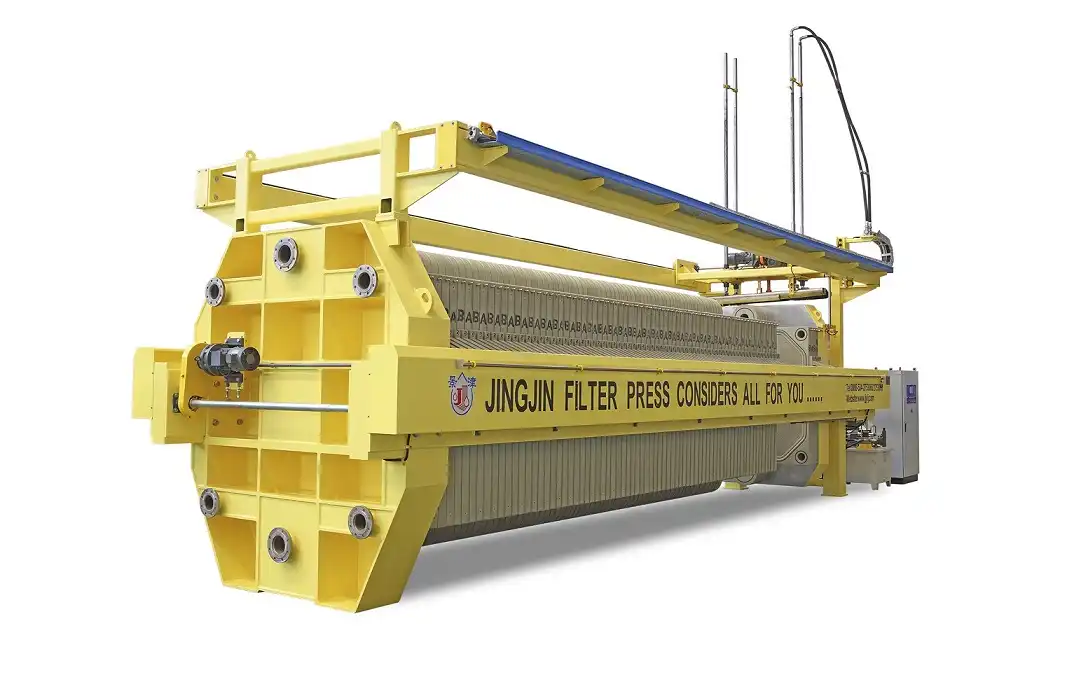
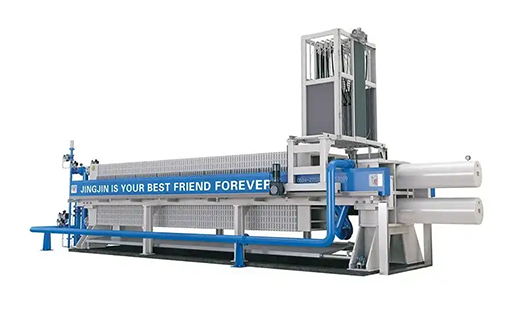
Industrial solid-liquid separation technology has come a long way with automated filter press systems, which have changed the way businesses deal with filtering problems. These high-tech machines use processes that are driven by pressure to sort solids from liquids with a level of accuracy and speed that has never been seen before. A filter press works by moving special filter cloths back and forth between stacked plates and frames to create the best spaces for separation. Under controlled pressure, liquid is pushed through these spaces. As the liquid moves through, solid leftovers form clear cakes on the cloth surfaces. This technology turns old-fashioned tasks that were done by hand into streamlined operations that produce the same results in a wide range of workplace settings.
Understanding Automated Filter Press Systems: Principles and Components
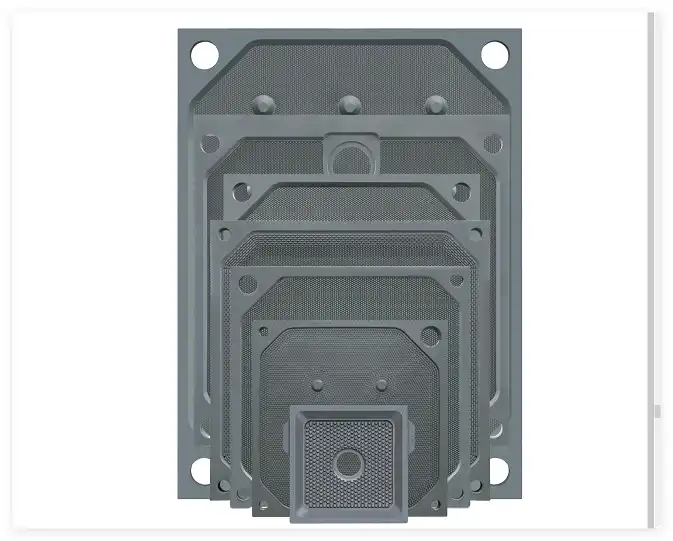
Modern automatic filter systems use tried-and-true methods to separate solids from liquids by using carefully controlled processes that are driven by pressure. These systems are built on plates that can be stacked on top of each other and special filter cloths that work together to make the best conditions for separation. Key design factors, such as plate dimensions, pressure ratings, and filter media specs, have a big effect on how well the system filters and how dry the cake is in the end.
Core Components and Design Elements
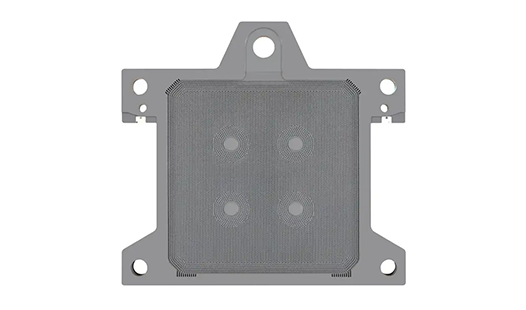
Several important parts that work well together are built into the mechanical design of automated systems. The base of the structure is made up of filter plates and frames, which are made from materials that are strong against harsh chemicals and working conditions. During filter stages, hydraulic actuators precisely control the pressure, and modern automation controllers include sensors that let you keep an eye on the system's performance in real time.
Choosing the right filter cloth is a very important part of getting the best sorting results. These special fabrics are made to meet the needs of certain industrial media, making sure that they hold on to target objects for as long as possible while still letting liquids pass through easily. Adding electronic controls to automated systems makes them different from manual ones. This lets workers get consistent results with little help while still having full control over important process factors.
Operational Advantages Over Manual Systems
Many of the problems that come with doing things by hand are taken care of by automated systems. Electronic and hydraulic controls make operation processes more efficient, improve accuracy, and greatly reduce the amount of work that needs to be done. This machinery is especially helpful in fields that work with dangerous materials, where keeping workers as safe as possible is very important. Automation makes performance more regular, which directly leads to better product quality and more reliable operations.
Advantages of Automated Filter Press Systems Over Traditional Methods
There are some problems with the way the hand filter press has been done in the past that make it less efficient and cost-effective. Labor-intensive tasks need to be supervised all the time, and changes have to be made by hand, which makes the results of the filter less consistent. Long cycle times that are typical in manual systems make handling more expensive generally while lowering the amount that can be done. These problems are especially bad in manufacturing settings with a lot of work that needs to be done quickly and consistently.
Enhanced Performance and Safety Benefits
Traditional limitations are overcome by automation through a number of key changes that help industry operations:
- Shorter processing times: automated systems cut down on processing time by precisely controlling pressure, timing, and scheduling factors. This lets more work get done at the same quality level.
- Better safety protocols: operators are exposed to fewer dangerous materials, and automatic safety interlocks keep operations running smoothly.
- Higher Reliability: Real-time monitoring systems find problems with operations and fix them before they affect output plans.
- Consistent Product Quality: Automated controls get rid of human error, making sure that all production runs have the same level of cake dryness and liquid clarity.
Process engineers and building managers who want to keep strict quality standards while increasing production speed will see real benefits from these operational changes.
Comparative Performance Analysis
Studies in the industry show that automatic systems work better than other filtration methods over and over again. If you compare automatic systems to centrifuges, they dry cakes more quickly and use less energy. It is easier for automatic methods to handle higher solids concentrations and produce clearer filtrates than vacuum filtering systems. Because of these performance benefits, automated systems are especially appealing for uses that need to find the best cost-to-performance balance while still meeting strict product standards.
Selecting the Right Automated Filter Press for Industrial Applications
To choose the right tools, you need to carefully look at both the technical requirements and the needs of the job. The filtration capacity is the most important thing to think about because systems have to be able to handle high production rates while still performing at a high level. Pressure needs are very different depending on the application. Some processes work best at high pressures, while others work best at low pressures. The right system design is based on knowing the qualities of processed materials, such as their chemical makeup, particle size distribution, and rheological properties.
Technology Options and Application Suitability
Various automated system designs benefit various commercial needs. Plate and frame filter press forms are versatile and can handle several feed materials with various particle sizes. Recessed plate designs are great for thick cakes and optimal drying. Membrane technique enhances water removal by secondary compression, resulting in low-moisture cake products.
Technology selection depends on industry demands. Systems that successfully recover water from sludge with minimum maintenance are sought by wastewater treatment facilities. Chemical manufacturing requires rust-proof materials and precise process control. Buildings must be sturdy enough to bear abrasive materials in harsh mining conditions. Food processing facilities must be clean and have simple cleaning instructions to meet food safety regulations.
Procurement Considerations and Supplier Evaluation
Total cost of ownership is an important factor that goes beyond the original price of buying tools. Long-term economics are affected by things like installation costs, the need for ongoing upkeep, the availability of spare parts, and the cost of operating materials. When judging a supplier's skills, you should look at things like their expert help, global service networks, and past performance in similar situations. Options for customization let systems be made to fit the needs of a specific process, and the ability to buy in bulk and flexible payment plans work with a range of budgets.
Optimizing Operation and Maintenance of Automated Filter Press Systems
System operation rests on the following structured processes that are meant to get the best results while keeping operators safe. Feeding, pressing, washing (if needed), and cake release are all steps that must be done in the right order for the press operation to work properly. Monitoring hydraulic performance makes sure that the pressure stays the same during filtering cycles. The state of the filter cloth has a direct effect on how well it separates materials and the quality of the end product.
Preventative Maintenance Strategies
Regular repair procedures greatly increase the life of tools and reduce unplanned downtime. Regular inspections find wear patterns and possible problems before they affect operations. Key upkeep tasks include servicing the hydraulic system, replacing the filter cloth on a regular basis, and lubricating parts as directed by the manufacturer. By keeping track of maintenance tasks, you can look at trends and find the best service times based on how things are really running.
Troubleshooting and Performance Optimization
Changes in hydraulic pressure, premature filter cloth wear, and uneven cake formation are all common problems that operators have to deal with. Systematic methods to fix and find the root causes and fix them so that performance is back to normal. By keeping an eye on key performance indicators like cycle time, cake moisture content, and filter clarity, you can make changes before they go wrong and keep the machine running at its best. Having enough spare parts on hand makes it possible to respond quickly to repair needs while limiting the number of breaks to production.
Future Trends and Innovations in Automated Filter Press Technology
The rise of digital technology is having a bigger impact on the design and running of automatic filter press systems. Integration of the Internet of Things allows for online tracking that lets people in different places see how the system is running in real time. Applications that use artificial intelligence look at operating data to guess when maintenance is needed and automatically set the best process settings. These smart technologies make operations more efficient, lower the cost of upkeep, and make the system more reliable.
Sustainability and Environmental Considerations
Changing environmental restrictions provides eco-friendlier filtering alternatives. Advanced materials science creates longer-lasting components, reducing garbage and maintenance. Energy-efficient designs that operate well use less power. Making system parts easy to recycle supports the circular economy, which is becoming more crucial to greening firms.
Investment in these new technologies makes operations more flexible and regulations simpler to follow, benefiting the sector. Better automation lets you adapt to changing process demands without compromising performance. These innovative concepts help firms satisfy market demands, save costs, and safeguard the environment.
Conclusion
Automated filter press systems are important pieces of technology for modern factories that need to reliably separate solids from liquids. These complex systems work better than old-fashioned methods that were done by hand. They also make things safer, more consistent, and more efficient. To have a successful execution, you need to carefully think about the needs of the application, choose the right seller, and stick to the maintenance schedules. These systems will stay at the top of industrial filter solutions as long as automatic technology and digital integration keep getting better. This way, facilities can meet stricter performance and environmental standards while also cutting costs.
FAQ
1. What maintenance practices maximize system longevity?
The best way to extend the life of an automated device is to do regular preventative maintenance. This includes regular maintenance on the hydraulic system, checking and replacing the filter cloth, lubricating parts as directed by the maker, and keeping records of all maintenance tasks. By keeping an eye on performance trends, service times can be improved based on how things are really running instead of just following a plan.
2. How do automated systems compare with belt filters and rotary drum filters?
Sometimes, automated systems are clearly better than other tools for certain tasks. When it comes to cake dryness, automatic systems are better than belt screens, and they can handle higher solids concentrations well. Automated methods are better than rotating drum filters because they produce clearer water and give operators more options. But for constant filtration, belt or drum technologies may be better based on the process needs and the amount of output that needs to be done.
3. What factors influence accurate price quotations for custom systems?
System prices are based on a number of important factors, such as the amount of processing power needed, the pressure needs, the building materials, the level of automation, and the level of customization needed. Total project costs are also affected by things that are unique to the site, like how hard it is to install, what utilities are needed, and the weather. Giving suppliers detailed process information, such as the properties of the feed, the properties of the cake they want, and any operating limitations, helps them make accurate offers that meet the needs of a specific application.
Partner with Jingjin for Advanced Automated Filtration Solutions
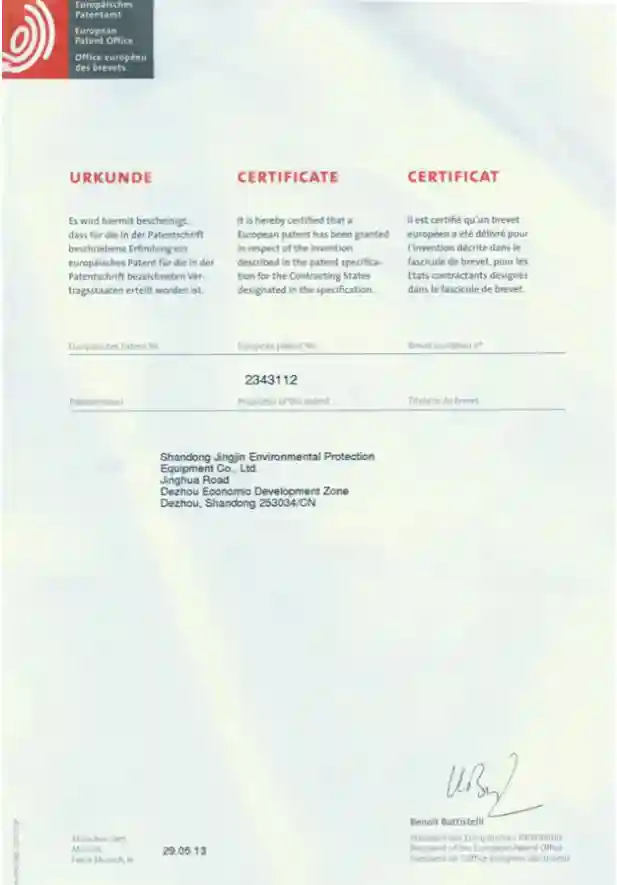
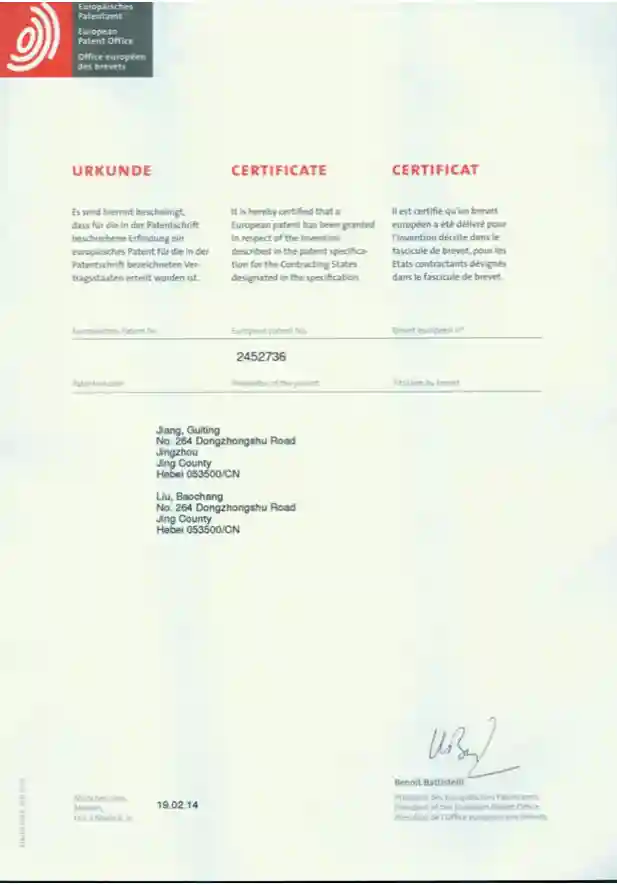
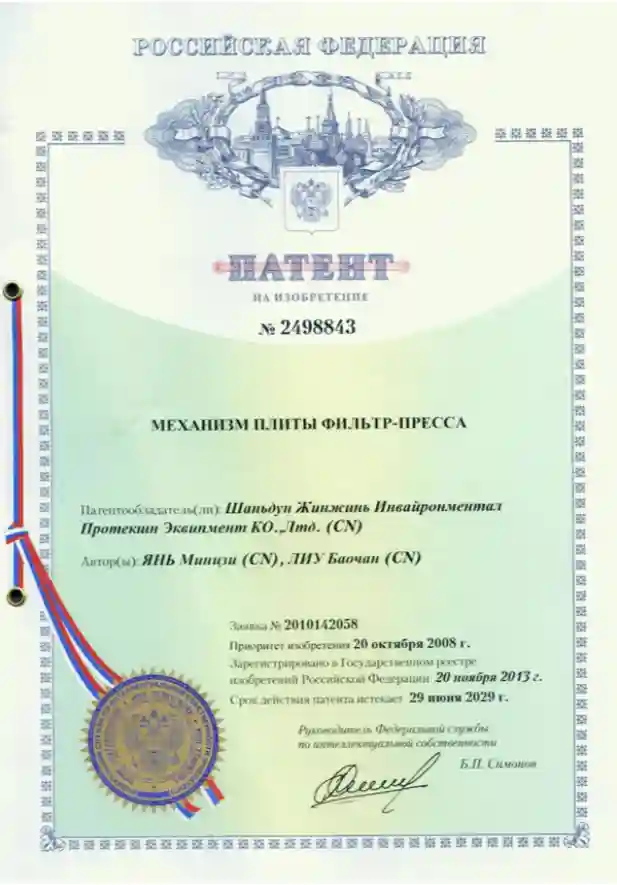
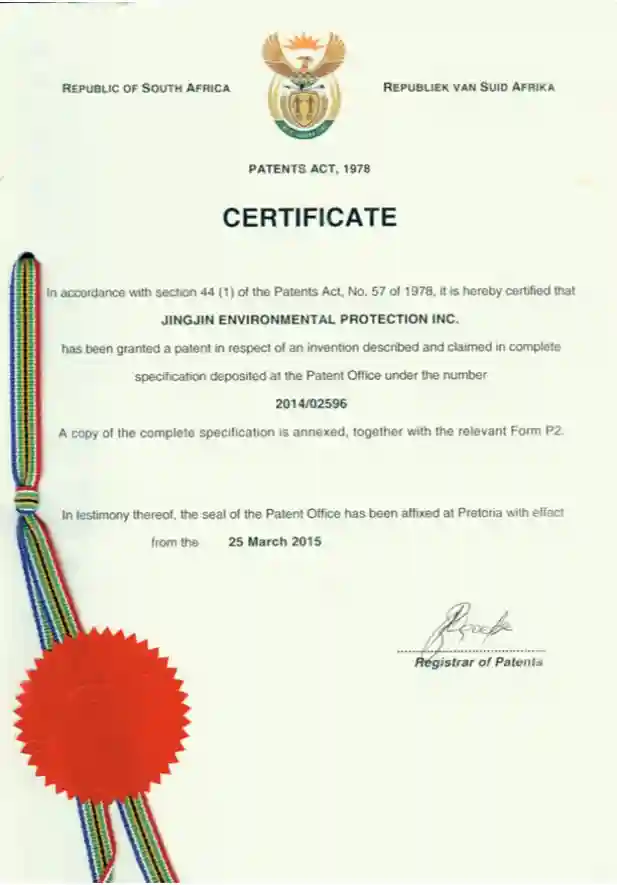
Jingjin has a lot of experience designing and making filter presses, which can help industrial sites that need reliable automated filtering technology. Our high-tech systems use tried-and-true automation technologies that make operations more efficient while lowering costs and the need for upkeep. Jingjin has over 136 patents and has worked with clients in 123 countries to make products. They offer unique solutions that solve problems in a wide range of industries. Our world service network offers ongoing help to keep systems running smoothly throughout their entire lifecycle. As a reliable filter press provider, you can email our expert team at [email protected] to talk about your filtration needs and find out how our automated filter press systems can help your business.
References
1. Smith, J.R. and Chen, L. The journal Journal of Industrial Processing Technology has an article called "Advanced Automation in Industrial Filtration: Performance Analysis of Modern Filter Press Systems." 45, No. 3, 2023.
2. Industrial Filtration Association. "Comparative Study of Automated vs. Manual Filtration Systems in Chemical Manufacturing." Technical Report IFA-2023-07, Industrial Filtration Press, 2023.
3. Martinez, A., et al. "Energy Efficiency Analysis of Automated Filter Press Systems in Mining Operations." International Mining and Minerals Processing Review, Vol. 28, No. 4, 2023.
4. Environmental Engineering Society. "Sustainable Filtration Technologies for Industrial Wastewater Treatment: A Comprehensive Assessment." Environmental Technology Quarterly, Issue 2, 2023.
5. Thompson, R.K. and Patel, S. "Digital Integration and IoT Applications in Modern Filter Press Automation." Process Automation and Control Systems Journal, Vol. 15, No. 2, 2023.
6. Global Industrial Equipment Research Institute. "Market Analysis and Technology Trends in Automated Solid-Liquid Separation Systems." Industrial Equipment Technology Report, Annual Edition 2023.
jingjin
Founded in 1988, Jingjin specializes in filter presses and liquid-solid separation solutions, serving over 130 countries worldwide, and is a standard-setter in China's filter press industry.
Get the Filter Press guide
Enter Your Email for Technical assistance for the Filter Press.

Recommended Blog
Understanding Jingjin Filter Press Parts and Accessories: What You Need to Know
High Efficiency Jingjin Filter Press Applications in Chemical Manufacturing
How to Choose the Best Dewatering Press Machine Capacity for Your Business Needs
How Overseas Distributors Choose Filter Press Suppliers in China?
China Filter Press Supply Chain from Coastal Industrial Parks
How Global EPC Firms Manage Filter Press Procurement in China?
High Durability Filter Press Cloth for Chemical Processing: Benefits and Uses