How Filter Press Plate Design Affects Your Cake Dryness Results
Introduction
- Introduction
- Understanding Filter Press Plate Design and Its Impact on Cake Dryness
- Performance Optimization: How Plate Design Breaks the Bottleneck of Cake Moisture?
- Comparing Different Filter Press Plate Types for Optimal Cake Dryness
- Maintenance and Common Problems Affecting Filter Press Plate Performance
- Procurement Guide: Selecting and Buying Filter Press Plates for Best Results
- Conclusion
- FAQ
- Partner With Jingjin for Superior Filter Press Plate Solutions
- References
When discussing how to dry the cake, industrial filtration experts always refer to filter press plates. These structures regulate how effectively water leaves sludge, slurry, or concentrate during dewatering. The form of these plates—from chamber geometry and drainage channels to material composition and surface texture—affects pressure distribution, filtering speed, and filter cake water content. Understanding these design concepts helps reduce dumping costs, speed up cycle times, and fulfill higher environmental criteria.
Introduction
Many industrial operations, including wastewater cleanup, mining waste management, and medication production, need solids-liquid separation. Every strong filter press system has well-designed filtration plates. These plates preserve separating areas. They support the filter medium and apply pressure to squeeze water from solids.
The style isn't put together. The depth of the chamber, drainage hole form, closure surface precision, and material chemistry determine how dry your drained cake is. Procurement managers and process engineers must balance equipment pricing with long-term performance. If you choose the improper plate design, the cakes may stay overly wet, costing more to transfer and throw away, and making you more likely to break the rules. However, optimized plate technology frequently yields shorter cycle durations, lower energy consumption, and cleaner output.
This tutorial uses wastewater treatment, chemical processing, and mineral recovery examples to demonstrate the most significant technical issues to consider when choosing filter plates. Whether you run a municipal treatment plant that processes biological sludge or dewater copper mine waste, knowing how plate design influences cake moisture may help you purchase better and separate better.
Understanding Filter Press Plate Design and Its Impact on Cake Dryness
Within a filter press, filtration plates hold the structure and keep the fluid inside. Each plate has a precisely shaped surface that fits together with the plates next to it to make separate spaces. Slurry is pushed into these spaces by pressure, and as the liquid moves through the filter cloth and into the drainage tubes, the solids build up and get cake-like.
Chamber Geometry and Cake Formation
Cake dryness relies on chamber depth and form. Recessed chamber plates can store more slurry each cycle for high-solids feeds. The hollow structure enables solids to build up evenly on the fabric, making drying easier. Deeper chambers may accept 8–15% solids feeds. This produces cakes with 30–45% solids, depending on the substance.
However, plate and frame designs use flat plates and hollow frames to build smaller filter tanks. Many scenarios favor quicker drainage over larger chamber size; therefore, this design works well. The smaller cake form helps dampness leave free-draining materials like sand or gritty mineral concentrates faster.
Drainage Channel Design and Flow Resistance
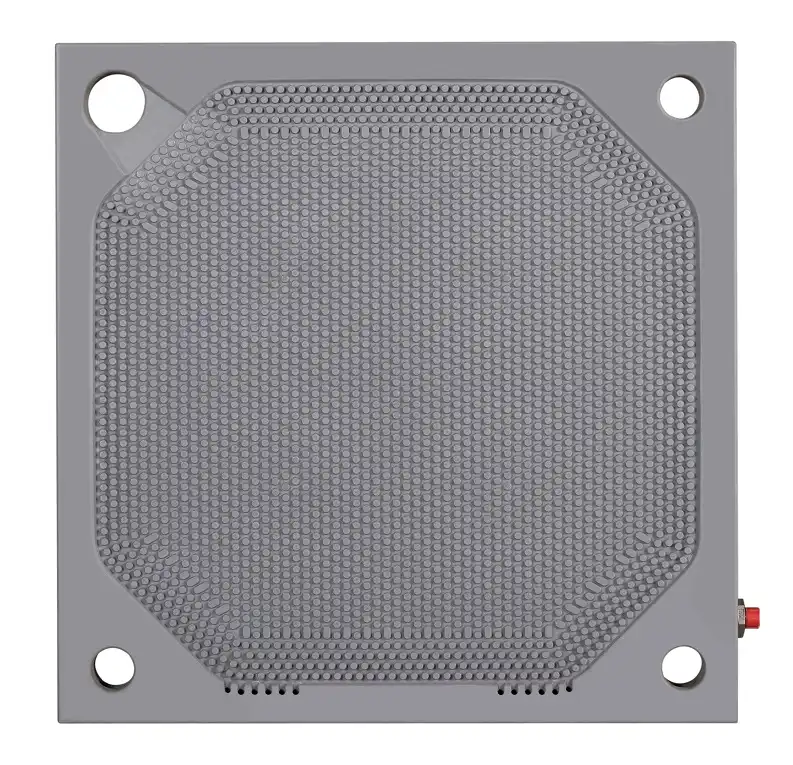
The rough surface of excellent filter press plates is vital for hydraulics, not simply aesthetics. After passing through the filter cloth, filtrate escapes through pips, grooves, or stay-boss drainage pathways. Well-designed channels decrease flow resistance so liquid leaves quickly, and backpressure doesn't impede dehydration or stick filtrate in the cake matrix.
Worn or poorly designed drainage surfaces slow flow, prolonging cycle times and wetting the cake. Moving to plates with improved pip shape reduced cycle time by 12–18% and boosted cake dryness by 3–5% in filter operations, which was a major practical benefit.
Material Composition and Structural Integrity
Nowadays, filter plates are manufactured of reinforced composites, high-molecular-weight modified polypropylene, or PVDF. Each material has unique performance benefits. Virgin polypropylene copolymer resists solvents and stays mechanically sound at 90°C when pH is 1–14. Glass-fiber-reinforced variants are stiffer at high squeeze pressures and heat-resistant up to 125°C.
Plates must be able to be compressed repeatedly at pressures from 6 bar for typical usage to 25 bar for high-pressure membrane systems; therefore, material choice is crucial. Precision injection molding produces plates with a consistent density and no internal holes that might break or fail during usage. Unplanned downtime in mines may cost thousands of dollars per hour, so reliability is crucial.
Performance Optimization: How Plate Design Breaks the Bottleneck of Cake Moisture?
Putting a lot of pressure on cakes isn't enough to make them consistently dry. A number of design flaws often make filtration less effective. Getting rid of these problems by choosing the right plates can lead to big gains.
Pressure Distribution and Membrane Technology
Only feed pressure propels liquid through ordinary chamber plates. This strategy works but has constraints. Results take significantly longer when the filtrate flow reduces to a trickle. A moveable diaphragm in membrane plate frames solves this problem. The membrane is inflated with compressed air or hydraulic fluid after the initial filtering. This squeezes the cake and releases moisture.
Membrane compression reduces end cake moisture by 5–10% compared to chamber-only filtering. Switching from recessed chamber plates to membrane plates increases cake solids from 18% to 26% while dewatering sewage sludge. This reduces dumping weight by half and pays for equipment in 14 months.
Sealing Surface Precision and Leakage Prevention
Slurry escapes through even slight plate sealing faults instead of being compressed. Leaking slurry reduces product and filtering capacity and makes cleanup difficult. Plates with CNC-milled closing edges and 0.2 mm flatness are high-quality. When hydraulic pressure stops the press, the plates adjacent to each other contact tightly.
Proper covering distributes pressure evenly over the cake. Uneven pressure causes compaction zones. This creates cakes with variable moisture levels that may not drain well or require longer drying time before processing.
Chamber Volume and Cycle Efficiency
Balancing productivity and cake quality requires finding the appropriate chamber capacity for feed characteristics. Large chambers may lengthen cycle durations if the feed dewaters fast. However, small chambers require frequent press openings, slowing the flow and increasing effort. Process engineers should determine the optimal chamber volume based on the feed's solids %, cake dryness, and filtering time each shift to maximize equipment utilization.
Chemical sector installations have proven that the right-sized plate chambers and enhanced drainage design may reduce filter cycles from 110 to 85 minutes while fulfilling cake dryness criteria. With 23% less cycle time, more work could be done daily without increasing press equipment.
Comparing Different Filter Press Plate Types for Optimal Cake Dryness
To choose the right plate technology, you need to know how different designs work with different feed materials and uses.
Recessed Chamber Plates vs. Plate and Frame Systems
Most modern systems employ recessed chamber plates because they are easier to operate and maintain. When assembled in a precise configuration, each plate creates two filter chambers since it contains holes on both sides. This design eliminates frame elements, reducing parts and making filter cloth placement easier. Based on material characteristics, recessed systems can handle a wide variety of feed consistencies and obtain cake solids to 25–40%.
New setups seldom employ plate and frame designs, but they can be helpful. Different frame parts form transparent areas with the same thickness, which helps manage cake thickness. In situations where blinding or chemical deterioration requires frequent fabric changes, these technologies make it straightforward.
Membrane Plates for Maximum Dewatering
If cake freshness is worth the extra money, membrane plates are preferable. When normal filtration fails, membrane expansion mechanically compresses the cake to twice its pressure. This squeezing motion breaks down the cake's microstructure, opening capillary channels and releasing water.
Fine tailings are difficult to dewater using typical methods; therefore, membrane technology applied to filter press plates is very useful for mining operations. We worked with copper and gold mines where this membrane filtering removed 80–85% of tailings cake solids. This permitted dry stacking and eliminated tailings ponds, which was better for the environment and rules.
Material Selection: Polypropylene vs. Reinforced Options
Most industry filtration demands may be met using affordable, chemically resistant, and mechanically resilient polypropylene plates. They can wash concrete, clean pollutants, and perform numerous chemical operations because they don't react with acids, bases, or most organic solvents.
The breakdown of polypropylene by powerful oxidizers, concentrated acids, or high-temperature organic solvents requires PVDF plates. Pharmaceutical and specialty chemical firms select PVDF for its chemical neutrality and FDA material specifications. Glass-fiber-reinforced polypropylene adds mechanical strength and thermal stability without the expense of PVDF. This makes it ideal for high-temperature or heavy-duty mining.
Maintenance and Common Problems Affecting Filter Press Plate Performance
Even the best-designed filter press plates need to be properly maintained so that they keep working well for their entire service life, which in well-run businesses can be 5 to 10 years.
Routine Inspection and Cleaning Protocols
Every time the press opens, the operators should look at the plates visually, looking for cracks, damage to the seal surface, or material buildup in the draining ducts. When drainage pipes get clogged, they make dehydration much less effective, which leaves cakes with too much wetness and makes cycle times longer. High-pressure washing every so often gets rid of fines that have built up in draining pathways, which improves hydraulic performance.
Pay extra attention to areas that seal. Even small cuts or nicks can cause leaks that get worse over time as the pressurised slurry wears away at the damage. To keep the purity of the press, plates with broken seals should be taken out of service and quickly fixed or replaced.
Troubleshooting Common Failures
There are three main reasons why plates crack: material wear from cycling too much pressure, impact damage during handling, or flaws in the way the plate was made. These risks can be kept to a minimum with stress-relieved injection moulding and the right choice of materials, but plates do reach the end of their useful life. Keeping track of the age and number of cycles on a plate helps figure out when it needs to be replaced before it fails in a catastrophic way during operation.
When a seal fails, it shows up as slurry spray during filtering rounds. Leaks not only cause safety and cleaning problems, but they can also lower the area that can effectively filter things and lower the quality of the filtrate. Putting in new gaskets and making sure the plates are lined up correctly during closing normally fixes these problems. If sealing problems keep happening, it could mean that the plates are worn out or twisted and need to be replaced.
Uneven pressure distribution shows up as cakes that are different thicknesses or levels of wetness across the plate pack. This problem usually happens when hydraulic cylinders don't work properly and don't apply an even closing force. But it can also happen when scale or layers build up and stop plates from fitting properly. Taking care of the upkeep on the hydraulic system and cleaning the plates thoroughly usually brings back regular performance.
Procurement Guide: Selecting and Buying Filter Press Plates for Best Results
To make smart choices about buying, you need to balance technical needs with business needs and long-term value factors. Describe your feed material by its chemical qualities, particle size distribution, solids concentration, and how it settles to get the best filter press plates.
Technical Criteria for Plate Selection
First, characterize your feed material's chemical properties, particle size distribution, solids concentration, and settling. Choose the proper plate type, chamber quantity, and pressure grade based on these criteria. Standard recessed chamber plates for 8–12 bar operating pressure may work for water-losing materials. Biological sludge and fine mineral tailings are commonly used to explain membrane plates that can withstand 25 bar.
Check plate material and process chemical compatibility. Polypropylene can withstand most industrial settings, but check for chemical, temperature, and pH resistance. Size your chamber to fit the number sizes and cycle times. Too tiny chambers require too many press openings, whereas too large chambers prolong cycles.
Quality Certifications and Supplier Evaluation
Reputable manufacturers maintain ISO 9001 and other business-specific certifications. Plate designs must pass high-pressure operating safety tests for pressure tanks. In pharmaceutical and food processing situations with high material purity criteria, FDA or USP Class VI compliance is crucial.
Ask the provider about services beyond plate production. Complete filtration suppliers aid with system integration, filter fabric selection, and commissioning during setup and installation. Technical papers, spare parts, and fast customer service distinguish professional sellers from commodity dealers.
Total Cost of Ownership Considerations
The purchase price is just one expense of ownership. Consider how long the plates will endure in your workplace. Premium plates cost 15–25% more but last twice as long. More relevant comparisons are available when you calculate cost per filter cycle instead of unit pricing.
Imagine saving money by enhancing efficiency. Cake-drying plates save waste daily. Shorter cycle durations increase production; therefore, you may not need extra press space. Worker workload and unplanned downtime decrease with less maintenance. When we calculate the total cost of ownership over five years, high-end plates with well-designed layouts usually come out ahead.
Check the warranty and after-sales service. Full warranties that cover product manufacturing issues are a smart method to protect yourself, and suppliers who give application tech support, performance debugging, and rapid part delivery are beneficial throughout the equipment's life.
Conclusion
To get the best cake dryness, you need to do more than just run the machine at full pressure. You also need to pay close attention to how the filter plates are designed and chosen. The final moisture content and how well the separation works depend on the shape of the chamber, the design of the drainage channels, the technology used for the membrane, and the make-up of the material. By understanding these technical factors, procurement managers and process engineers can choose equipment that leads to measurable operating gains, such as lower disposal costs, shorter cycle times, better compliance with regulations, and higher total production. Investing time in proper plate selection pays rewards throughout years of reliable filter performance.
FAQ
Q1: Which plate type delivers the driest filter cakes?
By applying mechanical force after regular sifting is done, membrane plates always make the driest cakes. When compared to normal chamber plates, the membrane squeeze action can lower the end moisture content by 5–10%. This makes them especially useful for materials that are hard to dewater, such as fine tailings, biological sludge, or slurries that contain clay.
Q2: How do I select the right plate material for chemical processing?
Polypropylene can handle most commercial acids between pH 1 and 14 and temperatures up to 90°C. PVDF is the best choice for harsh chemical conditions with strong oxidisers, concentrated acids, or temperatures above 100°C. For high-temperature uses, glass-reinforced polypropylene is a good compromise because it doesn't cost as much as PVDF but still lasts a long time.
Q3: What maintenance schedule extends plate service life?
Every time the press opens, check the plates for damage that can be seen. Clean the drainage lines once a month with high-pressure water, and keep accurate records of cycle counts and working conditions. Replace the gaskets once a year or whenever there is a leak, and take any damaged plates out of service right away. Plates that are well taken care of usually work reliably for 5 to 10 years.
Partner With Jingjin for Superior Filter Press Plate Solutions
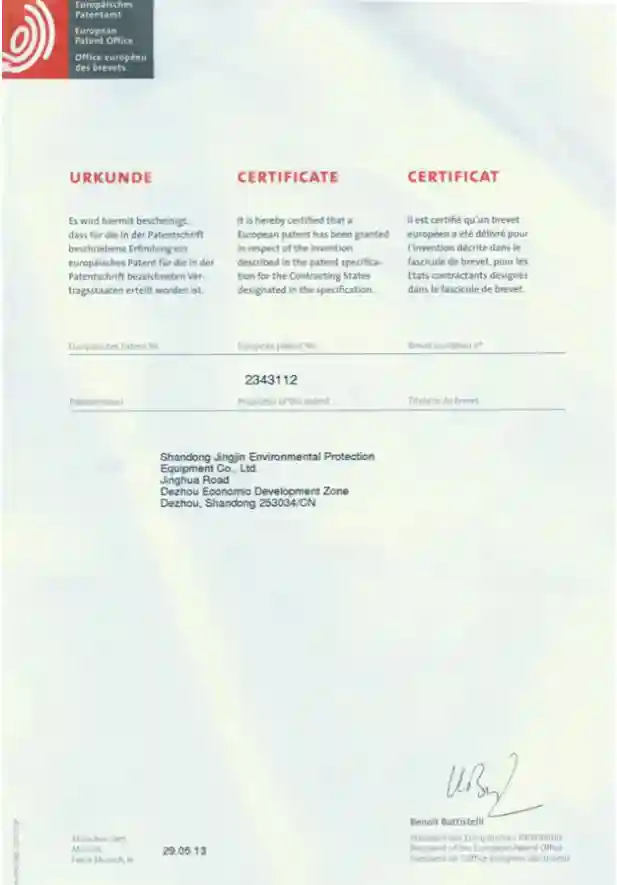
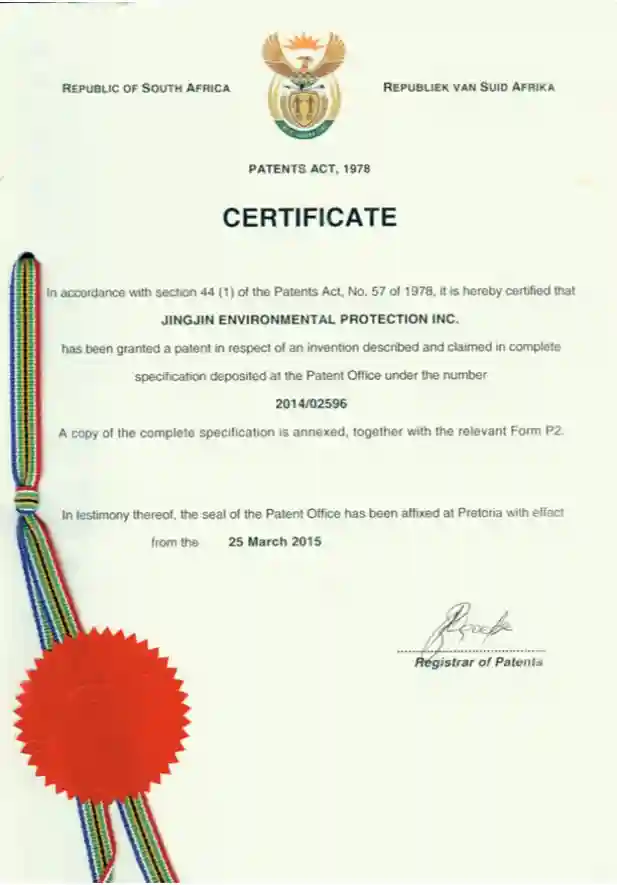
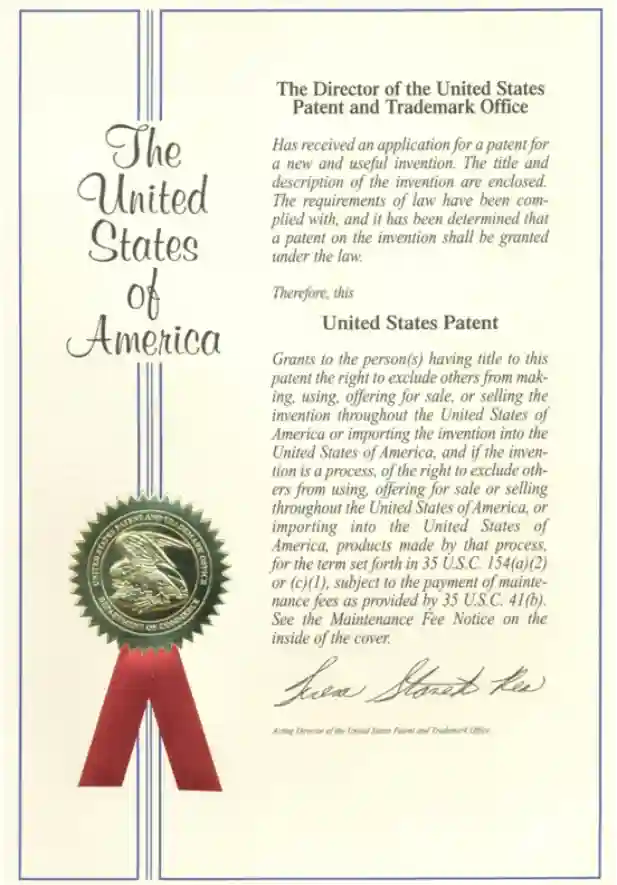
To get regularly dry filter cakes, you need more than just off-the-shelf equipment. You need engineering know-how, tried-and-true technology, and help that you can count on for the long term. Since 1988, Jingjin Equipment Inc. has been making accurate filtration systems for customers in 123 countries. Their filter press plates are the best in the business and are designed to handle tough jobs. Our range of products includes membrane plates that remove as much water as possible, materials that don't rust in harsh chemical conditions, and special solutions for specific processing problems. Mining companies, wastewater treatment plants, and chemical manufacturers count on Jingjin every day because it is backed by over 136 patents and is manufactured in an ISO-certified facility. Talk to one of our applications engineers about your individual separation problems and find out how a better plate design can help your cake dryness results. Email us at [email protected] to talk to a filter press plate provider who cares about the success of your business.
References
1. Tarleton, E.S., & Wakeman, R.J. (2007). Solid/Liquid Separation: Equipment Selection and Process Design. Butterworth-Heinemann.
2. Rushton, A., Ward, A.S., & Holdich, R.G. (2000). Solid-Liquid Filtration and Separation Technology. Wiley-VCH.
3. Cheremisinoff, N.P. (1998). Liquid Filtration: Second Edition. Butterworth-Heinemann Series in Chemical Engineering.
4. Sutherland, K. (2008). Filters and Filtration Handbook: Fifth Edition. Elsevier Science.
5. Purchas, D.B., & Sutherland, K. (2002). Handbook of Filter Media: Second Edition. Elsevier Advanced Technology.
6. Wakeman, R.J., & Tarleton, E.S. (2005). Solid-Liquid Separation: Principles of Industrial Filtration. Elsevier Science.
jingjin
Founded in 1988, Jingjin specializes in filter presses and liquid-solid separation solutions, serving over 130 countries worldwide, and is a standard-setter in China's filter press industry.
Get the Filter Press guide
Enter Your Email for Technical assistance for the Filter Press.



Recommended Blog
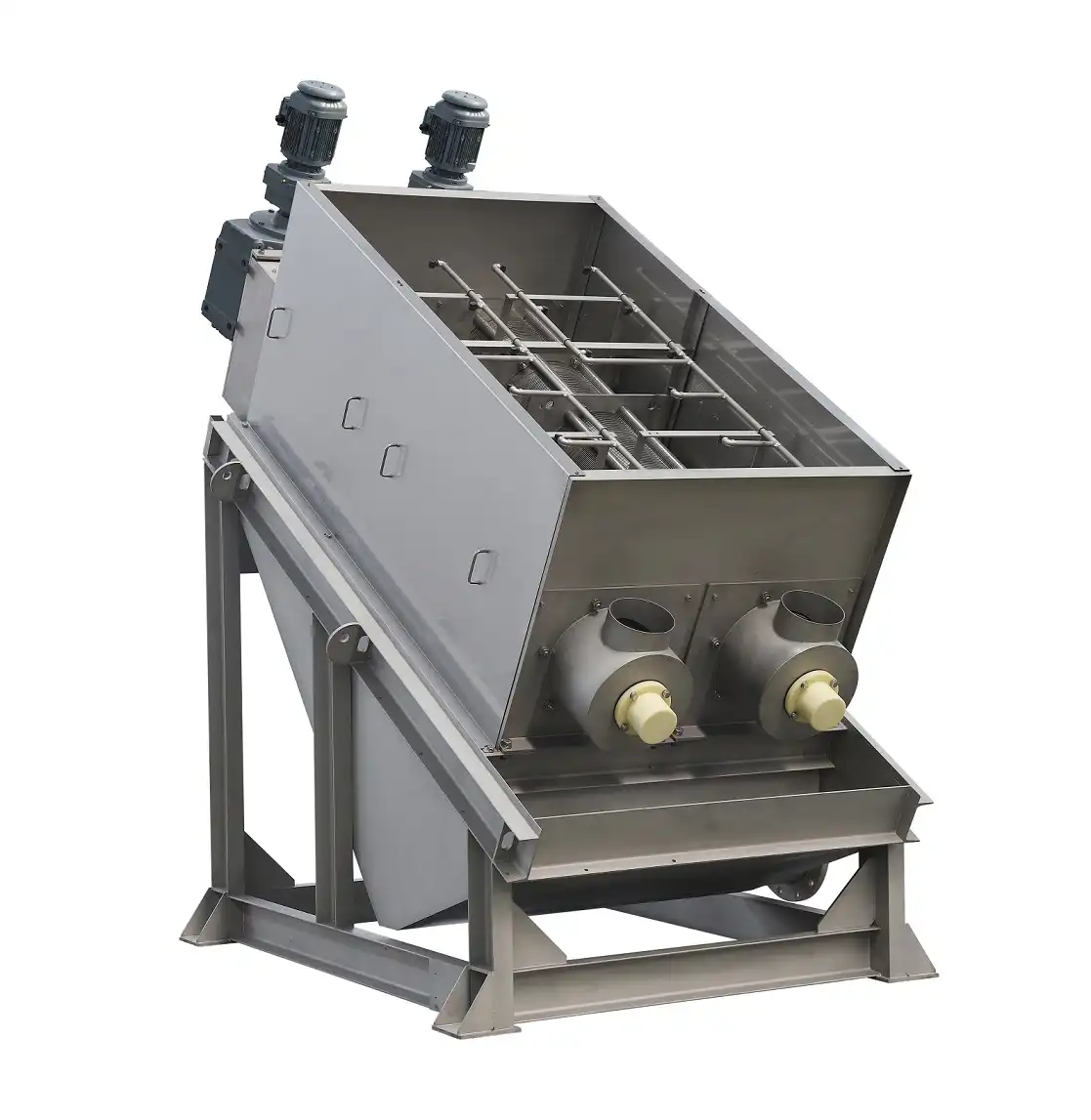
China Multi Disk Screw Press vs India: Cost & Performance 2026
Where to Buy High Quality Multi Disk Screw Press for Efficient Sludge Dewatering
Comparing Jingjin Filter Press with Other Brands: Which One Suits You Best?
Integration of Press Pump and Filter Press Systems for Enhanced Performance
How a Sludge Filter Press Machine Improves Dewatering Efficiency
Membrane Plate Filter Press for Mineral Processing: Improving Filtration Results
The Essential Guide to Filter Press Plates in Industrial Filtration