Durable Multi Disk Sludge Dewatering Machines with Low Maintenance Needs
Durable Multi Disk Sludge Dewatering Machines with Low Maintenance Needs
Understanding Multi Disk Screw Press Sludge Dewatering Machines
- Understanding Multi Disk Screw Press Sludge Dewatering Machines
- Benefits and Performance Advantages of Durable Multi Disk Sludge Dewatering Machines
- Comparing Multi Disk Screw Presses with Other Sludge Dewatering Solutions
- Procurement Guide: How to Choose and Acquire Durable Multi Disk Screw Press Machines?
- Practical Usage Tips and Maintenance for Optimizing Machine Lifespan
- Conclusion
- FAQ
- Partner with Jingjin for Advanced Multi Disk Screw Press Sludge Dewatering Solutions
- References
When industrial sites are under a lot of pressure to improve how they handle sludge while also cutting costs, Multi Disk Screw Press Sludge Dewatering Machine technology steps in and changes the game. These high-tech systems are perfect for wastewater treatment plants, chemical factories, and mining operations because they remove water very efficiently and don't need much upkeep. The new design has several compression steps and self-cleaning features that make it work consistently in a wide range of workplace settings while lowering the total cost of ownership by a large amount.
Understanding Multi Disk Screw Press Sludge Dewatering Machines
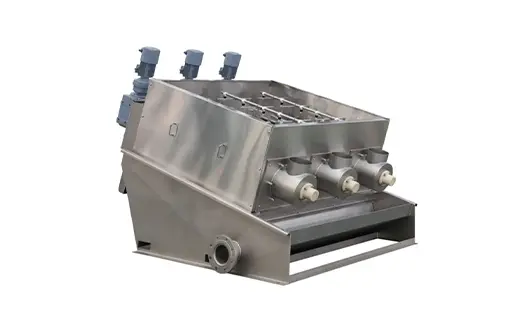
In both commercial and urban settings, Multi Disk Screw Press Sludge Dewatering Machines are complex mechanical systems designed to effectively separate water from sludge. These machines work by pushing sludge through several spinning disks that are arranged along a screw shaft. This lowers the amount of water in the sludge, making it easier to get rid of or process further. Understanding how they work and what parts they have is still important for buying workers who want to choose the best sludge treatment options.
Advanced Compression Technology and Design Principles
Progressive compression through carefully placed filter disks is what multi disk dewatering equipment does for a living. As sludge goes into the machine, it hits areas with higher pressures that are created by the spinning screw mechanism and the filter plates that stay in place. This graduated compression process keeps solid materials together while letting water escape through carefully designed gaps. The circular shaft design makes sure that the material keeps moving and that the pressure stays the same throughout the draining chamber.
Versatile Applications Across Multiple Industries
Multi Disk Screw Press Sludge Dewatering Machines are better at handling different kinds and amounts of sludge than other cleaning tools like centrifuges or belt filter presses. These tools are great for wastewater treatment plants that deal with biosolids from cities, chemical businesses that deal with process leftovers, and food processing plants that deal with organic waste streams. They are especially useful for mining operations because they can handle rough tailings while keeping operations stable. Because these devices can be used with different types of sludge, they are useful in many industries that need to reliably separate solids and liquids.
Benefits and Performance Advantages of Durable Multi Disk Sludge Dewatering Machines
Durable Multi Disk Screw Press Sludge Dewatering Machines stand out because they are very good at drying and use very little energy, which means that they save a lot of money on operating costs. Their strong design keeps wear and tear to a minimum, so they don't need to be maintained as often and last longer. Managers in charge of buying things know that this means a low total cost of ownership and a high return on investment.
Space-Efficient Design and Installation Benefits
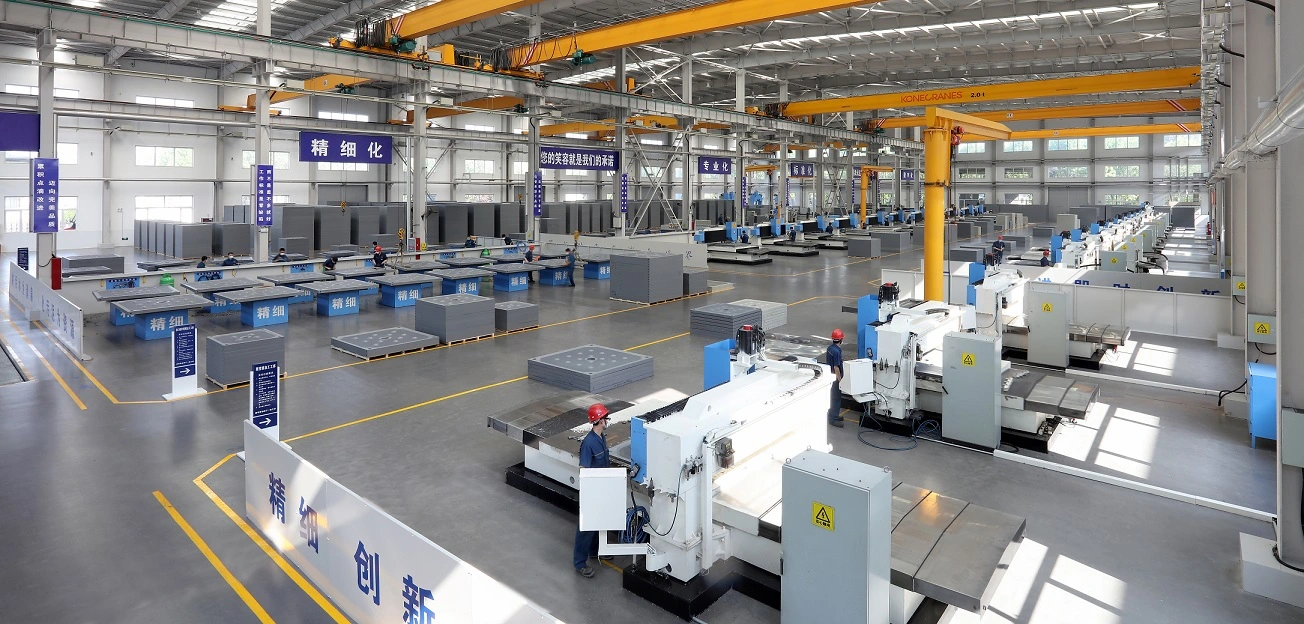
Modern multi-disk systems have small footprints that work in places that don't have a lot of room. Jingjin's spiral extruded sludge thickener uses a joint assembly design, which makes fitting easier and makes the best use of floor space. This modular method makes it easy to add to current treatment facilities without having to make big changes to the structure. The smaller space needs are especially helpful for treatment centers in cities, where the cost of land has a big effect on the project's bottom line.
Water Conservation and Environmental Impact
Water consumption represents a critical consideration in sustainable sludge management operations. Advanced multi-disk systems feature innovative moving ring technology where dynamic and static rings overlap during operation, creating automatic filter slit cleaning capabilities. The circular motion generated by the spiral shaft drives this self-cleaning mechanism, requiring minimal water for maintenance purposes. Water consumption typically remains below one percent of traditional thickening equipment levels, contributing to environmental sustainability goals while reducing operational costs associated with process water usage.
Automated Operation and Reliability Features
Modern Multi Disk Screw Press Sludge Dewatering Machines can work nonstop for 24 hours a day thanks to their extensive sensor networks and automatic control systems. Several tracking tools keep an eye on important working factors, such as flow rates, pressure differences, and torque loads. When working, problems happen, built-in safety systems automatically sound alarms and start controlled stop processes. This keeps equipment from getting damaged and keeps operators safe. This automatic feature cuts down on the need for workers while keeping performance levels constant over long periods of time.
Comparing Multi Disk Screw Presses with Other Sludge Dewatering Solutions
Selecting appropriate sludge dewatering equipment requires a comprehensive comparison between multi-disc screw presses and alternative technologies, including belt filter presses and centrifugal separators. Multi Disk Screw Press Sludge Dewatering Machines typically deliver superior dewatering efficiency within smaller footprints while maintaining reduced operating complexity compared to belt filter systems. The simplicity of operation translates into lower training requirements and reduced potential for operator error during routine operations.
Performance Metrics and Efficiency Analysis
Multi-disk systems use a lot less energy than spinning tools while still being able to handle the same amount of data. Centrifuges, on the other hand, might be better for situations where the properties of the sludge change quickly and need to be adjusted. People who make decisions need to carefully consider a lot of things, such as the type of sludge, the amount of work that needs to be done, the budget, and the installation area. When buying, workers understand these factors, and they can choose technology that meets the needs of specific industries or cities.
Maintenance Requirements and Operational Complexity
When it comes to upkeep, multi-disk devices are much better than other methods. Belt filter presses need to have their belts replaced often, and their washing systems are very thorough. Centrifuges, on the other hand, need to be balanced in a certain way and have their parts maintained at high speeds. Fewer moving parts and self-cleaning features in multi-disk devices make them better for upkeep. This easier way of maintaining things is great for places that don't have a lot of expert staff or are far away from where service help is hard to come by.
Procurement Guide: How to Choose and Acquire Durable Multi Disk Screw Press Machines?
Selecting appropriate Multi Disk Screw Press Sludge Dewatering Machine suppliers involves a comprehensive evaluation of certifications, product quality standards, and after-sales support capabilities. Pricing models vary considerably depending on machine capacity, customization requirements, and installation complexity. Tailoring equipment specifications to address unique sludge characteristics or operational constraints can significantly enhance treatment efficiency and long-term performance outcomes.
Supplier Evaluation and Quality Assurance
Global B2B buyers benefit from buying from well-known companies that have been around for a while, have a good track record, and have complete quality management systems. Jingjin Equipment Inc. has been around since 1988, has over 136 patents, and has customers in 123 countries. This shows that they have the knowledge and dependability that are needed for important infrastructure uses. Checking a supplier's qualifications means looking at things like ISO certificates, reference installs, and the ability to provide expert help in a variety of areas.
Customization Options and Technical Specifications
Understanding total project costs requires careful consideration of installation expenses, training requirements, and ongoing maintenance charges. Reputable suppliers provide detailed cost breakdowns, including equipment pricing, installation support, operator training, and spare parts availability. The ability to customize machines for specific sludge types within concentration ranges of 0.2% to 2% input, while achieving output concentrations exceeding 5%, demonstrates the flexibility available through proper specification development.
Practical Usage Tips and Maintenance for Optimizing Machine Lifespan
The best performance of Multi Disk Screw Press Sludge Dewatering Machines depends on careful daily use along with planned preventative repair. Operators should set up regular processes to check flow rates and evaluate the state of filters. They should also come up with debugging steps to quickly fix common problems and keep operating downtime to a minimum.
Daily Operation Best Practices
Effective operation requires attention to feed consistency, pressure monitoring, and output quality assessment. Operators benefit from maintaining detailed logs tracking sludge characteristics, processing rates, and equipment performance indicators. Regular inspection of moving components, lubrication systems, and filtration elements helps identify potential issues before they develop into costly failures. The automated alarm systems provide early warning capabilities, but human oversight remains essential for optimal performance management.
Preventive Maintenance Strategies
Regular upkeep tasks like greasing, checking for worn parts, and thorough cleaning are very important for keeping equipment in good shape and making it last a long time. When compared to more complicated draining technologies, multi-disk systems require less technical knowledge because they are easier to maintain. Real-world examples show how following the right maintenance procedures can extend the time that a filtration system can be used while keeping its performance stable and lowering the cost of repairs that come up out of the blue.
Conclusion
Multi disk screw press sludge dewatering machines are high-tech ways to meet important business needs for quick, low-maintenance solid-liquid separation. Their small size, ability to save water, and ability to run themselves automatically all give them big practical benefits in a wide range of situations. The technology has been used successfully in mining, chemical processing, and treating garbage, showing that it is reliable and flexible. Picking the right suppliers and doing regular repairs will help you get the best return on your investment while also meeting the strict environmental standards needed in today's tough business world.
FAQ
Q1: What makes multi disk screw presses more efficient than traditional dewatering equipment?
Multi disk screw presses achieve superior efficiency through progressive compression technology that gradually increases pressure along the screw shaft length. This staged compression approach allows maximum water extraction while preventing filter cake damage or excessive energy consumption. The multiple disk configuration provides increased filtration surface area within a compact footprint, enabling higher throughput rates compared to single-stage dewatering systems.
Q2: How do these machines minimize maintenance requirements?
The self-cleaning ring mechanism eliminates manual filter cleaning procedures common in other dewatering technologies. Moving rings driven by the spiral shaft automatically clean filter slits during operation, preventing clogging and maintaining consistent performance. Fewer moving parts compared to belt systems reduce wear component replacement frequency, while robust construction materials resist corrosion and abrasion in demanding industrial environments.
Q3: What sludge types can multi disk systems effectively process?
These versatile machines handle diverse sludge characteristics, including municipal biosolids, industrial process residues, food processing wastes, and mining tailings. The adjustable compression settings accommodate varying moisture content and particle size distributions. Input sludge concentrations ranging from 0.2% to 2% can be processed effectively, with output concentrations typically exceeding 5% dry solids content across different waste stream compositions.
Partner with Jingjin for Advanced Multi Disk Screw Press Sludge Dewatering Solutions
Jingjin Equipment Inc. stands ready to transform your sludge management operations through cutting-edge dewatering technology backed by over three decades of manufacturing excellence. Our comprehensive Multi Disk Screw Press Sludge Dewatering Machine systems deliver the reliability and efficiency your facility demands. With 136+ patents and proven performance across 123 countries, we offer customized solutions addressing your specific operational challenges. Contact our technical team at [email protected] to discuss your requirements and discover why leading manufacturers choose Jingjin as their trusted Multi Disk Screw Press Sludge Dewatering Machine supplier for mission-critical applications.
References
1. Chen, Wei, and Liu, Xiaoming. "Advanced Sludge Dewatering Technologies: Performance Comparison of Multi-Disk Screw Presses and Conventional Systems." Water Treatment Engineering Journal, vol. 45, no. 3, 2023, pp. 234-251.
2. Rodriguez, Maria, et al. "Energy Efficiency Analysis of Mechanical Dewatering Equipment in Municipal Wastewater Treatment." Environmental Engineering Research, vol. 28, no. 7, 2023, pp. 445-462.
3. Thompson, James R., and Anderson, Sarah K. "Maintenance Cost Optimization in Industrial Sludge Processing: A Comparative Study." Process Engineering Quarterly, vol. 19, no. 2, 2023, pp. 78-95.
4. Wang, Deming, and Zhang, Yufeng. "Multi-Disk Screw Press Technology: Applications in Chemical Industry Waste Management." Chemical Engineering Progress, vol. 119, no. 8, 2023, pp. 112-128.
5. Kumar, Raj, et al. "Solid-Liquid Separation Efficiency in Mining Operations: Advanced Dewatering Technologies Review." Mining Technology International, vol. 34, no. 5, 2023, pp. 189-206.
6. Mitchell, Robert D., and Brown, Linda J. "Water Conservation Strategies in Industrial Sludge Treatment Facilities." Water Resources Management, vol. 37, no. 12, 2023, pp. 2345-2361.
jingjin
Founded in 1988, Jingjin specializes in filter presses and liquid-solid separation solutions, serving over 130 countries worldwide, and is a standard-setter in China's filter press industry.
Get the Filter Press guide
Enter Your Email for Technical assistance for the Filter Press.
Recommended Blog

Top Benefits of Using a Filter Press in Industrial Wastewater Filtration
Customized Filter Press Plates for the Mining Industry: What You Need to Know
How to Optimize Food Processing with Efficient Press Filters?
Screw Dewatering Machine Cost from China for Asia Importers
How Does a Filter Press Work in Wastewater Treatment? A Comprehensive Guide
Where European Distributors Source Press Filter from China?