Chemical Filtration Solutions: Using Press Filter Machines for Optimal Results
Chemical Filtration Solutions: Using Press Filter Machines for Optimal Results
Introduction
- Introduction
- Understanding Press Filter Machines in Chemical Filtration
- Selecting the Right Press Filter Machine for Your Chemical Filtration Needs
- Operation, Maintenance, and Troubleshooting for Optimal Performance
- Market Insights: Brands, Pricing, and Procurement Strategies
- Enhancing Filtration Efficiency: Future Trends and Innovations
- Conclusion
- FAQ
- Partner with Jingjin for Superior Chemical Filtration Solutions
- References
Many industrial operations utilize chemical filtration to preserve product quality and the environment. Chemical companies worldwide need press filter machines because their pressure-driven technology separates particulates from liquids. This extensive guide shows how high-tech filtering technologies speed up processes, cut prices, and hurt the environment for environmentally conscious procurement personnel.
Introduction
Chemical filtration is essential to many commercial procedures that ensure product quality and hygiene. Press filter devices are crucial for effective solids-liquid separation. This is crucial for chemical manufacturers. This blog aims to help B2B procurement specialists, engineers, and decision-makers understand press filter machines so they can compare, select, and purchase better, improving business results.
Modern chemical processing requires smarter, distinct technology to fulfill quality and environmental demands. Many industries, from mining to pharmaceuticals, use filter press systems due to advances in filtration technology. Professionals who acquire tools and improve processes must comprehend these systems.
Understanding Press Filter Machines in Chemical Filtration
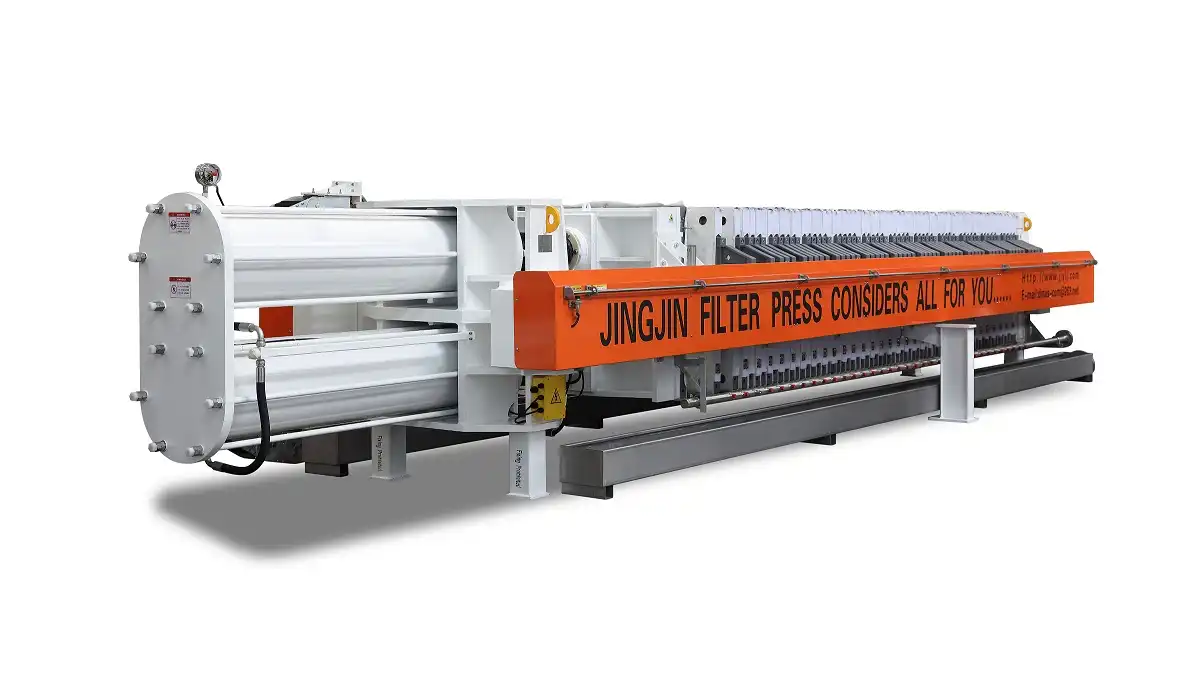
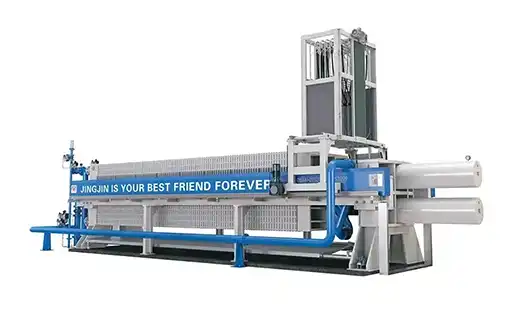
Press filter machines mechanically remove particles from liquids in chemical processes. Pressure is used to filter cakes. Strong hydraulic or air pressure pushes liquid through the filter medium while holding solid particles. This separates phases for processing or disposal.
Core Types and Operational Mechanisms
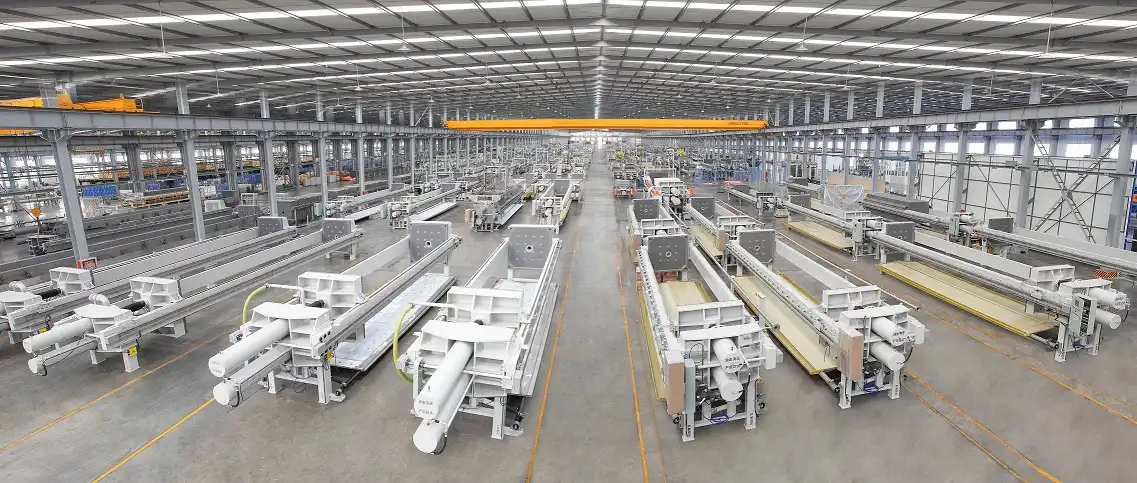
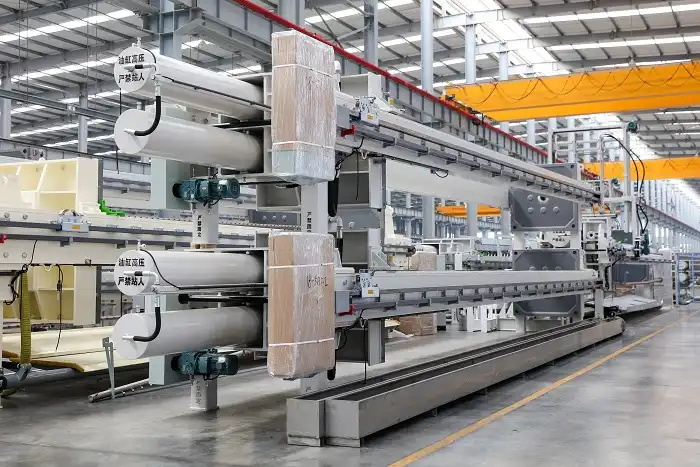
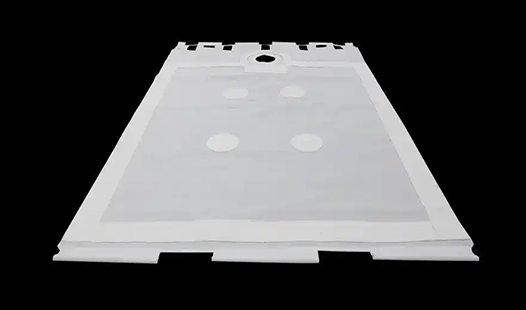
Industrial fluids are usually filtered using chamber press filters. Different solids concentrations may be handled using fixed-volume sections. These machines are ideal for handling large amounts of solids and feed materials with various particle sizes. The simple chamber requires less maintenance and lasts longer in hostile chemical conditions.
Flexible membranes within each cell allow membrane press filters to extract more water by secondary compression. This method dries filter cakes and saves dumping costs by removing more moisture than chamber systems. The membrane design works well for small parts or materials that need to dry fast.
Competitive Advantages in Chemical Applications
The major advantages of press filter technology in chemical processes are:
- Better filtration: innovative filter plate designs and flow patterns provide separation regardless of feed conditions.
- Operational reliability: Strong buildings and proven motor designs reduce unexpected downtime in high-stakes manufacturing.
- Cost-effectiveness: Less energy than centrifugal solutions minimizes running expenses while maintaining production.
- Environmentally friendly: solid-liquid separation reduces waste and enhances resource recovery.
These characteristics make filter press systems ideal for chemical firms that seek to optimize separation operations while maintaining quality.
Press filters outperform vacuum, centrifuge, and spinning drum filters for several chemical filtering challenges. Small pieces cause vacuums to malfunction and require constant power to suction. Money and expertise are needed to operate centrifuges. Rotary drum filters aren't adaptable to diverse feeds.
Selecting the Right Press Filter Machine for Your Chemical Filtration Needs
When choosing a press filter machine, examine its filtering capacity, chemical compatibility, automation possibilities, energy usage, and maintenance requirements. To ensure the technology is worth it in the long term, the selection procedure must include present operational demands and future expansion.
Critical Selection Parameters
Filtration capacity depends on input flow rates, solids concentration, and cake dryness. Chemical compatibility testing ensures filter plates, seals, and fabric can withstand process conditions. Automation varies from manual operations to fully integrated systems with programmable logic controllers and remote monitoring.
The distinctions between chamber and membrane designs make it simpler to understand how they function and if they are suitable. Chamber press methods dry large loads well, but they may struggle with tiny materials. Membrane designs remove moisture better but need more intricate control systems and higher startup costs.
Application-Specific Matching
Matching equipment to mining chemicals, medications, wastewater treatment, or specialized chemicals maximizes performance. Mining usage with abrasive slurries and tailings needs durability and high throughput. Pharmaceutical handling must be hygienic and have evidence of paperwork to fulfill regulatory requirements.
Automated solutions assist wastewater treatment facilities in saving operator effort and ensuring filter consistency. Specialty chemical manufacturers require specific solutions with unique materials to securely handle caustic or explosive substances.
Real-life examples illustrate how tailored selection improves filtering and ownership costs. A pigment manufacturer employed membrane technology to increase cake freshness and reduce waste by 35%. A mining business attained 99% uptime by using non-rusting materials under acidic environments.
Operation, Maintenance, and Troubleshooting for Optimal Performance
Press filter machines work best with standard operating procedures and chemical plant safety standards. Before running it, you must understand how the feed works and adjust the cycle parameters to suit the material and output.
Standardized Operational Procedures
Operating protocols define regular feeding rates, pressure patterns, and timing considerations for optimal separation. Operators must understand feed solids concentration, filter pressure, and cycle time to achieve cake quality. Change pH, manage flocculation, and stabilize temperature before filtration.
Safety procedures include locking out and tagging out personnel, wearing the correct PPE, and handling chemical processing accidents. Because hydraulic systems have significant operating pressures and stored energy that might be released during repair, safety is crucial.
Comprehensive Maintenance Strategies
Regular maintenance extends machine life and filtering quality via periodic examination and preventative replacement. Routine maintenance includes checking and changing the filter fabric, which affects separation and product quality. Hydraulic systems require fluid analysis, seal replacement, and pressure testing to avoid unexpected failures.
Material-specific care considers how various chemicals affect machine components. Corrosive materials need tighter cleaning and shorter review durations. Abrasive feeds need additional plate alignment and cloth changes.
Troubleshooting Common Issues
Recognizing typical operational issues reduces downtime and maintains production. Poor cake formation frequently indicates improper preparation or cycle time. Haze in the filtrate may indicate cloth damage or improper plate sealing.
Uneven pushing forces or longer rotation times indicate hydraulic system issues. Systematic troubleshooting helps staff rapidly locate triggers and address issues. Documented troubleshooting activities assist the institution in learning from them and handling issues later.
Market Insights: Brands, Pricing, and Procurement Strategies
In the worldwide press filter machine market, both established and new businesses provide competing goods. Market trends indicate an increasing demand for autonomous systems and unique materials for complex chemical jobs.
Leading Industry Players and Competitive Landscape
ANDRITZ leads large-scale industrial usage with its engineering services and global support networks. Metso develops durable, fast mining and heavy industry equipment. FLSmidth focuses on cement and mining applications, utilizing proven technology.
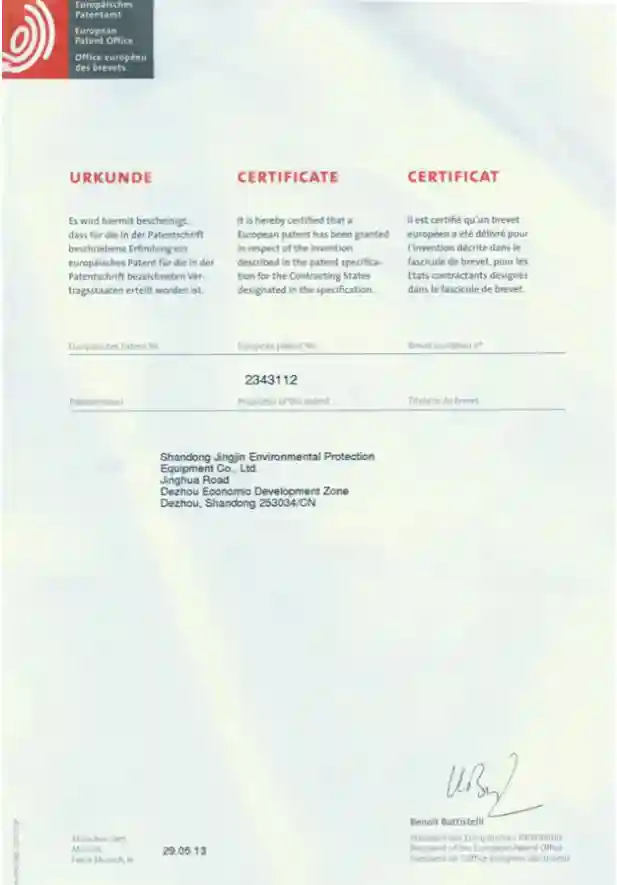
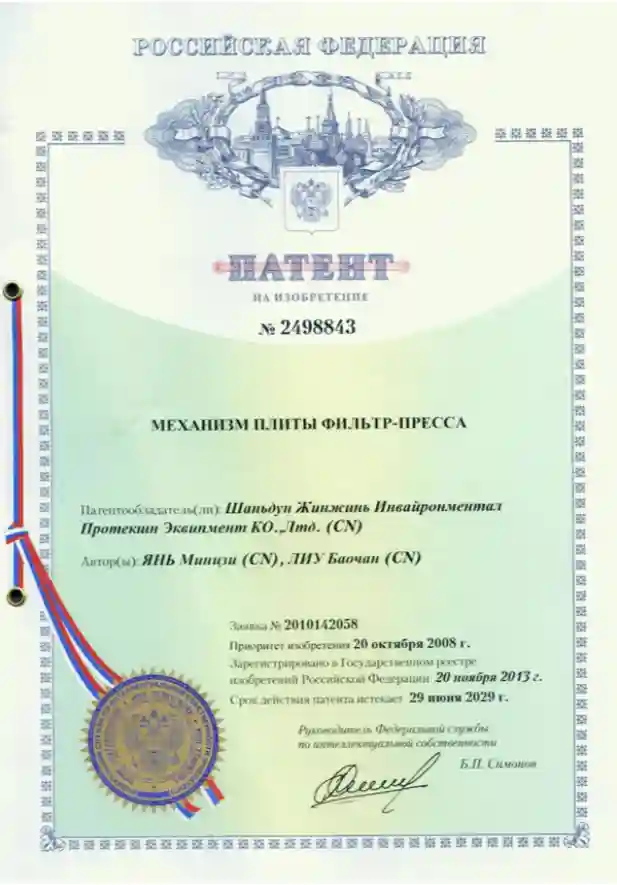
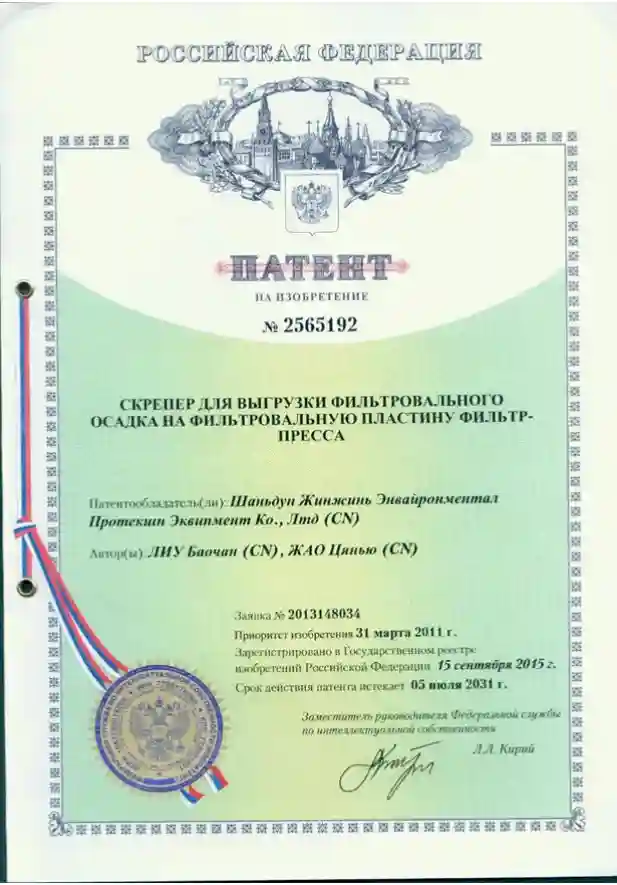
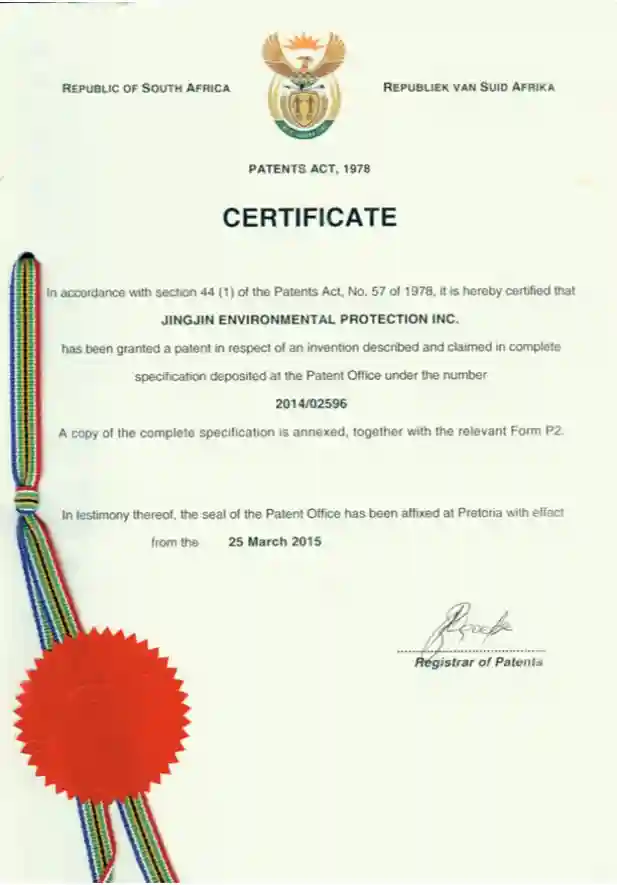
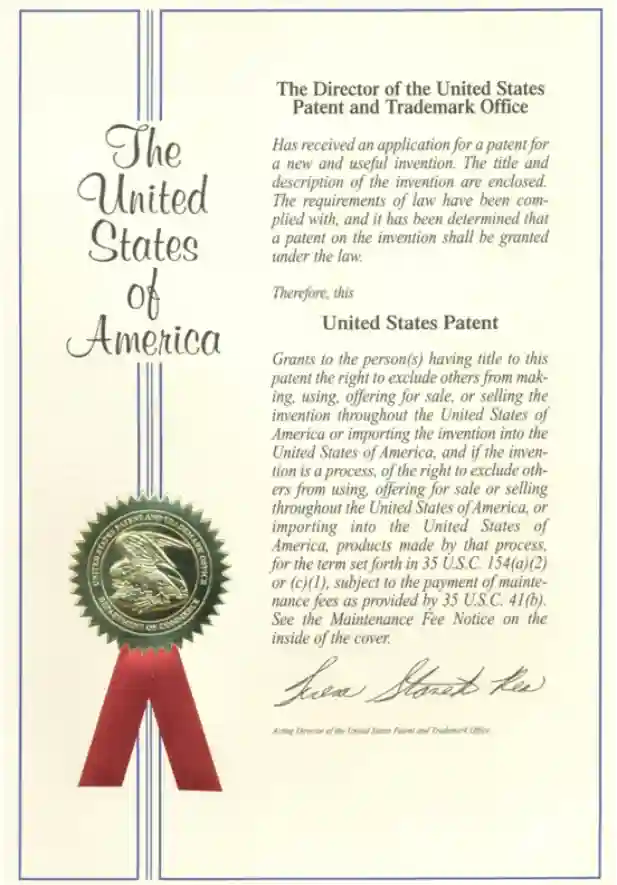
Jingjin Equipment Inc. has evolved significantly since 1988. With over 136 patents, it can create several things. Customers span 123 nations. The firm offers filter plates, fabric, and engineering services. These are popular with corporate customers that require high-efficiency separation technology.
Pricing Dynamics and Procurement Considerations
Prices vary greatly by machine, automation, and customization. Standard chamber press systems cost 20–30% less than membrane systems with the same characteristics, but they may not remove water as well. It takes less labor and is more consistent to justify the increased expense of automated solutions.
Export conditions, warranty support, and after-sales service should be considered while buying in 2024. Comprehensive guarantee programs with remote diagnostics and speedier parts delivery add value to equipment purchases. Rural and specialized industrial park firms need service network access.
When considering strategic sourcing, consider the provider's financial stability, technical roadmaps, and long-term support. To make prudent purchase decisions, consider the overall cost of ownership, including energy usage, maintenance, and lifespan.
Enhancing Filtration Efficiency: Future Trends and Innovations
Automation, energy efficiency, and sophisticated monitoring systems to increase performance and sustainability are constantly being developed in press filter technology. These technological advances help firms remain profitable and satisfy environmental demands.
Automation and Smart Technology Integration
Based on real-time feed attributes and performance, modern control systems employ AI algorithms to discover the ideal cycle parameters. Predictive maintenance techniques like vibration analysis, heat monitoring, and performance trends schedule maintenance work in advance.
One person may monitor numerous filtration units in various sections of the building using remote tracking. Cloud-based data analytics solutions boost performance and simplify industry comparisons. These features are important for firms with many locations that wish to ensure consistency.
Energy Efficiency and Environmental Sustainability
Variable-speed drives and pressure profiles save electricity in energy-efficient hydraulic equipment. Heat recovery systems reuse hot process line heat in different plant areas. These innovative approaches help businesses reduce energy costs and environmental impact. Making the wash cycle more efficient and performing flocculation routines better saves water and chemicals. Better dewatering reduces transport costs and landfill waste.
These new features and regulatory changes should be included in future procurement plans. For compliance and competitiveness, companies need better filtration systems as environmental rules tighten worldwide.
Conclusion
Because press filter machines separate particulates from liquids better, chemical filtering works in many industrial situations. Automation and environmental considerations are driving innovative equipment design and operation. Implementation requires careful attention to application standards, system operation, and strategic collaborations with providers who provide continuous technical support and service.
FAQ
1. What factors determine the optimal capacity for a press filter machine in chemical applications?
The best capacity relies on the feed flow rate, the percentage of solids, the cycle time you want, and how dry you want the cake to be. Process engineers usually figure out capacity by taking the peak output needs and adding 20 to 30 percent to account for changes in the feed. The most accurate way to figure out capacity for important uses is to do pilot tests with real process materials.
2. How do I choose between chamber and membrane press filter configurations?
Chamber press filters work best with materials that are rough or have a lot of solids, and where longevity is more important than maximum filtering. When getting a low cake moisture content is important for lowering waste costs or meeting product quality standards, membrane press filters are the best choice. When making this choice, think about the total cost of ownership, which includes how much energy it uses and how much upkeep it needs.
3. What safety precautions are essential when operating press filter machines in chemical environments?
For chemical safety, you need the right ventilation systems, eyewash stations in case of an accident, and personal protection equipment that can handle chemicals. For hydraulic safety, you need to follow lockout/tagout processes and pressure relief routines and check high-pressure parts regularly. Chemical dangers and mechanical safety rules that are specific to filter equipment must both be covered in operator training.
Partner with Jingjin for Superior Chemical Filtration Solutions
With more than 30 years of experience in filtration, Jingjin Equipment Inc. can help you get the most out of your chemical handling by using modern press filter machine technology. Our complete solutions include unique system design, installation help around the world, and ongoing expert service to make sure that the filtration works as well as it can and that the system is reliable. Email our engineering team at [email protected] to talk about your unique needs and find out how our tried-and-true filter systems can help you make more while spending less.
References
1. Smith, J.A., and Brown, M.K. "Advanced Filtration Technologies in Chemical Processing." Industrial Separation Science Quarterly, Vol. 45, No. 3, 2023.
2. Chen, L., et al. "Membrane Press Filtration: Performance Optimization in Fine Chemical Manufacturing." Chemical Engineering and Processing Review, Vol. 112, 2023.
3. Rodriguez, P.M. "Economic Analysis of Solid-Liquid Separation Technologies in Industrial Applications." Process Economics International, Vol. 28, No. 4, 2023.
4. Johnson, R.W., and Taylor, S.B. "Environmental Compliance Through Enhanced Dewatering Technologies." Environmental Engineering Journal, Vol. 67, No. 2, 2023.
5. Wang, H., et al. "Automation Trends in Industrial Filtration Systems: A Comprehensive Market Analysis." Filtration Technology Today, Vol. 39, No. 6, 2023.
6. Anderson, K.L. "Maintenance Strategies for Press Filter Systems in Chemical Processing Environments." Industrial Maintenance Quarterly, Vol. 31, No. 1, 2024.
jingjin
Founded in 1988, Jingjin specializes in filter presses and liquid-solid separation solutions, serving over 130 countries worldwide, and is a standard-setter in China's filter press industry.
Get the Filter Press guide
Enter Your Email for Technical assistance for the Filter Press.
Recommended Blog

Understanding Jingjin Filter Press Parts and Accessories: What You Need to Know
Why Brazil Food Plants Import Multi Disk Screw Press from China?
Top Maintenance Tips for Prolonging the Life of Your Industrial Filter Press