Membrane Plate Filter Press Price and Specifications: What You Need to Know Before Buying
Membrane Plate Filter Press Price and Specifications: What You Need to Know Before Buying
Understanding Membrane Plate Filter Press: Design Features and Working Principle
- Understanding Membrane Plate Filter Press: Design Features and Working Principle
- Membrane Plate Filter Press Advantages and Applications in Industrial Settings
- Comparing Membrane Plate Filter Press with Alternative Technologies
- Pricing Overview and How to Evaluate Membrane Plate Filter Press Costs
- Trusted Brands and Reliable Supplier Selection
- Conclusion
- FAQ
- Partner with Jingjin for Superior Membrane Filtration Solutions
- References
To make wise industrial filtering equipment purchases, you need to know how much a membrane plate filter press costs and its technical characteristics. These high-tech solid-liquid separation systems require a large investment that affects the business's performance, environmental protection, and long-term profitability. To satisfy tight regulatory requirements while reducing disposal costs and increasing throughput, the mining, wastewater treatment, chemical processing, and construction sectors need reliable filter performance.

Understanding Membrane Plate Filter Press: Design Features and Working Principle
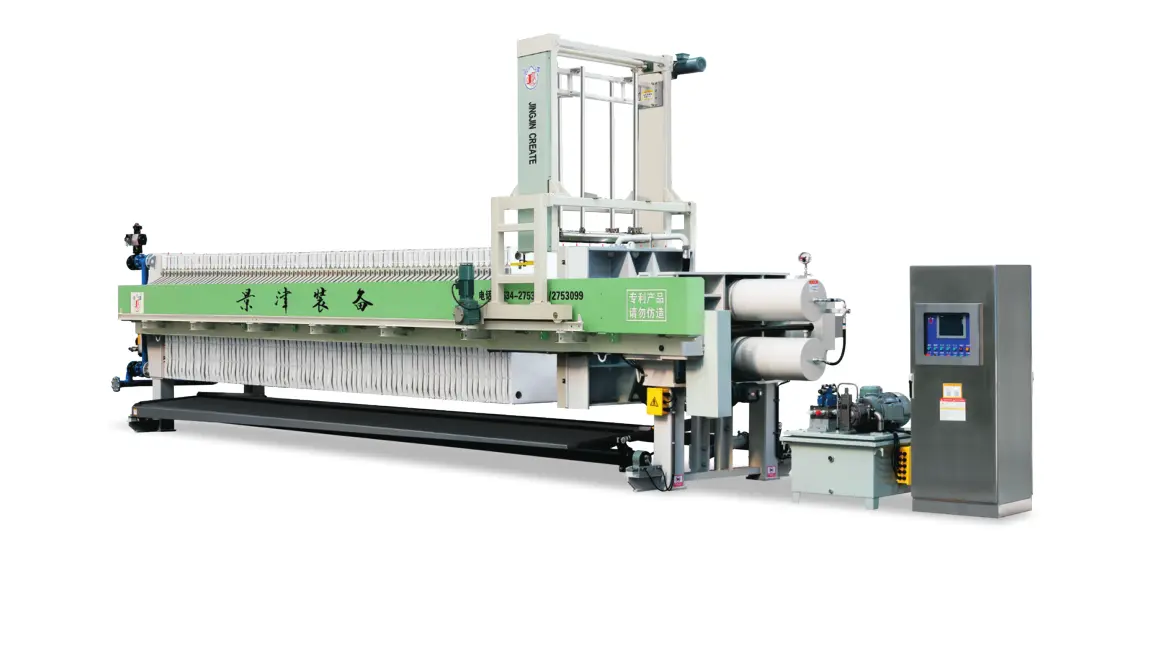
The membrane filter press is a creative upgrade to solid-liquid separation instruments. Flexible membranes in each filter plate improve dehydration. The fundamental concept uses moving filter plates and inflated rubber membranes to compress the final section of the filtering cycle.
Core Components and Mechanical Design
Hydraulically powered pressing mechanisms provide powerful closure pressures of 100 to 2,000 kN, depending on filter size and application. Filter plates composed of cast iron, stainless steel, or specific polymers contain flexible membranes. Compressed air or water inflates membranes and shapes filter cakes.
Automated systems monitor filtrate flow, pressure differential, and cycle time during the filter operation. Modern machines use configurable logic controllers to alter membrane pressure depending on slurry parameters. This maintains cake moisture and membrane health.
Filtration Process and Membrane Activation
Slurry flow under pressure (6–15 bar) begins filtering. Liquid flows through the filter cloth as particles accumulate between plates. After reaching the correct thickness, the membrane expansion step applies mechanical pressure to the filter cake to remove any leftover dampness.
Membrane technology, unlike chamber presses, reduces cake moisture by 5–15% using this dual-pressure approach. Better water removal reduces waste and improves processing.
Membrane Plate Filter Press Advantages and Applications in Industrial Settings
Membrane filtering technology improves efficiency, preserves the environment, and decreases operating costs in industrial operations. These advantages arise from membrane systems' greater water removal and flexibility.
Enhanced Dewatering Performance
Membrane technology's moisture removal is its finest feature. The resulting cake moisture might be 15–25%, depending on the substance. Mining firms that handle copper concentrate claim moisture has fallen from 12% to 8%. This reduces transportation costs and improves smelting feed quality.
Reduced product loss and environmental impact from filter cakes with less liquid, benefiting chemical plants. Pharmaceutical items are stable and last longer with little moisture. City wastewater treatment facilities reduce sludge dumping by 30%.
Operational Efficiency and Automation
Modern membrane plate filter presses have innovative mechanical characteristics that increase efficiency and reduce effort. Automatic cake release systems reduce shift durations and workplace hazards by eliminating the need to handle cakes by hand. Integrated cleaning procedures gather solvent and clean the product without user intervention.
These approaches have these key functional benefits:
- Better pressure scheduling and automated discharge systems reduce cycle times, allowing more processing per day.
- Uses less energy than alternative heat-drying processes, lowering costs and carbon impact.
- Moving the workspace indoors and employing automated cake-moving technologies made workers safer.
- Accurate pressure control and cleaning improve product quality.
These organizational adjustments address industry issues, including excessive wages, uneven product quality, and regulatory violations. When industries replace obsolete filter systems, productivity rises 20–40%.
Industry-Specific Applications
Membrane-based wastewater treatment facilities dewater municipal sludge. This satisfies Class A biosolids requirements and reduces dumping costs. These technologies help mining businesses effectively manage waste and concentrates, improving the environment and product processing.
In chemical processing facilities, membrane filtration separates pigments, dyes, and unique compounds. Rust-proof materials and precise process control allow this. Construction and subterranean projects employ mobile membrane devices to clear up slurry and safeguard the environment.
Comparing Membrane Plate Filter Press with Alternative Technologies
Learn about the economic impacts and performance attributes of different filter technologies to make informed purchases based on your application demands and operational limits.
Performance Comparison with Traditional Systems
Membrane technology beats chamber presses and belt filters in dry cake, energy economy, and operational freedom. Membrane systems produce 10–20% less moisture than chamber presses in independent testing.
Belt filter systems may function constantly, but they produce moist cakes that need several washing systems to achieve quality. Centrifuge technology separates swiftly but requires expert repairmen and more energy.
Cost-Benefit Analysis
Higher investment in membrane technology pays for itself in 18–36 months via decreased energy usage, product recovery, and waste expenses. Mining businesses save $200,000–$500,000 a year by dumping fewer tailings and improving concentrate quality.
Municipal treatment facilities reduce sludge transport costs and make compliance simpler. Greater pure products and reduced liquid loss provide chemical businesses with greater options to generate money and cut expenses.
Technology Selection Criteria
Based on feed material, cake dryness, floor space, and operational experience, procurement teams should consider several filtering systems. Membrane systems operate well when a low ultimate moisture content, flexible group handling, and little operator effort are needed.
Continuous applications with consistent flow may benefit from belt filter technology. However, membrane systems require greater pressure for high-solids applications with hard-to-filter materials.
Pricing Overview and How to Evaluate Membrane Plate Filter Press Costs
To calculate membrane plate filter press system expenses, you must include the original investment, installation, operating, and maintenance costs.
Capital Equipment Costs
Membrane filter press prices vary based on filter size, automation, and material. Entry-level systems with 10–20 square meters of filter area cost $150,000–$300,000. Large filter systems over 200 square meters cost $1.5 million to $3 million.
Automation packages with programmable controls, automated cake discharge, and built-in washing systems increase equipment cost by 20 to 40%, but they save money by reducing labor demands and improving accuracy.
Installation and Infrastructure Requirements
Building a membrane filter press requires planning the foundations, electrical infrastructure, and other systems, including air compressors, wash water systems, and filtrate-moving machines. Installation expenses may range from 15% to 25% of the equipment's worth, depending on location and labor prices.
Buildings require 4–6 meters of headroom for repair personnel to reach tools. Three-phase power, 6–8 bar compressed air, and washing process water are required.
Operational Cost Considerations
Major running expenses that impact overall ownership costs are
- Replace filter cloth every 6–18 months, depending on work difficulty. Each repair cycle costs $15,000–$50,000.
- The membrane has to be changed every three to five years, costing $30,000 to $100,000 depending on system size.
- Per cubic meter of filtrate handled, hydraulic action and air compression utilize 0.5–2 kWh.
- Annual preventive maintenance, including hydraulic system service and part inspection, costs $20,000–$60,000.
To determine the economic impact, these continuing expenses must be compared against disposal cost savings and greater production.
Total Cost of Ownership Analysis
An in-depth economic study should include financing, insurance, operator training, and replacement parts. If you maintain your membrane systems, they should last 15–20 years and provide a high return on investment with low downtime. To ensure equipment performs well and lasts long, facilities should put aside 5–8% of its worth annually for maintenance and replacement parts.
Trusted Brands and Reliable Supplier Selection
For the best membrane filter press supplier, consider their technical expertise, service infrastructure, and long-term support. This will assist you in finishing the process and testing the equipment.
Supplier Evaluation Criteria
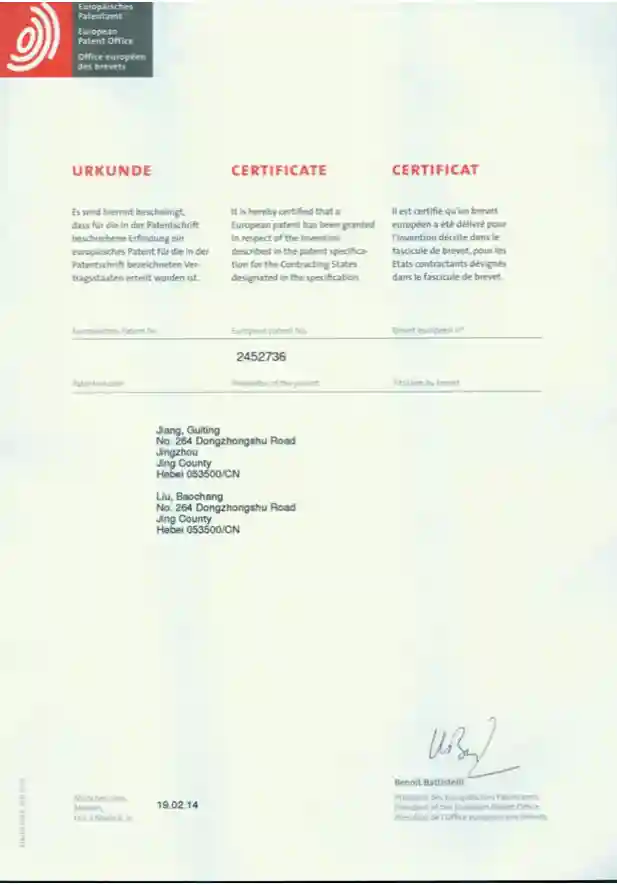
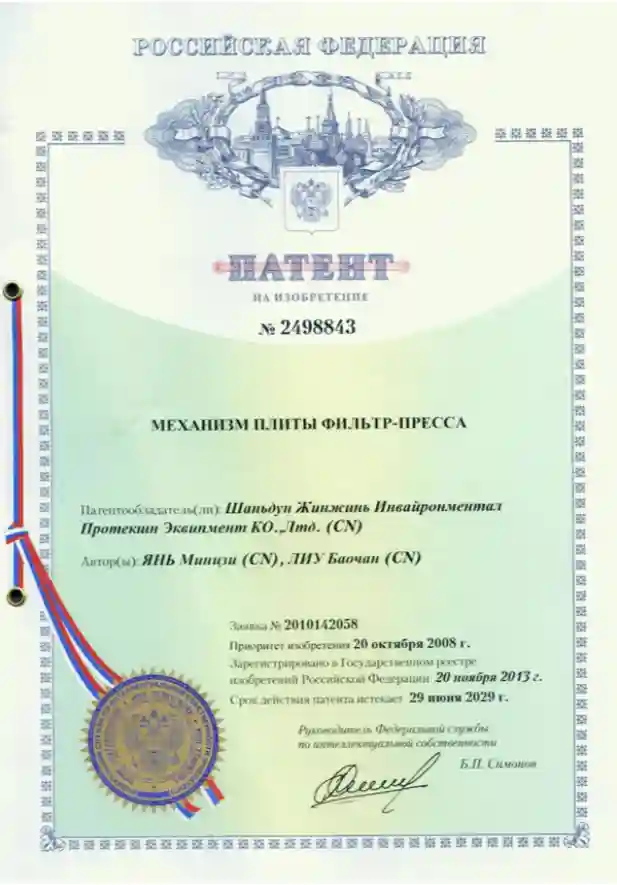
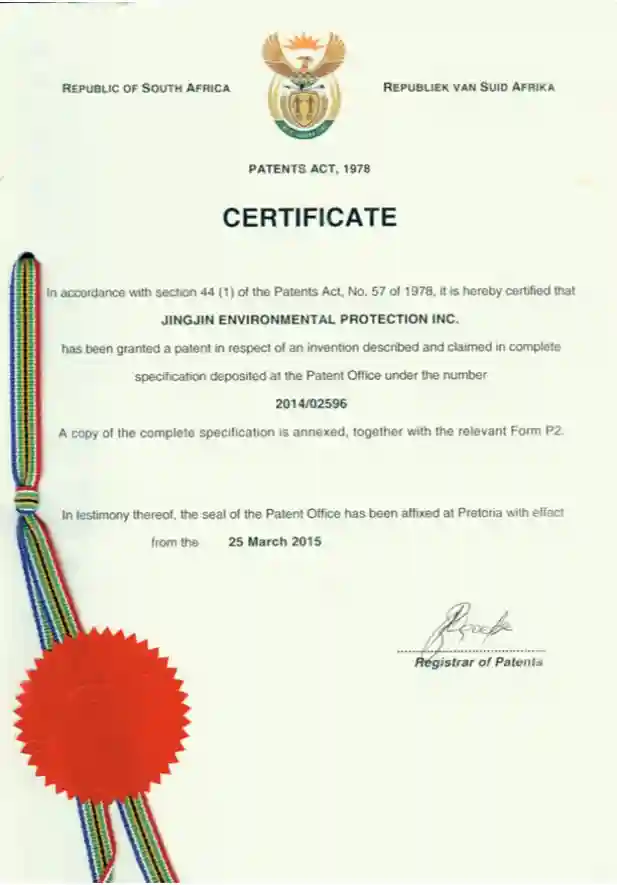
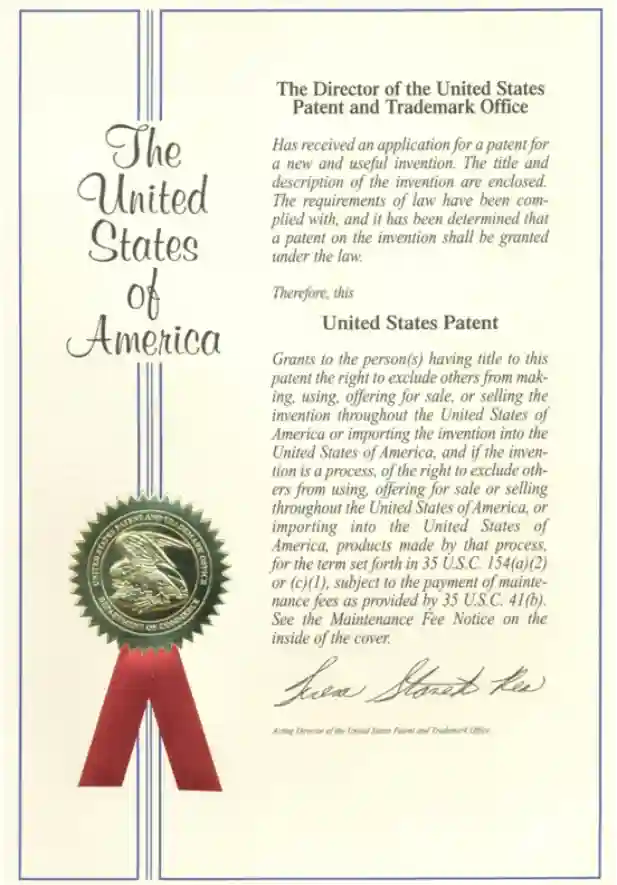
Established manufacturers demonstrate their quality with documented installations, industry certifications, and comprehensive warranties. Since 1988, Jingjin Equipment Inc. has led its industry. It has over 136 patents and installations in 123 countries, offering it the technical expertise and worldwide support for challenging industrial applications. Industry leaders store additional parts, educate workers, and provide remote troubleshooting solutions to keep equipment functioning smoothly as long as feasible.
Global Manufacturing and Service Networks
International projects benefit from suppliers with established service networks and local assistance. Technical documents, production capacity, and quality certification standards affect project completion time and success.
Suppliers should demonstrate ASME, CE marking, and local electrical compliance in their bids. Full documentation, including operating instructions, maintenance techniques, and spare parts listings, ensures equipment is utilized and maintained properly.
Long-Term Partnership Considerations
For membrane plate filter press installations to succeed, suppliers must give professional assistance, equipment upgrades, and operational improvements. Suppliers that provide process improvement advice, performance monitoring, and equipment upgrade programs bring value beyond equipment.
Sellers committed to R&D should be prioritized by procurement teams. So, purchasers may constantly acquire new innovations and greater performance from their equipment.
Conclusion
For industrial solid-liquid separation, membrane plate filter press technology will improve efficiency, environmental compliance, and long-term costs. Better drying, automation, and reliability are these systems' strengths. They pay for themselves by reducing waste, improving goods, and obeying regulations. Procurement requires a careful examination of technical needs, total ownership costs, and supplier competencies for optimal performance and value. Industrial locations benefit from dealing with well-known manufacturers that provide complete support throughout their equipment's lifespan.
FAQ
1. What factors influence membrane filter press pricing?
How much equipment costs mostly relies on the size of the filter, the amount of automation, the material requirements, and any extra systems that are needed. More expensive systems made of stainless steel and fully automated ones work better and last longer, but they cost more.
2. How often do membranes require replacement?
The membrane usually lasts between 3 and 5 years, but this depends on how it is used, what chemicals it is exposed to, and how often it is maintained. Cleaning properly and controlling the pressure will make the membrane last longer and cost less to repair.
3. Can membrane systems handle high-solids slurries?
Modern membrane filter presses can handle feed amounts of up to 15% solids, but this depends on the properties of the material. For higher solids amounts, pre-thickening methods may be needed to make sure that the cake forms properly.
4. What maintenance schedule is recommended?
Daily eye checks, weekly cleaning of the filter cloth, monthly checks of the hydraulic system, and an annual review of the membrane are all part of routine maintenance. Preventive repair programs keep technology running smoothly and make it last longer.
Partner with Jingjin for Superior Membrane Filtration Solutions
Jingjin Equipment Inc. offers top-notch membrane plate filter press options backed by more than 30 years of engineering excellence and project experience around the world. Our wide range of products, many patents, and track record of success in tough industrial settings mean that we can give you the best filtration results for your needs. Get in touch with our expert team at [email protected] to talk about your membrane plate filter press provider needs and find out how our cutting-edge filtration technology can help your business run more efficiently while having less of an impact on the environment.
References
1. Industrial Filtration Society. "Membrane Technology Advances in Solid-Liquid Separation." Journal of Filtration Engineering, Vol. 45, 2023.
2. Zhang, L., Water Treatment Technology Review, 2023, published a paper called "Comparative Analysis of Filter Press Technologies in Municipal Wastewater Treatment."
3. American Society of Mechanical Engineers. "Pressure Vessel Design Standards for Industrial Filter Presses." Section VIII of the ASME Code, 2022.
4. Environmental Protection Agency. "Best Available Technology for Industrial Sludge Dewatering." EPA Technical Report 832-R-22-003, 2022.
5. Mining Engineering Institute. "Cost-Benefit Analysis of Advanced Filtration Systems in Mineral Processing." Mining Technology Quarterly, Issue 3, 2023.
6. International Water Association. "Membrane Filter Press Performance in Industrial Applications." Water Science & Technology, Vol. 87, No. 6, 2023.
jingjin
Founded in 1988, Jingjin specializes in filter presses and liquid-solid separation solutions, serving over 130 countries worldwide, and is a standard-setter in China's filter press industry.
Get the Filter Press guide
Enter Your Email for Technical assistance for the Filter Press.

Recommended Blog
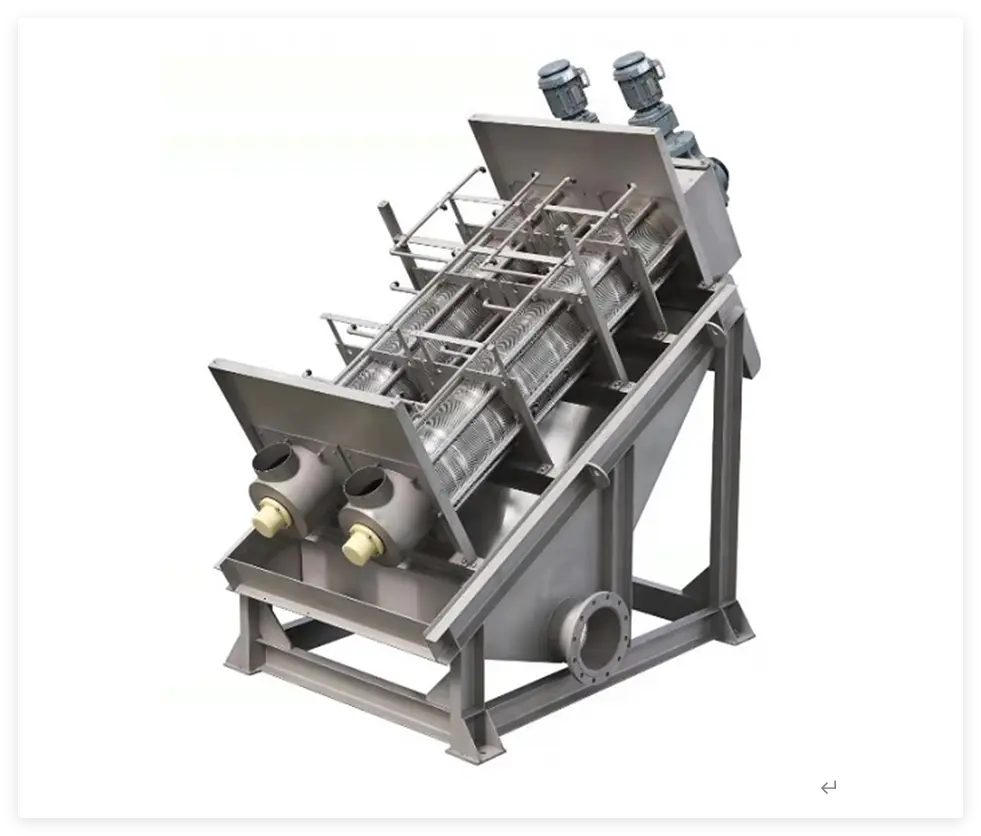
Energy Saving Multi Screw Sludge Press: How It Reduces Operational Costs
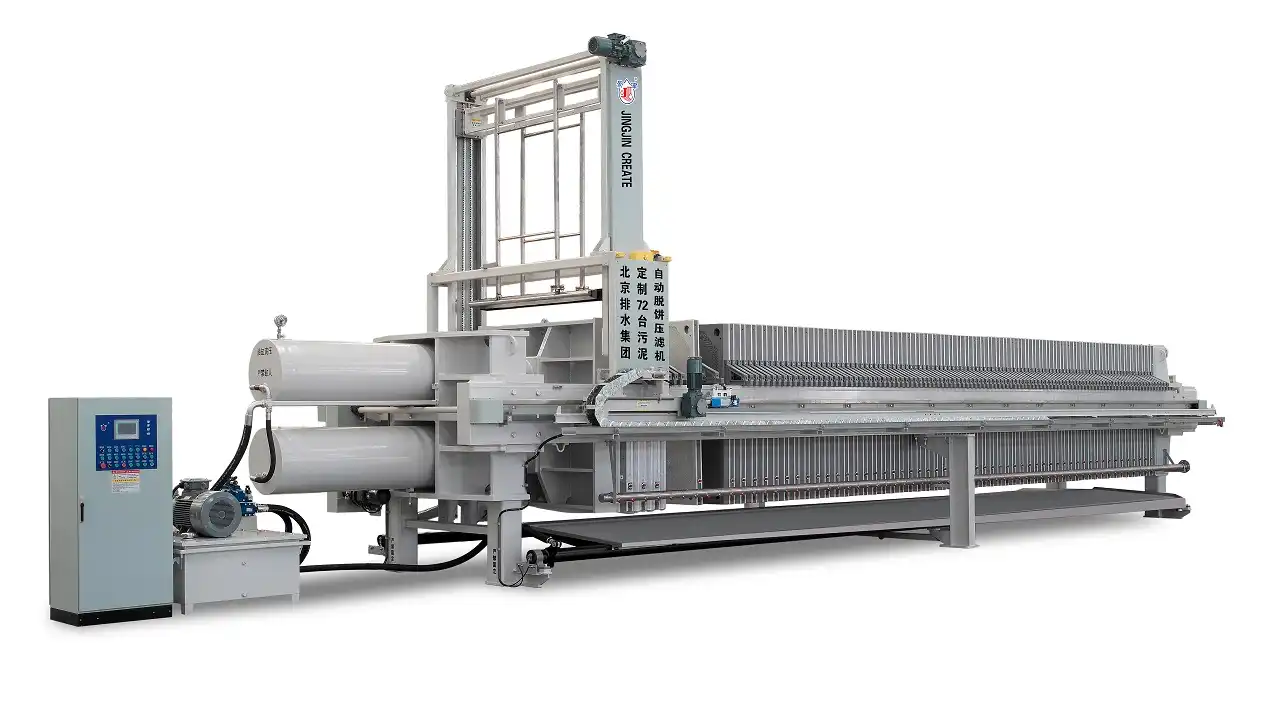
How a Sludge Filter Press Machine Improves Dewatering Efficiency
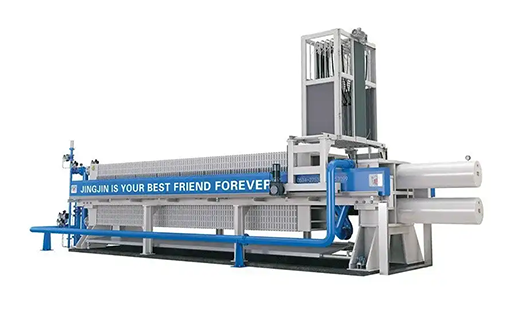
Low Cost Jingjin Filter Press Options for Efficient Sludge Dewatering
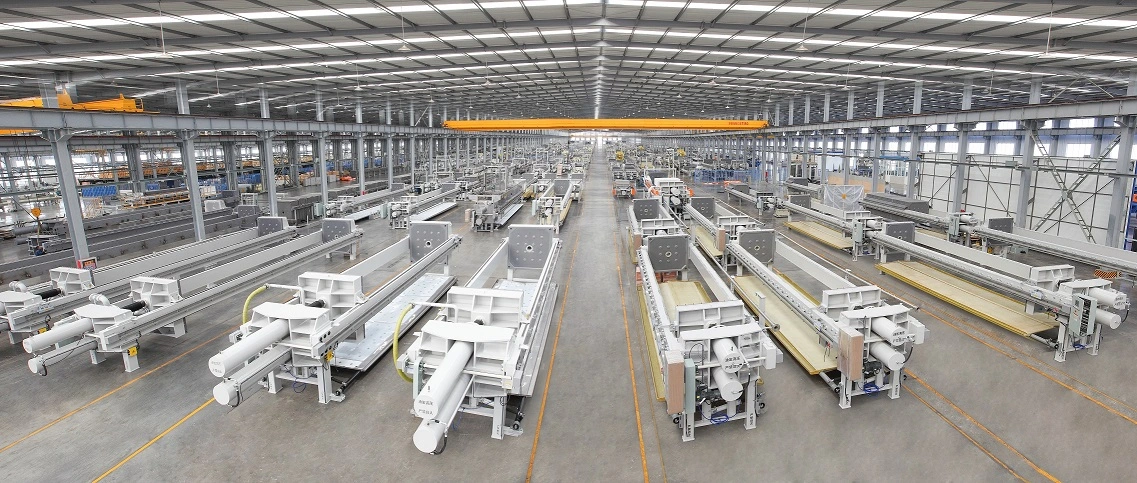
Filter Press Solutions for India Pharmaceutical Plants from China
How to Optimize Food Processing with Efficient Press Filters?
Essential Maintenance Tips for Press Filters in Industrial Plants
Dewatering Press Machines for Middle East Desalination Plants
Understanding Jingjin Filter Press Parts and Accessories: What You Need to Know
Cost-Effective Press Filter Solutions for Wastewater Treatment Plants