How Does a Plate and Frame Filter Press Work? The Complete Guide
Understanding Plate and Frame Filter Press: Working Principles and Design Features
- Understanding Plate and Frame Filter Press: Working Principles and Design Features
- Benefits and Applications of Plate and Frame Filter Presses in Industry
- Common Challenges and Maintenance Tips for Plate and Frame Filter Presses
- How to Choose the Right Plate and Frame Filter Press for Your Business?
- Conclusion
- FAQ
- Partner with Jingjin for Superior Solid-Liquid Separation Solutions
- References
Knowing how a plate and frame filter press works can change the way you separate solids and liquids when you have to deal with rising waste costs, uneven cake dryness, or regulatory pressure in your facility. This pressure-driven batch filtration system has solid filter plates and hollow frames that are placed on a strong structural rack. The solid filter plates and frames are switched out to force the slurry through the filter cloth while the pressure is managed. As a result? Extremely dry filter cakes and crystal-clear water that meet strict environmental standards, and lower your costs of doing business. This technology solves the main problems that keep procurement managers and process engineers up at night: controlling moisture, recovering solids, and reducing waste. It doesn't matter if you're in charge of mine tailings, city sludge, or chemical intermediates.
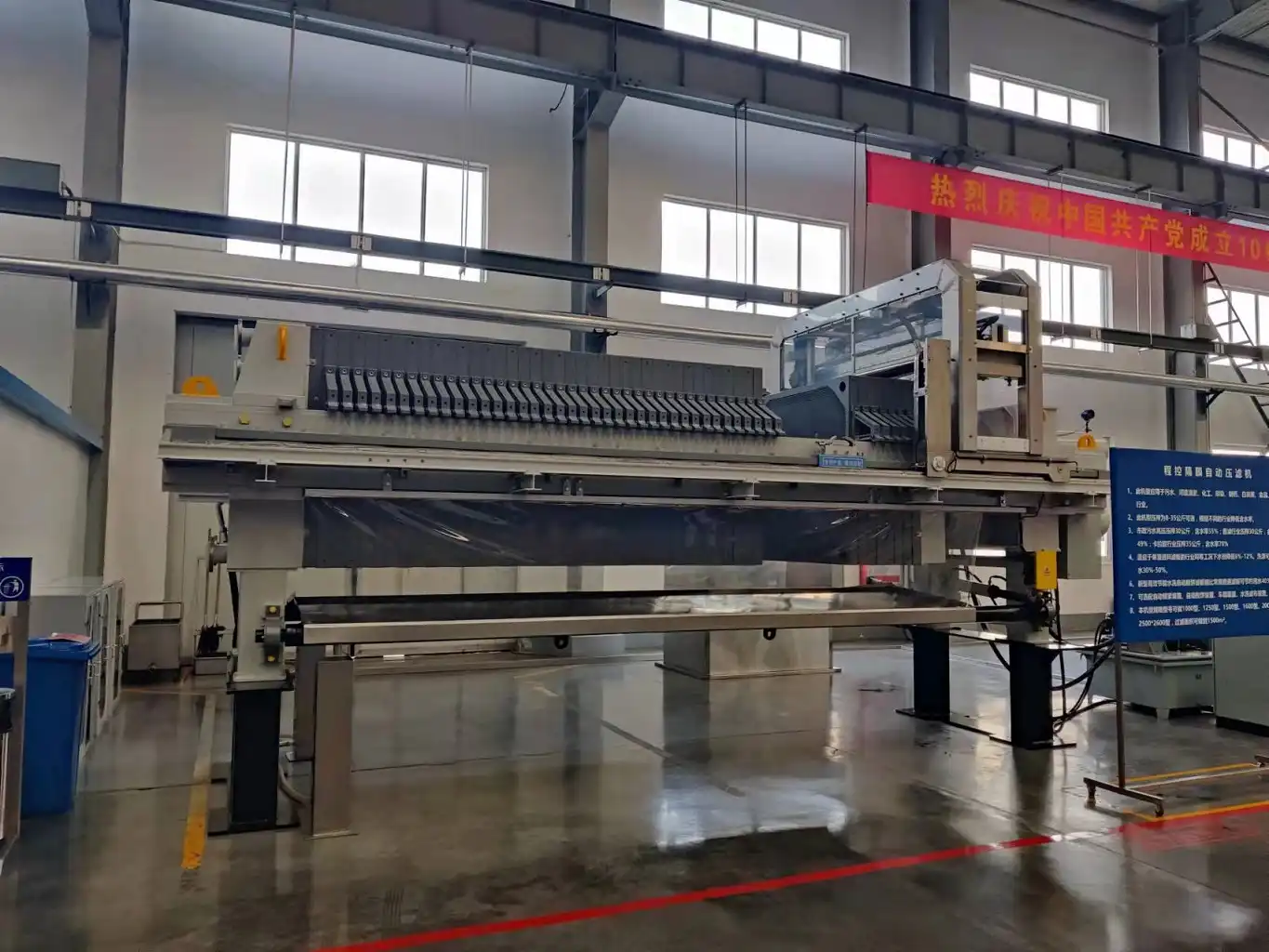
Understanding Plate and Frame Filter Press: Working Principles and Design Features
When it comes to industrial dewatering, the plate and frame filter press design is one of the most flexible. It gives you options that recessed chamber and membrane presses don't always have.
Core Components and Their Functions
Understanding how a filtering system works is the first step in making one. The main structural beam holds up the whole assembly. It is usually made of high-grade carbon steel or stainless steel, based on the area that is likely to rust. The solid filter plates, which are usually made of polypropylene, cast iron, or glass-fiber reinforced composites, and the hollow frames that make up the filtering tanks move back and forth across this beam. The filter cloth, a carefully designed textile barrier that traps particles while letting liquid pass, is in each cylinder. The clamping force needed to seal these spaces under working pressure is provided by the hydraulic cylinder or hand screw system. This stops leakage and bypass.
The Filtration Cycle Explained
Knowing the order helps you get the most out of run times and figure out when repair is needed. At first, the press is closed by the hydraulic system, which presses all the plates and frames together to make a sealed room. Your feed pump puts the ready slurry into the central feed port and spreads it out through star-shaped tubes to make sure that all the tanks are filled evenly. As the pressure rises, usually between 100 and 225 psi, solids build up on the filter cloth. The cleared filtrate then drains through the cloth, across the plate's grooved surface, and out of the discharge holes. This keeps happening until the tanks are full, which can be seen by a drop in flow rate or a rise in pressure. The press then opens, letting the solid cake fall out by gravity or with the help of machinery. After that, the clothes may be washed before the next run starts.
Critical Design Considerations
The materials you choose have a direct effect on your long-term success. Abrasive mine slurries need plates that are very resistant to wear. These plates usually have ceramic or reinforced polymer sides. For chemical processing, materials need to be able to handle acids, solvents, or high temperatures. For gaskets, this means using special elastomers, and for structural elements, it means using metals that don't rust. Pay close attention to the device that seals the container. If the clamping force is too low, the product leaks out and is lost, and if it's too high, the cloth and plates wear out faster. Modern systems use pressure sensors and automatic controls to keep the seals in good shape throughout the cycle. This cuts down on human error and increases the life of the parts.
Benefits and Applications of Plate and Frame Filter Presses in Industry
Within some industries, the plate and frame filter press continues to be the standard because it successfully addresses issues that other methods fail to address.
Advantages That Matter to Your Operation
The most important benefit has to do with how dry the cake is. When it costs hundreds of dollars per ton to get rid of solid waste or when salvaged solids can be sold, getting the moisture level below 30% is essential for the bottom line. Plate and frame filter press systems usually get 20–25% moisture, which is more than centrifuges and vacuum screens can do in this case. This performance comes from the high pressure and long pressing time, which physically gets rid of interstitial water that other technologies miss.
Another thing that sets them apart is the clarity of the filter. Solids overflow that messes up downstream processes or produced goods is not acceptable in industries that make pigments, catalysts, or pharmaceutical intermediates. When you choose the right cloth and keep the pressure under control, you get filtrate with suspended solids below 50 ppm. This often meets direct-discharge standards without the need for extra cleaning.
Operational freedom lets you deal with changing feed conditions without having to make big changes. When the slurry content, particle size distribution, or even feed temperature changes, cycle time or pressure settings usually only need to be tweaked a little. This flexibility is very useful in places like mines that process different grades of ore or city treatment plants where the types of wastewater change every day.
Real-World Applications Across Industries
This way of separating things is very useful in many areas because it works well with the problems those areas have.
These systems are used by mining and mineral processing plants to drain water from concentrates and handle waste from the processing process. A copper concentrator in Arizona recently said that moving to plate and frame filter press technology cut the amount of moisture in the ore from 35% to 22%. This made dry stacking possible and stopped the need for expensive tailings pond growth. In extraction metallurgy, the equipment is essential because it can work continuously with rough, high-density slurries.
These presses are used to remove water from biosolids in municipal wastewater treatment plants all over the world. In Ohio, a 50 MGD plant processes 400 cubic meters of sludge every day, getting it to a 75% solids level that can be used on farmland. The system is reliable even when the load changes, and it only needs a small amount of care from the operator. This helps public services that are short on staff.
When making chemicals, accuracy and control are very important. A dye company in New Jersey uses plate and frame filter press units to get back important pigment fines. These units catch 98% of the fines and keep the air out, which stops the release of volatile organic compounds. It can be used to handle dangerous materials because it has a closed system design and is compatible with explosion-proof grades.
Validation and taint protection are needed for pharmaceutical production. A biotech plant in Massachusetts used glass-lined plates and FDA-compliant seals to process fermentation broths. This met strict standards for cleanability and made it possible to track the full history of each product through batch records.
Common Challenges and Maintenance Tips for Plate and Frame Filter Presses
Even strong machines can have problems when they don't get enough care or when their settings change from what works best.
Diagnosing Typical Problems
Leakage between plates during pressurization points to a number of possible reasons. Most of the time, the filter cloth has wrinkles or folds that stop the closing surface from touching properly. This problem is found by a regular check before the press is shut down. When solids build up on the closing faces of plates, they make tiny holes that get bigger over time. Thorough washing during cake discharge stops this from happening. Separation under working force is possible when the hydraulic pressure is below specification. Seal integrity is maintained by keeping an eye on gauge readings and fixing cylinder leaks quickly.
An uneven cake shape annoys operators and shows that there are problems with signal spread. If some tanks don't fill all the way and others pack down too much, check for jams in the feed ports or changes in the pump pressure. The star-pattern distribution system needs clear paths to each room, and solids that have built up are removed by backflushing on a regular basis. Inconsistent slurry viscosity or concentration entering the press also causes differences. Stabilizing feed characteristics is done upstream with the right amount of stirring and dilution control.
Proactive Maintenance Strategies
Setting up regular inspections keeps small problems from turning into costly downtime. We suggest that you look at the state of the cloth, the amount of hydraulic fluid, and the function of the pressure gauge every day. As part of your weekly jobs, you should carefully check each plate for cracks or warping, measure how much pressure a hydraulic cylinder can hold, and make sure that the automatic control responses work as expected. Standardized equipment is used to test the air permeability of the cloth once a month, pressurized rooms are used to find all leaks, and all moving parts, such as guide bars and carriage systems, are oiled.
According to plate and frame filter press manufacturers, when to change the filter cloth strikes a balance between efficiency and cost. Keep an eye on cycle times and filtrate clarity as leading signs. If either of them starts to get worse after being cleaned properly, the cloth has probably hit the end of its useful life. Depending on how rough it is and how much chemical it is exposed to, most things last between three and six months. However, some uses can go up to twelve months between replacements with expensive fabrics and light slurries.
When working with pressure systems, safety must always be a top priority. Before they can do any repairs on the press, operators must learn how to use the lockout/tagout process. Protocols for pressure release stop opening while there is still pressure in the system, which could lead to a severe cake discharge. Every month, emergency stop systems should be tested to make sure they can shut down right away if needed.
How to Choose the Right Plate and Frame Filter Press for Your Business?
A lot of things need to be carefully thought through in order to choose equipment that meets your working needs and leaves room for growth.
Capacity and Performance Parameters
First, figure out how much mass output you need. A mine that processes 100 tons of dry solids every day with a 20% feed concentration needs to be able to move about 500 cubic meters of slurry. Think about how efficient the cycle is. For example, if filling, pressing, releasing, and cleaning all take 90 minutes, your equipment must have enough chamber volume to meet daily goals within the working hours that are available.
The particle size spread affects the choice of cloth and the performance that is expected. Slurries with particles bigger than 10 microns filter quickly and make a clear filtrate with normal monofilament fabrics. When there are a lot of fines smaller than 5 microns, you need multifilament or custom cloths with tighter weaves, but the cycle times are longer. Filtration tests in the lab using representative samples give correct information for sizing tools and describing cloth.
Material Compatibility and Customization
It's not simply pH and stability that affect chemical interaction. Consider how temperature influences construction materials. Plastic plates function well up to 140°F, but they soften above that threshold and require glass-filled composites or metals. After prolonged exposure to organic solvents, standard seal materials expand, therefore Viton or PTFE are needed. Give your potential provider chemical composition data, including temperature ranges and trace impurities, for the best material options.
Automation levels affect labour costs and consistency. A human must be present when a manual press shuts, releases, or resets. While workers clean the cloth and remove the cake, semi-automatic ways close and open with a button. Fully automated installations include PLC controllers, plate changers, and spray cleaning. Complete rounds can run alone. A three-shift plant can benefit from automation, while an eight-hour batch processor may find it cheaper to do it by hand.
Supplier Evaluation and After-Sales Support
How long a piece of equipment lasts rests a lot on the quality standards and ongoing help of the manufacturer. Ask about the quality control processes. Reliable providers do tests with hydraulic pressure that last at least 24 hours, laser measurements of plate flatness to make sure there are no deviations greater than 0.5 mm, and ultrasonic weld inspections on structural beams. These steps make sure that your investment works well and is in line with quality standards like DIN 28058 for filter plates.
For your plate and frame filter press, after-sales support decides how quickly you can get back to normal when something goes wrong. When you buy from a seller with regional service centers and stocked spare parts, you can change parts the same day or the next day. If technical help is available in your time zone, you won't have to deal with annoying contact delays while you're trying to fix operational problems. Training programs that train your repair staff on the right way to do things lower your long-term running costs and make you less dependent on outside experts. When judging proposals, get recommendations from current customers in your business, and make sure they are happy with the ongoing help.
Conclusion
If you know how to use and choose between plate and frame filter presses, you can solve problems with separating solids and liquids that affect your bottom line and your ability to follow the rules. The pressure-driven batch process makes the cake dry and the filtrate clear in a way that can't be beat. This is made possible by carefully designed parts working together, like hydraulic clamping systems and special filter cloths. We looked at the basic ideas behind how they work, how they can be used in real life in areas like mining, wastewater treatment, chemical processing, and pharmaceuticals, how to solve common operational problems with maintenance plans that can be put into action, and how to choose equipment that balances capacity, material compatibility, and supplier capabilities. With this information, you can make smart choices about what to buy that will save money, make things work better, and keep them working for a long time.
FAQ
Q1: Why does the filter cake consistency appear uneven in my system?
Uneven cake creation is usually caused by a slurry that isn't spread out evenly across the chamber array. Make sure that your feed pump's pressure stays the same during the filling phase. Changes in pressure cause the flow to go to certain areas more quickly than others. Check the star-shaped passageways for blockages that could be caused by solids building up or broken fabric fibers. The properties of the slurry are also important. When concentration changes or feed lines settle, different rooms get different amounts of particles. Using internal agitation and keeping an eye on the feed viscosity levels out the spread and makes cakes that are the same in all chambers.
Q2: What determines filter cloth replacement intervals?
There are three main things that affect how long a cloth lasts: wear from particles that are too sharp, chemical breakdown from pH changes or solvents, and mechanical stress from repeated rounds of high and low pressure. Even if they are handled properly, abrasive mine slurries may need to be replaced every three months. On the other hand, gentle pharmaceutical use can last for six to twelve months. Keep an eye on the clarity of the filtrate and the cycle time as performance signs. If either of these measures drops by 20% after a thorough cleaning, the filter needs to be replaced. Using diluted hydrochloric acid to wash something gets rid of mineral scale and makes it last longer before it needs to be replaced.
Q3: Can plate-and-frame systems handle high-temperature slurries safely?
High-temperature uses up to 200°F, so specific parts need to be chosen, but they are still possible. Glass-fiber reinforced polypropylene plates don't bend as much when heated as regular plastics do, and cast iron can handle even higher temperatures. The temperature conditions must meet the requirements of the gasket material. For example, normal EPDM rubber works up to 300°F, while Viton elastomers can work up to 400°F. It's also important to choose the right fibers for the filter cloth. Polyester or polypropylene works well for most uses, while special aramids can handle very high temperatures. Proper material specifications during buying keep things from breaking down too soon.
Partner with Jingjin for Superior Solid-Liquid Separation Solutions
Jingjin Equipment Inc. can help you with your toughest filter problems because they have been designing and making high-quality equipment for over 35 years. As a top maker of plate and frame filter presses, we have customers in 123 countries. We use patented technology and large-scale production to make systems that are designed to work with your special needs. Our process engineers can help you choose the right materials, size your equipment, and make it work with the rest of your activities. We provide solutions that are backed by full warranties, global expert support, and easy access to extra parts. These solutions range from chemically-resistant buildings for corrosive environments to high-capacity automated systems for continuous mining operations. Get in touch with us at [email protected] to talk about how our tried-and-true filter press technology can help you save money and do a better job.
References
1. Sutherland, K. (2008). Filters and Filtration Handbook (5th ed.). Oxford: Elsevier Science.
2. Svarovsky, L. (2000). Solid-Liquid Separation (4th ed.). Oxford: Butterworth-Heinemann.
3. Purchas, D.B., & Sutherland, K. (2002). Handbook of Filter Media (2nd ed.). Oxford: Elsevier Advanced Technology.
4. Tarleton, S., & Wakeman, R. (2007). Solid/Liquid Separation: Equipment Selection and Process Design. Oxford: Elsevier Science.
5. Ripperger, S., Gösele, W., Alt, C., & Loewe, T. (2013). Filtration Fundamentals. Weinheim: Wiley-VCH.
6. American Filtration and Separations Society. (2015). Filter Press Technology: Design, Operation, and Maintenance. Houston: AFSS Publications.
jingjin
Founded in 1988, Jingjin specializes in filter presses and liquid-solid separation solutions, serving over 130 countries worldwide, and is a standard-setter in China's filter press industry.
Get the Filter Press guide
Enter Your Email for Technical assistance for the Filter Press.


Recommended Blog
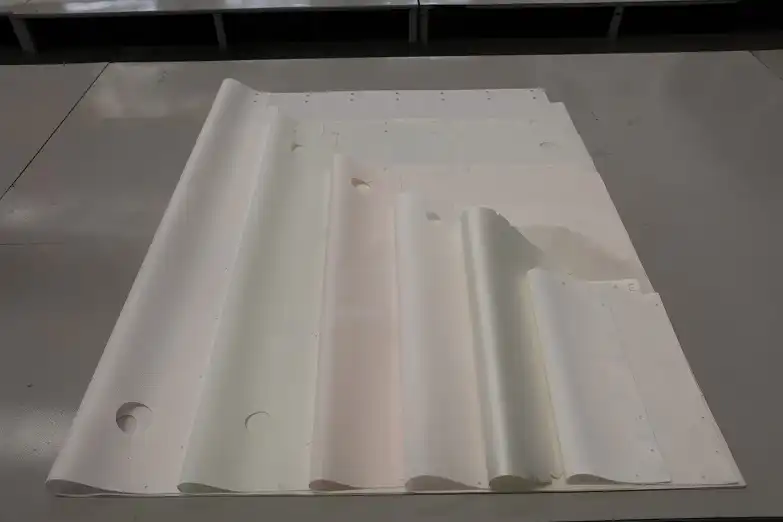
How to Clean and Replace Filter Press Cloths for Optimal Performance
China Filter Press Equipment Pricing for Industrial Buyers
Where to Buy Industrial Filter Press Cloth: Top Suppliers and Tips
Affordable Multi Screw Press Machines for Wastewater Treatment: What to Look For
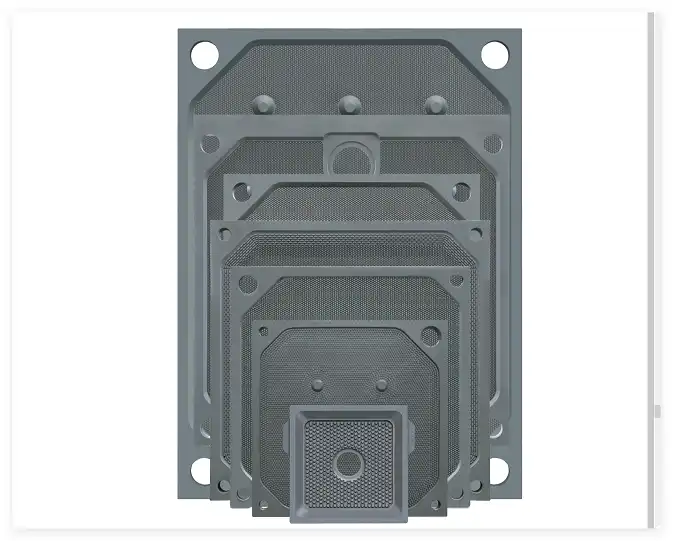
A Guide to The Filter Press Plate: How They Work, Uses, And More
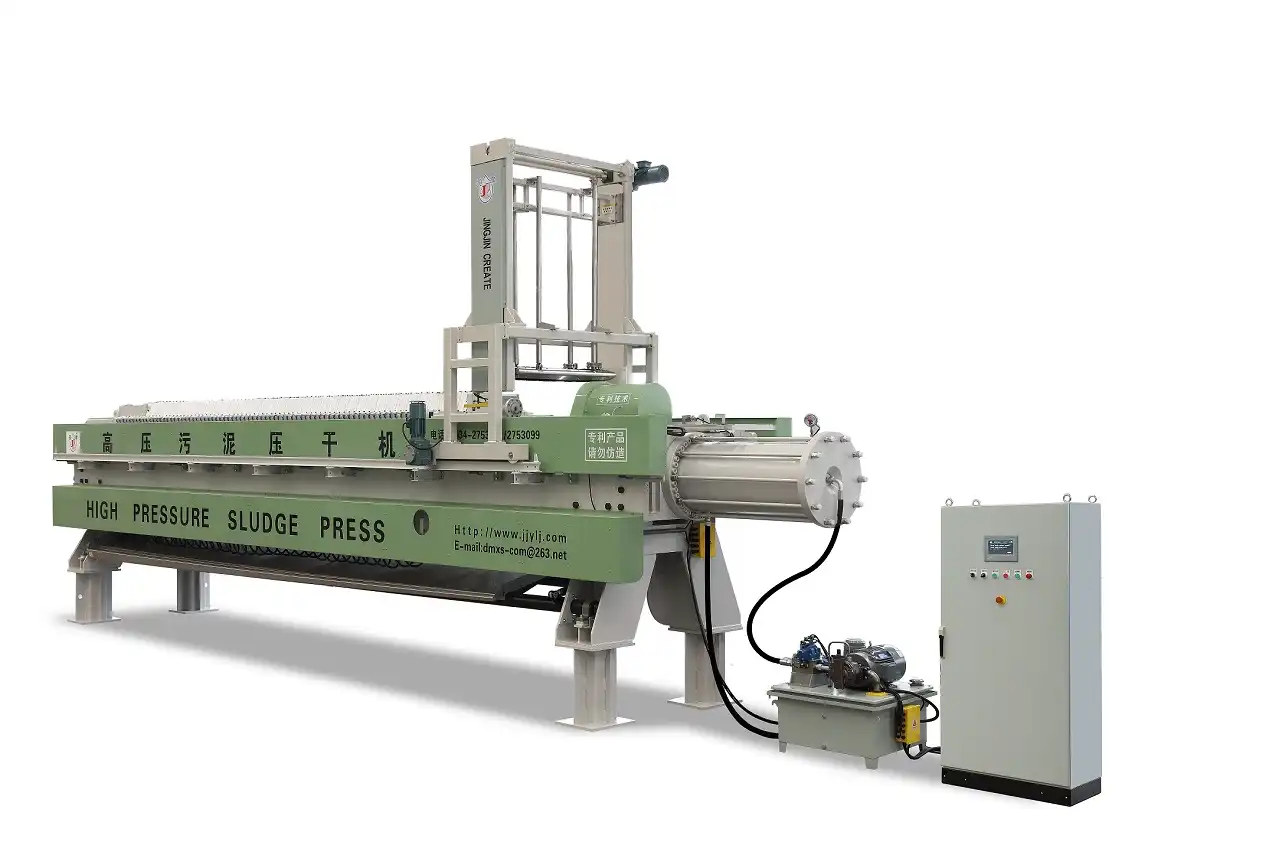
Affordable Press Filter Machines for Wastewater Treatment: Best Options in 2026
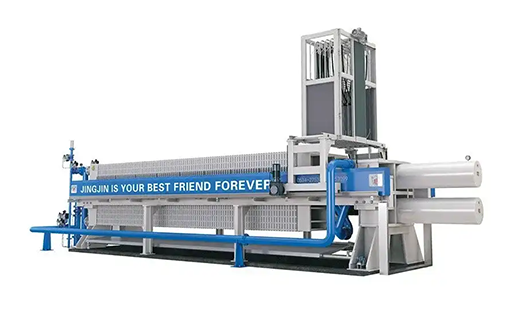

What Is a Filter Press Feed Pump Used For? Understanding Its Essential Role
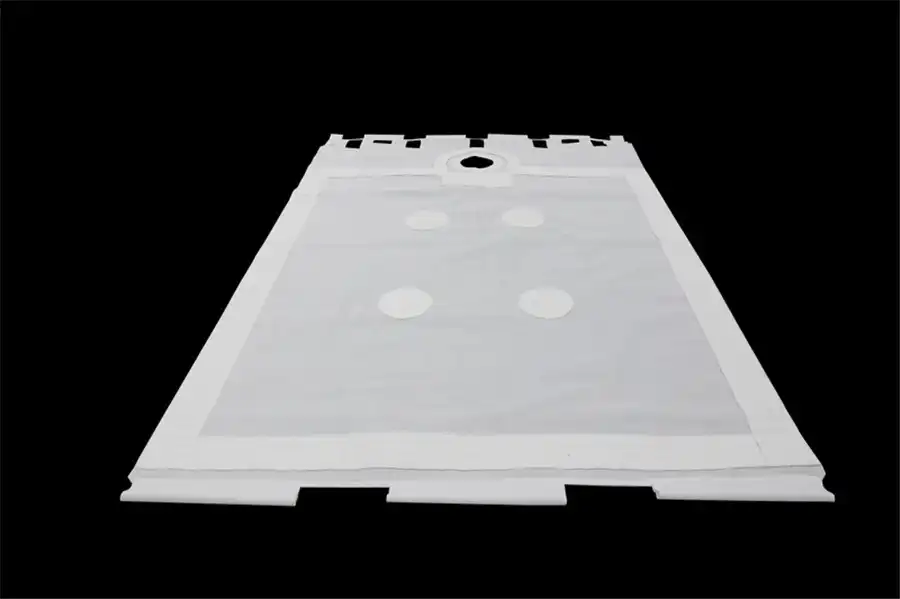
Chemical Resistant Filter Cloth for Mining: What You Need to Know