Optimizing Squeeze Pressure on Membrane Filter Plates for Maximum Dryness
Optimizing Squeeze Pressure on Membrane Filter Plates for Maximum Dryness
Understanding the Role of Squeeze Pressure in Membrane Filter Presses
- Understanding the Role of Squeeze Pressure in Membrane Filter Presses
- Key Factors Influencing Optimal Squeeze Pressure Settings
- Methods to Optimise Squeeze Pressure for Maximum Dryness
- Comparison of Membrane Filter Press Pressure Settings Across Technologies
- Procurement Considerations and Best Practices for Buyers
- Conclusion
- FAQ
- Partner with Jingjin for Superior Membrane Filter Press Solutions
- References
Optimising the squeeze pressure in membrane filter plates is a key part of getting the highest level of dryness in processes that separate solids from liquids. A membrane filter press has stretchy membranes between the filter plates and the filter cloth. This lets the fluid go through a second compression process after the first filtering. When high-pressure gas or fluid inflates these membranes, the squeeze that happens greatly lowers the amount of moisture left in filter cakes, often getting the moisture content below 60% for wastewater uses. Proper pressure optimisation solves long-lasting problems in the industry, like high costs for getting rid of sludge, long draining processes, and trouble meeting strict environmental compliance standards. Knowing how to set the squeeze pressure correctly and keep it that way changes how well operations run and how much money they make.
Understanding the Role of Squeeze Pressure in Membrane Filter Presses
What Makes Squeeze Pressure Different from Initial Filtration Pressure
The first filtration pressure, which is usually between 0.6 and 1 MPa, pushes the liquid through the filter cloth to make the cake. During a secondary phase, 1.2 to 2.5 MPa of squeeze pressure is used to manually compress the cake that has been made by inflating flexible membranes. This difference is important because filter pressure builds the structure of the cake, while squeeze pressure gets rid of interstitial moisture that is stuck in the cake matrix. Because the barrier physically expands, it compresses the cake evenly across its surface, making it dry to a level that could not be reached with just filter pressure.
How Membrane Flexibility Enhances Dewatering Performance
Polypropylene, synthetic rubber (NBR, EPDM), or thermoplastic elastomers are membrane materials that need to be flexible while also being long-lasting. Flexible membranes can adapt to uneven cake surfaces and keep the pressure even even if the cake is of different thicknesses or particle sizes. This ability to change keeps moisture from getting stuck in weak spots. The width of the membrane, which is usually between 15 and 50 mm based on the application, determines how resistant it is to punctures when working with abrasive slurries like those found in mining or chemical processes.
Preventing Common Operational Problems Through Pressure Control
When there isn't enough squeeze pressure, too much water is left behind, which makes dumping heavier and costs more. On the other hand, too much pressure can break membranes, damage filter cloth, or crack cakes, which lets filtrate get through. When sludge is properly calibrated, its compressibility is taken into account. Materials that are easily compressed, like organic sludge, need a softer ramping process than hard mineral concentrates. Monitoring pressure cycles can help find membrane wear before it leads to a catastrophic failure. This supports proactive repair plans that reduce unexpected downtime.
Key Factors Influencing Optimal Squeeze Pressure Settings
Sludge Characteristics That Determine Pressure Requirements
Because it has a lot of organic matter and a varied make-up, municipal wastewater sludge usually needs modest squeeze pressures (1.2 to 1.6 MPa) and longer compression times to keep the structure from falling apart. Chemical sludge from factories that has dyes or resins in it needs higher pressures (1.8 to 2.5 MPa) because the particles are smaller and don't easily compress. Maximum squeeze pressure is good for mining waste, especially metallic concentrates, because it helps recover process water in dry areas where saving water has a direct effect on running costs.
For a membrane filter press, the best pressure levels are affected by the amount of solids in the feed mix. Lower concentration feeds (below 15% solids) make cakes that are softer and need gradual pressure increases to keep the membrane from stretching too far. Higher content feeds make cakes that are harder and can handle being squished hard, which speeds up the cycle. The variation in particle size is also important. Particles that are all the same size pack together tightly and release water quickly when pressure is applied, but particles that are spread out widely make spaces that hold water.
Design Variations Across Membrane Filter Press Models
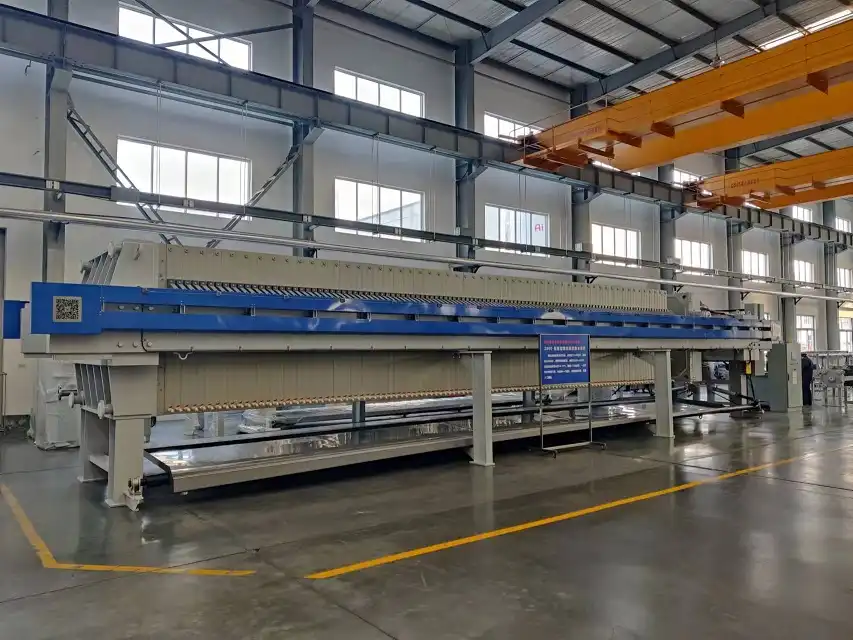
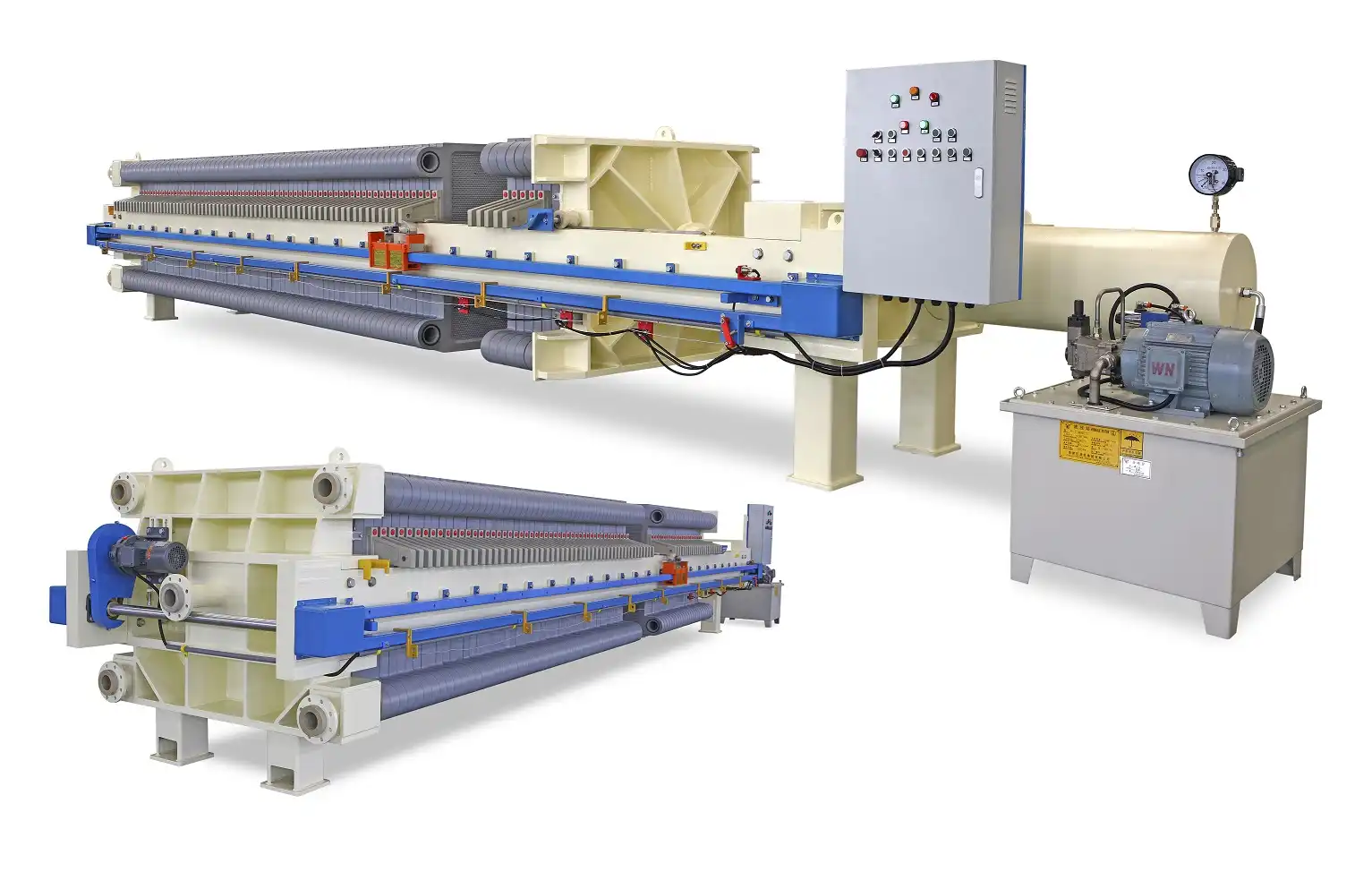
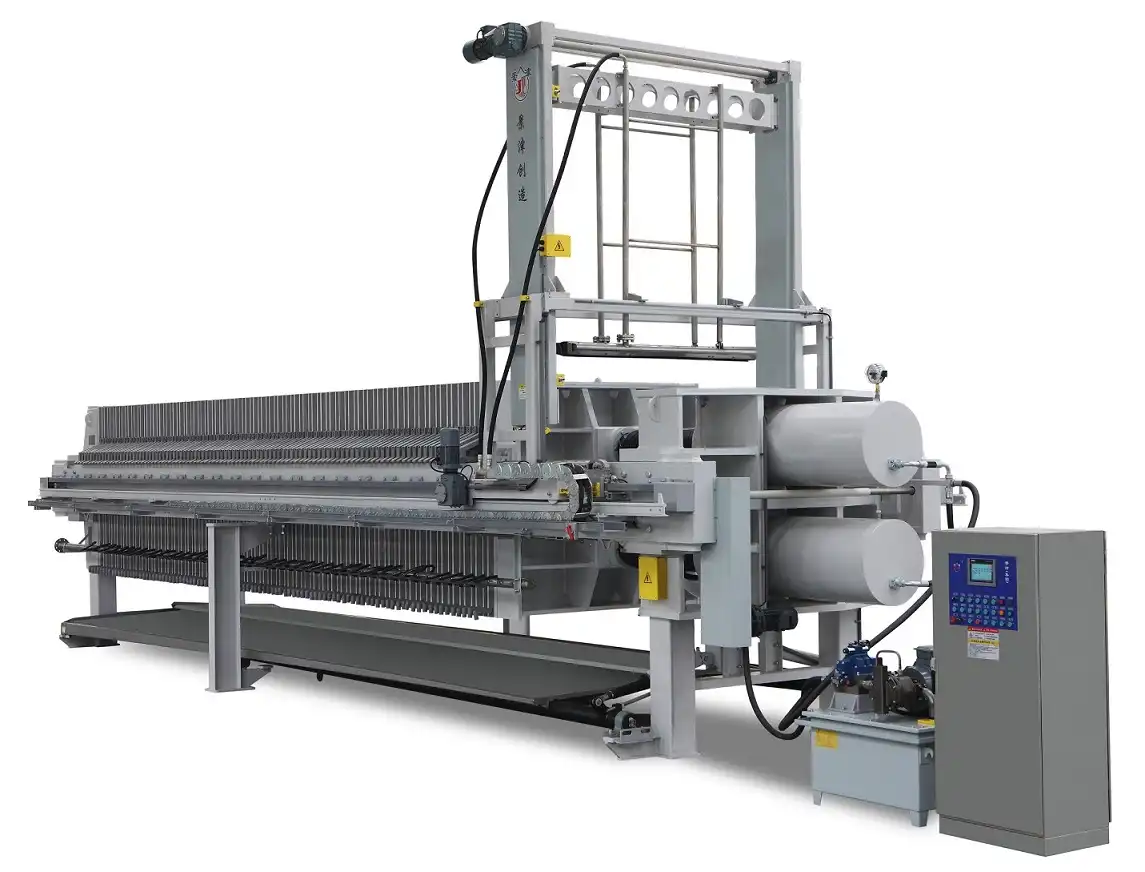
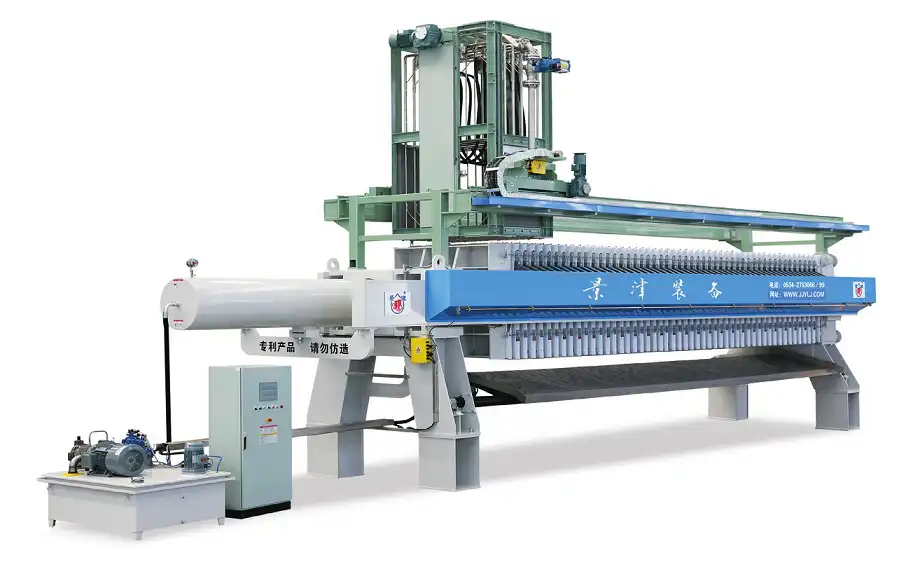
Modular designs, like the ones used by Jingjin, let you change the way they are set up to fit different industrial scales. The strong steel frame, which includes the feed table, the hydraulic closing system, the beam rails, and the membrane plate pack, needs to be able to handle repetitive pressure loads of 50,000 to 100,000 cycles. Plate cutout sizes (15–50 mm) can handle different cake volumes, and deeper rooms are best for high-throughput uses in building or aggregate processing.
Different makers use different ways to integrate membranes. Integral composite rubber diaphragms make upkeep easier, while segmented designs let you change only the plates that need it. Choosing between hydraulic (water) and pneumatic (compressed air) filling changes the safety profiles and the stability of the pressure. Higher pressures and more stable temperatures are achieved by water inflation, which is favoured in pharmaceutical and food processes where strict controls are needed to avoid product contamination.
Automation and Real-Time Pressure Adjustment Systems
Through pressure sensors, flow meters, and turbidity analysers, modern automation systems keep an eye on the filtering process all the time. These systems change the squeeze pressure automatically based on how fast cakes are forming in real time. This makes sure that the best compression happens without any help from an operator. Programmable logic controls can keep pressure patterns for various types of sludge, which makes it possible for facilities that handle multiple waste streams to switch between them quickly. Data logging helps with compliance paperwork and finds slowing down performance before it affects cake quality or output.
Methods to Optimise Squeeze Pressure for Maximum Dryness
Establishing Baseline Performance Through Systematic Testing
To start optimising, write down the current performance measures, such as the cake's moisture content, the length of the cycle, and the clarity of the filtrate. Run controlled tests where the squeeze pressure is raised by 0.1 to 0.2 MPa at a time, and all other factors stay the same. Gravimetric analysis or near-infrared moisture monitors can be used to measure how dry the cake is after baking. Make a graph of the relationship between pressure and dryness to find the point where adding more pressure doesn't help reduce wetness much but does speed up membrane wear.
Incremental Tuning Supported by Operational Data
Once you know what the best pressure range is, you can make the compression curve better. Gradual pressure ramping, which means applying more pressure in small steps instead of all at once, often leads to drier cakes because it lets water move through the structure of the cake more slowly. For example, a normal profile might stay at 1.4 MPa for two minutes and then rise to 1.8 MPa for the last part of compression. The total squeeze time balances the dryness gains and cycle time; going longer than the recommended time loses energy and doesn't improve results.
After pressing, check the quality of the liquid. Indications of too much pressure include sudden rises in turbidity, which can mean cake breaking or damage to fabric. On the other hand, a filter that stays high in turbidity says that the particles are getting through because the compression isn't strong enough. If technical problems happen, lower the pressure; if dryness goals are still not met, raise it.
Maintenance Practices That Sustain Pressure Efficiency
Membrane fouling lowers the effective squeeze pressure over time as layers make the membrane surface stiffer. Use the right solvents or acid/base washes for the foulant chemistry and run cleaning processes on a frequent basis. Using oxidising agents on a regular basis can help chemical plants that work with pigments, while enzyme cleaners may be needed at wastewater treatment plants to get rid of organic waste.
Every 10,000 cycles, look for surface cracks, delamination, or lasting distortion in the membranes. If membranes show these signs, they should be replaced before they fail completely. The state of the filter cloth also affects how well the pressure works. Cloth that is too tight or blinded makes it impossible for the cake to release and for moisture to escape. Follow the manufacturer's instructions and rotate or change the cloth every 500 to 1,000 rounds, based on how rough the material being processed is.
Due to the 72% cake moisture content, a city wastewater plant that processed 500 cubic meters of sludge every day using a membrane filter press had to pay more than $180,000 a year to get rid of it. Moisture dropped to 58% after pressure optimisation, which increased the squeeze pressure from 1.3 MPa to 1.7 MPa and added 90 seconds to the rest time. Because the cake was dry, it took 28% less space to throw away, which saved $50,000 a year. The plant was also able to burn trash directly without adding extra fuel, which turned waste into energy credits worth an extra $35,000 a year.
Comparison of Membrane Filter Press Pressure Settings Across Technologies
Membrane Systems Versus Conventional Dewatering Equipment
Plate-and-frame filter presses that don't have membranes depend only on feed pressure to get 65-75% of the moisture out of city sludge. By adding membrane pressing, the amount of wetness is cut by 10 to 20 percentage points, which means a big drop in volume. Vacuum filters work at smaller pressure differences (0.4 to 0.6 bar), so they make cakes that are wetter (75 to 85% wetness), which is only good when there is a way to dry them later. Centrifuges get the dryness level about halfway between 60 and 70%, but they use a lot more energy per dry tonne and have trouble recovering fine particles.
The financial difference between chamber presses and membrane filter presses—about 25–40% more for membrane filter press systems—is quickly recouped in lower waste costs. Facilities that produce more than 50 tonnes of dry solids every month usually get their premium back within 18 to 24 months just from saving money on hauling, without taking into account the cost of going to the dump or the benefits of recovering energy.
Pressure Performance Across Leading Manufacturers
The highest pressures that equipment from well-known brands like ANDRITZ can handle are usually between 2.0 and 2.5 MPa, and it has an advanced PLC-based pressure profile. Regional makers may only make systems that can handle up to 1.5 MPa, which is fine for less demanding tasks but limits their ability to work in tough chemical or mining settings. Jingjin's membrane filter presses can handle pressures of up to 2.5 MPa and have modular plate configurations that can support tanks ranging in size from 630 mm to 2000 mm. They can be used for operations ranging from small scale to industrial throughputs of more than 100 m³/hour.
The service life and pressure tolerance are affected by the choice of material. Polypropylene membranes can handle temperatures up to 80°C and most pH levels (2–12). They can be used in a wide range of industrial and urban settings. Even though they are more expensive, PVDF membranes are needed for specialised tasks like high-temperature pharmaceutical processes and handling concentrated acids. Synthetic rubber membranes work great in the rough slurries that are typical in mining. They don't get punctured and stay flexible for tens of thousands of cycles.
Procurement Considerations and Best Practices for Buyers
Evaluating Total Cost of Ownership Beyond Purchase Price
Only 40–50% of the total costs of owning the tools over ten years come from the initial cost. Think about how much energy is used—membrane squeezing increases electricity demand by 15–25% compared to chamber-only operation, but the money saved on waste is much greater than this increase. The price of replacing a membrane varies a lot; plan on spending between $800 and $2,000 per plate, based on its size and material. If you do the right maintenance, you should change it every 50,000 to 100,000 cycles. Filter cloth lasts for 500 to 1,000 cycles and costs $50 to $150 per plate.
Installation complexity affects project timelines and costs. Larger membrane filter press systems (>100 m² filter area) might need stronger foundations, special moving tools, and longer amounts of time to get up and running. Reliable providers offer thorough installation instructions, on-site supervision, and training for operators. These services keep equipment from breaking down early or taking too long to start up, which can be expensive.
Supplier Selection Criteria for Long-Term Success
When resolving practical problems, the availability of technical help is very important. When there are serious problems, suppliers with local service networks can fix them faster, reducing downtime costs that can be more than $5,000 per day in ongoing operations. Check to see where the spare parts are stored and how long it usually takes to send them. For mission-critical uses, local storage is necessary because shipping specialised membranes internationally can take 6 to 12 weeks.
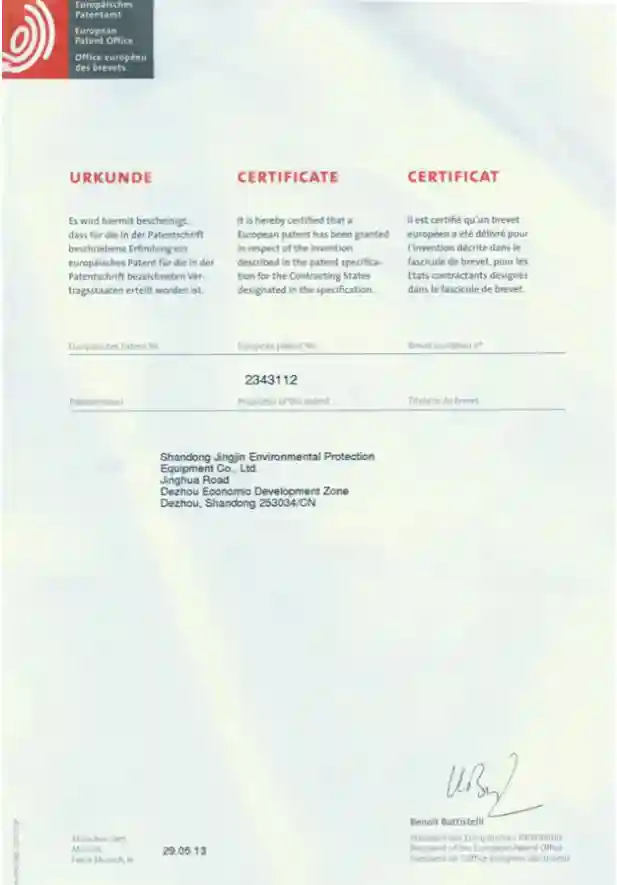
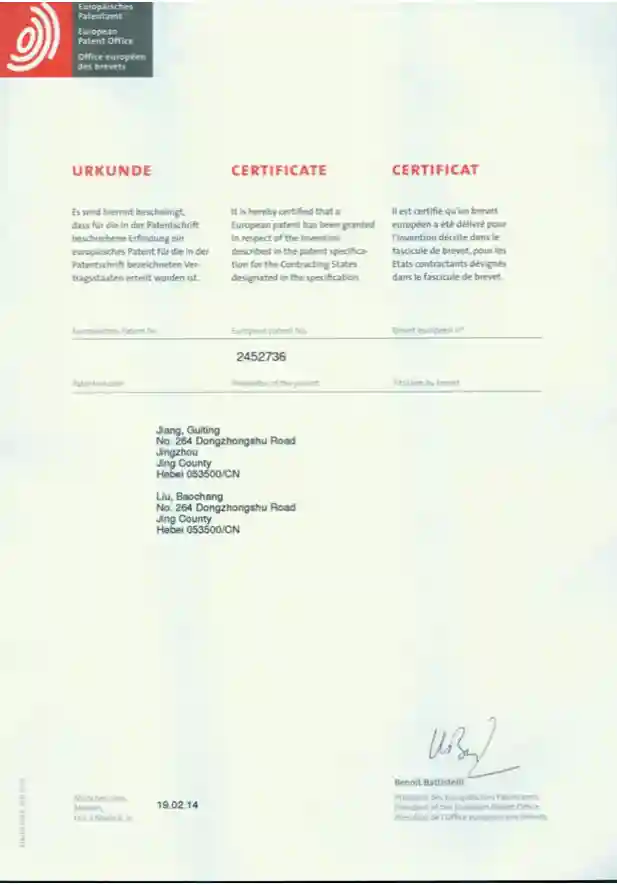
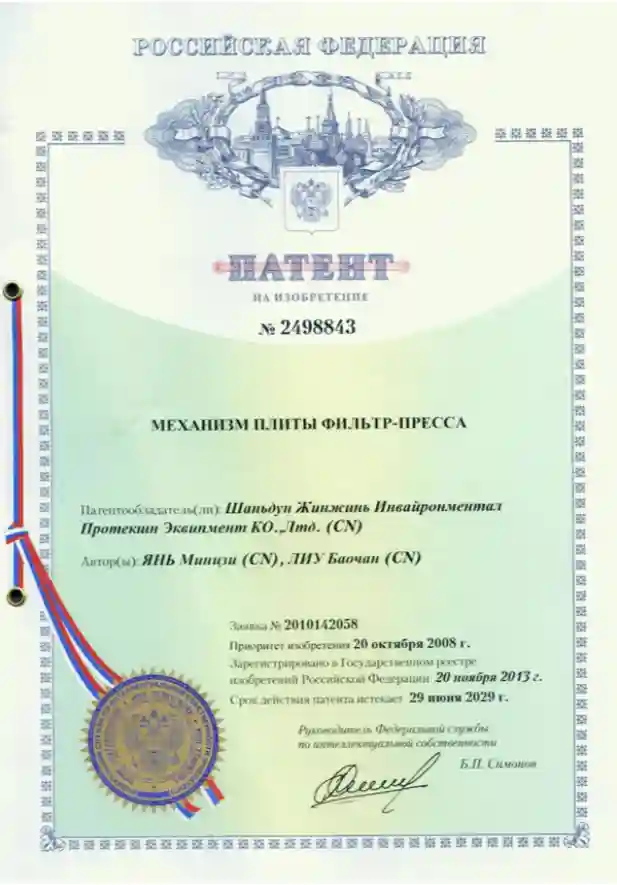
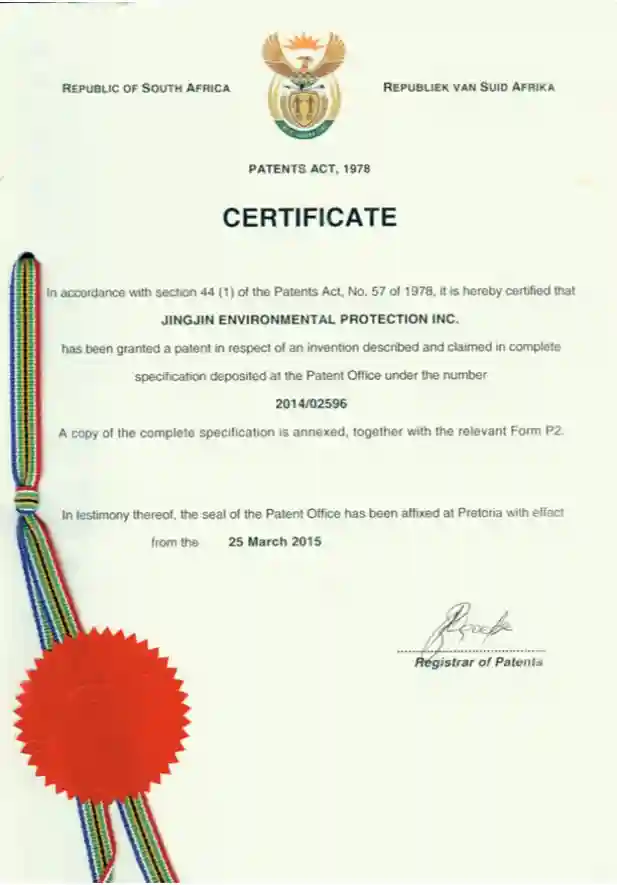
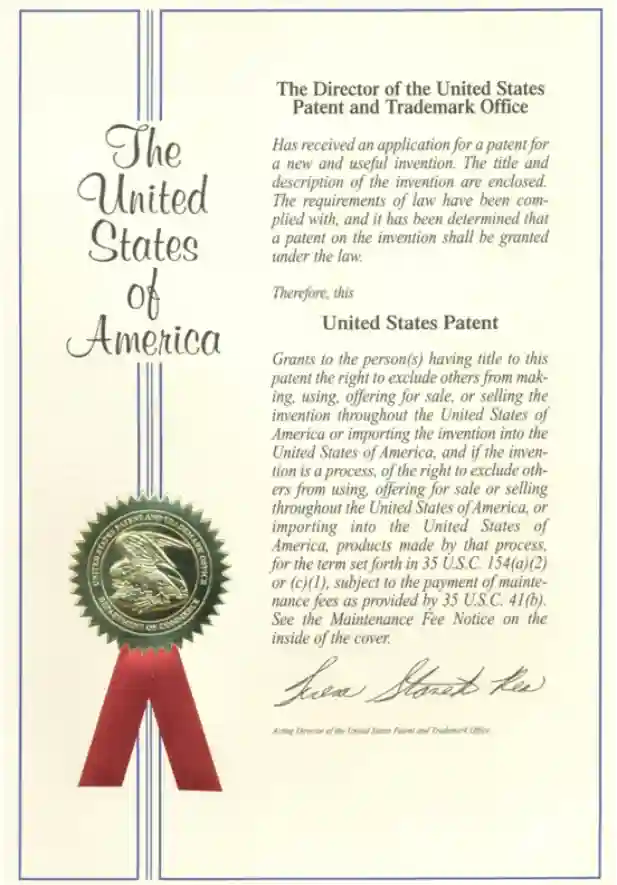
How well equipment fits the needs of a certain process depends on how well it can be customised. Long-term, suppliers that offer custom plate materials, membrane formulas, and automation integration are more valuable than those that only offer rigid standard designs. Jingjin's engineering team creates unique solutions for tough tasks like high-temperature medicine filters, corrosive chemical processing, and high-altitude mine installations. They are backed by over 136 patents and can produce goods for 123 countries.
Conclusion
Getting the squeeze pressure on membrane filter plates just right changes the economics of solid-liquid separation by cutting cake moisture by a huge amount, speeding up cycles, and lowering waste costs. To optimise well, you need to know how the properties of the sludge, the design of the equipment, and the working factors affect each other to get the highest level of dryness. Setting baselines through systematic testing, fine-tuning performance bit by bit, and regular maintenance ensures efficiency over thousands of rounds. When membrane filter presses are more valuable than other options, comparing technologies makes it clear, and smart buying takes into account total ownership costs and provider capabilities. By following these principles, businesses will be able to meet stricter environmental rules and make more money by reducing trash and recovering resources.
FAQ
Q1: How often should squeeze pressure settings be adjusted?
Check the pressure settings every three months as part of regular maintenance or whenever the feed features change a lot, like when municipal sludge changes with the seasons or when new industry waste streams come in. Automated systems may change the pressure cycle by cycle based on real-time data, but every month, someone should check the automatic changes to make sure there isn't any sensor drift or program mistakes.
Q2: What symptoms indicate improper squeeze pressure?
Too much wetness in cakes that have been released means that there isn't enough pressure or squeeze time. On the other hand, a lot of membrane ruptures, fabric tears, or cake cracks during release are signs of too much pressure. Filtrate turbidity jumps that happen during squeezing can also be a sign of damage caused by pressure that lets particles get through. Keeping an eye on these signs lets you fix problems before they get too bad.
Q3: Does higher squeeze pressure always mean better results?
After a certain point that is best for each type of sludge, adding more pressure doesn't do much to improve cleanliness and speeds up the wear on membranes, cloth, and motor parts. The amount of energy used goes up without any corresponding gain. This turning point is found through systematic testing, which balances efficiency with equipment longevity and running costs.
Partner with Jingjin for Superior Membrane Filter Press Solutions
Choosing the right membrane filter press provider is important for making sure that your dewatering process meets its cost and efficiency goals. Since 1988, Jingjin Equipment Inc. has been making high-quality filtering systems that are known in 123 countries in the mining, municipal, chemical, and pharmaceutical industries. Our modular membrane filter press designs can squeeze at up to 2.5 MPa and use materials that are right for your process chemistry, such as standard polypropylene or special PVDF for harsh conditions.
Jingjin does more than just sell equipment. They also offer full support, such as application planning, installation supervision, user training, and quick service after the sale. Our global network makes sure that you can get spare parts and expert help when you need it, so your business doesn't have to go without for long periods of time. Jingjin's production capacity and customisation skills make sure that you get the best solutions, whether you need a small system for pilot testing or a big installation that can process hundreds of cubic meters per hour.
Get in touch with our filter experts to talk about your draining problems and get personalised advice. If you want to learn more about how proper squeeze pressure optimisation and reliable equipment from a well-known membrane filter press maker can change your solid-liquid separation performance and profits, email [email protected] or check out our technical tools.
References
1. Wakeman, R.J. and Tarleton, E.S., 2005. Solid/Liquid Separation: Principles of Industrial Filtration. Elsevier Advanced Technology, Oxford.
2. Tiller, F.M. and Yeh, C.S., 1987. "The Role of Porosity in Filtration: Part XI – Filtration Followed by Expression." AIChE Journal, 33(8), pp.1241-1256.
3. Shirato, M., Murase, T., Iwata, M., and Nakatsuka, S., 1987. "The Terzaghi-Voigt Combined Model for Constant Pressure Consolidation of Filter Cakes and Homogeneous Semi-Solid Materials." Chemical Engineering Science, 42(5), pp.1213-1222.
4. Murugesan, T. and Ganapathy, S., 2001. "Optimization of Cake Filtration with Diaphragm Squeeze." Filtration & Separation, 38(6), pp.38-42.
5. Anlauf, H., 2007. "Recent Developments in Centrifuge Technology." Separation and Purification Technology, 58(2), pp.242-246.
6. Sutherland, K., 2011. Filters and Filtration Handbook, 5th Edition. Butterworth-Heinemann, Oxford.
jingjin
Founded in 1988, Jingjin specializes in filter presses and liquid-solid separation solutions, serving over 130 countries worldwide, and is a standard-setter in China's filter press industry.
Get the Filter Press guide
Enter Your Email for Technical assistance for the Filter Press.

Recommended Blog
Understanding Jingjin Filter Press Parts and Accessories: What You Need to Know
A Guide to The Filter Press Plate: How They Work, Uses, And More
Where to Source Membrane Filter Press in China for Export?
Best Press Filter Models for Pharmaceutical Filtration Needs