Where to Source Membrane Filter Press in China for Export?
Understanding Membrane Plate Filter Press Technology and Applications
- Understanding Membrane Plate Filter Press Technology and Applications
- Key Factors to Consider When Sourcing Membrane Plate Filter Presses from China
- Comparing Chinese Membrane Plate Filter Press Solutions: What Fits Your Needs?
- How to Effectively Procure Membrane Plate Filter Presses from China
- Top Membrane Plate Filter Press Manufacturers and Suppliers in China
- Conclusion
- FAQ
- Partner with Jingjin for Reliable Membrane Plate Filter Press Solutions
- References
B2B procurement specialists should connect with reputable manufacturers who offer proven engineering, extensive certification, and a worldwide support infrastructure to export membrane plate filter presses from China. High-tech solid-liquid separation equipment manufacturers in China provide membrane plate filter press systems for mining, wastewater treatment, chemical processing, and pharmaceutical industries. Manufacturing size, patent portfolios, after-sales support networks, and worldwide project delivery history must be considered when choosing a supplier to ensure equipment dependability and regulatory compliance across varied export markets.
Understanding Membrane Plate Filter Press Technology and Applications
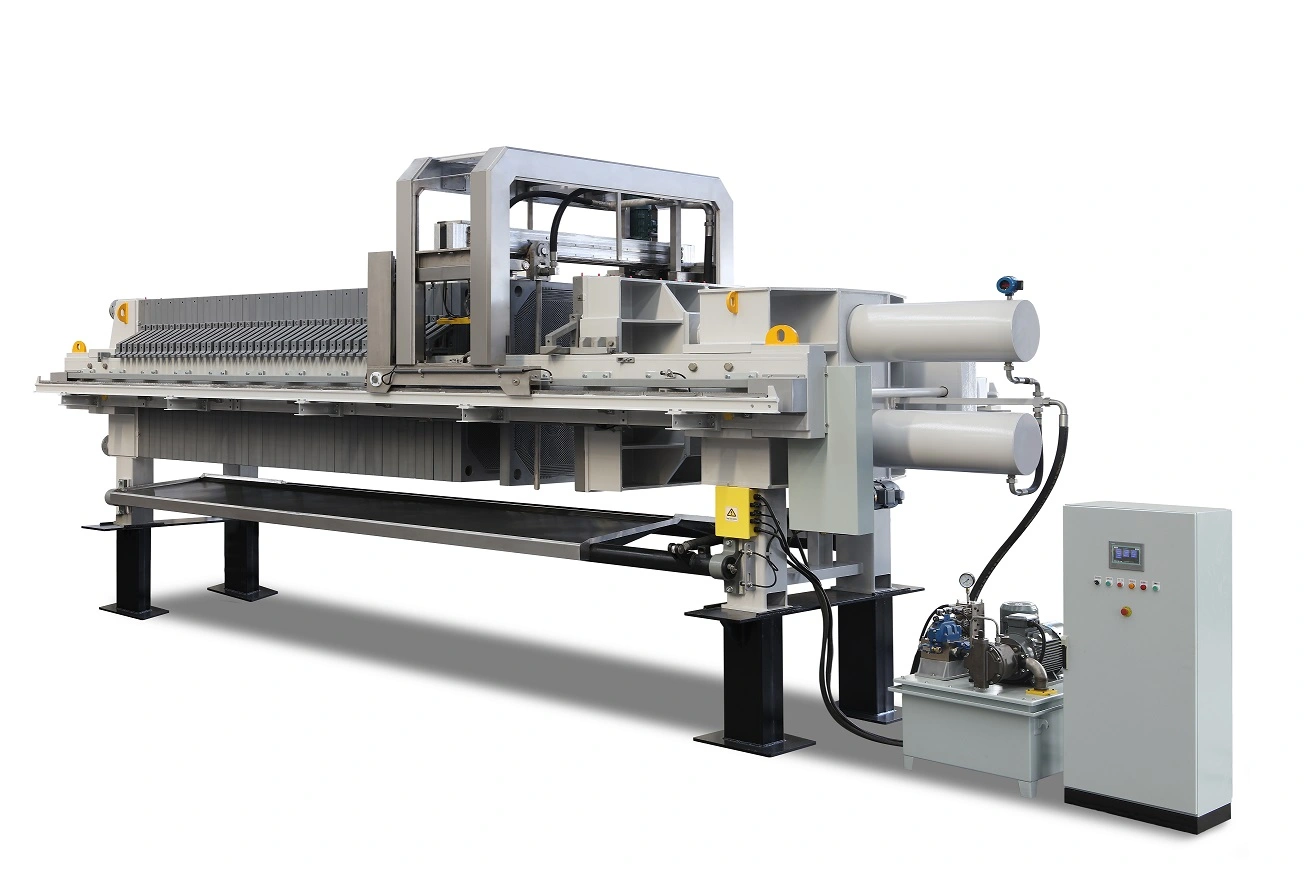
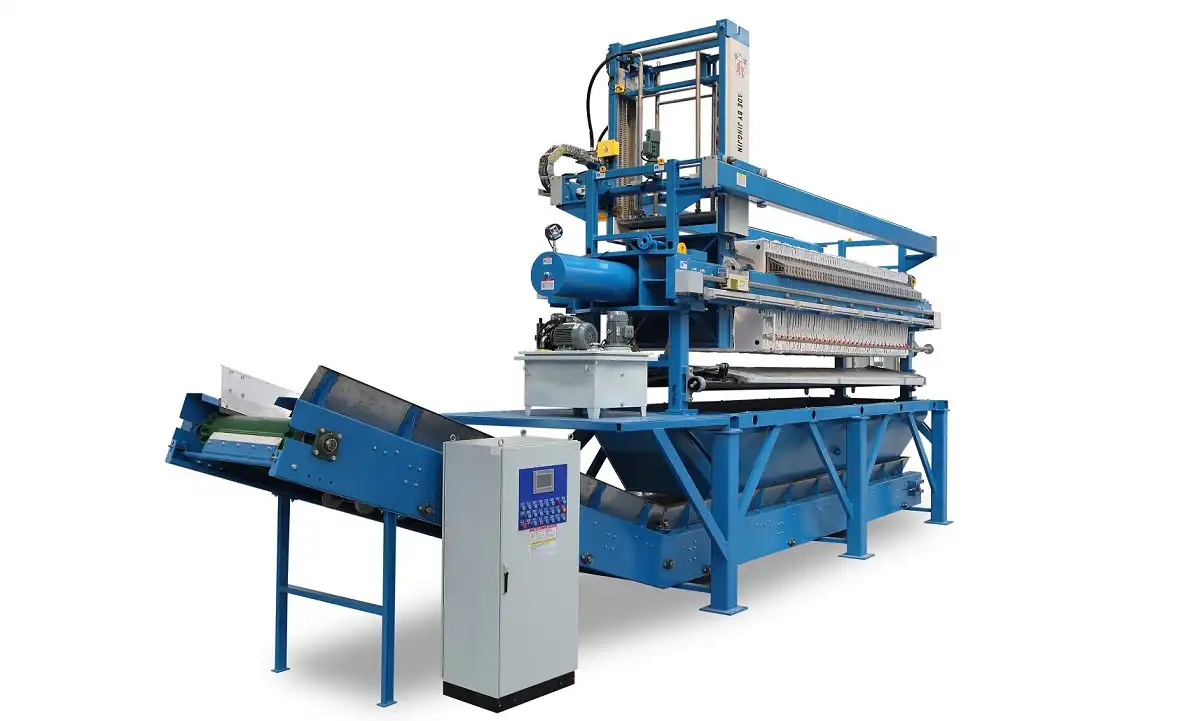
A membrane plate filter press advances dewatering technology. This equipment uses elastic membranes—usually polypropylene, synthetic rubber (NBR, EPDM), or thermoplastic elastomer (TPE)—between the filter plate and filter cloth, unlike feed pump-powered chamber presses. After the first filtration cycle, operators feed high-pressure liquids or compressed air into the diaphragm. Inflation bulges the membrane, forcing mechanical force onto the filter cake to evacuate interstitial moisture. Standard filtering methods leave far more water than squeeze filtration.
Core Operating Principles and Design Innovations
The membrane-squeezing mechanism is two-stage. Chambers are filled with slurry under normal pressure (1.6 MPa). After a solid buildup, the system squeezes the cake uniformly by introducing pressured media behind membranes. Modern designs have automatic plate changers, hydraulic systems with accurate pressure management, and energy-saving features that reduce power usage during idle periods. Facilities can expand capacity by adding plate packs without changing the frame assembly in modular construction.
Industrial Applications Across Critical Sectors
Multiple industries with strict moisture reduction needs use dewatering equipment. Biological sludge from municipal wastewater treatment facilities is dried below 60% moisture content, frequently 35-40% under ideal circumstances. This performance allows treated sludge to be cheaply landfilled or immediately burned, generating energy. Dry stacking eliminates tailings dams and recovers over 95% of process water for reuse in arid settings in copper, gold, and zinc concentrate mining.
Chemical firms manufacturing pigments, dyes, and specialized resins use the membrane plate filter press's corrosion-resistant materials and precision cake-washing. Pharmaceutical API purity depends on solvent recovery and impurity elimination by membrane squeezing with the membrane plate filter press. Food and beverage industries use the membrane plate filter press technique to clarify fruit juices, recover yeast after fermentation, and dewater plant proteins, where sanitation and gentle product handling are crucial.
Key Factors to Consider When Sourcing Membrane Plate Filter Presses from China
Selecting the best Chinese supplier demands a comprehensive examination of production and operational qualifications. Supplier evaluation relies on quality certificates. CE marking verifies European safety regulation compliance, whereas ISO 9001:2015 certifies production consistency. North American buyers should check if the equipment fulfills ASME pressure vessel specifications or EPA wastewater rules for membrane plate filter presses.
Distinguishing Supplier Types and Manufacturing Capabilities
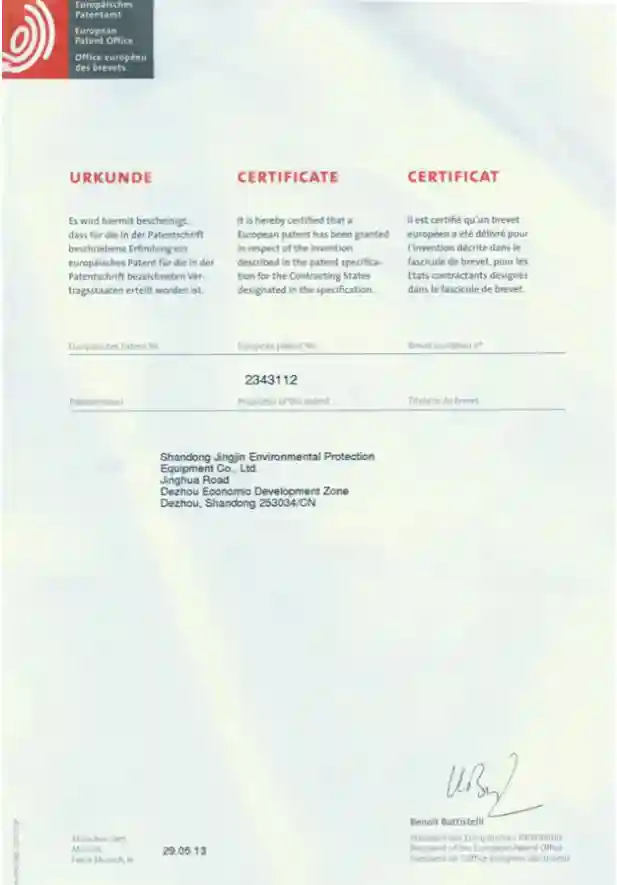
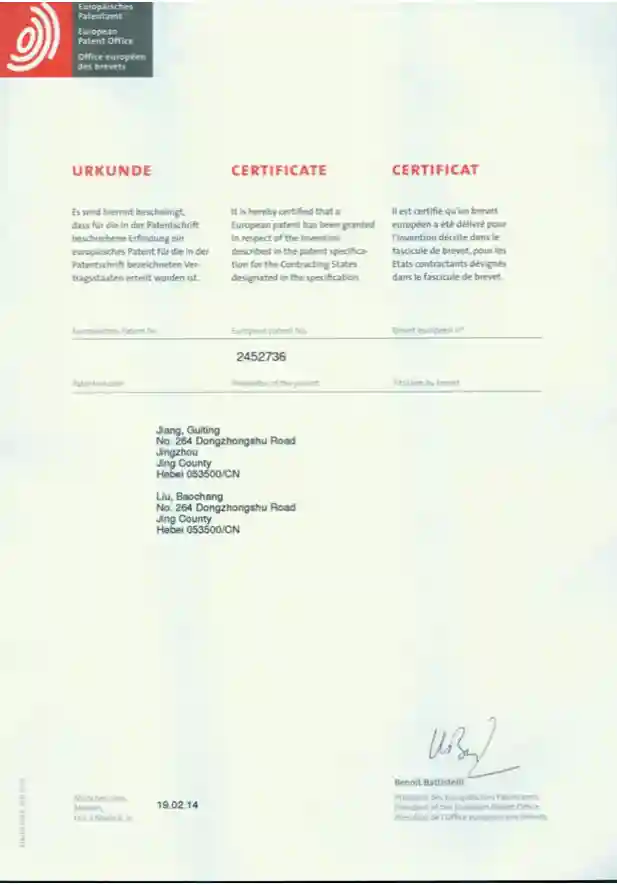
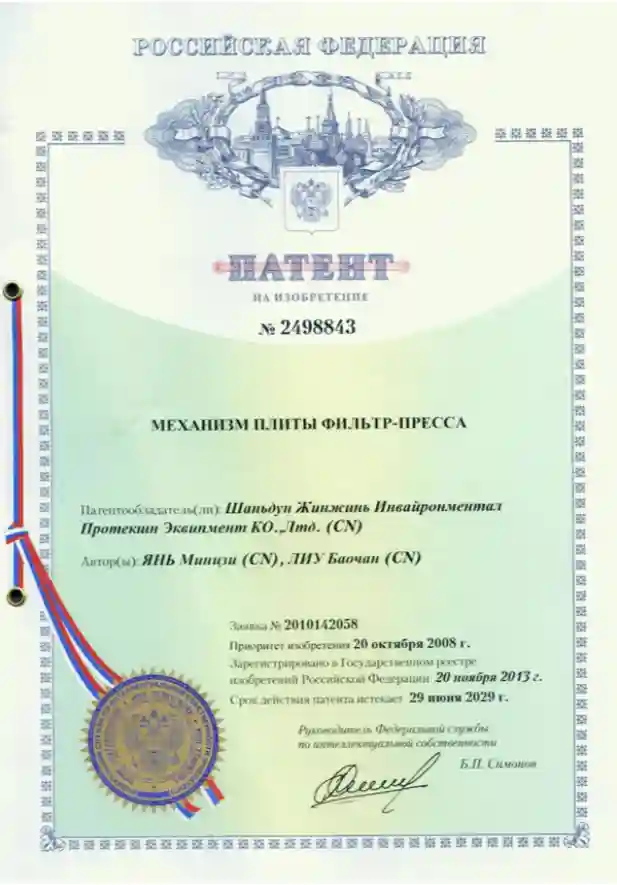
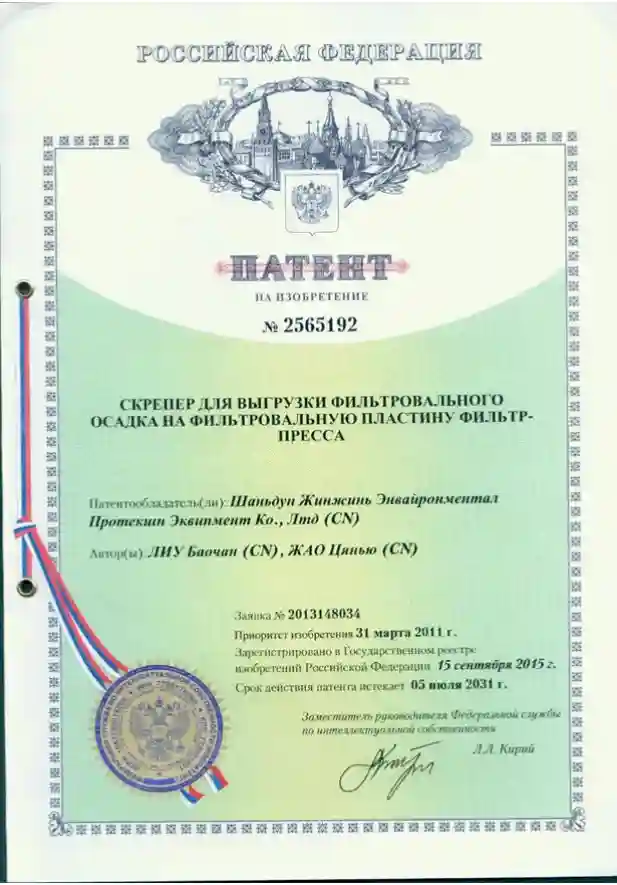
Traditional Chinese filtration equipment vendors include OEMs, authorized distributors, and trading businesses. OEMs with filter press plants above 100,000 square meters have in-house R&D teams, utility and innovation patents, and massive manufacturing facilities. These producers offer direct technical assistance, customization, and patented innovations not available through intermediaries.
Distributors provide regional convenience but limited customisation, whereas trading businesses handle transactions without engineering. For complicated projects needing customized solutions, technical documentation, and long-term spare parts, procurement teams should favor OEMs. Request virtual or in-person facility visits, evaluate patent certificates, and examine worldwide project references to verify production capability.
Total Cost Analysis Beyond Initial Purchase Price
Export price exceeds equipment cost. Equipment dimensions, destination port, and incoterms (FOB, CIF, DDP) affect shipping costs. Container shipment or break-bulk logistics are needed for 1500mm filter presses, which weigh 8-12 tons. Destination country trade agreements and equipment classification codes determine customs charges, import taxes, and clearing costs.
After-sales service infrastructure greatly affects ownership costs. Export market suppliers with local service reps speed emergency response and replacement part delivery. Warranty terms should specify membrane longevity (3,000–5,000 cycles), hydraulic system components, and structural frame integrity. In remote operational sites, detailed maintenance standards and multi-year spare parts supply agreements prevent unexpected downtime.
Comparing Chinese Membrane Plate Filter Press Solutions: What Fits Your Needs?
Various filtration methods fit different operations. Maximum cake dryness and low disposal costs are ideal for membrane plate filter press systems. Without squeezing membranes, chamber filter presses generate wetter cakes but are cheaper to operate. Vacuum belt filters operate continuously but cannot equal membrane compression dryness. Centrifuges process solids quickly but use more energy per ton.
Performance Metrics That Drive Selection Decisions
Throughput depends on filtration capacity in cubic meters of filter area. A 1500mm × 1500mm plate arrangement with 100 plates can treat 30-50 cubic meters of sludge every cycle, depending on solids concentration, with 150 square meters of filtering area. Municipal sludge applications take 90–180 minutes from feeding to squeezing to cake discharge.
The most important performance indicator is moisture. Membrane squeezing decreases cake moisture by 10-20% compared to normal filtering, lowering shipping costs and expanding disposal choices. From manual plate shifting and cloth washing to fully automated systems with programmable logic controllers, automatic plate shifters, and integrated cloth cleaning systems. Automation cuts labor but complicates capital investment and upkeep.
Energy efficiency depends on the squeezing pressure and cycle frequency. Compressed air membrane inflating systems use less energy than hydraulic squeezing systems but may reach lower pressures. Modern variable-frequency hydraulic pumps use 30% less power than fixed-speed motors during low-demand cycle periods.
How to Effectively Procure Membrane Plate Filter Presses from China
Complete technical specs start a successful purchase. Slurry parameters (solids concentration, particle size distribution, pH range), target cake dryness, daily processing volume, utilities (electrical, compressed air, water pressure), and site installation limits should be included in inquiry papers for membrane plate filter presses. Suppliers can propose plate sizes, membrane materials, and auxiliary equipment based on correct feed material data.
Evaluating Quotations and Negotiating Terms
Beyond headline pricing, supplier quotes must be compared. Technical proposals should describe plate construction material (reinforced polypropylene, cast iron, or stainless steel), membrane composition and lifetime, hydraulic system brand and capacity, automation level, and auxiliary equipment (feed pumps, air compressors, control panels). Requesting thorough equipment inventories with component manufacturers and model numbers helps determine quality consistency.
International transactions usually need a 30% deposit at contract signing, 60% before shipping, and 10% retention after commissioning. Financial risk is reduced by negotiating longer payment periods or letters of credit. Standard designs take 8–12 weeks to produce, whereas custom-engineered solutions needing specific materials or bigger dimensions take 4-6 weeks.
Managing Logistics and Installation Support
The size of the equipment and the destination infrastructure affect shipping optimization. Flat rack containers or break-bulk vessels are ideal for bigger systems than containers (up to 1500mm plate size). Buyers should establish if suppliers supply ISPM 15-compliant export packing for timber items and whether freight forwarding is included or extra.
Installation support includes foundation plans, starter guides, and factory technician commissioning. Supplier duties for civil works, electrical connections, and pipe integration should be clarified to avoid costly project delays. Maintenance training should include normal operations, membrane replacement, hydraulic troubleshooting, and feed condition filter cloth selection.
Top Membrane Plate Filter Press Manufacturers and Suppliers in China
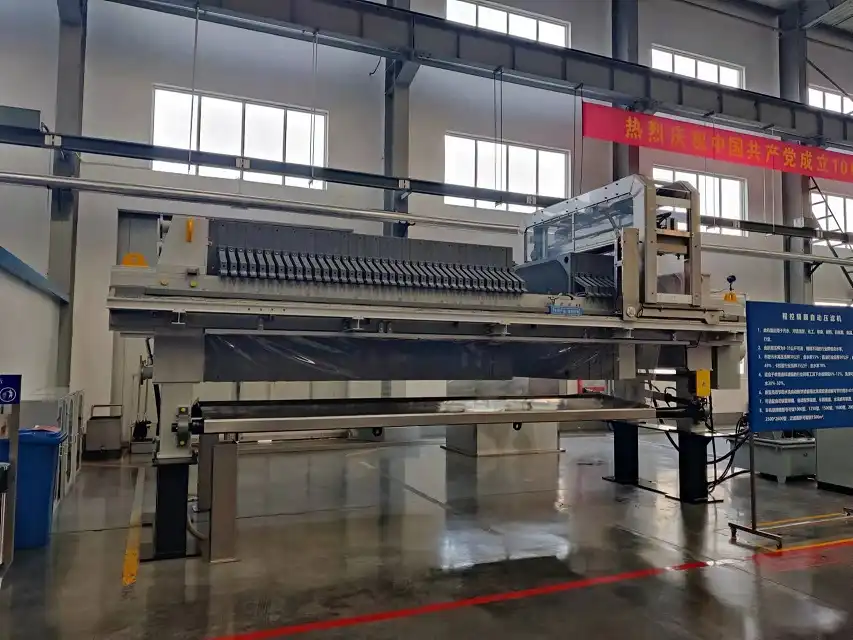
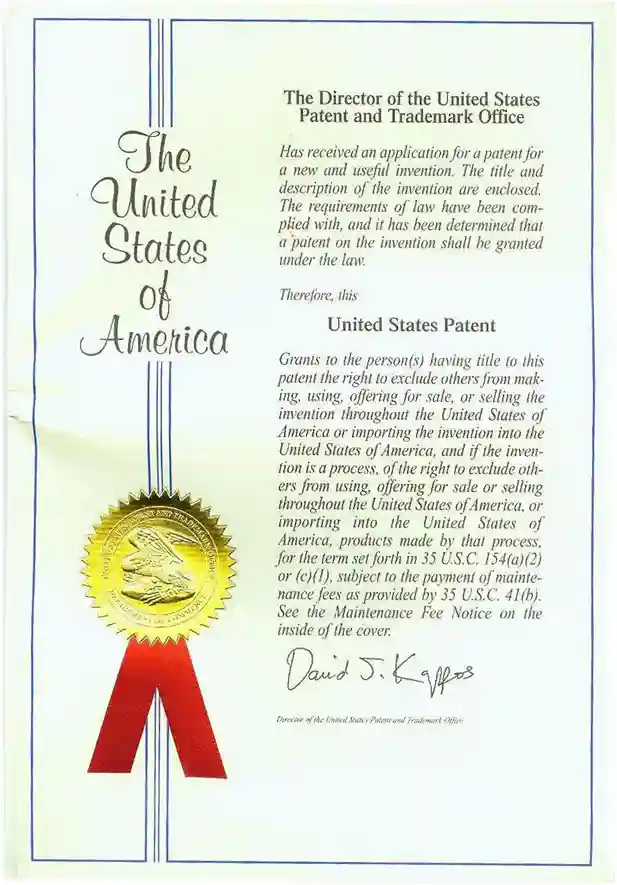
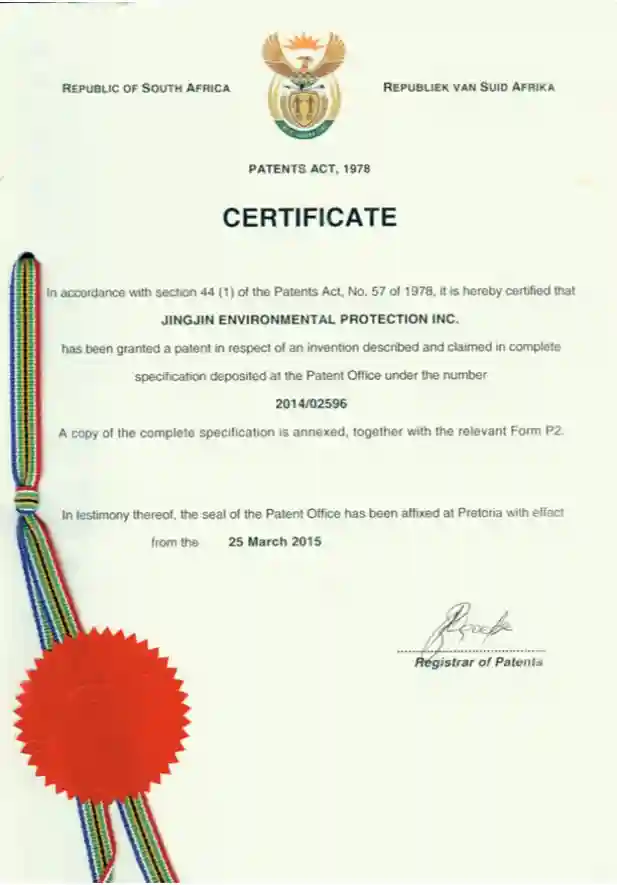
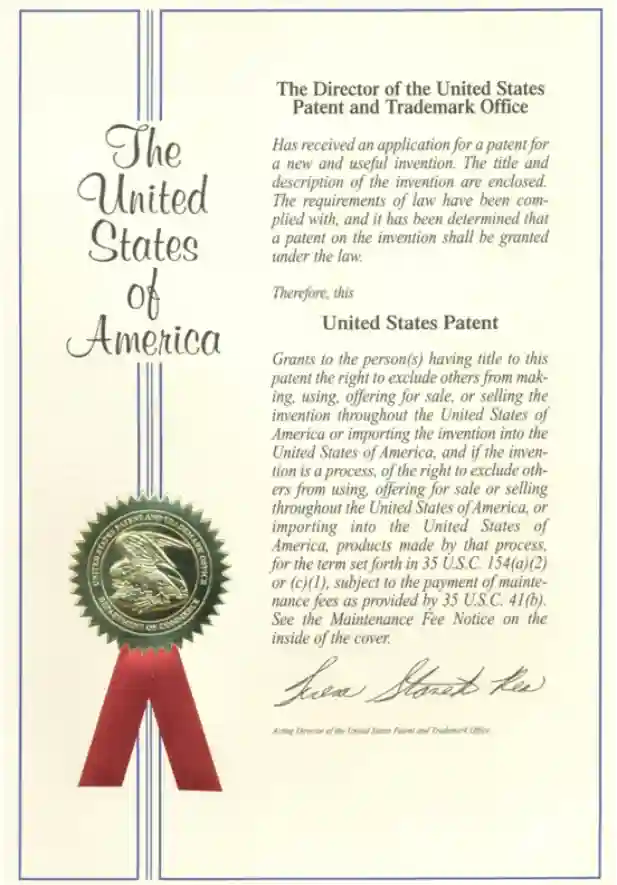
China's filtration equipment manufacturers have decades of experience and global reach. Jingjin Equipment Inc., founded in 1988, is a leading manufacturer of the membrane plate filter press with over 136 utility and inventive patents, servicing clients in 123 countries. Multiple production halls on the company's Dezhou manufacturing complex handle membrane plate filter press frames, plate molding, membrane fabrication, and filter cloth weaving for the membrane plate filter press, establishing a vertically integrated supply chain that monitors quality throughout production of the membrane plate filter press.
Verifying Supplier Credentials and Technical Skills
Quality paperwork is open from legitimate manufacturers. ISO 9001, CE, and proprietary technology patent certifications should be requested by buyers. Independent verification through SGS facility audits or Bureau Veritas quality inspections validates production capability and quality control methods.
Customers provide practical insights regarding equipment and supplier reliability. Requesting contact information for installations in comparable sectors and areas allows direct talks regarding operating issues, parts availability, and technical assistance. When possible, site inspections of running facilities disclose equipment condition and maintenance needs beyond marketing materials.
Building Strategic Long-Term Partnerships
Effective supplier partnerships go beyond equipment purchases. Leading manufacturers innovate constantly, improving design, materials, and automation. Preferred supplier agreements allow beta testing of new technologies, bulk pricing reductions, and priority allocation during high-demand periods.
Communication protocols are crucial in multinational relationships. English-speaking technical personnel, written project management processes, and manufacturing progress reports decrease misconceptions and project hazards. Companies with overseas service centers or collaborations with local engineering companies respond faster to emergencies and simplify warranty claims than China-only support structures.
Conclusion
Buying membrane plate filter presses from China for export requires careful supplier selection, technical evaluation, and strategic relationship management. China's established filtration equipment manufacturing industry offers competitive prices, broad customisation, proven technology servicing global markets, and decades of specialized knowledge. Partnerships with OEMs with quality certifications, patent portfolios, and worldwide project track records are crucial to procurement success. Buyers get filtration solutions that deliver sustained operational performance, regulatory compliance, and competitive advantage across diverse industrial applications by focusing on total cost of ownership—equipment reliability, energy efficiency, maintenance accessibility, and long-term parts availability—rather than initial purchase price.
FAQ
1. What certifications should I request from Chinese membrane plate filter press suppliers?
For European markets, request ISO 9001:2015 quality management certification, CE labeling, and pressure vessel certifications such as ASME compliance. Equipment designs stamped by qualified engineers and membrane component and structural steel material test certifications give a quality guarantee. Suppliers should provide English or your preferred language operation manuals, maintenance schedules, and replacement parts listings.
2. How can I verify the quality and safety of filter press equipment before shipment?
SGS or Bureau Veritas can provide factory testing, dimensional verification, and quality control checks before shipping. Before delivery, request factory acceptance testing (FAT) to mimic system operation. Video documentation of testing processes and hydraulic pressure tests allows remote verification when in-person attendance isn't possible.
3. What after-sales support should I expect from reputable Chinese manufacturers?
For correct starting, installation monitoring, operator training, and commissioning, help is provided. Professional service networks include English-speaking engineer hotlines, spare parts warehouses with expedited worldwide delivery, and periodic maintenance visits. Leading suppliers use troubleshooting videos, parts buying websites, and remote diagnostics to reduce worldwide installation downtime.
Partner with Jingjin for Reliable Membrane Plate Filter Press Solutions
With membrane plate filter press technology trusted in mining, municipal wastewater, chemical processing, and pharmaceutical industries globally, Jingjin Equipment Inc. can assist your solid-liquid separation needs. Our Dezhou factory makes filtration systems with 136 patents, ISO 9001 certification, and 35 years of engineering refinement. As a direct membrane plate filter press manufacturer, we offer customized equipment, international compliance technical documentation, and six-continent service networks. For project specifications, technical proposals, and why procurement professionals in 123 countries choose Jingjin as their membrane plate filter press supplier for long-term operational excellence, contact our export team at [email protected].
References
1. Water Environment Federation (2019). Industrial and Municipal Sludge Dewatering: Technology Selection and Performance Optimization. Alexandria: WEF Press.
2, Sutherland, K. (2018). Filters and Filtration Handbook, Sixth Edition. Oxford: Butterworth-Heinemann.
3. International Mining Technology (2020). "Advances in Tailings Management: Dry Stacking Technologies and Environmental Performance." Mining Engineering Quarterly, 42(3), 78-94.
4. American Filtration and Separations Society (2021). Pressure Filtration Equipment: Design Standards and Selection Criteria for Industrial Applications. Houston: AFSS Publications.
5. Zhang, L., & Wang, H. (2022). "Comparative Analysis of Membrane Squeeze Filtration in Pharmaceutical Manufacturing." Chemical Engineering & Processing, 168, 108567.
6. China National Chemical Equipment Corporation (2023). Export Compliance Guide for Industrial Filtration Equipment: Certification Requirements by Destination Market. Beijing: CNCC Technical Press.
jingjin
Founded in 1988, Jingjin specializes in filter presses and liquid-solid separation solutions, serving over 130 countries worldwide, and is a standard-setter in China's filter press industry.
Get the Filter Press guide
Enter Your Email for Technical assistance for the Filter Press.
Recommended Blog
Where European Distributors Source Press Filter from China?
Dewatering Press Machines for Middle East Desalination Plants
How to Clean and Replace Filter Press Cloths for Optimal Performance
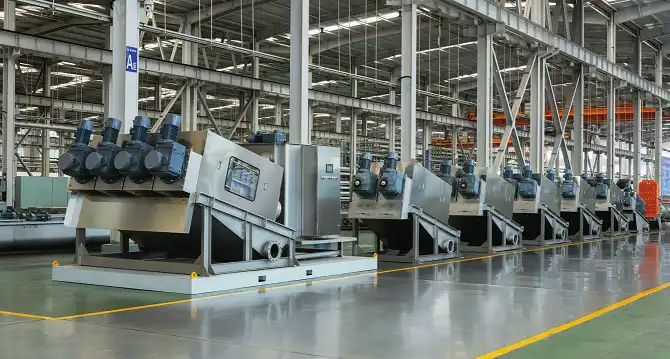
Screw Press Sludge Dewatering Machine for Municipal Wastewater
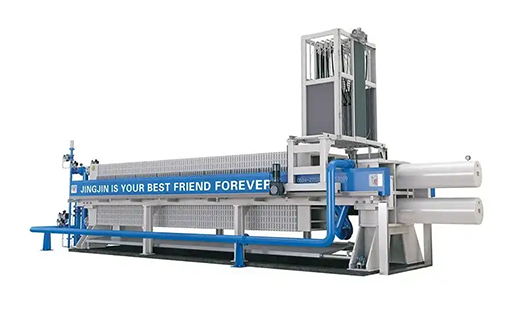
How Global EPC Firms Manage Filter Press Procurement in China?