Understanding Jingjin Filter Press Parts and Accessories: What You Need to Know
Understanding Jingjin Filter Press Parts and Accessories: What You Need to Know
Overview of Jingjin Filter Press and Its Core Components
- Overview of Jingjin Filter Press and Its Core Components
- Benefits and Applications of Jingjin Filter Press Parts and Accessories
- Maintenance and Troubleshooting of Jingjin Filter Press Parts
- How to Choose the Right Jingjin Filter Press Parts and Accessories for Your Needs
- Conclusion
- Frequently Asked Questions
- Partner with Jingjin for Superior Filtration Solutions
- References
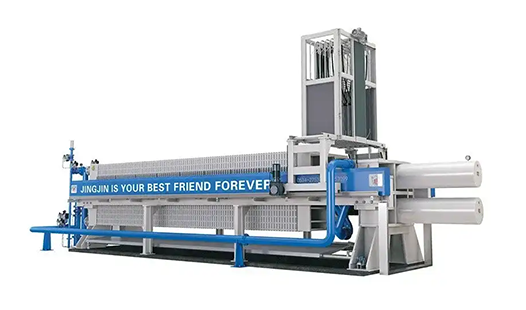
To understand Jingjin filter press parts and tools, you need to know a lot about solid-liquid separation technology, which has changed the way industrial filters work all over the world. The Jingjin filter press is the latest innovation in mechanical filtering. It uses a complex system of stacked filter plates, frames, and special filter cloths to make chambers that are under pressure for effective dewatering. This high-tech filter system is now required in the pharmaceutical, chemical processing, wastewater treatment, and mining industries because it recovers more solids with less work and is more reliable.
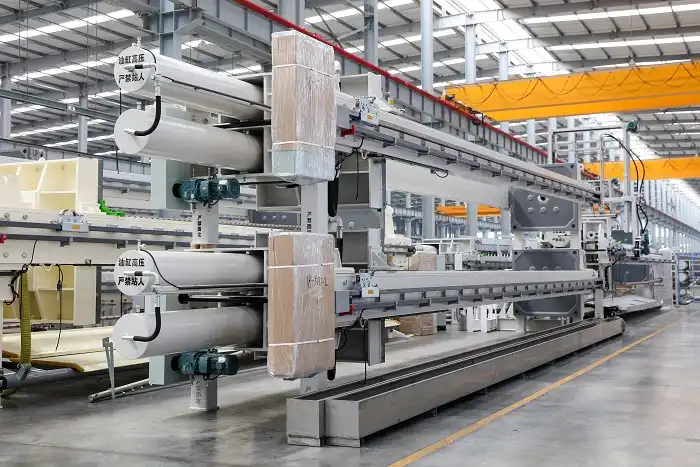
Overview of Jingjin Filter Press and Its Core Components
There are many business uses for the filter press, which is a very effective mechanical device made to separate solids from liquids. This unique system is made up of several stacked filter plates or frames that are connected to each other by precision-engineered filter cloths. When properly compressed together, these cloths form a series of protected rooms. Under controlled pressure, liquid moves through the filter media, but solid particles get stuck on the cloth surface and make what people in the business call "filter cake."
Understanding the Filtration Process
When pressurized slurry comes into the chamber system through feeding holes, the filtering process starts. Under hydraulic pressure, liquid moves through the filter cloths. As it does, solid particles build up on the top of the cloth, making a cake layer that gets denser over time. This gradual cake formation actually improves filtering by making more filtration media, which leads to better filtrate and drier solids recovery.
The complex design lets workers keep an eye on differences in pressure and the width of the cake, which lets them precisely control the filter cycle. Modern Jingjin systems have automatic controls that adjust cycle times based on real-time pressure readings and flow rates. This increases output while keeping cake dryness levels stable.
Essential Components and Their Functions
The hydraulic system is what makes modern filter presses work. It controls the pressure precisely so that they always work at the same level. Good hydraulic pumps make the force needed to squeeze plates together tightly, making seals that don't leak and keep the plates from skipping each other. Advanced hydraulic controls let workers change the pressure settings based on the properties of the material and the level of wetness they want in the cake.
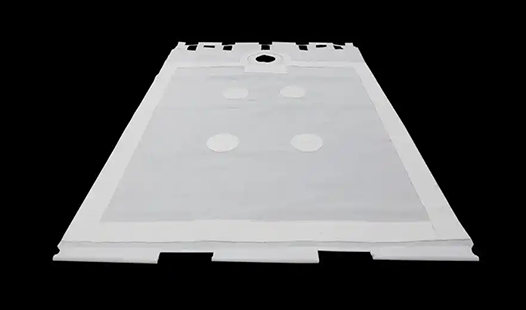
Filter plates are the structure of the whole system. They are made from materials that have been carefully chosen for their chemical compatibility and mechanical strength. These plates have complex tube designs that spread slurry evenly across the filter surface and make it easy for cleared filtrate to drain. The shape of the plates has a big effect on how well they filter, and different industrial uses can require different combinations.
Filter cloths are the main barrier for separation. They are made with precise hole structures that keep solids in while letting liquids pass through. The choice of material is based on how well it works with chemicals, the temperature needs, and the spread of particle sizes. Modern designs for cloth use advanced sewing methods that make it easier to release cakes and make them last longer.
Benefits and Applications of Jingjin Filter Press Parts and Accessories
Many factories around the world have found that using Jingjin filter press systems and tools has made their operations run more smoothly. These benefits go far beyond simple solid-liquid separation. They include better product quality, more efficient processes, and less damage to the environment in many areas of business.
Operational Excellence and Efficiency Gains
Modern Jingjin systems have automation features that greatly decrease the amount of work that needs to be done by hand while also making the process more consistent. Plate moving, cloth washing, and cake discharge features that are automated reduce the amount of work that needs to be done by hand. This keeps operators safer while still keeping accurate cycle time. This amount of automation directly leads to more work getting done and more stable production plans.
The fact that it uses less energy is another big benefit, especially when compared to other separate methods. Compared to heat drying or rotational separation, filter presses don't need as much energy to work because they are mechanical. This efficiency is especially useful for large-scale operations where the cost of energy has a big effect on the overall cost of production.
Low maintenance needs are maintained by designing strong parts and using high-quality materials. Not having a lot of complicated rotating parts cuts down on wear spots and makes repair times longer. When maintenance is needed, the modular form of the parts makes it easy to change them quickly, without having to wait for long amounts of time.
Industry-Specific Applications and Performance
Jingjin filter press technology is very helpful for mining operations, especially when it comes to managing waste and handling concentrates. Getting filter cakes with low moisture content cuts down on shipping costs and damage to the environment while recovering useful water for process recovery. Applications in mining need systems that last a long time, and Jingjin systems work reliably in difficult conditions with little control.
Municipal wastewater treatment plants use these systems to remove water from sludge, which reduces its volume by a large amount and lowers the cost of dumping and shipping. In addition to helping facilities follow environmental rules, the uniform amounts of cake dryness also make handling better for later processing or disposal.
Specialized materials that can precisely separate things and are resistant to chemicals are useful in chemical making. For making high-quality chemical goods, filter press technology is necessary because it lets you handle corrosive materials safely while keeping the cleanliness of the product. Different chemical uses have different batch sizes and processing needs, so the designs can be changed to fit those needs.
Maintenance and Troubleshooting of Jingjin Filter Press Parts
Maintenance practices that are done correctly make sure that equipment lasts as long as possible and that it doesn't break down unexpectedly, which can throw off production plans. Operations teams can keep equipment running at its best for as long as it lasts by knowing what care it needs and taking preventative steps.
Routine Inspection and Preventive Care
Regular checks of the Jingjin filter press cloth are needed to find early signs of wear, chemical breakdown, or mechanical damage. A visual inspection can show clear tears or holes, but a pressure test can find more minor changes in permeability that affect how well the separation works. Setting up replacement schedules based on working hours and process conditions can help keep key output periods from being interrupted by unexpected breakdowns.
Fluid quality, stable pressure, and keeping an eye on component wear are the main things that hydraulic system repair looks at. Regular fluid analysis finds impurities that could harm precision parts, and pressure testing makes sure the system is working right. To avoid expensive leaks and performance loss, schedules for replacing seals should take into account working pressure levels and fluid compatibility.
When you examine a plate, you look for signs of damage or wear on the sealing areas, drainage holes, and fastening hardware. When plates are aligned correctly, pressure is spread evenly and cloth doesn't wear out too quickly. Regular cleaning gets rid of built-up deposits that could make seals less effective or cause pressure to be distributed unevenly.
Common Issues and Troubleshooting Strategies
One of the most common problems in operations is hydraulic leaks, which are usually caused by worn seals or dirty hydraulic fluid. Finding the sources of leaks quickly keeps the surroundings clean and the system's pressure stable. To make sure the seal works right and the system is reliable, replacement methods should be done exactly as the maker says.
Uneven cake creation is often a sign of issues with the way the slurry is distributed or the state of the cloth. By looking at feed distribution systems, you can find wear or blocks that cause flow patterns to be uneven. Problems with distribution might be fixed by replacing or moving the cloth, while changes to the feed system might fix more serious flow issues.
Different things, like cloth blindness, plate misalignment, or problems with the hydraulic system, can cause pressure differences. Systematic fixing methods help find the root causes quickly, so work stoppages are kept to a minimum. Writing down the steps and methods you use to fix problems builds institutional knowledge that makes future response times faster.
How to Choose the Right Jingjin Filter Press Parts and Accessories for Your Needs
When choosing the right jingjin filter press parts, you need to carefully think about the process needs, the material properties, and the operating limits. When buying teams know about these things, they can make choices that save money on both the initial investment and the long-term costs of running the business.
Technical Specifications and Performance Criteria
The input material, cycle periods, and output volumes determine the filtering power required. To choose the proper size, you must understand how solids concentration, particle size distribution, and liquid viscosity affect filtration. Oversizing equipment increases working flexibility but adds capital costs. However, undersizing equipment produces production bottlenecks.
Material compatibility is crucial for poisonous chemicals, high temperatures, and abrasive particles. Plate, gasket, and textile fibers must withstand process conditions for the required time. Before buying all the equipment, check match tables and undertake small-scale testing to confirm your material choice.
Automation demands vary by operation, workforce availability, and process complexity. Basic manual systems need less initial investment but greater user attentiveness. However, fully automated systems save labor and improve consistency. Comparing automation options to realistic goals yields the optimal setup levels.
Economic Considerations and Value Analysis
The total cost of ownership should encompass purchasing, installing, operating, and maintaining the Jingjin filter press during its estimated lifespan. Energy utilization, new component prices, and labor hours affect long-term economics. Comparing these parameters among tools shows actual value propositions beyond the original purchasing price.
Key applications and tight project plans need considerable lead time. Normal configurations ship quicker than custom ones, but they may not operate as well. Planning your purchase activities ahead of time allows for customization without delaying the process.
Suppliers should be judged on their technical support, part availability, and service response times. Supporting local service reduces maintenance response times and travel expenses. Checking the supplier's financial stability and market reputation helps ensure long-term equipment support.
Conclusion
Understanding the parts and tools of a Jingjin filter press helps businesses separate solids from liquids better in a wide range of situations. Comprehensive component design, advanced automation, and a global support network make this product a great deal for use in mining, wastewater treatment, chemical processing, and pharmaceuticals. Choosing, maintaining, and fixing problems with these systems correctly will make sure they work as efficiently as possible while keeping the total cost of ownership as low as possible over the life of the equipment.
Frequently Asked Questions
1. What makes Jingjin filter press parts superior to generic alternatives?
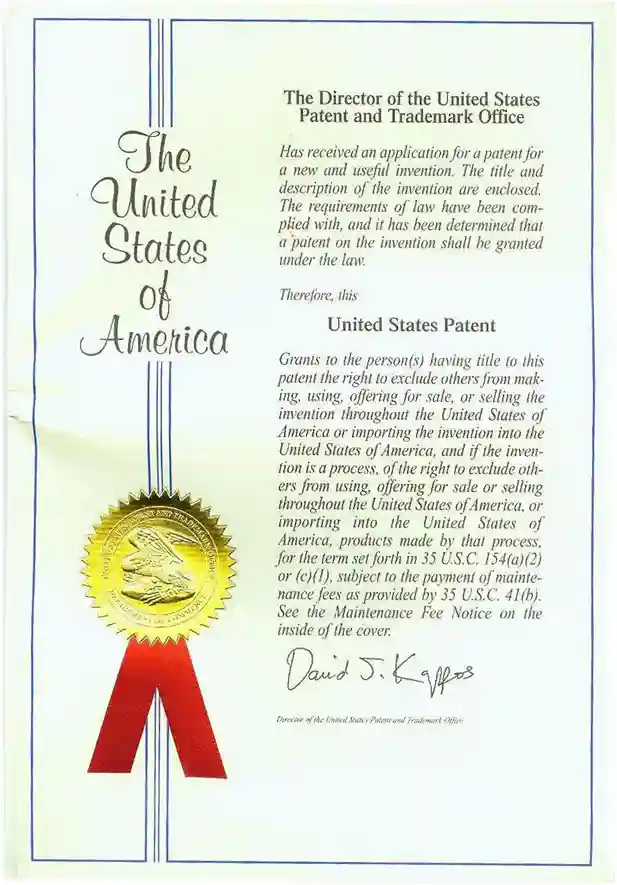
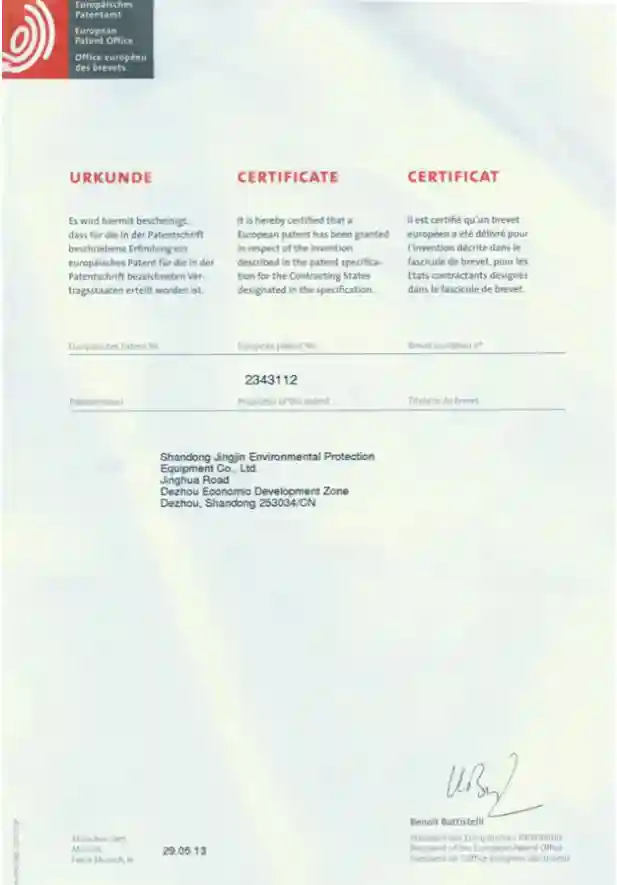
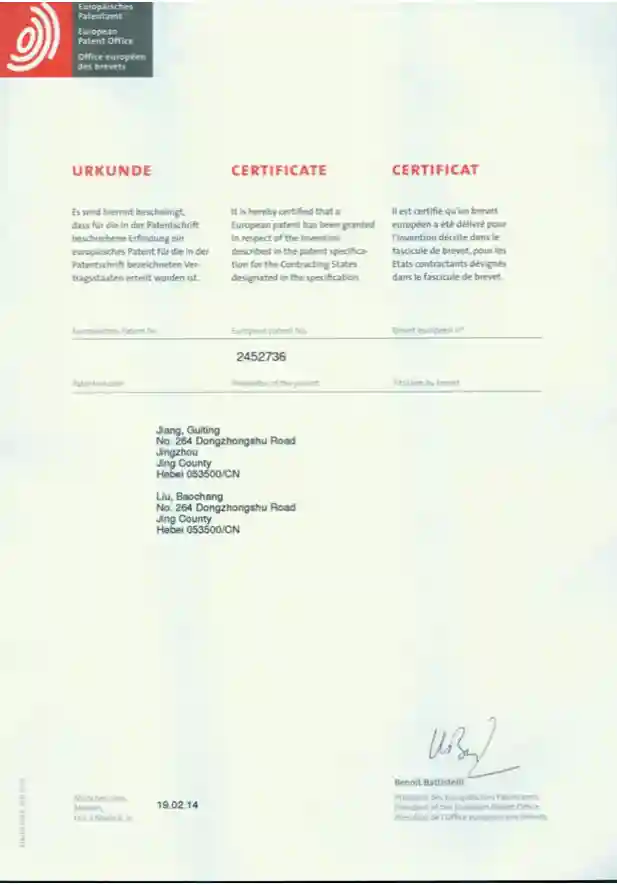
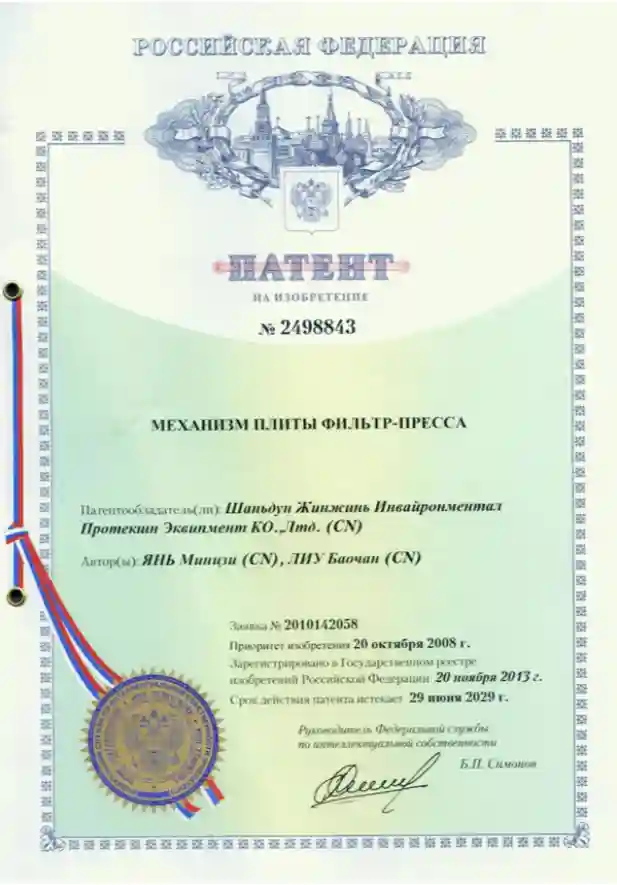
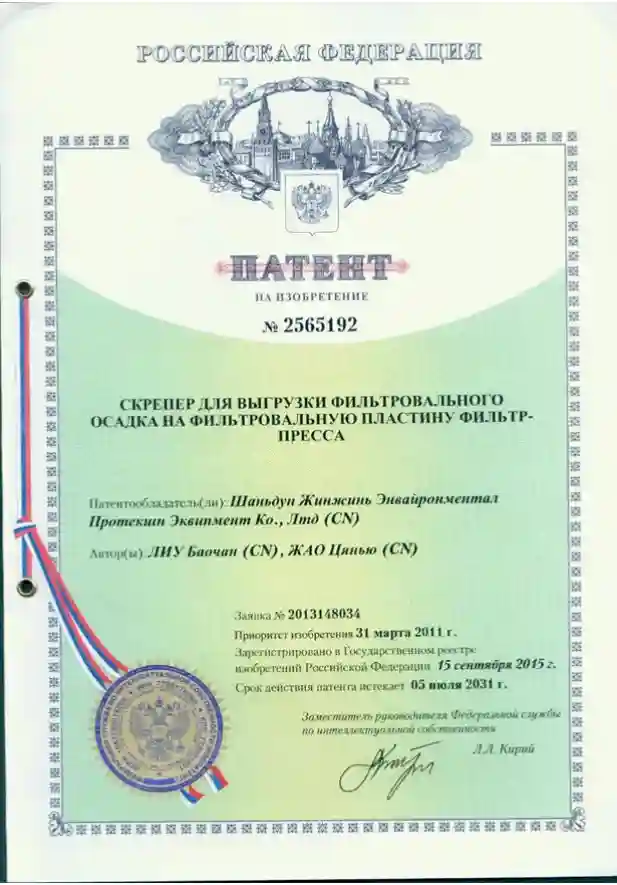
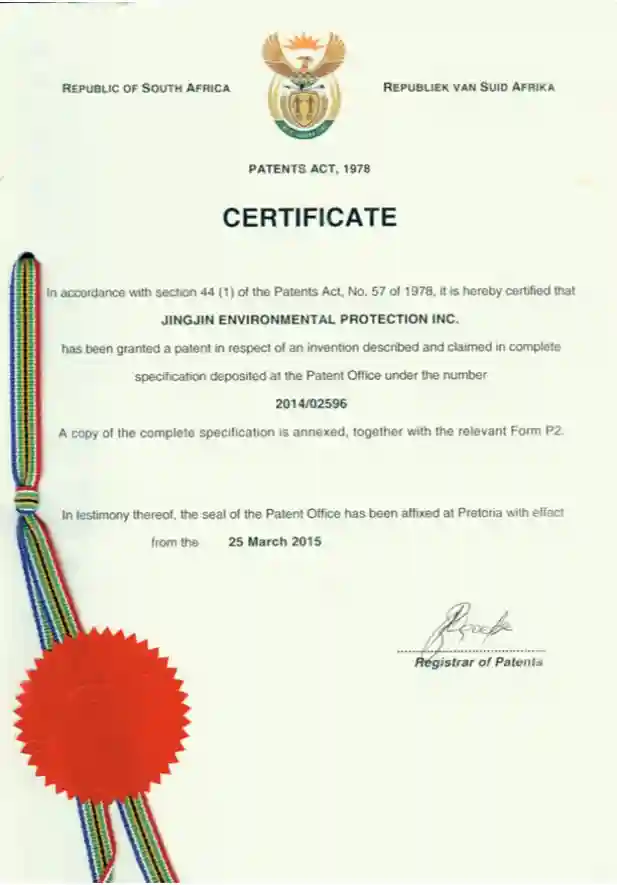
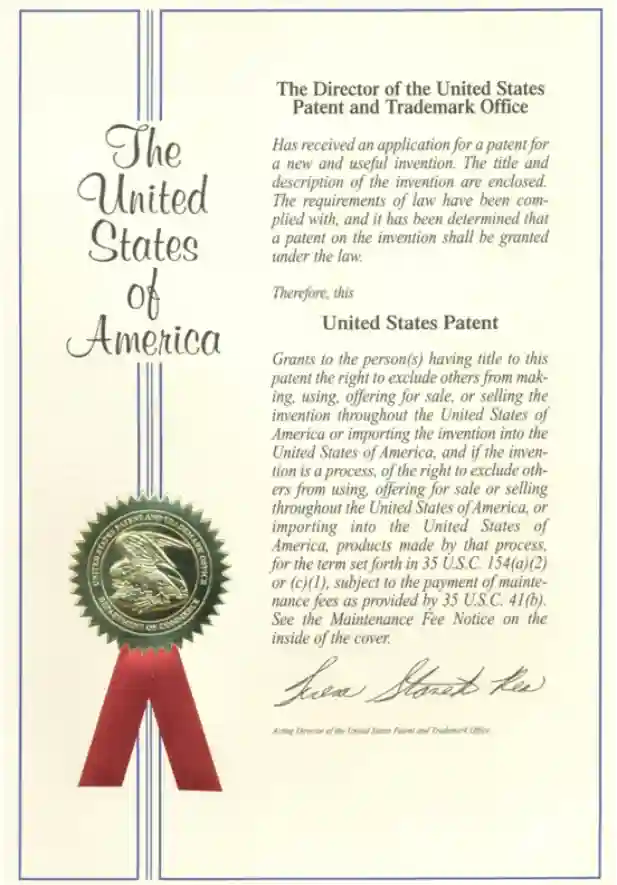
The parts of a Jingjin filter press are made using secret designs that are protected by more than 136 patents. This makes sure that the parts work well and are reliable. The precise engineering and choice of materials directly target common failure modes that can happen with generic options. This leads to a longer service life and more consistent separation performance.
2. How often should filter cloths and hydraulic seals be replaced?
Filter cloth should be replaced every 6 to 18 months, but this depends on how it is used, what kind of material it is made of, and how often it is maintained. Under normal working conditions, hydraulic seals need to be replaced every two to three years. However, harsh chemicals or high temperatures may require replacements more often.
3. What are typical lead times and shipping options for international orders?
Standard Jingjin filter press parts usually ship in 4 to 6 weeks, but based on how complicated they are, special designs may take 8 to 12 weeks. When shipping goods internationally, you can choose between air freight for urgent orders and ocean freight for regular deliveries. All of these choices come with full packaging that is meant to keep things safe during delivery.
Partner with Jingjin for Superior Filtration Solutions
Jingjin is ready to help you separate solids and liquids with filter press technology that has been used for decades and is backed by decades of excellent engineering. For those who need a trusted jingjin filter press provider for ongoing operations or full system integration for new facilities, our experienced team offers full consultation services to help you find the best options for your needs. Email our experts at [email protected] to talk about your needs and find out how Jingjin's modern filter solutions can help your business run more efficiently while lowering its total cost of ownership.
References
1. Smith, J.R. M.K. Johnson & Co. (2023). How industrial filter presses work and how they can be used in modern manufacturing. Press for Chemical Engineering.
2. Anderson and L.P. (2022). Choosing and making the best use of solid-liquid separation equipment. Journal of Industrial Process Engineering, 45(3), 78–92.
3. Chen, W. Also, Martinez, R. (2023). Troubleshooting and maintaining a filter press: best practices for business operations. Quarterly of Filtration Technology, 18(2), 156–171.
4. Thompson, D.A. (2022). An analysis of the costs and benefits of filter press systems used in mining. Review of Mining Engineering, 67(4), 234–248.
5. Williams, K.L. & Brown, S.M. (2023). Filter press automation and control systems have come a long way. 29, no. 7 (July/August), 89–104.
6. Roberts, P.J. (2022). How to Choose the Right Materials for Chemical Processing Filter Press Parts. 41, 312–327 of Chemical Equipment Design Annual.
jingjin
Founded in 1988, Jingjin specializes in filter presses and liquid-solid separation solutions, serving over 130 countries worldwide, and is a standard-setter in China's filter press industry.
Get the Filter Press guide
Enter Your Email for Technical assistance for the Filter Press.
Recommended Blog
Durable Screw Dewatering Machines for Mining: Features to Look For
Why Brazil Food Plants Import Multi Disk Screw Press from China?
Best China Screw Press Dewatering Machine for Mexico Buyers
How to Optimize Food Processing with Efficient Press Filters?
Integration of Press Pump and Filter Press Systems for Enhanced Performance
Where European Distributors Source Press Filter from China?