What Happens When a Plate and Frame Filter Runs Beyond Its Rated Capacity?
What Happens When a Plate and Frame Filter Runs Beyond Its Rated Capacity?
Understanding Plate and Frame Filters and Their Rated Capacity
- Understanding Plate and Frame Filters and Their Rated Capacity
- What Happens When a Plate and Frame Filter Runs Beyond Its Rated Capacity?
- Root Causes Behind Overloading Plate and Frame Filters
- Best Practices to Prevent Overloading and Optimize Filter Performance
- Case Studies and Real-World Implications
- Conclusion
- FAQ
- Partner with Jingjin for Reliable Filtration Solutions
- References
When a plate and frame filter works beyond its stated capacity, it immediately loses its ability to filter, differential pressure builds up too much, and system parts are put under a lot of mechanical stress. When this pressure-driven solid-liquid separation device is overloaded, the filter media clog up early, the seals fail, and the frames bend from the pressure loads that were not meant to be there. These problems lead to leaked slurry, insufficient cake formation, and cloudy filtrate, which defeats the purpose of dewatering effectively. Process engineers and plant managers can protect their investments and stay in line with discharge standards by understanding these risks.
Understanding Plate and Frame Filters and Their Rated Capacity
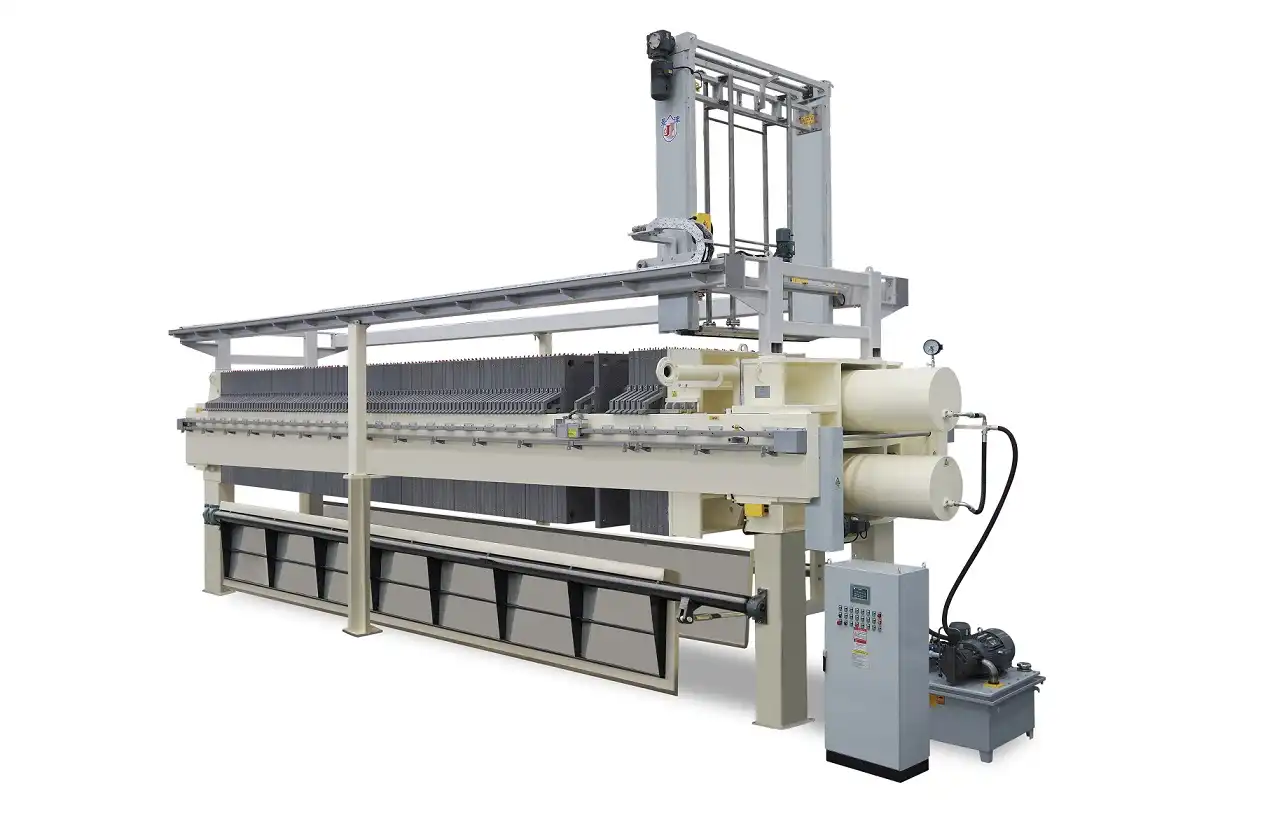
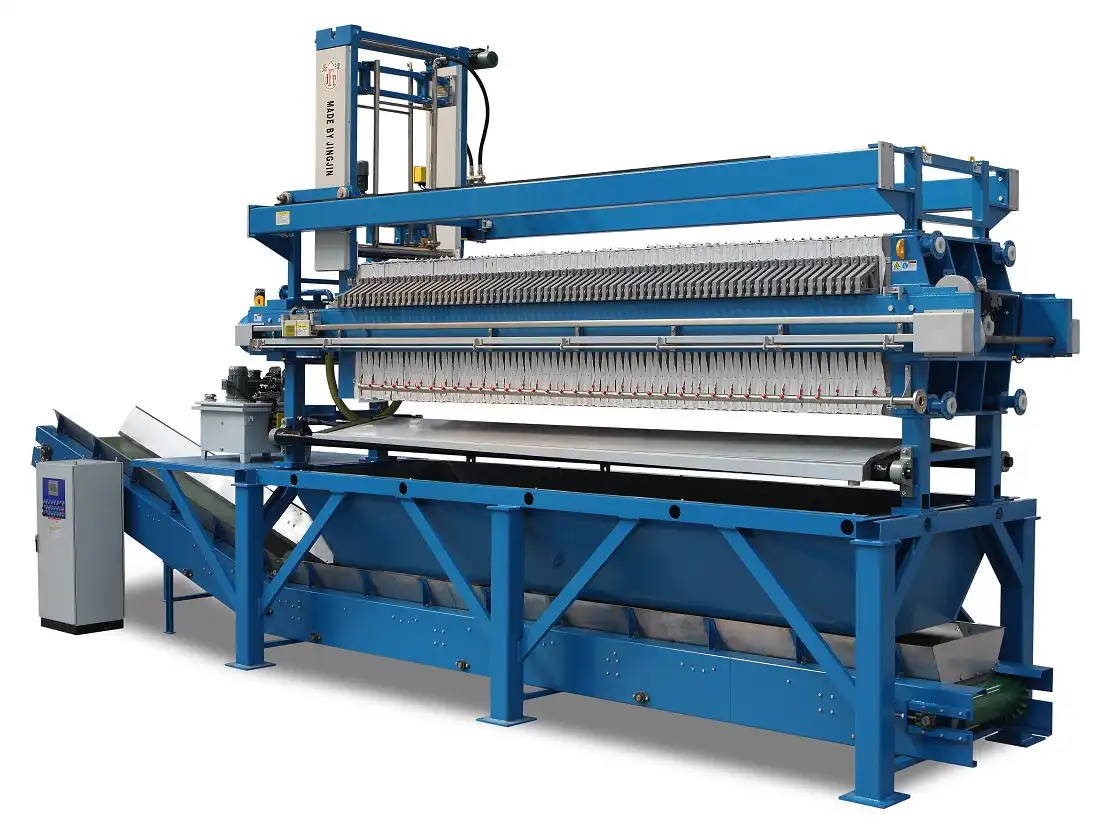
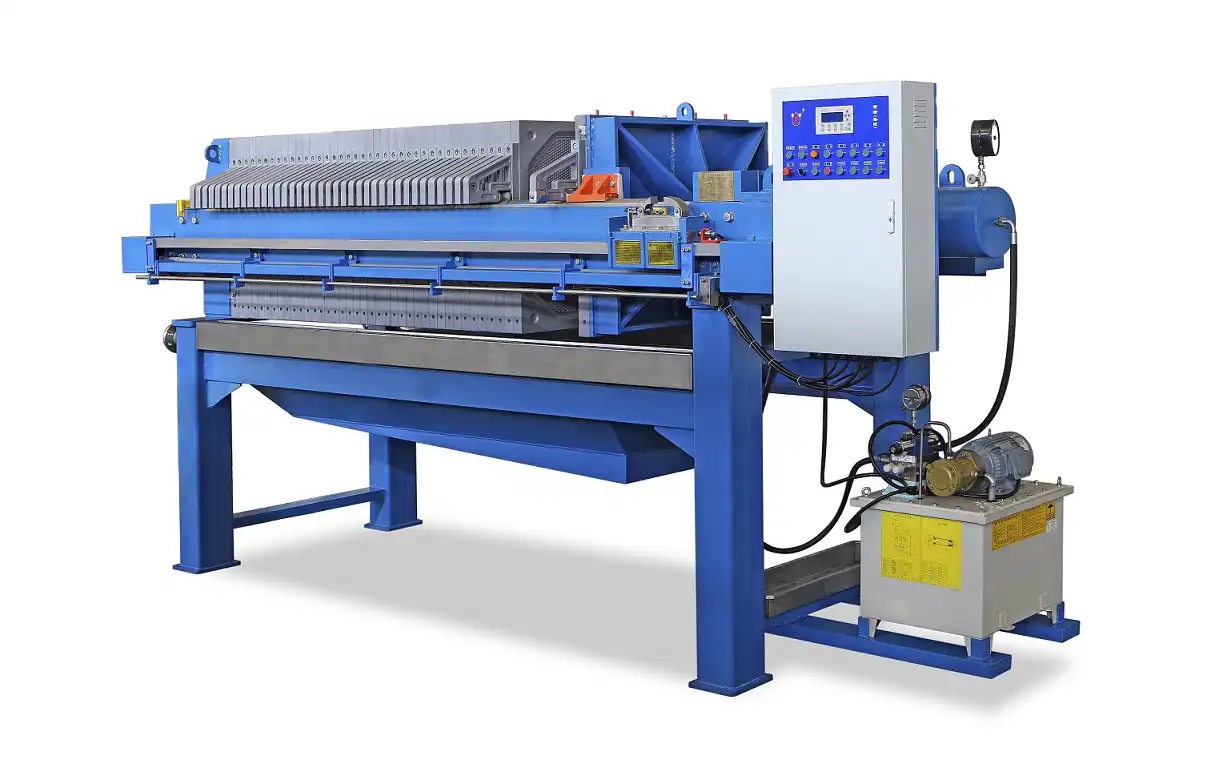
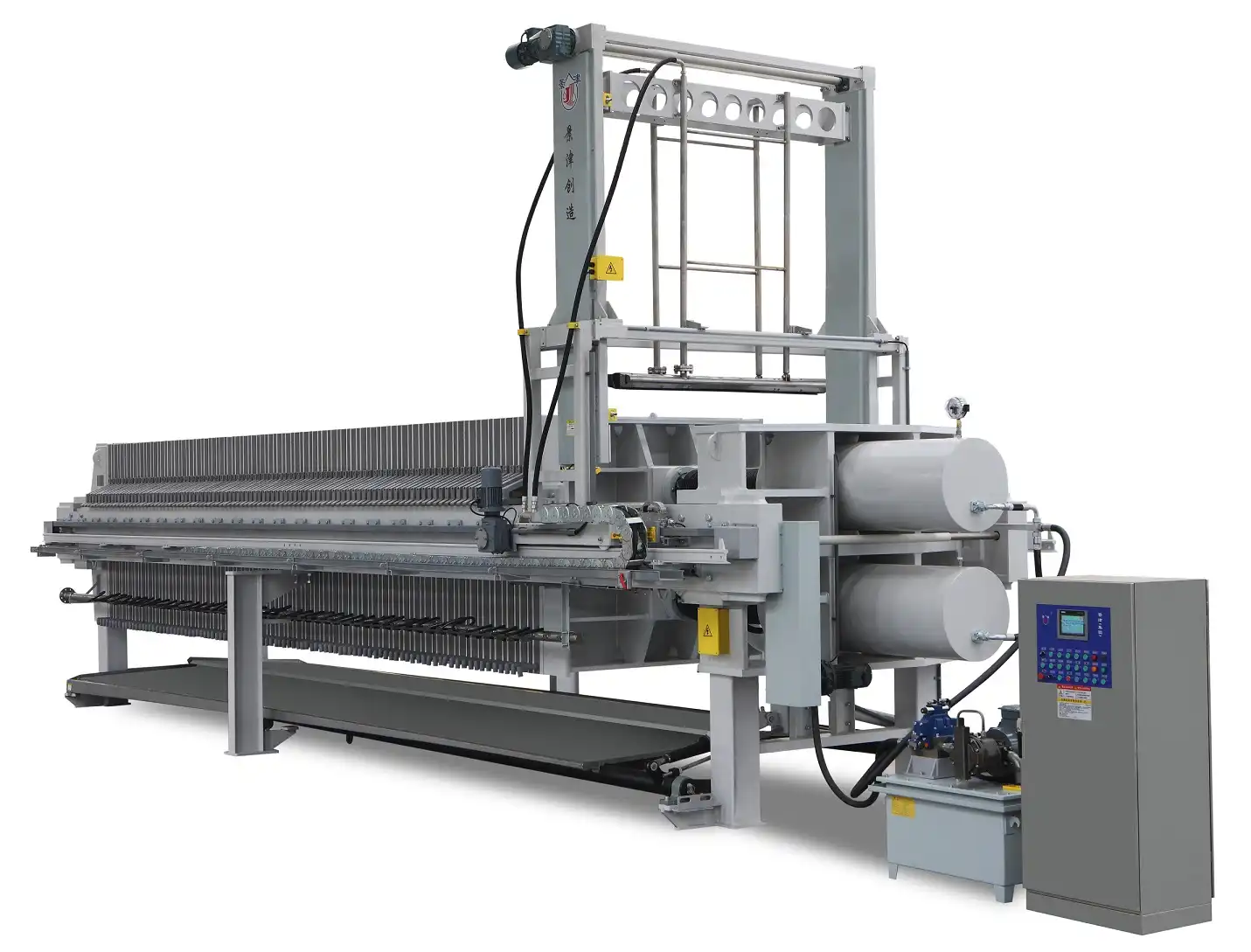
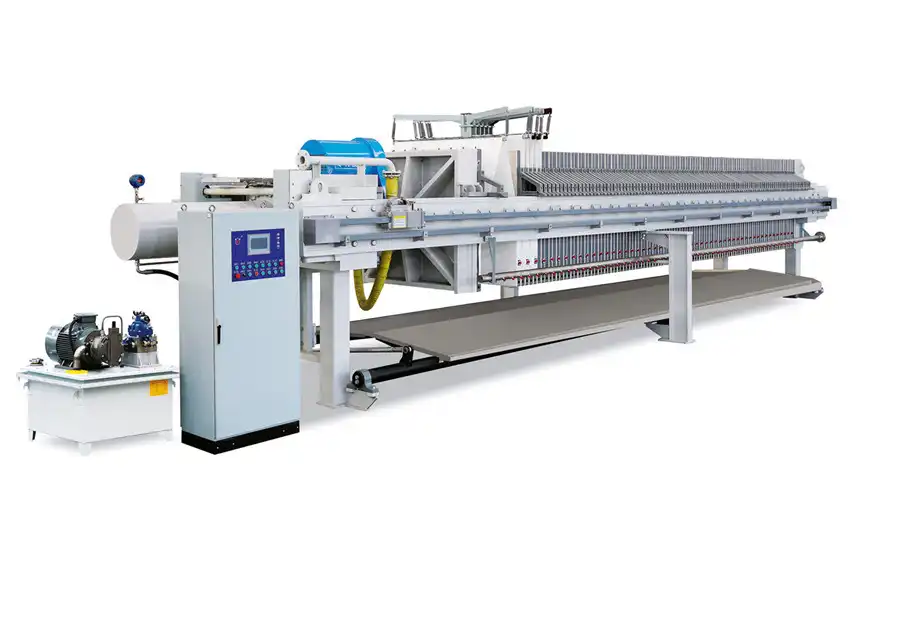
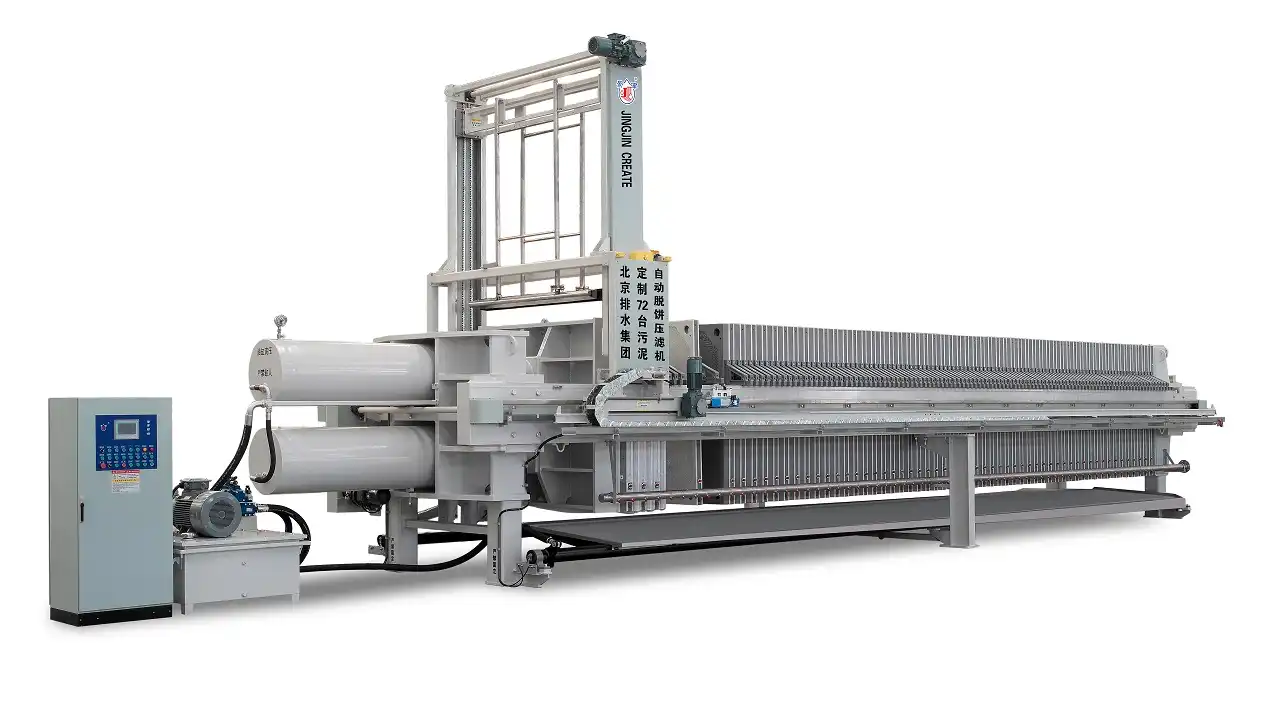
Plate and frame filters are batch processes. Switching plates and frames creates sealed chambers. Slurry poured under pressure into these tubes drives liquid through filter material while holding particles in place, creating compressed cakes. This method is ideal for high-clarity filtrate and dry cake output in medicine, pigment, and waste management.
Chemical industry, food processing, water treatment, and mineral concentration employ these robust systems. They are used in various industries because they can separate small quantities of chemicals and drain enormous amounts of sludge.
Defining Rated Capacity Parameters
Rated capacity is based on many requirements imposed by manufacturers after extensive testing. Flow rate, generally in gallons per minute or cubic meters per hour, indicates how much slurry the system can manage. Bar or psi pressure levels indicate the system's filtering cycle force capacity. The solids filling capacity indicates how much and what sort of particle matter the tanks can contain before release.
Together, these considerations keep the filtration system within its mechanical and hydraulic design. Overriding any parameter lowers system performance and puts tools at risk.
Why Manufacturers Set These Limits?
Engineering teams evaluate material strength, seal compression limits, and filter medium permeability to rate the capacity of the plate and frame filter. These standards prevent structural failure and ensure filtering throughout thousands of operation rounds. Following these restrictions prevents parts from wearing out rapidly, maintains product quality, and keeps personnel safe during high-pressure tasks.
What Happens When a Plate and Frame Filter Runs Beyond Its Rated Capacity?
When you go beyond the design specs, performance and mechanical problems start to happen. Procurement teams should know about this before they choose tools. It has effects that show up right away during operation and over time by speeding up the breakdown of parts.
Immediate Performance Degradation
Filtration efficiency plummets when the chamber is overcrowded. Particles choke filter media faster than expected, slowing permeate flow and cycle times. The filter pack pressure difference exceeds safe limits. It overworks the pumps and wastes electricity. Operators see a hazy filter because overloaded media allows fines through, defeating separation.
Mechanical Stress and Component Failure
Overloaded systems put parts under higher pressures than designed. Hydraulic pressure can permanently break or distort filter plates, especially at mounting points and feed holes. Too much pressure on sealing gaskets causes them to burst out or rupture, leaking slurry between chambers and polluting filtrate. Overfilled tanks accelerate filter fabric degradation and puncture due to uneven cake development and pressure distribution.
As overcapacity cycles repeat, support structures flex, misaligning frame sections. Uneven filter pack pressure accelerates seal and plate deterioration. Due to the cumulative impact, planned maintenance hours become emergency repairs that disrupt productivity.
Operational and Financial Consequences
Beyond technical issues, overcapacity operation has many hidden costs that impair industrial operations. Unplanned downtime disrupts production schedules and affects downstream feedstock preparation operations. Seals, plates, and media must be replaced before service periods, giving maintenance crews extra labor.
More repair parts and pricey emergency orders tighten purchase budgets. Supply chain managers struggle to plan inventories when part failure trends are erratic. Repairs cost money, but so do lost production value, quicker delivery expenses, and more effort to address unexpected equipment breakdowns.
Root Causes Behind Overloading Plate and Frame Filters
When engineering teams and procurement managers know why systems run at full capacity, they can use that knowledge to choose the right tools and build the right facilities. The reasons why plate and frame filters get too busy often originate in the design phase when process needs aren't taken into account properly or future growth needs aren't thought through properly.
Improper Equipment Sizing
Process demands and future expansion needs are often overlooked during design, causing overcapacity issues. Engineers utilize average flow conditions instead of peak loads for sizing. This precludes process variability. With limited budgets, purchasing teams may acquire equipment that is too small and meets the basic minimum, unable to withstand real-world operational changes.
Batch chemical producers find it difficult to choose a size when the product mix has highly diverse solids concentrations and quantities. When ore sources vary or tailings composition varies with annual rain, mining firms confront the same issues.
Process Variability and Feed Characteristics
Even the right-sized equipment might be overwhelmed if the material's properties change from the design. Factory trash, storms, and seasonal population shifts modify the wastewater treatment plant influent significantly. When upstream reaction circumstances change or raw material quality varies, chemical facilities encounter concentration spikes.
Temperature can affect slurry viscosity and filtering rates in ways that stable design models cannot. Particle size distribution affects cake permeability and resistance, which affects output capacity. If not regularly monitored and managed to adapt to the circumstances, these changes might make systems work too hard before personnel detect the problem.
Maintenance Neglect and Operational Errors
If maintained or staff aren't trained, even well-designed systems can fail. If you wait too long to change the filter cloth, old media can get around the solids, slowing cycle rates and reducing system capacity. If the cake isn't entirely released between rounds, it wastes chamber space and hinders the following run.
If operators don't know how to assess pressure, they may miss early signals of system overload. Poor cleaning can cause plate and feed hole accumulation, slowing flow, and increasing operating pressure. Over time, maintenance and operating issues change ample capacity into long-term overloads.
Best Practices to Prevent Overloading and Optimize Filter Performance
To keep filtration investments safe and ensure steady performance, you need to be proactive about things like choosing the right tools, keeping an eye on the process, and training your employees. The best way to do things is to use multiple layers of protection that catch possible problems early, before they become big enough to cause machine breakdowns.
Accurate System Design and Supplier Collaboration
Successful projects start with a full process characterization that encompasses average, peak, and worst-case scenarios. Engineers should conduct pilot testing with feedstock samples representative of various operating conditions. This real-world data is more accurate than theory estimates for size.
Working with experienced filter system producers can assist with specification by providing application expertise. Established providers have encountered identical apps from clients worldwide and can discover size issues that internal engineering teams may overlook. Technical conversations during planning assist match equipment capabilities to process demands, taking into consideration product mix changes, seasonal fluctuations, and future production expansion.
Jingjin engineers have developed applications in 123 countries for over 30 years. They offer that expertise to key design conversations. With its many patents, the firm is continuously finding novel solutions to handle filtering challenges that ordinary techniques can't.
Implementing Monitoring and Predictive Maintenance
Today's tools can forecast overloads and prevent equipment damage. The differential pressure rise is monitored by feed input and filtrate exit pressure sensors. Operators recognize early when values are approaching limitations. When the flow drops, the flow meters indicate medium blindness or chamber volume limitations in need of attention.
Programmable logic devices can use sensor inputs to automatically modify feed rates, initiate cleaning cycles, or notify workers when parameters approach critical limits. Logging data reveals diminishing performance over time. This allows repair crews to plan for scheduled downtime rather than emergency breakdowns.
Vibration sensors on hydraulic closing systems detect mechanical issues before plate packs break. Temperature tracking detects hydraulic or friction system issues that might compromise safety. This all-around tracking approach ensures that all equipment is available and prevents malfunctions during peak activities.
Operator Training and Standard Operating Procedures
Even the most modern monitoring systems require skilled staff who react appropriately. Comprehensive training programs should include normal operating conditions, startup and shutdown, and typical difficulties. Operators must know when to adjust process parameters and when to stop working and contact repair.
Written standard operating procedures contain institutional knowledge and provide consistency between shifts and personnel changes. The highest operating pressures, lowest quality filtrate, cake cleanliness, and cleaning frequency should be stated in these directions. Clear documentation prevents good-intentioned but uninformed workers from pushing equipment beyond its safe limitations to satisfy short-term production objectives.
Regular training updates skills when people depart, and processes change. Maintenance workers benefit from training on component installation, torque standards, and seal check procedures that prevent issues.
Case Studies and Real-World Implications
Real-life examples show how overcapacity operations show up in various fields and the ways to fix them for solid performance.
Chemical Manufacturing Filter Failures
Within months of putting in new filter equipment, a speciality chemical company that worked with pigment slurries kept having seal failures and plate cracks. A study found that during peak production times, the variation in concentration from batch to batch often topped the system's design material loading by 30%. The engineering team had sized the equipment based on normal throughput data, but they hadn't thought about these regular jumps.
Resolution for the plate and frame filter needed both changes to how things were done and changes to the tech that was used. Scheduling for production now spreads out high-concentration batches so that there aren't any long periods of overload. The building also added more chamber space so it could handle high loads without going over its pressure values. Using inline concentration tracking gives workers information in real time that they can use to change feed rates before they become too high.
Mining Operation Procurement Lessons
An OEM equipment seller to the mining industry had a customer who used concentrate dewatering systems make multiple guarantee claims. An analysis showed that regular rains greatly increased the amount of water in the tailings during some months, which decreased the solids concentration that reached the filters. This meant that much larger amounts had to be processed to get the needed dry mass, which was too much for the system's hydraulic capacity.
The situation made it clear how important it is to involve suppliers in the development of specifications. The mine company's purchasing team chose equipment based only on its dry tonnes capacity, not taking into account how the wetness level could change. During the original talks, the supplier's application engineers could have seen this risk and suggested bigger systems or buffer capacity methods as needed. The lesson made it clear that the cheapest tools don't always mean the best total value when operating reliability is at risk.
Municipal Wastewater Treatment Success
A city's wastewater treatment plant worked with an experienced filtration source to get new filter presses to replace old belt presses. Instead of just matching the current capacity, the engineering team did a full characterisation of the influent, which included identifying yearly peak flow events and industrial discharge trends. This study found that the current equipment was much overloaded during times of bad weather, which made the cake less dry and caused dumping costs to go up.
The new system design added 20% more capacity than the average load estimates, with the goal of ensuring reliable performance during these tough times. Key performance factors are tracked by automated tracking, which notifies operators when patterns point to problems that could be happening. The installation has consistently kept the cake dry below the required levels while lowering the amount of polymer used and the cost of disposal. This proves the value of careful sizing and source knowledge.
Conclusion
When filtration equipment is used beyond its stated capacity, it starts a chain reaction of mechanical failures, poor performance, and rising running costs that no industrial facility can ignore. Impaired filtrate quality, too much pressure, and stressed components are the instant effects that quickly turn into long-term reliability issues that delay output and require a lot of upkeep resources. Process engineers and procurement managers need to understand that following the design specs is not a limitation on operations, but rather the way to long-term success and the lowest total cost of ownership. By carefully choosing the right tools, keeping an eye on everything, and training employees, filtration processes become strong enough to meet production goals and protect capital investments for as long as they are supposed to last.
FAQ
Q1: Can a filter press be repaired after overload damage?
Many parts can be fixed or changed after overload damage, but it depends on how bad the damage is. Filter plates with small stress cracks can be bonded together and made stronger, but plates that are badly damaged need to be replaced. Because sealing surfaces have to be very flat, plates with curved sealing areas usually need to be replaced instead of fixed. Filter media and plugs are common wear items that are easy to repair. If frame structures are caught before they bend permanently, they can often be fixed and strengthened. A trained service expert should look at the damage to figure out whether it's cheaper to fix it or replace it.
Q2: How do I calculate the correct rated capacity for my application?
To accurately figure out the capacity, you need to know a lot about the process, like how fast the slurry flows, how concentrated the solids are, how the particles are sized, and how dry the cake needs to be. Filtering tests in the lab using standard samples give real-world information on filtering rates and cake-building traits. This information can be turned into the right system specs by engineering experts or equipment makers. Include safety gaps, which are usually between 15% and 25% of the total amount, to account for changes in the process and future output growth. Changes in the product mix, seasonal changes, and changes in processes upstream should all be taken into account when figuring out capacity.
Q3: What are the early warning signs that my system is approaching overcapacity?
Several signs show that overload conditions are getting worse before they become catastrophic. Increasing cycle times to reach the desired level of dryness in the cake shows that the filter process is becoming less effective. If the feed pressure needs to go up, it means that the media is blinding or flow routes are being blocked. Filterate clarity that is getting worse is a sign of media skipping or seal leaking. Seeing a slurry leak between plates while the machine is working proves that there are problems with the seal compression. Noisy sounds during hydraulic closing could mean that the machine is under a lot of stress or isn't aligned properly. By keeping an eye on these factors, you can set performance baselines that show you concerning patterns before they damage your equipment.
Partner with Jingjin for Reliable Filtration Solutions
Jingjin Equipment Inc. has been making high-quality products for over 35 years and has a lot of experience with how they are used. They can design filter systems that work perfectly with your process. Our engineering team works directly with your plant staff to describe operating conditions, figure out capacity needs, and choose equipment that will keep working well in all of your possible operating situations. With more than 136 patents covering new designs and a full ecosystem of filter presses, plates, media, and accessories, we offer total solutions instead of separate pieces of equipment.
Email our expert team at [email protected] to talk about the problems you're having separating solids and liquids. We offer thorough process talks, performance guarantees, and specific paperwork that helps people make confident choices about procurement. Jingjin is a top manufacturer of plate and frame filters with customers in 123 countries. They provide the engineering support, high-quality products, and quick service that keep important manufacturing processes running smoothly. To see how proper equipment design and supplier partnership can protect your business investments, you can ask for technical datasheets, application case studies, or set up on-site demos.
References
1. Perry, R.H. and Green, D.W. (2008). Perry's Chemical Engineers' Handbook, 8th Edition. McGraw-Hill Professional. Chapter on Solid-Liquid Separation Equipment.
2. Sutherland, K. (2011). Filters and Filtration Handbook, 5th Edition. Elsevier Science & Technology. Sections on Pressure Filtration and Filter Press Operation.
3. Svarovsky, L. (2000). Solid-Liquid Separation, 4th Edition. Butterworth-Heinemann. Chapters covering Filter Press Design and Capacity Determination.
4. Purchas, D.B. and Sutherland, K. (2002). Handbook of Filter Media, 2nd Edition. Elsevier Advanced Technology. Technical discussions on filter media performance under various loading conditions.
5. Wakeman, R. and Tarleton, S. (2005). Solid/Liquid Separation: Principles of Industrial Filtration. Elsevier Science. Detailed analysis of filtration theory and equipment specification methodologies.
6. American Filtration and Separations Society (2015). Technical Standards for Pressure Filter Systems. AFSS Technical Committee Publication. Industry standards for rated capacity determination and testing protocols.
jingjin
Founded in 1988, Jingjin specializes in filter presses and liquid-solid separation solutions, serving over 130 countries worldwide, and is a standard-setter in China's filter press industry.
Get the Filter Press guide
Enter Your Email for Technical assistance for the Filter Press.


Recommended Blog
Where to Buy Reliable Feed Pumps for Filter Press: A Buyer’s Guide
Essential Maintenance Tips to Prolong the Life of Your Press Filter Machine
Best Press Filter Models for Pharmaceutical Filtration Needs
Cutting Sludge Disposal Volume by 60% With the Right Filter Press Setup