Modern wastewater treatment plants depend on inexpensive press filter methods to separate solids from liquids very well while keeping operations running smoothly. These high-tech machines have changed the way that cities and factories handle sludge treatment. They remove contaminants from liquid waste streams more effectively than anything else available. Wastewater treatment companies all over the US are relying more and more on modern filter technology to keep costs down and follow strict environmental rules. This in-depth study is for buying managers, process engineers, and plant operations leaders who want equipment that works consistently, is reliable, and doesn't cost a lot. By learning about the technical details, financial advantages, and installation methods of filter press systems, people in charge can improve the efficiency of their treatment processes, cut costs, and make sure they meet environmental standards.
Understanding Press Filters for Wastewater Treatment
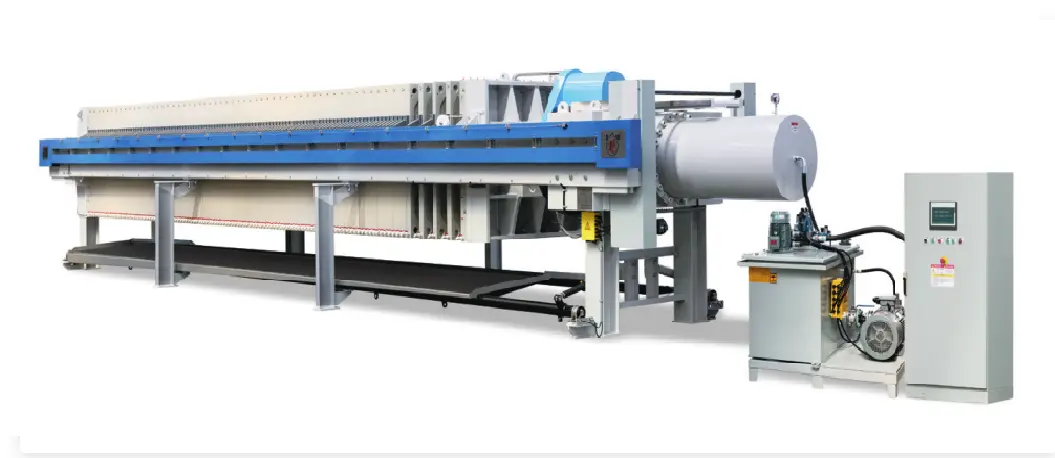
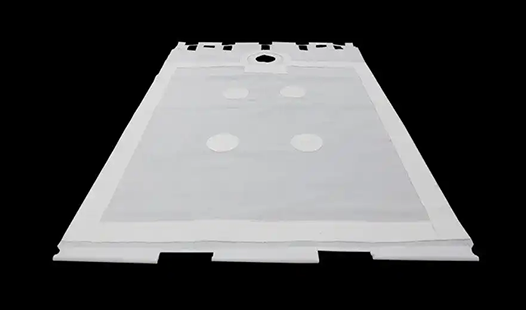
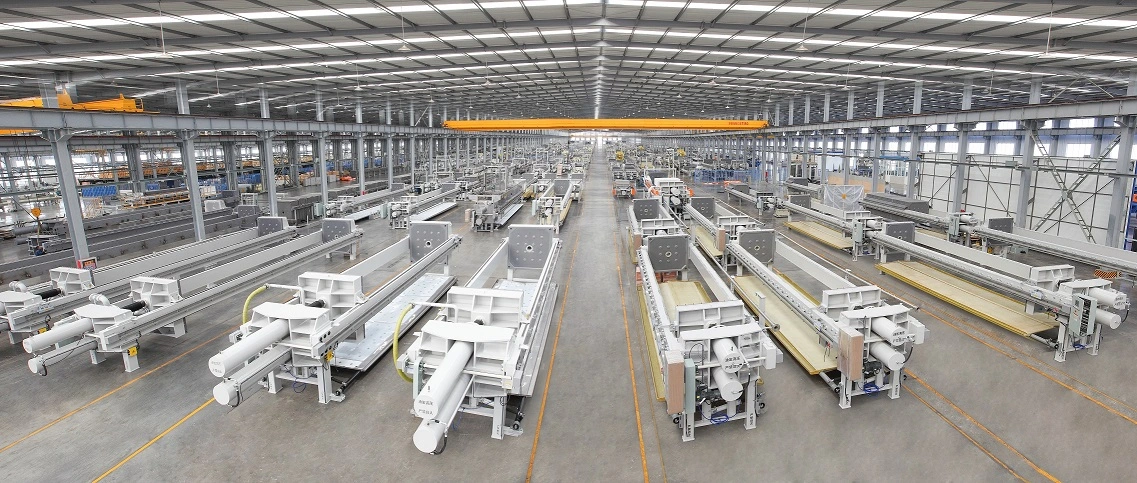
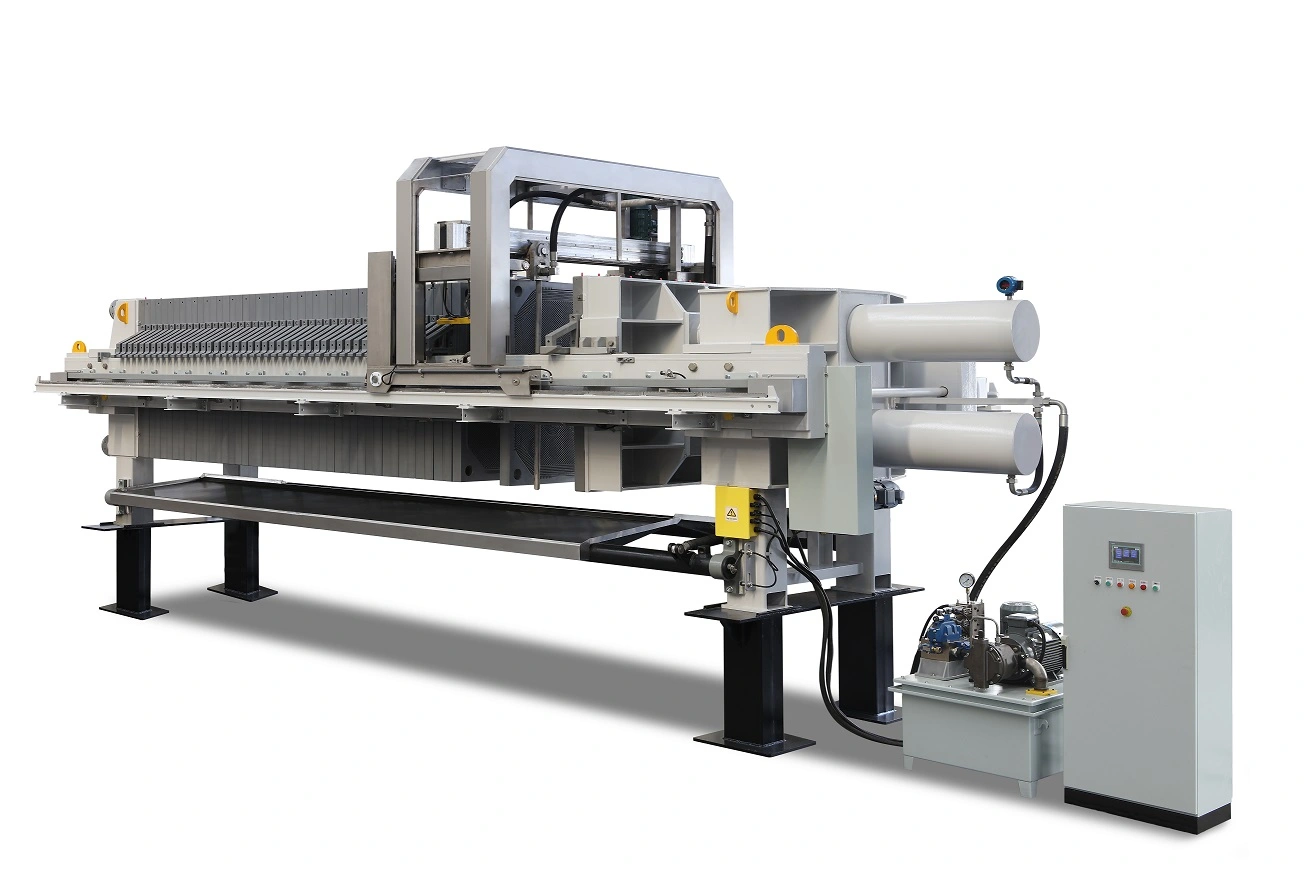
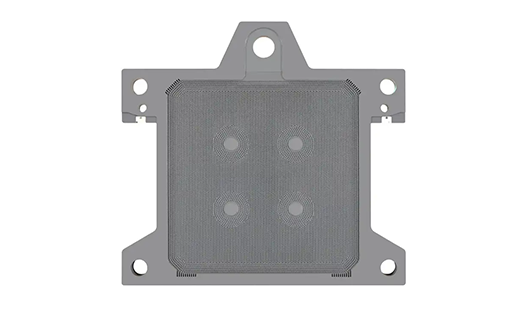
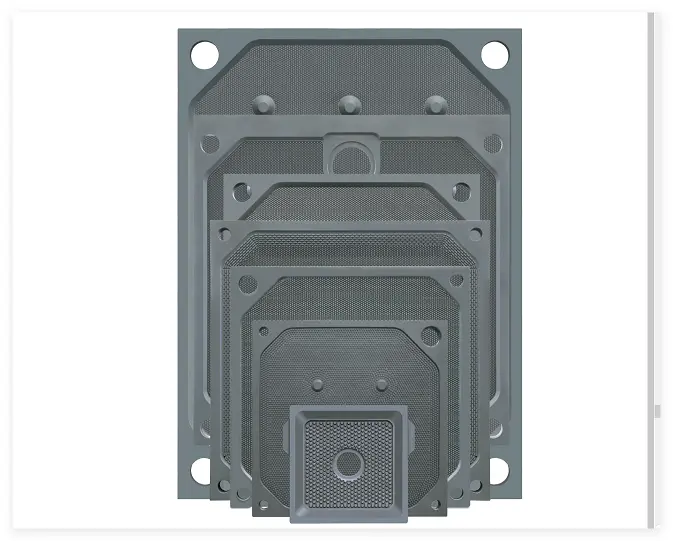
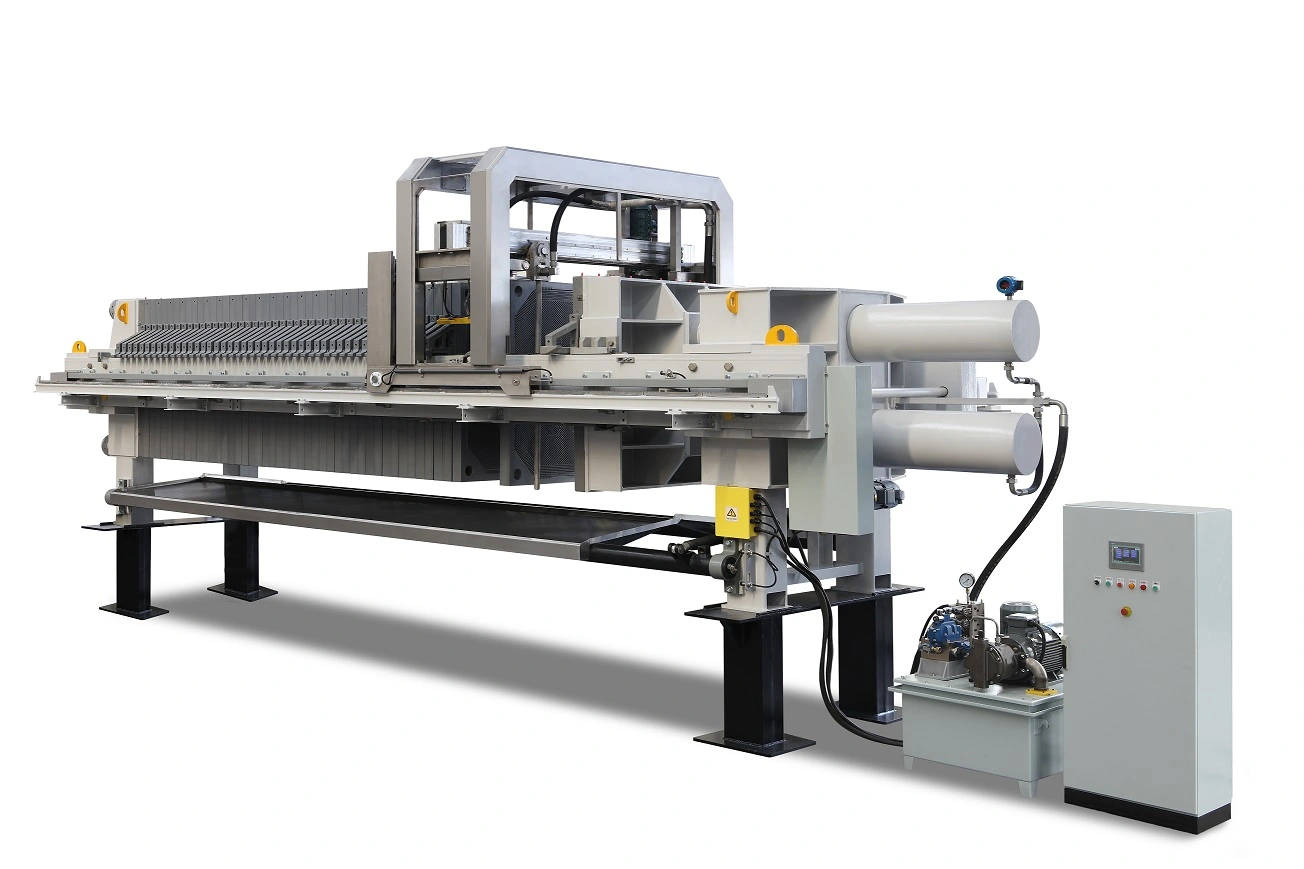
The press filter is a very effective mechanical device that is used in many fields to separate solids from liquids. This complex machine is made up of many stacked filter plates or frames that are separated by filter cloths. When these are pressed together, they form many chambers. When the pressure is just right, the liquid is pushed through the filter cloths, leaving a cake-like substance on top of them. This method works really well for getting rid of water from slurries, making liquids clearer, and getting useful solids back from process streams.
Core Operational Principles
Hydraulic pressures between 150 and 450 PSI are used in modern filter press units to get the best sorting results. When the sludge slurry goes into the spaces between the filter plates, pressure pushes the liquid through open filter media while keeping the solid particles. This starts the filtration process. This mechanical drying method regularly makes cakes with solid contents between 20 and 45%. This greatly reduces the amount of waste that needs to be thrown away and the costs that come with it.
Types of Press Filter Systems
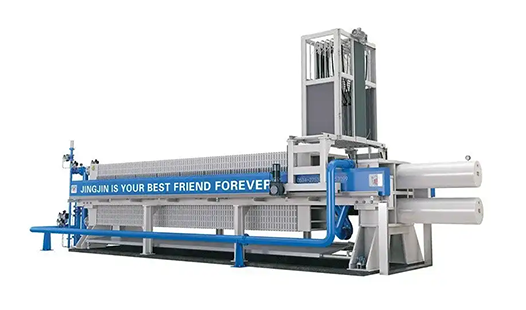
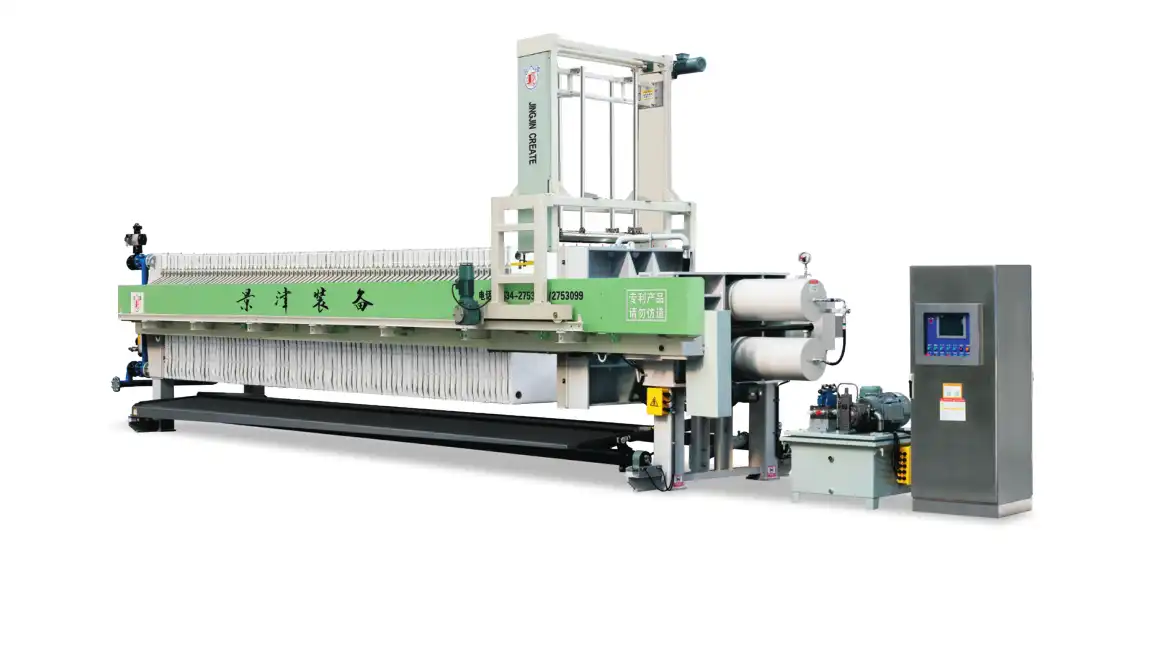
Most wastewater treatment plants use one of three main types of filter presses. Plate and frame filter presses can handle a range of sludge types and smaller amounts of processing. Inflatable membranes in membrane filter presses add extra pressing action, which makes cakes have higher levels of dryness. Automatic filter presses have fully controlled operating steps that cut down on the amount of work that needs to be done while keeping performance levels high over long periods of time.
Comparing Press Filters with Alternative Dewatering Technologies
Before choosing the right dewatering tools, you need to do a full analysis of all the available technologies and how they work. If people in the industry want to compare different sorting methods, they need to look at things like performance measures, upkeep needs, energy use, and lifetime costs.
Press Filters versus Centrifuge Systems
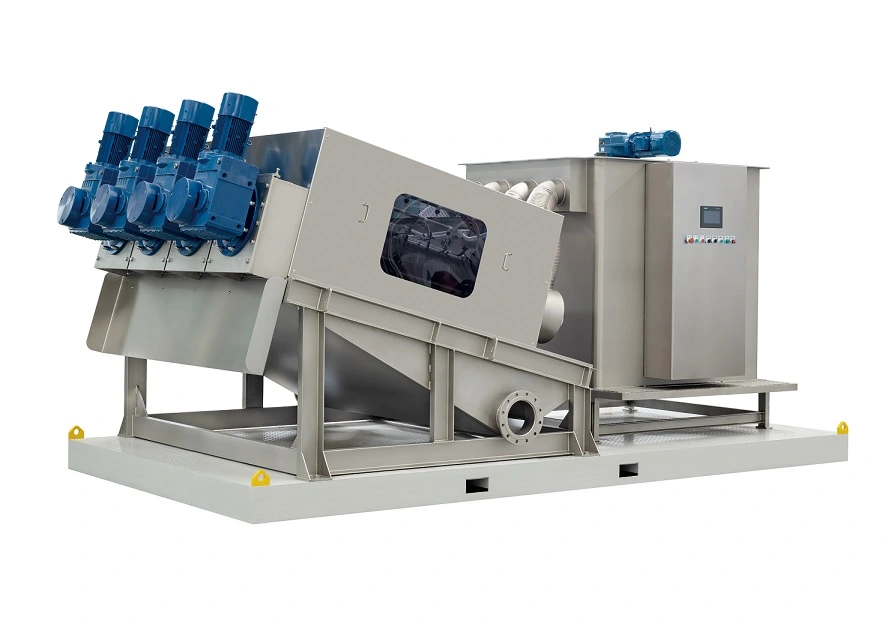
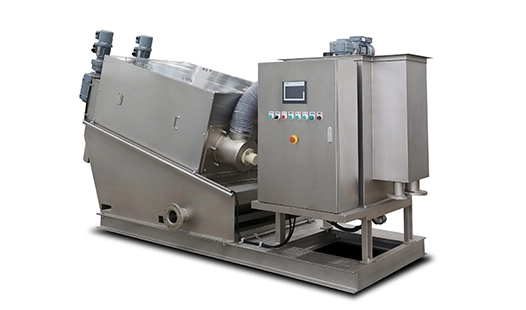
Filter press technology dries cakes more quickly than centrifuge systems, usually getting solids contents of 25–45% compared to 15–25% with centrifugal dehydration. Centrifuges can run continuously, but they use a lot more electricity and need to be maintained by people who know what they're doing. Press filters work in batches, which makes it easier to control the process and makes cakes that are drier and use less polymer.
Vacuum Filters and Rotary Drum Alternatives
Vacuum filter systems usually make cake that is wetter and need constant vacuum upkeep, which makes them more expensive to run. Even though rotary drum filters can work continuously, they have trouble with sludge that has different properties and usually need a lot of preconditioning. Filter press systems can easily change to changing feed conditions while keeping up their performance. They do this without needing complicated extra tools or special training for the operators.
How to Select and Implement Cost-Effective Press Filter Solutions?
For affordable filter systems to work, working factors, equipment specs, and provider skills need to be carefully looked at. To get the best return on investment, strategic buying choices need to balance the original investment in capital with the savings in running costs over the long term.
Critical Selection Parameters
To find the right filter press capacity, you have to look at how much sludge is made each day, the peak flow rate, and the ideal working plans. The chemical make-up, particle size distribution, and yearly changes of sludge all have a direct effect on the size and design of the equipment that needs to be used. When making a budget, you need to think about more than just the purchase price. You also need to think about the costs of installation, training, extra parts, and continued upkeep needs for as long as the equipment is in use.
Vendor Evaluation and Procurement Strategy
When choosing a manufacturer, you should give more weight to companies that have a history of success in wastewater uses, offer full expert support, and have new parts that are easy to find. Long-term practical success is greatly affected by quality standards, guarantee terms, and the availability of local service networks. When a facility has limited room or specific performance needs that normal designs can't meet, the ability to customize becomes very important.
Installation and Commissioning Best Practices
Following the right steps during installation will make sure that the equipment works at its best and avoids costly operating problems. The planning of the site must take into account the size of the equipment, the links to utilities, and the need for repair access. Comprehensive operator training programs that cover safety rules, normal operations, and basic repair skills keep equipment running smoothly and reduce the chance of failure. Setting clear performance standards during testing makes it possible to keep improving and find operating problems early on.
Maintenance Strategies to Prolong Press Filter Lifespan and Efficiency
By putting in place thorough maintenance plans, you can keep the filter system working well and avoid unexpected repair costs and downtime. Proactive repair methods greatly increase the life of machinery and keep treatment quality standards constant.
Preventive Maintenance Protocols
Daily visible checks of hydraulic systems, the state of filter cloth, and the accuracy of plate alignment should all be part of regular inspection plans. As part of weekly maintenance, pressure tests, cleaning of the drainage system, and greasing of mechanical parts are all done. Every month, full checks look at the performance of the hydraulic cylinder, the wear patterns on the filter cloth, and the closing surfaces on the plates to find any problems before they affect operations.
Performance Monitoring and Optimization
Key performance markers like cycle times, cake moisture content, and filtrate clarity can be continuously monitored to find early signs of falling performance. Trending analysis helps find small changes that could mean that a part is wearing out or that there are ways to improve the process. Setting standard performance metrics during setup gives you a way to measure performance over time and helps you justify spending money on repair or updates to your equipment.
Case Studies: Successful Implementation of Cost-Effective Press Filters
Real-life examples show the big benefits that can be gained by strategically putting a press filter to use. These well-documented success stories can teach places that are thinking about making similar changes or installing similar things a lot.
Municipal Wastewater Treatment Facility Enhancement
A 15 MGD city treatment plant got rid of old belt filter presses and replaced them with new membrane filter press systems. This cut the cost of getting rid of sludge by 40% and raised the cake solids content from 18% to 28%. The change got rid of complaints from nearby neighborhoods about smells and cut polymer use by 25%, which saved more than $180,000 a year. It only took six weeks to implement, and there was very little downtime for operations because the installation was done in stages.
Industrial Chemical Processing Application
A company that makes specialty chemicals used automatic filter press technology to deal with trash streams that had heavy metals and organic solvents in them. It was possible for 99.5% of the solids to be recovered, and the filtrate met release standards without any extra cleaning process. Through automation, 60% less work was needed to run the business, and machine stability went above 98% uptime during the first 18 months of operation.
Jingjin Equipment: Advanced Filtration Solutions
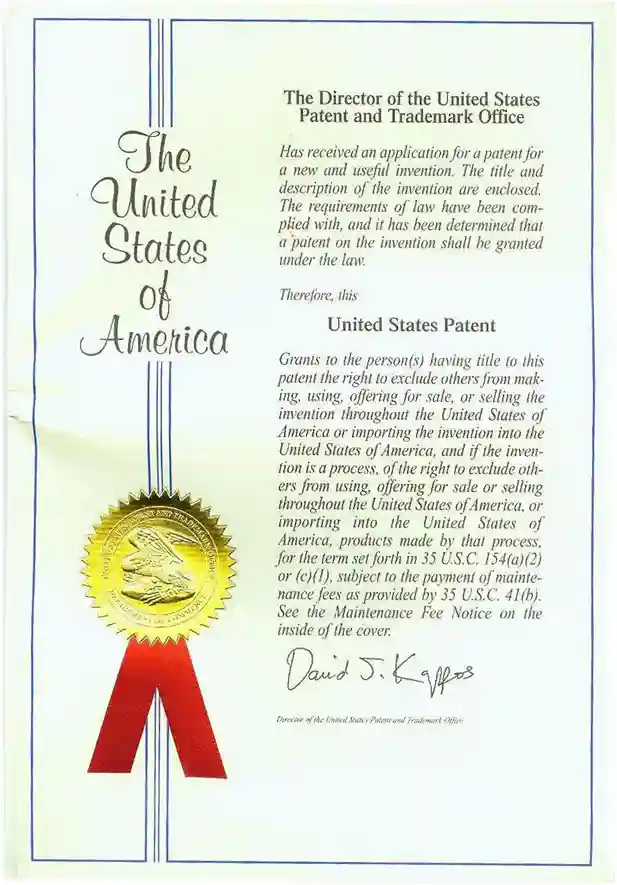
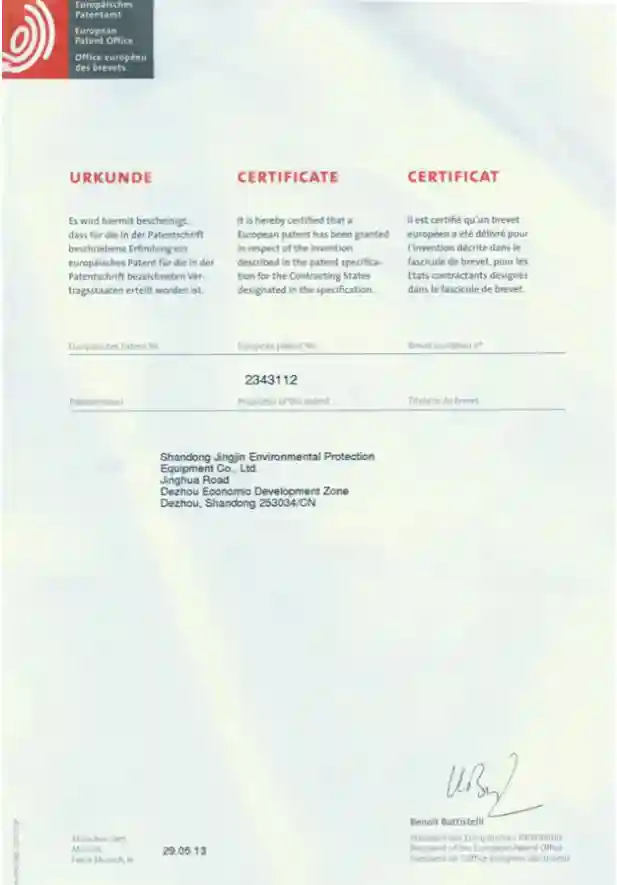
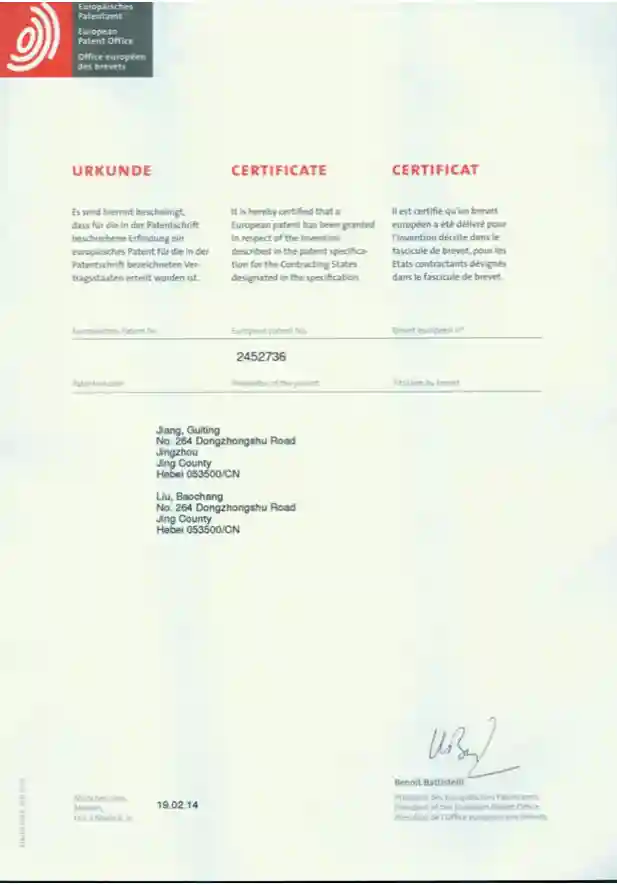
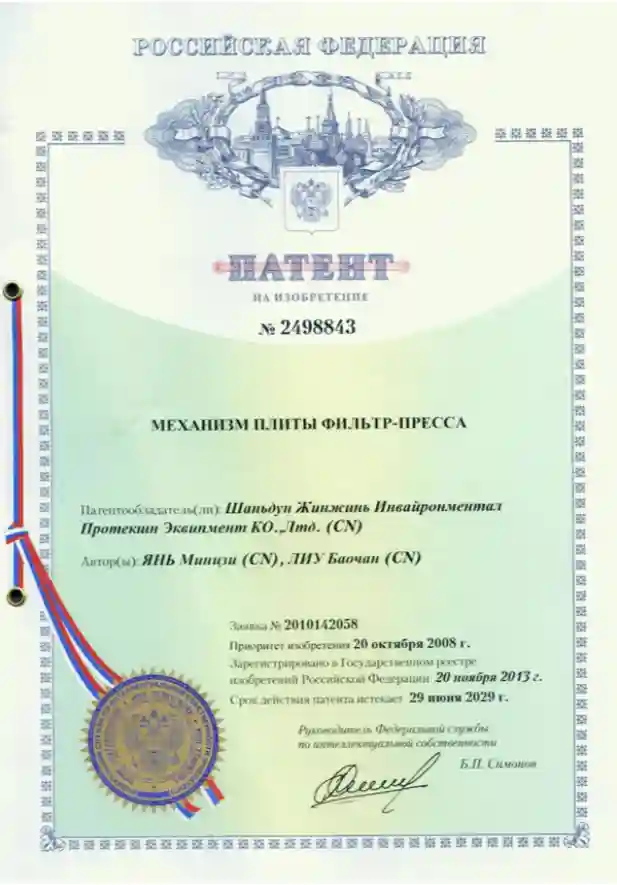
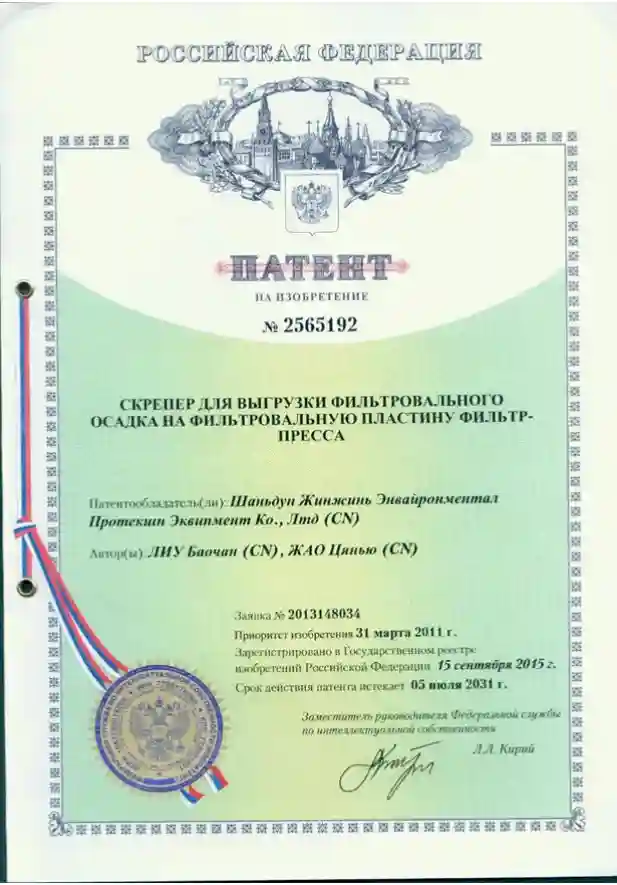
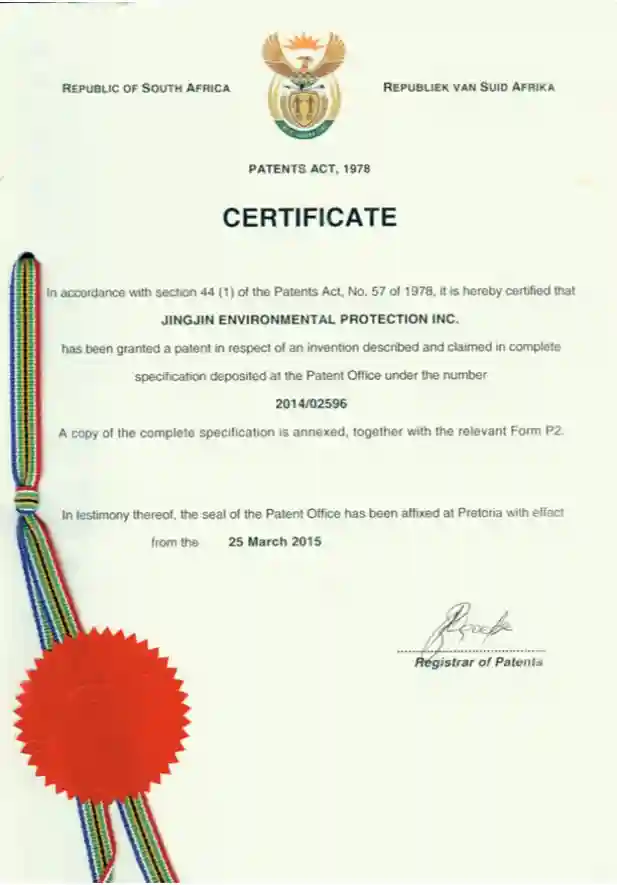
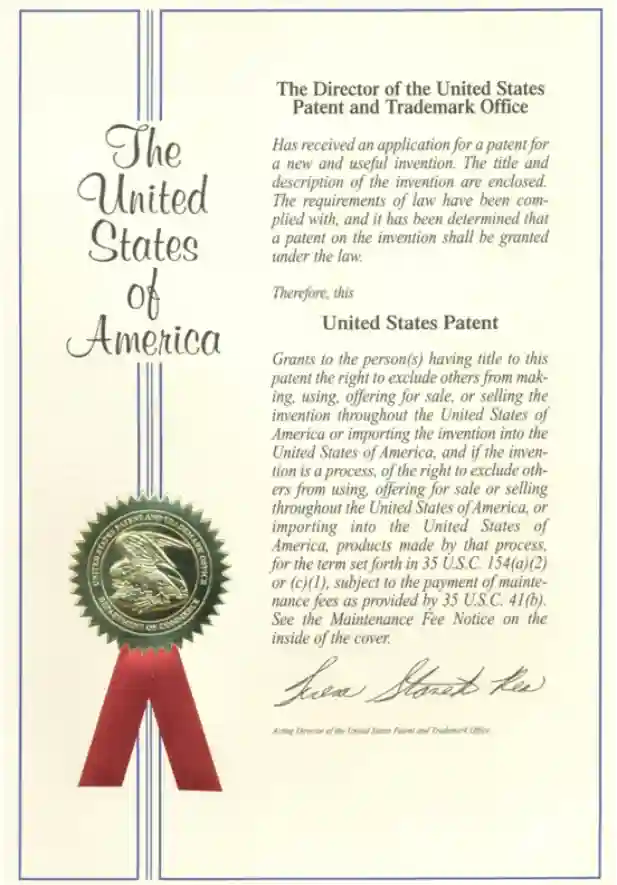
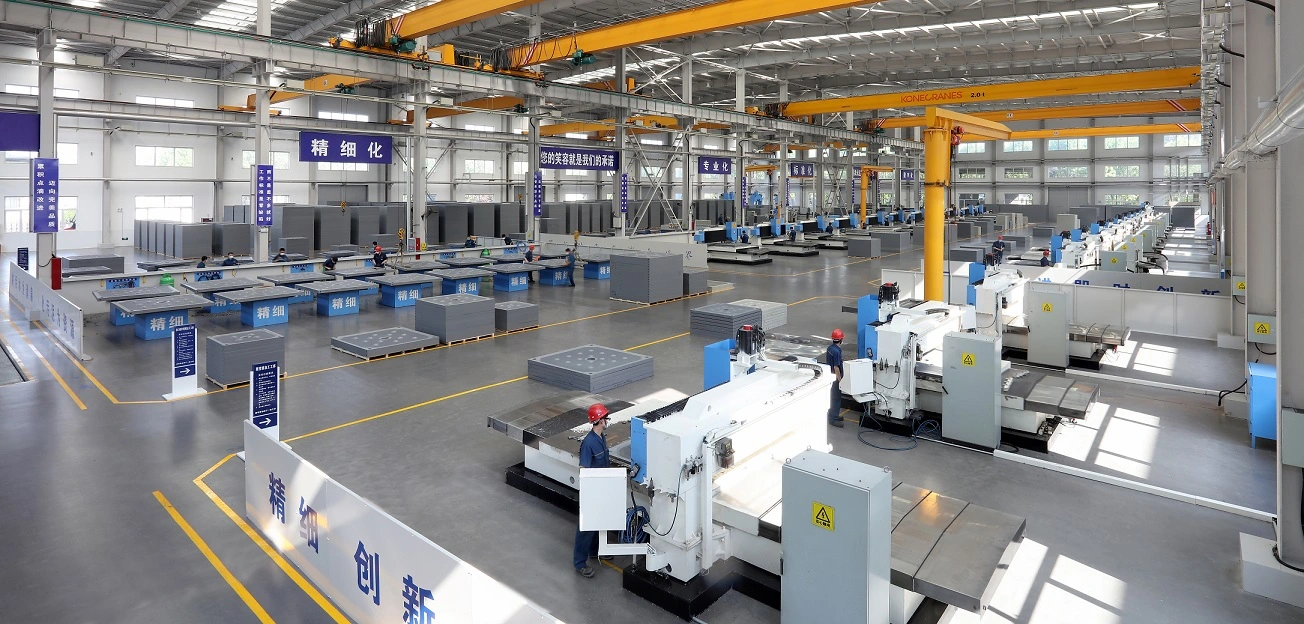
Since its founding in 1988, Jingjin Equipment Inc. has become one of the biggest companies in the world that makes filter press systems, filter plates, filter cloth, and methods for separating solids from liquids. Our business has over 136 patents, can make a lot of things, and offers a full range of filtering supplies and engineering services to clients in 123 countries. For tough jobs, Jingjin mainly works with industrial clients who need heavy-duty, high-efficiency separation technology.
Our value offering is based on our unique technology, large-scale production capability, full product ecosystem, global service network, and track record of dependability. We focus on users who want stable operations over the long term, high draining efficiency, and providers who can support complicated industrial uses around the world. We have a wide range of products, such as membrane filter presses, automatic filter presses, and customized systems for mining, chemical processing, environmental issues, and treating garbage.
Conclusion
Wastewater treatment plants can use proven technology to get better filtration results while keeping costs down with cost-effective press filter options. Modern filter press systems are very good at separating solids from liquids. This makes the cake dry, which means it costs less to throw away and is better for the environment. Choosing the right filtering equipment and putting it in place strategically, along with thorough repair plans, guarantees long-term performance and the best return on investment. When facilities engage in good filter press technology, they get lower running costs, more reliable treatment, and easier regulatory compliance over a longer service life.
Frequently Asked Questions
Q1: How often should press filters be maintained to ensure optimal performance?
A: Routine inspections should occur daily for visual checks and weekly for detailed component evaluation. Comprehensive maintenance, including filter cloth replacement and hydraulic system servicing, should be performed every 6-12 months based on operating intensity, ensuring consistent functionality and maximum equipment longevity.
Q2: Can press filters handle varying sludge types in the same wastewater plant?
A: Yes, modern filter press systems are highly adaptable and can be configured or adjusted to efficiently process different sludge characteristics within the same facility. Adjustable pressure settings, interchangeable filter media, and flexible operating cycles accommodate varying feed conditions effectively.
Q3: What factors most influence the cost of a press filter system?
A: Key cost drivers include daily sludge volume, required cake dryness levels, automation requirements, materials of construction, and site-specific customization needs. Chamber size, hydraulic system capacity, and control system sophistication significantly impact overall system pricing and operational capabilities.
Partner with Jingjin for Superior Press Filter Solutions
Improve the efficiency of your wastewater treatment with Jingjin's tried-and-true filter press technology, which is made for tough industrial uses. Our skilled engineering team creates unique solutions and offers full technology support and service around the world. As a reputable press filter maker, we make sure that our customers get reliable equipment that meets strict environmental standards and lowers running costs. Find out how our cutting-edge filter systems can improve the performance of your building and help you save a lot of money. You can email us at [email protected] to talk about your unique needs and get professional help with your next filter job.
References
1. Smith, J.R., and Johnson, M.K. "Advanced Dewatering Technologies for Municipal Wastewater Treatment." Journal of Environmental Engineering, vol. 45, no. 3, 2023, pp. 234-251.
2. Chen, L., et al. "Comparative Analysis of Solid-Liquid Separation Equipment in Industrial Applications." Water Treatment Technology Review, vol. 28, no. 7, 2023, pp. 412-429.
3. Williams, A.B. "Cost-Benefit Analysis of Press Filter Implementation in Wastewater Treatment Facilities." Environmental Management Quarterly, vol. 19, no. 2, 2022, pp. 78-95.
4. Rodriguez, P.M., and Thompson, K.L. "Optimization Strategies for Filter Press Operations in Municipal Settings." Water and Wastewater Engineering, vol. 52, no. 4, 2023, pp. 156-172.
5. Davis, R.S. "Maintenance Best Practices for Mechanical Dewatering Equipment." Industrial Water Treatment, vol. 31, no. 6, 2022, pp. 298-314.
6. Kumar, S., and Lee, H.J. "Energy Efficiency Improvements in Wastewater Treatment Through Advanced Filtration." Clean Technology Journal, vol. 17, no. 5, 2023, pp. 445-462.