Stainless Pressure Vessel: The Advantages in Industrial Applications
Understanding Stainless Pressure Vessels: Key Concepts and Benefits
- Understanding Stainless Pressure Vessels: Key Concepts and Benefits
- Stainless Pressure Vessel Standards and Design Calculations
- Comparing Stainless Pressure Vessels: Making an Informed Choice
- Procurement Insights: Sourcing Stainless Pressure Vessels for Your Business
- Case Studies and Real-World Applications of Stainless Pressure Vessels
- Conclusion
- FAQ
- Partner with Jingjin for Reliable Pressure Vessel Solutions
- References
A stainless pressure vessel is essential for keeping corrosive chemicals, high-temperature fluids, or pharmaceutical-grade substances safe and under control. It is what process engineers and plant managers use every day. These closed containers are designed to safely hold gases or liquids at pressures well above or below air levels. They are much more durable than carbon steel options, which rust and break down over time. These vessels keep wastewater treatment plants, chemical refineries, and pharmaceutical facilities across the US from getting contaminated. They also lower the costs of ownership and make sure that regulations are followed in the toughest settings.
Understanding Stainless Pressure Vessels: Key Concepts and Benefits
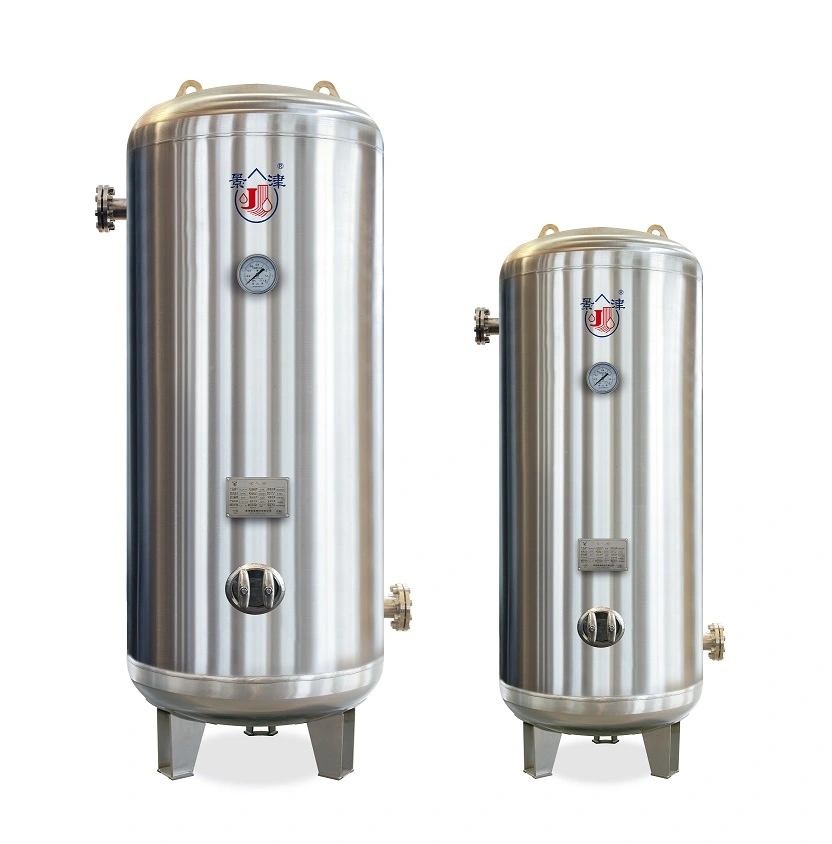
Strong and well-designed stainless pressure vessels can safely retain fluids at pressures above 15 psig. These tanks, manufactured of high-grade stainless steel alloys, are vital infrastructure in industries where material integrity impacts worker safety, the environment, and product hygiene.
What Defines a High-Performance Pressure Vessel?
Its material determines its lifespan. Grade 304 stainless steel is affordable and rust-resistant, making it ideal for food processing and mild chemicals. Molybdenum renders grade 316 stainless steel resistant to chloride-induced pitting and crevice corrosion. Marine facilities, desalination plants, and wastewater treatment plants that handle saltwater or brine intrusion need this.
Jingjin Equipment Inc. has made equipment for decades and found that 316L-grade tanks perform well for mine dewatering and urban sludge treatment. Even at joint fissures, which are more likely to fail, the low-carbon variant resists corrosion because welding reduces sensitisation.
Core Advantages Driving Industrial Adoption
Stainless steel vessels tackle three persistent procurement management issues. In hostile environments, corrosion protection makes objects survive longer than 25 years, reducing the cost of replacing coated carbon steel. In pharmaceutical bioreactors and food-grade storage, small metal leaching can damage runs; therefore, the smooth, non-porous surface prevents contamination. The material's natural features simplify upkeep. Stainless surfaces can withstand repeated Clean-In-Place (CIP) chemical procedures and high-pressure steam sterilisation, unlike lined containers.
These benefits lower ownership costs. A pigment and dye manufacturer reported 40% less maintenance downtime after upgrading from glass-lined to 316L steel containers. The sturdy structure eliminated concerns about chipping during motorised agitation.
Standard Versus Customised Configurations
Standard containers are ideal for general usage with recognised operating characteristics such as moderate to atmospheric pressures, room temperature to 300°F, and simple installation. Custom designs tackle operating constraints such as retrofit size restrictions, multi-phase nozzle configurations, and distillation full-vacuum rates. To handle tough particles travelling at high speeds, process engineers sometimes require unique intake shapes and stronger heads for mining concentrate dewatering or tunnelling slurry separation equipment.
Stainless Pressure Vessel Standards and Design Calculations
Trust in stainless pressure vessels comes from regulatory compliance. Industrial pressure tanks in the US must be designed, manufactured, inspected, and utilised according to tight guidelines.
Critical Certifications and Compliance Frameworks
Section VIII Division 1 of the ASME Boiler and Pressure Vessel Code governs tank design over 15 psig. A ship's nameplate with the ASME U-Stamp indicates that it was constructed to code and inspected by an Authorised Inspector. This third-party validation addresses liability concerns and supports insurance brokers who need code building for coverage.
Clients and international EPC contractors in EU nations must label containers with the Pressure Equipment Directive (PED) 2014/68/EU. ISO 9001 quality management certification indicates factory controls, and Mill Test Reports (MTRs) document alloy chemistry for food and pharmaceutical regulatory tests.
While upgrading ageing equipment, wastewater treatment companies usually ask about certification deadlines while bidding. Our well-established quality procedures and partnerships with Authorised Inspectors allow Jingjin to give U-Stamp clearance without additional wait periods, helping us meet municipal improvement project timeframes.
Engineering Principles for Pressure Containment
Safe and cost-effective design calculations are made. The internal pressure, tank diameter, maximum material stress, and weld joint performance determine the minimum wall thickness in basic stress analysis. Seamless or 100% radiographed welded walls of a 48-inch diameter 316L stainless steel tank (allowable stress 20,000 psi) are thinner and lighter than spot-examined welded walls, which need greater safety gaps.
Corrosion margin, generally 0.0625 to 0.125 inches, accounts for gradual material loss during the vessel's design life. Know the process chemistry to select the proper rust allowance. Chloride conditions require cautious allowances, whereas pH-neutral water systems need limited inputs.
Thermal stress results from temperature changes. Stress analysis must account for shell and associated part growth rates in batch processing containers from room temperature to 250°F. Correctly built nozzle supports prevent penetration cracks. Poorly constructed vessels often fail this way.
Maintenance Practices Extending Service Life
Preventive repairs preserve value. Before water seeps inside the vessel shell, annual exterior visual examinations discover damage to the insulation system or support structure coatings. Internal inspections detect pitting or stress corrosion cracks early during planned shutdowns. This allows repairs before wall thinning decreases pressure.
Passivation restores the chromium oxide layer after welding or mechanical damage. This chemical approach eliminates free iron that causes rust, which is crucial during field modifications. Hydrostatic testing at 1.3 times the initial pressure ensures the structure is sturdy and appropriate for regulatory records after repairs.
Comparing Stainless Pressure Vessels: Making an Informed Choice
Material prices and lifespan economics for stainless pressure vessels are essential for buying decisions. Plant managers can use explicit comparisons to urge wealthy people to invest.
Stainless Steel Versus Carbon Steel Economics
An equivalent carbon steel tank with a protective liner costs 30–40% less than a stainless steel one. Lifecycle investigation reveals a different picture. Sewer sludge lining systems must be recoated every 8–12 years, which is costly and time-consuming. Carbon steel vessels experience corrosion-related issues every 12–15 years in hard use, while correctly characterised stainless vessels do so every 25–30 years.
An urban wastewater authority that employs belt press dewatering systems showed that stainless steel feed tanks had 18% reduced annual expenditures over 20 years after replacing, recoating, and losing treatment capacity during repairs. Despite budget constraints, new structures must employ stainless steel due to the economics.
304 Versus 316 Grade Selection Criteria
Grade 304 works well in low-chloride, pitting-prone environments, including food processing factories that employ non-salted goods, medication WFI storage, and organic solvent-based chemical operations. If better rust protection doesn't aid operations, the cheaper material is still desirable.
Coastal facilities where salty air speeds corrosion, desalination and brine handling systems, bleach or hypochlorite solution procedures, and road salt-laden locations need grade 316. Molybdenum increases 316's Pitting Resistance Equivalent Number (PREN), which measures rust resistance.
Custom resin and dye facilities employ heated tanks with acidic or halogenated ingredients. This demanding environment supports the 316L standard since the tiny 15-20% material premium prevents early failure and product contamination, which might incur significant liability.
Alternative Vessel Technologies
For strongly acidic or alkaline operations, a pressure vessel supplier can recommend glass-lined steel tanks that resist corrosion. The glass layer blocks metal ions, making it ideal for medication. Agitators, rapid temperature fluctuations, and pressure surges can damage the glass lining, requiring expensive replacement. Heavy-duty commercial use is better for stainless steel containers since they can withstand forceful hits and temperature fluctuations that would destroy glass.
Lightweight FRP tanks don't corrode, but can't withstand high temperatures or pressures. Their 150°F maximum temperature and low-pressure rates limit their employment, while stainless steel tanks function at 400°F and several hundred psig.
Procurement Insights: Sourcing Stainless Pressure Vessels for Your Business
To ensure project timeframes and operational dependability, source stainless pressure vessels from qualified sources. Procurement managers chose providers using structured assessment elements.
Vendor Qualification and Quality Assurance
Third-party approvals prove the capacity to make. ASME Certificate of Authorisation holders demonstrate code-making skills, which the National Board verifies annually. ISO 9001 accreditation ensures quality systems are documented and include design review, material tracking, welding method qualification, and final inspection.
Industry reputation should be examined beyond marketing promises. The equipment performs effectively in comparable service settings for dewatering mining waste, managing biosolids for cities, and producing chemical slurries. Production site inspections reveal welding quality, material handling, and inspection tool skills that distinguish good fabricators from poor ones.
Global delivery experience crucial for multinational projects. If suppliers know export documentation, international pressure tank codes, and operational coordination, they may prevent costly delays. Since it has supplied filtration systems and other equipment to 123 countries, Jingjin Equipment Inc. can handle customs, certification, and installation.
Understanding Cost Structures and Lead Times
The price of a vessel depends on its material, thickness, grade, design complexity (number of nozzles and their arrangement), code requirements (radiography scope and inspection intensity), surface finish (mill finish vs. electropolish), and testing methods. For a simpler vendor comparison, procurement managers should get complete estimates that include material, fabrication, inspection, and license costs.
Well-known producers can ship standard designs in 8–12 weeks, while completely customised boats take 12–18 weeks for engineering, materials, building, and testing. Long-lead goods include forged nozzles, rare alloys, and third-party test schedules. Supplier engagement in project planning prevents tight timelines from imposing concessions or higher prices to speed up production.
Cost savings come from volume commitments. Through master supply agreements and priority manufacturing slots, an EPC contractor that used the same tank layouts for many water treatment facilities saved 12% and kept development plans on schedule.
Value-Added Services Differentiating Suppliers
Consult technical specialists while creating specs to avoid costly mistakes. Experienced manufacturers can recognise potential issues like venting that is too tiny to defend against vacuum, nozzles that aren't strengthened enough, or materials that aren't suited for the process chemistry before wasting resources on substandard designs.
Complete reference packages simplify projects. Submittal packages can comprise production plans, material certificates, weld maps, NDE reports, hydrostatic test charts, and signed U-1 factory data reports for engineering and regulatory clearances. These sets don't need frequent revisions. After installation, operator training and assistance with beginning difficulties make the asset more dependable.
Case Studies and Real-World Applications of Stainless Pressure Vessels
Real-world performance verifies technical specs and boosts trust in buying stainless pressure vessels. These uses show how vessels can be used to solve practical problems in many different fields.
Chemical Processing and Specialty Manufacturing
A company in the southeast of the US that made pigments had problems with pollution that kept happening because the carbon steel reactor linings broke down in acidic processing conditions. Metal ions that caused colour changes in finished goods were removed by switching to 316L stainless pressure vessels. The electropolished inner surface (Ra < 0.4 microns) stopped pigment particles from sticking, which cut batch failure rates from 8% to less than 1% and made cleaning easier between colour runs.
The practical effects went beyond better quality. Maintenance costs dropped by 60% a year because harsh cleaning chemicals didn't damage the inside of the vessels anymore, and the expected service life of 25 years or more made long-term capital planning possible. The factory manager said that when equipment worked reliably, the operations staff could focus on making the process better instead of fixing problems all the time.
Municipal Wastewater and Biosolids Handling
A city in the Midwest needed to upgrade its biosolids dewatering system and needed holding tanks for polymer feed solutions and filtrate collection. Three earlier carbon steel tanks had been killed in just seven years by the corrosive environment, which included chlorinated water, leftover hydrogen sulfide, and salty road wash in the winter.
The structure was guaranteed to be strong by using 316L stainless steel tanks with full-penetration welds and a full radiography examination. The tanks were built into Jingjin's belt press filtration systems so they could handle changing flow rates and rough particles without breaking down. After five years of steady operation, tests showed that there was no measurable corrosion. This proved that the right materials were used and predicted that the service life would be longer than thirty years.
The facility's lower maintenance needs freed up technical staff to improve polymer dosing and press operation, resulting in 22% drier cake solids that greatly reduced disposal costs. This shows how stable infrastructure allows for operating changes that lead to long-term savings.
Pharmaceutical and Food Grade Applications
A biotech contract maker needed containers to store intermediate products and make cell culture media. In order to follow the rules, the vessels had to have sanitary features like electropolished surfaces that stopped germs from growing, fully drainable designs that got rid of hold-up volumes, and the ability to track paperwork for FDA inspections.
The tri-clamp joints on the 316L stainless vessels made it possible to disassemble them for inspection without using any tools. They also met the SIP (Sterilize-In-Place) standards for 30-minute steam cycles at 250°F and 30 psig. Material approvals showing low sulfur level and 100% PMI (Positive Material Identification) of all wet components followed the rules for keeping things clean. The system got first-pass FDA approval without any notes, which sped up the process of getting a license to produce and making money.
Conclusion
In conclusion, stainless pressure vessels are long-term investments in infrastructure that will pay for themselves in difficult industrial settings. Choosing materials from types 304 to 316, making sure they meet codes through ASME and PED approval, and carefully screening suppliers are all things that keep operations running while meeting safety and legal requirements. The economic case goes beyond the initial cost of purchase and includes lifetime value. Features like resistance to corrosion, low upkeep needs, and longer service life make for strong returns, even when capital budgets are being scrutinised. When process engineers and procurement managers look at equipment for treating wastewater, making chemicals, dewatering mines, or making medicines, they find that properly specified stainless vessels get rid of common failure modes, lower the total cost of ownership, and set the stage for process optimisation. As rules about the environment get stricter and operations need to be more efficient, long-lasting pressure containment systems give businesses benefits that small cost savings can't match.
FAQ
Q1: Why should I build a pressure tank out of 316L stainless steel instead of 304?
The molybdenum in 316L stainless steel makes it more resistant to pitting and crevice corrosion caused by chloride. This is important for sites near the coast, working with brine, wastewater that contains salt, and bleach or hypochlorite processes. The letter "L" means that the metal has a low carbon content, which stops sensitisation during welding that could weaken corrosion protection at weld cracks. When you use the 316L specification, your stainless pressure vessel will last a lot longer when you work in sea settings or with salty solutions.
Q2: What certifications should I look for when purchasing industrial pressure vessels?
The ASME U-Stamp proves that the design and construction follow the rules and were checked by an Authorised Inspector. This meets the US responsibility and insurance standards. PED marking allows installation in countries in the European Union. Getting ISO 9001 certification shows that you handle quality in an organised way. Ask for all the paperwork, like Mill Test Reports that confirm the chemistry of the material, x-ray reports that confirm the quality of the weld, and hydraulic test charts that show the pressure testing at 1.3 times the design pressure.
Q3: Can stainless pressure tanks withstand both high pressure and a complete vacuum?
High internal pressures are no problem for stainless steel tanks because their walls are thick enough and are reinforced in the right way. For full vacuum service, extra care must be taken because air pressure outside can cause vessels that weren't built with enough strengthening rings or dished heads that are thick enough to break. Make sure that vessels are clearly marked as "Full Vacuum" (FV) rated and that engineering estimates are done to account for external pressure loads so that they don't fall catastrophically during vacuum operations.
Partner with Jingjin for Reliable Pressure Vessel Solutions
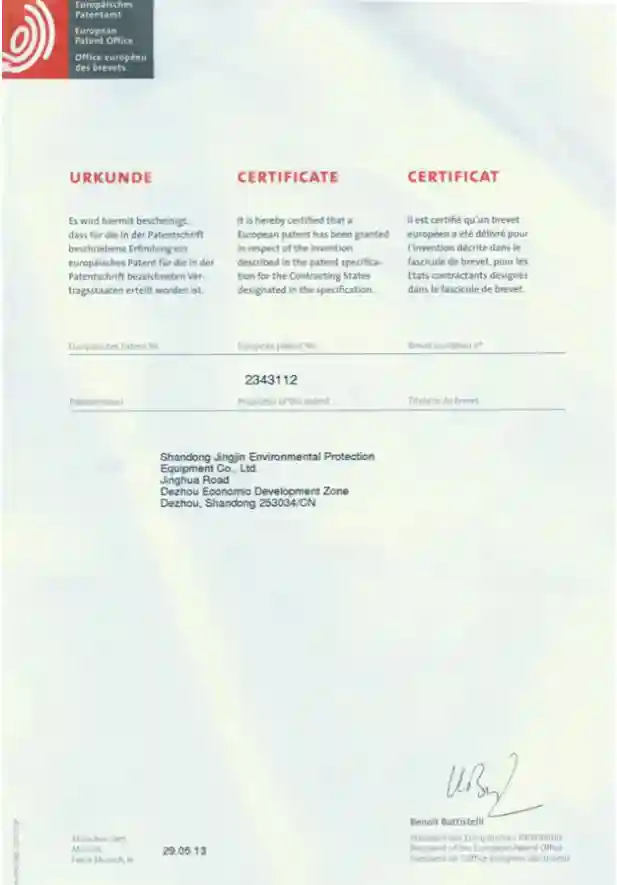
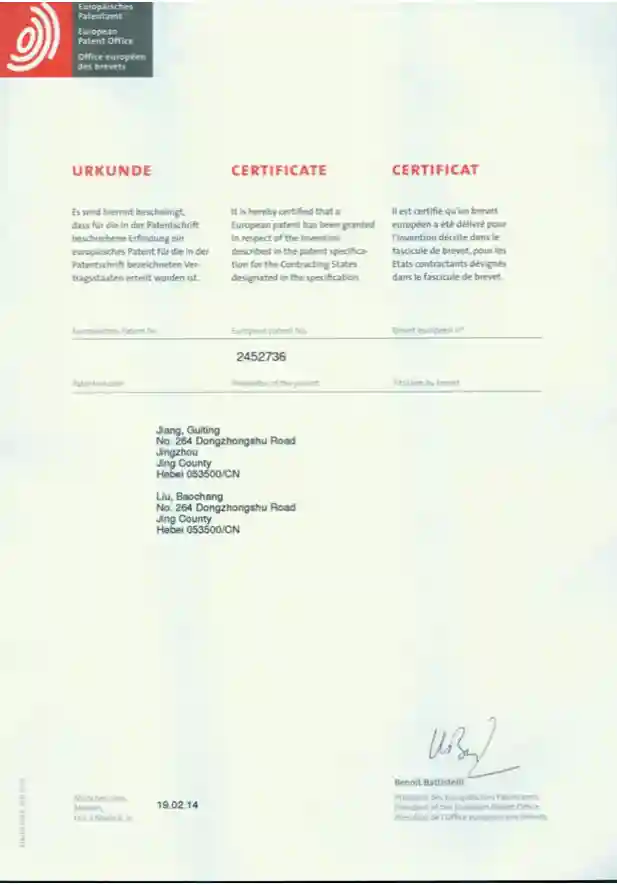
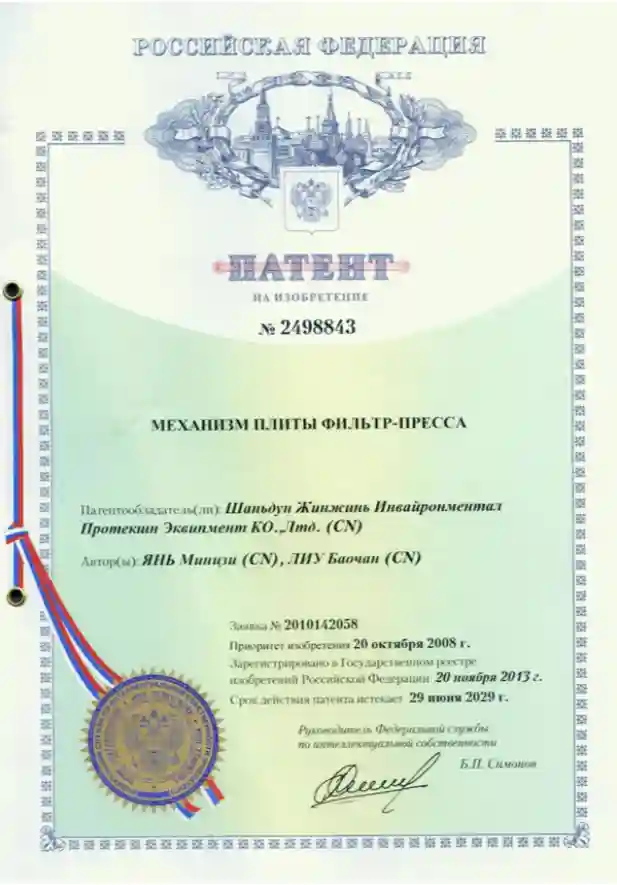
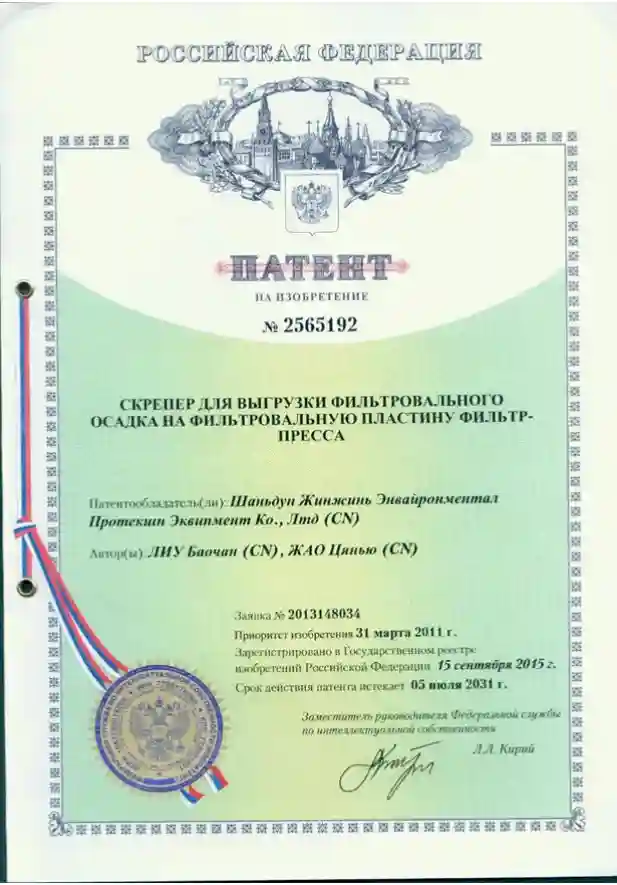
Choosing the right stainless pressure vessel provider will determine whether your filter system, dewatering operation, or process equipment works reliably for decades or needs to be serviced often. Every pressure vessel and filter job that Jingjin Equipment Inc. works on is backed by 36 years of experience separating solids from liquids, more than 136 patents, and proven installation experience in 123 countries. When you need vessels that can handle rough mineral slurries, corrosive chemical solutions, or pharmaceutical-grade fluids under strict cleanliness rules, our engineering team works directly with process engineers and plant managers to make sure you get the right ones.
We provide full paperwork packages that meet legal standards and insurance underwriters' needs. These packages include ASME U-Stamp certification, material traceability, and detailed testing records. Our global service network makes sure that you have expert help during setup, during the first few days of use, and for the life of your tools. You can email our application engineering team at [email protected] to talk about your specific pressure vessel needs and find out how Jingjin's integrated filtration systems and pressure vessel solutions can lower your total cost of ownership while increasing the efficiency and reliability of your dewatering process.
References
1. American Society of Mechanical Engineers. (2021). ASME Boiler and Pressure Vessel Code, Section VIII: Rules for Construction of Pressure Vessels, Division 1. New York: ASME Press.
2. Becht, C., & Roberts, R. (2018). Pressure Vessel Design: Concepts and Principles. Hoboken, NJ: John Wiley & Sons.
3. Sedriks, A. J. (1996). Corrosion of Stainless Steels (2nd ed.). New York: John Wiley & Sons, Inc.
4. European Commission. (2014). Directive 2014/68/EU of the European Parliament and of the Council on the Harmonisation of the Laws of the Member States Relating to the Making Available on the Market of Pressure Equipment. Official Journal of the European Union.
5. National Board of Boiler and Pressure Vessel Inspectors. (2020). National Board Inspection Code: A Manual for Boiler and Pressure Vessel Inspectors (ANSI/NB-23). Columbus, OH: National Board.
6. Harvey, J. F. (1991). Theory and Design of Pressure Vessels (2nd ed.). New York: Van Nostrand Reinhold.
jingjin
Founded in 1988, Jingjin specializes in filter presses and liquid-solid separation solutions, serving over 130 countries worldwide, and is a standard-setter in China's filter press industry.
Get the Filter Press guide
Enter Your Email for Technical assistance for the Filter Press.
Recommended Blog
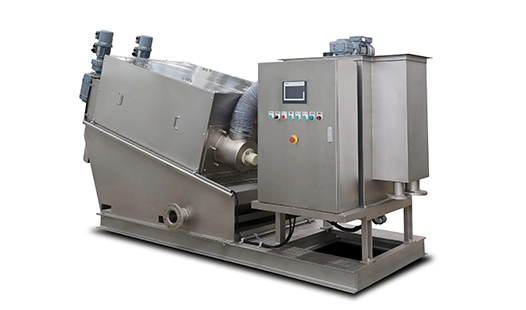
How to Choose the Best Multi Disk Screw Press for Sludge Dewatering Applications
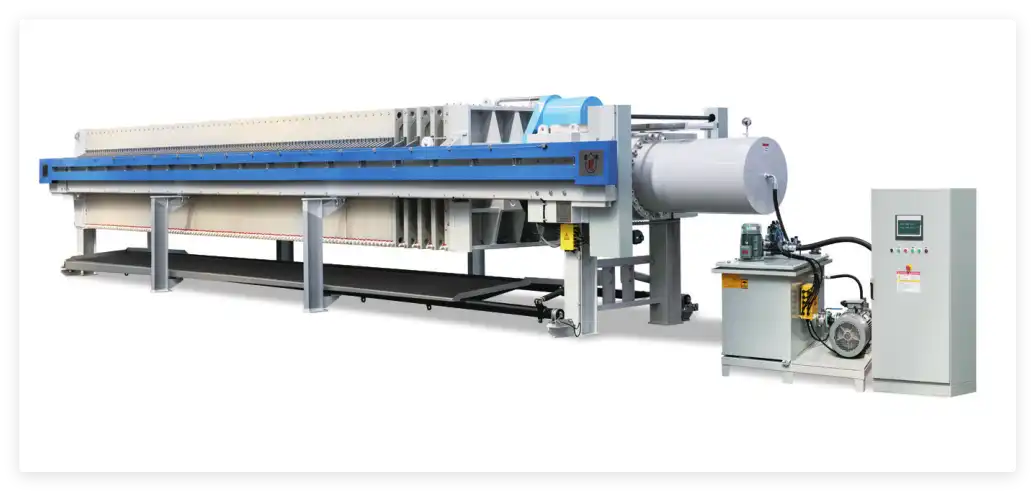
Why Your Sludge Dewatering Process Needs a Filter Press Upgrade?

Common Problems with Filter Press Plates and How to Prevent Them
Wastewater Treatment Regulations Driving Filter Press Adoption in 2026
Comparing Jingjin Filter Press with Other Brands: Which One Suits You Best?