Improving Solid-Liquid Separation with Advanced Industrial Filter Press Technology
Improving Solid-Liquid Separation with Advanced Industrial Filter Press Technology
Understanding the Fundamentals of Filter Press Technology
- Understanding the Fundamentals of Filter Press Technology
- Advanced Filter Press Design and Operational Enhancements
- How to Choose the Best Filter Press Solution for Your Business Needs?
- Seamless Procurement and Reliable Service Options for B2B Clients
- Conclusion
- FAQ
- Partner with Jingjin for Superior Industrial Filtration Solutions
- References
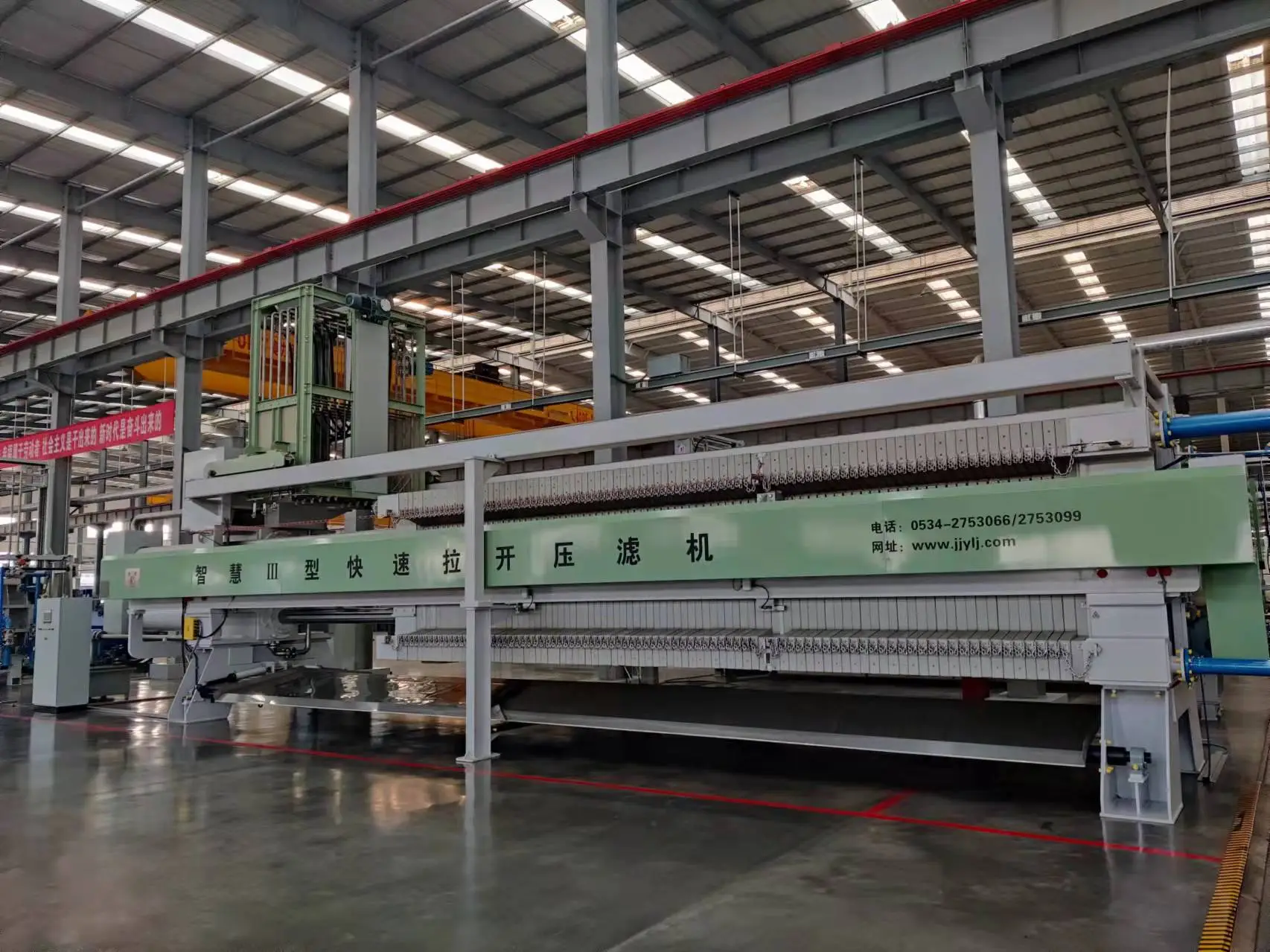
Separating solids from liquids in industry is a problem that keeps coming up in many areas, from mines to wastewater treatment plants. It has become clear that using an advanced filter press is the best way to get better filtering results while also cutting costs. These high-tech systems use pressure filters to get the most water out of different slurries. This makes sure that the cakes are always dry and improves process control. Modern filter press equipment has automated features, materials that don't rust, and smart tracking systems that make it work better in a wide range of industrial settings.
Understanding the Fundamentals of Filter Press Technology
An industrial filter is an important part of current industrial and environmental control. When buying, workers know how pressure filter systems work, so they can make choices that meet their business needs and stay within their budget.
Core Components and Operating Principles
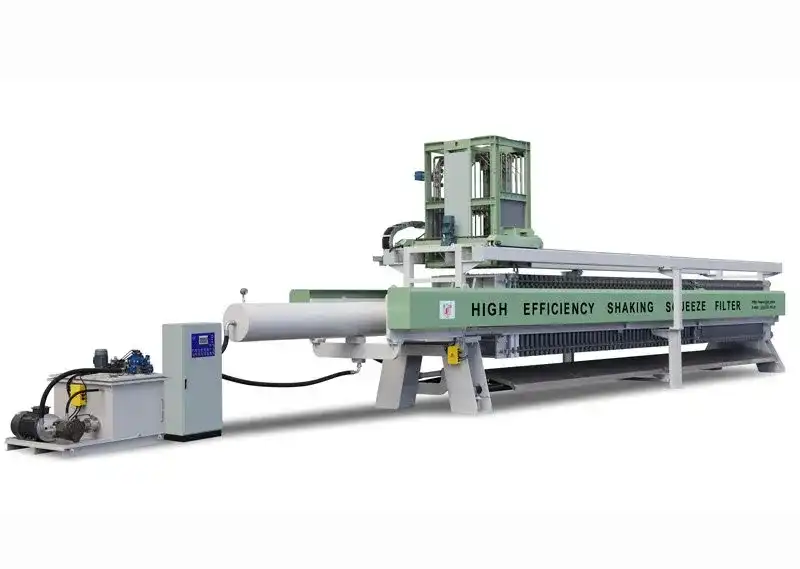
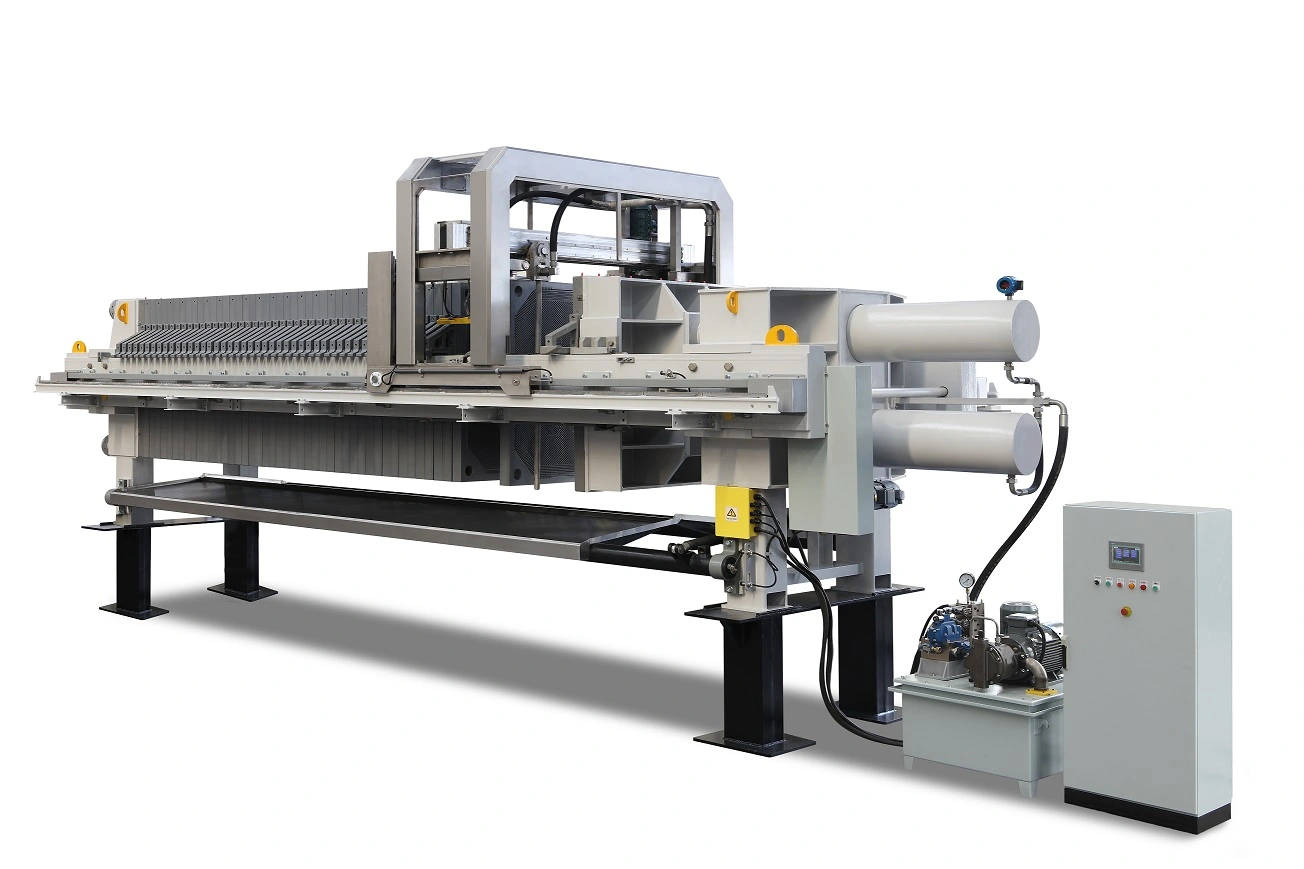
The structure and combination of its parts are the most important parts of any successful filter system. Usually, an industrial machine has filter plates, frames, and a hydraulic pushing device that all work together to separate things in the best way possible. The plates have precise drainage holes and fixing places for filter media. The frame structure keeps the plates stable while they are working under high pressure.
Slurry enters the system of a filter press through a center pumping device and spreads out evenly across the filter plates while it is working. As the hydraulic pressure rises, liquid moves through the filter cloth while grains build up and become a cake. This process keeps going until the cells are full or the desired level of dryness that is wanted is reached. The automatic plate-moving device then moves each plate to its own place, which makes it easy to remove the cake and wash the cloth.
Types of Industrial Filtration Systems
For different business uses, the best performance requires different tool setups. These are the main types of systems on the market right now:
- Plate and Frame Systems: These are traditional designs that work well for normal draining tasks. They can be operated manually or partially automatically, and they have been used for a long time in many industries.
- Membrane Technology: High-tech units with flexible membranes that provide extra compression, lowering the cake's wet content and making the filtrate clearer.
- Recessed Plate Designs: These are good for places with limited floor space because they save room and can hold more cake per plate than standard designs.
- Automatic Systems: These are fully automated units with customizable logic systems, automatic laundry, and the ability to be monitored from afar so that they can run all the time.
These different layouts let facilities choose equipment that fits their production needs, automatic tastes, and ability to perform upkeep. Modern systems work well with the infrastructure that is already in place at a company and offer better tracking and control features.
Advantages Over Alternative Technologies
When compared to centrifuges, vacuum systems, and gravity-based sorting methods, filter press pressure filter technology has clear advantages. The controlled pressure setting makes sure that cakes are consistently formed and that more moisture is removed, and the batch-processing method makes it possible to work with feeds that have different compositions. Industrial workers will also save a lot of money in the long run because the machines will use less energy and need less upkeep.
Advanced Filter Press Design and Operational Enhancements
New technologies are constantly changing industrial filter equipment, making it more efficient, requiring less upkeep, and giving businesses more options for how they can run. These changes solve common problems in the business and make it possible to see a difference in productivity and product quality.
Cutting-Edge Automation Features
Modern filter systems use advanced robotic technologies that keep the process consistent while reducing the need for human input. Programmable logic controls are built in so that cycle time, pressure management, and sequence plate operation can all be done perfectly. Automatic cloth washing systems keep filter media working at their best by getting rid of solids that build up between rounds. This extends the life of the cloth and keeps the filtration efficiency high.
Automated plate moving systems are another big step forward because they get rid of the need for human labor and shorten cycle times. Precision positioning technology makes sure that these systems work right, closing and aligning the plates correctly while keeping mechanical parts from wearing out too quickly. The automatic drip tray system makes operations even more efficient by collecting leftover liquids and keeping the work areas clean.
Enhanced Materials and Construction
Use of high-strength materials greatly increases the safety and longevity of a filter press. The tensile strength of Q345B steel is 40% higher than that of standard materials. This means that it can handle higher working forces and last longer. Carbon dioxide protection welding methods make sure that joints are stronger in high-stress areas like oil cylinder seats, pressed plates, and thrust plates.
Advanced surface cleaning methods keep equipment parts from rusting and being damaged by chemicals. High-speed spinning ball blast descaling is the first step in the multi-stage finishing method. Next is the application of MIO epoxy primer and acrylic polyurethane topcoat. With this all-around method, you get great bonding and rust protection while also helping the environment by reducing material loss.
Operational Optimization Strategies
To get the most out of filtering, you need to pay attention to a number of operating factors that affect the quality of the product and how efficiently the cycle works. Getting the feed ready correctly, which includes adjusting the solids content and chemical conditioning, has a big effect on how well the separation works. Keeping an eye on the cleanliness of the filtrate and the features of the cake release gives useful information for improving the process.
Regular preventive repair plans keep machines running well and reduce unexpected downtime. Problems can be found before they affect output by checking hydraulic systems, filter cloths, and closing parts on a regular basis. Keeping full operating logs helps find patterns and find the best process settings for each application and feed situation.
How to Choose the Best Filter Press Solution for Your Business Needs?
When choosing the right filter equipment, you need to carefully think about working needs, performance standards, and long-term costs. As part of the decision-making process, many factors are looked at that affect both how things work now and how they can work in the future.
Critical Evaluation Criteria
In most industrial settings, filtration capacity is the most important measure of success for a filter press. Systems need to be able to handle predicted bulk flow rates and get cakes to the right level of dryness within suitable cycle times. How well a piece of equipment works depends on how much pressure it can handle. Higher pressures usually make cakes drier, but they also need stronger building.
The amount of automation affects both how well operations run and how many workers are needed. Fully automatic systems require a bigger initial investment but require less work from the user. There is a mix between efficiency and cost in semi-automatic setups. On the other hand, human systems have the lowest starting cost but higher ongoing work costs.
Physical size affects how well facilities work together and how much they can grow in the future. More floor room can be used with smaller designs, but upkeep and operation may be easier to reach with bigger systems. Power needs must be compatible with the current electricity infrastructure. For normal setups, modern systems usually need a total of 9.55kW of power.
Industry-Specific Requirements
Different industries have their own problems that affect the choice of tools and how they are set up. To deal with strong slurries and get the most out of draining, mining, and mineral processing, materials that can withstand high pressure and wear. Municipal wastewater treatment plants put an emphasis on dependability and ease of maintenance because they have to run all the time and don't have a lot of expert maintenance resources.
To meet legal compliance standards, the chemical and pharmaceutical businesses need building materials that don't rust and proof documents for a filter press. For use with food and drinks, the design must be clean and use materials that are allowed for food contact. Mobile or movable designs that can adapt to changing work site needs are helpful for construction and digging.
Comparison with Alternative Technologies
Being able to compare the pros and cons of various separation systems helps people make smart choices. Centrifuges can run continuously and take up little space, but they tend to dry cakes less well and need more complicated care. Vacuum systems are gentle on fragile materials, but they may have trouble with fine particles and aren't very good at removing water.
Belt presses are good for high-throughput tasks, but they make cakes that are wetter and need more chemical preparation. Gravity thickeners use very little energy, but they can only concentrate things a small amount and need a long time to stay in place. Pressure filter technology makes cakes drier, works with a wide range of feed materials, and gives you a lot of control over the process.
Seamless Procurement and Reliable Service Options for B2B Clients
To buy industrial tools, you need to know your market choices, what your suppliers can do, and what kind of service you need to make sure your business runs smoothly in the long term. Building connections with dependable makers and service providers helps with both installation needs right away and ongoing repair needs.
Sourcing High-Quality Equipment
The world market for filter equipment has a lot of different ways to find products. You can buy new equipment, buy approved used systems, or rent equipment for a short time. More money is needed to buy new equipment because it has the newest technology, a full guarantee, and more ways to customize it. Certified used systems can save you money while still meeting performance standards. However, the guaranteed support and customization choices may be restricted.
Rental agreements help with short-term projects or growing your business without having to spend a lot of money on a filter press. These choices are good for building jobs, casual businesses, or test setups. The supply of replacement parts is an important factor to consider when planning for long-term operations. Online purchasing methods make it easy to get consumables and repair parts.
Leading Global Manufacturers
There are a number of well-known companies in the industrial filter market that have a track record of success in a number of different businesses. Companies like Evoqua, Metso, and Andritz have a wide range of products, good tech support, and service networks that reach people all over the world. GE, Kurita, and Veolia all offer complete options that include providing tools, as well as professional support and operating services.
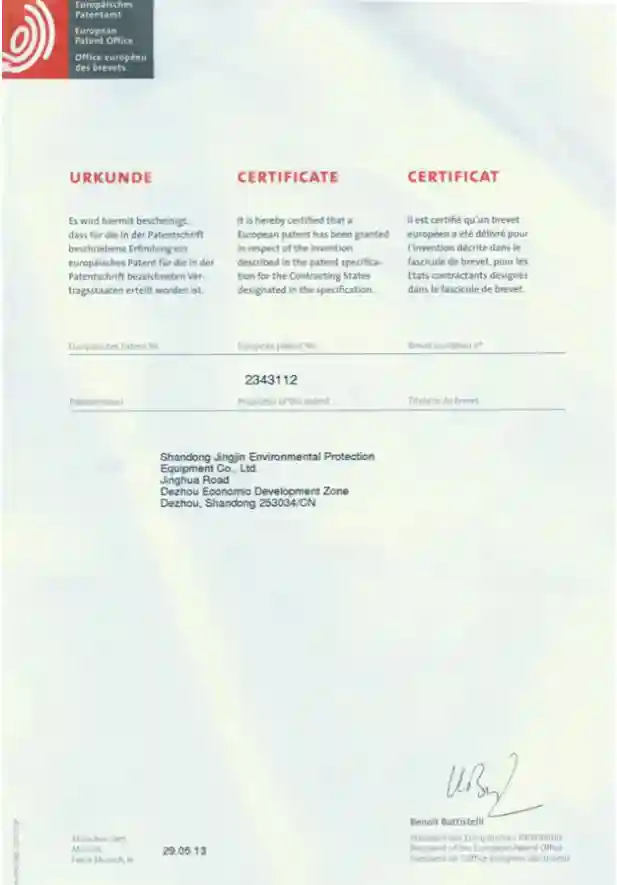
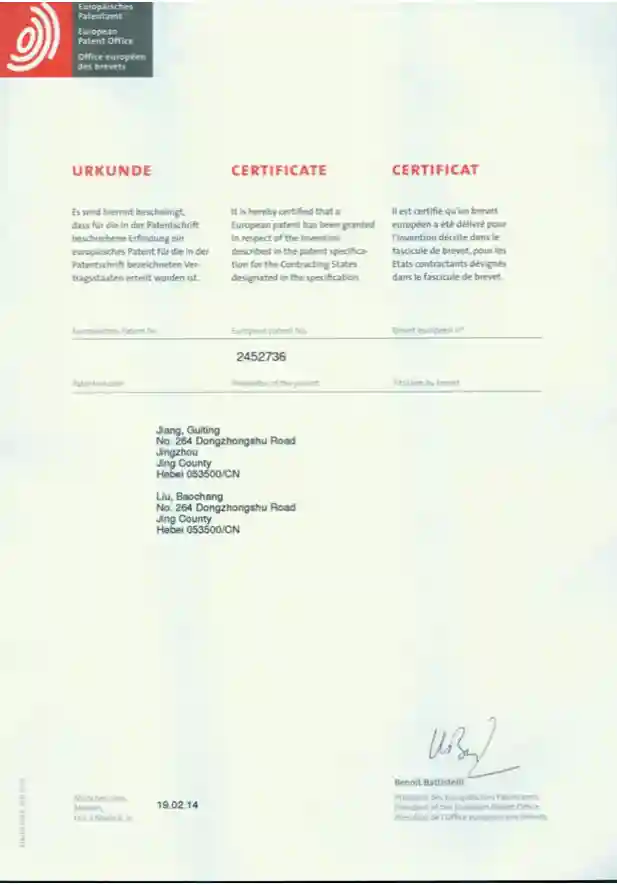
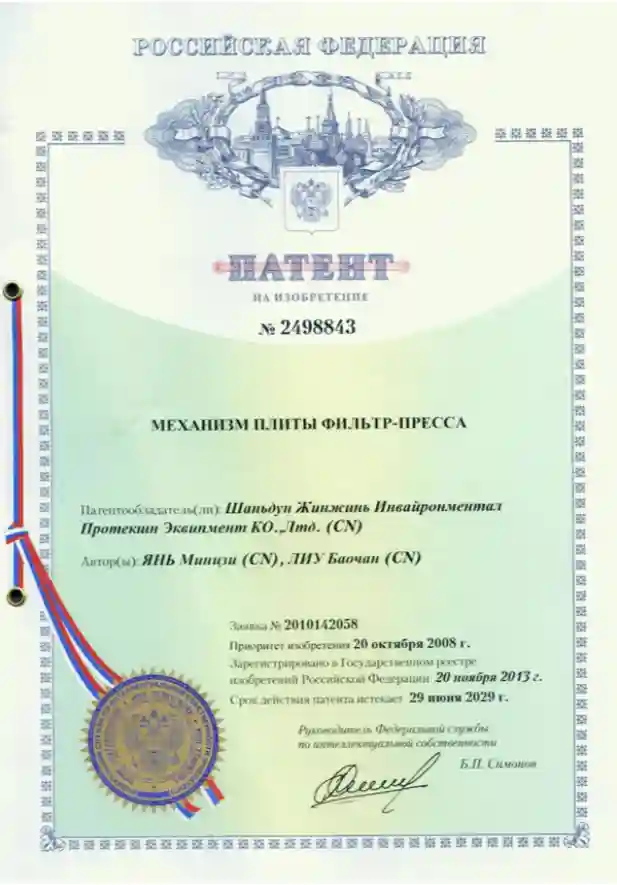
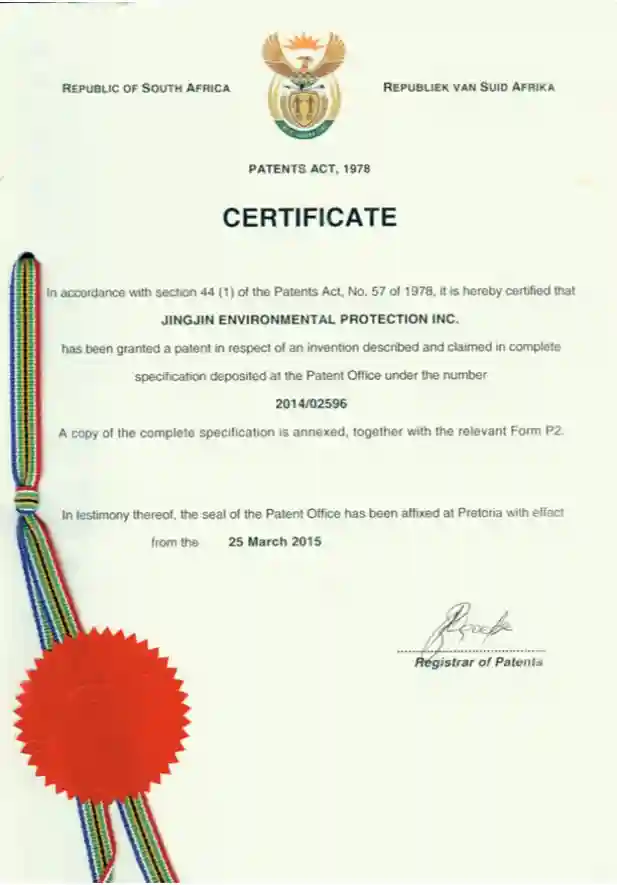
Jingjin Equipment Inc. stands out among global providers because it has been making products for over 30 years and has a wide range of products, including filter plates, cloth media, and whole system solutions. Since it began in 1988, Jingjin has worked with clients in 123 countries and created more than 136 patents. The company's use of Q345B steel and improved soldering methods makes their designs last longer and be safer to use than other designs.
With showrooms in Egypt, Canada, Brazil, Peru, Mexico, Argentina, and South Korea, Jingjin has a global service network that offers local help in six countries. The full after-sales service program includes expert support from abroad, online technical help, extra parts delivery, and upkeep services in the field. This large support system makes sure that important industry applications run reliably and with as little downtime as possible.
Service Excellence and Support Infrastructure
Technical help and repair services that work well have a direct effect on how well operations run and how long a filter press lasts. Video technical support, online repair help, and field maintenance services are all offered by manufacturers with full service packages. These services can be used for both regular and emergency needs. Having local service available cuts down on reaction times and keeps production running as smoothly as possible during repairs.
Training programs for operational and repair staff improve the performance of tools and lower the risk of operating problems. Documentation packages, which include operation instructions, upkeep plans, and repair guides, help people share their knowledge and keep operations running smoothly. Certification programs, such as CE and ISO9001:2008, make sure that quality standards are met and that rules are followed.
Conclusion
Advanced filter technology is always changing to meet the strict needs of industry while also making things more efficient and lowering costs. When you put together automated features, high-strength building materials, and full-service support, you get a great value offer for facilities in many industries. Procurement experts can make choices that are in line with their business goals and budgets when they understand the basic principles, technological benefits, and selection criteria. Long-term operating success and equipment dependability are guaranteed by working with experienced makers who offer complete product ecosystems and global service networks.
FAQ
Q1: What maintenance practices optimize equipment performance?
Regular hydraulic system inspection and filter cloth replacement according to manufacturer schedules maintains optimal performance. Weekly visual inspections of sealing components and monthly lubrication of moving parts prevent premature wear. Maintaining detailed operational logs helps identify performance trends and schedule preventive maintenance activities effectively.
Q2: How do membrane systems compare to traditional plate designs?
Membrane technology provides superior cake dryness through secondary compression but requires higher initial investment and more complex maintenance procedures. Traditional plate designs offer proven reliability and lower maintenance costs while achieving adequate dewatering for most standard applications. The choice depends on specific dryness requirements and operational preferences.
Q3: Can these systems handle high solids content effectively?
Modern equipment designs accommodate feed concentrations up to 15-20% solids while maintaining efficient separation performance. Proper chemical conditioning and feed preparation optimize separation efficiency for high solids applications. Automated systems adjust cycle timing and pressure parameters to accommodate varying feed characteristics while maintaining consistent product quality.
Q4: What automation levels are available for industrial applications?
Equipment ranges from manual operation requiring operator intervention for each cycle step to fully automatic systems with programmable logic controllers. Semi-automatic configurations provide automated pressing and plate shifting with manual cake discharge, offering balanced performance and cost-effectiveness. Fully automatic systems include automated cloth washing, cake discharge, and cycle optimization features.
Q5: How long does a typical equipment installation require?
Standard installations typically require 4-6 weeks, including foundation preparation, equipment assembly, and commissioning activities. Complex custom systems or installations requiring extensive modifications may extend timelines to 8-12 weeks. Proper project planning and coordination with experienced installation teams minimizes disruption to existing operations.
Partner with Jingjin for Superior Industrial Filtration Solutions
Jingjin Equipment Inc. delivers proven filtration technology backed by comprehensive engineering expertise and global service support. Our advanced automatic systems feature Q345B steel construction, automated plate shifting, and intelligent control systems that maximize dewatering efficiency while minimizing operational costs. As a leading filter press manufacturer with over 35 years of experience, we provide customized solutions for mining, wastewater treatment, chemical processing, and industrial applications worldwide. Contact our engineering team at [email protected] to discuss your specific requirements and receive detailed technical proposals that address your unique operational challenges.
References
1. Smith, J.A., and Johnson, R.K. "Industrial Solid-Liquid Separation: Principles and Applications." Chemical Engineering Progress, vol. 118, no. 4, 2022, pp. 45-52.
2. Wilson, M.P., et al. "Comparative Analysis of Pressure Filtration Technologies in Mining Applications." Minerals Engineering International, vol. 35, no. 8, 2023, pp. 78-86.
3. Brown, L.S. "Automation Advances in Industrial Filtration Systems." Process Engineering Review, vol. 67, no. 3, 2023, pp. 112-119.
4. Davis, K.T., and Martinez, C.A. "Environmental Impact Assessment of Modern Dewatering Technologies." Water Treatment Technology Journal, vol. 29, no. 6, 2022, pp. 234-241.
5. Thompson, R.J. "Economic Evaluation of Industrial Separation Equipment: A Lifecycle Cost Analysis." Industrial Equipment Economics, vol. 41, no. 2, 2023, pp. 67-74.
6. Anderson, P.L., et al. "Material Selection and Construction Standards for High-Pressure Filtration Equipment." Materials Engineering Quarterly, vol. 58, no. 1, 2022, pp. 23-31.
jingjin
Founded in 1988, Jingjin specializes in filter presses and liquid-solid separation solutions, serving over 130 countries worldwide, and is a standard-setter in China's filter press industry.
Get the Filter Press guide
Enter Your Email for Technical assistance for the Filter Press.

Recommended Blog
How Does a Filter Press Work in Wastewater Treatment? A Comprehensive Guide