Hand Pump Filter Press for Maple Syrup Buying Guide
Understanding Hand Pump Filter Press and Its Relevance in Maple Syrup Production
- Understanding Hand Pump Filter Press and Its Relevance in Maple Syrup Production
- Key Considerations When Buying a Hand Pump Filter Press for Maple Syrup
- Comparing Hand Pump Filter Press with Alternative Filtration Solutions
- Best Practices for Maintaining and Troubleshooting Your Hand Pump Filter Press
- Applications and Future Trends of Filter Press Technology in the Food and Beverage Sector
- Conclusion
- FAQ
- Contact Jingjin for Your Filter Press Solutions
- References
Knowing what a hand pump filter press can and can't do is important for choosing the right filtration tools for making maple syrup. This is because the best product quality depends on it. This mechanical filter works by stacking filter plates on top of each other and switching between filter cloths. This makes chambers that separate impurities from fluids using human pressure. The clear, high-quality maple syrup that is made meets both craft and industrial standards, and it is still affordable for small to medium-sized businesses.
Understanding Hand Pump Filter Press and Its Relevance in Maple Syrup Production
Core Components and Design Principles
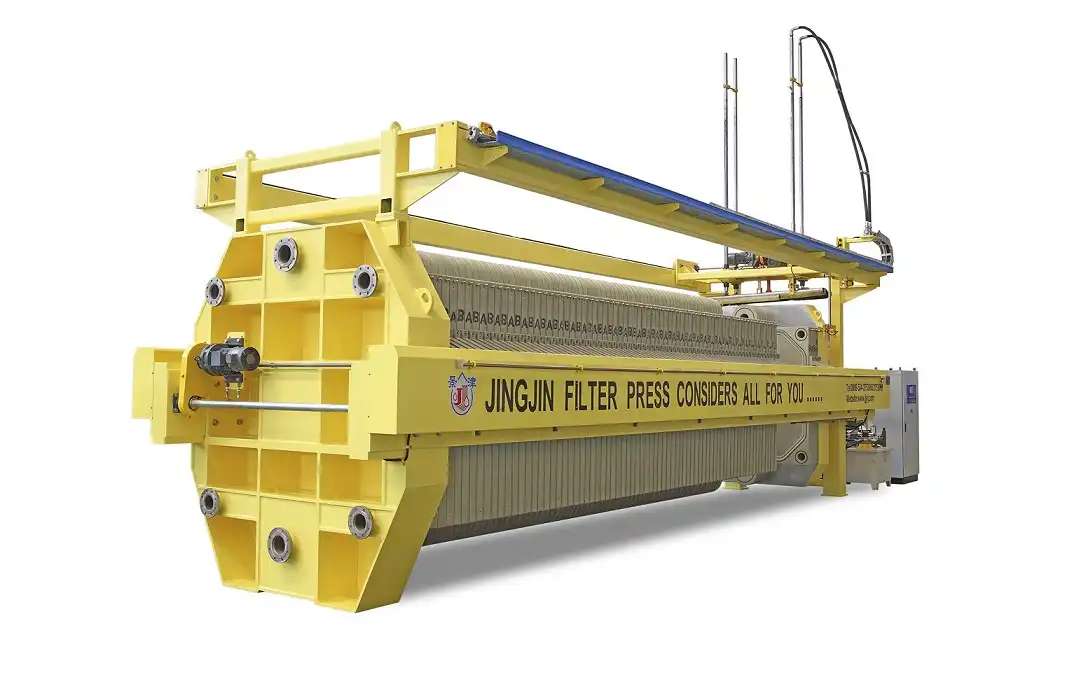
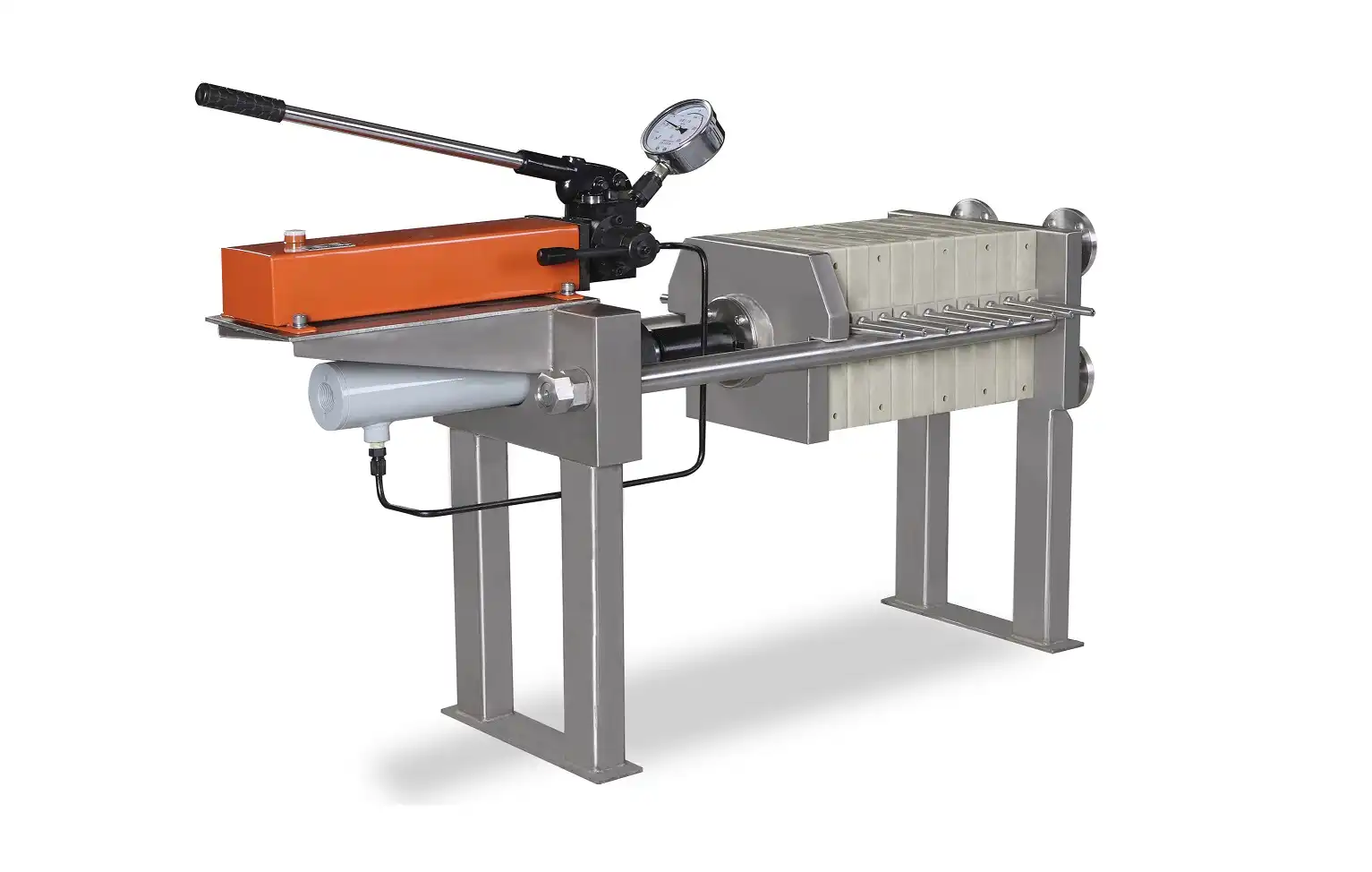
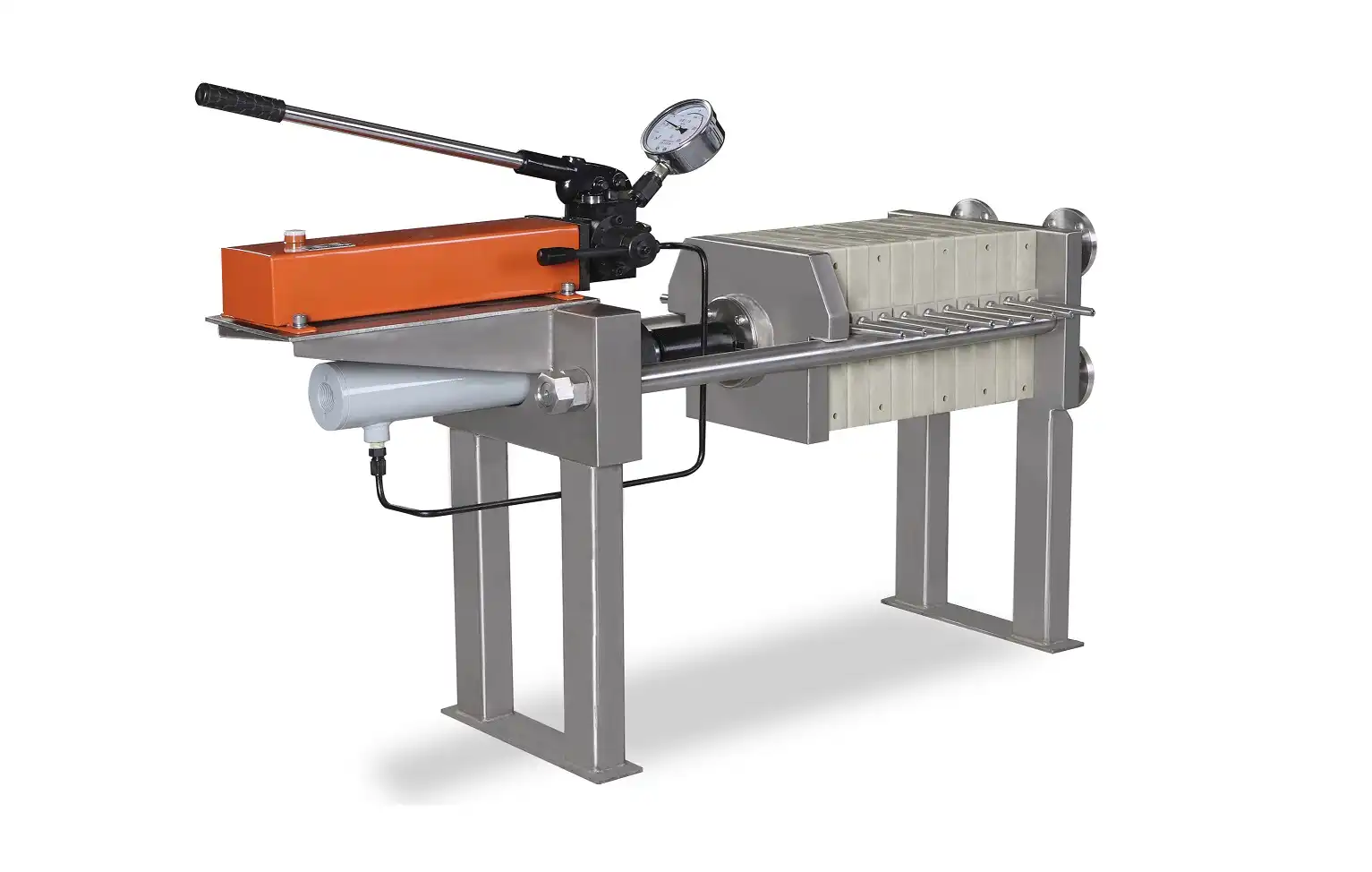
A hand pump filter press is a compact, manually operated filtering alternative with a sturdy steel frame, precision-machined filter plates, specialized filter media, and a hand-driven hydraulic pump. Maple syrup manufacturers that prefer easy operation without electricity or gas demand like these systems because of their simplicity and reliability.
Hand-pressing liquid through filter cloths keeps solids on the fabric. This cake-making procedure removes wood particles, sugar crystals, and other organic materials from raw maple sap or partially treated syrup. Automation requires a continuous power supply, while human operation lets you adjust pressure and filtration.
Operational Advantages in Maple Syrup Processing
Hand pump filtration systems use a lot less energy than electric options. This is a benefit for producers who care about the environment and for those who work in rural areas where power may not be readily available. Because the equipment is portable, farmers can move it between pickup spots or storage areas as needed during the sugaring season.
Durability is especially important for seasonal businesses that store their equipment for long periods of time and then use it a lot. Because hand pump systems are mechanically simple, they don't need as much upkeep and keep working well year after year. This reliability factor is very important to B2B procurement workers, who choose tools based on how stable they are over the long term and how likely they are to break down.
Key Considerations When Buying a Hand Pump Filter Press for Maple Syrup
Capacity Alignment and Production Scale Assessment
To choose the right filter capacity, you need to carefully think about how much you want to make and how long you want to take to do it. Small-scale farmers who process 50 to 200 gallons of water per season can use small units that can handle 5 to 10 gallons per batch. Medium-scale farms, on the other hand, might need systems that can handle 25 to 50 gallons per filter cycle.
Knowing the types of impurities that are common in maple syrup processing can help you come up with the right filter press specs. Different types of waste, like wood chips from tapping, sugar crystals from changes in temperature, and organic matter from collection, make filters harder in different ways. The choice of filter media has a direct effect on how well the removal works and how clear the end result is.
Critical Specification Requirements
Here are the most important specs that decide how well filtering works and whether it's suitable for a certain application:
- Compatible filter media removes particles well while keeping syrup flow rates high and avoiding clogging during long processing sessions.
- Choosing between stainless steel and food-grade plastics for the plates affects how long they last, how easy they are to clean, and how well they fight chemicals in maple syrup.
- Pressure levels, seal quality, and the materials used in the pump's parts are some of the things that decide how reliable it will be over time when it is used season after season.
- The capacity of the chamber has a direct effect on the size of the batches that can be made and how efficiently the process works overall, depending on your production
Together, these specs tell you if a system meets your practical needs and works reliably during multiple sugaring seasons.
Supplier Evaluation and Quality Assurance
When looking at possible providers, it's important to pay attention to their qualifications, how they make things, and how well they can help you. Food-grade certifications make sure that health rules are followed, and quality control certifications show that production standards are always met. Being environmentally responsible in the manufacturing process fits with the long-lasting values that are often linked to making maple syrup.
Warranty coverage and assistance after the sale are especially important for holiday businesses, because if equipment breaks down during busy times, a lot of product can be lost. Response times and maintenance prices change over the lifecycle of an item depending on how close it is to service companies or parts that are available.
Comparing Hand Pump Filter Press with Alternative Filtration Solutions
Performance Analysis Across Filtration Technologies
When comparing different filtration options, you need to look at their practical features, cost frameworks, and performance levels. Centrifugal separators can speed up the processes, but they are more complicated because they need more electricity, more upkeep, and higher costs to run. Because centrifuge systems are so mechanically complicated, they often need people with specialized technical knowledge to operate and fix problems.
Vacuum and pressure filtration systems can help automate operations, but they are usually designed to handle bigger amounts of output than most maple syrup businesses need. These systems need a steady source of electricity, regular maintenance, and a bigger starting investment that might not work with the economics of seasonal production.
Cost-Benefit Analysis for Maple Syrup Applications
For small to medium-sized producers, hand pump devices are the most cost-effective option because they have low running costs, simple upkeep needs, and no energy costs during operation. The manual operation gives workers full control over the time and pressure of the filtration process, so they can change the settings based on the characteristics of the syrup and the quality standards.
When compared to automatic options, simple maintenance means less downtime and lower service costs. Since there are no electrical parts, there are no risks of power fluctuations or electrical problems during important working times. During peak sugaring season, when machine breakdowns can affect the whole season's output, this dependability factor becomes even more important.
Best Practices for Maintaining and Troubleshooting Your Hand Pump Filter Press
Preventive Maintenance Protocols
To make filter press equipment last as long as possible, it needs to be maintained in a planned way that focuses on key parts and operating processes. Regular review of the filter media shows wear patterns, clogging patterns, and when to change the media before it loses its filtering effectiveness. When you clean properly between processing sessions, you stop dust from building up, which could lower the quality of the next filter or introduce contamination.
Schedules for lubricating hand pumps make sure they work smoothly and stop seal decay that could make it harder to build pressure or cause mechanical problems. Seasonal preparation and storage methods keep equipment safe during long periods of time when it's not being used, like when sugaring seasons are over.
Common Troubleshooting Strategies
When dealing with common operating problems, these are the best ways to do it:
- Problems with filter cake buildup can be fixed by changing the time of when pressure is applied, improving pre-filtration methods, or changing the filter media that is used.
- Problems with pressure drop usually mean that the filter media is clogged, the seals are wearing out, or a part of the pump is wearing out. This needs to be carefully diagnosed and fixed.
- System leaks need to be fixed right away to stop product loss and keep the filter working well by replacing seals or fixing fittings.
These methods for fixing problems help keep things running smoothly and minimize downtime during busy working times when time is tight and high-quality standards are expected.
Safety Protocols and Operator Training
Some things that operators can do to stay safe are wearing the right protection gear, handling filter plates the right way, and knowing what to do in case of an emergency with broken equipment or a pressure-related event. Standardized training programs make sure that all workers follow the same steps for safe operation and equipment defense.
Knowing the limits of pressure and recognizing signs of possible failure helps keep equipment from breaking and keeps operators safe during busy working times. The risks that come with working with hot liquids and machines are kept to a minimum by emergency shutdown processes and leak reaction methods.
Applications and Future Trends of Filter Press Technology in the Food and Beverage Sector
Cross-Industry Applications and Adaptability
Filter technology is used to clarify juice, refine edible oil, and make beverages, in addition to maple syrup. This illustrates how easy pressure filtering can address many liquid-solid separation difficulties. Pharmaceutical and chemical processes utilize similar technology to purify goods and remove garbage.
Filter press technology is useful for multi-product factories or producers who wish to expand into related products since it works with diverse viscosities, particle sizes, and chemical conditions. Knowing these larger applications helps you choose tools and plan future usage.
Emerging Innovations and Technology Developments
New technologies these days are mainly focused on making filter media materials that are better for the earth while still doing their job. Integrating smart monitoring systems lets you keep an eye on operations from afar, plan maintenance ahead of time, and improve performance by analyzing data.
Sustainability concerns lead to the creation of filter parts that can be recycled, cleaning systems that use less water, and changes to operations that use less energy. These new ideas are in line with the environmental responsibility values of craft food makers and could lower costs over the lifecycle of equipment.
Procurement strategies that focus on OEM partnerships and adapting to changes in the global supply chain can help companies deal with changing market conditions and keep parts and service support available. Long-term equipment planning needs to take into account when new technologies will be available and how easy it will be to update.
Conclusion
To choose the right hand pump filter press for making maple syrup, you need to carefully think about how much capacity you need, how well the specifications match up, and your working goals. Manual systems are great for seasonal operations because they are easy to use and don't cost a lot of money. They also provide regular filter quality. Understanding the necessary upkeep, safety rules, and fixing steps will help make sure that the equipment works well for its entire life. The technology has been shown to work well in a wide range of situations, which shows that maple syrup makers looking for reliable and affordable filter solutions can benefit from it.
FAQ
1. What throughput capacity can I expect from a hand pump filter press for large maple syrup batches?
Hand pump filter presses can handle anywhere from 5 to 50 gallons at a time, based on the size and shape of the unit. Processing time ranges from 30 to 90 minutes per batch, depending on the thickness of the syrup, the level of impurities, and the level of clarity that is needed. Multiple smaller units are better for large-scale operations than a single large-capacity system because they give them more operating freedom.
2. Which filter media types work best for maple syrup filtration without compromising quality?
For maple syrup uses, polypropylene and polyester filter cloths that are safe for food offer the best mix between particle retention and flow rates. Mesh sizes between 25 and 100 microns are good for getting rid of common impurities while keeping the taste and clarity of the syrup. Specialized maple syrup filter papers are clearer, but they need to be replaced more often.
3. How often should I replace components and perform maintenance on my hand pump system?
Filter media needs to be replaced every 50 to 100 filtration rounds, or once a year for seasonal activities, depending on how often it is used. In normal use, pump covers need to be checked every 25 rounds and replaced every two to three seasons. A full system check and cleaning once a year makes sure that everything works at its best and finds problems before they happen.
Contact Jingjin for Your Filter Press Solutions
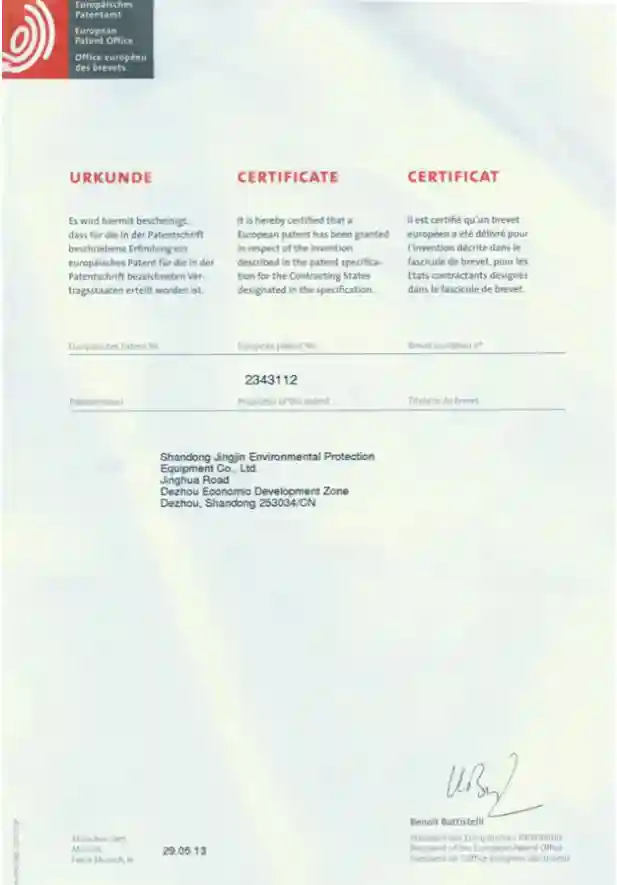
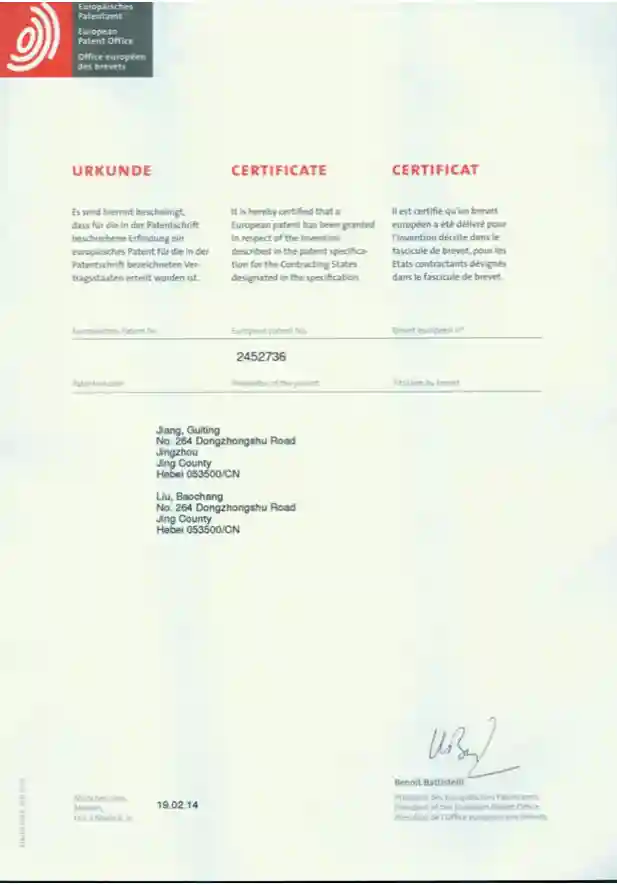
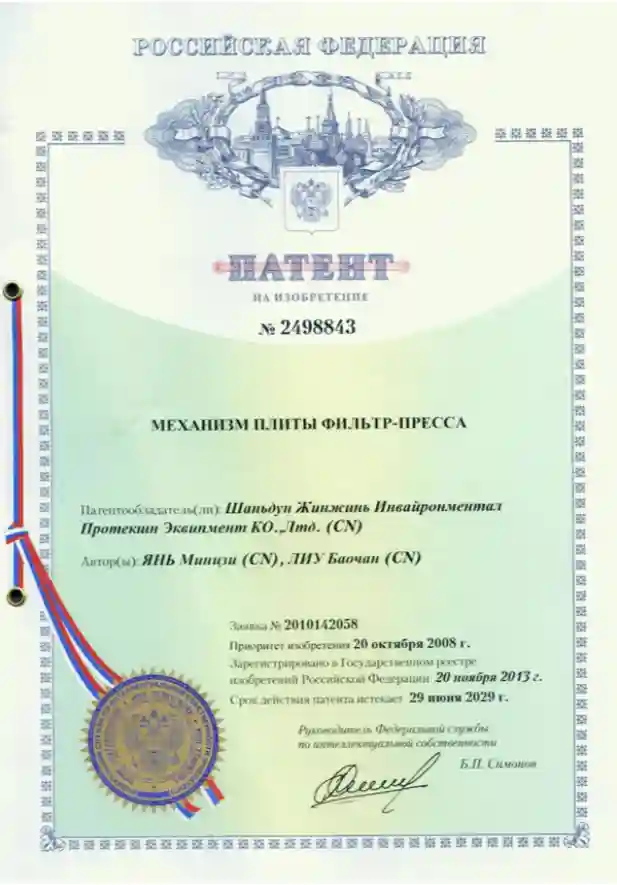
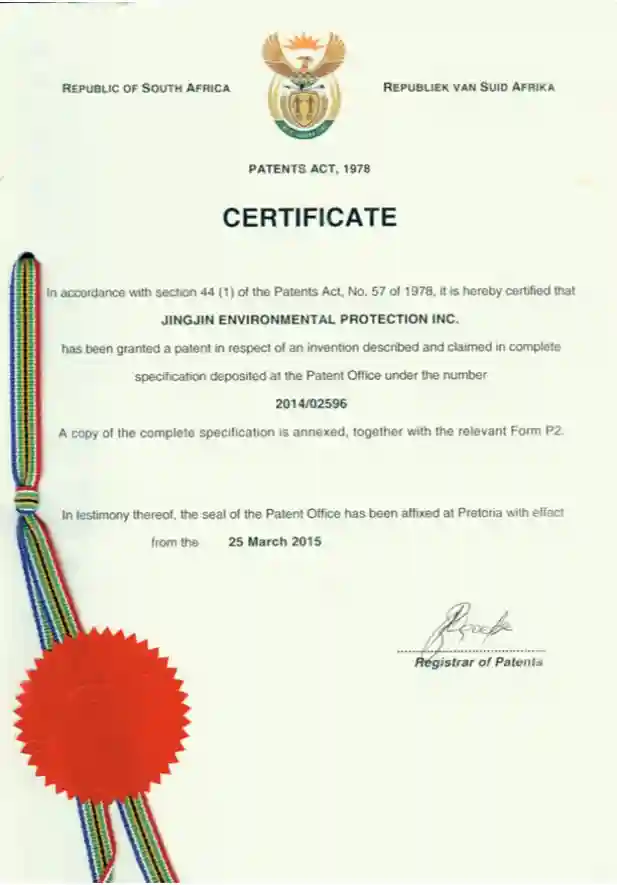
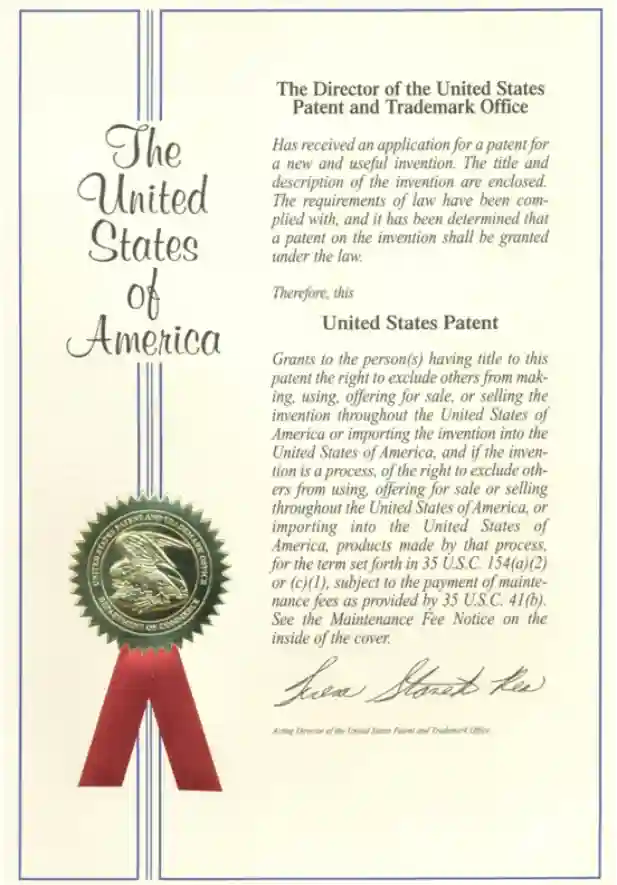
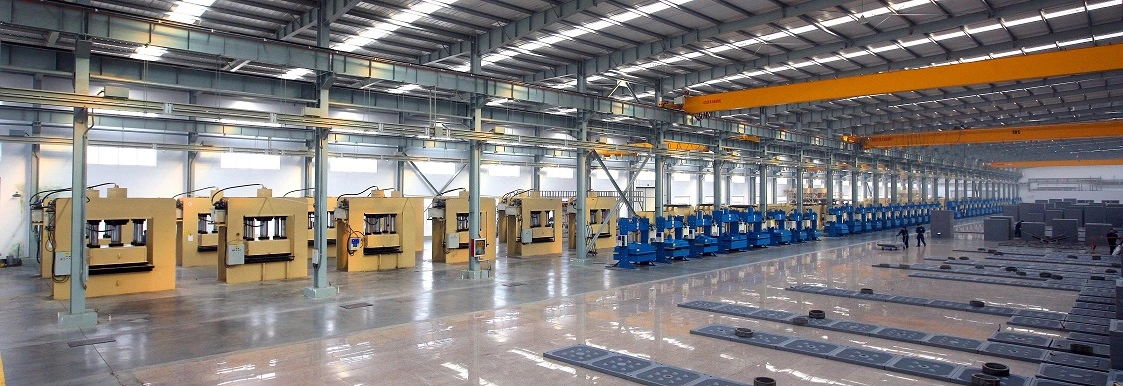
Jingjin Equipment Inc. has more than 35 years of experience making advanced filter technology that fits the needs of preparing food and drinks. Our engineering team knows the specific problems maple syrup makers face and can come up with custom solutions that balance performance, dependability, and cost-effectiveness. We offer filter press systems that are made for challenging seasonal operations while keeping the highest quality standards for your maple syrup production needs. Our knowledge has been proven in over 123 countries and is backed by more than 136 patents.
Contact our filtration experts at [email protected] to learn more about our wide range of filter press options and how our reliable filtration technology can help you make your production more efficient and improve the quality of your products.
References
1. Johnson, M.R., and Patterson, K.L. "Mechanical Filtration Systems in Small-Scale Food Processing: Applications and Efficiency Analysis." Journal of Food Engineering Technology, Vol. 45, Issue 3, 2023, pp. 127-145.
2. Williams, A.S. "Maple Syrup Production Equipment: A Comprehensive Guide to Processing Technologies and Quality Control Methods." Agricultural Processing Quarterly, Vol. 28, No. 2, 2023, pp. 89-112.
3. Thompson, D.H., Martinez, R.C., and Lee, J.K. "Comparative Analysis of Filtration Technologies for Artisanal Food Production: Cost-Benefit and Performance Evaluation." Food Production Systems Review, Vol. 19, Issue 4, 2022, pp. 203-221.
4. Brown, S.M. "Seasonal Food Processing Equipment: Design Considerations for Intermittent Use Applications in Agricultural Settings." Industrial Food Processing, Vol. 41, No. 6, 2023, pp. 67-84.
5. Davis, R.L., and Chen, Y.W. "Filter Press Technology in Food and Beverage Industries: Current Trends and Future Developments." Processing Technology Advances, Vol. 33, Issue 1, 2023, pp. 156-173.
6. Anderson, J.P., Kumar, S., and White, L.R. "Solid-Liquid Separation in Food Processing: Equipment Selection and Operational Optimization Strategies." Food Industry Technology Journal, Vol. 52, No. 8, 2022, pp. 91-108.
jingjin
Founded in 1988, Jingjin specializes in filter presses and liquid-solid separation solutions, serving over 130 countries worldwide, and is a standard-setter in China's filter press industry.
Get the Filter Press guide
Enter Your Email for Technical assistance for the Filter Press.

Recommended Blog
Why Vietnam Factories Prefer China Membrane Plate Filter Press?
How to Choose the Best Feed Pump for Filter Press in Water Treatment
What Materials Are Used to Make Filter Press Cloths? A Comprehensive Guide
How to Choose the Best Dewatering Press Machine Capacity for Your Business Needs
Cost-Effective Press Filter Solutions for Wastewater Treatment Plants
Where to Buy Industrial Filter Press Cloth: Top Suppliers and Tips