Best Membrane Plate Filter Press for Wastewater Treatment
Introduction
- Introduction
- Understanding Membrane Plate Filter Press Technology
- Benefits of Using Membrane Plate Filter Press in Wastewater Treatment
- Comparison of Membrane Plate Filter Press Versus Other Filtration Technologies
- Choosing the Best Membrane Plate Filter Press for Your Wastewater Treatment Needs
- Maintenance, Troubleshooting, and Best Practices for Membrane Plate Filter Press
- Conclusion
- FAQ
- Partner with Jingjin for Advanced Membrane Filter Press Solutions
- References
Industrial workers seeking the finest membrane plate filter press for wastewater treatment must choose equipment that separates particles from liquids and passes tight environmental criteria. Advanced membrane technology and strong construction give a good filter press better dewatering results, lower operational costs, and reliable long-term performance in chemical processing plants, city wastewater treatment plants, and mining.
Introduction
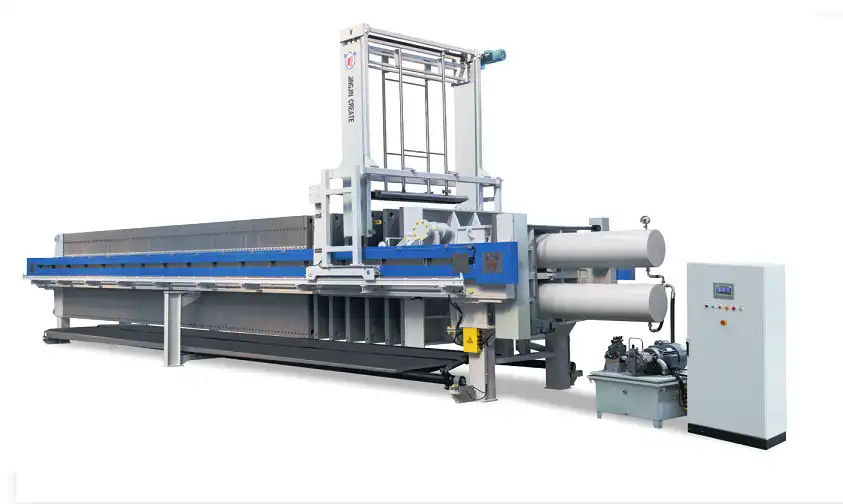
Water treatment technology has advanced greatly using membrane plate filter presses. They make factory solid-liquid separation more efficient than before. These advanced sludge removal devices have transformed corporate sludge removal, reducing costs and environmental impact. This method makes extremely dry filter cakes with minimal energy; thus, process engineers and site managers worldwide need it.
Choosing the proper membrane filter press goes beyond price. Modern procurement experts must consider filter performance, maintenance, automation, and supplier reliability to maximize ROI. Trusted US, European, and Asian manufacturers have developed proven technologies with comprehensive after-sales support. This helps facilities increase performance and maintain peace of mind across equipment lifecycles.
As environmental regulations tighten and dumping prices rise, industrial wastewater treatment becomes more important. Membrane plate filter presses dry better and reduce sludge by 40% compared to other methods. This is cost-effective and eco-friendly.
Understanding Membrane Plate Filter Press Technology
Membrane plate filter presses combine mechanical filtering with membrane squeezing to remove moisture and dry filter cakes. With flexible membrane plates that exert consistent pressure during filter and cake compression, this novel approach is far better than plate and frame designs. The system uses filtration to remove most of the liquid, then membrane tension to remove extra moisture from the cake.
Advanced Membrane Squeezing Mechanism
Each filter plate has many precisely regulated pressure chambers that power the membrane-squeezing apparatus. When hydraulic or air pressure is applied, these flexible membranes expand and equally compress the cake surface. This approach reduces moisture by 15–25% compared to conventional filtering. The cake is drier and cheaper to discard.
Membrane technology uses complicated materials science and engineering. It employs chemical-resistant elastomers that retain form after compression. Modern membrane plates are composed of stronger materials to prolong membrane life. They will retain their effectiveness over thousands of filter rotations.
Construction and Material Engineering
New membrane filter presses employ corrosion-resistant materials, including 316L stainless steel, polypropylene, and strong wastewater polymer mixes. These materials remain structurally stable and chemically resistant at high pressure. The small form maximizes floor area and simplifies maintenance and fabric change.
Engineering standards recommend operating pressures between 15 and 30 bar and membrane compression pressures up to 16 bar for optimal drainage. Modular plate design enables you to adjust system capacity to meet process demands without replacing the whole system. The Industrial Sewage Treatment Plate and Frame Press Filter, designed for more industrial applications, offers similar construction benefits, providing additional durability for environments requiring high filtration capacity.
Benefits of Using Membrane Plate Filter Press in Wastewater Treatment
The membrane plate filter pushes the filter better than other dehydration methods. Dryer sludge cakes reduce disposal costs and environmental impact. Sites typically dispose of 30–50% less sludge than with belt filter presses or centrifuges due to the technology's improved moisture removal.
Economic and Environmental Advantages
Membrane technology boosts the economy beyond volume reduction. Because filtrate may be reused, energy expenses are reduced, and chemical preparation is reduced. The Water Environment Federation found that membrane filter presses pay for themselves in 18–24 months. Because they reduce waste expenses and improve efficiency.
Environmental sustainability advantages include a large reduction in landfill waste and sludge transport pollution. The method can achieve 35–45% cake solids, allowing many locations to consider soil amendment and energy recovery. This boosts revenue and promotes the circular economy.
Automation and Safety Enhancement
Modern membrane filter presses fulfill strong American and European safety requirements with high-tech automated functions. Programmable logic regulates track pressure, cycle time, and faults. This reduces manual labor and improves consistency. Automatic pressure release, emergency stop buttons, and automated cloth cleaning make processes safer and reduce worker exposure to toxic chemicals.
Case studies from local wastewater treatment facilities reveal that automated membrane systems have 95% uptime and reduce operator workload by 40%. Because of these developments, institutions may reassign people to other vital jobs while maintaining care quality.
Comparison of Membrane Plate Filter Press Versus Other Filtration Technologies
You must consider performance, pricing, and upkeep while assessing filtration systems. Membrane plate filter presses outperform vacuum filters in dry cake and maintenance. They have better throughput and are smaller than belt filter presses. Due to its mechanical reliability and predictable performance, the method is ideal for routine dewatering applications.
Performance Analysis Against Alternative Technologies
Membrane filter presses utilize less energy than centrifuges and handle sludge with a variety of solids and particle sizes better. Because its parts revolve quickly, a centrifuge consumes 40 to 60% more energy per unit of processed sludge and needs more maintenance.
Belt filter presses may run continuously, but membrane technology makes cake drying simpler. Belt systems need big wash water systems and frequent belt changes, increasing operating costs and maintenance. Containment makes membrane systems better at managing odors and spills than open belt versions.
Capacity and Operational Cost Analysis
Membrane filter presses are suitable for maximum solids collection and minimal running expenses. Batch processing allows accurate filter step control, optimizing the process for sludge qualities. This versatility helps areas that handle varied waste or require varying dewatering quantities for different usages.
Membrane technology always wins operating cost comparisons since it requires less energy, chemicals, and wash water. Mining, chemical, and municipal treatment facilities that seek to reduce long-term expenses may employ the technology since it can handle a lot of material and recover solids.
Choosing the Best Membrane Plate Filter Press for Your Wastewater Treatment Needs
Consider operational characteristics, including processing capacity, filtering pressure, and sludge qualities, when choosing a membrane filter press. When purchasing business tools, make sure the specifications fit the process and consider future capacity demands and application updates. Technical performance variables and supplier skills should be evaluated to choose the best equipment and ensure long-term company success.
Critical Specification Parameters
Size selection is largely influenced by processing capacity. Modern membrane systems have filter areas from 10 to 500 cubic feet. Consider the peak flow rates, cycle periods, and maintenance time when determining a capacity. Experienced process engineers recommend sizing systems at 80–85% of their theoretical maximum capacity. Thus, real adjustments may be managed, and performance maintained.
Draining efficiency and cycle time depend on filtration pressure. Under 20–30 bar pressure, systems dry cakes better, but they are more expensive and need more construction. The economic analysis should evaluate the greater tool costs against the savings from improved dewatering and smaller disposal.
Customization and Supplier Evaluation
Customization options, including plate sizes, membrane materials, and auxiliary parts, are crucial for long-term performance and reliability. Specialized membrane materials withstand chemicals better for harsh wastewater usage. Automated cake release devices save time and improve safety. OEM spares will keep your system working smoothly for years, safeguarding your insurance and performance guarantees.
When choosing a provider, consider their wait times, costs, and after-sales service. Top manufacturers utilize dependable filtering systems, worldwide supply chains, and local service networks to ensure optimal manufacturing standards. This reduces operational risk for procurement experts. Technical support, training, and spare parts affect the total cost of ownership.
Maintenance, Troubleshooting, and Best Practices for Membrane Plate Filter Press
Equipment must be well-repaired to last as long as feasible and perform well. Comprehensive maintenance schedules include cleaning, plate inspections, and mechanical part lubrication. These proactive solutions save costly downtime and provide consistent filtering outcomes that match process and environmental objectives.
Routine Maintenance Protocols
Regular cleaning is the most critical feature of membrane filter press maintenance. Material handling and working environment affect cleaning schedules. Daily cleaning includes flushing the filter line, checking the plate surface, and checking hydraulic system pressure. Checking filter cloth and membrane durability, and lubricating plate shifters and hydraulic cylinders are weekly maintenance tasks.
The system should be tested monthly to ensure all electrical linkages operate and the safety system and worn parts are in excellent condition. Documenting maintenance operations provides trend analysis and predictive maintenance plans, reducing unexpected failures and improving spare parts management.
Troubleshooting Common Issues
Follow the steps to find and solve common operational issues, including cloudy filtrate, membrane leakage, and uneven cake development. Filtrate clarity issues generally indicate worn cloth or improper sealing, so examine the sealing surfaces and replace the cloth. Wear on the membrane causes less efficient squeezing and requires replacement with manufacturer-recommended parts.
Uneven cake formation is frequently caused by feed distribution or fabric conditioning issues. These issues may be resolved by increasing pre-conditioning, the feed system, or the cloth exterior treatment. Systematic approaches provide speedy issue solving, few production interruptions, and excellent treatment efficiency.
Pressure profiles, cycle duration, and membrane sequencing may be optimized to enhance filtering outcomes. Facilities may maximize dewatering, extend equipment life, and save costs by fine-tuning these elements depending on sludge characteristics and process objectives.
Conclusion
Wastewater treatment membrane plate filter presses separate particles and liquids best. They remove water faster, cheaper, and more environmentally friendly than previous methods. Better cake dryness, decreased energy usage, and long-term reliability are achieved with the method. It is suitable for long-term wastewater management installations. To pick the best membrane filter press, consider process demands, supplier expertise, and total cost of ownership. This will maximize your ROI and optimize your company.
FAQ
1. What is the typical lifespan of membrane components in filter press systems?
Membrane longevity varies with application, materials, and maintenance. With proper maintenance, excellent membranes should last 3–5 years under wastewater treatment conditions. Poor chemical conditions or neglect may shorten the lifetime to 18–24 months. However, optimizing methods and using high-quality materials may prolong service life beyond 7 years.
2. How do membrane filter presses handle high solids content wastewater?
The membrane filter pushes clean, solids-rich wastewater well. Pre-thickening is typically unnecessary for feed solids ratios of 5 to 15%. Even with tough feed ingredients, the membrane's squeezing action achieves cake solids concentrations of 40–50%. Preconditioning with the correct flocculants enhances efficiency for high-solids usage.
3. What certifications should buyers look for when selecting filter press suppliers?
A reputable supplier should maintain ISO 9001 quality management certification and follow all pressure tank requirements, such as ASME Section VIII or PED clearance for European markets. Suppliers with ISO 14001 certificates use sustainable production processes. Industry-specific certifications prove the supplier's technical and manufacturing competence.
Partner with Jingjin for Advanced Membrane Filter Press Solutions
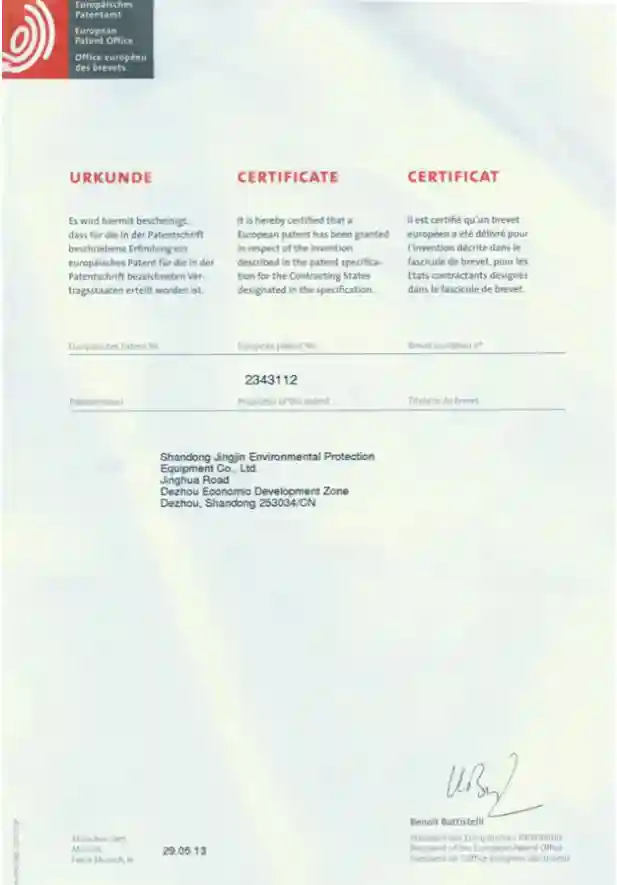
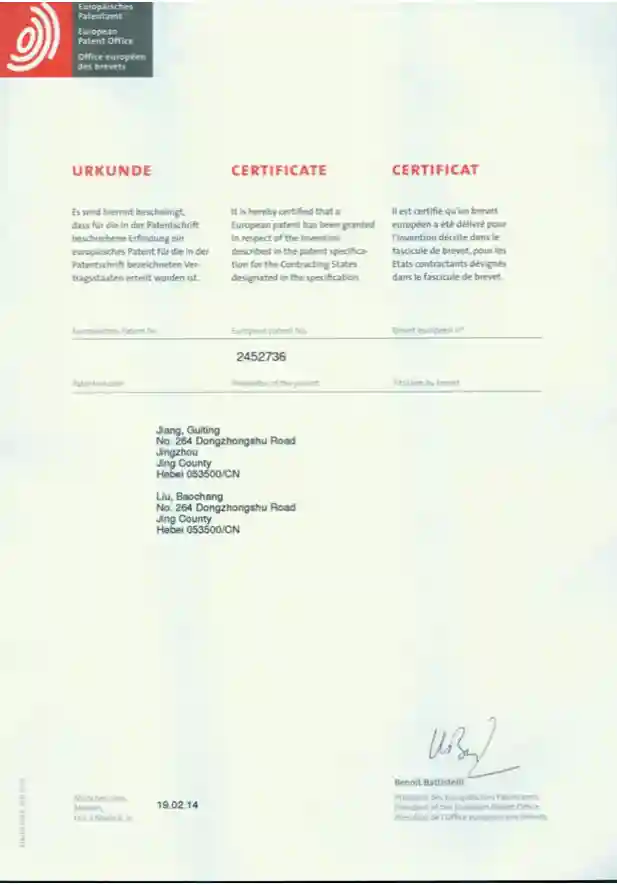
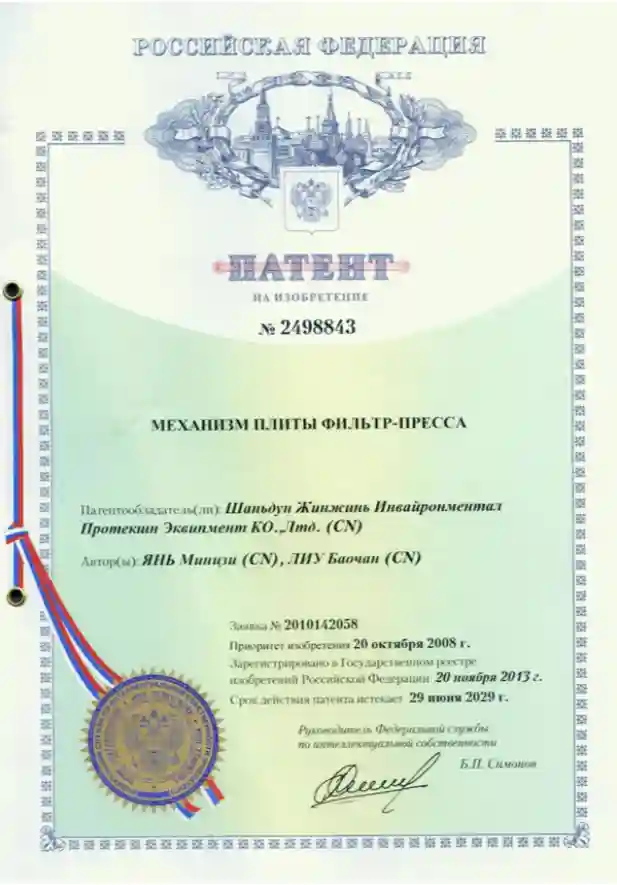
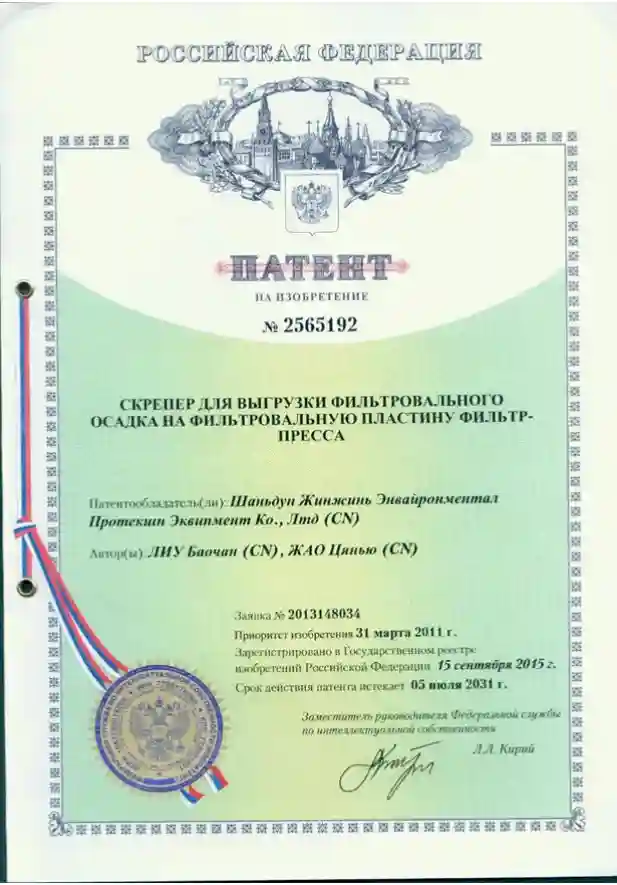
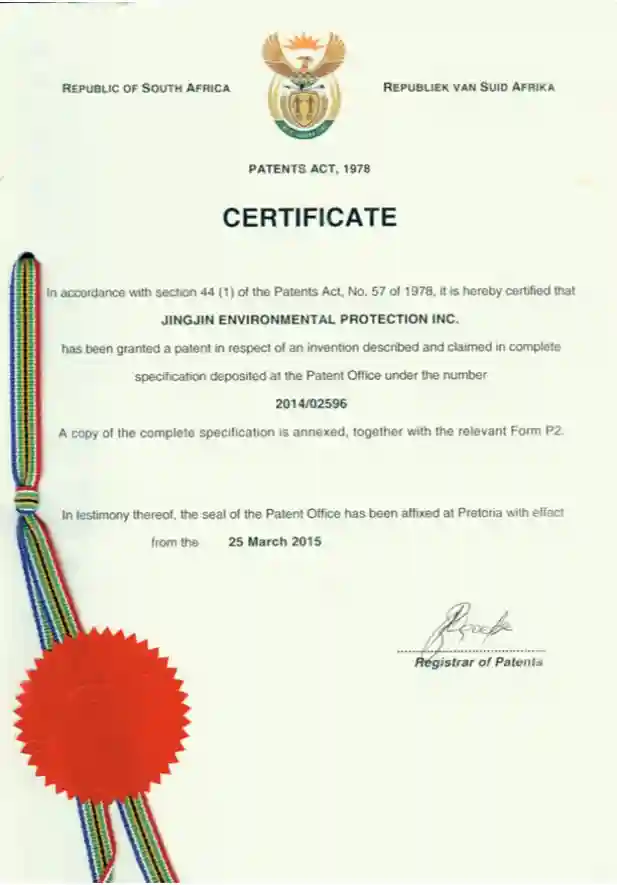
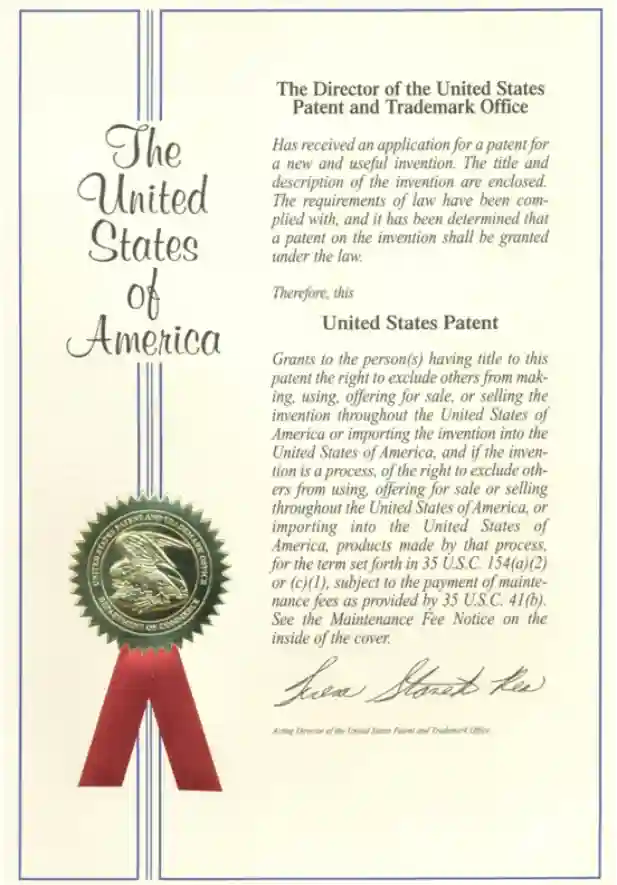
For a reputable filter press manufacturer, contact Jingjin Equipment Inc. They provide innovative membrane filtration and have over 136 patents. Businesses in 123 countries utilize our full membrane filter press systems for heavy-duty performance and great drying efficiency.
Our robust product ecosystem, worldwide service network, and dependability ensure long-term stability. This distinguishes Jingjin. Contact our professional team at [email protected] to discuss your particular requirements and learn how our cutting-edge filter press solutions may help you treat wastewater more effectively, save money, and fulfill environmental regulations.
References
1. Water Environment Federation. "Membrane Filter Press Technology Assessment for Municipal Wastewater Treatment." Industrial Water Treatment Journal, Vol. 45, No. 3, 2023, pp. 78-92.
2. American Society of Civil Engineers. "Advanced Dewatering Technologies: Performance Comparison and Economic Analysis." Environmental Engineering Proceedings, 2023, pp. 156-171.
3. International Water Association. "Solid-Liquid Separation Technologies for Industrial Wastewater: Best Practices and Case Studies." Water Science and Technology Review, Vol. 67, No. 8, 2023, pp. 234-249.
4. Smith, Robert J., and Chen, Wei-Ming. "Membrane Plate Filter Press Design and Optimization for High-Efficiency Sludge Dewatering." Chemical Engineering Progress, Vol. 119, No. 7, 2023, pp. 45-53.
5. European Water Treatment Association. "Comparative Study of Filtration Technologies for Industrial Wastewater Treatment Applications." Water Treatment Technology Quarterly, Vol. 28, No. 2, 2023, pp. 112-127.
6. Johnson, Michael A., et al. "Economic and Environmental Benefits of Advanced Membrane Filtration in Municipal Wastewater Treatment." Journal of Environmental Engineering, Vol. 149, No. 9, 2023, pp. 04023067.
jingjin
Founded in 1988, Jingjin specializes in filter presses and liquid-solid separation solutions, serving over 130 countries worldwide, and is a standard-setter in China's filter press industry.
Get the Filter Press guide
Enter Your Email for Technical assistance for the Filter Press.
Recommended Blog
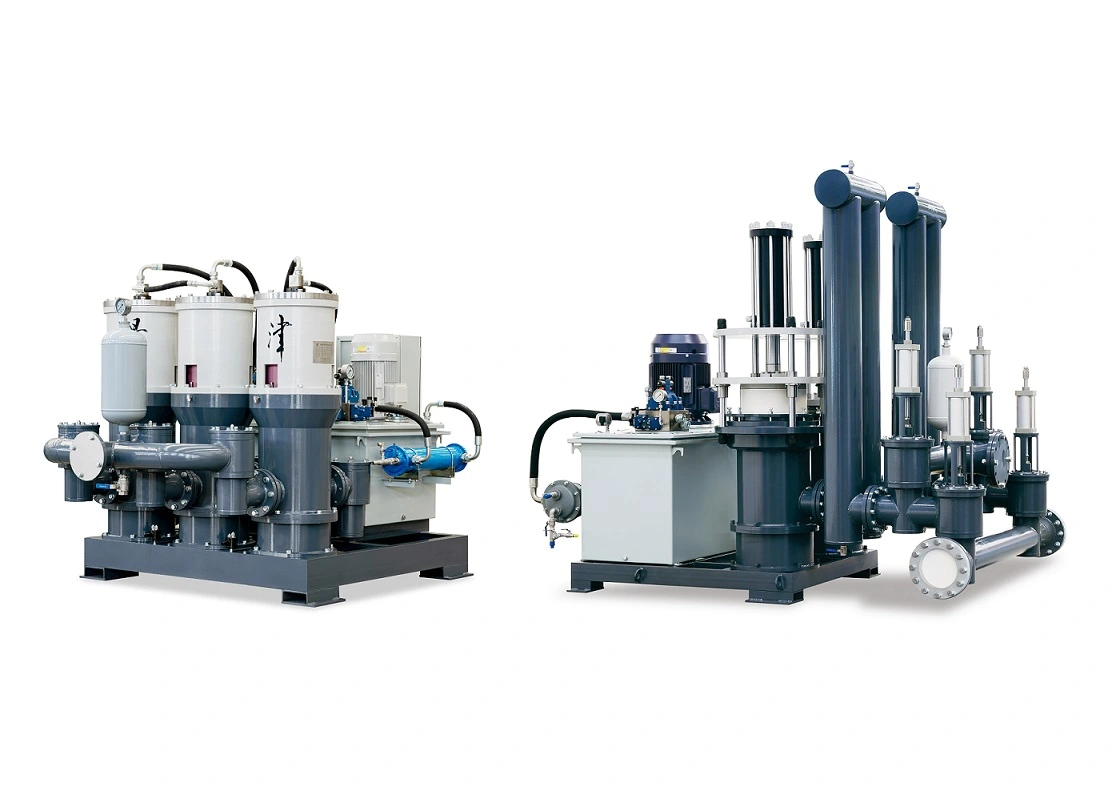
How to Choose the Best Feed Pump for Filter Press in Water Treatment
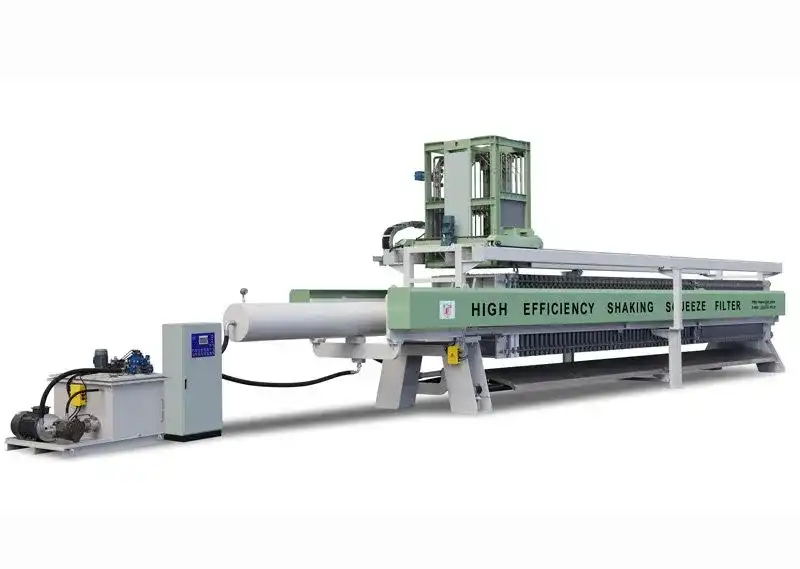
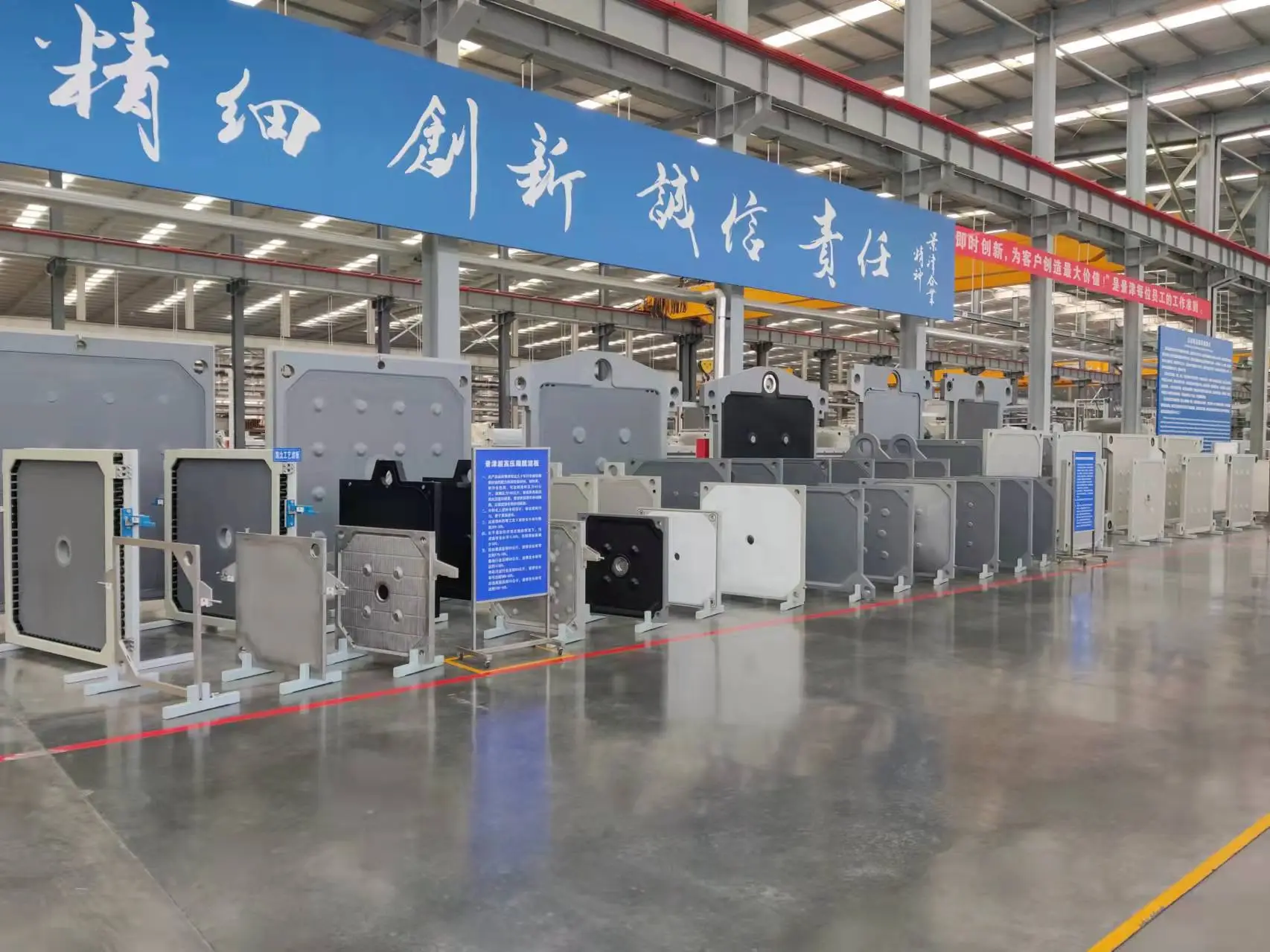
Customized Filter Press Plates for the Mining Industry: What You Need to Know
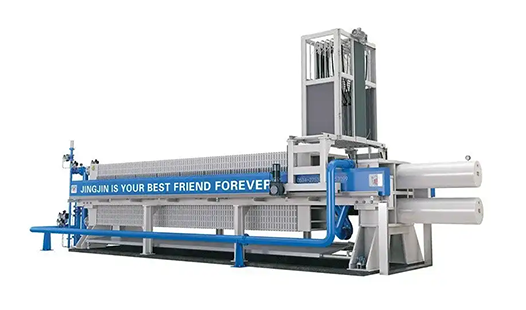
High Efficiency Jingjin Filter Press Applications in Chemical Manufacturing
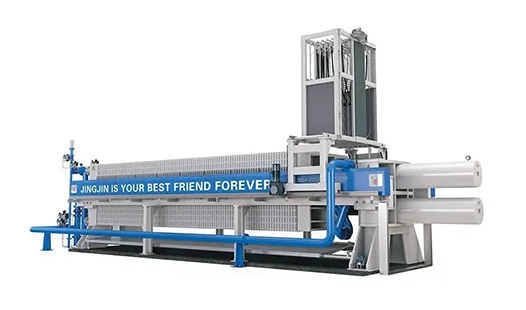
Where European Distributors Source Press Filter from China?
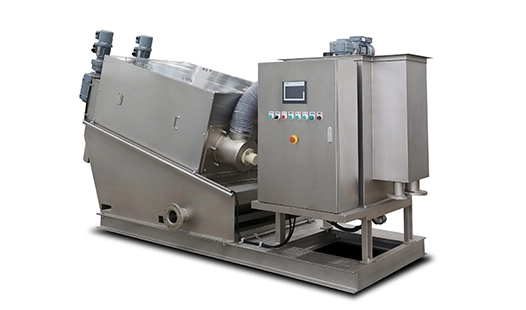
Top China Screw Dewatering Machine Suppliers for Asia Markets

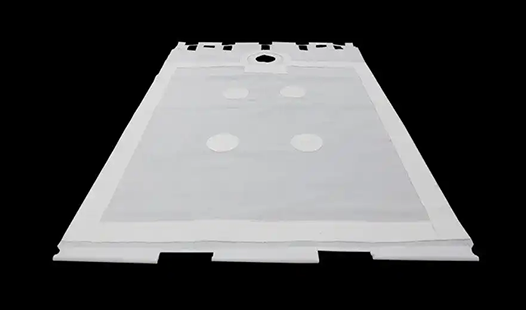
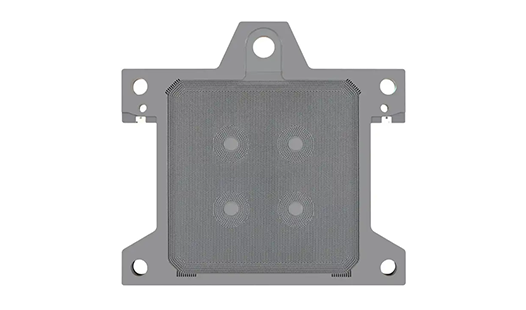
Common Problems with Filter Press Plates and How to Prevent Them