Best China Dewatering Press Machine for Africa Projects
Introduction
- Introduction
- Why Focus on Advanced Dewatering Technology for African Markets
- Selection Criteria for Optimal Performance
- Top Dewatering Press Machine Solutions
- African Market Characteristics and Considerations
- Purchasing Recommendations and Implementation Strategy
- Industry Trends and Future Outlook
- Conclusion
- Frequently Asked Questions
- Partner with Jingjin for Your African Dewatering Success
- References
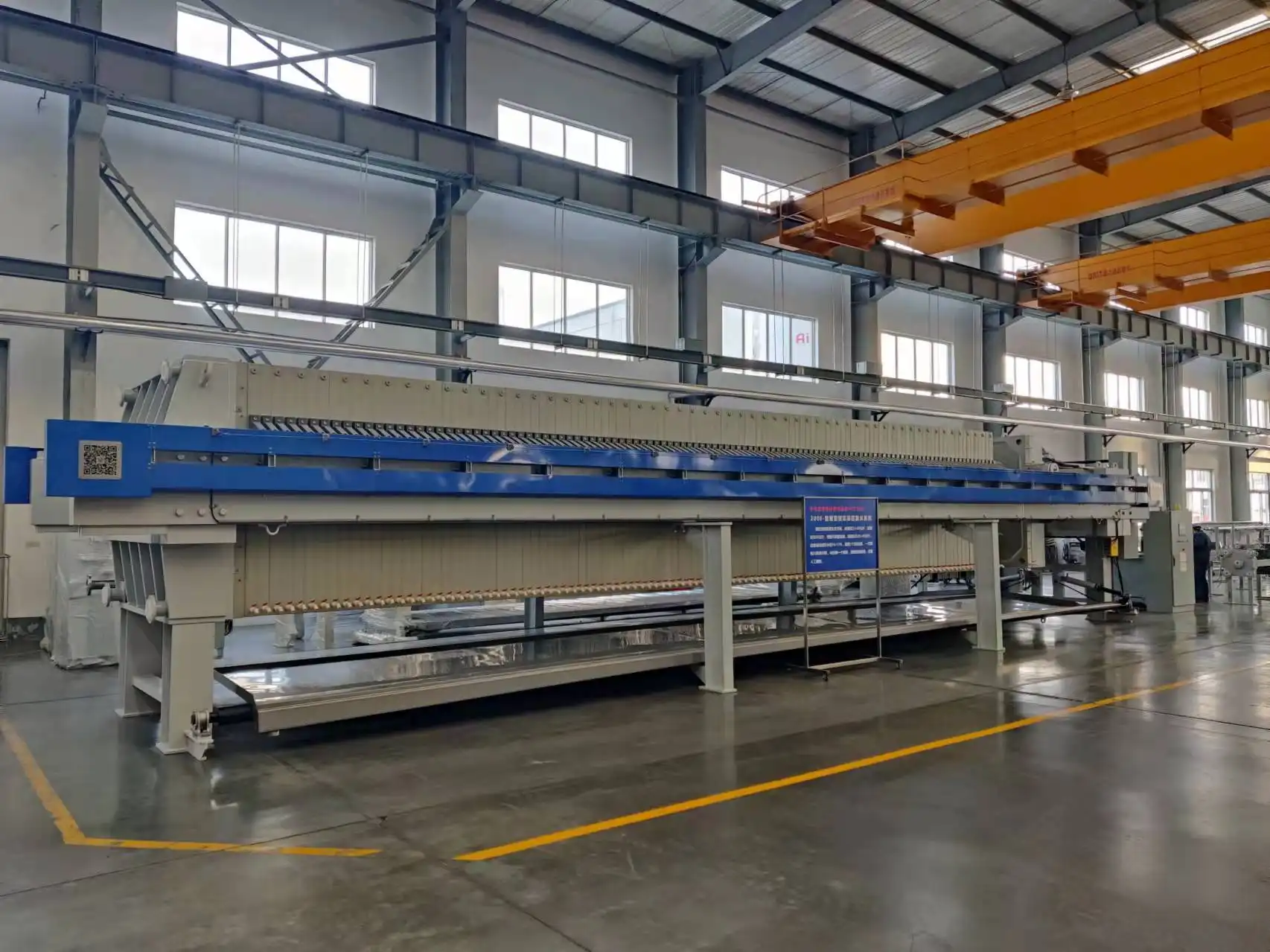
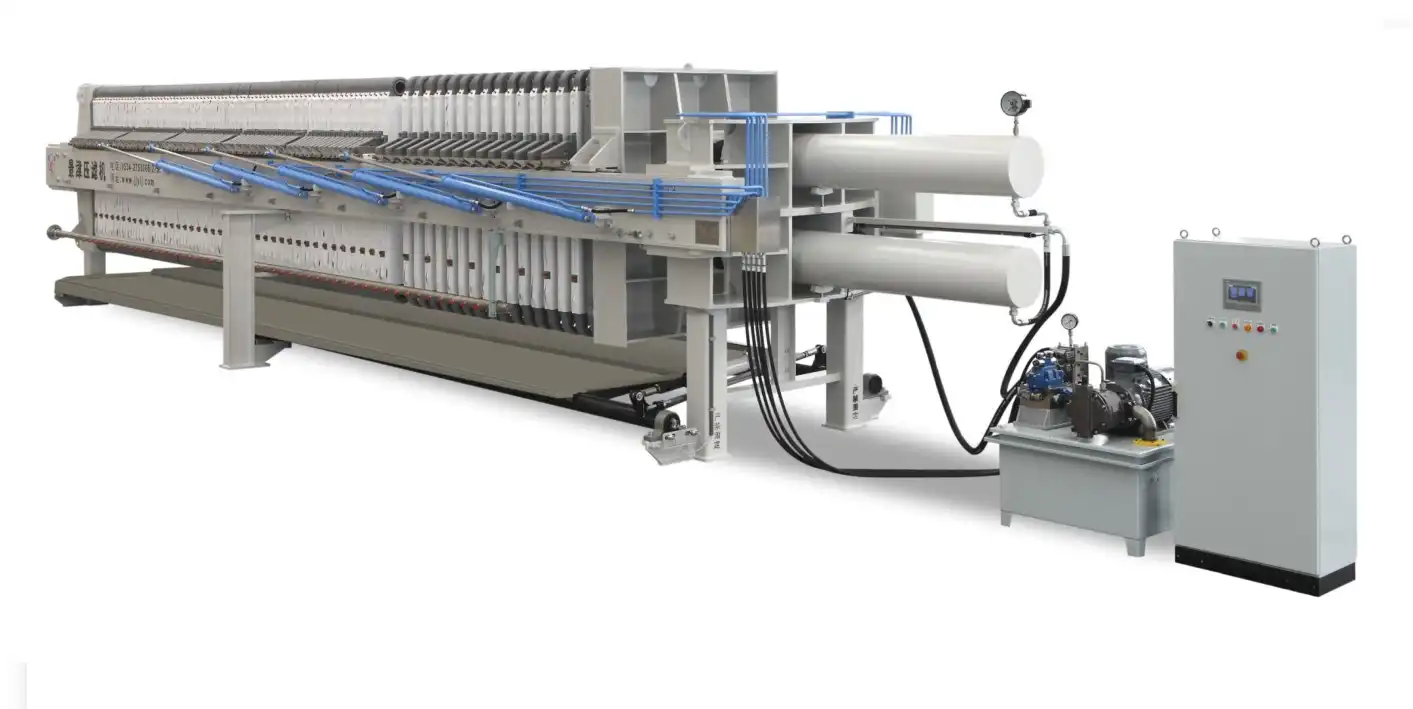
For large-scale infrastructure development in Africa, the Jingjin Chamber Filter Press is the best dewatering press machine. This innovative solid-liquid separation technique is suited for mining, municipal wastewater, and industrial applications throughout the continent due to its technical quality and cost-effective operation. Over three decades of manufacture and deployment in 123 countries, Jingjin's filtration systems provide the durability and performance African projects need for sustained growth.
Introduction
Africa's growing industrialization and infrastructural development necessitate effective water treatment technologies like never before. Mining, municipal, and industrial enterprises throughout the continent must improve dewatering processes to fulfill strict environmental criteria. Project success, operating efficiency, and regulatory compliance depend on dewatering equipment selection.
Modern filter press technology is best for solid-liquid separation in harsh African conditions. These systems perform well in high-temperature, variable power supply, and isolated areas with minimal maintenance resources. Advanced press filter systems are essential for industrial expansion because they maintain cake dryness while reducing expenses.
Understanding local circumstances, project needs, and long-term operating objectives helps choose a dewatering press machine. Equipment that is durable and versatile performs well in varied African applications, from gold mining in Ghana to wastewater treatment in South Africa.
Why Focus on Advanced Dewatering Technology for African Markets
In difficult circumstances, African infrastructure projects need reliable technology that generates economic advantages. Copper mining in Zambia and textile production in Ethiopia need different sludge treatment and water recovery methods.
Climate matters when choosing equipment. High ambient temperatures, dust, and seasonal rains dramatically impact equipment operation. Modern dewatering systems must operate consistently despite environmental difficulties while meeting project cake thickness and filtering needs.
African markets use technology for economic reasons. Projects prioritize energy-efficient, long-lasting, and polymer-dosing equipment to reduce operational costs. Long-term project feasibility depends more on the total cost of ownership than on the initial capital outlay.
Selection Criteria for Optimal Performance
We assess five key parameters that define equipment compatibility for African applications. Performance consistency is most important since projects cannot afford downtime or inconsistent output. Equipment must maintain dewatering capacity independent of feed material or season.
Premium equipment is more durable in harsh situations. Remote African projects may have trouble getting replacement components and technical help. Robust design with corrosion-resistant materials extends operating life with less maintenance.
Local support infrastructure strongly influences equipment selection. Service networks, spare parts, and technical training provide manufacturers with a regional presence an edge over rivals without. This assistance is critical for commissioning, operation, and maintenance.
In places with high electricity prices or inconsistent power supply, energy efficiency significantly impacts operational profitability. Modern hydraulic press systems optimize pressure cycles and reduce idle power usage, saving money across equipment lifecycles.
Flexibility in handling varied feed materials lets the same equipment platforms serve many applications. Many African projects treat multiple sludge types, necessitating dewatering equipment that can respond to changing solid concentrations and particle properties without performance loss.
Top Dewatering Press Machine Solutions
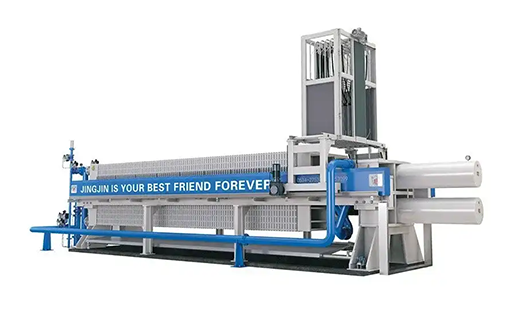
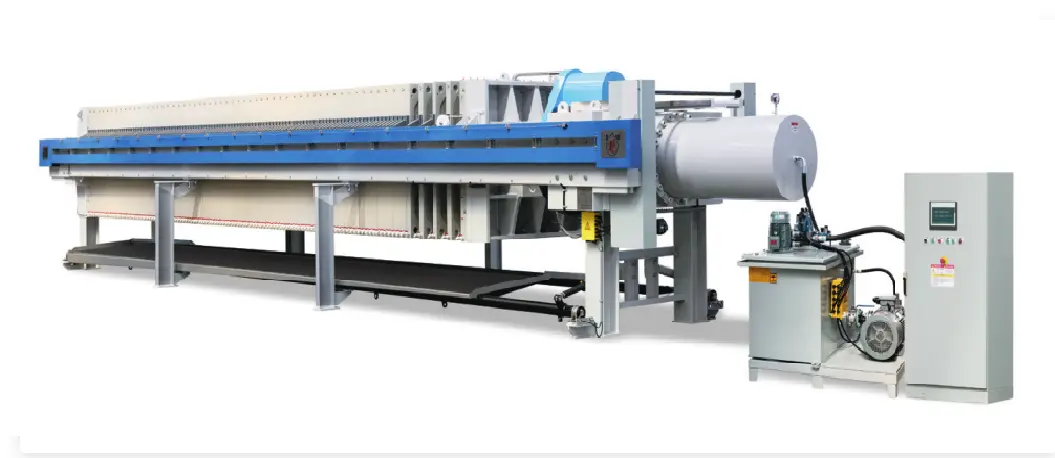
Jingjin Automatic Chamber Filter Press
For challenging African applications, the Jingjin Automatic Chamber dewatering press machine is the pinnacle of solid-liquid separation technology. This innovative system uses a unique plate design and clever control technologies to dewater consistently under various operating situations.
Main Performance Features:
- Pressure up to 25 bar for maximum water removal
- Automated cake discharge cuts labor dramatically.
- Varying chamber volume accommodates different kinds of sludge
- Advanced filtration cloths last longer in severe conditions.
- Maintenance is reduced by integrated washing systems.
Automated operation improves African projects with few experienced operators. Pre-programmed cycles assure consistent outcomes independent of operator expertise, and remote monitoring allows central oversight. Energy-efficient hydraulic systems save operating expenses.
Special alloys resist corrosion in harsh chemical environments like mining and industry. The modular architecture allows capacity extension as projects evolve, enabling exceptional scalability for increasing businesses. Remote sites are kept running with comprehensive spare parts kits.
African Success Apps:
West African mines indicate a 15-20% cake solids improvement over earlier equipment. The lower polymer usage and constant sludge cake quality simplify disposal logistics for municipal treatment plants.
Jingjin High-Pressure Membrane Filter Press
Through revolutionary squeeze cycles that remove moisture after pressing, membrane filter press technology dewaters better. This dual-stage method is ideal for applications that need maximum water recovery or the lowest waste.
Benefits of advanced technology
- Membrane squeeze reduces moisture by 5–8%.
- Specific material dewatering is optimized by pressure sequences.
- Reduced waste volume cuts disposal expenses dramatically.
- Water clarity increases with better filtration.
- Chemically resistant flexible membranes
When waste reduction drives operational choices, the technology thrives. Significant volume reductions in mining tailings facilities reduce environmental impact and storage costs. Solvent recovery and hazardous waste reduction assist chemical manufacturing companies.
Using real-time moisture sensor data, intelligent control systems alter membrane pressure. Optimization maximizes efficiency without over-pressurization, which may damage filter cloths or shorten equipment life.
Economic Impact:
When converting to membrane technology, African projects save 20-30% on waste disposal. Secondary drying is typically unnecessary due to enhanced cake dryness, decreasing operational complexity, and energy use.
Jingjin Mobile Dewatering Units
Mobile units designed for construction, emergency response, and temporary installations offer comprehensive dewatering solutions without infrastructure. The self-contained design comprises pumps, control systems, and auxiliary equipment.
Advantages of mobility:
- Truck-mounted design speeds deployment.
- Self-contained operation needs little site prep.
- Flexible 5-50 cubic meters per hour capacity
- Outdoor equipment is protected by weatherproof enclosures.
- Quick-connect fittings ease installation and removal.
African construction projects use these machines for tunnel boring, foundation excavation, and site dewatering. The dewatering press machine may be moved as projects continue, improving asset use over permanent installations.
Emergency reaction is useful during flood recovery and industrial sludge treatment. Complete operational independence permits deployment in places without power or water.
Flexibility in Operations:
The modular architecture allows for application-specific feed pumps, polymer dosing systems, and control setups. Standardized parts save spare parts inventories and ease maintenance.
African Market Characteristics and Considerations
Knowing regional market dynamics optimizes equipment selection for nations and applications. South Africa's mining business requires high-capacity systems that can handle vast amounts of tailings without monitoring. The country's solid infrastructure allows advanced control and remote monitoring systems.
West African gold mines emphasize equipment endurance owing to harsh environments and insufficient support infrastructure. Equipment durability requires specific materials and coatings for dust, humidity, and hostile water chemistry.
East African manufacturing expansion requires dewatering equipment that can handle various industrial waste streams. Flexible equipment is used for textile, food, and pharmaceutical production.
Environmental preservation and water conservation are being emphasized in continental regulations. Through efficiency and waste reduction, modern dewatering press machine technology helps facilities comply and save expenses.
Currency changes and import processes affect equipment purchases. In unpredictable economies, manufacturers with local funding, currency hedging, or leasing agreements have an edge.
Purchasing Recommendations and Implementation Strategy
Successful equipment acquisition needs an entire ownership cost analysis, not just the initial purchase price. Compare options based on energy, maintenance, consumables, and operator training costs.
Equipment-specific site preparation needs vary greatly. Concrete foundations, electrical infrastructure, and drainage systems make fixed installations expensive. Mobile units are advantageous when permanent installations are uneconomical.
Equipment performance and lifetime are optimized via training programs. Comprehensive operator training, maintenance, and troubleshooting reduce unnecessary downtime and enhance ROI. Operational continuation depends on spare parts. Before equipment commissioning, agree on parts inventories, delivery times, and emergency assistance.
Performance guarantees defend against equipment underperformance and set operating parameters. Purchase contracts should include capacity, cake dryness, energy usage, and availability objectives.
Industry Trends and Future Outlook
Industrial dewatering is transformed by IoT sensors, predictive maintenance, and automated optimization. These solutions improve equipment dependability and performance consistency while lowering operating expenses. African projects are adopting smart filtration systems with real-time performance data and predictive maintenance notifications.
More effective sludge treatment and water recovery technologies are needed as environmental rules tighten throughout the continent. Advanced dewatering technology reduces waste and water use, helping companies comply and reduce environmental impact.
Conclusion
Performance criteria and local operating realities must be balanced when choosing a dewatering press machine for African projects. Jingjin's filter press solutions are proven to work in a variety of applications and harsh situations. Advanced engineering, durable construction, and complete support assure project success regardless of location or complexity.
Quality dewatering technology reduces operating costs, improves environmental compliance, and boosts dependability. Successful African industrial expansion requires sustainable infrastructure development, making effective sludge dewatering crucial.
Frequently Asked Questions
1. What capacity dewatering press machine do I need for my project?
Capacity requirements depend on sludge volume, desired processing schedule, and peak flow conditions. Mining operations typically require 50-200 cubic meters per hour capacity, while municipal facilities may need 10-50 cubic meters per hour. Consider future expansion when sizing equipment.
2. How does climate affect equipment selection in Africa?
High temperatures, dust exposure, and humidity require specialized materials and protective systems. Stainless steel construction, sealed electrical enclosures, and enhanced cooling systems ensure reliable operation in challenging African environments.
3. What maintenance support is available for Chinese equipment?
Established manufacturers like Jingjin provide comprehensive support, including local service centers, trained technicians, spare parts inventory, and remote diagnostic capabilities. Service agreements ensure rapid response for critical maintenance needs.
4. Can dewatering equipment handle varying sludge types?
Modern filter press systems accommodate diverse feed materials through adjustable pressure cycles, variable chamber configurations, and specialized filter cloths. Flexibility in handling different sludge characteristics provides excellent operational versatility.
Partner with Jingjin for Your African Dewatering Success
Jingjin Equipment Inc. can provide world-class dewatering press machine solutions for your African project. Our three decades of manufacturing expertise and proven success in 123 countries guarantee your investment produces solid returns over time. We assist with dewatering press machine design, commissioning, and maintenance as a leading provider. Discuss your needs with our professional staff at [email protected] to learn how Jingjin technology can boost your project's success.
References
1. African Development Bank, "Water Infrastructure Development in Sub-Saharan Africa: Strategic Framework and Implementation Guidelines," Industrial Water Management Review, 2023.
2. International Mining Technology Council, "Best Practices for Tailings Dewatering in Tropical Climates: Lessons from African Mining Operations," Journal of Mining Engineering, 2023.
3. World Bank Group, "Municipal Wastewater Treatment Technologies for Developing Countries: Cost-Effectiveness Analysis," Environmental Engineering Quarterly, 2022.
4. African Industrial Development Association, "Solid-Liquid Separation Technologies in African Manufacturing: Performance Benchmarks and Selection Criteria," Process Engineering Africa, 2023.
5. International Water Association, "Sludge Management Strategies for African Cities: Technology Assessment and Implementation Guidance," Water Treatment Technology Review, 2022.
6. Society of Mining Engineers Africa, "Dewatering Equipment Performance in High-Temperature Mining Environments: Comparative Study of Filter Press Technologies," Mining Operations Journal, 2023.
jingjin
Founded in 1988, Jingjin specializes in filter presses and liquid-solid separation solutions, serving over 130 countries worldwide, and is a standard-setter in China's filter press industry.
Get the Filter Press guide
Enter Your Email for Technical assistance for the Filter Press.
Recommended Blog
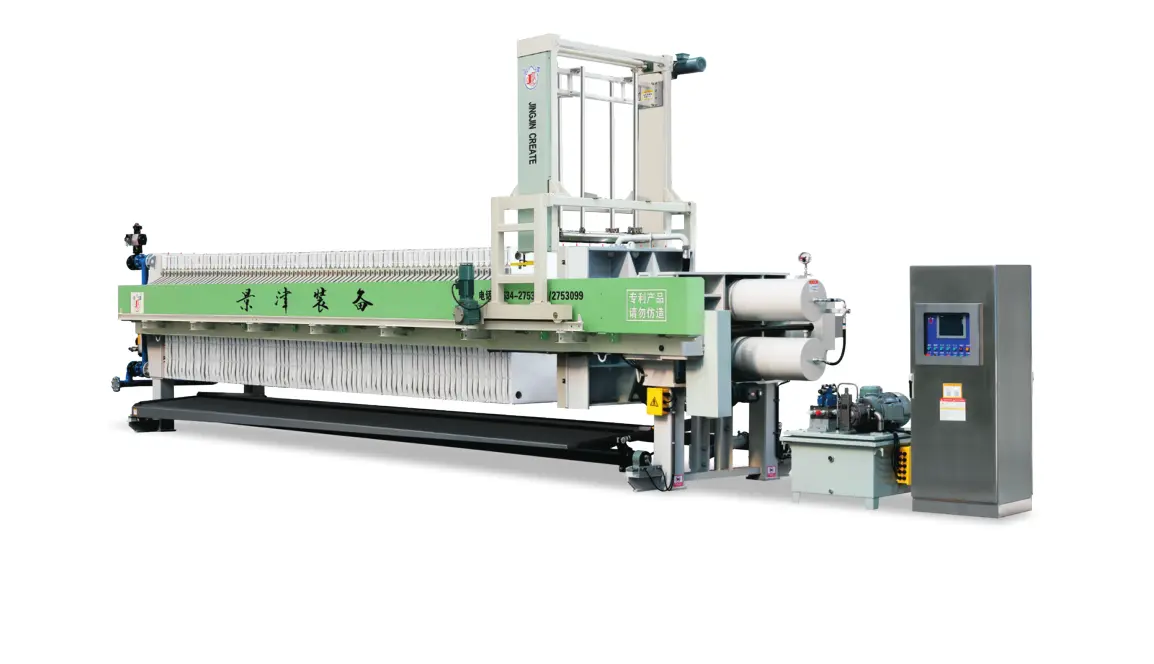
Essential Maintenance Tips for Press Filters in Industrial Plants
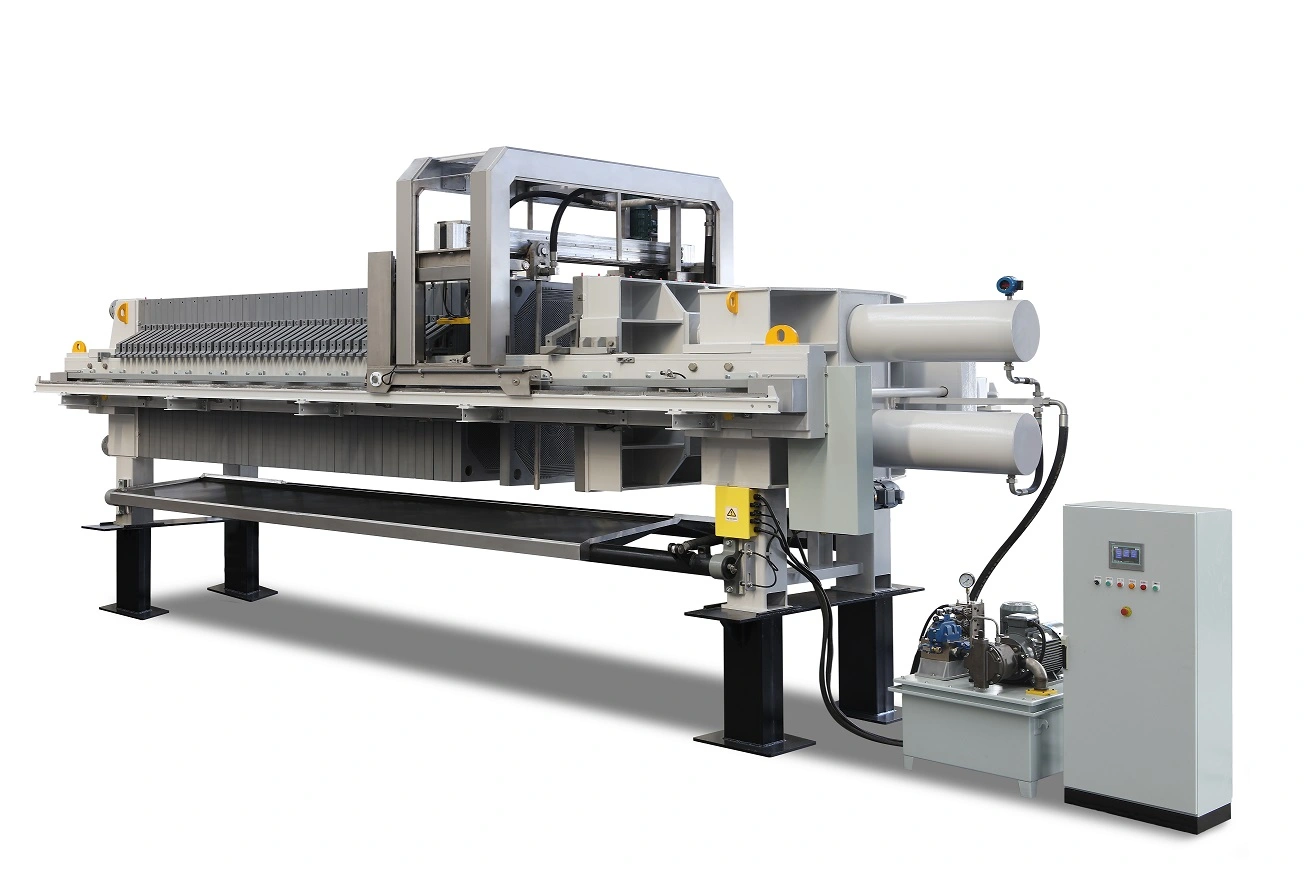
How to Clean and Replace Filter Press Cloths for Optimal Performance
Why Vietnam Wastewater Plants Choose China Multi Disk Screw Press?
How to Choose the Right Filter Press Manufacturer: Key Factors to Consider
Cost-Effective Filter Press Cloth Options for Wastewater Treatment
Customized Multi Disk Screw Press Solutions for Specific Sludge Processing Needs